分类: society

  • WATCH: Allman Town Primary students march for peace

    WATCH: Allman Town Primary students march for peace

    KINGSTON, Jamaica — Young voices echoed through the streets of Allman Town as primary school students became ambassadors of peace during Jamaica’s annual Peace Day observance this Tuesday. Carrying messages of harmony and unity, the children from Allman Town Primary School organized a vibrant peace march through their community.

    The procession featured students marching alongside musical bands and community adults, creating a powerful visual representation of cross-generational solidarity. Their chants of “We want peace” resonated through the neighborhood, turning the event into both a celebration and a call for social cohesion.

    This annual observance occurs every first Tuesday of March, established through formal proclamation by then Governor General Howard Cooke in February 1996. The declaration officially recognized the peace-building initiatives of PALS Jamaica (Peace and Love in Society), an organization dedicated to conflict resolution and social harmony.

    The Peace Day tradition represents Jamaica’s ongoing commitment to addressing community violence through positive engagement and youth empowerment. By involving school children as primary participants, the event emphasizes the crucial role of education in fostering long-term social change and community resilience.

  • Commission launches three years after Protection Against Violence Act gazetted

    Commission launches three years after Protection Against Violence Act gazetted

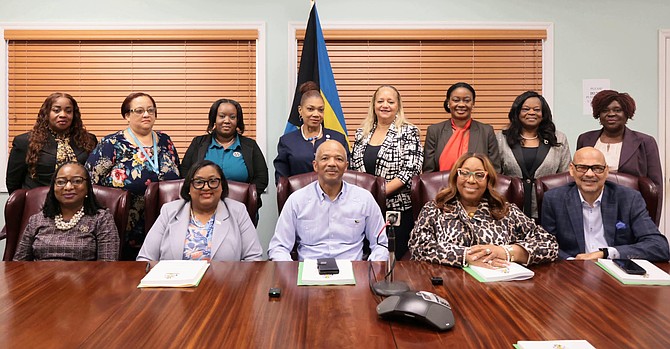
    The Bahamian government has officially inaugurated the Protection Against Violence Commission, marking a pivotal transition from legislative framework to operational reality under the Protection Against Violence Act of 2023. This landmark development, effective February 1, 2026, establishes a comprehensive enforcement mechanism nearly three years after the law’s initial gazetting.

    At a press conference closed to media but documented through an official release, Minister of Social Services, Information and Broadcasting Myles LaRoda characterized violence as a multidimensional threat to both individual security and national stability. “The harm inflicted upon women reverberates through families, weakens communities, and ultimately compromises national progress,” LaRoda asserted, framing the Commission as the institutional force that transforms legislative intent into coordinated action.

    The newly appointed Commission Chair Marisa Mason-Smith announced the body’s immediate shift from strategic planning to implementation, acknowledging foundational contributors including Dr. RubyAnn Nottage, Dr. Sandra Dean-Patterson, and the legislative drafting team led by Jewel Major from the Office of the Attorney General. “With expert groundwork established and legislation enacted,” Mason-Smith declared, “we now commence purposeful execution with unwavering resolve to eliminate violence.”

    Commission Co-Chair Pastor David Burrows addressed the generational nature of the challenge, emphasizing that meaningful impact requires educating upcoming generations to break cyclical patterns of violence. Desiree Clarke of the National Council for Persons with Disabilities highlighted the heightened vulnerability of disabled individuals, insisting that protection strategies must incorporate inclusive design principles.

    The Commission represents a whole-of-society approach rooted in legal, strategic, cultural, and faith-based dimensions. The Department of Gender and Family Affairs, under Director Sharmie Farrington, will administer the Commission’s operational functions, including coordination and oversight mechanisms. Religious and cultural representatives including Dr. Roslyn Astwood of the Bahamas Christian Council and Deputy Director of Culture Portia Sands emphasized that confronting violence through moral accountability and compassion ultimately strengthens Bahamian social fabric by reinforcing familial respect and communal responsibility.

  • Dozens of gallons of stolen diesel recovered in Manchester, three vehicles seized

    Dozens of gallons of stolen diesel recovered in Manchester, three vehicles seized

    A coordinated dawn operation between Jamaican law enforcement and corporate security has dealt a significant blow to a sophisticated fuel theft network in Manchester. The breakthrough occurred Tuesday along a haul road near Porus, where authorities intercepted a major diesel smuggling attempt.

    At approximately 4:30 a.m., Jamalco security personnel on routine patrol spotted a suspicious vehicle along the transport route. As security approached, multiple individuals abandoned the car and fled into surrounding areas, evading capture through the early morning darkness.

    The incident triggered an immediate multi-unit response with officers from both Mandeville and Porus police stations converging on the location. A search team of nine officers, under the leadership of Sergeant Dwight Holland of the Operational Support Team, conducted a thorough sweep of the vicinity.

    The operation yielded substantial evidence: 30 containers filled with stolen low-sulphur diesel, 13 empty containers presumably for future use, and three vehicles connected to the criminal activity. According to investigators, the diesel had been illegally extracted from heavy equipment operating near mining sites.

    Deputy Superintendent Valdin Amos, acting operations officer for Manchester, characterized the seizure as the product of sustained police efforts targeting transportation corridors where praedial larceny has increasingly threatened local communities. “These targeted operations are strategically designed to disrupt criminal movements, hinder further illegal activities, protect our national assets, and safeguard the livelihood of our farming communities,” DSP Amos stated.

    The successful operation highlights growing collaboration between private sector security and Jamaican law enforcement to combat resource theft that costs legitimate businesses and the national economy millions annually. Low-sulphur diesel commands premium prices on the black market due to its critical industrial applications.

  • Jamaican sign language training programme for public libraries launched

    Jamaican sign language training programme for public libraries launched

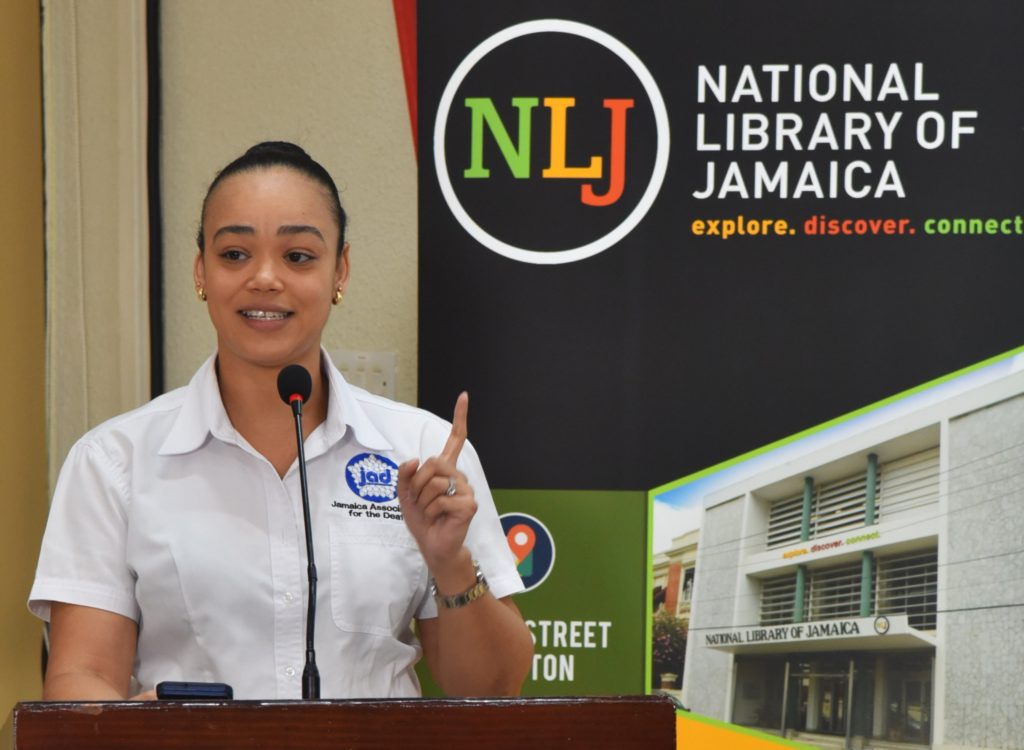
    KINGSTON, Jamaica — In a landmark move toward social inclusion, Jamaica’s library system has initiated a comprehensive Jamaican Sign Language (JSL) training program designed to dismantle communication barriers for deaf patrons. The pioneering initiative, dubbed ‘Bridging the Gap: One Sign at a Time,’ was formally inaugurated Monday at the University of the West Indies Mona campus, signaling a new era of accessibility in the nation’s knowledge institutions.

    The program will deliver structured JSL education to frontline staff across Jamaica’s entire library network, encompassing the National Library of Jamaica and regional parish libraries. This capacity-building effort aims to equip information professionals with the necessary linguistic skills to serve deaf and hard-of-hearing community members effectively and with dignity.

    Culture Minister Olivia Grange, represented by National Library Board Chair Joy Douglas, characterized the initiative as reflecting her ministry’s deepened commitment to enhancing service accessibility for persons with disabilities. Minister Grange emphasized that true inclusion must embrace Jamaicans across the spectrum of physical and intellectual capabilities, noting parallel efforts to broaden participation in cultural and athletic programs.

    The minister framed the initiative as transcending mere symbolic recognition, stating: “This is more than us saying to the deaf community—’we see you’ or ‘we value you.’ This is about empowerment and building independence.” She expressed aspirations for JSL to eventually be integrated into formal education curricula, similar to foreign language offerings, to eradicate communication barriers society-wide.

    Kimberly Sherlock Marriot-Blake, Executive Director of the Jamaica Association for the Deaf, hailed the program as a transformative milestone in national development. With over 16 years of experience providing JSL instruction to diverse stakeholders, Marriot-Blake emphasized that language accessibility fundamentally reshapes institutional systems, making them more equitable and responsive.

    She particularly commended library authorities for recognizing that true accessibility extends beyond physical infrastructure to encompass communication channels. The initiative, she noted, creates opportunities for preserving deaf cultural heritage as an integral component of Jamaica’s national identity.

    Adding political weight to the effort, Senator Professor Floyd Morris, Director of the Centre for Disability Studies at UWI, reaffirmed his commitment to pursuing official government recognition of Jamaican Sign Language, underscoring its critical role in achieving genuine social inclusion.

  • 90-y-o ‘Mass Joe’ benefits from house refurbished after Hurricane Melissa through community effort

    90-y-o ‘Mass Joe’ benefits from house refurbished after Hurricane Melissa through community effort

    In the aftermath of Hurricane Melissa’s destructive path through St. Elizabeth, Jamaica, a remarkable story of community solidarity has emerged centered around a nonagenarian known affectionately as ‘Mass Joe.’ The catastrophic storm had completely torn the roof from the lifelong New Town resident’s home, leaving the vulnerable elderly man exposed to harsh weather conditions and creating an urgent humanitarian situation.

    Initial assistance came from immediate neighbors who quickly deployed tarpaulins as temporary protection. However, these stopgap measures proved insufficient against continued heavy rainfall, leaving Mass Joe in increasingly precarious circumstances. The situation prompted an extraordinary multi-sector response that transcended traditional aid frameworks.

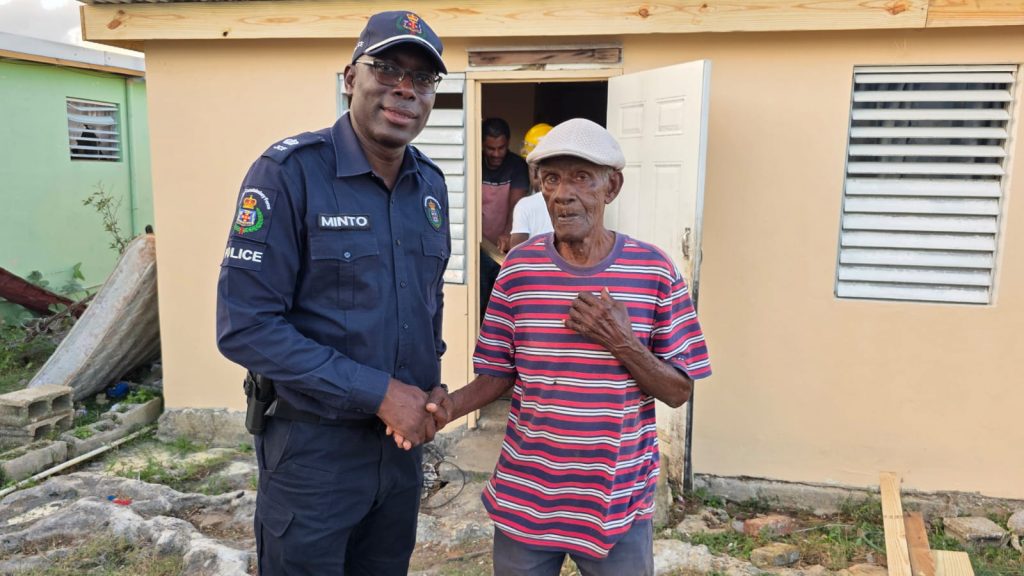
    Local leadership emerged through Superintendent Coleridge Minto, head of the St. Elizabeth Police Division, who coordinated a comprehensive rebuilding initiative. Member of Parliament Floyd Green contributed essential zinc sheeting materials for the new roof, while Brady’s Construction Company Limited provided not only lumber and building materials but also deployed their skilled carpenters and painters. Community members further enhanced the effort through voluntary labor, food provisions, and additional supplies.

    The collaborative project achieved far more than basic repairs. Workers completely replaced the entire roof structure, repainted both interior and exterior walls, installed a new mattress to replace aged bedding, and renovated the kitchen cupboard. These comprehensive improvements restored both the structural integrity and comfort of the residence, transforming it from a storm-damaged structure into a secure, habitable home.

    Superintendent Minto emphasized the significance of the collective achievement: ‘This exemplary work demonstrates what becomes possible when public servants, private sector partners, and neighbors unite around supporting vulnerable community members.’ He particularly acknowledged the crucial role of immediate neighbors whose rapid response sustained Mass Joe during the critical period before organized repairs could be completed.

    Participants in the rebuilding effort described the elderly beneficiary as profoundly grateful throughout the process. The intervention has reportedly restored Mass Joe’s sense of security and wellbeing after the traumatic post-hurricane experience. This successful community-driven initiative in New Town now stands as a powerful model of cross-sector partnership and community resilience, demonstrating how coordinated local action can effectively address urgent needs when formal institutional assistance is unavailable or delayed.

  • Beyond the rain

    Beyond the rain

    Facing severe drought conditions that have compromised 133 water supply systems nationwide, Jamaica is implementing an ambitious national strategy to fortify its water infrastructure against increasingly erratic weather patterns. Minister Matthew Samuda, overseeing water resources, has declared that traditional reliance on seasonal rainfall is no longer viable, necessitating urgent structural interventions.

    The government’s comprehensive approach centers on two primary objectives: dramatically expanding water storage capacity and implementing a nationwide engineering program to reduce non-revenue water (NRW) losses exceeding 70% in multiple parishes. These systemic losses, comprising leaks and unauthorized usage, represent a critical vulnerability in Jamaica’s water security framework.

    Evidence from Kingston and St. Andrew demonstrates the potential impact of infrastructure improvements. Through targeted NRW reduction efforts, daily water consumption in the capital region has decreased by 12 million gallons compared to a decade ago, with leakage rates plummeting from 72% to approximately 40%. This enhanced efficiency substantially mitigated water shortages during recent drought periods, with the 2022 deficit measuring 15 million gallons daily compared to 30 million gallons during the 2015 drought.

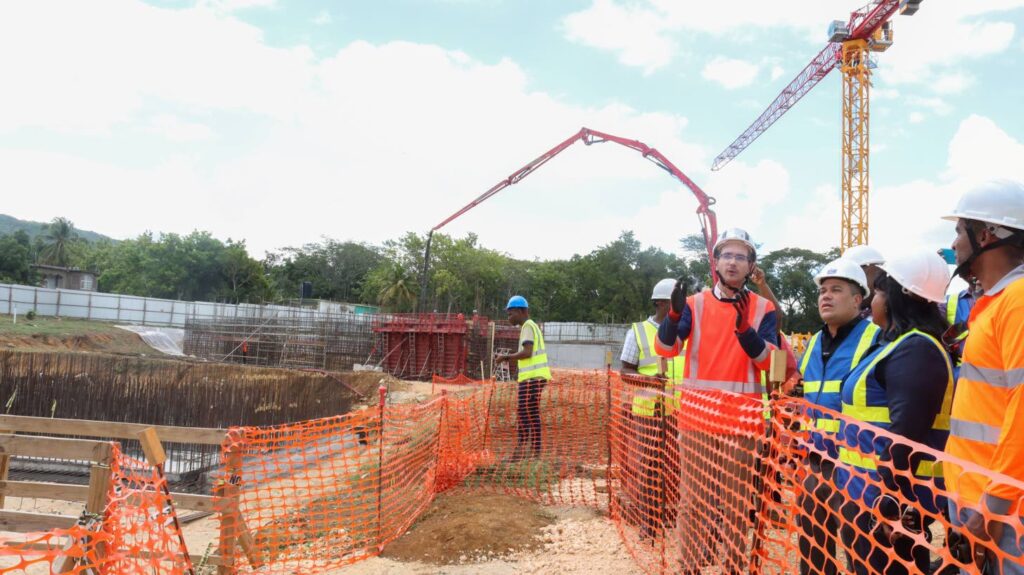
    Major infrastructure projects form the cornerstone of Jamaica’s long-term strategy. The planned Hermitage Dam development promises to secure water resilience for Kingston over the next half-century, while the Rio Cobre Water Treatment Plant will augment supply capacity across Kingston, St. Andrew, and sections of St. Catherine upon completion.

    Despite current challenges, Minister Samuda emphasized that Jamaica’s groundwater resources remain substantially adequate—approximately 500% above combined irrigation and potable water requirements, though reduced from historical levels of 700%. The critical challenge lies in storage and distribution rather than absolute water availability.

    With meteorological projections indicating below-normal rainfall through June, the government has activated immediate response measures including distribution of nearly 13,000 household water tanks and expansion of water truck fleets. Concurrently, strategic initiatives like the Western Water Resilience Project and Rio Cobre Water Supply Project aim to fundamentally transform Jamaica’s capacity to withstand prolonged dry periods in an era of climate uncertainty.

  • Canada mulling expanding ‘assisted dying’ law to mental illness

    Canada mulling expanding ‘assisted dying’ law to mental illness

    MONTREAL, Canada — For 93-year-old Jacques Poissant, relief from prolonged suffering arrived when he posed a courageous question to his daughter: would it be cowardly to seek assistance in dying? After an extensive battle with prostate cancer that left him physically diminished and devoid of life’s vitality, his inquiry initiated a dignified farewell process.

    His daughter, Josee Poissant, recounts how her mother made a similar choice at age 96 upon recognizing her permanent hospitalization. Surrounded by family and accompanied by cherished music, she experienced a peaceful transition. “She was at peace. She sang until she went to sleep,” Poissant remembers, describing the moment as both beautiful and moving—a privileged opportunity for proper goodbyes.

    Canadian legislation has progressively expanded since initially legalizing medical assistance in dying (MAID) in 2016 for end-of-life cases. By 2021, the right extended to those with serious and incurable conditions, even when death wasn’t immediately foreseeable. Current statistics reveal that one in twenty Canadian deaths in 2023 involved this procedure.

    The nation now contemplates further expansion as a parliamentary committee prepares to examine whether MAID should include individuals suffering exclusively from mental illnesses. This potential development represents the next frontier in end-of-life legislation, positioning Canada as a global leader in assisted dying policies while other nations like Britain and France consider more limited measures.

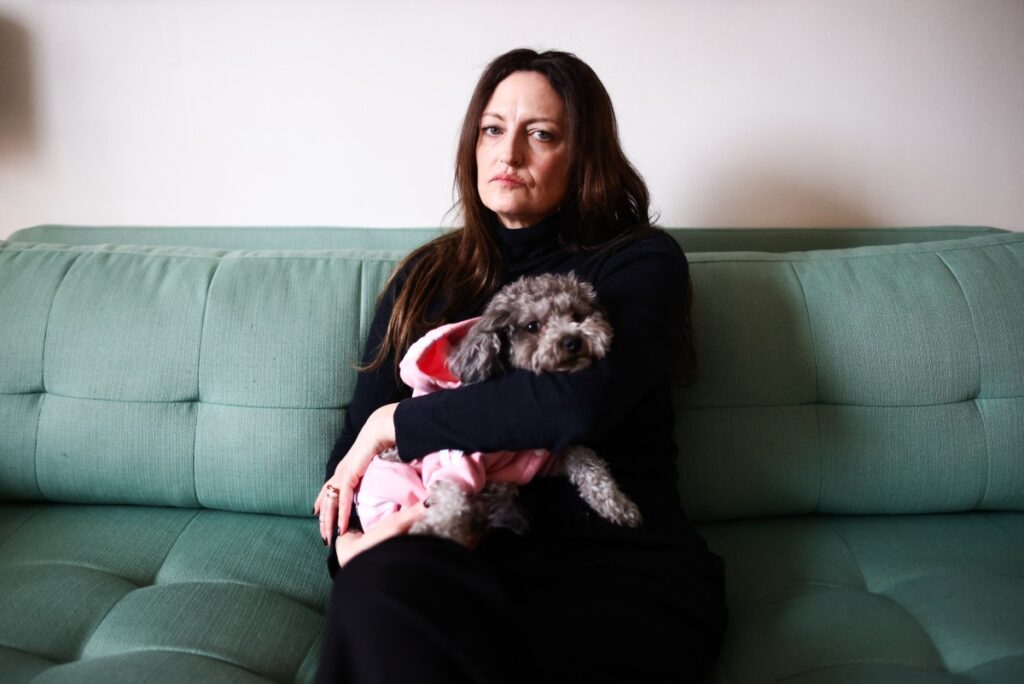
    Claire Brosseau, a 49-year-old former stand-up comedian, embodies this pending decision. After decades battling bipolar disorder through extensive treatments across multiple cities—including various medications, therapies, and alternative approaches—she finds daily existence overwhelmingly challenging. “I have about 10 to 30 minutes a day where I’m OK. But the rest of it is just terrible,” she explains from her Toronto apartment where she lives in isolation with her dog Olive.

    Brosseau envisions a peaceful departure surrounded by love rather than a violent, solitary end. However, critics like University of Toronto health law professor Trudo Lemmens caution against trivializing assisted dying as “a form of therapy.” He notes Canada’s sharper rise in cases compared to pioneering nations like Belgium and the Netherlands, emphasizing that suicidal desires often integrate with psychiatric disorders whose trajectories remain unpredictable.

    Conversely, psychiatrist Mona Gupta, who chaired a government advisory expert panel, argues against distinguishing between mental and physical suffering. “We have to acknowledge that there are people who have been ill for decades and have undergone all kinds of treatments,” she states, emphasizing that certain mental illnesses produce equally unrelievable suffering as physical conditions.

    For those with terminal physical illnesses like Rachel Fournier, a 71-year-old Quebecker with brain cancer, MAID approval brings profound relief. “Knowing that there will be an end, and that I can choose the moment, is an immense relief,” she reflects from her palliative care center. This control over her departure contrasts with her mother’s experience with dementia, when legal options for dignified death were unavailable.

    Canada’s rigorous protocol requires adult applicants with decision-making capacity to demonstrate serious, incurable illness causing constant, unbearable suffering that cannot be tolerably relieved. Only after two physicians verify these criteria can lethal medication be administered at the patient’s chosen time.

    Increasingly, Canadian families transform these final moments into celebrations of life. Ceremonies feature music, speeches, buffets, and personalized elements—from horror movie viewings to final beers and cigarettes. Funeral complexes now dedicate spaces for these gatherings, recognizing their significance.

    As Dr. Georges L’Esperance, a veteran MAID provider, observes: “Thanks to medicine, we have added years to people’s lives, but not always life to those years.” For advocates like Brosseau, the fundamental question remains about personal autonomy: “To deny me this right is to deny my humanity.”

  • Police investigating infanticide involving two-month-old in Manchester

    Police investigating infanticide involving two-month-old in Manchester

    The rural community of Top Hill in Manchester, Jamaica, was plunged into a state of profound grief and shock on Tuesday morning following the tragic death of a two-month-old infant in an alleged case of maternal infanticide. Local law enforcement authorities confirmed they are investigating the incident, with preliminary reports indicating the newborn was deliberately drowned in a bucket of water. The child’s mother has been identified as the primary suspect in this devastating event, which represents an extreme violation of maternal trust and infant welfare.

    This incident has sent reverberations throughout the close-knit Jamaican district, where residents expressed collective anguish and disbelief at the unprecedented tragedy. Community members described an atmosphere of sorrow and mourning as they struggled to comprehend the circumstances surrounding the infant’s death. The case has drawn attention to critical issues of mental health support and child protection mechanisms within rural communities.

    Jamaican police officials have launched a full investigation into the matter, though specific details regarding potential motives or circumstances leading to the tragedy remain under scrutiny. The incident highlights the complex social and psychological challenges that can sometimes culminate in such extreme acts of violence against the most vulnerable members of society.

  • WASH Project Launched at Bella Vista Polyclinic

    WASH Project Launched at Bella Vista Polyclinic

    BELLA VISTA, TOLEDO DISTRICT – In a significant stride for public health infrastructure, a comprehensive Water, Sanitation, and Hygiene (WASH) facility was officially unveiled on Thursday, March 2, 2026, at the Bella Vista Polyclinic. This critical initiative represents a collaborative endeavor between Belize’s Ministry of Rural Transformation, Community Development, and Local Government and the United Nations Children’s Fund (UNICEF). The project’s cornerstone involves the installation of dual 10,000-liter water storage tanks, supported by a newly constructed elevated concrete stand to ensure consistent water pressure. A dedicated, modern laundry room has also been established to augment the clinic’s operational hygiene protocols. Health officials emphasize that this infrastructure overhaul is designed to create a resilient backup water supply, effectively insulating medical services from disruptions in the main municipal system. This safeguard ensures uninterrupted patient care and critical medical procedures during periods of water scarcity. Furthermore, the enhanced laundry capabilities are projected to significantly elevate infection control measures, directly contributing to reduced nosocomial infection rates. This WASH project is a pivotal component of a broader, ongoing national strategy to fortify and modernize healthcare and sanitation services in Belize’s rural and underserved communities, directly impacting public health outcomes.

  • Police Investigate Suspected Drowning Incident in English Harbour

    Police Investigate Suspected Drowning Incident in English Harbour

    Authorities in Antigua and Barbuda are conducting a thorough investigation into the tragic death of a British tourist following a suspected drowning incident in English Harbour. The victim, identified as 73-year-old Christopher Graham Jones from England, encountered difficulties while snorkeling near Galleon Beach on Saturday, February 28th, 2026.

    According to preliminary reports from the Royal Police Force, the incident occurred at approximately 11:17 a.m. when Jones began experiencing distress during his swimming excursion. The captain of a nearby vessel, alerted by individuals signaling for help from the water, immediately intervened to assist the struggling tourist.

    Emergency response efforts were swiftly initiated as the victim was brought aboard the rescue vessel where cardiopulmonary resuscitation (CPR) was administered without delay. Jones was subsequently transported to shore where members of the Antigua and Barbuda Search and Rescue (ABSAR) team continued advanced life-saving procedures.

    Despite these extensive efforts, the tourist was pronounced dead at 12:39 p.m. by medical professionals at the Sir Lester Bird Medical Centre. The tragic incident occurred on the same day that Jones and his wife had arrived in Antigua aboard a cruise vessel from Barbados.

    The Royal Police Force has confirmed that a post-mortem examination will be conducted to determine the exact circumstances surrounding the death. Investigators continue to examine all aspects of the incident while extending their sincere condolences to the grieving family.

    In light of this tragedy, local authorities have issued a renewed safety appeal to both residents and visitors, emphasizing the critical importance of exercising extreme caution during beach activities and maintaining appropriate safety measures at all times.