分类: society

  • ‘Jail is hell,’ says soca artiste who did time for robbery

    ‘Jail is hell,’ says soca artiste who did time for robbery

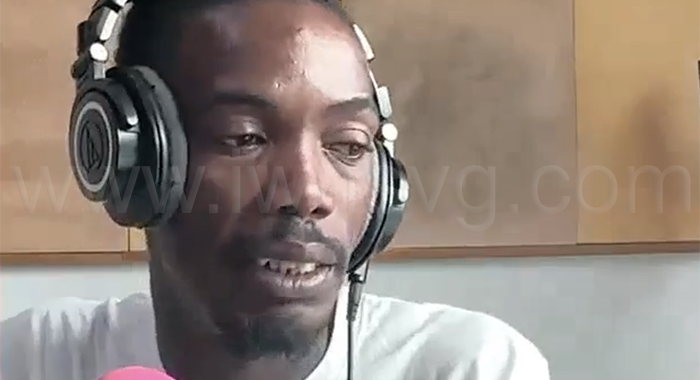
    Bradley “Party Dawg” Huggins, a soca musician whose rising career was abruptly interrupted by incarceration, has delivered a powerful cautionary message about prison life following his recent release. The artist, who served over six years for a 2015 armed robbery conviction, characterized correctional facilities as places of unending torment where basic comforts and genuine human connections are scarce.

    Huggins described the brutal reality of incarceration in St. Vincent and the Grenadines, revealing that prisoners endure overcrowded cells housing up to nine inmates in confined spaces. The daily routine involves minimal nutrition—primarily consisting of what he termed “the national dish in jail”: rice and stewed chicken—and limited recreational time. He detailed how inmates typically receive bread with tea for breakfast, the ubiquitous rice dishes for lunch, and light evening meals accompanied by herbal tea.

    The artist revealed that survival in prison requires adopting protective personas, noting that “everybody wearing some kind of mask” and genuine relationships are rare. He explained that marijuana serves as a coping mechanism for many inmates, while interactions are often transactional rather than authentic. Huggins admitted to learning how to “become a snake” to navigate this dangerous environment where insincerity prevails.

    Despite these challenges, Huggins found opportunities for personal growth through reading and reflection. He emphasized his determination to avoid reoffending, citing parental responsibilities toward his 11-year-old daughter as primary motivation. The artist maintained communication with his daughter throughout his sentence using contraband cell phones, demonstrating his commitment to remaining present in her life.

    Huggins acknowledged his personal responsibility in the robbery incident while noting that peer influence and alcohol contributed to his poor decision-making. He expressed no bitterness toward his accomplices, revealing that both have reformed their lives since release—one operating a taxi business and the other abandoning previous negative behaviors.

    The musician confirmed plans to revitalize his music career, with new recordings expected for the 2026 Vincymas celebrations. During his incarceration, prison authorities had permitted him recording studio access, indicating institutional recognition of his artistic potential. Huggins concluded that while prison constituted a “very rough experience,” it provided invaluable lessons about personal accountability and life priorities.


  • Nursing education is failing us all

    Nursing education is failing us all

    A group of nursing students has come forward with devastating allegations against their educational institution, describing a six-year ordeal characterized by systemic exploitation, psychological abuse, and institutional failure. What began as hopeful pursuit of medical careers has transformed into what they describe as an oppressive system designed to break rather than educate future healthcare professionals.

    The students detail a pattern of being used to address hospital staffing shortages without adequate training or support, then being blamed when they struggled under the overwhelming pressure. They report facing intimidation, humiliation, and unexplained failures despite their dedication to the profession. The most alarming revelation is a claimed 100% failure rate that should have prompted institutional accountability but instead resulted in retaliation against those seeking answers.

    Communication breakdowns form a central part of their grievances, with exam results allegedly delayed for months without justification. The students characterize this silence as a deliberate control mechanism rather than an administrative necessity. Many report severe mental health consequences, including sleep disturbances, financial strain, and difficulty providing for their families while carrying the psychological weight of their educational experience.

    In a warning to prospective students, they describe the environment as ‘cult-like’ where submission is valued over competence and fear dominates over learning. Despite these challenges, the students emphasize their continued commitment to nursing as their ultimate calling, while calling for fundamental reform in how educational institutions treat those entering care professions.

  • VSB bespreekt toenemende criminaliteit met minister Monorath

    VSB bespreekt toenemende criminaliteit met minister Monorath

    Business representatives from the Suriname Trade and Industry Association (VSB) have held urgent consultations with Justice and Police Minister Harish Monorath to address the country’s worsening security crisis. The meeting was prompted by alarming reports from VSB members indicating a sharp increase in violent robberies targeting retailers, distribution companies, and other high-risk enterprises.

    During the high-level discussions, VSB officials emphasized that armed robberies and violent incidents are causing substantial financial losses while simultaneously undermining Suriname’s investment climate and threatening employment stability. According to the association’s bulletin Nieuwslijn, both business owners and employees increasingly feel unsafe while conducting their professional activities.

    The business association advocated for immediate, tangible security measures within a clear legal framework to enable better protection of personnel and commercial operations. VSB leadership stressed the critical importance of establishing structured collaboration between the Justice Ministry, security services, and private sector entities. Proposed solutions included developing joint action plans for specific districts and enhancing information sharing mechanisms.

    Minister Monorath acknowledged the necessity of business community participation in combating criminal activities. Both parties expressed commitment to intensifying their dialogue and developing a coordinated strategy to reduce crime rates and enhance security measures for businesses and society overall. They agreed to continue discussions in the immediate future to formalize this collaborative approach.

  • 40e viering Wereld Religie Dag

    40e viering Wereld Religie Dag

    Suriname commemorated a significant milestone on Sunday, January 18th, celebrating the 40th anniversary of World Religion Day—four decades of sustained interreligious dialogue, cooperation, and community engagement. Organized by the Suriname World Religion Day Foundation, this year’s event embraced the theme ‘Together We Form the Whole – Wi Na Wan,’ emphasizing that every religious tradition and citizen constitutes an essential component of Surinamese society.

    The gathering took place at the Arya Dewaker Multipurpose Hall in Paramaribo, attracting representatives from diverse faith communities, non-governmental organizations, civil society groups, and government officials. Multiple speakers addressed the audience, exploring the theme from various religious perspectives with the shared objective of highlighting common values and strengthening national unity.

    World Religion Day, established in 1986, has evolved into a global initiative promoting religious harmony and mutual understanding. In Suriname—a nation renowned for its rich religious and cultural diversity—the observance holds particular significance as a symbol of peaceful coexistence amid differences.

    This 40th edition underscores the Foundation’s ongoing commitment to fostering dialogue, respect, and collaboration across religious boundaries. The organization extended an open invitation for collective reflection on the unifying values that define Suriname, further solidifying the country’s exemplary role in regional religious harmony.

  • Today is the deadline to renew your vehicle registration sticker digitally.

    Today is the deadline to renew your vehicle registration sticker digitally.

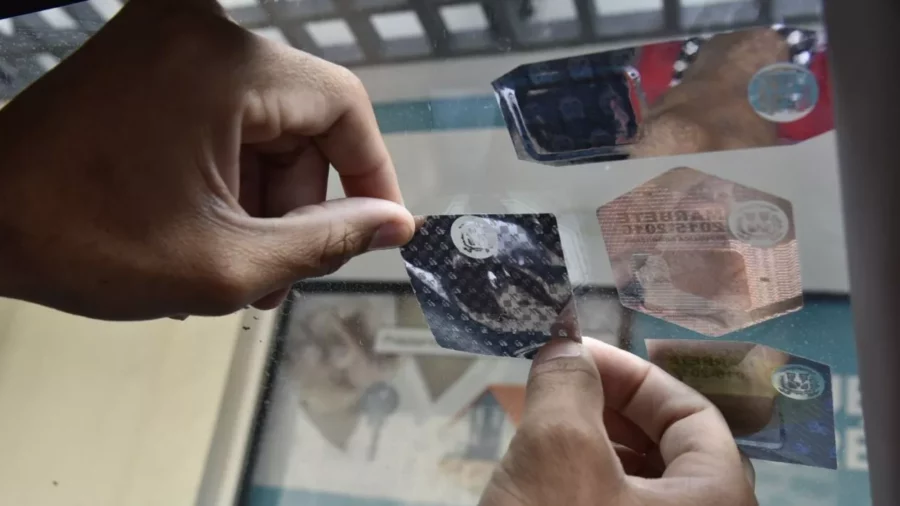
    Santo Domingo – The Dominican Republic’s General Directorate of Internal Taxes (DGII) has implemented a dual deadline system for vehicle circulation tax renewals, creating distinct timelines for online versus in-person processing. Digital renewals through the DGII 360 platform must be completed by Sunday, January 18, while physical renewals at authorized locations remain available until January 31, 2026.

    The agency has streamlined the digital process, requiring only national identification numbers (RNC) and vehicle plate information through either the official DGII mobile application or the website www.dgii.gov.do. This convenience comes with a delivery trade-off: online applicants receive their physical stickers within approximately four business days in the capital region and eight days elsewhere, while in-person renewals provide immediate issuance.

    Current compliance statistics reveal significant collection numbers alongside substantial outstanding renewals. As of last Friday, approximately 800,000 vehicle owners had yet to renew their permits, despite collections already exceeding 2 billion pesos from compliant citizens. Digital adoption has been notable with over 150,000 vehicles processed online.

    The 2025-2026 fiscal period sees expanded eligibility with 2,086,756 vehicles requiring renewal—an increase of 193,732 units from the previous cycle. The DGII projects total collections will reach RD$3,433,806,000 during this annual mobilization of vehicle owners nationwide.

    Fee structures remain unchanged from the previous period: RD$1,500 for vehicles manufactured through 2020 and RD$3,000 for those from 2021 onward. Renewal services are available at 47 financial institutions with 856 branches nationwide, plus DGII offices in Montecristi and Samaná.

    The agency has established a graduated penalty system for non-compliance: RD$2,000 for missing the January 31, 2026 deadline; RD$2,100 for those who also missed the 2024-2025 period; and RD$3,100 for vehicles outstanding since 2023-2024 or earlier, incorporating administrative fees atop base penalties.

  • The vulgarity of urban music worries churches

    The vulgarity of urban music worries churches

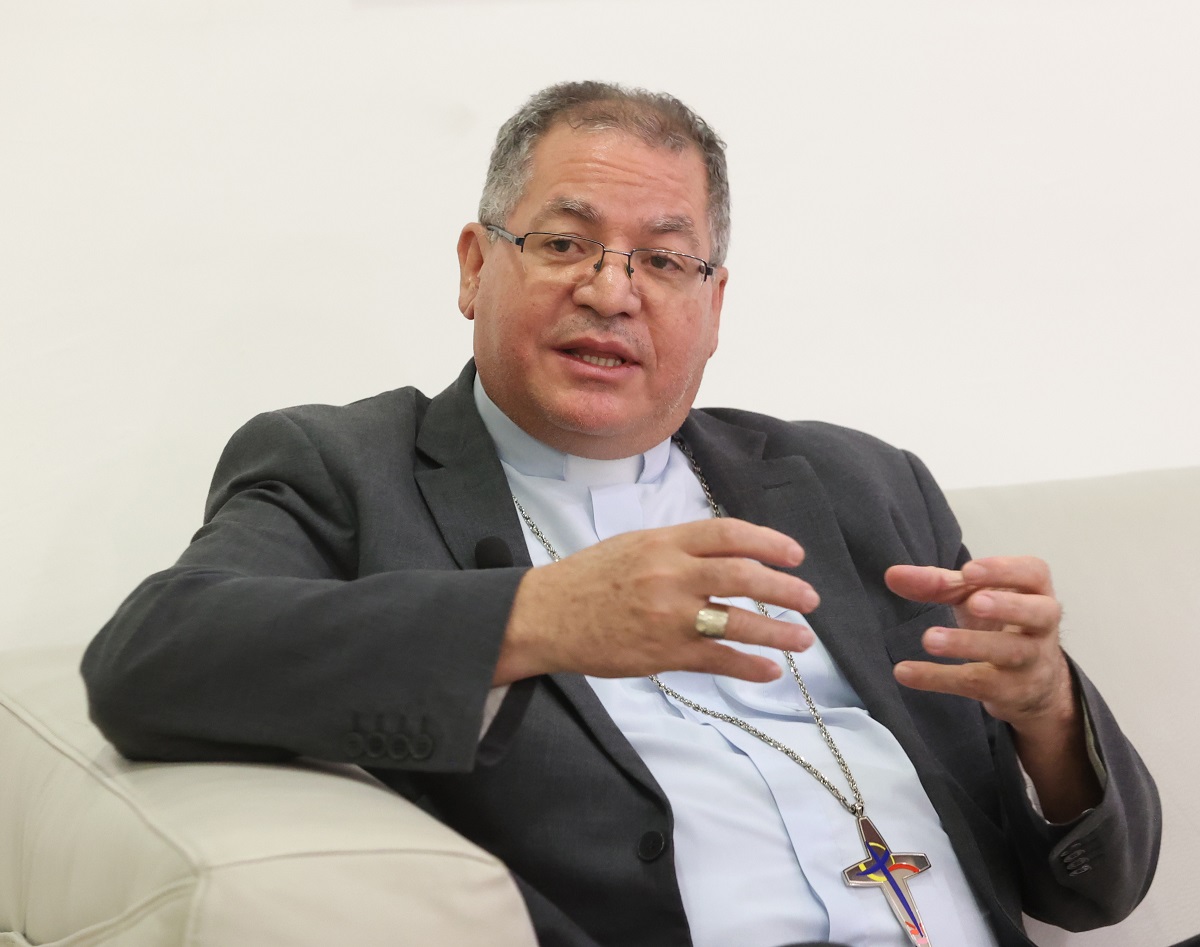
    Religious leaders and mental health experts in the Dominican Republic are raising urgent concerns about the deteriorating moral landscape in digital content and its profound effects on younger generations. The Catholic Church, represented by Monsignor José Amable Durán and Father José Luis Cruz, identifies the normalization of explicit lyrics in urban music and unfiltered vulgar content on social platforms as a primary catalyst for behavioral and emotional disorders among children and adolescents.

    Monsignor Durán, auxiliary bishop of Santo Domingo, emphasized that this issue transcends religious doctrine, touching upon fundamental aspects of social morality. He articulated that music and language were originally conceived for positive expression but are now being weaponized to promote moral disorder, irresponsible behavior, and explicit sexuality. The prelate directly linked the current epidemic of teenage pregnancies to early exposure to morally damaging musical content consumed even within family environments.

    The debate extends beyond mere content criticism to address the technological paradigm shift that has enabled this crisis. Father Cruz, rector of the Catholic University of Santo Domingo, highlighted the contrast with previous decades when regulatory mechanisms in traditional media prevented mass dissemination of harmful content. The internet’s borderless nature has created an essentially ungovernable digital ecosystem where children access explicit material without restrictions.

    Psychological perspectives from family therapist Yesmín Meyer corroborate these concerns, noting that negative role models from urban music and influencers promote violence, sexism, and damaging gender stereotypes. These influences fundamentally shape the behavioral patterns and social roles that young people adopt during their formative years.

    All experts converge on the irreplaceable role of parental guidance and digital literacy rather than advocating for absolute censorship. They stress that parents must implement conscious content filters and foster critical thinking skills, acknowledging that social media is permanently embedded in modern life. The solution requires a multifaceted approach combining responsible parenting, ethical content creation, platform accountability, and educated consumption.

  • Shaw is first Vincy in prestigious communication fellowship in US

    Shaw is first Vincy in prestigious communication fellowship in US

    In a historic achievement for Caribbean media, Ari Shaw has become the first journalist from St. Vincent and the Grenadines to secure placement in the International Center for Journalists’ Professional Fellows Program in the United States. This competitive selection process drew media professionals from 25 nations across Latin America, the Caribbean, and the United States.

    Shaw brings a decade of extensive media experience to the program, having served as a radio announcer and host at WE FM, reporter at Searchlight newspaper, news editor at IKTV & BOOM FM, and host of the “Off The Record” podcast. Currently, he serves as communications officer for the Government of St. Vincent and the Grenadines’ Volcanic Eruption Emergency Project and Beryl Emergency Resilient Recovery Project.

    The fellowship, which commenced this Wednesday and continues through February 19, offers participants immersive professional development opportunities. Fellows will collaborate directly with U.S. media organizations, develop entrepreneurial initiatives, and enhance their technical capabilities in investigative journalism, fact-checking, and podcast production. The program additionally focuses on building sustainable business models for media enterprises.

    According to the U.S. Embassy in Barbados, the initiative facilitates professional exchanges that strengthen mutual understanding and cooperation between the United States and partner regions. Shaw’s participation is anticipated to significantly advance his expertise while contributing to the enhancement of innovative broadcasting and media practices within St. Vincent and the Grenadines.

    Expressing his enthusiasm, Shaw noted: “I’m both honored and grateful to be the first Vincentian accepted into this program. I perceive this as a valuable opportunity to refine my skills while engaging with international journalism professionals. I eagerly anticipate meaningful contributions to SVG’s media landscape and the broader region.” Shaw received his media training in Taiwan, adding international perspective to his professional background.

  • 87 cursisten behalen SAO-certificaat na afronding vaktrainingen

    87 cursisten behalen SAO-certificaat na afronding vaktrainingen

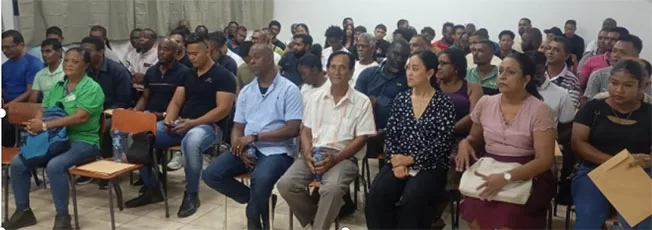
    PARAMARIBO – In a significant demonstration of personal initiative and educational commitment, 87 students received vocational certification on January 15, 2026, after successfully completing self-financed training programs. The ceremony, organized by the Foundation for Labor Mobilization and Development (SAO), highlighted courses in Basic Refrigeration Technology, Electrical House Installation, Water Sanitation (GaWaSa), and Printed Circuit Board Repair.

    The graduation event witnessed notable attendance from Deputy Minister of Health, Welfare, and Labor Raj Jadnanansing, SAO Director Joyce Lapar, and Izaak Hill, representing the Board of Directors. Originally commencing with 103 participants, the program achieved an impressive 84% completion rate, with all graduates personally covering their training expenses without corporate sponsorship.

    Deputy Minister Jadnanansing praised the graduates’ perseverance and conscious investment in their professional capabilities. He emphasized Suriname’s impending need for skilled labor, particularly driven by expansion in the oil and gas sectors. “Suriname must prepare proactively to prevent future labor market shortages,” he stated, advocating for a shift in perception regarding vocational trainees—from ‘drop-outs’ to ‘drop-ins’ who strategically choose alternative educational pathways.

    SAO Director Lapar highlighted the distinctive character of this cohort, noting the participation of motivated youth, including two 16-year-olds, as a strong indicator of responsibility and forward-thinking. She underscored the necessity of lifelong learning in adapting to rapidly evolving job markets.

    Board representative Hill echoed these sentiments, urging graduates to embrace entrepreneurial thinking and collaborative ventures. All speakers emphasized the critical importance of applying acquired skills to foster confidence and sustainable career growth.

    The government reaffirmed its commitment to supporting funded, subsidized, and partially subsidized vocational training, aligning with broader strategies to enhance workforce readiness and economic resilience.

  • Education : 2nd Day of the National Conference on the Refounding of the Haitian Education System

    Education : 2nd Day of the National Conference on the Refounding of the Haitian Education System

    The Northeast Department of Haiti hosted the conclusive session of the National Conference on Educational Refounding on January 16, 2026, marking a significant milestone in the nation’s efforts to transform its education landscape. Convened under the leadership of the Departmental Directorate of Education, the gathering united diverse stakeholders in a collaborative endeavor to address systemic challenges.

    Presided over by Luckner Mompremier, the Departmental Director of Education, the conference featured robust participation from civil society representatives, educators, school administrators, and students. Technical expertise was provided by Ministry of Education assistants Jean-Rouzier Claircidor and Amos Simon, who contributed substantially to the policy dialogue.

    Conference deliberations centered on two critical pillars: enhancing educational effectiveness and improving quality standards. Participants engaged in comprehensive analysis of existing institutional shortcomings while proposing pragmatic solutions. The consensus emphasized that quality education serves as the fundamental catalyst for youth development and national progress.

    Stakeholders articulated concrete recommendations for curriculum modernization, teacher training enhancement, and infrastructure development. The dialogue consistently highlighted the interconnection between educational excellence and Haiti’s broader socioeconomic advancement.

    In his closing remarks, Director Mompremier acknowledged the constructive contributions of all participants and emphasized the imperative of translating discussions into actionable policies. The conference concluded with a shared commitment to establishing an education system that effectively meets student needs and national development requirements.

  • Cab driver finds 6-year-old girl and her 53-year-old grandmother, reported missing

    Cab driver finds 6-year-old girl and her 53-year-old grandmother, reported missing

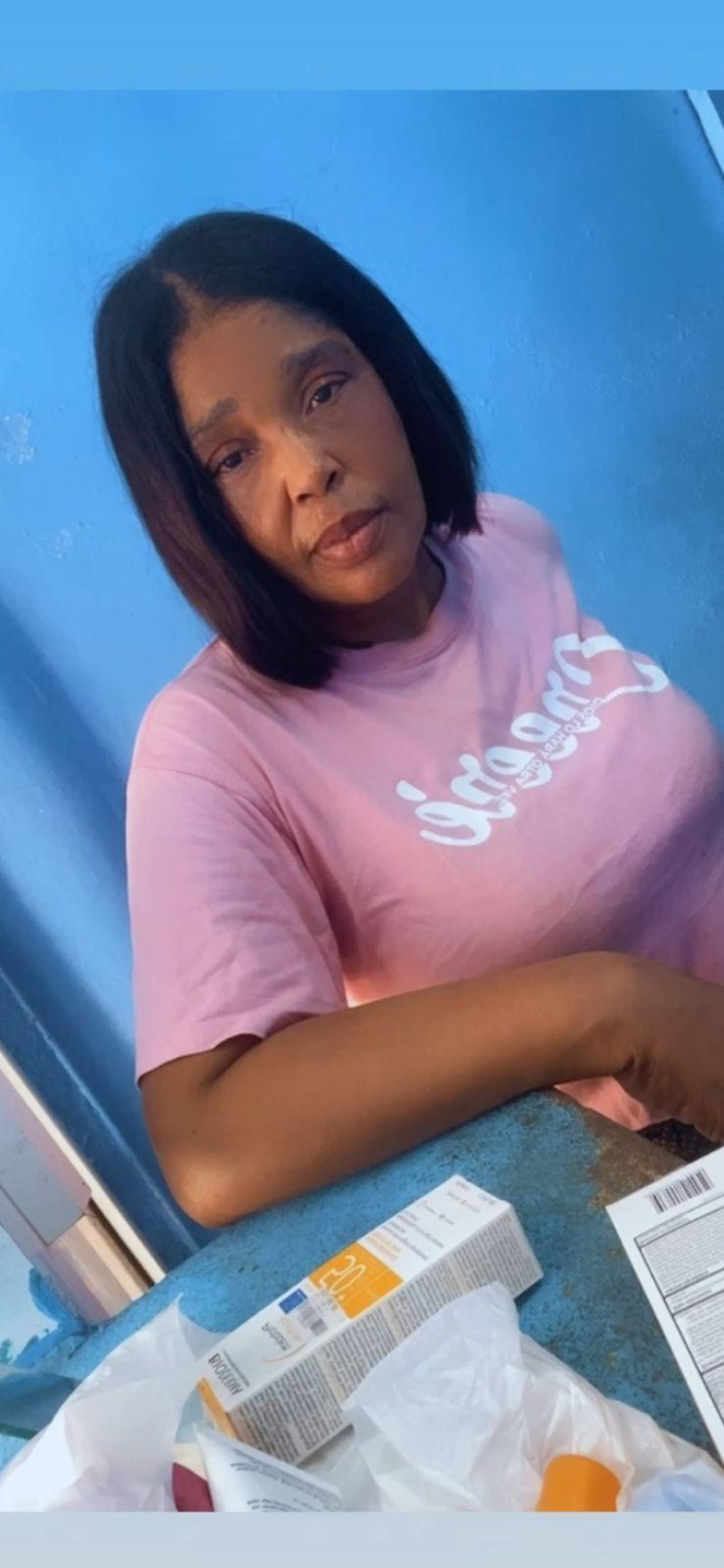
    A community’s vigilance culminated in a heartening resolution to a distressing disappearance case in Santo Domingo East. Dianibel Ozuna, who had just celebrated her sixth birthday, and her 53-year-old grandmother, Marilyn Adon de Jesús, were safely located after being reported missing since January 13th.

    The breakthrough occurred when an observant taxi driver, having recognized the pair from widespread media reports, proactively intervened. He escorted them to his residence in the Las 50 Casitas project, located in the Los Prados Orientales area, ensuring their safety until family members could arrive.

    Danyela Peña, a relative, provided details on the discovery. She confirmed that the woman and child were situated in a park within the Los Mina sector. Peña emphasized that the successful outcome was a direct result of rapid information dissemination and exemplary cooperation from the public. “Thank God the news recognized them and brought them here,” Peña was quoted as exclaiming with relief.

    In subsequent communications, the grandmother, Marilyn Adon, indicated to her family that she had been in the process of ‘sorting something out’ and had intended to extend her stay away from home. Prior to their discovery, family members and neighbors had expressed deep concern, revealing that Adon had been grappling with a mental health condition. They attributed this to recent personal difficulties, which had reportedly affected her stability over preceding months.

    Keyla, the daughter of Marilyn and mother of Dianibel, had previously described her mother’s condition, noting episodes of nervous breakdowns and pacing, followed by returns to lucidity. A neighbor, Juan Hernández, corroborated the family’s concerns, suggesting that external pressures related to her living situation were a significant contributing factor to her recent state.

    Authorities and family have confirmed that both the young girl and her grandmother were found in perfect physical health, bringing a positive close to the anxious search effort.