分类: society

  • CAASD says water tariff adjustment will not affect residential users

    CAASD says water tariff adjustment will not affect residential users

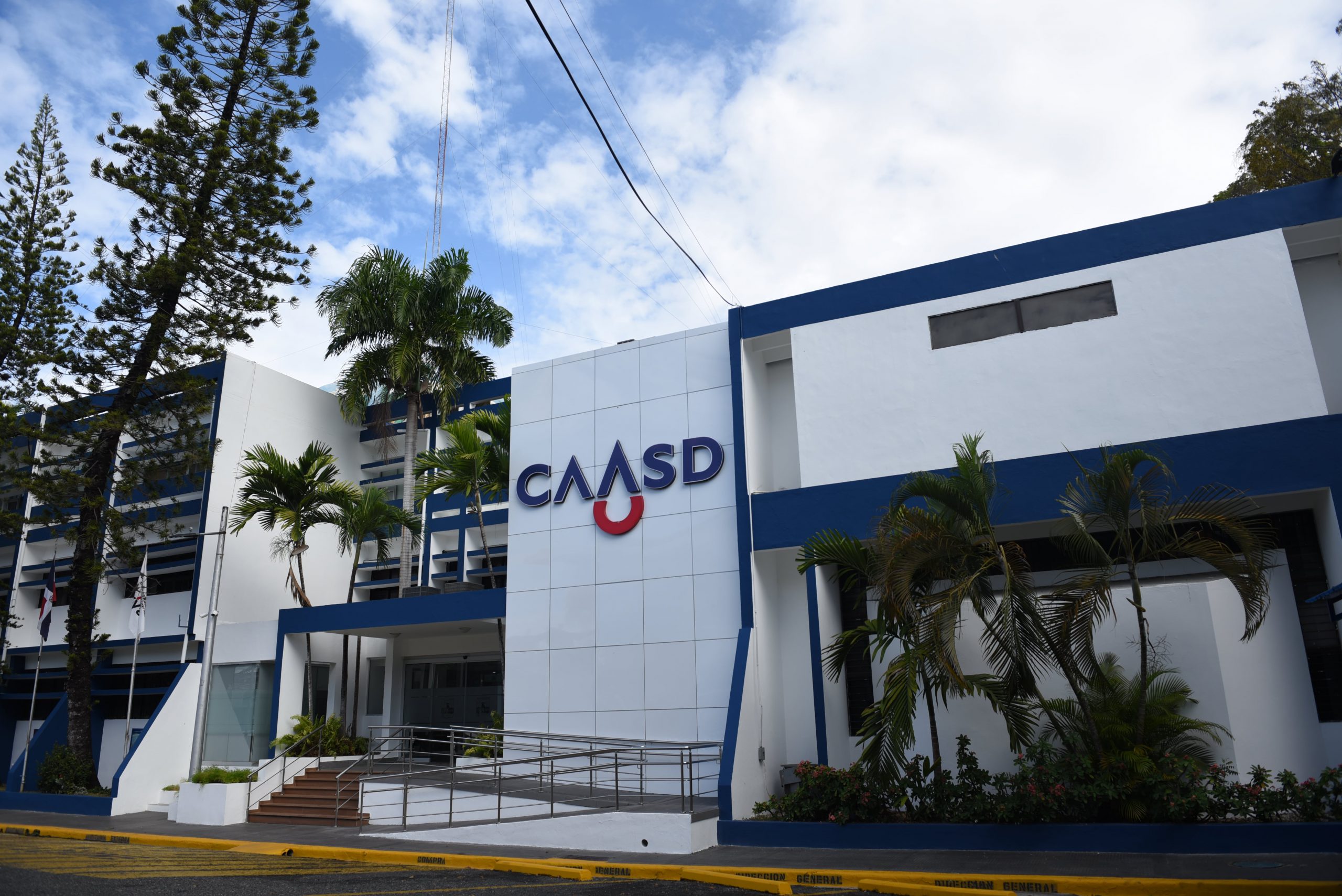
    SANTO DOMINGO – In a significant policy clarification, the Santo Domingo Water and Sewerage Corporation (CAASD) has officially confirmed that recent adjustments to drinking water tariffs will exclusively impact commercial, industrial, and governmental entities within the province. The corporation has emphatically stated that residential consumers, particularly those from low-income brackets, will experience no changes to their current water rates, safeguarding household budgets from additional financial pressure.

    The tariff revision, formally enacted through Resolution No. 001-2025 this past December, marks the first update for non-residential sectors in over two decades, with previous rates remaining static since 2003. The CAASD Board of Directors sanctioned the measure following an exhaustive technical and financial review, concluding that an adjustment was imperative to sustain the utility’s operational integrity and service quality. The new billing structure was implemented for December 2025 consumption, with invoices reflecting the updated charges for that period.

    Reiterating the existing pricing model, the CAASD confirmed that residential consumption continues to be billed at a fixed rate of RD$6 per cubic meter, a unit equivalent to 264 gallons. For commercial users, the new pricing is calculated at RD$0.079 per gallon. The corporation also issued guidance for customers observing unexpected spikes in their bills, recommending a thorough inspection of internal plumbing systems for potential leaks, which are a common cause of inadvertent water overconsumption and subsequent higher charges.

  • Dominican Navy graduates 272 cadets at Las Calderas Base

    Dominican Navy graduates 272 cadets at Las Calderas Base

    LAS CALDERAS, PERAVIA – In a significant event for the nation’s maritime defense, the Dominican Republic Navy celebrated the graduation of 272 cadets on Saturday, January 17. The ceremony, held at the prestigious Las Calderas Naval Base—renowned as the cornerstone of the country’s naval training—marked the culmination of an intensive six-month program designed to enhance the Navy’s operational capabilities.

    Presiding over the proceedings was Lieutenant General Carlos Antonio Fernández Onofre, ERD, the Minister of Defense. In his official capacity, he administered the formal oath of service, officially integrating the new cohort into the active ranks of the Navy. The event also featured Vice Admiral Juan B. Crisóstomo Martínez, Commander General of the Navy, who personally presented the top graduate award.

    Captain José Agustín José Vásquez, Director of the Naval Training Center, detailed the rigorous curriculum that blended academic instruction, technical expertise, and military discipline. He underscored the core values instilled in every graduate: discipline, honor, and unwavering loyalty, which form the bedrock of their future careers.

    Special recognition was accorded to Cadet Brayni Rodríguez Rodríguez, who was distinguished as the Honorary Graduate for her exceptional academic achievements and exemplary conduct throughout the training. The newly minted sailors, now specialists in diverse fields including marine infantry, mechanics, electricity, communications, computer science, nursing, and logistics, are set to be deployed across various institutional services.

    The graduation was attended by a host of civil and military dignitaries, alongside proud family members. The formal event concluded with a religious blessing, symbolizing the collective pride in the graduates’ commitment to serving and strengthening the Dominican Republic and its Armed Forces.

  • Four arrested with US$2.4 million worth cocaine bound for Europe- CANU

    Four arrested with US$2.4 million worth cocaine bound for Europe- CANU

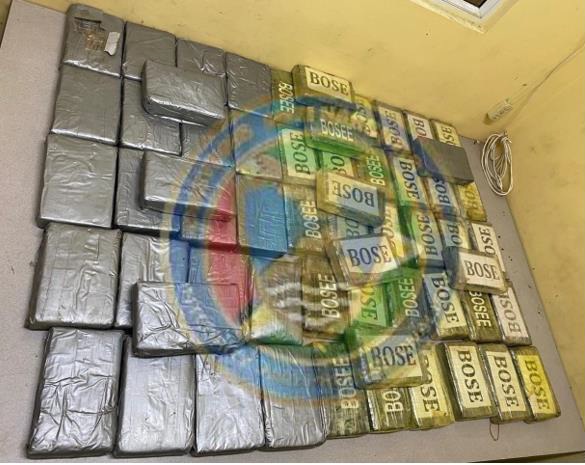
    In a significant narcotics interdiction operation, Guyana’s Customs Anti-Narcotics Unit (CANU) apprehended four individuals on Sunday, January 18, 2026, seizing approximately 154 pounds of cocaine with an estimated European street value of €2.1 million (US$2.4 million). The bust occurred near Parika, East Bank Essequibo, marking a substantial blow to international drug trafficking networks.

    According to CANU officials, the detained suspects include a Guyanese national residing in Venezuela and a young entrepreneur from the Essequibo Coast region. The illicit substance was intercepted while being transported by vehicle, with investigators indicating the drugs were destined for European markets. All four individuals were promptly transferred to CANU headquarters for interrogation and processing.

    This successful operation emerges against a backdrop of heightened narcotics surveillance in the Caribbean-European corridor. Recent weeks have witnessed Dutch law enforcement agencies in the Netherlands intercepting multiple cocaine shipments originating from Suriname. Notably, on January 12, Dutch police and customs authorities confiscated 319 kilograms of cocaine concealed within a container of deep-frozen fish, highlighting sophisticated smuggling methodologies employed by transnational criminal organizations.

    The Parika seizure demonstrates Guyana’s intensified efforts to combat drug trafficking through enhanced interagency cooperation and intelligence-driven operations. While specific details regarding the investigation remain confidential, authorities emphasize their commitment to disrupting supply chains that exploit Guyana’s transportation infrastructure for international narcotics distribution.

  • Bicyclist killed in St Philip road crash

    Bicyclist killed in St Philip road crash

    A tragic traffic incident in St. Philip has resulted in the death of a cyclist following a collision with a motor vehicle on Crane Road. The fatal accident occurred at approximately 3:45 p.m. on Thursday, with both the bicycle and motorvan traveling in the direction of Rices when the impact happened.

    Emergency services responded to the scene where the cyclist, whose identity has not yet been released, was pronounced deceased at the location despite medical efforts. The circumstances leading to the collision remain under active investigation by local authorities.

    Law enforcement officials from District C Police Station have initiated a comprehensive investigation into the incident. Investigators are particularly interested in speaking with potential witnesses who may have observed the events leading to or surrounding the collision.

    The police department has issued a public appeal for information, urging anyone with relevant details to come forward and assist with their inquiries. Community members who may have witnessed the incident or have any information are encouraged to contact District C Police Station directly at 416-8200.

    This incident marks another sobering reminder of road safety concerns involving vulnerable road users and motor vehicles. The investigation continues as authorities work to determine the exact sequence of events that led to this fatal outcome.

  • Halo Foundation Ends Year on a Positive Note with Nationwide Anti-Bullying Resource Distribution

    Halo Foundation Ends Year on a Positive Note with Nationwide Anti-Bullying Resource Distribution

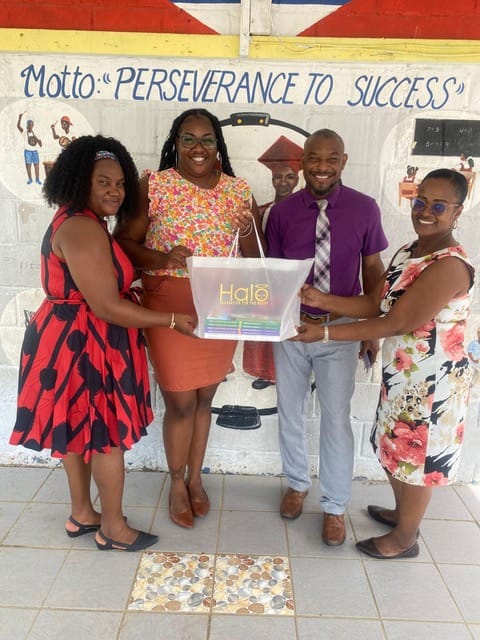
    The Halo Foundation culminated its 2025 operations with a significant nationwide initiative, delivering comprehensive anti-bullying and conflict-resolution materials to 34 educational institutions throughout Antigua and Barbuda. This extensive distribution effort, spearheaded by Bolinda Baptiste and Cuthbert Forbes, represents the Foundation’s sustained dedication to youth development and violence prevention strategies.

    This school outreach program constitutes an integral component of the Foundation’s national anti-bullying campaign, originally established in 2018 to systematically combat youth violence while fostering safer, more inclusive academic environments across the twin-island nation. Her Excellency Lady Williams, President of the Foundation, emphasized the organization’s philosophical approach: “Since initiating our anti-bullying campaign, we have maintained unwavering commitment to cultivating wholesome, compassionate environments for our youth. This year-end initiative underscores our conviction that prevention fundamentally originates through education, and that properly equipped educational institutions empower students to resolve conflicts through empathy and mutual respect.”

    School administrators—including principals, counselors, and librarians—extended enthusiastic receptions during the resource distributions, expressing genuine appreciation for the donated materials. Numerous educators highlighted how these resources would prove instrumental in facilitating dispute resolution, enhancing emotional intelligence, and promoting constructive peer interactions among students.

    Bolinda Baptiste noted the validating feedback: “The responses from educational institutions reaffirmed the essential nature of this work. By providing both educators and students with practical tools, we’re cultivating empathy, effective communication, and peaceful problem-solving capabilities from formative years.”

    The foundation’s outreach encompassed 22 primary schools and 12 secondary schools, supplemented by resources provided to the Public Library. This ensured broad accessibility to age-appropriate materials designed to encourage meaningful dialogue, mutual understanding, and respectful engagement among young community members.

    Since its inception, the Halo Foundation’s anti-bullying campaign has maintained its strategic focus on preventive measures, educational interventions, and community partnerships, reinforcing the core belief that enduring social change emerges through early intervention and consistent institutional support.

  • Nicaragua boosts study opportunities at National Scholarship Fair

    Nicaragua boosts study opportunities at National Scholarship Fair

    Nicaragua’s Minister of Youth, Darling Hernández, has publicly celebrated the transformative achievements of the Sandinista government over its 19-year tenure, placing significant emphasis on educational reforms that position the nation’s youth and families as central figures in a comprehensive poverty alleviation strategy. The remarks were delivered during a vibrant youth-to-youth festival designed to foster academic and technical advancement.

    Minister Hernández articulated the government’s philosophy, stating that the most effective method for social development is through direct youth engagement. She characterized the modern Nicaraguan youth as an evolved demographic capable of driving revolutionary change via the power of education. The festival itself served as a platform to provide tailored study opportunities aligned with the contemporary interests and aspirations of this dynamic generation.

    Complementing this vision, Loyda Barreda, Director General of the National Technological Institute (Inatec), detailed the institution’s substantial contribution to this national upskilling initiative. Inatec is set to offer 79 distinct technical programs alongside 1,165 specialized training courses, all meticulously crafted to enhance technical proficiencies and technological competencies among the populace.

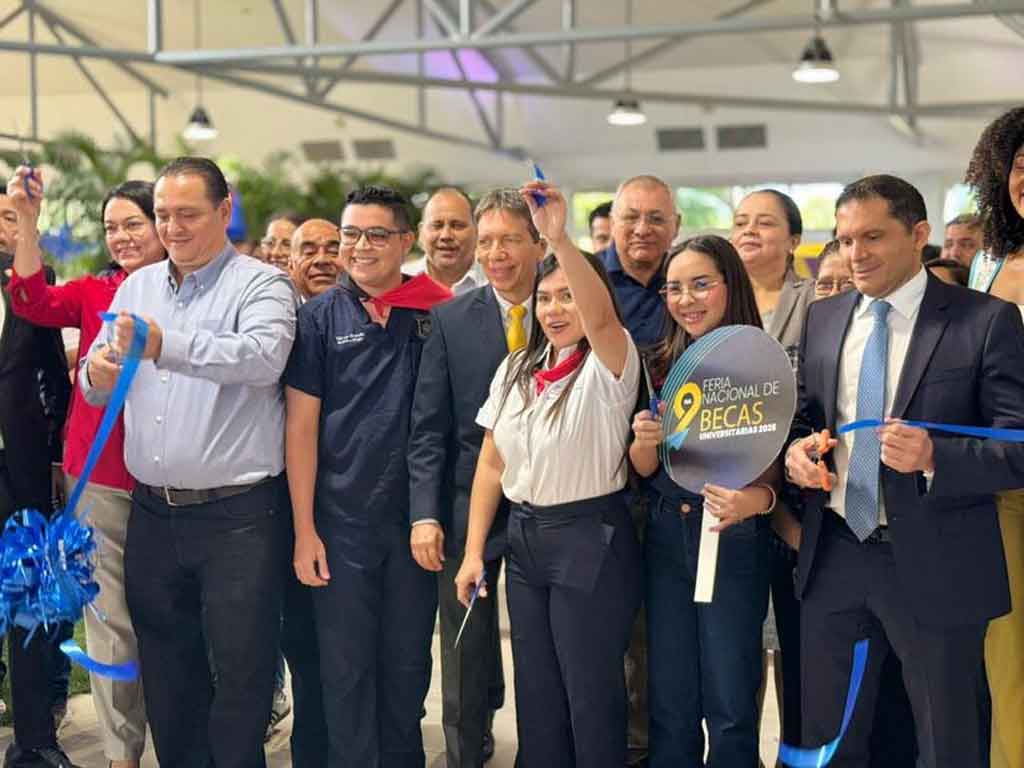
    The event transcended a conventional fair, evolving into a festive and family-centric celebration with youth empowerment at its core. Prospective students were provided with direct access to an expansive array of academic pathways through interactive vocational guidance tours. In a monumental offering, more than 36,000 scholarship opportunities were made available across a diverse spectrum of disciplines. This educational portfolio encompassed bachelor’s and engineering degrees, postgraduate and master’s programs, technical certifications, and specialized courses. This effort was realized through a collaborative partnership between Inatec, the Technical Secretariat for University Support, the Nicaragua Diseña Creative School, and 15 private higher education institutions.

  • Ministry defends sargassum removal methods amid criticism

    Ministry defends sargassum removal methods amid criticism

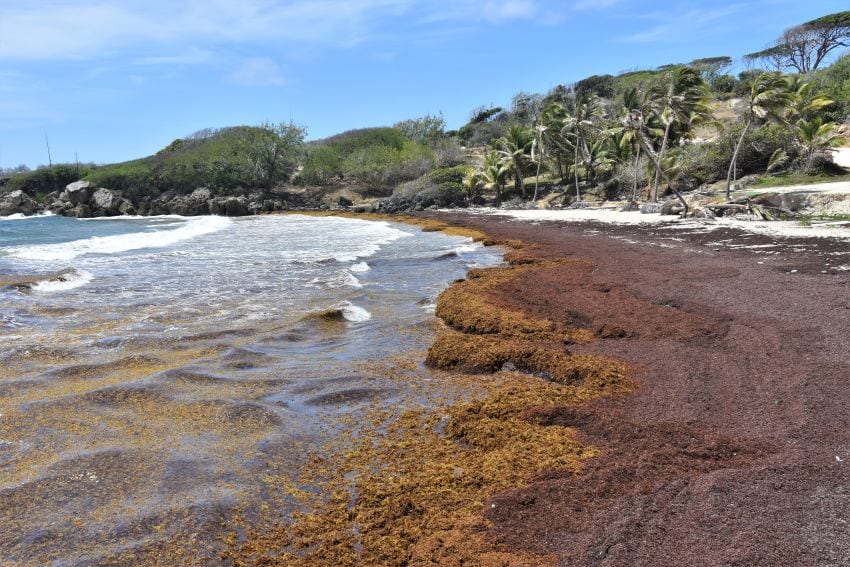
    The Barbados Ministry of Environment and National Beautification has publicly justified its operational protocols for sargassum seaweed extraction from coastal areas following mounting critiques across digital platforms regarding its beach rehabilitation initiatives. Official communications from the ministry elaborate that the Sargassum Seaweed Project constitutes a structured governmental response to the persistent accumulation of algal biomass along the nation’s coastline. This ecological initiative has engaged substantial local workforce participation through systematically coordinated cleansing operations over consecutive annual cycles. According to the ministry’s disclosure, the extraction methodology incorporates a multi-phase, rigorously supervised procedure engineered to equilibrate recreational beach accessibility with ecological conservation imperatives. The implemented techniques specifically aim to conserve critical natural ecosystems while ensuring protective measures for endangered marine turtle species and broader biodiversity preservation along Barbados’ shores.

  • Derelict building on Lower Newgate Street demolished as St. John’s renewal begins

    Derelict building on Lower Newgate Street demolished as St. John’s renewal begins

    The Ministry of Social and Urban Transformation has initiated a comprehensive demolition campaign targeting dilapidated and abandoned structures throughout St. John’s, marking a significant step in the government’s ongoing urban revitalization initiative. This strategic move aims to enhance public safety standards and restore the architectural integrity of Antigua’s capital city.

    Urban Development Minister Rawdon Turner identified the primary structure currently undergoing demolition on Lower Newgate Street as having remained unoccupied and structurally compromised for over ten years. The demolition protocol follows a series of formal amenity orders issued to property holders during the latter part of the previous year. These official notices provided landowners with a designated timeframe to undertake necessary repairs or address critical maintenance issues before the ministry proceeded with enforcement measures.

    The urban renewal program represents a coordinated effort between multiple government agencies to address longstanding concerns regarding structural instability, potential fire hazards, and criminal activity associated with neglected properties. Minister Turner emphasized that the initiative balances property rights with community welfare, ensuring due process while prioritizing public safety concerns.

    Government officials have indicated that additional properties across the capital meeting similar criteria for demolition have been identified for subsequent phases of the urban improvement campaign. The ministry plans to continue its systematic approach to urban renewal throughout the coming fiscal year.

  • Grandparents’ right to access

    Grandparents’ right to access

    A complex family legal matter has emerged regarding grandparent visitation rights following the death of a child’s father. The situation involves a mother who is resistant to allowing her deceased partner’s parents access to their grandchild, citing historically poor treatment during their son’s lifetime.

    Legal expert Margarette May Macaulay, an attorney-at-law and children’s rights advocate, has provided crucial guidance on this sensitive issue. She emphasizes that Jamaican law recognizes grandparents’ legal standing to petition courts for access to grandchildren. Simultaneously, children maintain legal rights to develop relationships with both maternal and paternal grandparents, provided these relationships serve the child’s best interests.

    Macaulay’s analysis reveals a critical legal reality: courts generally grant visitation orders to grandparents unless compelling evidence demonstrates such access would be undesirable or unsafe for the child. The attorney advises proactive legal engagement rather than waiting for the grandparents to initiate proceedings. By approaching the Family Court directly, the mother can seek a formalized arrangement that establishes specific visitation parameters aligned with her comfort level and the child’s welfare.

    The legal process involves presenting comprehensive evidence to the court, including documentation of the grandparents’ previous behavior. This allows for the creation of a court-mandated visitation schedule that prioritizes child safety while acknowledging the importance of family connections. Macaulay stresses that court orders provide stronger protection than informal agreements, as violations constitute contempt of court with enforceable consequences.

    The expert concludes that obtaining a formal visitation order through the Family Court—a free service—represents the most responsible approach to balancing familial relationships with child protection concerns. The process requires the child’s certified birth certificate and assistance from court clerks in drafting necessary documentation.

  • Cops’ coastline clean-up clears over 12 tonnes of garbage

    Cops’ coastline clean-up clears over 12 tonnes of garbage

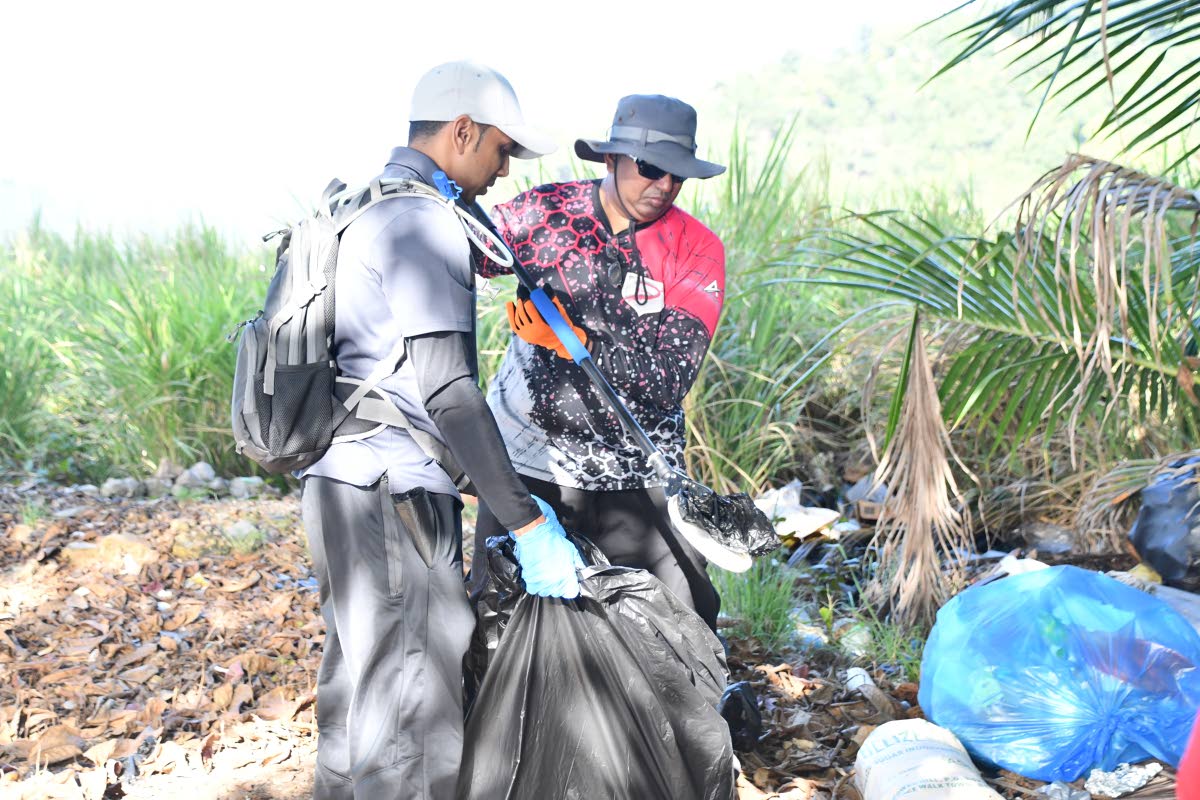
    In a significant environmental initiative, Trinidad and Tobago’s Coastal and Air Support Unit (TTPS) spearheaded a comprehensive beach clean-up operation across the Carenage District on January 18. The five-hour endeavor, conducted from 7 AM to noon, targeted multiple coastal areas including Tembladora Coastline, Williams Bay, and St Peter’s Bay.

    The operation marked the inaugural event in a series of twelve community and public safety programs planned by the TTPS for 2026. This strategic initiative emphasizes three core pillars: enhanced public safety, proactive crime prevention, and substantive community engagement through collaborative action.

    Through coordinated efforts between law enforcement and community participants, volunteers successfully removed more than 140 bags of accumulated waste from the coastline. The collected debris comprised diverse materials including discarded wood, metal fragments, abandoned tires, single-use plastic containers, and Styrofoam materials, collectively weighing over 12 volumetric tonnes.

    The clean-up operation featured an impressive coalition of stakeholders, including diplomatic representation from the British High Commission through Jennifer Aoo Rogers, alongside the Island Property Owners Association, Marine Services Association, and the Ministry of Trade, Investment and Tourism. Additional participation came from the yachting community, Chaguaramas Development Authority, and the Diego Martin Borough Corporation.

    Critical logistical support was provided by several sponsors including Northern Outdoor and Tactical, Ocean Imports Caribbean, Henry’s Mini Mart and Transportation, with additional support from Assistant Superintendent Surendra Sagramsingh and Gregory Reece of Trinidad Dental.

    Police officials emphasized the intrinsic connection between environmental protection and public safety, noting that well-maintained coastal areas reduce potential hazards, deter illegal dumping activities, and contribute to enhanced maritime security. The TTPS reaffirmed its commitment to holistic policing approaches that combine enforcement measures with preventive strategies and community partnerships.

    The operation was conducted under the directive of Commissioner of Police Allister Guevarro, with strategic coordination managed by Deputy Commissioner of Operations Suzette Martin and Assistant Commissioner of Tactical Support Collis Hazel. Field execution was overseen by ASP Ag Rawle Ramharack alongside Inspectors Ronny Rampallard (Air Support Unit) and Ricardo Matas (Coastal Support Unit), with senior officers actively participating in the hands-on clean-up efforts.