
A tragic incident unfolded in Santa Cruz on the evening of November 1, resulting in the deaths of two men. According to Deputy Commissioner of Police Curt Simon, the double murder occurred around 10 pm in the Sun Valley area. One victim, identified as 31-year-old Angelo Leandre, was found lifeless on the roadway with multiple gunshot wounds. He was pronounced dead at the scene. The second victim, Jeremiah Britto, was rushed to the Eric Williams Medical Sciences Complex but was declared dead at 8.50 pm. Preliminary investigations suggest that Leandre was washing a car when several armed assailants approached and opened fire. Britto, who was standing nearby, was also struck. Leandre reportedly attempted to flee but was pursued and shot multiple times before collapsing. Crime scene investigators recovered 18 spent 9mm shell casings and two projectiles. Authorities are continuing their investigation into this violent incident.
分类: society
-

GEM ready to repair/replace 50,000 roofs says Capponi
Michael Capponi, Founder and President of the Global Empowerment Mission (GEM), has announced a significant initiative to repair or replace up to 50,000 roofs in southwestern Jamaica, which was severely impacted by Hurricane Melissa on October 28. Capponi, leading a team that arrived in Jamaica last Thursday, has been actively engaged in relief efforts, including visiting a transitional center in Kingston to distribute care packages to the homeless. Over the weekend, the team, accompanied by representatives from the Office of Disaster Preparedness and Emergency Management (ODPEM) and the Ministry of Labour and Social Security, traveled to the heavily affected areas of Black River in St. Elizabeth and Whitehouse in Westmoreland to provide immediate relief and assess the damage firsthand. At a media briefing held at the Office of the Prime Minister on Friday, Capponi highlighted GEM’s extensive experience in large-scale logistics and its commitment to long-term recovery. He emphasized the importance of the rebuilding phase, noting that GEM, in collaboration with the National Bank of Commerce and the International Organization for Migration (IOM), had previously repaired 724 roofs after Hurricane Beryl. This time, the scale of destruction is much larger, potentially affecting 50,000 roofs, requiring a significantly scaled-up response. Capponi assured that GEM is committed to staying in Jamaica for the long haul to ensure comprehensive recovery and rebuilding efforts.
-
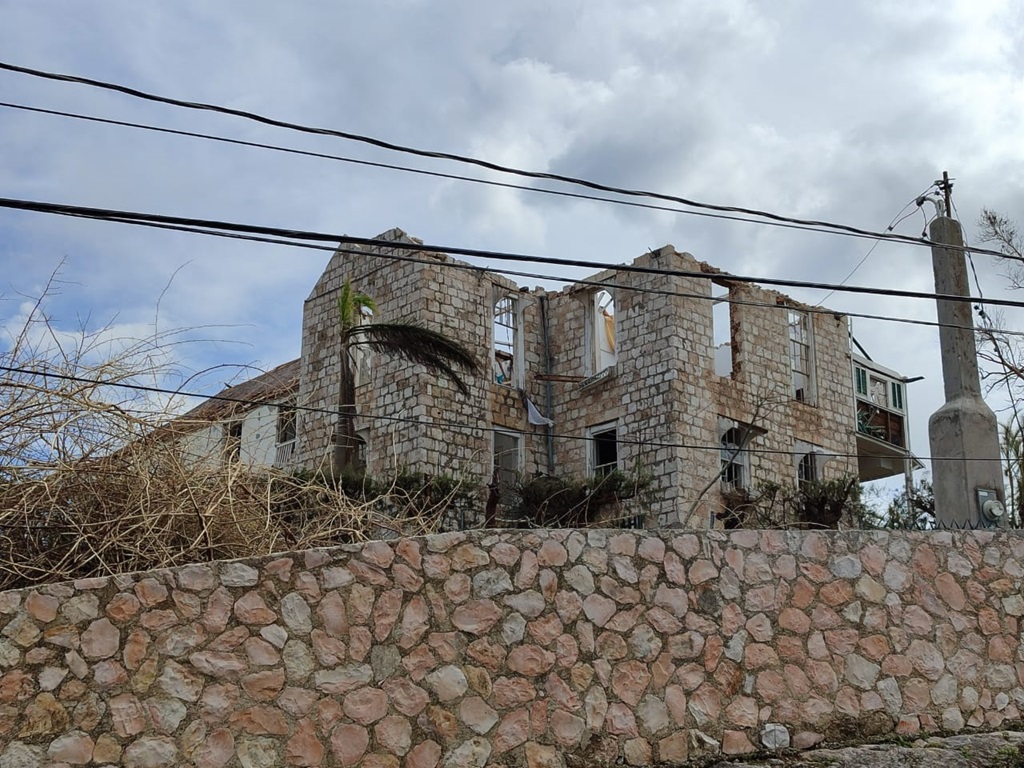
Greenwood Great House severely damaged by Hurricane Melissa
The historic Greenwood Great House in St James, Jamaica, has suffered extensive damage from Hurricane Melissa, a Category 5 storm that wreaked havoc across the western part of the island. The 225-year-old structure, which once stood as a testament to Jamaican history, lost its roof and significant portions of its infrastructure during the hurricane’s onslaught. Situated at the border of Trelawny and St James, the Great House was among numerous homes and businesses devastated by the storm, which made landfall in the island’s southwest on Tuesday. Greenwood Great House, a landmark connected to the Barrett family—including the famed poet Elizabeth Barrett-Browning—had served as a museum and cultural site for centuries, offering visitors a glimpse into Jamaica’s rich heritage. The destruction of this iconic structure marks a significant loss for the island’s historical and cultural preservation efforts.
-
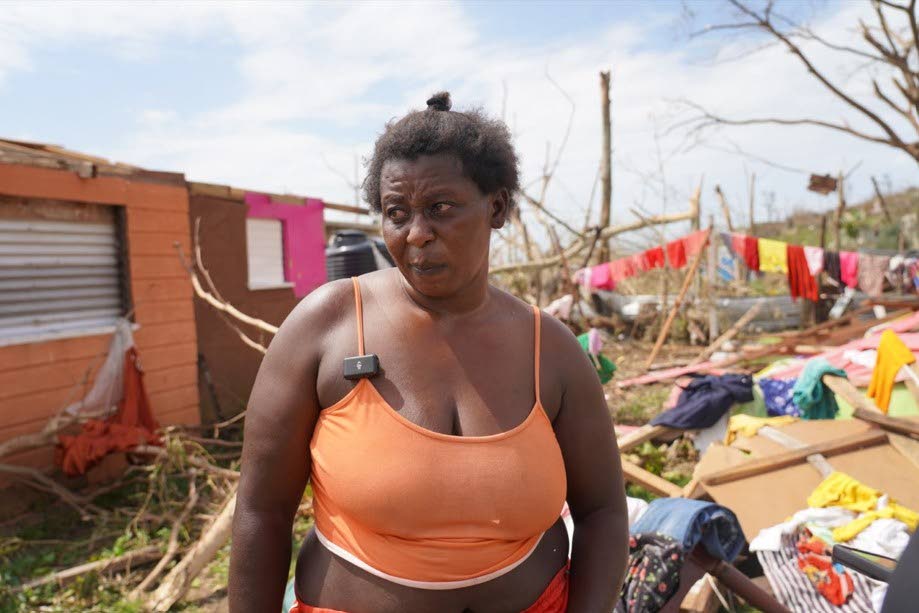
Desolation
The picturesque parish of Westmoreland, Jamaica, once celebrated for its verdant landscapes and vibrant coastline, now lies in utter devastation following the catastrophic impact of Hurricane Melissa. The Category Five storm, with sustained winds of 185 miles per hour, made landfall in New Hope on October 28, 2025, leaving behind a trail of destruction that has transformed the region into a desolate wasteland. Communities like McAlpine have been reduced to rubble, with residents grappling with the loss of homes, livelihoods, and cherished possessions. Adrian Cooke, a long-time resident of McAlpine, recounted the harrowing experience of losing everything, including his home and $30,000 worth of food. His story echoes the sentiments of countless others who have been left to pick up the pieces of their shattered lives. The storm’s ferocity was unparalleled, with many comparing it to Hurricane Gilbert, but far more devastating. Raymond Blackwood, a 75-year-old resident, described the aftermath as ‘desolation,’ emphasizing the urgent need for assistance to rebuild. Despite the overwhelming loss, the community has banded together, sharing meager resources and supporting one another. Charmaine Carlene Walcott-Campbell, a local shop owner, has emerged as a pillar of strength, offering shelter and sustenance to her neighbors. However, with supplies dwindling, the community is appealing for government aid. Amidst the ruins, the spirit of resilience shines through, as residents express gratitude for survival and hope for a brighter future.
-
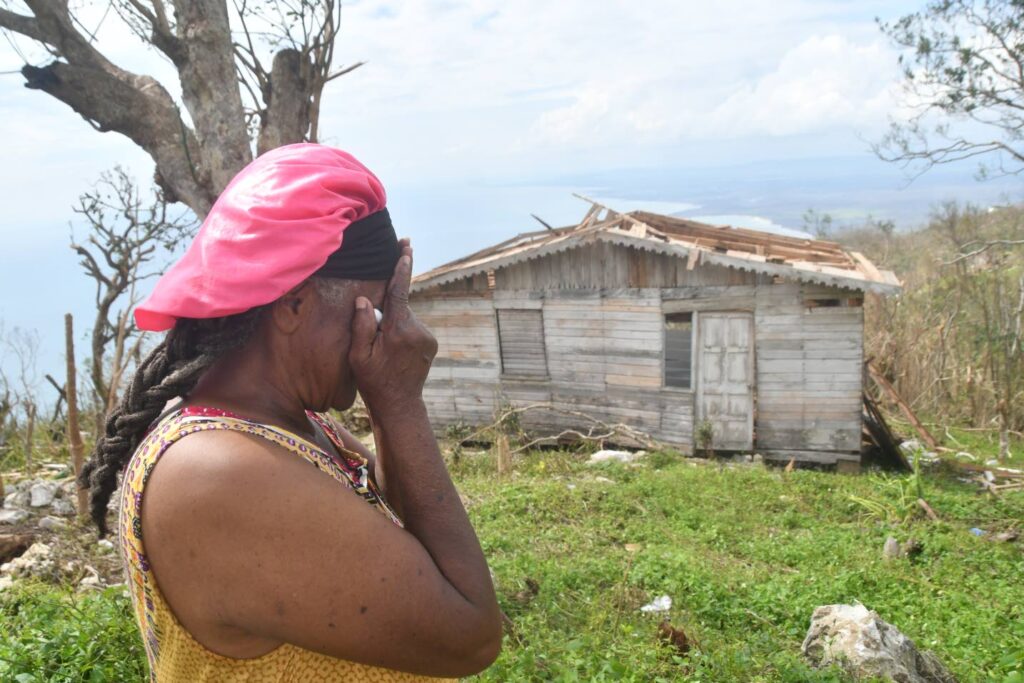
Heartbreak
On the morning of October 27, 2025, Charles Ferguson, a 78-year-old resident of Cave Mountain, Westmoreland, spoke to his cousin Winsome McPherson for the last time. He mentioned he would try to consume the food she had sent him. Little did anyone know, this would be their final conversation. The following day, Hurricane Melissa ravaged the area, leaving Ferguson trapped in his remote wooden home. Despite ongoing efforts by his family and neighbors to reach authorities, his body remained in the house for days after the storm. Ferguson, a well-known figure in the Kentucky district of Cave Mountain, lived in a secluded, hard-to-reach location. His cousin, McPherson, recounted the challenges of accessing his home, especially after the hurricane caused severe damage to the already treacherous roads. Ferguson, who had been in declining health and lived alone after his housemate passed away months earlier, was unable to escape when the storm hit. McPherson expressed her sorrow, stating she had anticipated the worst due to his immobility and the hurricane’s intensity. The community, now cut off by landslides and damaged infrastructure, has struggled to contact emergency services. McPherson described Ferguson as a cheerful and generous man, known for his herbal remedies, and lamented the tragic circumstances of his death. As recovery efforts continue, she remains hopeful that help will soon arrive to bring Ferguson’s body down from the mountain he called home.
-

Natasha Athara Lewis turns challenges into opportunities
On October 25, 2025, Natasha Athara Lewis, a dedicated educator and advocate for disability inclusion, marked a historic milestone as she received her postgraduate diploma in education with distinction from the University of the West Indies (UWI) in St. Augustine. Wheelchair-bound due to cerebral palsy, Lewis described the moment as a triumph of resilience, representation, and personal achievement. Her journey, marked by perseverance and advocacy, has inspired countless individuals across Trinidad and Tobago.
Lewis, a mature student and teacher at Malick Secondary School, has spent her life transforming challenges into opportunities. Born in St. James, Port of Spain, she began her education at the Princess Elizabeth Special School for the physically handicapped, where she learned the value of perseverance. Supported by her family, church community, and what she calls her ‘village,’ Lewis overcame numerous obstacles, including surgeries, physiotherapy, and speech therapy, to achieve greater independence.
Her educational path continued at St. James Secondary School, followed by professional certifications in dressmaking and design. Despite facing daily challenges, such as climbing 40 steps on crutches at the John S Donaldson Technical Institute, Lewis persisted, eventually earning a Bachelor of Arts in Fashion Design (Magna Cum Laude) from the University of Trinidad and Tobago. In 2014, she began her teaching career, blending her passion for education with her advocacy for inclusion.
Lewis’s journey is also marked by her entrepreneurial spirit. In 1992, she founded Athara’s Designs, a fashion brand that transforms discarded materials into wearable art. She views her creations as a metaphor for the potential of individuals with disabilities, often overlooked but capable of extraordinary contributions. Although her business is currently on hold due to her teaching commitments, her designs continue to inspire.
At UWI, Lewis found a supportive and inclusive environment, which she credits for her success in completing her postgraduate diploma. She also faced new challenges during her teaching practicum, navigating inaccessible classrooms with the help of administrators and peers. These experiences, she noted, not only shaped her but also educated others about the importance of true inclusion.
Beyond the classroom, Lewis has partnered with the Ministry of Social Development to lead sensitization campaigns on accessibility and disability rights. She credits her former educators, Miss Myers and Maria D Thomas, for instilling in her the belief that teaching is a mission of empowerment and equity.
Lewis’s unshakable faith and resilience have been her anchors throughout her journey. She emphasizes that inclusion is not charity but justice, urging society to recognize the diverse talents and creativity of differently-abled individuals. Her advice to parents of children with disabilities is to love, support, and envision a bright future for them.
In her closing remarks, Lewis expressed gratitude to her family, friends, mentors, and UWI for their unwavering support, stating, ‘This accomplishment is not mine alone – it belongs to all of us.’
-
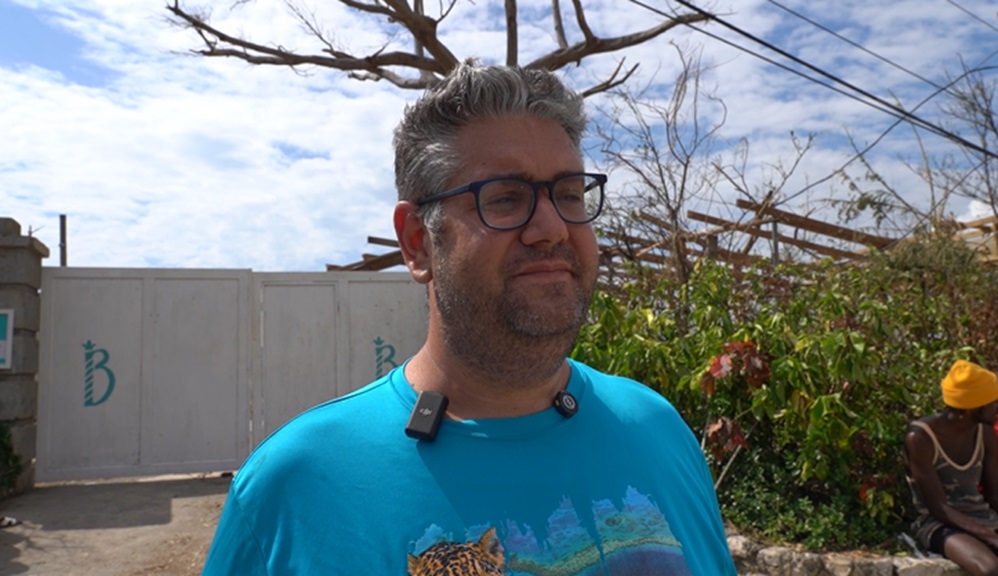
‘We’re just trying to keep people alive’
In the wake of Hurricane Melissa’s devastation, Houston Moncure, Managing Director of Bluefields Bay Villas, has shifted his focus from luxury hospitality to humanitarian aid. His primary mission now is to ensure the survival of the storm-ravaged community surrounding his resort. Moncure has repurposed his property into a critical relief hub, providing essential resources such as food, water, and internet access to residents and emergency responders. Despite significant damage to his own resort, including structural losses to several villas and suites, Moncure remains steadfast in his commitment to community recovery. He has equipped his vehicles with Starlink satellite systems to maintain connectivity during disasters, a strategy that proved invaluable during the hurricane. Moncure estimates the recovery process will take four to six months and cost millions of dollars, excluding additional landscaping repairs. He is also collaborating with NGOs and plans to convert shipping containers into temporary housing for displaced residents. Moncure emphasizes the importance of community support, stating, ‘Without the community, it’s not the experience that our guests have come to love.’ His efforts highlight the resilience and compassion needed in the face of natural disasters.
-
‘Mi house just lift up and carry mi gone’
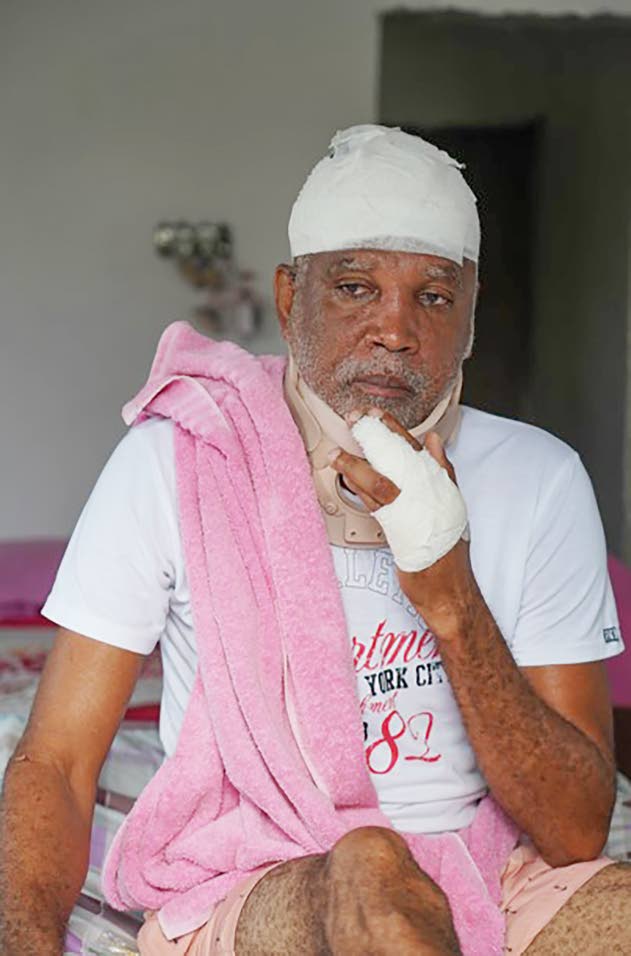
For Junior Bowen, a 59-year-old resident of Petersfield, Westmoreland, the devastation wrought by Hurricane Melissa transcended the ferocious 185-mile-per-hour winds. His ordeal reached its peak when his home was torn from its foundation, lifting him into the air before hurling him into nearby bushes. The Category Five hurricane struck last Tuesday afternoon, leaving Bowen battered, buried, and helpless beneath the rubble until rescuers found him.
-

The fight against freedom
In the decade leading up to the Emancipation Act, Tobago’s planting community braced for the anticipated consequences of the anti-slavery movement. Fearing violent resistance from the African population, which they labeled as criminal, authorities implemented stringent measures to maintain control. These included harsher laws, an expanded and more regulated police force, and enhanced judicial facilities. A new courthouse was constructed above the marketplace, providing magistrates with larger spaces to operate. Simultaneously, the police forces in Scarborough and Plymouth were bolstered by a new law that introduced two additional magistrates to oversee law enforcement and address offenses. These magistrates were required to hold court sessions twice weekly, year-round, and were empowered to appoint constables to maintain order during market days and apprehend offenders. To accommodate the expected rise in incarcerations, the Scarborough Jail was expanded. The prison’s design was rooted in four key principles: the anticipated increase in prisoners due to societal tensions, the need to prevent escapes, the deterrence of external assistance to inmates, and the enforcement of labor as a core component of incarceration. The new facility, constructed by John H Noding, was a two-story structure designed to be escape-proof, with reinforced walls, iron gates, and secure partitions. A committee was established to oversee the project, ensuring its timely completion by June 1, 1824. Parallel to these developments, the militia was strengthened through a 1827 law that introduced strict regulations, mandatory enlistment for free men aged 16 to 55, and provisions for uniforms and weaponry. Notably, the law allowed for the inclusion of black and colored sergeants and corporals, a pragmatic move driven by the shortage of white men. However, racial distinctions persisted, with black and colored members positioned on the left during parades. Despite these efforts, the tide of history was against the planters, as the anti-slavery movement in Britain gained momentum, making the abolition of slavery in the colonies inevitable.
-

Masicka’s MADE Foundation to provide relief for those affected by Hurricane Melissa
Renowned dancehall artist Masicka has taken a proactive role in aiding communities devastated by Hurricane Melissa through his charitable organization, the MADE Foundation. The foundation has initiated the first phase of a comprehensive relief program aimed at supporting affected areas, with a particular focus on the parish of St Elizabeth. In an exclusive interview with Observer Online, Masicka emphasized the importance of community solidarity during times of crisis. “Jamaica is home. When the people are hurting, I feel that too,” he stated. “The MADE Foundation is about making a difference and showing that we care beyond the music.” Although Masicka’s immediate family was spared from the hurricane’s impact, he expressed deep concern for friends and supporters in St Elizabeth who suffered significant losses, including homes, farms, and access to basic utilities. Collaborating with local representatives, the MADE Foundation has identified urgent needs and is providing essential supplies such as food, building materials, steel, and cement. The initiative has also garnered support from Red Stripe and producer Mario Dunwell, who have joined the mission to bring aid and hope to affected communities. Masicka highlighted that this effort aligns with his long-standing commitment to philanthropy, which includes donating computers to schools, organizing back-to-school events, and supporting youth initiatives. The MADE Foundation, established to empower communities through education, mentorship, and crisis support, aims to create lasting change across Jamaica and the Caribbean. Masicka’s connection to St Elizabeth, where he performed early in his career, adds a personal dimension to the relief efforts. The foundation plans to expand its outreach to other parishes as part of an ongoing national recovery initiative.