分类: society

  • Rehabilitative works to commence along Winston Jones Highway in Manchester

    Rehabilitative works to commence along Winston Jones Highway in Manchester

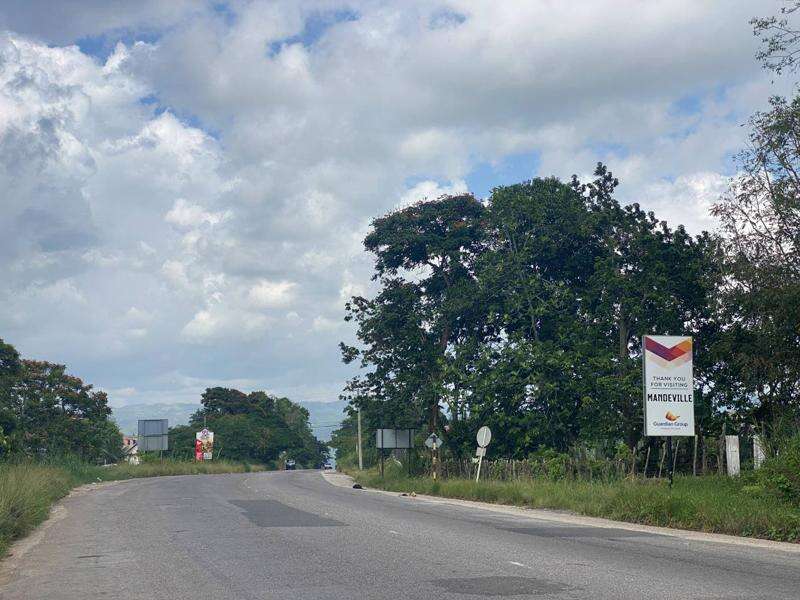
    MANCHESTER, Jamaica — Significant traffic disruptions are anticipated along the Winston Jones Highway this week as a major road rehabilitation project gets underway. The National Work Agency (NWA) has announced comprehensive repair works scheduled from Thursday, March 12, through Sunday, March 15, 2026.

    The critical infrastructure initiative will focus on the segment between Hanbury and Russell Place Meadows, where crews will first remove the existing asphaltic concrete surface on Thursday. During this initial phase and subsequent repaving operations, traffic will be constrained to single-lane movement, substantially reducing flow capacity along this vital corridor.

    Stephen Shaw, Manager of Communication and Customer Services at the NWA, provided detailed scheduling information: “While the complete repaving will occur over the weekend of March 14-15, motorists should prepare for congestion beginning Thursday when we commence surface removal operations.”

    This substantial $90 million road enhancement project forms part of the Jamaican government’s Graded Overlay (GO) Road Rehabilitation Programme, representing significant investment in the region’s transportation infrastructure. Authorities are strongly advising drivers to exercise heightened caution when navigating through construction zones, adhere to instructions from traffic flag personnel, and observe all posted warning signs to ensure safety during the renovation period.

  • Lawyers’ ‘conflicting commitments’ pause Klansman trial

    Lawyers’ ‘conflicting commitments’ pause Klansman trial

    The high-profile Klansman Gang trial faced a significant procedural delay on Wednesday as conflicting commitments within the defense team representing accused Shawn Pottinger necessitated a two-day adjournment. Justice Dale Palmer ordered the recess to enable a newly constituted legal team to adequately prepare for Pottinger’s defense, emphasizing the court’s commitment to ensuring fair representation.

    Originally represented by attorneys Donovan Collins and Aston Spencer since February, Pottinger had effectively been represented solely by attorney Petreta Gabbidon throughout most proceedings. The court learned Monday that Collins and Spencer sought to withdraw due to overlapping commitments with another murder trial in St. James parish, prompting the judge to halt proceedings rather than risk inadequate representation.

    During Wednesday’s session, Spencer explained to the court that their prior murder case—which predated the gang trial—had experienced multiple delays, including allegations that their client suffered injuries while in police custody. Both Spencer and Collins (appearing via Zoom) offered apologies to Justice Palmer for their absence, acknowledging the logistical challenges that prevented their consistent participation.

    Justice Palmer granted the attorneys’ withdrawal request while underscoring the necessity of the adjournment: ‘While none of the witnesses so far directly dealt with counts specifically relating to Mr. Pottinger, all evidence can potentially affect everyone.’ The judge noted that despite Pottinger’s willingness to proceed without delay, the court prioritized ensuring his new counsel—Gabbidon and Lynden Wellesley—receive comprehensive case briefs and adequate preparation time.

    Two prosecution witnesses scheduled to testify Wednesday were bound over to appear Monday when the trial resumes. Pottinger faces charges including criminal organization membership (count two) and multiple counts of murder and aggravated robbery (counts 30-31) alongside 24 co-accused.

  • $1m investment in journalists’ welfare fund as Jill Stewart MoBay City Run marks 10th year

    $1m investment in journalists’ welfare fund as Jill Stewart MoBay City Run marks 10th year

    MONTEGO BAY, Jamaica — In a significant development for Jamaican media welfare, organizers of the Jill Stewart MoBay City Run have committed JMD $1 million to establish a support fund for journalists. The announcement came during Tuesday’s launch event for the 2026 edition at Montego Bay’s S Club venue.

    Janet Silvera, the event’s founder and president of the Western Jamaica Media Association, revealed the groundbreaking initiative that will directly benefit media professionals across the island. The veteran journalist and philanthropist emphasized this represents a tangible investment in journalist welfare following the May 3rd running event.

    “This year’s proceeds will allocate one million dollars to initiate a welfare fund specifically designed to support Jamaican journalists,” Silvera announced before an audience of sponsors, partners, and media representatives. She extended particular gratitude to media members who have consistently covered the event throughout its decade-long history, promising a special recognition party for their contributions.

    The launch ceremony simultaneously celebrated the event’s tenth anniversary, with organizers honoring longstanding corporate partners. Sandals, Riu, S Hotel, and Cover Me Up Tents were among those recognized for their continuous decade-long support. Additional acknowledgments went to BCMG Insurance Brokers, Rainforest Seafood, Goddard Catering Group, Dr. Barbara Salmon Grandison, and Union Dental for their sustained sponsorship.

    Silvera framed the occasion as more than a routine race launch, characterizing it as “a decade of purpose, community engagement, and strategic investment in Western Jamaica’s future.” The initiative marks one of the most substantial private sector contributions to journalist welfare in recent Jamaican history, potentially creating a model for similar support systems in the Caribbean region.

  • OP-ED:  513 births – Dominica’s demographic emergency and the opportunity we must not waste

    OP-ED: 513 births – Dominica’s demographic emergency and the opportunity we must not waste

    The Commonwealth of Dominica is experiencing a severe demographic crisis characterized by a dramatic decline in birth rates that has reached alarming proportions. According to recent data from China-Friendship Hospital, which handles nearly all births on the island, only 513 births were recorded in 2025—representing a staggering 43% decrease from the already concerning 899 births documented in 2007.

    The statistical trajectory reveals an increasingly dire situation. Official records show that in 2022, Dominica registered 658 births against 777 deaths, resulting in a natural population deficit of 119 persons. The following year saw a similar pattern with 657 births and 744 deaths, confirming that mortality now consistently exceeds natality—a reality that has already arrived rather than merely being projected.

    This demographic implosion has been decades in the making. Between 1995 and 2008, primary school enrollment collapsed by 42%, while the Social Security system reached a critical point by 2007, paying out 68 cents in benefits for every dollar collected in contributions. The agricultural sector faces similar challenges, with the majority of farmers now over 60 years old, indicating widespread aging across all economic sectors.

    An unexpected development has emerged within this crisis: The United States government, under President Trump’s executive orders on deportations, has indicated that Dominica will receive deportees and refugees. While politically sensitive for a sovereign nation, Prime Minister Roosevelt Skerrit has acknowledged the demographic necessity, stating publicly that Dominica’s population has become dangerously insufficient.

    The critical question now centers on the composition of incoming migrants rather than whether they should be accepted. Dominican authorities must urgently negotiate for families with children, as each settling family with two or three children directly addresses the birth deficit, refills classroom seats, adds future Social Security contributors, and establishes rooted community households. Conversely, the government should avoid disproportionate numbers of unattached single men, whose integration patterns historically create social pressures that small communities struggle to absorb.

    The window for strategic action is narrow—once migration compositions are established through diplomatic channels, they become difficult to restructure. With only 513 births recorded last year, every family with children that settles in Dominica represents a partial solution to the demographic emergency that now defines the nation’s future.

  • Government Printery Workers Stage Second Day of Sit-In Over Unsanitary Conditions

    Government Printery Workers Stage Second Day of Sit-In Over Unsanitary Conditions

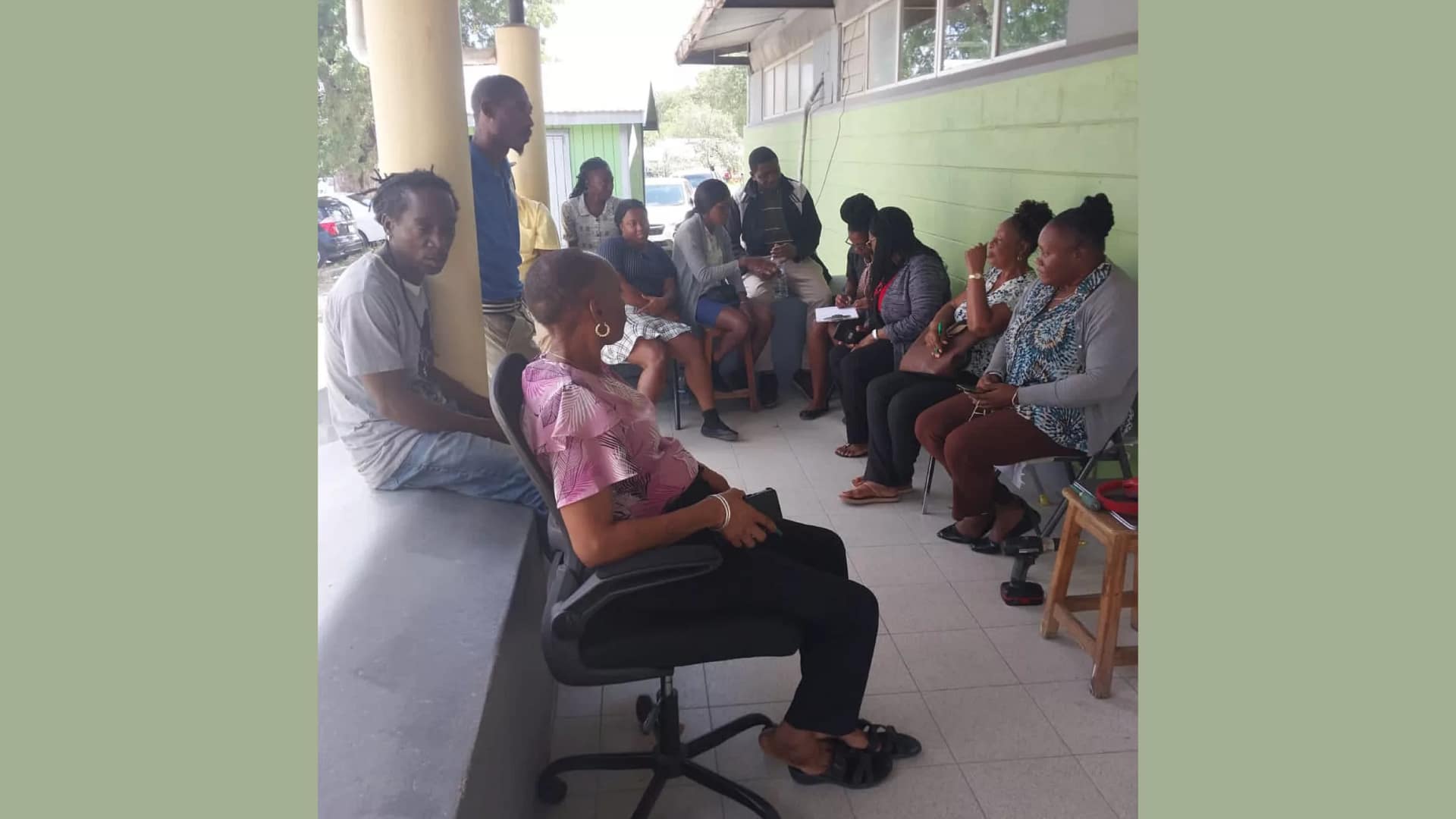
    Employees at the Government Printery in Antigua have intensified their industrial action, entering a second consecutive day of sit-in demonstrations to protest against severely compromised workplace conditions they describe as both unhygienic and hazardous. The protest emerges amidst ongoing retrofitting operations that have forced staff to work reduced half-day shifts.

    A primary grievance cited by the workforce involves a significant pigeon infestation within the facility’s roofing structure. According to staff reports, the birds have nested overhead, resulting in widespread contamination of workstations, official documents, and critical printing machinery with droppings. Employees assert that this situation has created an intolerable and potentially health-threatening environment, directly motivating their decision to initiate organized protest actions.

    In response to the escalating situation, high-level administrative discussions have been initiated. The Permanent Secretary of the department has engaged in talks with the Printery’s management and officials from the Public Works Department to formulate a swift resolution. Observations confirmed by Antigua.news on Tuesday indicated that personnel from the Public Works Department were already on-site conducting emergency repairs. These efforts form part of a coordinated attempt to mitigate the sanitation issues, address the employees’ concerns, and facilitate a return to standard operational procedures at the government facility.

  • Farmers praise G-CREWS Challenge Fund for Agriculture

    Farmers praise G-CREWS Challenge Fund for Agriculture

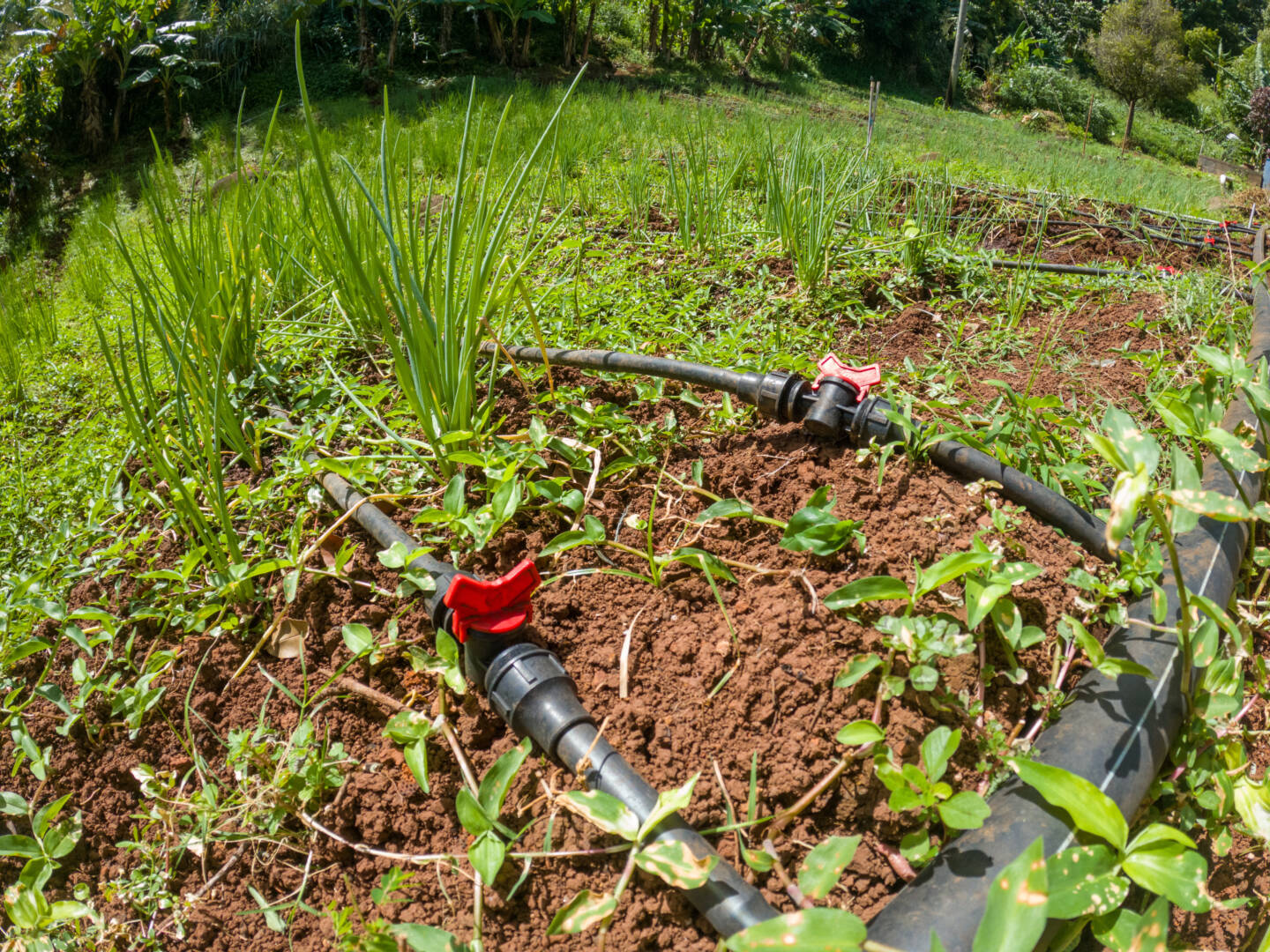
    Grenada’s agricultural sector is undergoing a transformative shift as farmers nationwide adopt advanced water conservation technologies to combat climate change challenges. Through the Climate-Resilient Water Sector in Grenada (G-CREWS) Challenge Fund for Agriculture, agricultural producers are receiving critical infrastructure including micro-sprinklers, drip irrigation systems, and rainwater harvesting solutions.

    To date, 69 farmers have benefited from these water-efficient technologies, with 20 recipients supported through the collaborative initiative between the Ministry of Agriculture and the Grenada Development Bank. This strategic partnership is enabling agricultural workers to maintain consistent production despite increasingly variable climate patterns and reduced rainfall.

    Farmer Theresa Msacky reported revolutionary changes in her daily operations following the installation of water tanks and drip irrigation. “Previously, irrigation was extremely time-consuming using watering cans or hoses, and my rainwater storage capacity was minimal,” Msacky explained. “Now with six tanks, I’ve significantly reduced my water expenses while increasing annual yields.”

    Another beneficiary, Kimoney John, celebrated the elimination of water storage challenges. “The tank we received can sustain our chive beds for over a month during dry periods,” John stated. “This watering system has dramatically simplified farming operations.”

    Andell Daniel, who received both irrigation and rainwater-harvesting systems, now plans to diversify his crop production. “The collected water will accelerate seedling development, allowing me to supply both my own needs and national markets more efficiently,” Daniel noted.

    Joseph Noel, Acting Chief Land Use Officer and UNCCD National Focal Point, guaranteed that all interested farmers would receive support before the project concludes. Additional infrastructure including shade houses in various sizes will be deployed across the island by early 2026, with current expenditures exceeding EC$865,000.

    The G-CREWS project represents a multinational collaboration funded by the Green Climate Fund, Germany’s Federal Ministry for the Environment through its International Climate Initiative, and the Government of Grenada.

  • Caribbean nations enhance demographic data to improve strategic planning

    Caribbean nations enhance demographic data to improve strategic planning

    BRIDGETOWN, BARBADOS – In a landmark regional collaboration, Caribbean statistical experts and government officials are converging in Barbados to master next-generation population data techniques. The intensive five-day workshop, running from March 9-13, 2026, represents a strategic effort to transform how nations plan for climate adaptation, economic development, and social services through advanced demographic analysis.

    Hosted at Hotel Indigo in Bridgetown, the initiative brings together an unprecedented coalition including CARICOM, UNFPA, WorldPop, the UK’s FCDO, and the European Union’s Joint Research Centre. The curriculum focuses on two transformative methodologies: sophisticated population modeling for small-area estimates and the globally standardized Degree of Urbanisation (DEGURBA) framework.

    Jenny Karlsen, Acting Head of UNFPA’s Caribbean Sub-Regional Office, emphasized the paradigm shift in demographic science. ‘Emerging tools are fundamentally expanding our analytical capabilities,’ she noted. ‘Where traditional censuses provided periodic snapshots, we now combine modeling with satellite-derived settlement data to create dynamic, high-resolution population maps.’

    The DEGURBA methodology establishes consistent criteria for classifying areas as rural, peri-urban, or urban based on settlement density and spatial configuration – resolving longstanding comparability issues that hampered regional planning. Since 2023, UNFPA and EU partners have extended this framework to nearly 50 nations worldwide.

    Jennifer Hunte, Permanent Secretary for Economic Affairs and Planning, underscored the practical implications: ‘Granular population data directly informs infrastructure investment, healthcare deployment, and educational resource allocation. This isn’t about statistics – it’s about ensuring development policies reach every community effectively.’

    Dr. Armstrong Alexis, CARICOM Deputy Secretary-General, highlighted the urgency behind the initiative: ‘Climate vulnerability, migration patterns, and demographic changes require evidence-based responses. Standardized data enables coordinated regional resilience planning that transcends national boundaries.’

    The workshop’s practical component involves developing validated small-area population estimates using census data, satellite imagery, and predictive modeling. This technical capacity building aims to create policy-relevant data streams that can target investments toward vulnerable populations, particularly women, youth, and climate-affected communities.

    This collaboration exemplifies how regional partnerships are overcoming the limitations of individual national statistical systems. By creating shared methodologies and data infrastructures, Caribbean nations are pioneering a new model of evidence-based governance for sustainable development in an era of global challenges.

  • Funding cut, limited placements hamper Job Start Plus – officials

    Funding cut, limited placements hamper Job Start Plus – officials

    Barbados’s flagship youth employment initiative, Job Start Plus, is confronting severe operational challenges that threaten its viability, prompting urgent calls for a comprehensive restructuring. During parliamentary estimates debates on Monday, lawmakers were presented with revised funding projections showing a drastic reduction from $2.9 million to $1.5 million, severely constraining the program’s capacity to deliver meaningful workforce development.

    The programme operates within a crowded ecosystem of youth initiatives including Gateways, Prince’s Trust, and the Barbados Youth Advanced Corps, creating competitive pressures for both participants and employer placements. Minister of Labour Colin Jordan highlighted the critical need for inter-ministerial collaboration, noting that ‘officers administering all of these programmes are essentially knocking on the same doors’ while competing for a limited pool of private sector employers.

    Post-COVID economic caution has significantly impacted employer participation, with many medium and large businesses retreating from their previous commitments to fund trainee stipends. Minister Jordan revealed that the government is considering subsidizing portion of stipend costs to incentivize private sector engagement, emphasizing that ’employing organizations should recognize in a material way their responsibility’ in youth development.

    Programme Manager Erika Watson detailed significant expansions to the World of Work training component, which now encompasses three weeks of intensive preparation covering core skills, resume writing, interview techniques, and psychosocial topics including work-life balance and family conflict management. Despite these enhancements, placement rates remain concerning with only approximately 410 successful placements since inception—representing less than 50% of trained participants.

    Structural challenges include literacy gaps among participants and limited organizational capacity for mentorship, with Watson noting that success correlates strongly with employers possessing dedicated human resource management resources. Both Watson and Minister Jordan identified enhanced marketing and promotion as critical to demonstrating the program’s value in delivering workplace-ready talent.

    Concurrently, Minister of Economic Affairs Marsha Caddle proposed expanding youth program access through faith-based organizations, addressing current legislative restrictions under the Charities Act that will require amendments to ensure non-discriminatory access to funding and resources across all religious denominations in Barbados.

    The collective assessment indicates that lessons from Job Start Plus will fundamentally inform future youth employment program structures, supervision frameworks, and strategic fund allocation to maximize impact and address systemic employment barriers facing Barbadian youth.

  • Another HAPI Home Completed as Programme Continues to Expand Housing Support

    Another HAPI Home Completed as Programme Continues to Expand Housing Support

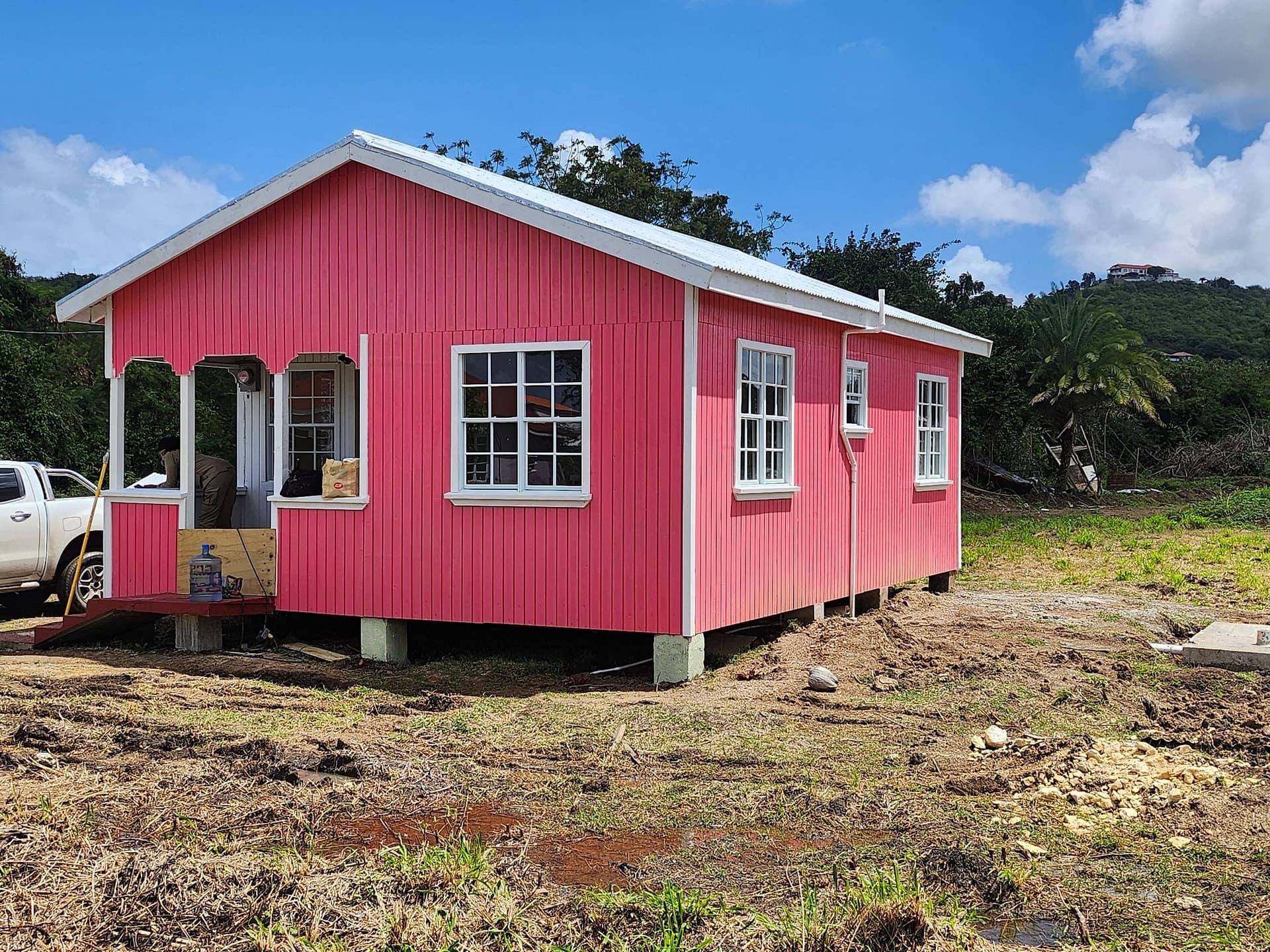
    Antigua’s Home Assistance Programme for the Indigent (HAPI) has marked another significant achievement with the successful completion of a new housing unit, demonstrating the power of collaborative community action. Inspector Ragguette, representing the initiative, emphasized that strategic partnerships with dedicated individuals and organizations have been instrumental in delivering essential housing support to economically disadvantaged residents throughout the island.

    The program organizers released an official statement expressing pride in this latest accomplishment, noting that each completed home represents the collective dedication of numerous supporters who contribute time, material resources, and specialized services. “We maintain an extensive network of contributors whose steadfast commitment deserves recognition,” the statement elaborated. “These vital alliances enable HAPI to consistently create meaningful change across Antiguan communities.”

    Beyond the physical structures, the program’s leadership highlighted the profound psychosocial impact of their work. The initiative deliberately frames housing assistance as a catalyst for hope and dignity rather than merely addressing shelter needs. “The generosity of our partners constructs more than buildings—it establishes foundations for optimism and renewed opportunity,” the statement affirmed.

    The HAPI program operates as a comprehensive housing solution provider for vulnerable populations throughout Antigua and Barbuda. Its scope includes both construction of new dwellings and critical repairs to existing structures, ensuring safe living conditions for those most in need within the island nation.

  • Tyrico horror

    Tyrico horror

    The tranquil community of Longdenville has been plunged into mourning following the brutal murder of 44-year-old Homadath Sookdeo, whose bound body was discovered at Tyrico Bay last Sunday morning. The discovery has triggered widespread condemnation of Trinidad’s ongoing crime epidemic and raised serious questions about the effectiveness of current security measures.

    Sookdeo, described by neighbors as a ‘quiet, humble man who wouldn’t even harm a fly,’ failed to appear for his customary Sunday family lunch, immediately alerting relatives to potential danger. His body was found with hands and feet bound and mouth gagged, wearing only red three-quarter pants, near the main carpark of the popular beach area.

    According to investigation details, Sookdeo was last seen alive on Saturday afternoon around 4 p.m. when he departed to collect rental payments from Venezuelan nationals residing in an apartment building he managed for his brother overseas. His abandoned pick-up truck was later recovered in Maracas, though police confirmed no visible gunshot or stab wounds were present on his body. An autopsy has been ordered to determine the exact cause of death.

    The tragedy has exposed deep-seated frustrations with the government’s crime prevention strategies. A family member, who requested anonymity, directly criticized the current state of emergency: ‘(Sookdeo) was killed during an SoE. So the SoE is clearly not working. The Government needs more stringent measures to deal with crime.’

    Neighbors and colleagues expressed profound shock at the violent death of a man known for his predictable routines and gentle nature. Gopalak Baboolal, a neighbor for over 15 years, recounted: ‘We lived like brothers. His sister said he sends her good morning message every day and she didn’t get none Sunday.’ Another colleague from Kallco Ltd, where Sookdeo worked as a supervisor, described him as exceptionally cautious with his vehicle, making the circumstances of his abduction particularly mysterious.

    The case has mobilized multiple police units including Region One Homicide Bureau, Crime Scene Unit, and Morvant CID. Investigators believe Sookdeo was murdered elsewhere and transported to Tyrico Bay sometime Saturday night. Authorities are attempting to locate the Venezuelan tenants Sookdeo was scheduled to meet before his disappearance.