分类: society

  • Israelis dance on at Tel Aviv ‘bunker party’ as missiles fly

    Israelis dance on at Tel Aviv ‘bunker party’ as missiles fly

    TEL AVIV (AFP) — Beneath the streets of Tel Aviv, where missile alerts have become routine, an unexpected phenomenon has emerged: underground raves transforming bomb shelters into pulsating dance venues. Approximately 200 young Israelis recently gathered in a downtown basement, their movements synchronized to thumping techno beats—a stark contrast to the conflict with Iran raging above ground.

    The initiative began when a group of friends, stranded in Tel Aviv due to flight cancellations following the outbreak of hostilities, sought to reclaim nightlife from wartime restrictions. Ruben Chekroun, a French-Israeli organizer, explained the psychological motivation: “Dancing in difficult times is a relief. It gives us strength. It’s hard right now, so we might as well try to make the best of it.”

    Since the conflict ignited on February 28 with US-Israeli missile strikes killing Iranian Supreme Leader Ali Khamenei—prompting Tehran’s drone and missile counterattacks—these semi-clandestine events have proliferated. Utilizing specially designated underground parking lots and club basements, organizers have hosted four “bunker parties” advertised through social media. Despite technically violating mass gathering restrictions, authorities have tolerated the events after police inspections confirmed their safety compliance.

    Above ground, Tel Aviv maintains a paradoxical normality. Mediterranean joggers and beach yoga sessions continue alongside café culture at establishments like Chacho’s, where baristas serve lattes beneath tattooed forearms. Yet this veneer of calm is punctuated by daily missile alerts, sending residents to shelters stocked with table football and Harry Potter books—a testament to Israel’s long adaptation to security threats since the October 2023 Hamas attack.

    The human cost remains ever-present: recent strikes north of Ben Gurion Airport killed two construction workers, bringing Israel’s death toll to twelve. Yet in the shelters-turned-dancefloors, participants like “Goldilocks” emphasize the dual purpose: “It’s just like being in a shelter. If there’s a siren, we’re protected from the bombing. It’s the place to be!”

  • Miner beaten to death, others injured over claims of stolen gold

    Miner beaten to death, others injured over claims of stolen gold

    A violent confrontation at a remote gold mining operation in Guyana’s Region Eight (Potaro-Siparuni) has resulted in one fatality and two serious injuries, according to a Thursday police briefing. The incident occurred on Tuesday morning along the Siparuni River when three armed assailants allegedly assaulted several miners following accusations of stolen precious metal.

    The deceased has been identified as 32-year-old Rowell ‘Kabaloo’ La Cruz from Warapoka Village in the North West District. Two other miners—a 36-year-old from Greater Georgetown and North Rupununi, and a 25-year-old from Paramakatoi Village—sustained severe injuries and are currently receiving medical treatment at healthcare facilities.

    Police reports indicate the altercation began when La Cruz and another miner were confronted in the kitchen area of the dredging operation camp. The suspects, allegedly armed with a handgun, cutlasses, and a mattock handle, accused them of extracting gold from a sluice box. The victims were then forcibly marched to a nearby watch camp where they encountered another individual before the brutal beating commenced.

    Following the assault, public-spirited citizens assisted the injured men toward the riverfront. Tragically, La Cruz succumbed to his injuries during transport. His body was subsequently located at a nearby camp with visible marks of violence, then escorted to the Linden Hospital Complex Mortuary. A post-mortem examination has been scheduled to determine the exact cause of death.

    Law enforcement authorities have launched a manhunt for the three suspects believed responsible for the attack. The investigation continues as police work to piece together the precise circumstances surrounding the theft allegations and subsequent violence.

  • Repairs Underway at Government Printery

    Repairs Underway at Government Printery

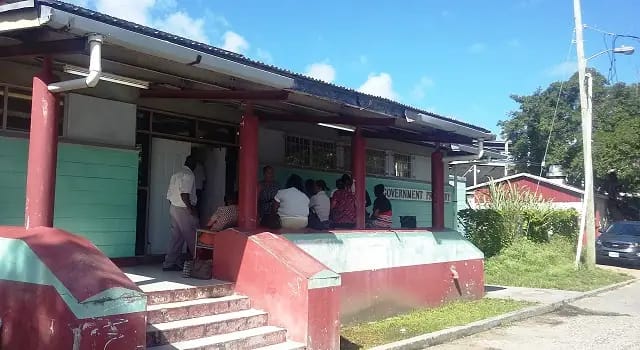
    A comprehensive renovation initiative is now underway at the Government Printery facility, targeting significant improvements to workplace conditions and addressing critical sanitation issues. The development was formally announced during this week’s post-Cabinet media briefing, where government representatives outlined the scope of the ongoing upgrades.

    Maurice Merchant, Director General of Communications in the Office of the Prime Minister, revealed that among the most pressing concerns being addressed is a persistent pigeon infestation that has plagued the building for an extended period. “Work has commenced at the government’s printery to enhance working conditions for employees,” Merchant stated. “A primary focus involves the removal of substantial pigeon populations that have established residence within the facility.”

    The remediation process involves carefully relocating the birds through humane methods as part of the initial cleanup phase. This essential first step will precede additional structural repairs and maintenance activities planned for the government printing operation.

    According to officials from the Ministry of Works, which is overseeing the project, these measures are designed to guarantee that staff members can perform their duties in both safe and hygienic surroundings. The improvements will simultaneously ensure the printery’s continuous operational capacity throughout the renovation period. Merchant emphasized that these upgrades specifically aim to provide workers with substantially improved environmental conditions for their professional activities.

  • Antigua and Barbuda Government Closing Bethesda Tissue Culture Lab as New Facility Planned

    Antigua and Barbuda Government Closing Bethesda Tissue Culture Lab as New Facility Planned

    In a strategic move to bolster national food security and agricultural output, the government of Antigua and Barbuda has initiated a significant restructuring of its agricultural support system. The Cabinet has confirmed the imminent closure of the existing tissue culture laboratory in Bethesda. This decision, announced by Director General of Communications Maurice Merchant during the weekly post-Cabinet media briefing, paves the way for the establishment of a new, advanced agricultural facility.

    The core objective of this transition is to enhance plant propagation capabilities across the twin-island nation. The new center will be dedicated to the production of superior, disease-free planting materials. These high-quality resources are specifically intended for widespread distribution to local farmers and national agricultural programs, ensuring a healthier and more robust foundation for crop cultivation.

    Government officials project that this modernization initiative will yield substantial benefits, including a marked increase in crop production volumes and a significant improvement in the overall quality of plants available to the agricultural sector. By providing farmers with access to optimized planting material, the initiative aims to strengthen the resilience of local agriculture against diseases and climate vulnerabilities, thereby reinforcing long-term food security.

    Complementing this infrastructural upgrade, the government has also procured new agricultural machinery. This equipment has already arrived at the port and is slated for imminent deployment. The integration of this modern technology is designed to further empower farmers, directly supporting efforts to boost crop yields and overall production efficiency, marking a comprehensive investment in the future of the nation’s agriculture.

  • St. John’s Public Cemetery to Close to New Burials

    St. John’s Public Cemetery to Close to New Burials

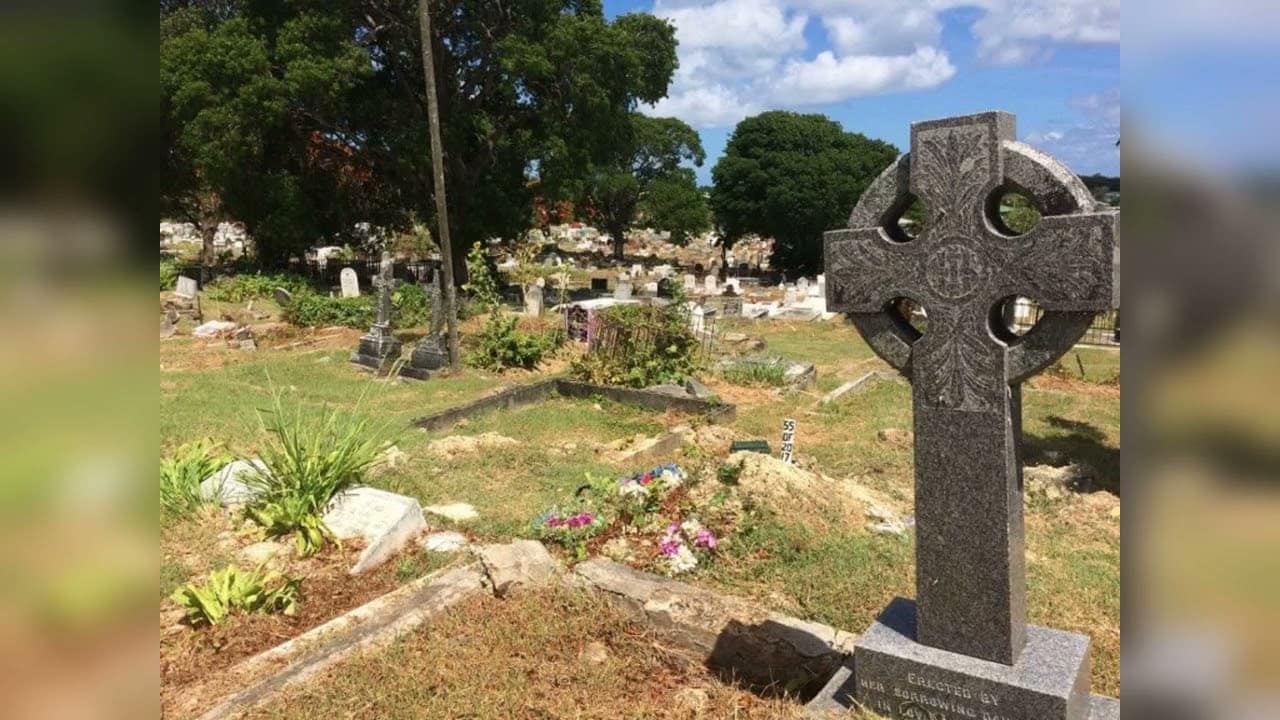
    Authorities in Antigua and Barbuda have formally announced the cessation of new interments at St. John’s Public Cemetery, marking the end of an era for the long-serving burial ground. The cabinet’s decision, revealed during a weekly media briefing, will be enforced starting late March, effectively closing the cemetery to new graves due to exhaustive capacity constraints.

    Maurice Merchant, the Director General of Communications within the Office of the Prime Minister, clarified the policy’s specifics. While new burial plots will no longer be allocated, the rights of families with pre-existing tombs will be preserved, allowing them to continue interring relatives in their designated family spaces. This measured approach aims to balance spatial limitations with respect for established familial connections to the site.

    The cemetery, having served the public for numerous decades, has simply exhausted its available space. This closure initiates a transitional phase for the grounds. Officials are now exploring a future reconceptualization of the area, potentially transforming it into a ‘tranquility park.’ This initiative seeks to repurpose the space respectfully, focusing on environmental enhancement and creating a serene public area while honoring its historical significance.

  • Former CIBC Building to Become New National Archives

    Former CIBC Building to Become New National Archives

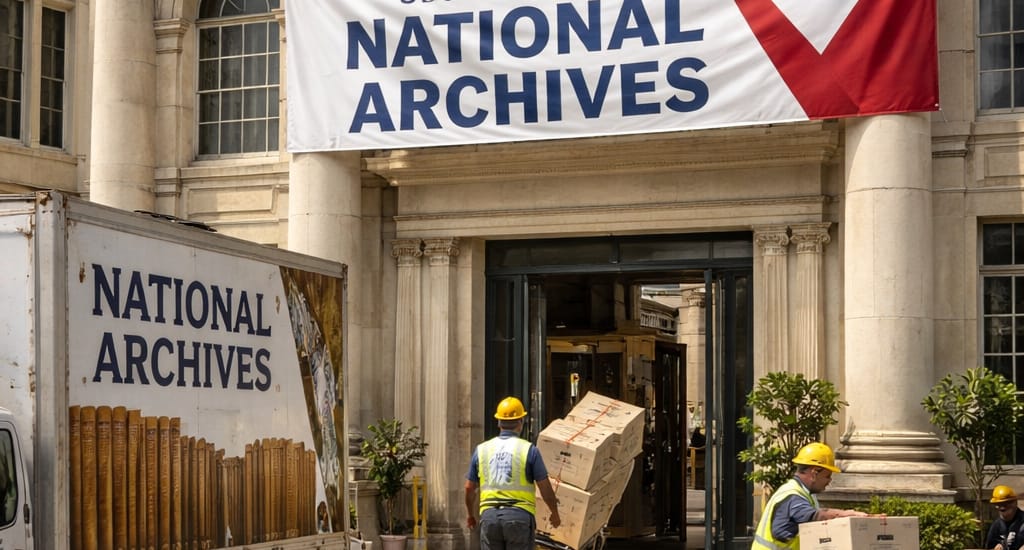
    The government of Antigua and Barbuda has formally authorized the transfer of its National Archives to a decommissioned banking facility at the intersection of High Street and Corn Alley. This strategic relocation aims to address critical preservation challenges by utilizing the former CIBC building’s specialized infrastructure.

    During the weekly post-Cabinet media briefing, Maurice Merchant, Director General of Communications in the Office of the Prime Minister, disclosed that the Ministry of Works will commence immediate retrofitting operations. The transition is projected to complete within an eight-week timeframe, potentially establishing operational capabilities at the new St. John’s location by early fall.

    The selection of the former financial institution represents a calculated preservation strategy. The building’s existing architectural features—particularly its numerous security vaults—provide ideal conditions for safeguarding historical materials. These fortified chambers maintain temperature-regulated environments essential for document conservation, addressing a crucial deficiency in the current facility.

    Merchant emphasized the urgency of relocation, citing significant structural deficiencies in the present archives building that jeopardize both personnel safety and document integrity. The move directly responds to these preservation emergencies while demonstrating the government’s commitment to heritage stewardship.

    The National Archives serves as the primary repository for the nation’s historical narrative, containing irreplaceable records spanning centuries of Antiguan and Barbudan development. This institutional transfer underscores the administration’s dedication to implementing innovative solutions for cultural conservation, ensuring future generations retain access to their historical legacy through professionally preserved artifacts.

  • Government Reaches Settlement in Long-Running Eloy De Freitas Case

    Government Reaches Settlement in Long-Running Eloy De Freitas Case

    The Government of Antigua and Barbuda has formally concluded one of the nation’s most protracted legal battles through a mutually agreed settlement with former public servant Eloy De Freitas. This resolution brings closure to a judicial matter that has persisted for nearly thirty years.

    Official confirmation emerged during the weekly post-Cabinet media briefing, where government representatives announced the amicable resolution of De Freitas vs the Permanent Secretary of the Ministry of Agriculture, Fisheries, Lands and Housing. The settlement follows extensive negotiations between both parties involved in the historic litigation.

    The origins of this legal confrontation trace back to 1990 when Mr. De Freitas, then serving as an extension officer within the Ministry of Agriculture, engaged in peaceful demonstrations highlighting allegations of governmental corruption. These protests occurred in the aftermath of a national commission of inquiry, marking a significant moment in the country’s administrative history.

    Maurice Merchant, Director General of Communications in the Office of the Prime Minister, articulated the government’s position, stating that Cabinet members unanimously approved the settlement based on principles of justice and national reconciliation. “The Cabinet announced that it has amicably resolved that long-standing legal matter involving the former public servant, Eloy De Freitas, bringing conclusion to a dispute that has spanned near three decades,” Merchant declared during the official briefing.

    The comprehensive agreement addresses all outstanding issues between the parties, including provisions for the payment of mutually accepted legal costs. While the specific financial terms remain confidential, the settlement represents a significant administrative achievement for both the government and the citizen involved.

    Merchant emphasized the broader implications of this resolution, noting that “The settlement brings finality to a matter after many years of litigation and reflects a shared commitment to fairness and respect for the rule of law.” This conclusion not only ends one of Antigua and Barbuda’s longest-running legal disputes but also demonstrates the government’s dedication to upholding judicial principles and administrative accountability.

  • Caribbean youth  advance to ‘knockout’ stage in 2026 international reparation debate competition

    Caribbean youth advance to ‘knockout’ stage in 2026 international reparation debate competition

    The 2026 International Reparation Debate Competition (IRDC), hosted by the Centre for Reparation Research at The University of the West Indies, has concluded its preliminary rounds following days of intellectually rigorous discourse. Secondary school delegations from Jamaica, Trinidad and Tobago, The Bahamas, Guyana, and the United Kingdom engaged in profound examinations of reparatory justice, addressing dimensions from economic policy and historical accountability to cultural restoration and political diplomacy.

    This academic tournament now advances to its knockout phase commencing March 16, where remaining institutions will confront increasingly complex questions regarding colonial legacies and contemporary justice. Early rounds demonstrated exceptional rhetorical skill, with Trinidad and Tobago’s Arima North Secondary successfully arguing against debt cancellation as reparations versus Jamaica’s Charlemont High. Jamaica’s Merl Grove High secured a narrow victory against Guyana’s Queen’s College debating whether Caribbean economic advancement is feasible without reparative measures.

    Notable preliminary achievements included Trinidad’s Goodwood Secondary advocating strengthened post-colonial alliances against The Bahamas’ C.V. Bethel Senior High, while San Fernando Central Secondary prevailed over Jamaica’s Knox College regarding infrastructural development as reparative action. Defending champions St Joseph’s Convent Port of Spain (Trinidad) maintained dominance alongside triumphs by Presentation College Chaguanas, Fatima College, and Herbert Morrison Technical High.

    Second-round highlights featured Trinidad’s Queen’s Royal College overcoming Jamaica’s Wolmer’s Boys’ School regarding diplomatic versus confrontational reparations advocacy. The UK’s Rawlins Academy delivered a compelling argument that reparations fundamentally concern dignity restoration beyond economic compensation, defeating Presentation College Chaguanas.

    Individual excellence was exemplified by Kennedy Valley of Fatima College achieving the highest speaker score during preliminaries. The competition provides Caribbean youth with crucial platforms for developing research, advocacy, and public speaking competencies while critically examining historical justice frameworks. With expanded international participation including returning UK institutions, all debates are streamed globally via the Centre’s YouTube channel.

  • Transport Board experiencing phone, internet disruptions

    Transport Board experiencing phone, internet disruptions

    The national Transport Board has issued a public advisory regarding significant technical disruptions affecting its digital and telecommunication services. Operational headquarters in Weymouth and several satellite locations are currently experiencing extensive internet and telephone service outages, creating temporary barriers to public communication channels.

    In response to these technical difficulties, transportation authorities have implemented contingency measures to maintain public accessibility. Officials have directed citizens with urgent inquiries to utilize an alternative contact number—836-3250—as primary communication systems undergo restoration. Technical teams are actively engaged in diagnostic procedures and repair operations to reestablish full connectivity across all affected facilities.

    The service interruption represents one of the more substantial technical challenges faced by the transportation infrastructure this year, though officials emphasize the disruption appears limited to administrative communications rather than actual transportation services. No estimated timeframe for complete system restoration has been provided, but the Board has assured the public that resolving these connectivity issues remains their highest priority. Transportation officials apologize for any inconvenience caused and appreciate public patience during this technical recovery period.

  • Gun, ammo found in primary school classroom

    Gun, ammo found in primary school classroom

    Authorities in Guyana have launched a comprehensive investigation after a licensed 9mm pistol and eleven rounds of matching ammunition were discovered beneath a student’s desk in a Georgetown primary school. The unsettling find occurred on Monday afternoon, March 9, 2026, prompting immediate police response and raising serious security concerns within the educational institution.

    According to official statements from the Guyana Police Force, the discovery was made approximately at 1:06 PM when a teacher, alerted by reports of suspicious noises near a student’s desk, conducted a search of the area. The subsequent discovery led to school administrators contacting law enforcement immediately. Investigators from the Criminal Investigations Department (CID) subsequently visited the school, secured the firearm and ammunition, and transported them to a police station for safekeeping as the probe continues.

    Deputy Police Commissioner Wendell Blanhum, head of the CID, revealed that the weapon was legally registered to an individual who had previously reported it missing. Notably, the license holder’s child, who attends the same school, had been actively participating in family efforts to locate the firearm before its discovery in the classroom. Police have obtained statements from multiple persons connected to the incident, though specific details regarding how the weapon came to be in the classroom remain under investigation.

    The three-day gap between the discovery and the official police statement has drawn attention to protocol procedures in school security incidents. The event has sparked discussions among education officials and community leaders about enhancing security measures in educational environments to prevent similar occurrences in the future.