分类: society

  • Mass transport plan needs careful thought

    Mass transport plan needs careful thought

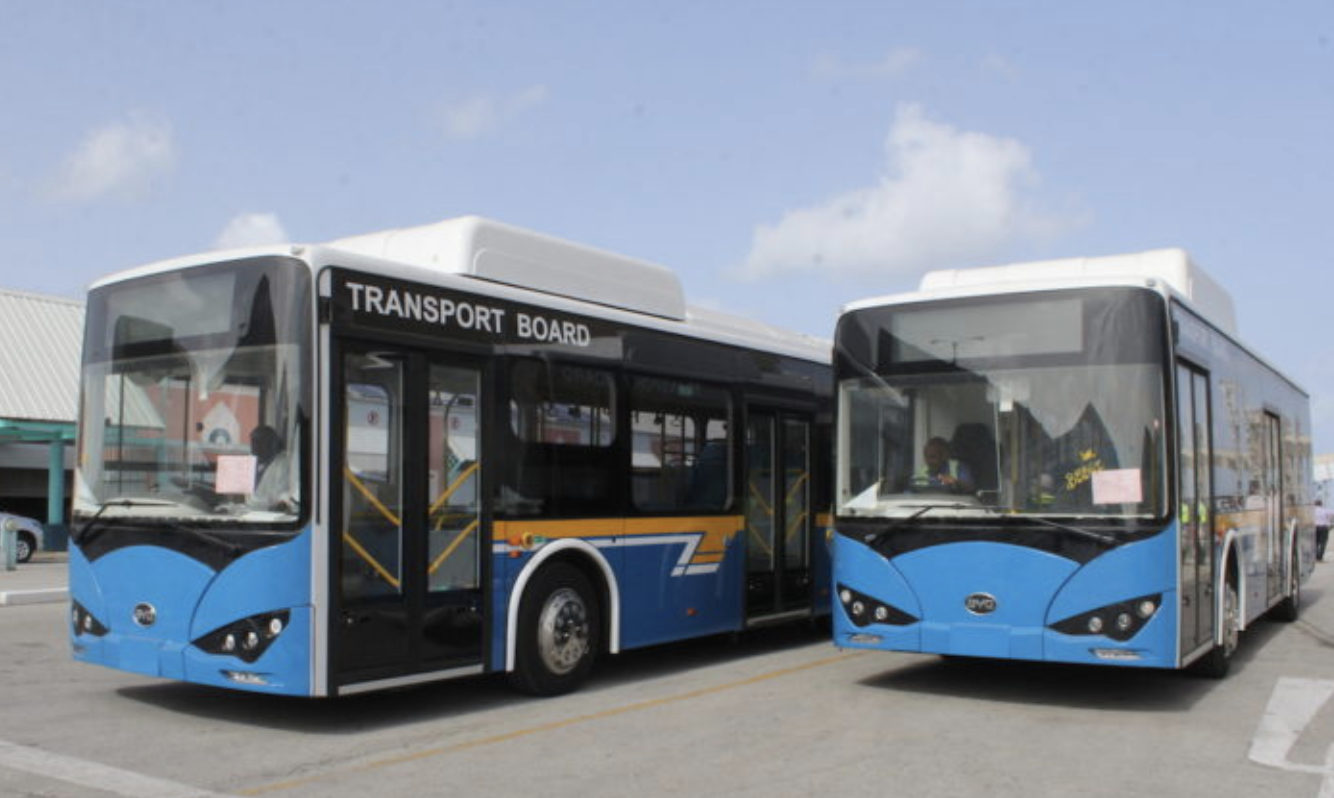
    The future of Barbados’ Transport Board has reignited public debate, raising critical questions about the kind of society the nation aspires to build. A proposal currently under consideration suggests the complete divestment of the Transport Board, severing all workers and offering them the opportunity to purchase buses at discounted rates. A newly established Mass Transit Authority would oversee regulation, with the government providing limited subsidies for electric bus charging and battery replacement.

    On the surface, this plan appears innovative, aiming to reduce government expenditure while empowering workers through ownership. It could be viewed as a progressive step toward modernizing a system plagued by inefficiencies for decades. However, such a significant shift warrants a thorough examination of its implications.

    For years, the Barbados Economic Recovery and Transformation (BERT) program has scrutinized state-owned enterprises (SOEs). Prior to 2018, SOEs received transfers equivalent to nearly 8% of GDP, placing a substantial strain on public finances. Consequently, the government has faced persistent pressure to cut subsidies, enhance management, and, where feasible, transition entities toward cost recovery or privatization.

    The Transport Board, long criticized for its financial losses and inadequate fleet, has been a major fiscal concern. Yet, it is more than just a government-owned business. For countless Barbadians, it is a lifeline—ensuring children reach school, workers arrive on time, and the elderly remain connected. Public transport is not a luxury but a fundamental public good that sustains the economy and fosters social inclusion.

    Thus, the proposed divestment cannot be evaluated solely in financial terms. While reform is undeniably necessary, the privatization of public transport under current economic conditions carries significant risks.

    This proposal is part of a broader trend. The government’s plan to lease Grantley Adams International Airport for 25 to 30 years exemplifies its shift toward public-private partnerships. Over 50 SOEs are under review for reform, signaling a transformative redefinition of the government’s role.

    Potential benefits of the Transport Board’s divestment include increased efficiency and reduced political interference. Reduced subsidies could free up resources for essential sectors like healthcare, education, and housing. However, the risks are equally, if not more, substantial.

    First, financial risk poses a significant challenge. Electric buses are costly assets, and even the government has struggled with these expenses. Can former Transport Board workers, now entrepreneurs, manage such risks? Who will address breakdowns or cash flow issues?

    Second, fairness and access are at stake. While some routes are profitable, many are not. Rural and low-income communities rely heavily on the Transport Board, as private operators often avoid unprofitable routes. If the system is fragmented into profit-driven owner-operators, how can Barbadians ensure reliable and affordable service? A regulator could help, but only if it wields real authority.

    Public transport is integral to daily life, and Barbadians deserve transparency and accountability. What standards will operators meet? What rights will workers and passengers have? Major decisions must not be concealed in technical documents, only to surface amid controversy.

    Reform is undeniably necessary, but it must be grounded in clear policy, public consultation, and a commitment to serving all Barbadians—not just profitable routes or vocal interests.
  • Parent urges earlier decisions on school closures as flood warning prompts early dismissal

    Parent urges earlier decisions on school closures as flood warning prompts early dismissal

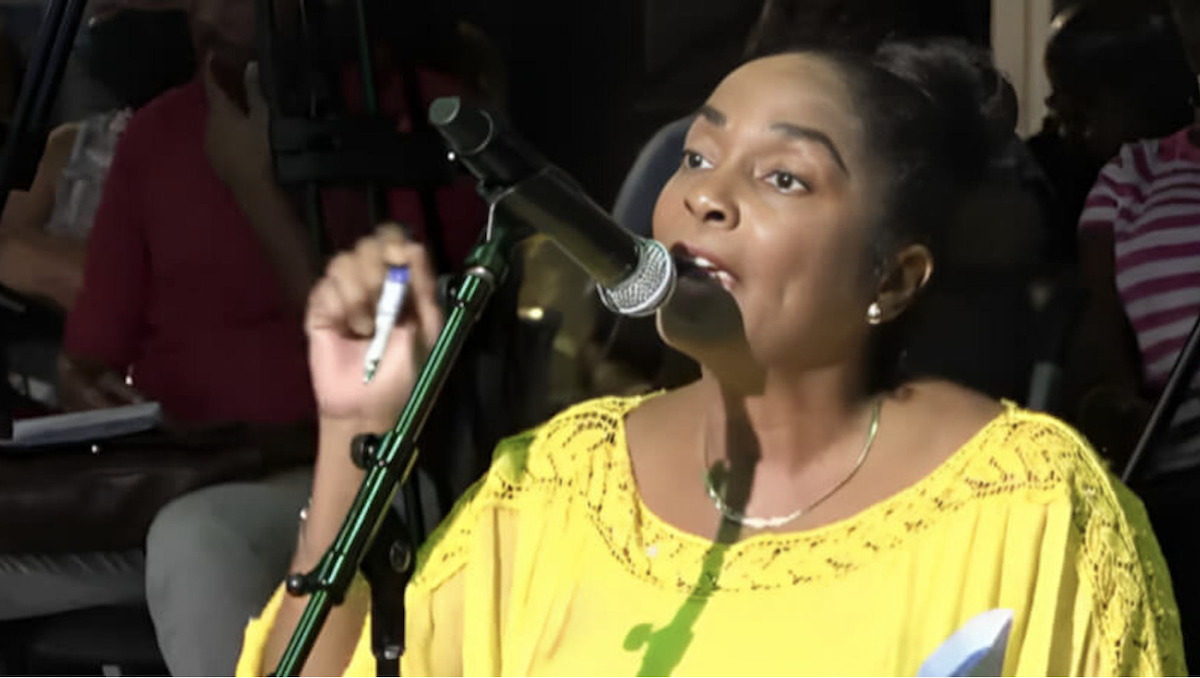
    Barbados’ education authorities faced renewed criticism this week as flood warnings forced an early closure of schools across the island. The Ministry of Educational Transformation mandated that all schools dismiss students at 1 p.m. on Monday following a flood warning issued by the Barbados Meteorological Services (BMS). However, parent advocate Paula-Anne Moore argued that the decision came too late, given the severe flooding experienced the previous day and the dire weather forecast for Monday. Moore emphasized that earlier action could have mitigated risks for students, particularly those reliant on public transport. The island had been under a flood watch since Sunday, when torrential rains caused widespread damage, including waterlogged communities and damaged roads. The BMS upgraded the watch to a flood warning at 9:38 a.m. on Monday, predicting ‘heavy to intense showers’ and potential rainfall exceeding nine inches in some areas. Moore criticized the ministry for its delayed communication, stating that proactive decisions are crucial in such situations. She also questioned whether a national protocol exists to guide school closures during extreme weather events. The ministry has promised further updates on school reopenings based on BMS guidance, while urging the public to remain vigilant amid ongoing unstable weather conditions.

  • Flood-hit St Lucy wants urgent action after residents trapped overnight

    Flood-hit St Lucy wants urgent action after residents trapped overnight

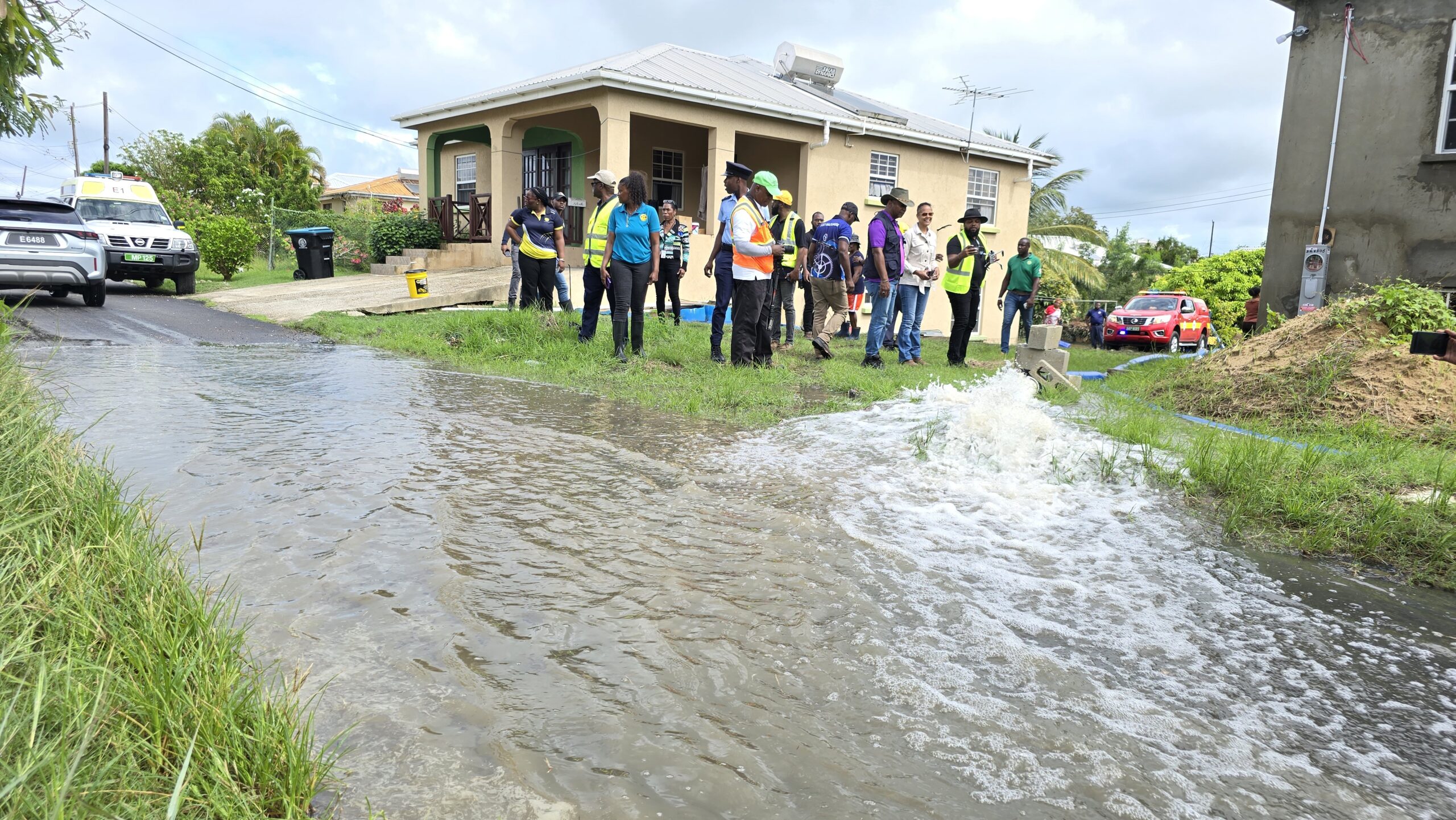
    Residents of St Lucy, Barbados, are calling for immediate government intervention following catastrophic flooding that left dozens trapped in their homes and vehicles on Sunday night. The deluge, which saw waters rise up to two feet (610mm) in some areas, overwhelmed local fire services and left families scrambling to protect their properties. Yolande Sobers, a resident of Maycocks Terrace, described the ordeal as “terrible” and “helpless,” recounting how her family’s efforts to pump out the water were futile. Sobers, who lacks flood insurance, praised St Lucy MP Peter Phillips for his on-the-ground support during the crisis. Phillips confirmed that several homes were severely affected, with one tenant losing all her belongings. He emphasized the need for long-term solutions, including the construction of wells and improved drainage systems, to prevent future disasters. Rontae Johnson, chairperson of the St Lucy District Emergency Organisation, reported that her team had been deployed across the parish to assist residents, including pumping out water and repairing leaking roofs. Frustrated by recurring flooding, residents like Ryan Clarke expressed exhaustion over unfulfilled promises of infrastructure improvements. Clarke and others highlighted the stagnant water as a breeding ground for mosquitoes, urging authorities to take immediate action to redirect the water to the sea. The incident has underscored the inadequacy of Barbados’ current infrastructure to handle such extreme weather events, with residents demanding proactive measures rather than reactive responses.

  • 25 Most Remarkable Teens to be recognised during a special sitting of the National Assembly on Thursday, November 20

    25 Most Remarkable Teens to be recognised during a special sitting of the National Assembly on Thursday, November 20

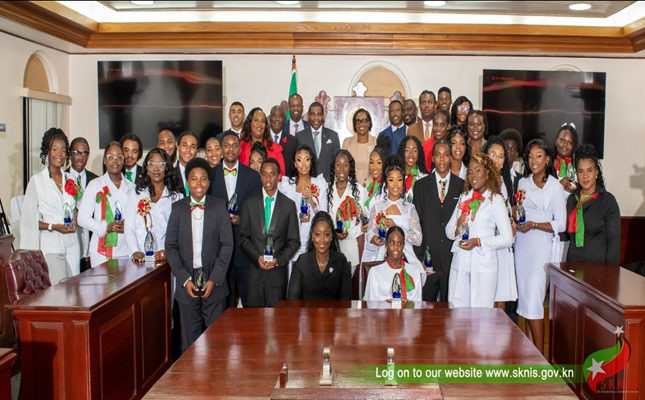
    In a significant celebration of youth achievement, the National Assembly of Saint Kitts and Nevis will hold a special sitting on Thursday, November 20, 2025, at 6:30 PM. The event, hosted at the National Assembly Chambers in Basseterre, will recognize The 25 Most Remarkable Teens in the nation. Organized by the Department of Youth Empowerment, the ceremony will feature video presentations showcasing the individual profiles of these exceptional young individuals, followed by an award presentation by Members of Parliament. Deputy Prime Minister and Minister of Youth, the Honourable Dr. Geoffrey Hanley, will deliver a keynote address. The event will be broadcast live on ZIZ Radio (96 FM), TV Channel 5 in Saint Kitts, and Channel 98 in Nevis, as well as streamed online via www.zizonline.com and the SKNIS Facebook page. This initiative highlights the government’s commitment to empowering and celebrating the contributions of young people to society.

  • Speightstown canal worked as designed, says MP

    Speightstown canal worked as designed, says MP

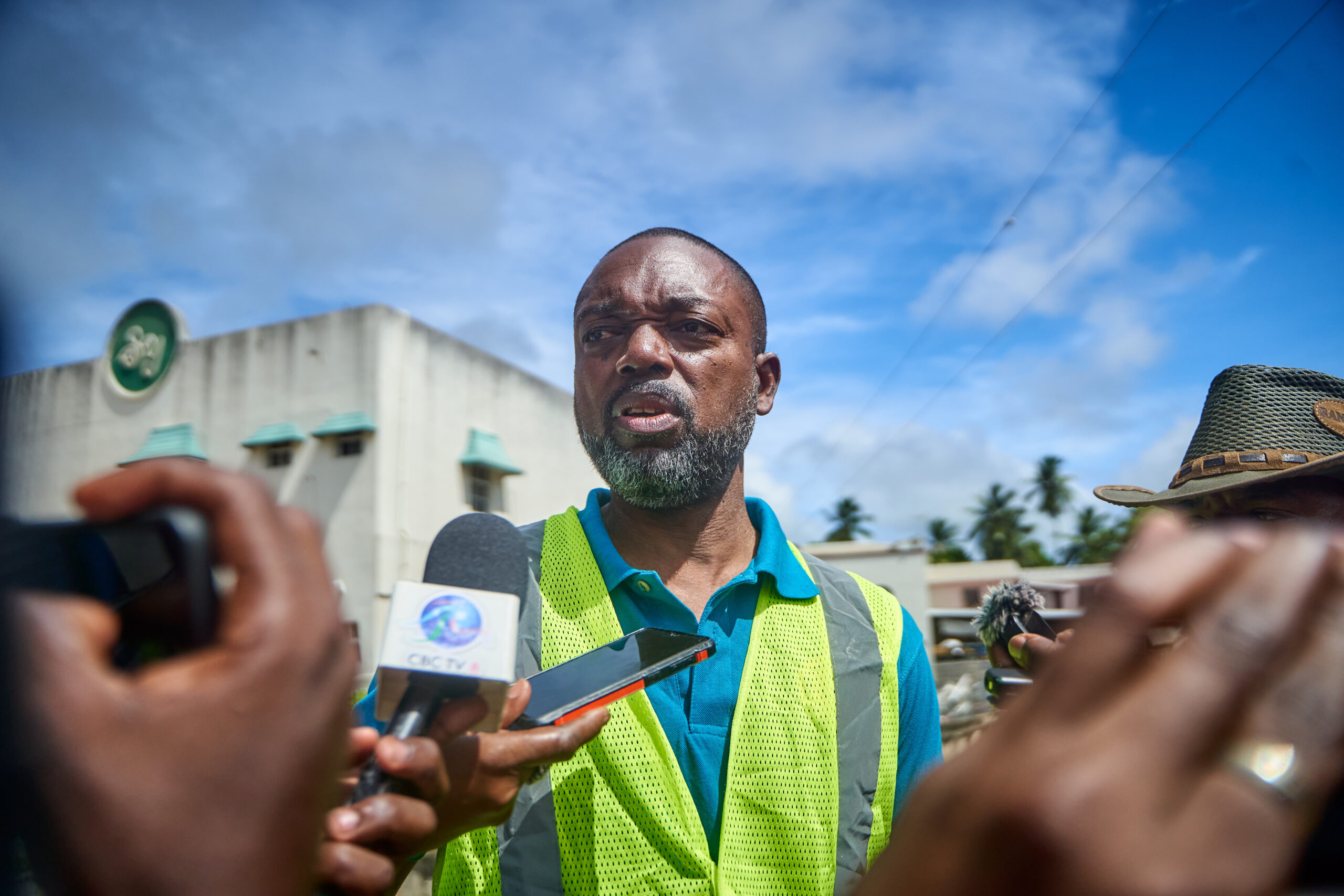
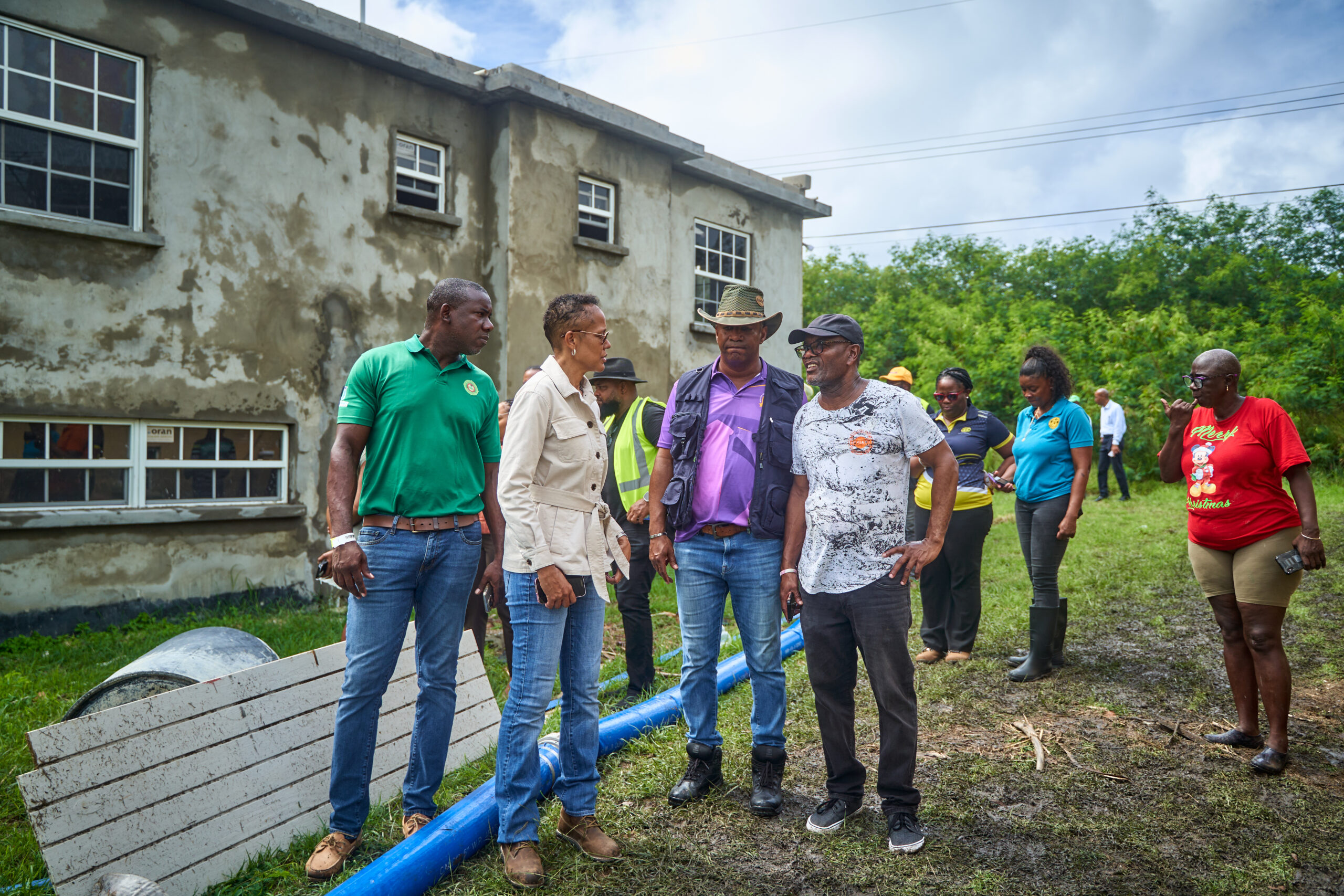
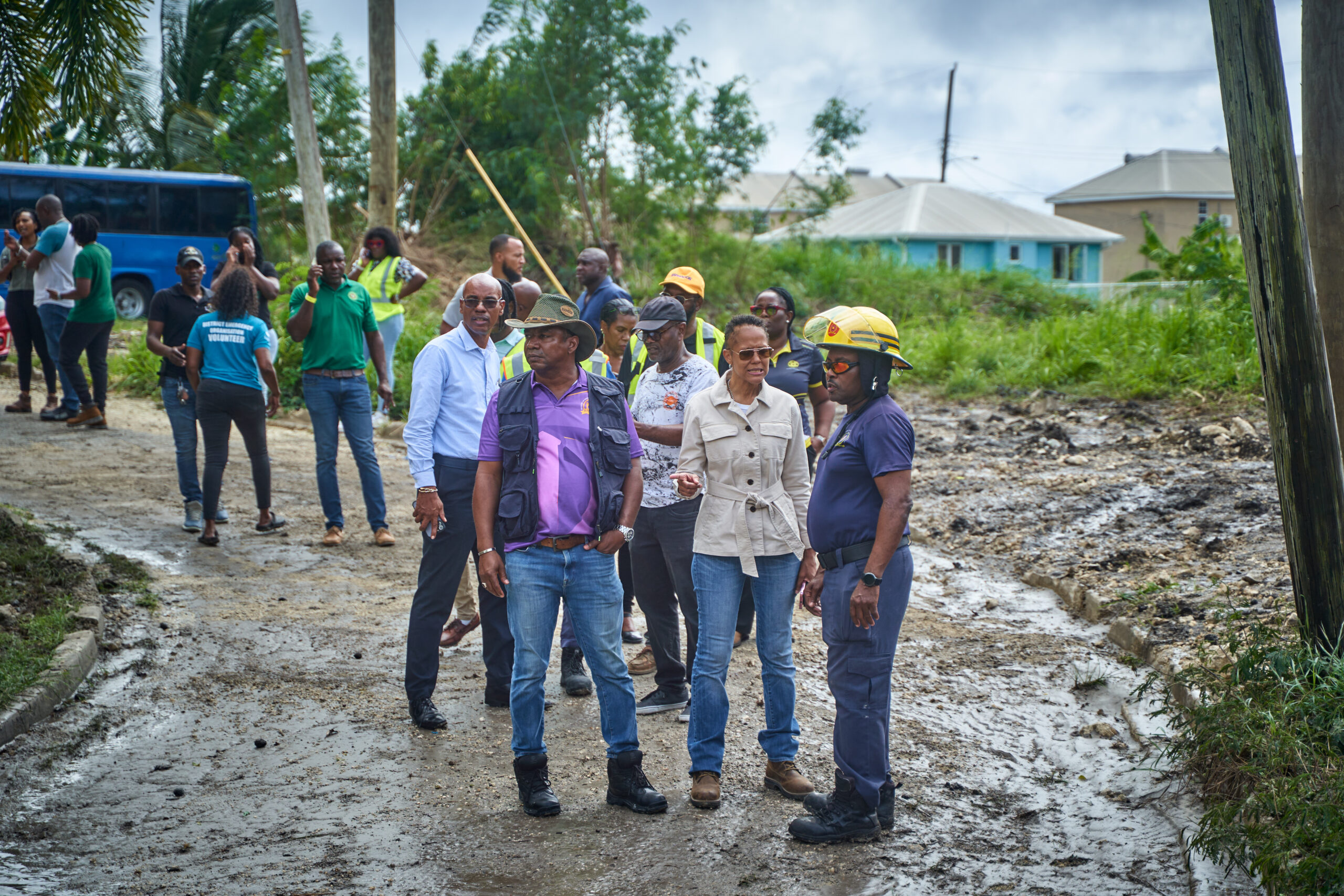
    St Peter MP Colin Jordan has dismissed claims of widespread flooding in Speightstown following Sunday’s heavy rainfall, asserting that the town’s central canal performed as intended. Jordan, accompanied by emergency officials, inspected affected areas and praised the canal’s ability to manage the deluge effectively. Constructed after the devastating floods of 1984, the canal was designed to handle extreme weather events, and Sunday’s downpour nearly met its 50-year capacity threshold. Despite high tides slowing water drainage, traditional flood-prone zones remained dry, Jordan noted. He attributed this success to recent government investments in retention ponds along key watercourses, which mitigated runoff during the intense rainfall. The assessment team visited several impacted districts, including Rose Hill and Diamond Corner, where infrastructure and roads faced challenges due to heavy water flow. Jordan highlighted ongoing evaluations by the Ministry of Transport and Works (MTW) and proposed additional measures, such as upstream retention ponds and culvert improvements, to address vulnerabilities exposed by the storm. Detailed assessments and further interventions are underway to enhance flood resilience in the region.

  • Column: Suriname wordt vijftig: tijd om eindelijk één richting te kiezen

    Column: Suriname wordt vijftig: tijd om eindelijk één richting te kiezen

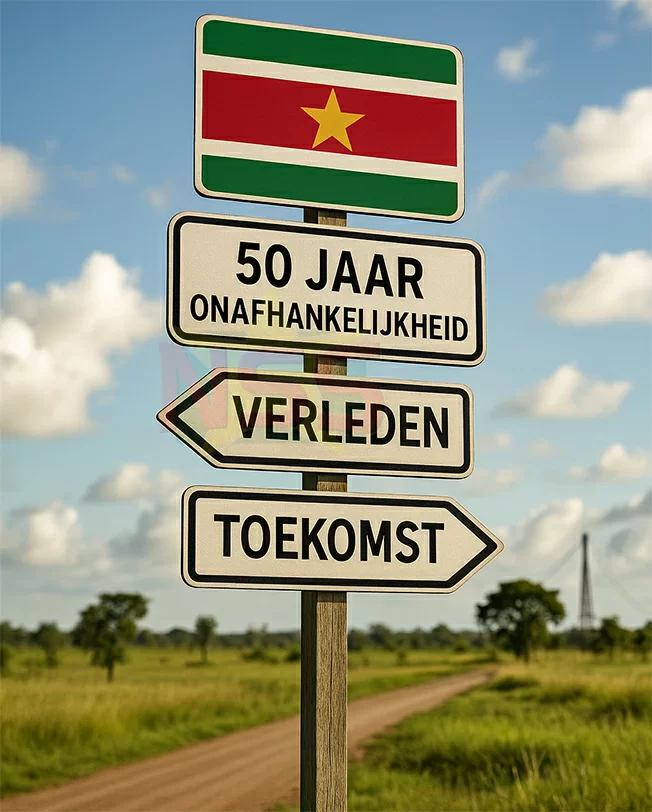
    As Suriname approaches its 50th anniversary of independence on November 25, the nation stands at a critical juncture. This milestone, known as ‘bigi yari,’ is not just a celebration but a moment for reflection on the country’s journey and the challenges that lie ahead. While the colonial past has left its mark, the current struggles are also a product of decades of divisive politics, short-term thinking, and party-centric governance. Despite these issues, Suriname remains resilient, a testament to the strength of its people rather than its political leadership. The nation now faces a pivotal opportunity with the burgeoning oil industry, which promises both immense potential and significant risks. The question is whether Suriname can seize this moment to chart a new course. The past fifty years of independence have been marked by a lack of clear direction, and the country can no longer afford improvisation. What is needed is a national development agenda that transcends political terms and party interests, anchored in legislation that requires a two-thirds majority to alter, ensuring future governments adhere to a unified vision. Civil society must also play a proactive role, holding leaders accountable and ensuring transparency, particularly in managing oil revenues for the benefit of all citizens. As Suriname celebrates this golden jubilee, it must move beyond symbolic gestures and embrace a collective commitment to shaping a better future. The nation does not need saving; it needs leadership guided by its best potential. The future lies not in the hands of politicians but in the people who are ready to take the reins and steer the country toward a brighter tomorrow.

  • Praise for first responders

    Praise for first responders

    Barbados faced its most severe flooding in a decade over the weekend, as torrential rains caused widespread devastation and tragically claimed the life of a 58-year-old St George resident, Terry Kellman. Minister of Home Affairs Wilfred Abrahams, during a tour of the hardest-hit areas in St Peter and St Lucy on Monday, emphasized the unprecedented scale and speed of the disaster. ‘The damage in the Charles Rowe Bridge area was particularly severe, with multiple vehicles washed away and submerged,’ Abrahams noted. He highlighted that vehicles were swept from as far as St George Parish Church to the junction near Chefette at Charles Rowe Bridge, a phenomenon never before witnessed on the island. The Barbados Meteorological Services confirmed that the sheer volume of rainfall—up to nine inches (228.6mm) in 24 hours—made flooding inevitable, even with the best engineering solutions. ‘The water rushed downhill from higher parishes, and all we could do was mitigate the aftermath,’ Abrahams explained. Despite the tragedy, the minister praised the heroic efforts of emergency responders, including the Barbados Defence Force, Coast Guard, and Fire Service, who worked tirelessly through the night to rescue trapped individuals and recover vehicles. The search for Kellman, who was swept away near Charles Rowe Bridge, involved a coordinated effort across multiple agencies, with the BDF’s drone unit playing a crucial role. Kellman’s body was recovered early Monday, and his family was informed. Abrahams expressed deep condolences on behalf of the government, acknowledging the pain felt by Kellman’s loved ones and commending the emergency services for their relentless efforts.

  • Recovery efforts continue in eastern Cuba to erase the traces of Melissa

    Recovery efforts continue in eastern Cuba to erase the traces of Melissa

    In response to the devastation caused by Hurricane Melissa in eastern Cuba, the National Defense Council convened a crucial session to monitor ongoing recovery efforts. Chaired by President Miguel Díaz-Canel Bermúdez, the meeting included key figures such as Prime Minister Manuel Marrero Cruz and Vice President Salvador Valdés Mesa. The session, held at the Palace of the Revolution with nationwide videoconference participation, focused on assessing progress in restoring essential services and infrastructure. Reports highlighted significant advancements in electricity restoration, with the eastern region achieving 84.8% recovery. Specific provinces like Holguín, Granma, and Guantánamo showed remarkable progress, with Las Tunas fully restored. Water supply restoration was also a priority, with Bladimir Matos Moya of the National Institute of Hydraulic Resources detailing efforts in affected areas. Transportation Minister Eduardo Rodríguez Dávila emphasized road repair initiatives, particularly on the central highway to Santiago de Cuba. The meeting underscored the government’s commitment to overcoming the challenges posed by Hurricane Melissa, with landline and mobile services restored to 83.2% and 88%, respectively. Provincial leaders from Guantánamo, Santiago de Cuba, Granma, and Holguín provided updates on local recovery efforts, focusing on housing and economic asset restoration amidst Cuba’s complex economic situation.

  • Face ‘climate reality’, says PM

    Face ‘climate reality’, says PM

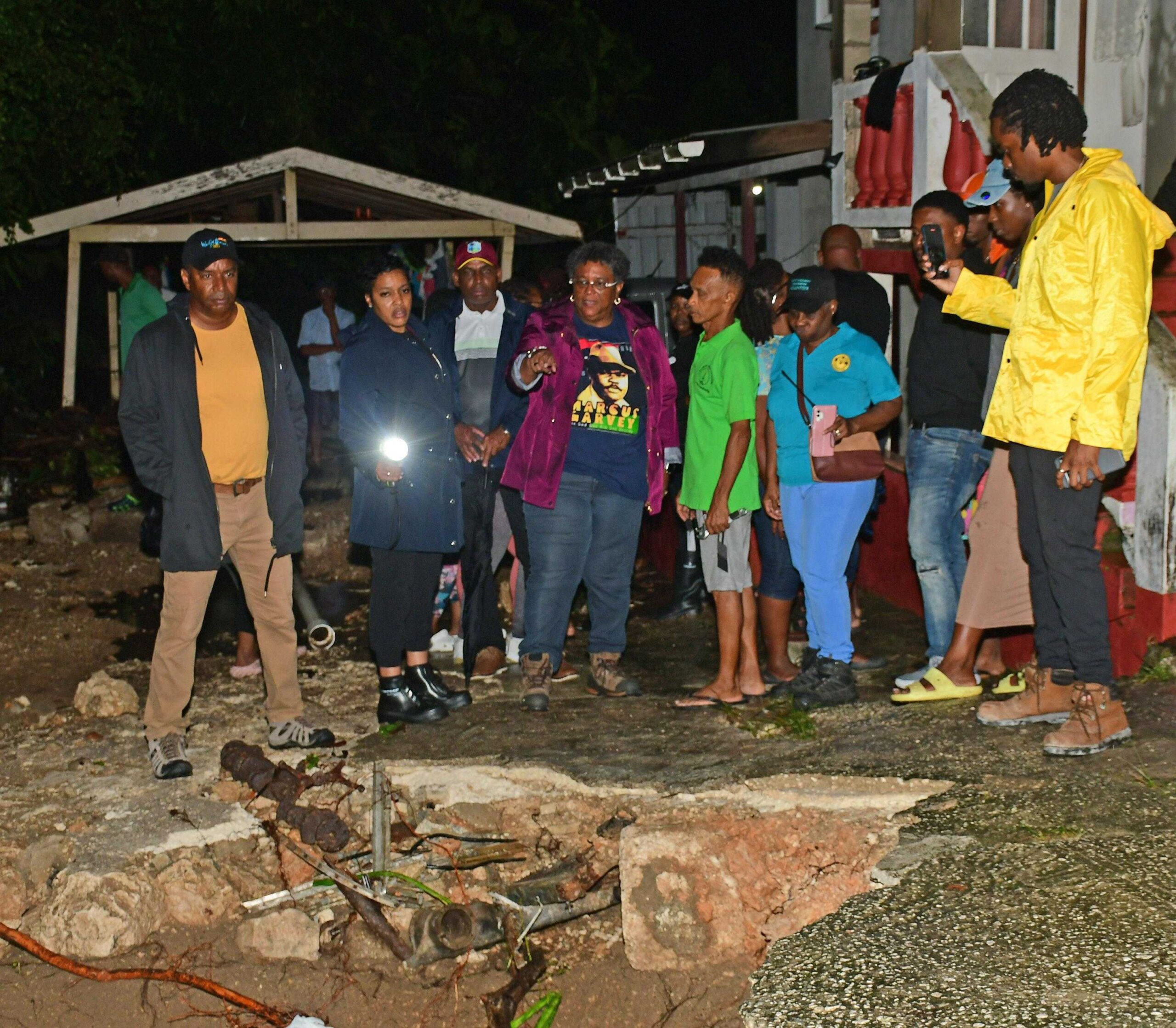
    Prime Minister Mia Mottley has issued a forceful call to Barbadians to confront the escalating challenges of climate change, emphasizing the urgent need for adaptation as extreme weather events become more frequent and devastating. Her remarks followed a visit to Charles Rowe Bridge in St George, an area severely impacted by Sunday’s floods, which tragically claimed a life. Mottley highlighted that the intensity of the downpour underscores the harsh reality of a transformed climate, one that Barbados’ aging infrastructure was never designed to endure. While acknowledging the efforts of the Ministry of Transport and Works (MTW) in clearing waterways, she pointed out critical lapses, such as failing to remove debris, which exacerbated the flooding. Mottley stressed that a comprehensive overhaul of the nation’s drainage systems cannot be achieved overnight, citing similar challenges faced by neighboring Caribbean nations like Jamaica, Grenada, and St Vincent. She reiterated her international advocacy for climate financing, emphasizing that Barbados, despite its minimal contribution to global emissions, is disproportionately affected by climate-driven threats such as flooding, drought, and sargassum. Mottley warned that even brief periods of heavy rainfall now pose significant risks, urging citizens to embrace a new reality where adaptation is paramount. She differentiated between mitigation—preventing further temperature rises—and adaptation—changing lifestyles and infrastructure to minimize damage and loss of life. Mottley’s message was clear: Barbados must prioritize adaptation to safeguard its future in an increasingly unpredictable climate.

  • Govt moves to step up flood response after Sunday floods

    Govt moves to step up flood response after Sunday floods

    In the wake of devastating weekend rains that inundated parts of Barbados, Deputy Prime Minister Santia Bradshaw has pledged swift and decisive action to address long-standing flood issues across the island. The record-breaking rainfall, which left homes and roads submerged, highlighted persistent vulnerabilities in several communities. Bradshaw assured residents that the government is taking their concerns seriously and has already advanced major flood mitigation projects to the construction phase.