分类: society

  • Jealous man questions woman about her underwear, beats her

    Jealous man questions woman about her underwear, beats her

    A domestic violence case that unfolded in the Caribbean nation of St. Vincent and the Grenadines has concluded with a legal ruling holding an abusive partner accountable for his violent actions. 32-year-old Fidel Francois, a carpenter and mason from the Chauncey community, was handed down a sentence by Senior Magistrate Tamika McKenzie at the Kingstown Magistrate’s Court that requires him to pay EC$500 in immediate compensation to his 23-year-old former girlfriend Kittanna Codougan, also a resident of Chauncey. If Francois fails to meet the compensation requirement, he will face a five-month prison sentence.

    Francois entered a guilty plea to a charge of assault causing actual bodily harm, which was committed in Chauncey on the evening of March 20. The court heard full details of the incident and the history of the couple’s relationship, which had spanned more than nine months marked by repeated verbal and physical conflicts that were never reported to police before the March confrontation.

    The chain of events that led to the violent outburst began when the pair returned from the capital city of Kingstown and stopped at Rasto’s Bar in the South Leeward village. Codougan gave Francois money to purchase drinks as she had promised, then returned home early to begin cleaning. When Francois arrived at the residence minutes later, he was already consumed by suspicion that Codougan had been unfaithful. He confronted her, questioned what she had been doing, blocked her path when she tried to move past him, and ultimately stepped close to smell her clothing before demanding to know where she had been and whether she was wearing underwear.

    Codougan did not respond to the invasive questions and moved to the home’s porch to escape the confrontation, but Francois followed her and attempted to force her back inside. When she refused and instead walked toward the public road, Francois grabbed her, continued demanding she return inside, and escalated to brutal violence: he shoved her into a wall, punched and slapped her across multiple areas of her body, wrapped both hands around her throat, lifted her off the ground, and pressed her against the wall. After releasing her initially, Francois fled toward the road only to return and resume the assault. He then went into the home, retrieved a nail gun and attempted to power it to threaten Codougan, and when the tool failed to turn on, he returned inside and emerged carrying an axe and other tools, threatening to kill her.

    Local law enforcement from the Questelles Police Station was contacted immediately, and officers arrived within minutes to take Francois into custody. During court proceedings, Codougan told the magistrate she requested EC$5,000 in compensation, explaining that since the choking assault, she has experienced persistent depression, frequent crying spells, and ongoing pain in her neck and back. Medical evidence presented to the court confirmed Codougan suffered visible injuries including swelling, bruising, and superficial open wounds. She also told the court she no longer feels safe around Francois, and that he returned to her home after the attack and threatened to burn the property down.

    During mitigation, Francois pushed back on some details of the prosecution’s account. He admitted to smelling Codougan’s clothing, claiming he only acted after seeing another man leave the property when he returned from the bar, and said he only slapped her after she bit his shoulder. He denied choking her, lifting her, or pushing her against a wall, as well as denied threatening to burn down the home, claiming he only returned to retrieve a forgotten mobile phone. He told the court he felt regret shortly after the incident.

    Magistrate McKenzie rejected Francois’ claims of remorse, noting she found no genuine evidence of contrition in his statements and actions. She considered imposing a six-and-a-half-month prison term, but ultimately sentenced Francois to a nine-month good behavior bond set at EC$1,000, in addition to the immediate compensation order. If Francois violates the terms of his bond, he will be required to pay the full EC$1,000 immediately or serve six months behind bars.

  • WASA repairing leak at Beetham

    WASA repairing leak at Beetham

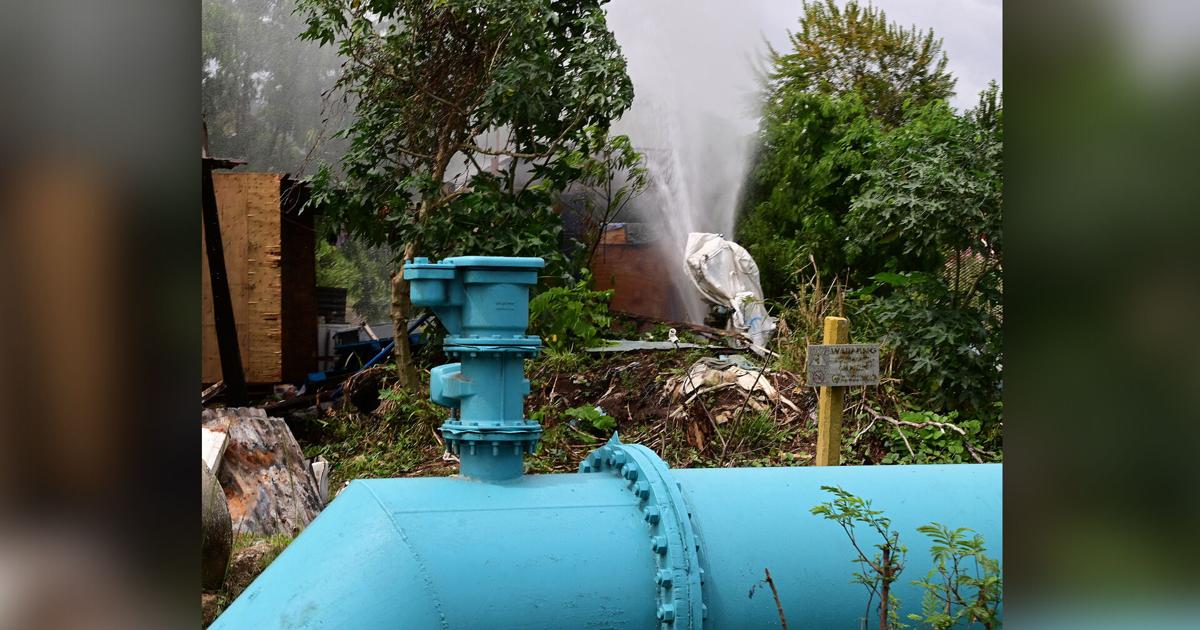
    A sudden significant leak on a critical 36-inch water transmission main in Trinidad’s Beetham Gardens has triggered widespread water service disruptions across more than 20 communities in and around Port of Spain, prompting the country’s Water and Sewerage Authority (WASA) to launch an emergency repair operation with a clear phased timeline for full service restoration. The incident was first reported on Monday, with WASA confirming the leak stemmed from a faulty air valve weld on the main artery that feeds the region’s water distribution network. According to WASA’s official statement, the leak immediately forced an unplanned shutdown of the El Socorro Booster Station and the adjacent El Socorro High Lift Station — two key facilities that maintain water pressure and flow to the greater Port of Spain area. The outage rippled across a wide swath of the capital region, cutting supply to neighborhoods including Knaggs Hill, Picton II Reservoir, Black River, Barataria, Laventille, Morvant, East Dry River, St Barbs, Gonzales, Long Circular, Dundonald Hill, Dibe, Woodbrook, St James, Cocorite, Belmont, Cascade and St Ann’s. An additional five zones along Boundary Road, Boundary Road Extension, Aranjuez Main Road, El Socorro Road and Don Miguel Road lost service when the High Lift Station went offline. WASA officials confirmed that responding teams activated emergency public safety protocols immediately after receiving the leak alert. To create a safe working environment for repair crews, teams have begun adjusting control valves and draining the affected section of the 36-inch booster line, a necessary preparatory step before full repairs can commence. The authority has laid out a step-by-step timeline for restoring service to affected areas: by 6 a.m. on the day following the leak detection, the El Socorro Booster Station will restart operations at 50 percent capacity, and the High Lift Station will be brought back online. Full 100 percent production at the booster station is projected to be achieved by 8 p.m. on April 7, 2026, bringing water systems back to full pre-leak operational capacity. WASA acknowledged that the unplanned outage has caused major inconvenience for residents and businesses relying on the distribution network, noting that crews are working around the clock to resolve the issue as quickly as possible. In a statement, the organization emphasized that the safety of frontline repair workers and the general public remains its top priority, and that repairs will not be rushed to cut timelines at the cost of long-term infrastructure integrity or worker safety. It also thanked affected communities for their patience during the restoration process. While WASA moves forward with repairs, the incident has drawn public criticism from local environmental non-governmental organization Fishermen and Friends of the Sea. Corporate secretary Gary Aboud, who shared a video of the active leak on social media, claimed that the leak is tied to broader systemic issues: he alleged that private residents have been illegally constructing properties directly on top of WASA-owned utility lines, creating avoidable risk to critical public water infrastructure. Aboud called on WASA to intervene to address the illegal construction and end the waste of clean drinking water, noting that the communities most in need of reliable water access are the ones hit hardest by the resulting outages. “It’s just not right that we should be so wasteful. It’s not right that lawlessness should be allowed to endanger the public good. And the people who need it (water) the most are suffering the most,” Aboud said in his social media post.

  • Authorities using ‘soft power’ on youth violence — for now

    Authorities using ‘soft power’ on youth violence — for now

    A growing wave of youth and gang-related violence across schools and public spaces in St. Vincent and the Grenadines has pushed national security and law enforcement officials to outline a graduated response, with community and family-focused soft power interventions as the first step, while explicitly leaving the door open for stricter hard power measures if the crisis escalates.

    Recent high-profile incidents have underscored the urgency of the problem. On March 1, 2026, 17-year-old student athlete Alia McDowall died 16 months after she was stabbed in the throat outside her Peters Hope school. Just weeks later, a brutal chopping death of a man known as Munt-I in Barrouallie on March 23 was filmed and widely shared across social media platforms, drawing public outrage over the glorification of violence. Multiple violent altercations have also been recorded at secondary schools across the country, including a widely circulated video of a brawl between two students at Barrouallie Secondary School that came after McDowall’s death. Police have even documented one case of a parent being arrested for fighting with students at that same institution.

    West St. George Secondary School (WSGSS), a 21-year-old secondary campus, has emerged as a key focal point of the crisis. During a March 10 consultation on school violence hosted by the Ministry of National Security and the national police force, WSGSS principal Afi Marti detailed a litany of persistent issues plaguing the school: open gang affiliation among students, ongoing violence, bullying, illegal marijuana trade and consumption on campus, widespread disregard for institutional authority, and the circulation of explicit sex tapes involving students. Police confirmed that students at WSGSS have openly aligned themselves with two competing criminal factions, the Sixx and 7even gangs.

    Speaking at an official press conference in Kingstown on April 1, 2026, Commissioner of Police Enville Williams shared updates on law enforcement’s actions at WSGSS following the principal’s disclosure. Authorities conducted targeted searches of the campus, and seized a large cache of scissors and other prohibited items, similar to contraband confiscated from students at a recent inter-secondary school sports competition. Williams emphasized that the problem of students bringing weapons and edged tools to school is not isolated to WSGSS, noting that most of the seized scissors are intended for cutting marijuana, a reality officials can no longer afford to ignore.

    Williams outlined law enforcement’s preferred approach, stressing that he and national security leaders prioritize soft power interventions over aggressive, intrusive measures. He said officials want to avoid the step of stationing permanent police officers in schools, a model already implemented in neighboring Trinidad and Tobago that Williams argued would be counterproductive for St. Vincent and the Grenadines’ small, close-knit society. Instead, he made a public appeal to parents to take a proactive role by checking their children’s bags, ensuring no weapons or prohibited items are brought to campus. He also called on parents to act as peacemakers, urging them to pursue official legal and school channels to resolve conflicts rather than encouraging retaliation and providing children with weapons to carry to school, which only perpetuates the cycle of violence.

    The police commissioner also called out the role of social media and bystanders in fueling violence, noting that onlookers often film fights and other violent altercations for likes and shares instead of intervening to stop the conflict. He warned that sharing graphic violent content violates the country’s Cybercrime Act, and explained that widespread circulation of these videos encourages copycat violence, as perpetrators seek the same social media attention. Williams urged a return to St. Vincent and the Grenadines’ traditional community values, where adults teach children to reject criminal behavior and uphold shared standards of right and wrong.

    National Security Minister and Chairman of the Regional Security System (RSS) Leacock echoed the commitment to soft power first during the press briefing, confirming that the regional security bloc stands ready to provide additional assistance if the situation spirals beyond local control. Leacock noted that a top priority for RSS member states is harmonizing cross-border legislation to crack down on gangs, illegal firearms, and criminal activity in schools, echoing the ongoing national debate in Trinidad and Tobago over whether permanent police presence in schools is the right solution.

    Leacock pointed to existing soft power initiatives already underway, including a public outreach campaign run by the National Broadcasting Corporation designed to steer young people away from violence. He also noted that family breakdown is a root cause of much of the rising youth violence, emphasizing that the family remains the foundational unit of society. Leacock stressed that while RSS backup is available if needed, national leaders hope and pray that escalating to more extreme hard power measures will not be necessary.

  • ‘THREATS’ TO STRAY CATS

    ‘THREATS’ TO STRAY CATS

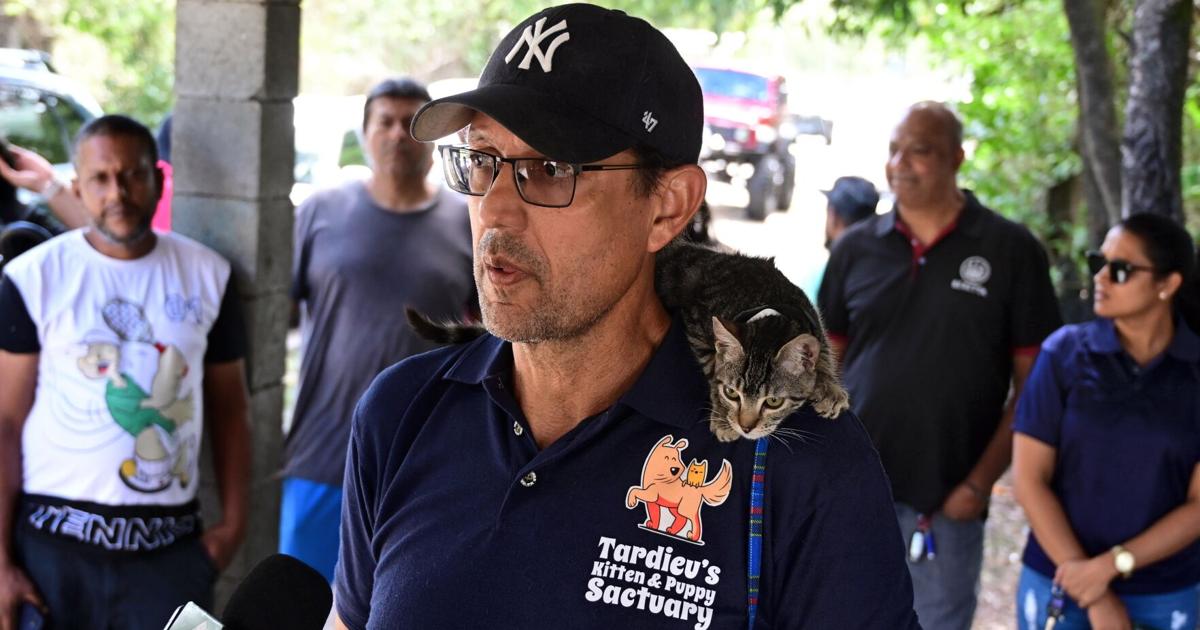
    Unconfirmed reports of a planned poisoning campaign targeting stray cats at Trinidad and Tobago’s iconic Caroni Bird Sanctuary have sparked urgent action from animal welfare advocates and concerned community members, who gathered at the ecologically sensitive site on Wednesday to demand the adoption of long-term, humane population control strategies instead of lethal cruelty.

    A group of 12 demonstrators, led by Clifford Tardieu, founder of the Valencia-based Tardieu Kitten and Puppy Sanctuary, used the gathering to feed at-risk stray cats and rescue vulnerable animals—just moments before speaking to local media outlet *Express*, Tardieu pulled three abandoned kittens from the sanctuary grounds, animals he noted would almost certainly have perished without human intervention. Tardieu explained the demonstration was organized after advocates received unconfirmed tips that local parties intended to poison the feral cat colony that roams the popular tourist site.

    Tardieu, a lifelong animal rescuer, emphasized that poisoning is not only morally abhorrent but also ecologically destructive and ultimately ineffective at solving overpopulation. Unlike quick, painless death, he explained, poisoned animals suffer prolonged, agonizing decline, creating dangerous ripple effects throughout the Caroni ecosystem. Scavenging species native to the sanctuary—including vultures and local crab populations—often feed on the carcasses of poisoned animals, leading to secondary poisoning across the food chain. Toxic compounds from poison can also seep into local soil and water systems, damaging the fragile wetland habitat that draws thousands of tourists to the site each year.

    “It becomes a trickle-down effect—this is no longer just an issue for the cats, the entire ecosystem is put at risk by one single cruel action,” Tardieu told reporters. He further argued that the premeditated nature of poisoning, which requires hiding poison in food to lure unsuspecting animals, reveals a dangerous lack of conscience that could extend beyond harming animals.

    Beyond the environmental and ethical harms of poisoning, Tardieu noted that culling entire feral colonies does nothing to fix the root cause of overpopulation: the ongoing abandonment of unsterilized pets. Even if all current stray cats were killed, he explained, the empty territory created by a cull would quickly be repopulated by new fertile stray animals that are dumped in the area, allowing populations to rebound rapidly. Tardieu added that many of the existing stray cats at the sanctuary have already been sterilized, meaning their removal would only clear space for unsterilized animals to breed unchecked.

    Instead of lethal control, Tardieu called for cross-sector collaboration between the Trinidad and Tobago government and private businesses to build a network of professionally managed, humane animal sanctuaries across the country. His vision for these facilities includes large, open enclosures—some as big as a football field—where rescued animals can live in near-natural conditions with consistent access to food and veterinary care, with humane euthanasia only used as a last resort for terminally ill or severely injured animals that cannot be saved.

    Tardieu also highlighted the potential economic benefits of such a network, noting that the Caroni Bird Sanctuary already generates significant foreign exchange from international tourism, many of whom enjoy interacting and feeding the site’s stray cats. A purpose-built sanctuary on-site could become an additional tourist attraction, generating ongoing revenue to support animal care while addressing the overpopulation problem. Decentralizing sanctuaries across regions including Arima, Valencia, San Fernando and Mayaro, he added, would prevent overcrowding at any single facility and reduce the incentive for people to dump unwanted animals in protected natural sites like the Caroni Bird Sanctuary.

    While the most proven long-term solution to stray overpopulation remains widespread trap-neuter-return (TNR) programs, Tardieu explained that independent rescuers across the country—estimated at roughly 100 people total—are stretched dangerously thin by a lack of funding and resources. All 256 animals currently housed at his own sanctuary have been sterilized, he noted, but independent operations cannot keep up with growing demand without public and private support. He called for the government to subsidize spay and neuter procedures and for private companies to contribute funding and logistical support to expand access to population control services.

    In a public statement released amid the demonstration, Nanan Caroni Bird Sanctuary Tours, the main tour operator at the site, distanced itself from any planned poisoning, noting that it has already implemented its own humane TNR program for the sanctuary’s cat colony, which an official estimates numbers between 50 and 75 animals. The company emphasized that it shares advocates’ commitment to cat welfare and has already taken steps to manage the population humanely, including organizing regular feeding stations, advocating for cat adoptions, and collaborating with animal welfare groups to monitor the colony.

    “There is no verified evidence of intentional harm to cats at the sanctuary,” the company’s Facebook post read. “What we do know is that unmanaged populations lead to suffering, and that’s what we are addressing with a structured humane programme.” The company echoed Tardieu’s point that culling and removal do not solve overpopulation, noting that removing entire colonies creates a “vacuum effect” that draws new stray cats into the area. “The only proven humane method is sterilisation and population control,” the statement read, adding that the sensitive ecological status of the site requires a structured, thoughtful approach that protects both cats and native wildlife. The company called on all stakeholders to work together toward a shared solution and shared contact information for anyone with information about potential harm to cats.

    In an official press release responding to the public outcry, Trinidad and Tobago’s Ministry of Agriculture and Fisheries reminded the public that animal cruelty is a criminal offense under the country’s Summary Offences Act and Animals (Diseases and Importation) Act. While the ministry did not directly reference the reported planned poisoning at Caroni, it condemned animal cruelty as “heinous and inhumane” and reiterated the government’s unwavering commitment to protecting animal welfare across the country. The ministry called on any member of the public with information about actual or planned animal cruelty to contact local police or the ministry via its dedicated toll-free tip lines, to ensure offenders are held accountable under the law.

  • COE expands weather alerts as heavy rains continue across Dominican Republic

    COE expands weather alerts as heavy rains continue across Dominican Republic

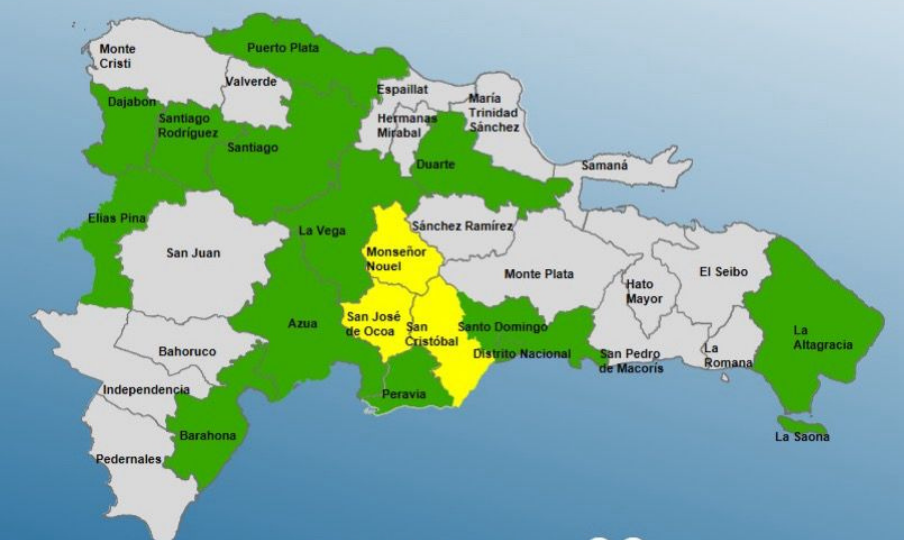
    SANTO DOMINGO — A low-pressure trough paired with moisture-laden east-southeast winds has triggered widespread rainfall across the Dominican Republic, prompting emergency officials to roll out tiered weather alerts across 15 administrative regions of the country. The nation’s Emergency Operations Center confirmed Tuesday that three central and southern provinces have been placed under yellow alert, the second-highest warning level for imminent hazardous weather, while 12 additional provinces and the National District remain under lower-level green alert conditions.

    The three regions placed under yellow alert, which calls for heightened preparedness for potential weather-related emergencies, are Monseñor Nouel, San José de Ocoa, and San Cristóbal. Under the green alert designation, authorities continue monitoring conditions for potential deterioration in popular and populated areas including the capital province of Santo Domingo, the second-largest city Santiago, coastal tourist hub Puerto Plata, La Vega, La Altagracia — home to the major resort destination Punta Cana — and Duarte, among other zones.

    Forecasters from the Dominican Institute of Meteorology note that the unstable weather pattern has already brought rain events of varying intensity to almost every corner of the country. Over the coming hours, the agency predicts the unsettled conditions will persist, bringing moderate to intense downpours, scattered thunderstorms, and even the possibility of small hail accumulations across multiple alert-level provinces.

    In line with the alert declarations, national emergency management officials have issued clear public safety guidance to avoid preventable weather-related accidents. Residents and visitors in affected regions are strongly urged not to attempt crossing swollen rivers, streams, or steep ravines where water levels have risen rapidly, and to avoid all recreational water activities in the declared alert zones until conditions improve.

  • National District declares municipal mourning for Jet Set tragedy anniversary

    National District declares municipal mourning for Jet Set tragedy anniversary

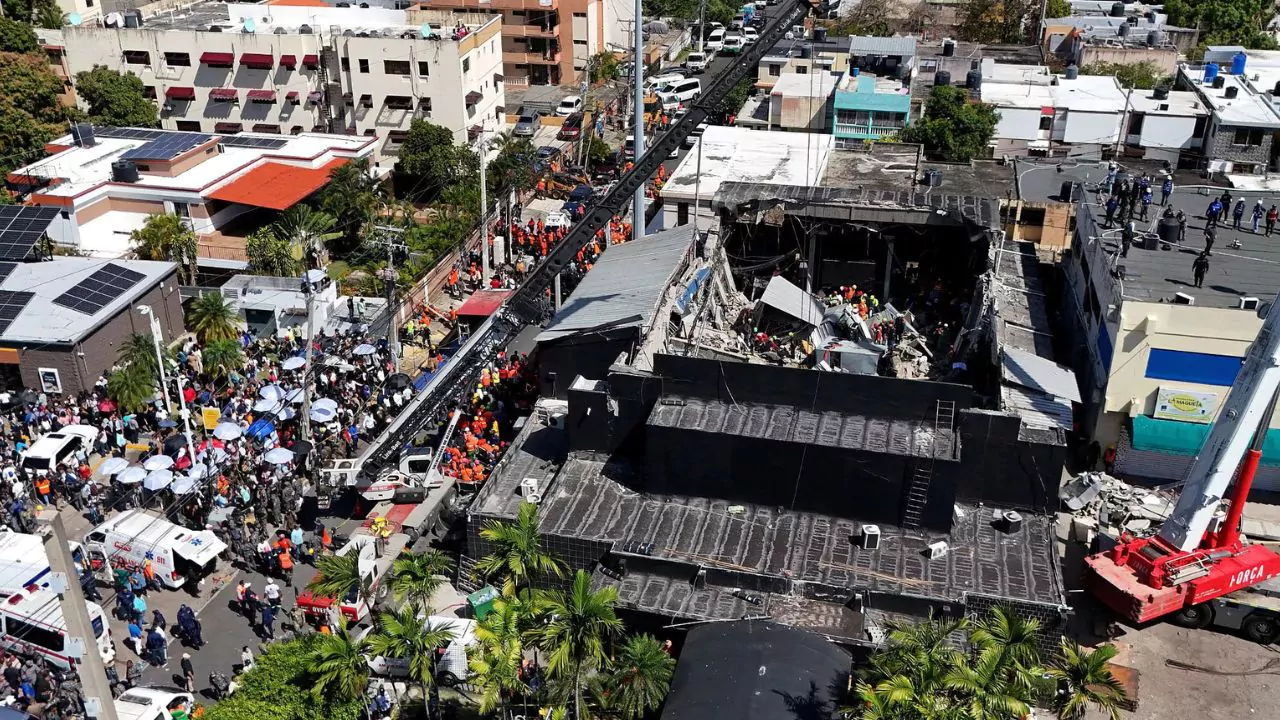
    One year after one of the deadliest structural disasters in the Dominican Republic’s recent history, the capital’s local government is honoring the lives lost as survivors and victims’ families continue to push for accountability.

    The Mayor’s Office of the Dominican Republic’s National District has officially enacted a period of municipal mourning to mark the first anniversary of the Jet Set tragedy, which falls on April 8. The declaration of mourning was formally approved by the local City Council via Ordinance 7-2026, and requires all municipal facilities to fly national and civic flags at half-staff for the duration of the commemoration.

    Official data from the Dominican Public Prosecutor’s Office confirms the disaster claimed 236 lives and left more than 100 people with injuries, a staggering toll that has continued to shape collective grief across the country over the past 12 months.

    To accommodate community-led remembrance events, local authorities have announced a temporary traffic closure on a key stretch of Santo Domingo’s Independencia Avenue. The section running between San Juan Bautista Street and Núñez de Cáceres Avenue will be closed to vehicles and pedestrians from April 6 through April 9, clearing space for private vigils, interfaith religious ceremonies, and other commemorative activities organized by surviving victims and the families of those who died.

    As the nation pauses to grieve, the legal process surrounding the collapse remains ongoing. Presiding Judge Raymundo Mejía recently ordered an independent technical investigation to pinpoint the exact structural and regulatory causes of the disaster, a move aimed at resolving lingering questions about what led to the collapse. At the same time, a large portion of victims and their families have exited the formal legal process after reaching confidential settlement agreements with parties deemed liable for the tragedy.

    In a public official statement released ahead of the anniversary, municipal and national authorities reiterated their solidarity with all communities impacted by the disaster. Twelve months on, the tragedy still leaves deep emotional and social scars on survivors and bereaved relatives, while widespread calls for full transparency and justice remain a prominent demand across Dominican society.

  • UWI Five Islands Campus to host Career Expo on April 8

    UWI Five Islands Campus to host Career Expo on April 8

    Thousands of students at The University of the West Indies Five Islands Campus are preparing for an upcoming professional development opportunity that could shape their future career trajectories, as the institution has formally announced it will host its 2026 Career Expo on Wednesday, April 8.

    Designed to bridge the gap between academic learning and professional employment, the one-day event will run from 9:30 a.m. to 3:30 p.m., hosted on-campus at the UWI Five Islands Campus Gymnasium. Unlike generic career information sessions, this expo is structured to facilitate one-on-one, direct interaction between emerging young talent and experienced hiring decision-makers from across the region.

    Organizers confirmed that more than 20 businesses and organizations spanning local industries and regional markets have already committed to participating in the event. For attending students, this lineup offers a rare chance to meet face-to-face with company recruiters and industry representatives, ask questions about workplace culture and in-demand skills, and learn about immediate openings for both full-time roles and internships that can provide valuable hands-on experience before graduation.

    Campus administration has issued a public call encouraging all enrolled students to take advantage of the opportunity. In a statement shared with the campus community, organizers emphasized that the expo is far more than a simple job fair: it is a pivotal step for students to build professional networks, understand current labor market demands, and lay solid groundwork for their long-term career goals after leaving university.

  • Avenida de la Salud opens to traffic amid road closures for Jet Set anniversary events

    Avenida de la Salud opens to traffic amid road closures for Jet Set anniversary events

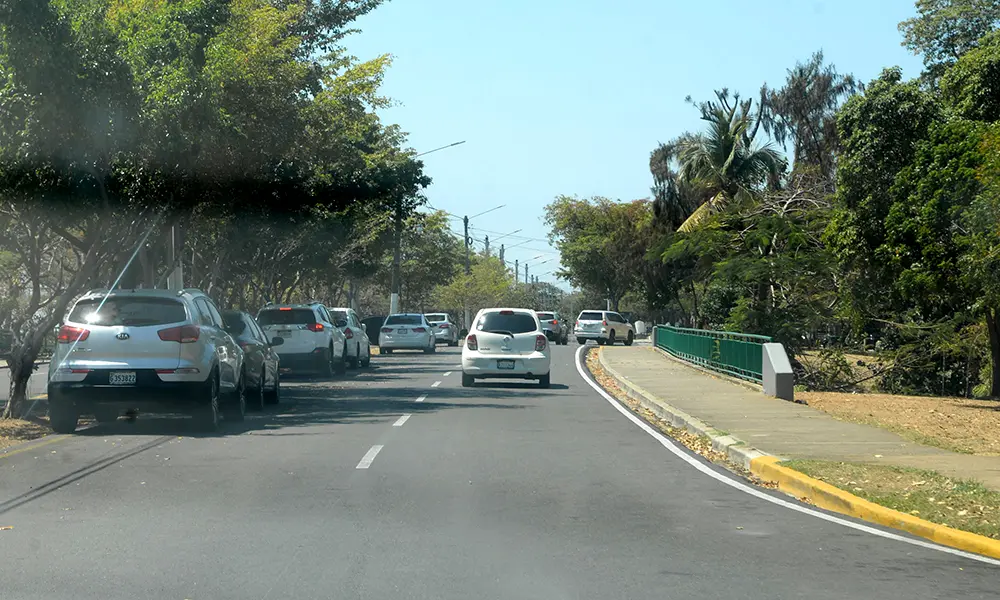
    Santo Domingo – Local transit authorities in the Dominican Republic’s capital have unveiled a temporary traffic adjustment that will reshape daily mobility for residents of the National District through the first half of this week. Three key government bodies – the National District Mayor’s Office, the National Institute of Transit and Land Transportation, and the General Directorate of Traffic Safety and Land Transportation – have confirmed that Avenida de la Salud will be opened exclusively for motor vehicle use from April 6 through April 9.

    This temporary shift is a direct response to a scheduled full closure of a key stretch of Independencia Avenue, which runs between the intersections of José Núñez de Cáceres and San Juan Bautista avenues. The closure of that corridor is being implemented to accommodate a series of official commemorative events marking one year since the deadly Jet Set tragedy, a incident that left a lasting mark on the local community.

    For regular visitors and exercise enthusiasts who rely on Avenida de la Salud’s status as a pedestrian-friendly zone adjacent to Mirador Sur Park, the change will disrupt usual routines. While the road is open to vehicles, the pedestrian zone will be temporarily suspended for the entire four-day period.

    Officials have noted that the re-purposing of Avenida de la Salud is a proactive congestion mitigation measure, designed to prevent crippling gridlock across the district while the commemorative events are underway. The Independencia Avenue closure went into effect at 9:00 p.m. this past Monday, and is scheduled to lift at noon this coming Thursday, allowing normal traffic patterns to resume on both corridors shortly after.

  • Collaborative Easter Food Drive Serves Over 100 at Our Lady of Perpetual Help

    Collaborative Easter Food Drive Serves Over 100 at Our Lady of Perpetual Help

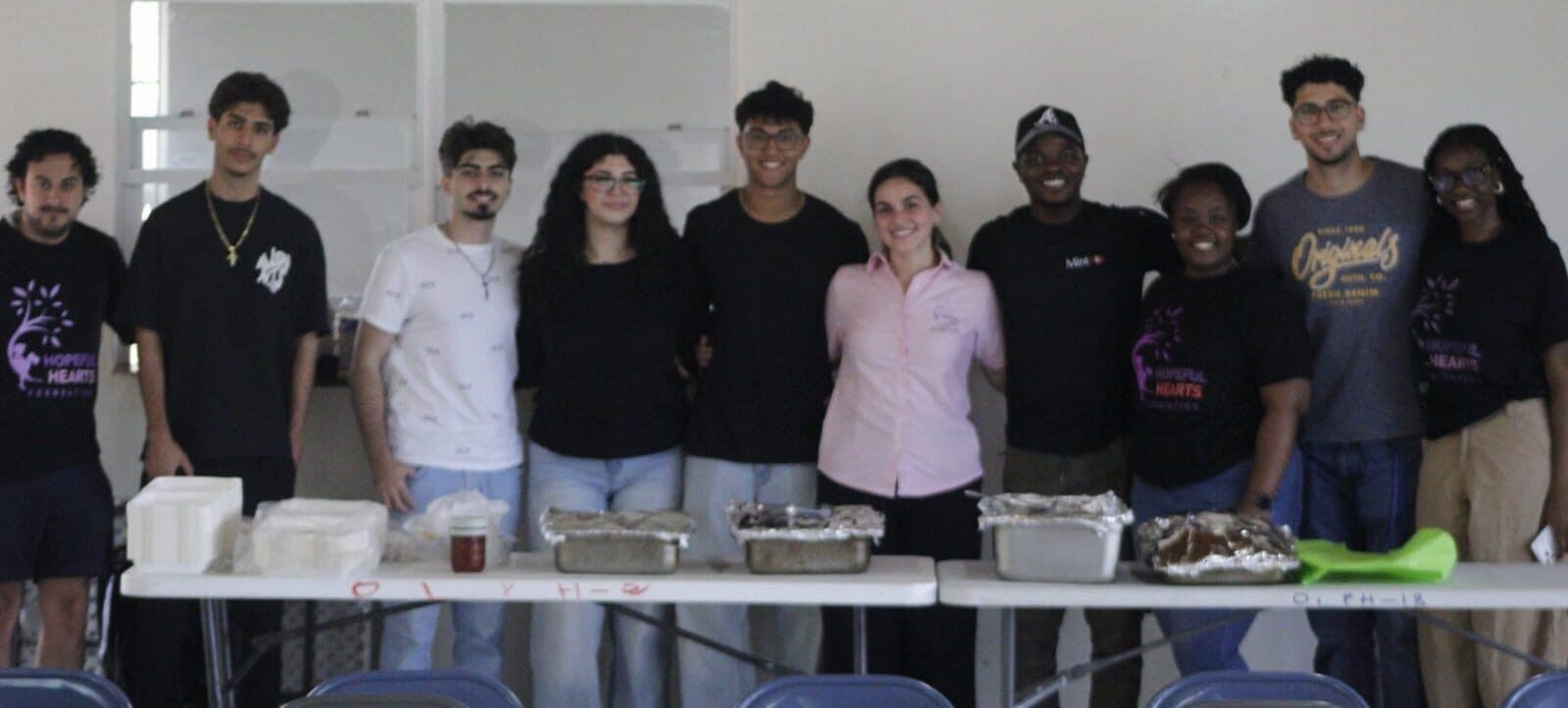
    As the Easter season brought messages of giving and compassion to communities across the Caribbean, three local organizations joined forces to turn those values into tangible support for Antigua’s vulnerable residents. The Hopeful Hearts Foundation, partnered with the Caribbean Students Association (CASA) at the American University of Antigua (AUA) and local food service provider Chef Mint, launched a special community food distribution initiative hosted at the Our Lady of Perpetual Help church facility.

    The one-day outreach program exceeded early expectations, delivering freshly prepared warm meals to more than 100 community members facing food insecurity. What made the event possible was the behind-the-scenes support from Father Sade, whose hospitality and on-the-ground coordination were critical to removing barriers and ensuring the initiative ran smoothly. Without his partnership, organizers noted, the effort would not have been able to reach as many residents as it ultimately did.

    Kristine Louisa, founder of the Hopeful Hearts Foundation, framed the event as a living reflection of Easter’s core meaning, rather than just a seasonal celebration. She emphasized that collective, cross-group action is the only way to address immediate community needs effectively, pointing to the partnership between the non-profit, student organization, and local food business as a model for future outreach. “This effort represents what Easter is truly about: giving, service, and community. We are grateful to our partners and all those who contributed to making this initiative a success,” Louisa shared in remarks following the distribution.

    The successful event underscores a growing trend of productive collaboration between local community non-profits, student associations and small businesses to meet urgent local needs. Beyond just providing meals, the initiative worked to build a stronger sense of collective care and togetherness across Antigua’s communities, connecting university students with local residents to address shared challenges.

    For the Hopeful Hearts Foundation, this Easter food drive is just one step in a long-term commitment to its core mission: lifting up and supporting communities across Antigua and Barbuda through consistent, purpose-driven service and outreach programs. The organization has plans to expand similar collaborative initiatives in the coming months to reach more residents in need across the island nation.

  • Multi-vehicle accident reported on Duarte Highway

    Multi-vehicle accident reported on Duarte Highway

    Early Tuesday morning brought a disruptive highway incident to the Dominican Republic’s key Duarte Highway, where a collision involving multiple vehicles snarled traffic along the busy Santiago-to-Santo Domingo corridor. The General Directorate of Traffic Safety and Land Transportation, known locally as DIGESETT, was the first agency to confirm the accident and quickly moved to address the disruption.

    In the immediate aftermath of the crash, DIGESETT mobilized a team of on-ground units to the collision site. Their dual priority has been clear from the start: untangle the backed-up traffic that has built up along the route and provide any necessary assistance to motorists involved in the incident. Teams are working around the current disruption to clear the roadway and bring the highway’s usual traffic flow back online as rapidly as possible.

    As of the latest official update, regulatory authorities have not released any additional details surrounding the incident. Key information that remains undisclosed includes the number of vehicles involved, any reports of injuries or fatalities tied to the crash, and the preliminary root causes that may have led to the collision. DIGESETT has indicated that more details will be released once initial site assessments are completed.

    In a public advisory issued alongside the confirmation of the crash, traffic officials have urged all motorists planning to travel along that stretch of Duarte Highway to take extra precautions. Drivers already in the area are instructed to reduce their travel speed, stay alert to changing road conditions, and strictly follow all directional guidance from traffic officers on site. These measures are intended to prevent secondary collisions, avoid further unnecessary delays, and keep all road users safe while the crash response is ongoing.