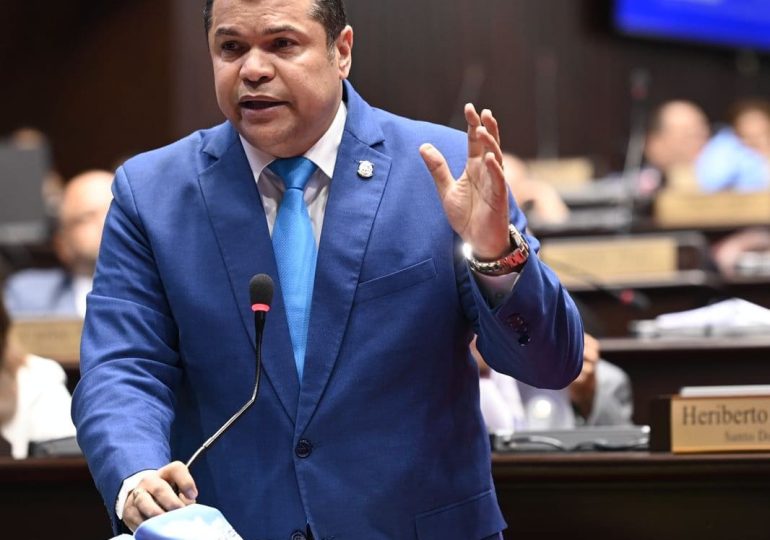
Santo Domingo – Representative Tobías Crespo, the architect behind Law 63-17 on Mobility and Transit, has leveled serious allegations against the National Institute of Transit and Land Transportation (INTRANT). Crespo accused the agency of deviating from its core mission of regulating and ensuring road safety in the Dominican Republic, instead engaging in profit-driven practices. The lawmaker’s critique centers on INTRANT’s new regulation mandating the use of specific motorcycle helmets, which he claims imposes undue financial burdens on motorcyclists. According to Crespo, the helmets, priced at RD$3,500 each for both drivers and passengers, are excessively costly and appear to benefit select companies rather than prioritizing public safety. He argued that this move contradicts the spirit of Law 63-17, which was designed to enhance road safety, not to create exclusive business opportunities. Crespo urged INTRANT to focus on enforcing existing laws that improve mobility and protect citizens, rather than implementing measures that exploit the population. He also referenced Law 176-07, which mandates municipalities to safeguard public interest and prevent policies that prioritize private profit over transparency and security. While Crespo acknowledged the importance of helmets meeting international safety standards, he emphasized that regulations must not be manipulated to financially benefit a privileged few.
分类: society
-
Spanish language drive launched as students, teachers prepare for Panama immersion
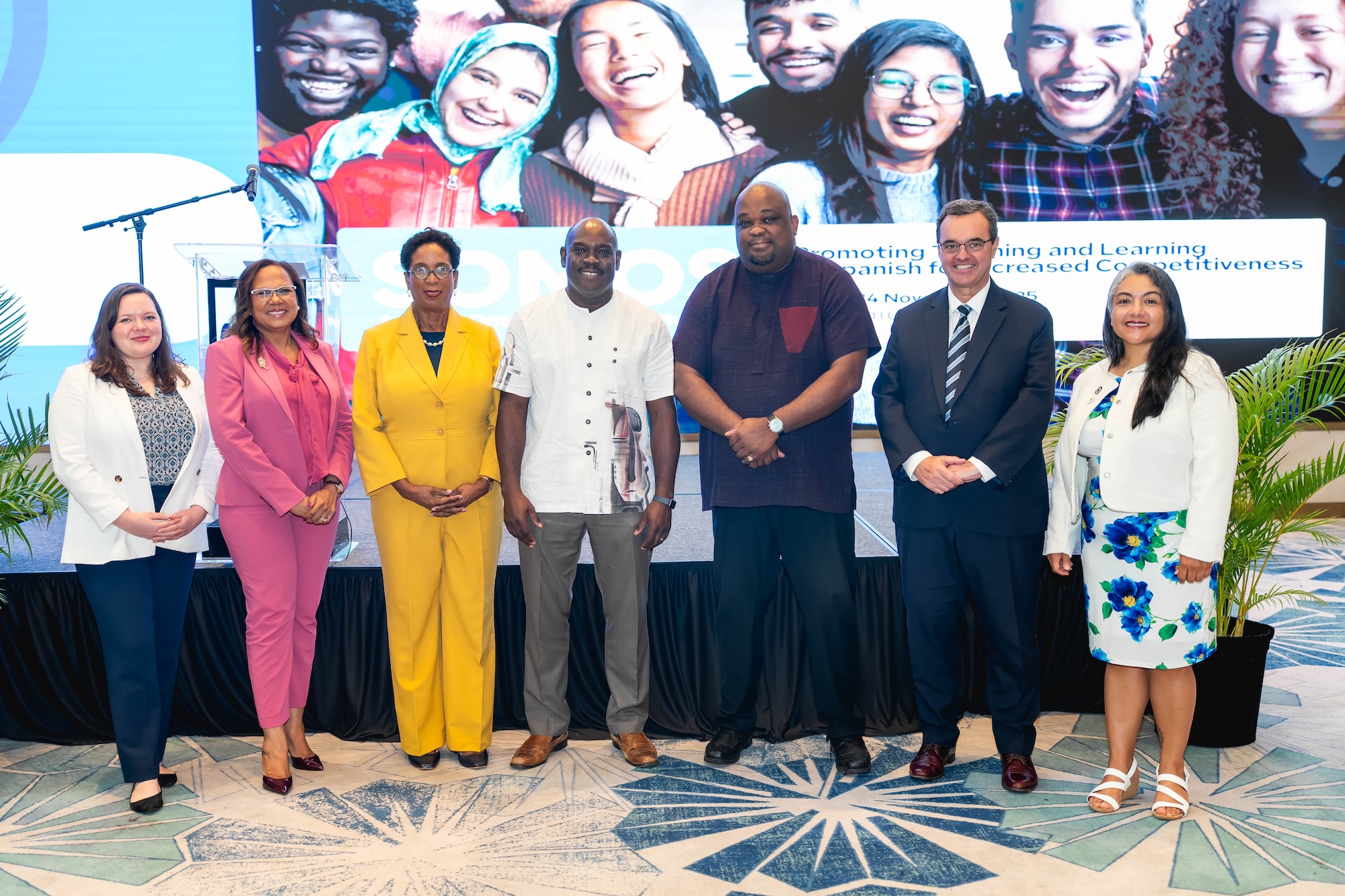
Barbados has taken a significant step toward enhancing Spanish proficiency and fostering cultural ties with Latin America through a groundbreaking initiative. Fifteen secondary school students and several teachers are preparing for a two-week language and cultural exchange in Panama, marking the start of a national campaign to embed Spanish across various sectors. This effort is part of the US$100,000 ‘Enhancing Capacities to Communicate in Spanish’ project, supported by the Development Bank of Latin America (CAF) under its SOMOS (Spanish Opens More OpportunitieS) program. The initiative aims to promote bilingualism, cultural understanding, and a comprehensive national strategy for Spanish language learning. At a high-level dialogue held at Wyndham Sam Lord’s Castle, government officials agreed to establish an inter-ministerial working group to coordinate the rollout and develop a national strategy. Resources will be allocated in the 2026 national budget for staff training and public education campaigns. Finance Minister Ryan Straughn emphasized the project’s importance, stating, ‘The Ministry of Finance will fully support these initiatives for the future of Barbados.’ The exchange program will include daily Spanish lessons, cultural excursions, and innovation workshops for students, while teachers will engage in advanced professional development with Panamanian institutions. Dr. Stacy Richards-Kennedy, CAF’s regional manager for the Caribbean, highlighted the program’s focus on people-centred growth, noting that bilingualism opens doors to trade, tourism, and innovation. Pablo Bartol, CAF’s social and human development manager, underscored the project’s role in fostering Caribbean-Latin American integration. Additional measures include a national diagnostic study and a roadmap for policy development. Minister of Educational Transformation Chad Blackman announced plans to introduce Spanish from early childhood, emphasizing the importance of language in shaping children’s worldviews.
-
Urgent call for check dams after Charles Rowe Bridge flood death
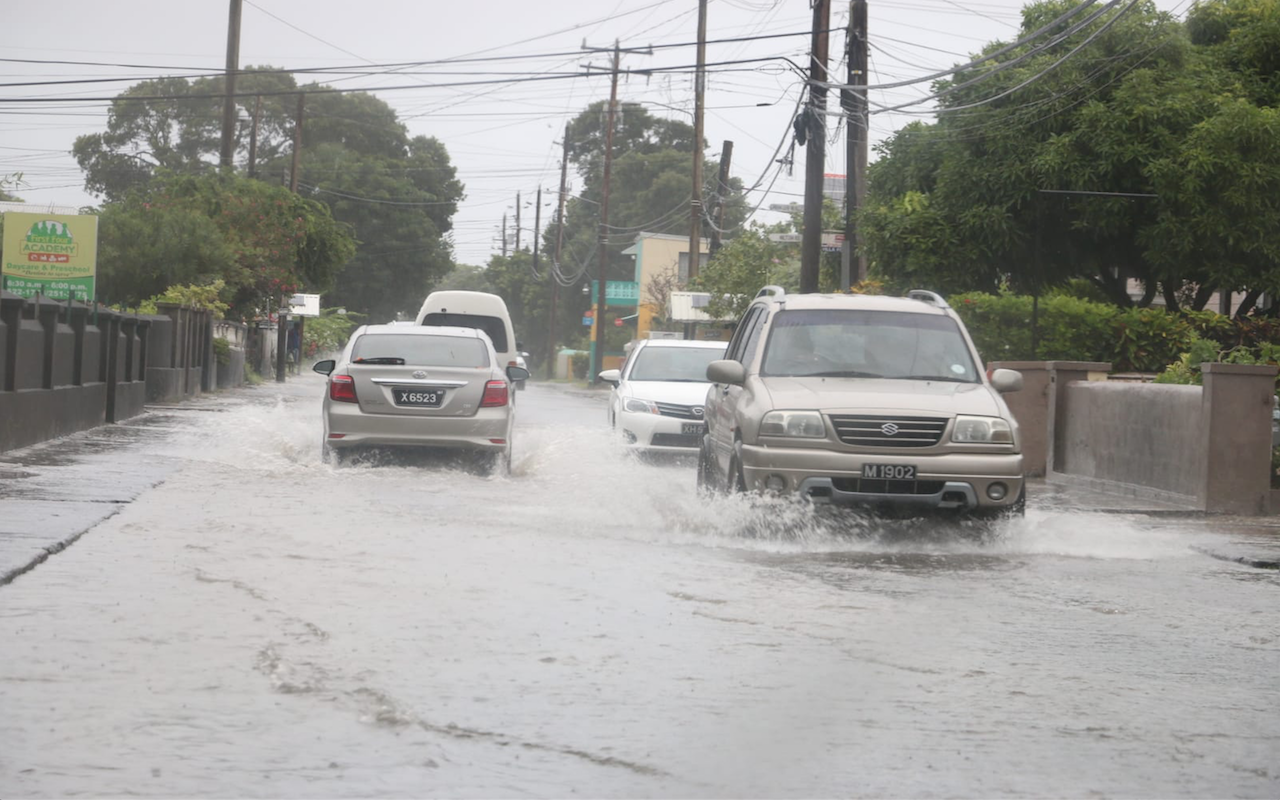
In the wake of Sunday’s devastating flood in St. George, which claimed one life and caused extensive damage to vehicles, a prominent engineering consultant is advocating for immediate government intervention to construct ‘check dams’ in the gullies leading to Charles Rowe Bridge. Andrew P. Hutchinson, director of A H Consulting Inc., emphasized that traditional solutions like soakaways are insufficient for managing the high volumes of runoff during extreme storms. Instead, he proposed building small check dams at intervals within the gullies to retain runoff, reduce peak flow, and recharge aquifers. Hutchinson stressed the importance of using digital hydrological models to ensure the effectiveness of these structures. He highlighted the urgent need for such measures to mitigate the economic and social impacts of future flooding events. The flood, which resulted from an intense rainfall event with a recurrence interval of 15 years, affected a watershed of 2,765 acres, including several urban and rural communities. Hutchinson warned that without proper drainage and mitigation strategies, similar incidents could recur, especially during the Atlantic hurricane season. The tragic death of Terry Kellman, who was swept away by floodwaters, underscores the human cost of such disasters. Meanwhile, insurers are preparing for significant motor claims as the floods caused widespread vehicle destruction across the island. Historical flood events in Barbados, such as the Jordan Flood of 1901 and the Speightstown flood of 1984, serve as reminders of the island’s vulnerability to extreme weather.
-

CTUSAB says no to Transport Board sell-off
The Congress of Trade Unions and Staff Associations of Barbados (CTUSAB) has strongly criticized the government for its decision to privatize the public transport sector, accusing it of neglecting its duty to provide essential services. The controversy stems from a Ministry of Transport and Works letter, signed by Permanent Secretary Jehu Wiltshire, which outlines plans to dissolve the Transport Board and transfer ownership of electric buses to former employees. The proposal includes severance packages for current workers, with ex-employees given priority to become owner-operators, supported by low-interest financing. The government also pledged to subsidize electricity costs for bus charging and partially fund battery replacements. CTUSAB expressed surprise and dismay at the lack of consultation with the Social Partnership, a key stakeholder group, labeling the move as disrespectful and a dereliction of responsibility. The union highlighted existing issues in the private transport sector, such as inconsistent service and limited operating hours, and urged the government to invest in expanding the public bus fleet and strengthening regulations. CTUSAB warned that focusing solely on profitability risks undermining public mobility, particularly for vulnerable groups. As an alternative, the union proposed a capacity-building program to enhance management, leverage technology, and optimize route planning using data-driven strategies.
-
Although it will take time, the East will recover
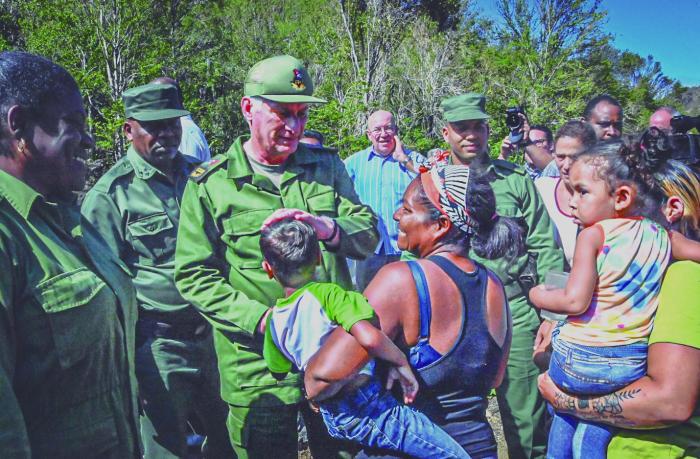
Cuban President Miguel Díaz-Canel Bermúdez has been actively overseeing recovery efforts in the provinces of Santiago de Cuba and Granma, following the extensive damage caused by Hurricane Melissa. During his fourth visit to Santiago de Cuba in 22 days, Díaz-Canel inspected the collapsed bridge over the Baconao River, which serves as a crucial access point to the communities of María del Pilar and 13 de Marzo. The bridge was severely damaged by unprecedented flooding, with 18 of its 24 pipe passages blocked by debris washed down from the hillside. Local leader Luis Arias recounted the harrowing experience of the storm, noting that the region accumulated over 310 millimeters of rain in just three days.
Díaz-Canel emphasized the need for a definitive solution to the recurring issue of flooding in the area, instructing construction and water resources authorities to revisit the Baconao dam project, an initiative originally championed by former leader Fidel Castro in the 1980s. The President also addressed the restoration of essential services, including electricity and water supply, which are expected to be fully operational by the end of November. In the town of Baconao, Díaz-Canel praised the resilience and unity of the local population, urging them to continue their efforts in the recovery process.
In Granma, the President visited the municipality of Yara, where he commended the community’s disciplined response to the hurricane, which prevented any loss of life. He highlighted the importance of solidarity and mutual aid in overcoming the challenges posed by the disaster. Local authorities reported significant damage to housing, agriculture, and infrastructure, with efforts underway to provide affected families with essential supplies and resources. Díaz-Canel also acknowledged the support received from friendly countries and the private sector, emphasizing the need for continued collaboration to expedite recovery.
Throughout his visits, Díaz-Canel called for unity, discipline, and effective communication to ensure a swift and comprehensive recovery. He reiterated the government’s commitment to addressing the immediate needs of the affected populations while also working on long-term solutions to mitigate the impact of future natural disasters.
-
Caribbean at risk from illicit glass eel trade, CARICOM security agency warns
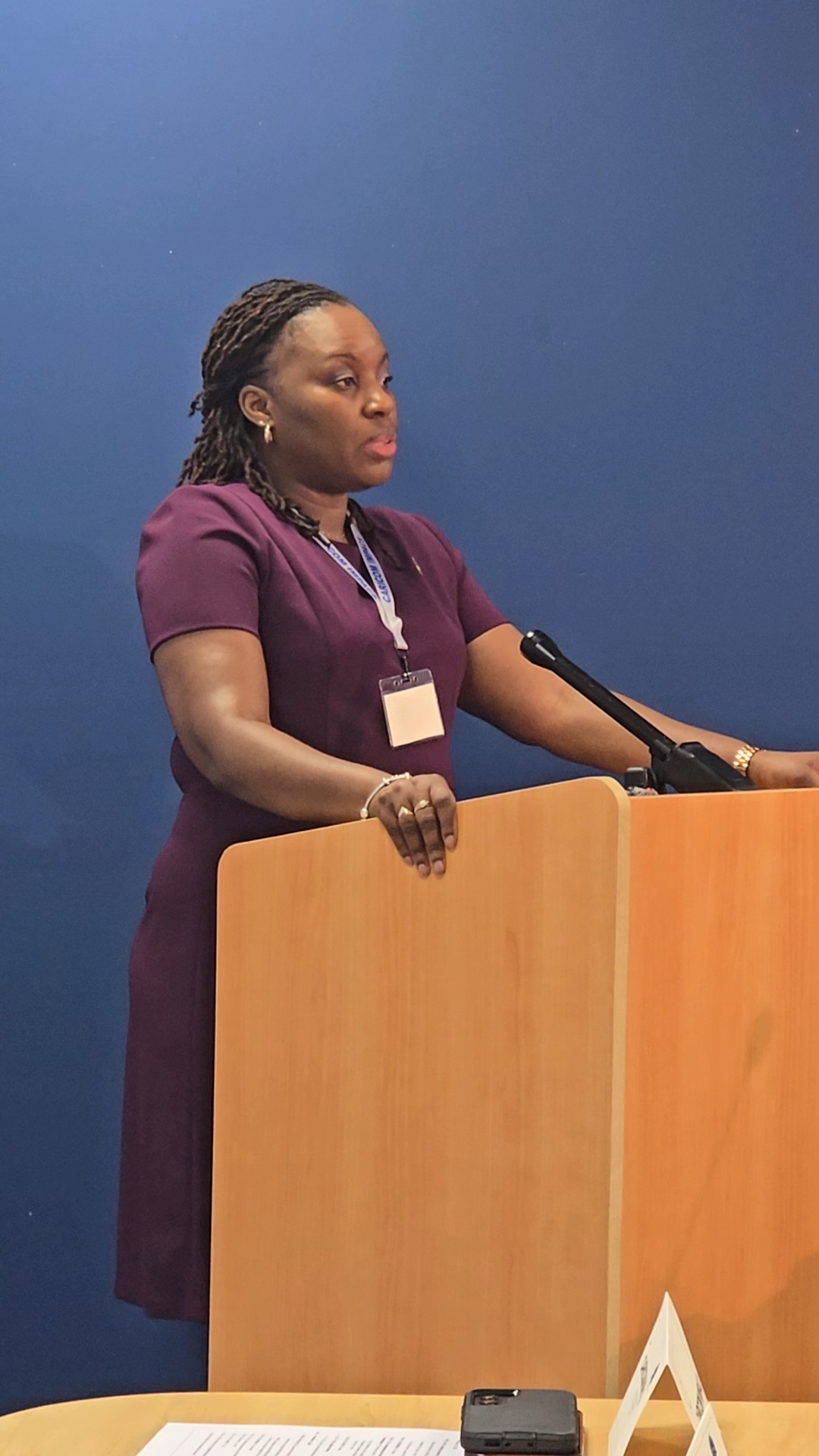
The Caribbean is grappling with a dual crisis of environmental degradation and organized crime, driven by the illegal trafficking of juvenile eels, commonly known as glass eels. The Caribbean Community (CARICOM) Implementation Agency for Crime and Security (IMPACS) has raised alarms about this illicit trade, which threatens both the region’s fragile ecosystems and its security networks. At a recent two-day regional workshop on glass eel trafficking, held at the Joint Regional Communications Centre in Wildey, Nadine Bushell, Assistant Director of Projects at CARICOM IMPACS, emphasized the critical need to combat this trade to protect natural resources and dismantle the financial networks supporting other serious crimes. Glass eels, a transparent juvenile stage of several eel species, are highly valued in the global market, making them a lucrative target for criminal organizations. Bushell highlighted that these criminal actors exploit gaps in knowledge about natural resources and environmental crime to evade detection. Eels play a vital role in biodiversity and aquatic ecosystems, serving as both a food source in their juvenile stage and as predators once fully grown. Bushell stressed that protecting natural resources is essential for achieving long-term reductions in crime, as environmental crimes often converge with other serious offenses like narcotics trafficking, gun smuggling, and human trafficking. She called for regional collaboration and partnerships to combat these crimes, aligning with the principles of mutual security through partnership. Dr. David Soud of Auxilium Worldwide, which is collaborating with CARICOM IMPACS and Canada, noted that efforts to counter the illicit trade could be influenced by an upcoming decision in Samarkand, Uzbekistan, on whether all eel species will be listed as endangered under the Convention on International Trade in Endangered Species (CITES). Such a listing would add layers of documentation and verification, making traceability more achievable. However, Dr. Soud warned that criminal networks are highly adaptable and will continue to find ways to profit and launder money, regardless of the decision. The workshop aims to strengthen regional law enforcement and security networks to more effectively disrupt illicit glass eel trafficking, addressing what Dr. Soud described as an environmental, economic, and transnational organized crime threat that endangers not only the Caribbean but the entire world.
-
Rock remanded to Dodds Prison on rape charge
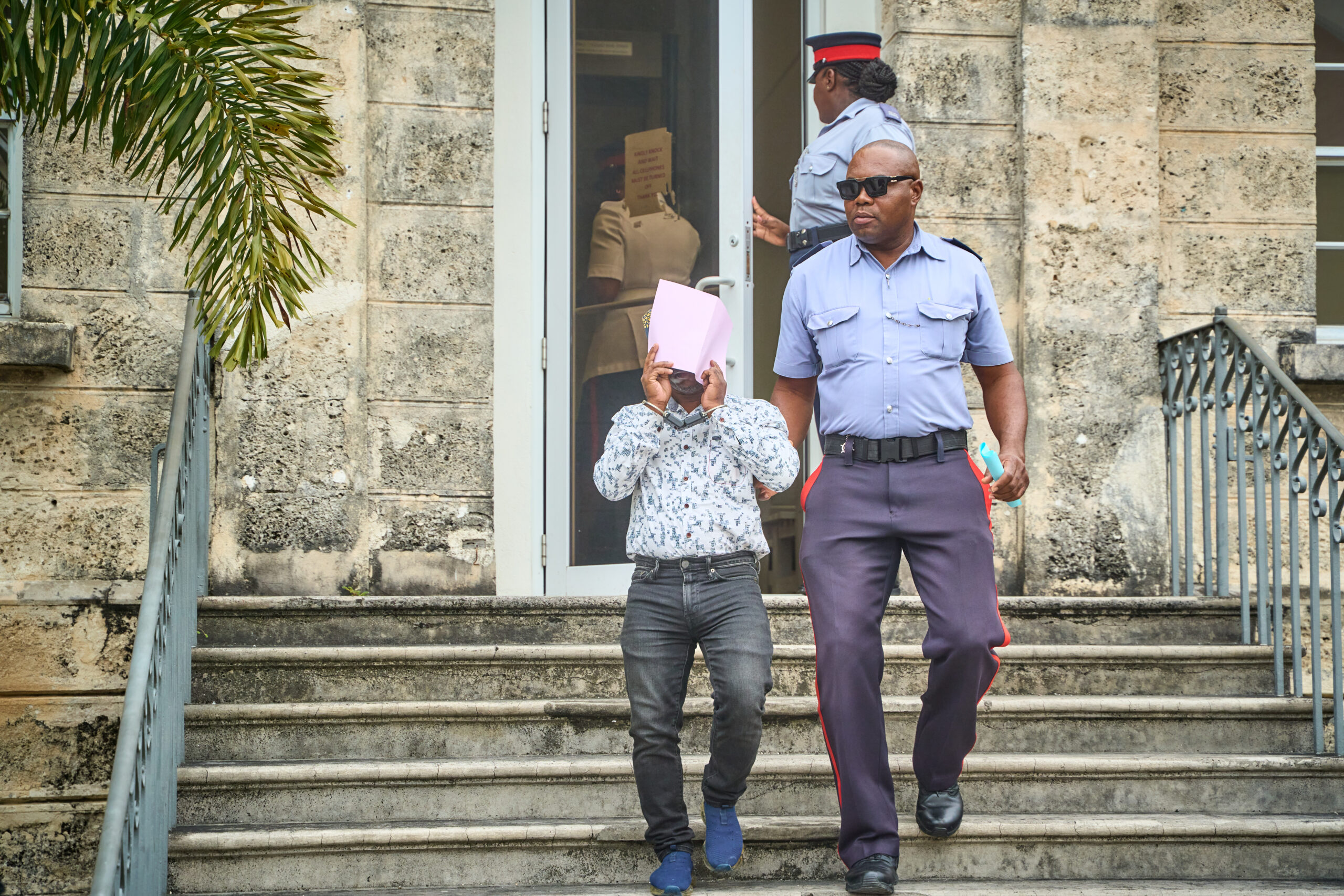
A 36-year-old photographer, Remy Reco Rock from Small Land, Bridge Gap, St Michael, has been remanded to Dodds Prison following charges of raping a male minor two years ago. Rock appeared in the District ‘A’ Traffic Court, where he was not required to enter a plea for the indictable offence. The alleged crime is said to have occurred between September 1 and October 3, 2023. During the hearing, Station Sergeant St Clair Phillips, the prosecutor, raised several objections to granting bail. These included the compelling strength of the evidence, the fact that Rock was already on bail for a similar offence, and concerns that witnesses could be interfered with if he were released. Magistrate Alison Burke ultimately denied bail. Rock, represented by attorney Ensley Grainger, is scheduled to return to court on December 18 for further proceedings.
-

Voorbij de vlag: de Onvoltooide Onafhankelijkheid
As Suriname marks 50 years of independence, the nation finds itself reflecting on the deeper meaning of freedom. The journey since 1975, when Suriname formally severed ties with its colonial past, has been one of both pride and introspection. Yet, the question lingers: what has been achieved with this hard-won independence? True liberation, it seems, demands more than political autonomy; it requires a transformation within the people themselves. The scars of slavery, indentured labor, and colonial exploitation remain etched in the national consciousness, symbolized by monuments like the statue of Kwakoe, whose broken chains still hang from his wrists. These remnants of history serve as a reminder that while the nation is free in name, it remains bound by the invisible chains of division, distrust, and complacency. The relationship with the Netherlands, though complex, persists through shared language, culture, and familial ties. Rather than dwelling on past grievances, the call is for Suriname to view the Netherlands as a partner in progress, fostering collaboration in trade, education, and sustainable development. The true battle for independence, however, lies within. It is a fight against the internalized colonial mindset that perpetuates inequality and corruption. The promise of oil revenues offers economic potential, but it is not a panacea for the nation’s structural challenges. Real change will only come when Surinamese society confronts its own shortcomings, embraces unity, and takes collective responsibility for its future. Fifty years of independence is not just a milestone but a call to action—a reminder that true freedom is a daily commitment, requiring courage, character, and the recognition that liberation begins with self-transformation.
-

Pierre tours Halls of Justice site ahead of election
Prime Minister Philip J. Pierre conducted a site visit to the Halls of Justice Project on Thursday, November 20, to assess the construction progress as the December 1 election approaches. The project, a flagship initiative of the current administration, is being developed under a Build Own Lease Transfer (BOLT) agreement between the Government of Saint Lucia and Themis LTD, a subsidiary of NH International. With a fixed project cost of EC$143 million, Themis LTD is fully financing the construction, including office furniture, filing systems, and Information and Communication Technology (ICT) infrastructure. Upon completion, the government will lease the facilities for up to 12 years before ownership is transferred to the people of Saint Lucia.
During the visit, Prime Minister Pierre expressed his satisfaction with the project’s progress, particularly noting the diverse workforce comprising individuals from CARICOM nations. He emphasized the significance of the centralized facility, which will serve as the official home of the judiciary in Saint Lucia. Pierre highlighted the current challenges faced by the judiciary, including inadequate court facilities and structural issues, and underscored the importance of consolidating all legal and judicial operations under one roof.
The Prime Minister also praised the innovative investment model employed for the project, contrasting it with traditional state department housing agreements. He explained that the lease structure ensures the country will eventually gain full ownership of the property, making it a sustainable investment for Saint Lucia. Pierre emphasized that this approach avoids perpetual rental payments and instead provides long-term benefits to the nation.
Civil engineer John Peters, the project director, provided an update on the construction progress. He reported that the ground floor of the annexe building, which will house criminal courts, has been completed. Work on the foundation of the main building, intended for commercial, family, and civil courts, is progressing well, with hopes of reaching the first or second floor by year-end. Despite weather-related challenges, Peters expressed confidence in meeting the two-year completion timeline.
-

Phillip Wright Becomes First Belizean Archbishop of the West Indies
Belize has achieved a historic milestone with the appointment of Phillip S. Wright as the first Belizean Archbishop of the Anglican Church’s Province of the West Indies. Archbishop Wright, a native of Belize City, was celebrated during a homecoming event on Friday, marking a moment of national pride and recognition of his decades-long dedication to ministry. Born and raised in the southside of Belize City, Wright felt a calling to priesthood as early as nine years old, a path that led him to seminary and eventually to the highest ecclesiastical position in the region. At 58, Archbishop Wright reflects on his journey, from serving as an acolyte in his youth to becoming a bishop at 38 and now an archbishop. His role involves overseeing the province’s dioceses, chairing meetings of bishops, and representing the Anglican Church on international platforms. Reverend Elswith Clare, Methodist Bishop, praised Wright’s election as a testament to his spiritual guidance, pastoral wisdom, and commitment to the gospel. Archbishop Wright emphasized the privilege of accompanying people through life’s significant moments and helping them find purpose. Addressing the timeless question of evil in a world governed by a benevolent God, Wright acknowledged the complexity of the issue but expressed hope in a brighter future under divine control. The archbishop has received widespread congratulations from across Belize and the region, cementing his legacy as a beacon of faith and service.