分类: society

  • Friends of Cuba appeal for urgent donations to support hospitals in Cuba

    Friends of Cuba appeal for urgent donations to support hospitals in Cuba

    In a powerful demonstration of international solidarity, Antigua and Barbuda has initiated a humanitarian fundraising campaign titled “Gratitude – Cuba: A friend indeed is now a friend in need” to address critical medical supply shortages in Cuban healthcare facilities. The initiative, orchestrated by the Friends of Cuba organization based in Antigua and Barbuda, specifically targets individuals who have previously benefited from Cuba’s extensive medical assistance programs while simultaneously welcoming contributions from the general public.

    The campaign operationalizes through multiple donation channels, accepting both monetary contributions and checks made payable to Williams and Associates Dental Ltd. The designated collection point operates at the Williams and Associates Dental Clinic in Deanery during standard weekday business hours with additional Saturday morning availability. All contributors will receive official receipts for their donations.

    According to campaign coordinators, the raised funds will be allocated exclusively toward procuring urgently needed medical equipment and supplies for Cuba’s struggling hospital system. Organizers have indicated potential supplementary fundraising events in the future should additional support become necessary. The initiative’s core message appeals directly to past recipients of Cuba’s medical outreach, encouraging them to “give as willingly as you’ve been given” in this reciprocal act of humanitarian support.
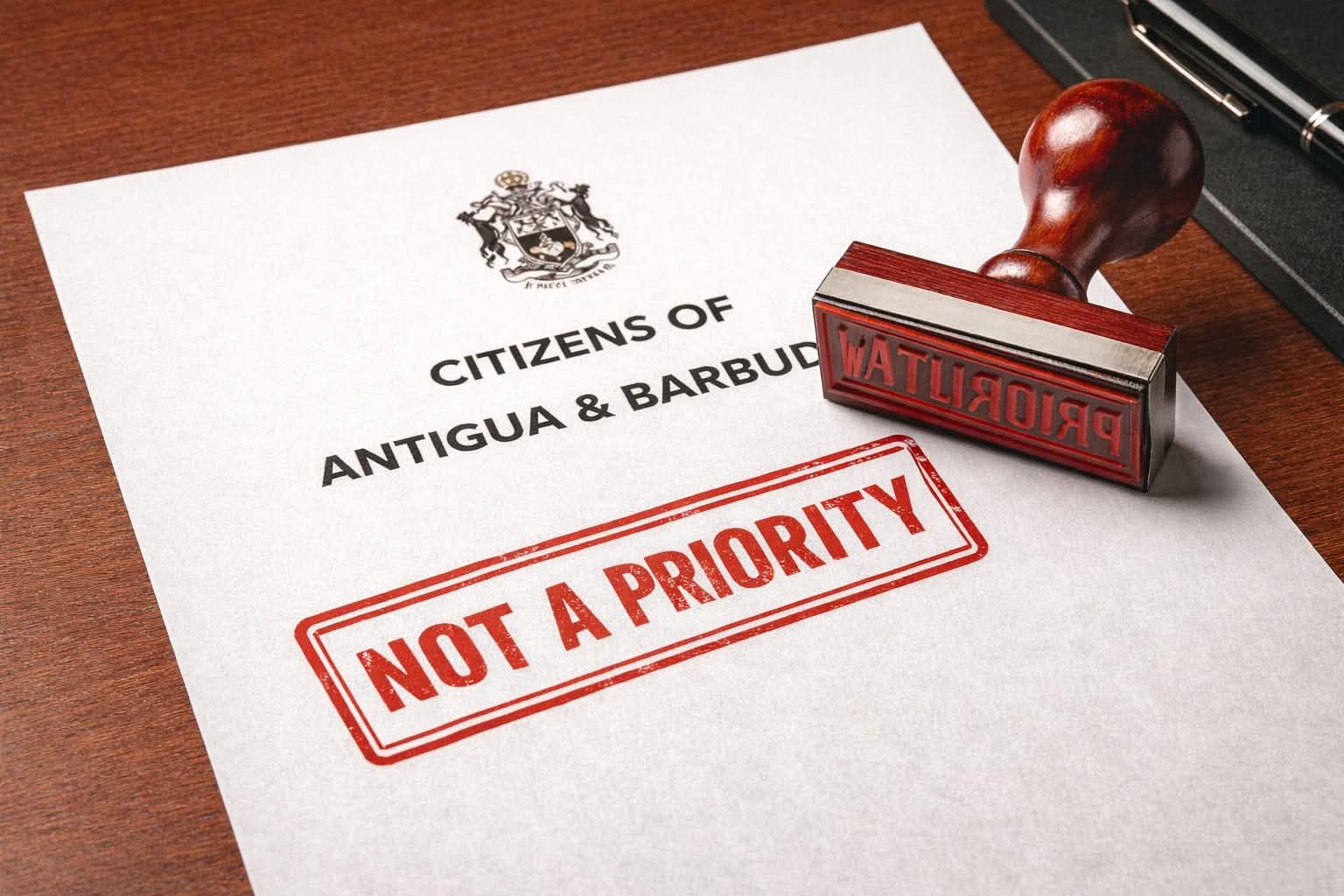

  • COMMENTARY: The Government of Antigua and Barbuda hates Antiguan and Barbudans

    COMMENTARY: The Government of Antigua and Barbuda hates Antiguan and Barbudans

    A chance encounter between two former classmates at a local Roti Hut has unveiled profound disillusionment with the state of Antigua and Barbuda. After two decades apart, the reunion quickly turned into a somber assessment of their homeland’s decline, revealing a pattern of national abandonment by its own citizens.

    The conversation exposed a troubling reality: numerous middle-class families from formerly prosperous areas like Villa have completely vanished from the country. These families, who once represented Antigua and Barbuda’s most promising citizens, have relinquished property ownership and severed ties entirely. The authors identify systemic government neglect as the root cause, arguing that Antiguans and Barbudans have been treated as secondary citizens in their own country.

    Cultural erosion compounds the problem. Traditional Antiguan dishes like ‘ducana and saltfish’ have become increasingly rare, while neighboring islands proudly maintain their culinary heritage. This cultural disappearance symbolizes a broader loss of national identity.

    The government stands accused of prioritizing foreign interests over domestic welfare. Land disputes consistently favor foreign parties or the government itself, while infrastructure needs like reliable electricity, water access, and well-maintained parks remain unaddressed. Recent tariff reductions appear as election-year manipulations rather than genuine concern for citizens’ economic hardship.

    The article highlights the paradoxical treatment of different communities: while government officials quickly address concerns of non-national groups following incidents of violence, born Antiguans and Barbudans await meaningful engagement on crime affecting their communities. This differential treatment reinforces the perception that political leaders value foreign votes more than native constituents.

    The conclusion presents a stark reality: after six decades of residency, the author feels increasingly marginalized by a government that appears to harbor animosity toward its own people. The fundamental desire to live, work, and thrive in one’s homeland without seeking refuge abroad remains an unfulfilled aspiration for many Antiguans and Barbudans.

  • Inter-School Warri Championship Concluded Successfully

    Inter-School Warri Championship Concluded Successfully

    Antigua and Barbuda witnessed a vibrant celebration of cultural heritage on February 28, 2026, as the J.E. St. Luce Building in St. John’s hosted the first-ever Interschool Warri Championship. This landmark event, organized by the Department of Culture in partnership with the Ministry of Education, successfully engaged primary and secondary students from across the nation in the traditional African board game of Warri.

    The championship served as both a competitive platform and a cultural revival initiative, designed to reconnect younger generations with ancestral traditions through strategic gameplay. Participants demonstrated remarkable strategic thinking and profound cultural appreciation throughout the tournament, highlighting the game’s significance beyond mere entertainment.

    Dimitri Riley from Sir Novelle Richards Academy emerged as the inaugural champion, securing first place with impressive strategic prowess. Genesis Daniel of Pares Primary School claimed second position, while Owen Williams from Antigua Grammar School rounded out the top three finishers in third place.

    Officials from both organizing institutions emphasized the event’s dual purpose: promoting cultural preservation and fostering youth development through traditional games. The Warri championship represented a meaningful step in decolonizing education and reinforcing cultural identity among Antigua and Barbuda’s youth population. The overwhelming positive response from participants and educators suggests strong potential for the event to become an annual tradition in the nation’s cultural calendar.

  • Abinader on power outages: “They are unacceptable. They concern us and we are addressing them.”

    Abinader on power outages: “They are unacceptable. They concern us and we are addressing them.”

    Dominican President Luis Abinader delivered a stark assessment of the nation’s ongoing electricity crisis during his sixth accountability address, acknowledging that systemic power failures have presented a formidable challenge for successive governments, including his current administration. The president confronted the issue head-on, characterizing recent blackouts as “unacceptable” while outlining corrective measures underway.

    Substantial capital investments are being channeled into modernizing the national grid, with international engineering firms contracted to enhance system security and operational stability. This strategic move aims to fortify an increasingly complex and diversified power infrastructure that has repeatedly failed to meet national demand.

    The most recent nationwide outage occurred Monday morning, triggering widespread disruption across transportation networks including the Santo Domingo Metro and cable car systems. The cascading failure paralyzed daily life for millions of citizens, highlighting the grid’s critical vulnerabilities.

    Energy Minister Joel Santos provided technical clarification, noting the incident stemmed from an equipment explosion rather than human error. “This was a breakdown caused by an explosion,” Santos stated, emphasizing the need to investigate both the root cause and the failure’s propagation mechanism through the grid.

    The National Interconnected Electric System (SENI) Failure Committee has scheduled a crucial working session for March 11 to present preliminary findings and implement corresponding corrective measures. This development follows a similar November outage that similarly crippled public transportation services, then attributed to unauthorized personnel intervention at the San Pedro de Macorís substation.

  • Jérémie : The health and humanitarian situation at the prison is worrying

    Jérémie : The health and humanitarian situation at the prison is worrying

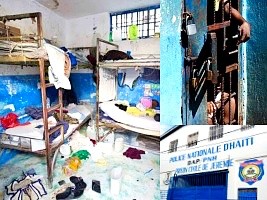
    A recent inspection of Jérémie Prison in Haiti has revealed a severe humanitarian crisis unfolding within its walls. The Association of Volunteers for the Reintegration of Prisoners in Haiti (AVRP), following their February visit, documented alarming conditions that threaten the wellbeing of all detainees.

    The correctional facility currently houses 470 inmates, comprising 435 adults, 18 women, and 17 minors under age 18. The intermingling of juvenile detainees with adult prisoners raises significant concerns regarding child protection standards and compliance with international human rights protocols.

    Security remains critically understaffed with merely 25 officers responsible for all detainees, creating a volatile environment where tensions frequently escalate into physical altercations between inmates.

    Sanitation systems have completely broken down. Despite the presence of an artesian well, power failures prevent consistent water access, forcing inmates to wash in the prison yard under unsanitary conditions. Waste management is virtually nonexistent, with meal preparations over charcoal fires leaving residues that accumulate throughout the facility.

    Nutritional provisions fall dramatically short of basic requirements, with inmates receiving just one meal daily. The medical situation proves even more dire: while 11 health staff members remain on duty, they lack essential medications including pain relievers, antibiotics, and treatments for chronic conditions. This shortage has reportedly contributed to multiple fatalities over the past three years, though official statistics remain undocumented.

    Living conditions continue to deteriorate with insufficient bedding, torn sheets, and deteriorated prisoner uniforms. The complete absence of social workers eliminates any meaningful psychosocial support or rehabilitation programs, though administrative functions through a registry office maintain minimal operational structure.

    AVRP officials emphasize that immediate intervention is required to address water access, medical supplies, security reinforcement, segregation of minors, and implementation of reintegration initiatives.

  • Dominica Cadet Corps hosts intensive training camp to prepare over 20 potential officers for leadership roles

    Dominica Cadet Corps hosts intensive training camp to prepare over 20 potential officers for leadership roles

    The Dominica Cadet Corps (DCC) has launched an intensive weekend training initiative to bolster its leadership capabilities. From February 27th to March 1st, 2026, over twenty Potential Cadet Officers (PCOs) will participate in a comprehensive camp alongside commissioned and non-commissioned officers at the Office of Disaster Management facility in Jimmit.

    This strategic training camp represents a critical phase in the DCC’s ongoing expansion efforts, designed to equip future officers with essential skills for assuming command positions and various operational roles within the organization. The program bridges the gap between theoretical knowledge acquired through virtual sessions since November and practical field application.

    Senior DCC officers will lead the three-day immersive training, focusing on hands-on exercises that complement previous digital instruction on cadet corps operations. The camp simultaneously serves as a professional development opportunity for existing officers to refresh their expertise and leadership competencies.

    As a paramilitary youth organization operating through secondary schools nationwide, the DCC plays a vital role in fostering discipline, civic responsibility, and leadership qualities among Dominica’s youth population. This current recruitment and training drive reflects the organization’s commitment to strengthening its institutional framework and expanding its positive influence across the island.

    Media representatives have been extended a formal invitation to observe and document the training activities, highlighting the program’s transparency and community engagement objectives.

  • Essentiële bijdrage vrouwen in landbouw blijft onderbelicht

    Essentiële bijdrage vrouwen in landbouw blijft onderbelicht

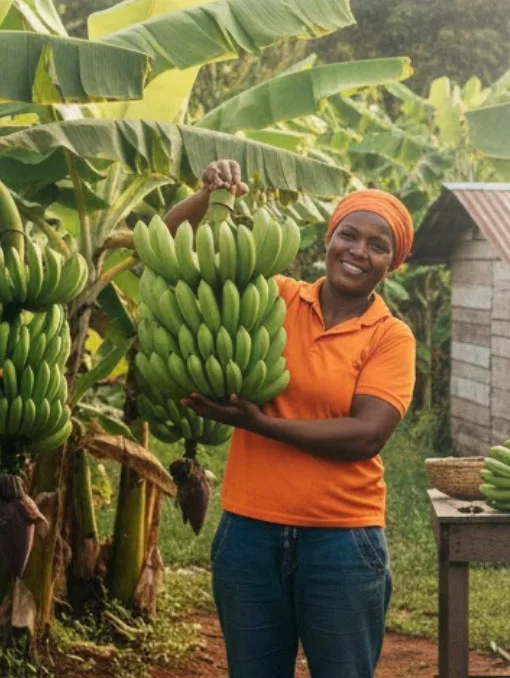
    In Suriname’s agricultural sector, women have historically formed the backbone of food production and rural economies while receiving minimal recognition for their substantial contributions. Despite their pervasive involvement across the entire agricultural value chain—from crop cultivation and livestock rearing to aquaculture, food processing, and entrepreneurial ventures—female farmers continue to face systemic marginalization in public discourse and policy-making arenas.

    These women significantly enhance national food security, bolster rural livelihoods, and strengthen economic resilience through their diverse roles. Particularly in rural communities, female-led agricultural activities are intrinsically linked to household income stability and overall community welfare. Beyond economic contributions, women also bear critical responsibilities in household nutrition and family well-being.

    However, structural barriers persistently hinder women’s full participation and productivity. Challenges including limited access to land ownership, financial resources, modern technologies, specialized training, and market opportunities constrain their potential and impede sector-wide innovation. Addressing these obstacles is not merely a gender equality issue but a strategic imperative for sustainable development and long-term food security.

    In a transformative step toward recognition and empowerment, Suriname will host the Women in Agriculture Fair on International Women’s Day, March 8th. This landmark event—organized by the Ministry of Agriculture, Livestock, and Fisheries with support from the Inter-American Institute for Cooperation on Agriculture and funding from the Inter-American Development Bank—will provide a platform for female farmers, processors, entrepreneurs, and researchers to showcase their products, services, and innovations.

    The fair will facilitate crucial connections between women producers and consumers, potential partners, and policy makers, thereby enhancing visibility and creating new opportunities. By celebrating women’s achievements and fostering collaborative networks, Suriname aims to strengthen its agricultural sector while building a more inclusive and resilient future for generations to come.

  • 75 People From Around the World Became Belizean Citizens

    75 People From Around the World Became Belizean Citizens

    In a significant national event on Thursday, Belize formally embraced 75 individuals from diverse global backgrounds as its newest citizens. The ceremony, attended by government dignitaries, relatives, and community members, marked the culmination of these candidates’ journeys to full Belizean nationality through the traditional Oath of Allegiance.

    The newly sworn citizens represent a remarkable geographic diversity, with origins spanning Honduras, El Salvador, Germany, the United States, Jamaica, Bolivia, Ukraine, Bangladesh, Lebanon, Cuba, Mexico, Canada, and Venezuela. This multicultural gathering underscores Belize’s continuing appeal as a destination for those seeking new beginnings.

    Minister of Immigration Kareem Musa delivered the keynote address, framing the occasion within Belize’s historical context as a nation shaped by migration patterns. “Citizenship affirms that belonging to Belize is defined by participation, responsibility, and contribution,” Minister Musa stated, emphasizing that national identity extends beyond mere legal status.

    The Minister highlighted that many of the new citizens have already established themselves as valuable contributors to Belizean society across multiple sectors including agricultural development, tourism infrastructure, construction projects, educational institutions, healthcare services, small business enterprises, and community organizations.

    Musa further articulated Belize’s unique perspective on migration, noting that within the country’s 8,867 square miles, many choose to “remain, to settle, and to build a life grounded in community rather than transit”—a philosophy that distinguishes Belize’s approach to integration.

    Following the ministerial address, the Supreme Court formally administered the Oath of Allegiance, legally conferring citizenship upon all 75 candidates. The ceremony concluded with Minister Musa’s heartfelt declaration: “Welcome home, my fellow Belizeans,” signaling their official incorporation into the national family.

  • Rebuild limbo

    Rebuild limbo

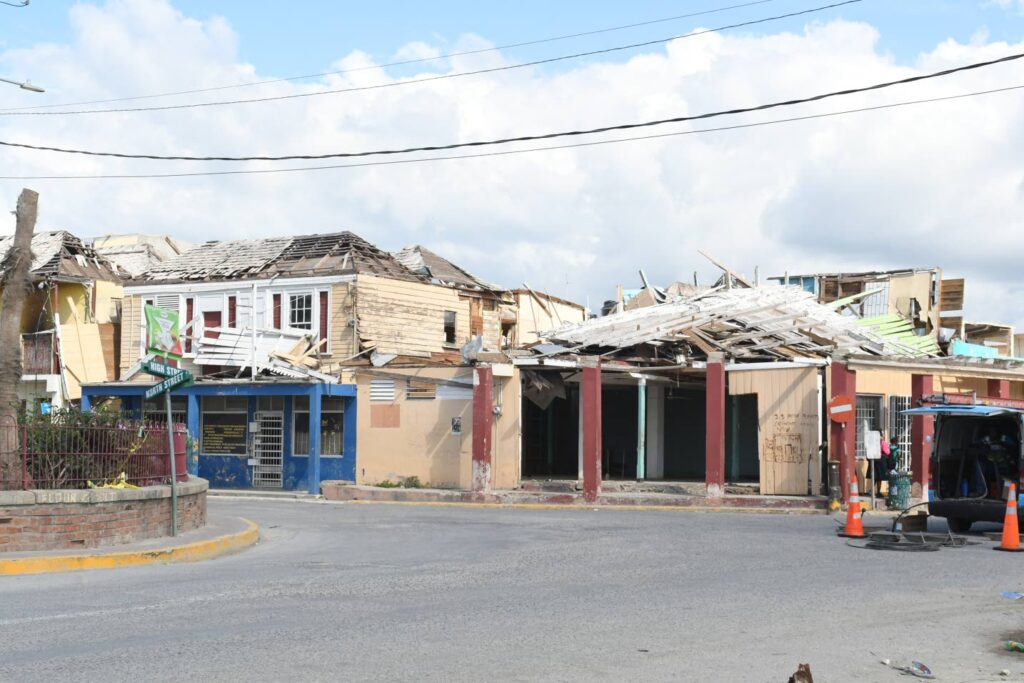
    More than three months after Category 5 Hurricane Melissa devastated Jamaica’s historic coastal town of Black River, St Elizabeth, a cloud of uncertainty hangs over reconstruction efforts, leaving local businesses in a state of suspended animation. Once-thriving commercial sections along High Street now resemble ghost towns as proprietors hesitate to rebuild amid conflicting signals about potential relocation requirements.

    Mayor Richard Solomon confirms that only one business has formally applied for reconstruction approval since the October 2025 disaster, with most owners expressing concerns about investing in properties that might later be deemed vulnerable to future storms. The catastrophic hurricane, which claimed 45 lives nationwide and caused damage equivalent to 41% of Jamaica’s 2024 GDP, particularly battered this seaside community that Prime Minister Andrew Holness described as “ground zero.”

    MP Floyd Green, whose constituency includes Black River, emphasizes the government’s methodical approach, stating that comprehensive studies are underway to determine sustainable rebuilding strategies. “We don’t want to rush and move forward in a direction that would maintain our vulnerability,” Green explained, noting that the town remains in phase two of cleanup operations with approximately four weeks until rebuilding commences.

    The government envisions a transformed Black River that consolidates key infrastructure—including the destroyed parish council, courthouse, and tax office—into a centralized urban center similar to Morant Bay in St Thomas. Officials also aim to highlight the town’s cultural heritage and integrate tourism more deliberately into redevelopment plans.

    However, Councillor Dwight Salmon warns that prolonged delays threaten to drive away long-established businesses, citing the potential closure of Sunrise Bakery—a local institution renowned for its cocoa bread—as particularly symbolic. Salmon expressed concern that existing operators lacking financial resources might be marginalized during redevelopment, potentially replaced by new investors.

    Despite these challenges, signs of resilience emerge as Black River Safari has reopened to tourists and a new gaming lounge resumed operations. The Ministry of Industry, Investment and Commerce plans to roll out support programs for western Jamaican businesses while final redevelopment plans are completed.

  • WATCH: Denham Town welcomes new streetlights after killing of 3-y-o boy

    WATCH: Denham Town welcomes new streetlights after killing of 3-y-o boy

    KINGSTON, Jamaica — A comprehensive community safety initiative is underway in Denham Town, bringing renewed optimism to residents following the tragic shooting that claimed the life of three-year-old Zaylon Pinnock and his father. The multipronged approach includes the installation and repair of dozens of streetlights, increased security presence, and community engagement programs.

    Local Councillor Delon Gayle confirmed that Jamaica Public Service crews have successfully restored 25-30 streetlights across the neighborhood, with additional new installations in previously unlit areas. The infrastructure improvement addresses what residents described as dangerously dark conditions that hampered nighttime visibility and security.

    “The streets were practically jet black before this intervention,” Gayle stated, noting that tree pruning around light fixtures has further enhanced illumination. “This represents a crucial step toward restoring public confidence and safety after the devastating incident.”

    Security reinforcements from the Jamaica Constabulary Force and Jamaica Defence Force have established a noticeable presence in the community, operating under a 72-hour curfew implemented after the shooting. Gayle expressed gratitude for residents’ cooperation with law enforcement and commended the security forces for their increased visibility.

    Beyond infrastructure and security measures, community initiatives including neighborhood clean-up exercises and children’s playdates are in progress. Resident Marine expressed relief at the improvements: “I was praying for the streetlights to be fixed. Now I can see clearly across and walk comfortably—this has made a tremendous difference.”

    The safety campaign follows the October 18th tragedy where gunmen posing as customers opened fire on a Nelson Street residence, fatally wounding young Zaylon Pinnock and injuring his father Kerrio Pinnock, 31, and another child. Kerrio Pinnock subsequently succumbed to his injuries in hospital, compounding the community’s trauma.