分类: society

  • Six girls vie for title in biblical-themed pageant

    Six girls vie for title in biblical-themed pageant

    After an eight-year hiatus, the renowned First Impression Brash and Sassy organization is revitalizing its biblical-themed children’s pageant on December 13th at Union Claxton Bay Senior Secondary School. The event marks a significant comeback following economic challenges and pandemic-related disruptions that temporarily suspended the program.

    Six young delegates aged 7-12 will compete for the title while embodying iconic Women of the Bible. This year’s participants include: Zendaya Pierre as Mary of Nazareth, Jerusha Osborne as Martha, Heaven Rouse as Pharaoh’s daughter, Asia-Leigh Allen as Esther, Zaharah Williams as Hannah, and Destiny Joseph as Eve.

    The competition structure incorporates four distinctive segments: a thematic introduction centered on ‘Jesus Is King’, personalized presentations of their biblical characters, talent demonstrations, and an evening gown parade featuring traditional Christmas colors of red, green, and white. Contestants will additionally be tested on their biblical knowledge through memory verse recitations.

    Norma Bramble-Joseph, founder and coordinator of the 30-year-old organization, emphasizes that the pageant serves as an educational platform to instill biblical values in youth. ‘This concert is the way forward to encourage children to understand biblical values and to include Christ in every aspect of life,’ she stated. The organization has historically focused on ‘training princesses to become queens’ through comprehensive instruction in ethics, self-deportment, fundamental self-care, table etiquette, and biblical lessons.

    The event commences at 5:30 PM, representing both a celebration of faith and a testament to community resilience in maintaining cultural and religious traditions for younger generations.
  • Federation of Journalists expresses support for Panamanian unions

    Federation of Journalists expresses support for Panamanian unions

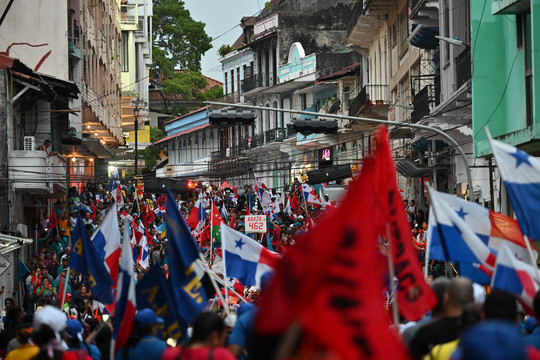
    A significant labor rights confrontation is unfolding in Panama, where trade unions are engaged in a fierce struggle against executive authorities allegedly employing judicial mechanisms to suppress strike actions and social demonstrations. This development follows a motion endorsed during recent International Federation of Journalists (IFJ) Executive Committee sessions in Bari, Italy, which has since gained traction across social media platforms.

    The motion highlights the detention of two prominent construction union leaders, Jaime Caballero and Genaro López, as part of the government’s strategic approach to labor relations. The situation further intensifies with additional union representatives facing severe repercussions: Erasmo Cerrud has sought sanctuary within the Nicaraguan embassy, while Saúl Méndez lives in exile abroad.

    Beyond these high-profile cases, the document reveals a broader pattern of systematic repression. Over 180 union officials currently face legal proceedings, while approximately 1,500 workers have been dismissed from their positions following recent strikes against controversial social security reforms. These reforms have been widely criticized for undermining contributors’ rights.

    The International Federation of Journalists, established in 1926, contextualizes these events within Panama’s deteriorating labor rights landscape. The Panamanian labor movement has repeatedly submitted formal complaints to the International Labour Organization (ILO), citing consistent violations of international labor standards and systematic obstruction of collective bargaining and petition processes that are fundamental to worker representation.

  • Barbados to issue first embroidered stamp on December 8

    Barbados to issue first embroidered stamp on December 8

    In an unprecedented move for philatelic history, the Barbados Postal Service (BPS) is set to launch its inaugural embroidered postage stamp this coming Monday, December 8. This groundbreaking issue prominently features an intricately stitched dove, recognized worldwide as an emblem of peace and unity.

    The creation of this unique stamp represents a significant international partnership, bringing together the expertise of multiple global entities. The collaborative effort includes the Universal Postal Union (UPU), the United Nations, and the renowned Austrian embroidery specialist Hämmerle & Vogel. This multinational cooperation underscores the universal message of harmony that the stamp seeks to promote.

    Technical specifications reveal the stamp will be available in a single denomination of $2.20 Barbados dollars. For collectors and enthusiasts, a specially designed First-Day Cover will be offered at $2.95. These philatelic items will be available through the Philatelic Bureau located at the General Post Office on Cheapside in Bridgetown.

    The Bureau will maintain its regular operating hours from 8:00 a.m. to 4:15 p.m., Monday through Friday, to accommodate purchases and advance orders. This release marks not only a first for Barbadian postal history but also represents a innovative approach to stamp design that merges traditional embroidery craftsmanship with modern postal services.

  • Buying from smallholder farmers strengthens food security in Latin America and the C’bean

    Buying from smallholder farmers strengthens food security in Latin America and the C’bean

    A groundbreaking United Nations study reveals that redirecting public food procurement to local family farmers represents a transformative strategy for enhancing food security, diversifying diets, and stimulating inclusive economic growth across Latin America and the Caribbean. The comprehensive report, jointly presented by the World Food Programme (WFP), the Food and Agriculture Organization (FAO), and the Economic Commission for Latin America and the Caribbean (ECLAC), demonstrates how structured government demand can create sustainable markets for small-scale agricultural producers who constitute 81% of the region’s farming operations.

    Despite accounting for the overwhelming majority of agricultural holdings, smallholder farmers face persistent structural challenges including limited market access, low productivity rates, and heightened vulnerability to extreme weather events. The UN agencies propose that strategic public spending directed toward this sector can simultaneously address multiple development objectives while providing cost-effective solutions to nutritional challenges.

    The region has made notable progress with 1.5 million people escaping hunger in 2024, yet significant challenges persist with approximately 181.9 million individuals unable to afford a healthy diet and rural poverty remaining endemic. UN officials emphasize that local procurement policies offer a dual benefit by leveraging existing public budgets while fostering broader economic and social development.

    FAO’s Assistant Director-General for Latin America and the Caribbean, Rene Orellana Halkyer, highlighted that “promoting local public food procurement from smallholder farmers has become a key policy direction. This strategy redefines how public spending can drive development and improve nutrition while directly addressing structural barriers faced by small producers.”

    WFP Regional Director Lola Castro characterized public procurement as “more than a supply mechanism—it’s a powerful policy tool for inclusion and resilience.” She noted that “short chain and zero kilometer foods multiply economic opportunities for communities, safeguard culinary heritage, and contribute to public health since produce reaches consumers at peak ripeness with enhanced nutritional value.”

    The report documents substantial benefits in implementation areas, with participating producers increasing incomes by up to 106% and female participation in public food markets surging from 23% to 61%. Countries like Honduras and Guatemala generated 478 jobs for every million dollars invested through these programs.

    ECLAC’s director of Productive and Business Development Division, Marco Llinás, emphasized that “connecting producers to markets is not enough; policies must strengthen productive, technological, and organizational capacities to ensure sustainable integration into value chains while reducing consumer prices and enhancing food security.”

    The study concludes that maximizing impact requires synergistic approaches combining public procurement with advancements in science, technology, innovation, and human capital development. The publication provides policymakers, development agencies, and civil society organizations with evidence-based frameworks for integrating local food procurement into national food security and rural development strategies.

  • APUA Workers Return Home After Assisting Jamaica’s Post-Hurricane Restoration

    APUA Workers Return Home After Assisting Jamaica’s Post-Hurricane Restoration

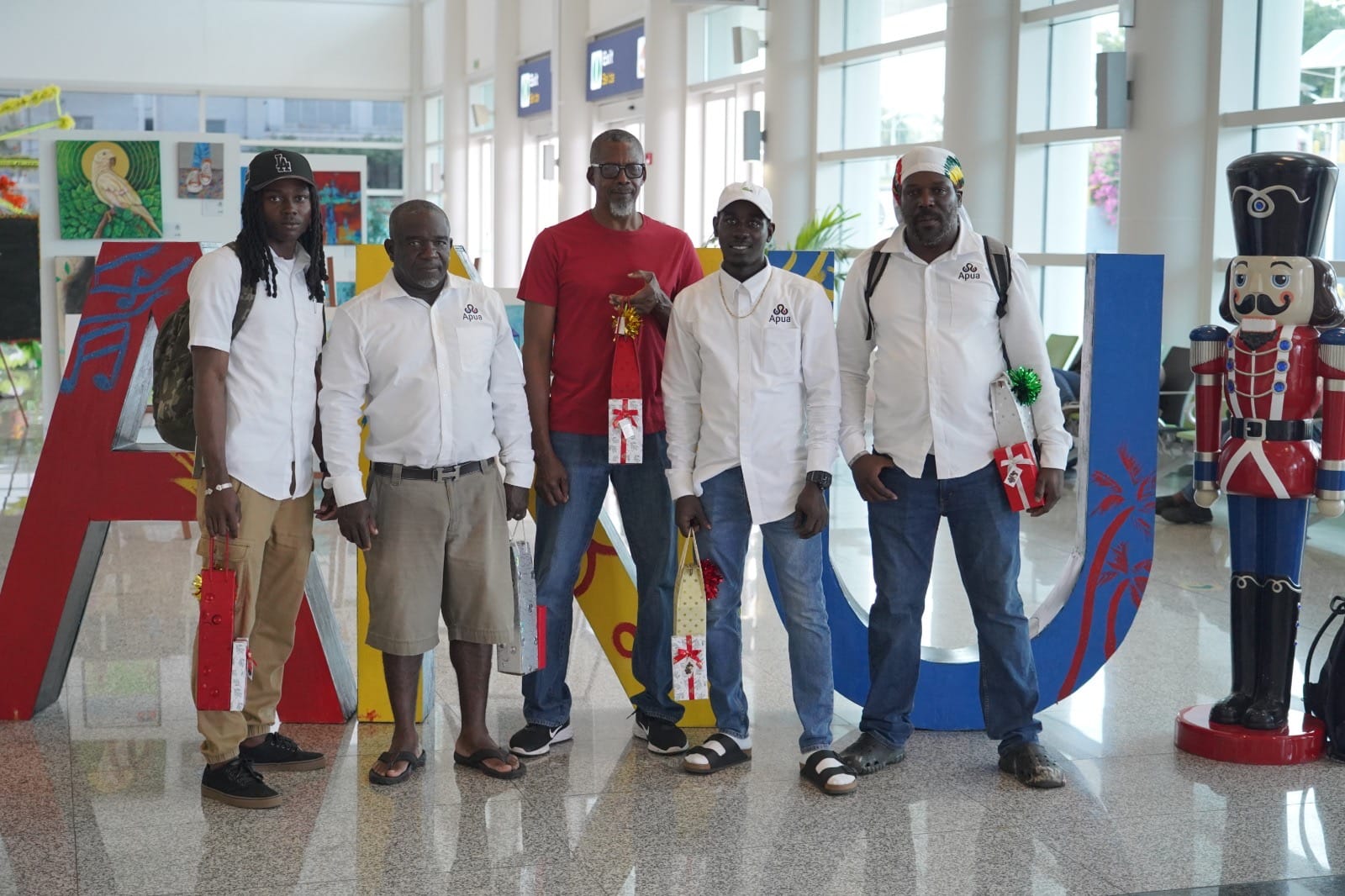
    A dedicated team of utility specialists from Antigua and Barbuda has concluded their critical disaster recovery assignment in Jamaica, returning home after providing essential restoration services in the aftermath of Hurricane Melissa. The Antigua Public Utilities Authority (APUA) officially confirmed the successful completion of their humanitarian mission.

    According to APUA’s announcement, the crew’s return occurred in two phases. Supervisor Kelvin Tanner concluded his leadership duties and returned to Antigua in late November, while the remaining team members—Sean Spencer, Wamani Grayman, Jamany Anthony, and Shoy Matthew—arrived home on December 5, 2026.

    The utilities authority extended formal gratitude to the entire team for their professional excellence and diplomatic representation abroad. In an official statement, APUA emphasized that the technicians had embodied national pride throughout their recovery efforts in Jamaica. “We thank them for their outstanding service and for representing Antigua and Barbuda with pride. Welcome home, gentlemen,” the authority stated, highlighting the international cooperation between Caribbean nations during natural disaster responses.

    The deployment demonstrates the growing regional collaboration among Caribbean utilities, where specialized teams provide mutual assistance following major weather events. Such partnerships have become increasingly vital as climate patterns intensify across the region, with nations developing formal protocols for rapid response team deployments following hurricanes and tropical storms.

  • ICBL donates $50 000 to support five charities

    ICBL donates $50 000 to support five charities

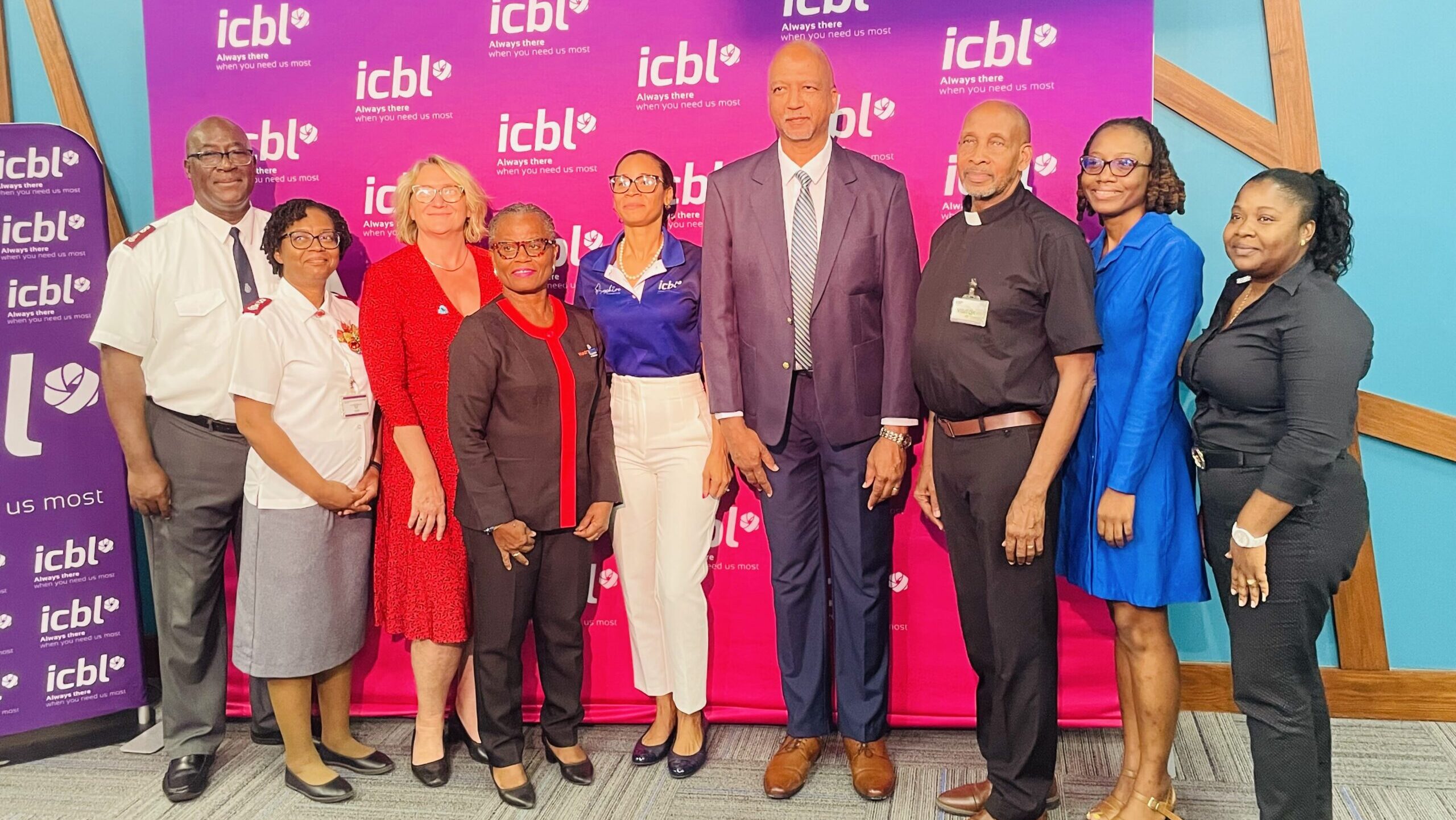
    In a significant demonstration of corporate social responsibility, Insurance Corporation of Barbados Limited (ICBL) distributed $50,000 in charitable contributions to five nonprofit organizations during a ceremony at its Roebuck Street headquarters on Wednesday. The strategic philanthropic initiative targeted organizations addressing Barbados’ most pressing health and social welfare challenges.

    ICBL CEO Goulbourne Alleyne presented $10,000 checks to representatives from The Salvation Army, Variety – The Children’s Charity, the Heart and Stroke Foundation, the Barbados Cancer Society, and the Diabetes and Hypertension Association. Alleyne emphasized that despite encouraging economic indicators showing 2.7-3% GDP growth, many Barbadian families continue facing substantial hardships that require community support.

    The selected organizations were recognized for their decades of consistent service and measurable impact on vulnerable populations. Alleyne noted that their work frequently represents “the critical difference between hardship and hope, between despair and survival” for countless citizens.

    Richard Alleyne of the Diabetes and Hypertension Association, celebrating its 50th anniversary, accepted the first donation while highlighting the disproportionate burden non-communicable diseases place on Queen Elizabeth Hospital’s resources. He expressed appreciation for corporate partners “willing to give back to the society that made them successful.”

    Sharifa Yard, administrator of the Barbados Cancer Society, detailed how ICBL’s sustained support enables critical outreach programs promoting early detection of prostate, cervical, and other cancers while supporting affected families and children across the island.

    Greta Yearwood of the Heart and Stroke Foundation underscored the urgent national health crisis, revealing that cardiovascular disease alone accounts for nearly 30% of deaths in Barbados. The partnership with ICBL funds essential screenings, health education, and life-saving interventions that directly address this epidemic.

    Jacqui McDermott of Variety – The Children’s Charity, marking thirty years of service, emphasized the donation’s immediate impact during the holiday season, noting that many assisted children face difficulties “through no fault of their own.”

    Major Robert Pyle of The Salvation Army, reflecting on the organization’s 127-year presence in Barbados, shared impressive operational statistics: 1,076 food hampers distributed, 12,640 people provided with essential goods, and 36,444 meals served through feeding programs between January and September alone. He credited these achievements to dedicated donors like ICBL.

    The contributions form part of ICBL’s comprehensive year-round philanthropic program supporting civic groups, sports development, education, and disaster relief initiatives. With Christmas approaching, CEO Alleyne reaffirmed that community upliftment remains central to ICBL’s corporate identity, stating: “We believe that when those around us strive, our nation thrives. And when they struggle, it’s our duty to stand with them.”

  • Vendors, meeting demand at school gates, say health drive ‘challenging’

    Vendors, meeting demand at school gates, say health drive ‘challenging’

    Barbados’ ambitious School Nutrition Policy faces formidable challenges at the very gates it aims to transform, where vendors navigate the complex intersection of government mandates, children’s preferences, and economic survival. Despite ministerial assurances of island-wide compliance checks, frontline sellers report significant resistance from young consumers who consistently reject healthier alternatives in favor of sugary staples.

    Across multiple primary schools in St. Michael and Bridgetown, vendors maintain thriving businesses built on Takis, Cheetos, brightly colored jellos, and snow cones—items directly contradicting the government’s nutritional guidelines. Vendor Nicole Maynard exemplifies this dilemma, having attempted to implement healthier options only to witness students migrating to competing shops offering preferred snacks. ‘The children want what they want,’ Maynard explained. ‘Their parents come and get stuff for the children too, so we don’t have no control over that.’

    The economic imperative compounds nutritional challenges. Anonymous vendors revealed that commercially viable items rarely align with policy recommendations, creating financial disincentives for compliance. One vendor noted that even when offering fruits like apples and bananas, children routinely discard them, while parents actively purchase sugary treats against policy guidelines.

    Minister of Educational Transformation Chad Blackman has framed the initiative as critical public health intervention, citing Barbados’ ‘non-communicable disease epidemic’ and emphasizing that childhood eating patterns will determine the nation’s future health outcomes. Blackman plans personal face-to-face compliance checks, acknowledging his own childhood dietary imperfections while maintaining that vendors must prioritize healthy items because ‘the whole country pays the cost.’

    Vendors propose alternative approaches, suggesting increased physical activity during school hours might achieve comparable health benefits. Meanwhile, they continue balancing policy requirements with market realities, offering token healthier options while relying on popular unhealthy sellers to sustain their livelihoods. The outcome remains uncertain as Barbados attempts to transform children’s eating habits against deeply entrenched preferences and economic practicalities.

  • Unmarked Container on Road to Shirley’s Heights Sparks Fears of Deadly Accident

    Unmarked Container on Road to Shirley’s Heights Sparks Fears of Deadly Accident

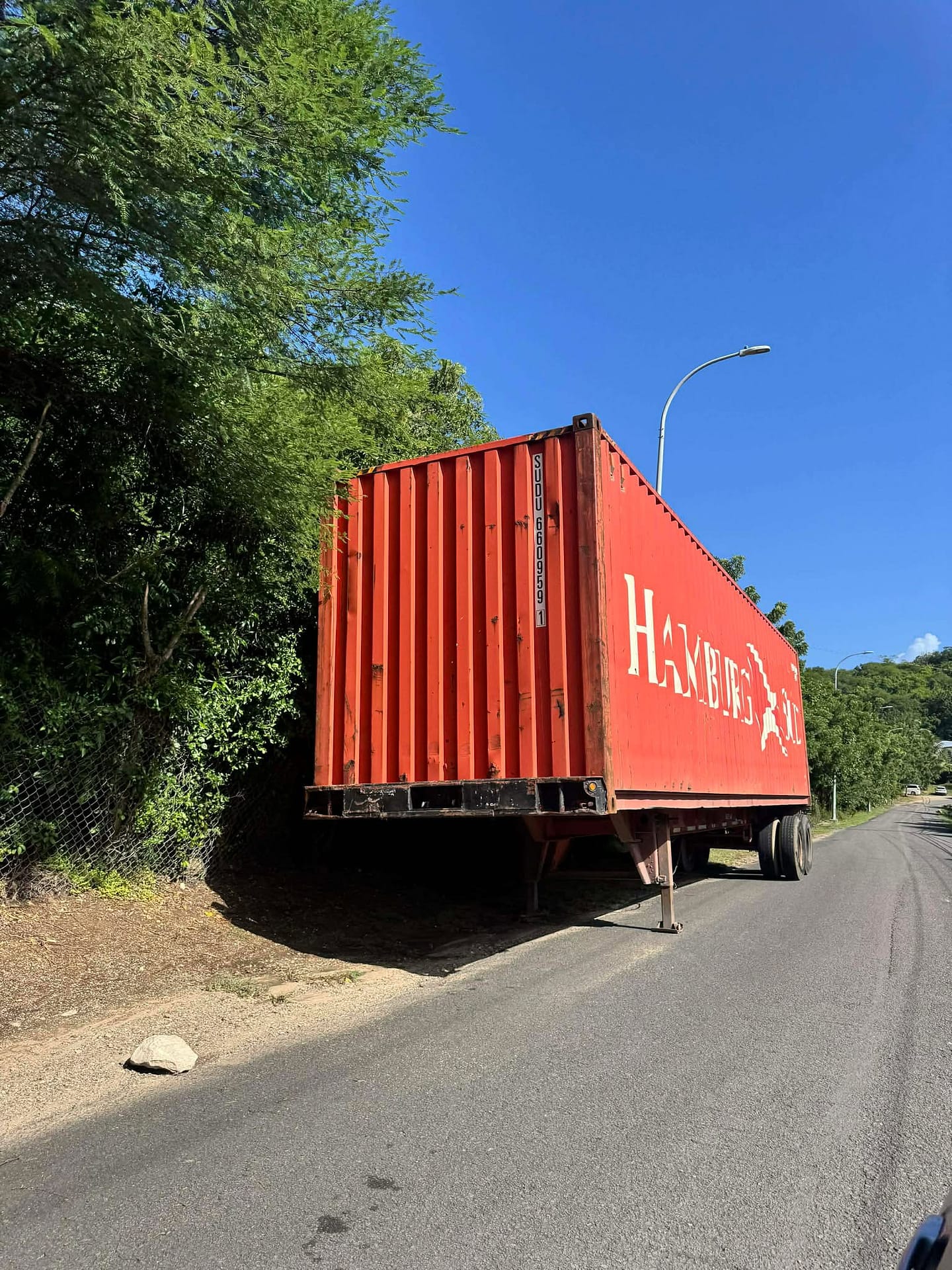
    A potentially catastrophic road hazard has emerged along Rotten Town Road, the primary access route to Shirley’s Heights lookout in Antigua, where an unmarked shipping container has been abandoned roadside for multiple days without any safety provisions. Local residents have issued urgent warnings about the obstruction, characterizing it as a lethal threat to motorists navigating the popular tourist corridor.

    The container’s placement presents particular danger during nighttime hours when the complete absence of reflectors, illumination, or warning cones causes it to blend invisibly into the darkness. This creates extreme hazards for both uphill and downhill travelers on the roadway frequently used by tour buses, service vehicles, local residents, and visitors accessing the renowned vantage point.

    Community members have directed urgent appeals to multiple government agencies including the Antigua and Barbuda Transport Board, law enforcement, and public works officials, demanding immediate intervention. Photographic evidence confirms the container’s precarious positioning directly adjacent to the driving lane with zero visible safety measures implemented.

    The concerned public emphasizes that the combination of heavy traffic patterns, limited visibility conditions, and complete absence of warning devices creates a perfect storm for tragedy. Authorities are requesting public assistance in identifying the container’s owner to facilitate prompt removal or implementation of proper safety markings before preventable casualties occur.

  • PM Drew encourages new police, Constables and Wardens ahead of Christmas deployment

    PM Drew encourages new police, Constables and Wardens ahead of Christmas deployment

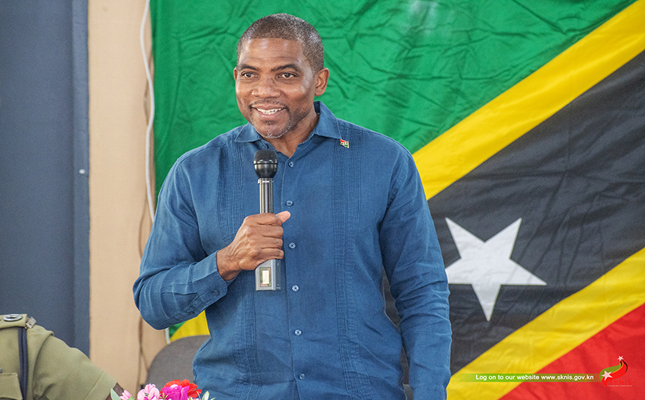
    BASSETERRE, Saint Kitts and Nevis – Prime Minister Dr. Terrance Drew, serving concurrently as National Security Minister, conducted an inspection and address of newly trained security personnel on Friday, December 5th, 2025, at the Police Training Complex in Ponds Pasture. The event marked the final preparatory phase before their deployment during the heightened security demands of the Christmas and Carnival season.

    The cohort comprised four fully trained Island Constables and nine Traffic Wardens, alongside twenty-six police recruits who are scheduled to commence formal training in early 2026. Dr. Drew’s address focused on the foundational principles of effective law enforcement, emphasizing the critical balance between authority and community respect.

    “Your role within our national security architecture is of paramount importance,” stated Prime Minister Drew, outlining his vision for professional conduct. He underscored essential values including unwavering professionalism, diligent attention to duty, and consistent respect for the institution both on and off duty. The Prime Minister further encouraged the personnel to actively engage with and contribute to their communities, affirming that their perspectives hold significant value.

    Highlighting the necessity for equitable law enforcement, Dr. Drew commended specific exemplars of conduct: Corporal Allison Rouse and Woman Police Constable Donaly Liburd-Chiverton. Both officers were praised for achieving public respect through their firm yet professionally courteous approach to duty.

    With the festive period known for increased public gatherings and traffic, the Prime Minister articulated public expectations. “Citizens desire order and consistent application of the law,” he remarked, “but they equally expect this to be executed with utmost professionalism.” He charged the new personnel to execute their responsibilities with dignity, fairness, and justice, adhering strictly to their training protocols.

    The Prime Minister concluded with personal well-wishes and expressed anticipation for their formal graduation ceremonies and the commencement of the Police Training Course 47 in the coming year.

  • By The Rivers Of Babylon

    By The Rivers Of Babylon

    In Antigua and Barbuda, a profound mental health crisis is unfolding that transcends clinical diagnoses and penetrates the national psyche. Drawing from personal experience with maternal mental illness, a medical professional reveals how the country’s deep political divisions have created a collective madness that stifles honest public discourse.

    The nation faces an paradoxical situation where citizens recognize the root cause of their societal illness yet persistently avoid confronting its consequences. This avoidance mechanism has created a dangerous dichotomy in the national consciousness, particularly evident in two critical areas: healthcare and cultural expression.

    Regarding healthcare management, the country struggles with noncommunicable diseases (NCDs) including cardiovascular conditions, diabetes, cancers, and mental health disorders. The World Health Organization identifies these as stemming from genetic, physiological, environmental, and behavioral factors. However, the author presents a compelling argument that behavioral changes required for health improvement cannot coexist with the suppression of political discourse. This psychological splitting creates a schizophrenic approach to national wellbeing.

    Similarly, in the cultural realm, the nation’s musical expression remains constrained by lyrical content and conventional structures. The absence of instrumental or symphonic compositions reflects a broader limitation in creative and intellectual freedom. Just as the healthcare dilemma demonstrates cognitive dissonance, the artistic landscape reveals an inability to transcend traditional boundaries when political expression remains suppressed.

    The article concludes with a poignant metaphor referencing the Babylonian exile, questioning how the nation might find its authentic voice while navigating this self-imposed psychological captivity. The central thesis maintains that until Antigua and Barbuda addresses its political divisions openly, the national madness will continue to manifest in both public health outcomes and cultural expression.