分类: society

  • Deadly crash on Duarte Highway leaves four victims

    Deadly crash on Duarte Highway leaves four victims

    A devastating head-on collision on the Duarte Highway Sunday night resulted in four fatalities and left one minor injured, according to official reports from the General Directorate of Traffic Safety and Land Transportation (DIGESETT). The tragic incident occurred on the stretch of road between Bonao and Santo Domingo, specifically past the Falconbridge entrance near La Minita in the Ingenio community.

    Preliminary investigation indicates that the driver of a Lexus SUV, traveling from Santo Domingo toward the Cibao region, suddenly lost control of the vehicle. The SUV veered into the oncoming lane, resulting in a catastrophic frontal impact with a passenger car carrying five occupants from Cotuí. The car carried three adults and two minors, all residents of the Cotuí area.

    The immediate aftermath of the collision proved fatal for four of the five occupants in the passenger vehicle. Emergency responders confirmed that one child survived the crash with injuries but has been reported to be out of immediate danger. The three individuals traveling in the Lexus SUV emerged from the incident without physical harm.

    A multi-agency response was swiftly coordinated following the accident. Units from the National Emergency and Security System 9-1-1, DIGESETT traffic agents, and local firefighters arrived at the scene to provide emergency medical assistance, manage traffic flow, and conduct preliminary on-site investigations. The crash has sent shockwaves through the close-knit community of Cotuí, where the deceased victims resided.

    Authorities have launched a comprehensive investigation to determine the precise factors that contributed to the loss of vehicle control and the subsequent collision. Investigators are examining all potential causes, including road conditions, vehicle mechanical failure, and driver error.

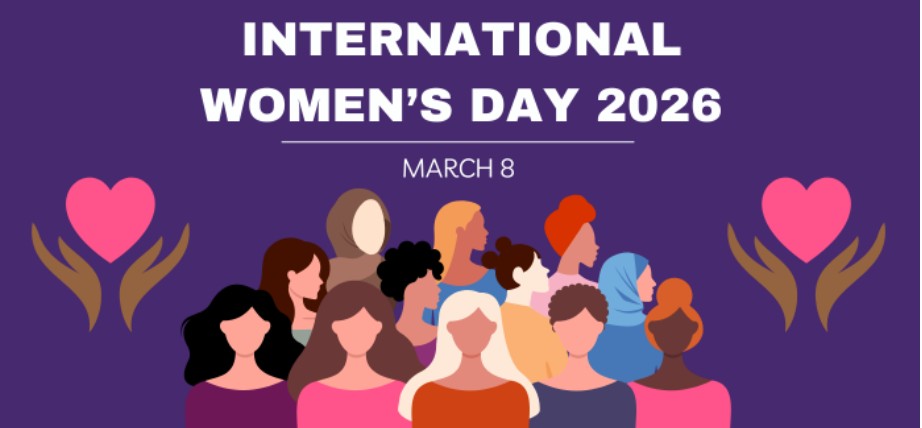
  • Dominican government honors women with Medal of Merit on International Women’s Day

    Dominican government honors women with Medal of Merit on International Women’s Day

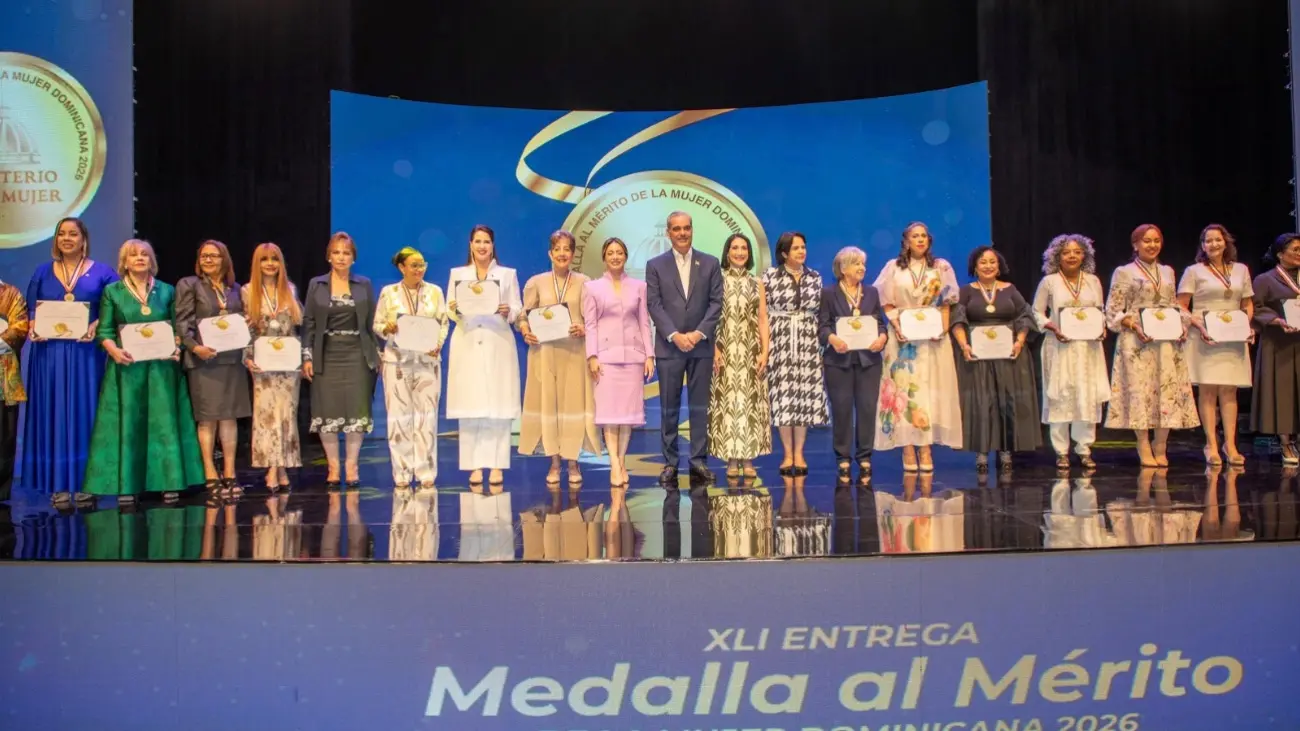
    SANTO DOMINGO – In a significant national ceremony commemorating International Women’s Day, President Luis Abinader presided over the 41st awarding of the Medal of Merit for Dominican Women, the state’s highest honor recognizing female contributions to national development. The event, hosted at the National Theater Eduardo Brito, served a dual purpose: celebrating contemporary achievements and paying historical tribute.

    The gathering held profound historical significance as it simultaneously marked the centenary of the birth of Minerva Mirabal, an iconic figure in the resistance against the dictatorship of Rafael Leónidas Trujillo. Her enduring legacy was underscored as a foundational inspiration for modern generations of Dominican women excelling across public, social, and economic spheres.

    Gloria Reyes, addressing attendees, presented a data-driven assessment of the nation’s gender landscape. She reported substantial progress in political representation, revealing that 9,167 women (constituting 43% of all candidates) contested the 2024 elections, with 1,226 achieving electoral success, securing approximately 49% of available positions. However, Reyes provided a balanced perspective by acknowledging persistent systemic challenges, including gender-based violence, economic disparities, and the inequitable distribution of domestic responsibilities.

    The ceremony served as a panoramic showcase of female excellence, honoring dozens of distinguished women from diverse professional fields such as scientific research, journalism, athletic achievement, education, business leadership, diplomatic service, healthcare, and public administration. In a moving segment, a posthumous recognition was conferred upon Zobeyda Alejandrina Cepeda Peña, a revered feminist and human rights defender. The tribute to Minerva Mirabal was formally received by her daughter, Minou Tavárez Mirabal, connecting the nation’s past struggles to its present advancements.

  • Farmers get time served for ganja

    Farmers get time served for ganja

    In a recent judicial proceeding at the Serious Offences Court, two farmers from Saint Vincent and the Grenadines have been sentenced to time already served after pleading guilty to charges of cannabis possession with intent to supply. Joel Harry, 39, of Rose Bank, and Nicholas Franklyn, 53, of Coulls Hill, faced Senior Magistrate Colin John following their arrests during a police operation in February.

    The case originated on February 20 when officers from Questelles and Layou police stations conducted a stop-and-search operation on Pembroke Public Road. During the inspection of vehicle H974 traveling from Buccament Bay toward Kingstown, police discovered 919 grams of cannabis in three transparent bags within Harry’s possession. Simultaneously, authorities found an additional 153 grams in a bag beneath the conductor’s seat where Franklyn had been seated. When questioned, Franklyn immediately acknowledged ownership of the contraband.

    Defense attorney Grant Connell presented mitigation arguments emphasizing that both defendants had already endured three days in prison due to bail condition modifications. Connell highlighted their immediate guilty pleas upon arraignment on February 23, which conserved judicial resources, and noted the minimal street value of approximately EC$100 for Franklyn’s portion of the cannabis.

    Senior Magistrate John ultimately ruled that the time already spent in custody constituted sufficient penalty, ordering the destruction of the confiscated substances while releasing both men from further incarceration.

  • Caribbean Family Planning Affiliation International Women’s Day 2026 message

    Caribbean Family Planning Affiliation International Women’s Day 2026 message

    On International Women’s Day, the Caribbean Family Planning Affiliation (CFPA) has issued a powerful regional call to action, demanding concrete progress in transforming policy commitments into tangible realities for women and girls across the archipelago. The organization emphasized that while Caribbean governments have made significant legislative strides through ratifying international conventions and enacting laws against gender-based violence, implementation gaps persist dramatically in daily lived experiences.

    The CFPA’s statement highlighted several critical areas where progress remains inadequate. Survivors of gender-based violence continue facing substantial barriers when seeking justice and support services. Comprehensive sexual and reproductive healthcare access remains inconsistent, particularly affecting adolescents, migrant populations, and remote hinterland communities. Deep-seated structural inequalities and harmful gender norms continue restricting opportunities and undermining bodily autonomy throughout the region.

    Reverend Patricia Sheerattan-Bisnauth, CEO of CFPA, emphasized the crucial role of collaborative efforts: ‘Faith communities possess unique influence in shaping societal values and promoting compassion. When religious leaders, policymakers, and civil society organizations unite, they establish the essential moral foundations required for sustainable transformation.’

    Board member Jade Trim further contextualized the issue: ‘Advancing sexual and reproductive rights transcends healthcare policy—it fundamentally impacts women’s economic empowerment, democratic participation, and overall sustainable development across our nations.’

    The CFPA reaffirmed its commitment to fostering strengthened partnerships between governments, regional institutions, civil society organizations, and faith communities. This collaborative approach aims to ensure every Caribbean woman and girl can live free from violence, exercise autonomy over personal decisions, and participate fully in shaping societal development.

    In a region historically strengthened by solidarity among small states, the organization stressed that collective action remains imperative for confronting contemporary challenges including geopolitical pressures, widening inequality, and democratic governance concerns. The CFPA concluded that true Caribbean prosperity remains intrinsically linked to the flourishing of all women and girls throughout the region.

  • March 8 : A flood of tributes to women

    March 8 : A flood of tributes to women

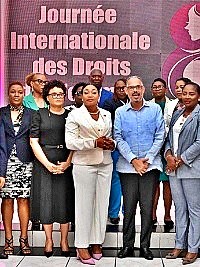
    Across Haiti and its diplomatic missions abroad, a powerful wave of recognition swept the nation on International Women’s Day, with government officials and institutions honoring the extraordinary resilience and contributions of Haitian women amidst profound national challenges.

    Prime Minister Alix Didier Fils-Aimé delivered a poignant address acknowledging Haitian women as “guardians of the home, pillars of the economy, and driving forces of national resilience” who maintain dignity despite facing “injustice, insecurity, and violence” in their daily lives. Declaring women’s protection an “absolute national priority,” the Prime Minister outlined concrete governmental measures including enhanced security protocols, expedited judicial processes, and dignified support systems. His message carried unequivocal force: “Your dignity is non-negotiable. Your safety is not optional. Your rights are guaranteed by law and protected by the State.”

    The Ministry of Women’s Affairs and Women’s Rights, under Minister Pedrica Saint Jean, hosted commemorations at the Montana Hotel centered on the theme “Rights, Justice, Action for All Women and Girls.” Minister Saint Jean reaffirmed institutional commitments to strengthening protection mechanisms for violence victims, improving legal aid accessibility, and promoting female participation in public institutions and decision-making bodies. She emphasized that “Equality, justice, and dignity are fundamental rights” requiring collective action from institutions, partners, and citizens alike.

    This sentiment echoed through various government entities. The City of Cap-Haïtien honored women’s leadership in advancing society, specifically committing to improved access to education, healthcare, and entrepreneurship opportunities. The Consulate General in Santiago, Dominican Republic, paid “vibrant tribute” to Haitian women in the Cibao region, recognizing their relentless struggle against “oppressive traditions” and their role in paving “the way toward a more just society.”

    Civil Protection agencies expressed gratitude to women dedicating themselves to public service, while the Ministry of Haitians Living Abroad (MHAVE) specifically commended Minister Kathia Verdier’s leadership in advocating for diaspora voices. The Ministry of Youth, Sports, and Civic Action celebrated female athletes whose “talent, discipline, and determination” inspire national pride, and the Haitian Football Federation acknowledged women’s growing contributions to national sports.

    International partners joined the recognition, with the French Embassy releasing a video highlighting displaced women living in camps due to gang violence who remain “resolutely committed to asserting their rights.” France reaffirmed its support for civil society organizations working to advance women’s rights in Haiti.

    The unified tributes underscored both the extraordinary resilience of Haitian women and the urgent need for tangible progress in securing their safety, rights, and full participation in national life.

  • Boy Scouts Association calls for volunteers to expand

    Boy Scouts Association calls for volunteers to expand

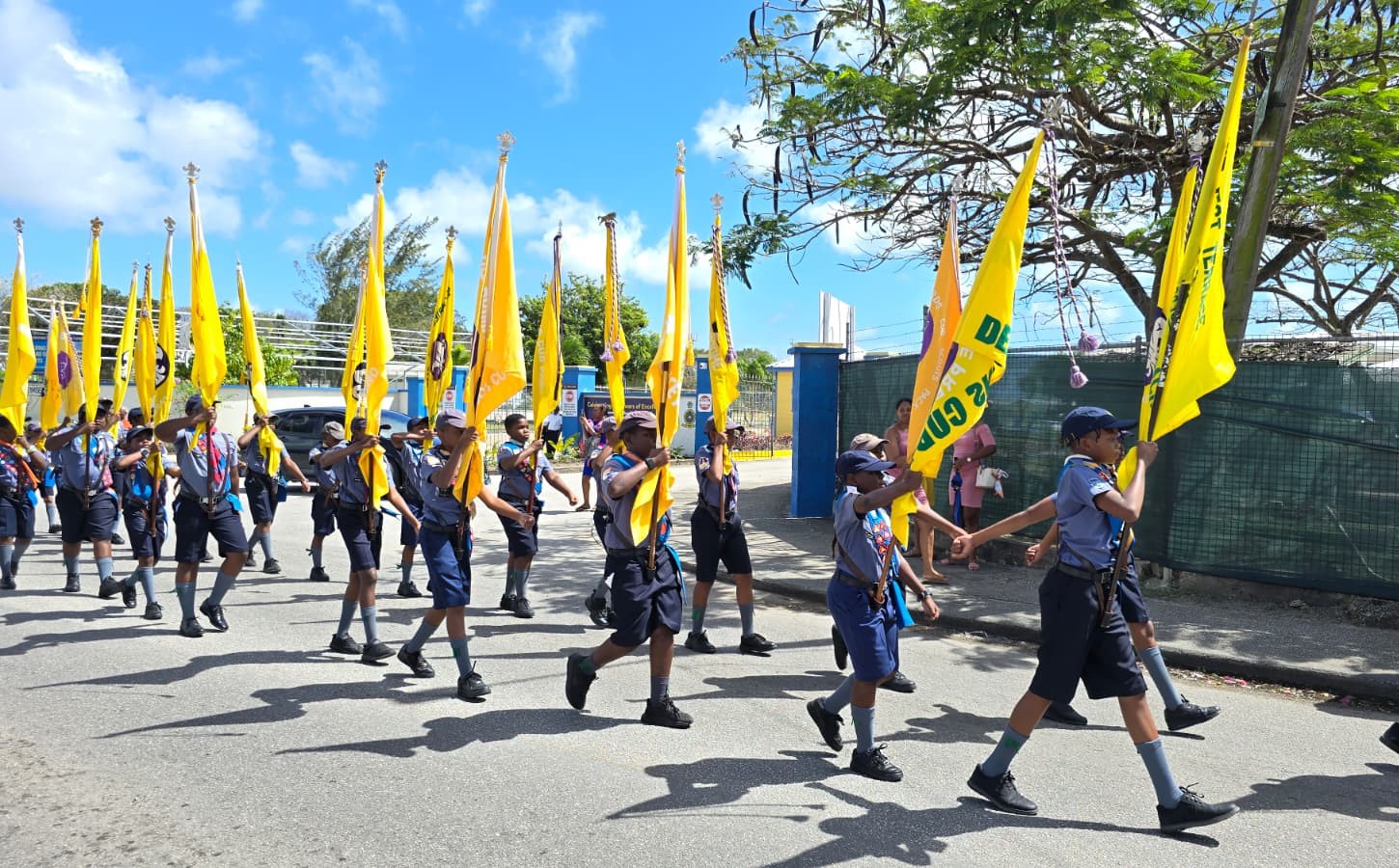
    The Barbados Boy Scouts Association has declared an urgent need for community volunteers to support its ambitious expansion initiative, marking 114 years of scouting tradition on the island. The announcement came during the annual Founder’s Day celebrations that commenced Scout Month this March.

    Dozens of scouts paraded in precision formation from the National Botanical Gardens to Abundant Life Assembly in Lower Bank Hall on Sunday, showcasing their distinctive khaki, blue, and white uniforms in a vibrant display of scouting heritage. The procession signaled the start of a month-long series of activities celebrating the organization’s enduring legacy.

    Chief Commissioner Trevor Jones revealed the association’s strategic shift toward community-based scouting models during a media briefing preceding the ceremonial service. “We are actively transitioning from school-centered groups to community-embedded scouting,” Jones stated. “This fundamental restructuring requires substantial volunteer participation from local communities to ensure sustainable growth.”

    The commissioner emphasized the critical volunteer shortage despite growing youth interest in scouting programs. Organizational expansion remains constrained by adult supervision requirements, particularly for younger age groups where strict child-to-leader ratios apply. “Our capacity to establish new units directly correlates with volunteer availability,” Jones explained. “Current volunteer recruitment, while improving, fails to match escalating demand.”

    Jones highlighted the organization’s role in addressing youth behavioral challenges through structured development programs. “Uniformed youth organizations provide essential training that helps mitigate deviant behaviors among young males,” he noted. The association is concurrently enhancing program innovation and leader training initiatives to better address contemporary youth needs.

    The ceremony also marked the first official appearance of President Jeffrey Bostic as Chief Scout following his appointment earlier this year. The leadership transition occurs as the organization intensifies efforts to strengthen community engagement and youth development outreach across Barbados.

  • C-47 staat stil bij dubbele rol van werkende vrouwen

    C-47 staat stil bij dubbele rol van werkende vrouwen

    On International Women’s Day, labor federation C-47 delivered a comprehensive assessment of women’s multifaceted contributions to socioeconomic development, emphasizing their dual roles in both formal employment and domestic spheres. The organization presented a detailed analysis of how female workers sustain economic productivity while simultaneously maintaining household stability through often-unrecognized labor.

    The federation’s statement highlighted that women constitute a fundamental pillar of national economic infrastructure across diverse sectors including healthcare, education, retail, manufacturing, and public administration. Their professional engagement is characterized by exceptional dedication, discipline, and technical competence despite frequently challenging circumstances requiring substantial resilience.

    C-47’s analysis revealed that women’s economic participation extends beyond conventional metrics, as many commence secondary responsibilities following formal working hours. This includes child supervision, household management, and family support systems—critical functions that remain largely unquantified in economic statistics yet form essential societal foundations.

    The labor organization identified this dual role as both an economic necessity and social reality, noting that modern workplaces continue expecting professional excellence while women concurrently manage disproportionate domestic burdens. This paradigm necessitates broader recognition of women’s compound contributions beyond traditional economic measurements.

    International Women’s Day serves not merely as symbolic appreciation but as a catalyst for ongoing awareness regarding equitable workplace treatment, according to C-47. The federation emphasized that struggles for dignified working conditions, equal opportunity, and professional respect remain urgently relevant across numerous industries.

    The organization advocated for comprehensive labor market reforms including equitable compensation structures, safe working environments, and enhanced leadership development opportunities. Additionally, C-47 stressed the importance of policy frameworks that acknowledge women’s need to balance professional ambitions with familial and societal obligations.

    C-47’s proclamation characterized working women as multidimensional actors—simultaneously serving as organizational leaders, educators, mentors, and foundational supporters of communal success. While acknowledging generational progress in opportunity expansion, the federation insisted that sustained advancement requires continuous institutional commitment.

    The statement concluded with explicit solidarity expressions toward nurses, educators, administrative staff, industrial workers, entrepreneurs, mothers, and caregivers—recognizing their simultaneous contributions to economic development, family structures, and national future-building.

  • Youth-Led Initiative to Launch Online Waste Management Classroom in Antigua and Barbuda

    Youth-Led Initiative to Launch Online Waste Management Classroom in Antigua and Barbuda

    In response to escalating environmental emergencies, including recent landfill fires and an oil spill, Antigua and Barbuda is pioneering an innovative educational solution to its waste management crisis. Good Humans 268 Inc., a local organization, has unveiled a comprehensive digital education program under the leadership of youth project coordinator Kelisha Pigott. This initiative has garnered international recognition and support through the prestigious UNESCO x Nestlé Youth Impact Global Youth Grant Scheme, which selected Pigott from a competitive pool of thousands of global applicants.

    The cornerstone of this environmental campaign is the creation of an immersive Online Waste Management Classroom, featuring an extensive repository of over 100 educational videos, interactive games, puzzles, and activity-based learning modules. These resources are specifically designed to serve teachers, students, and community organizations across the twin-island nation.

    The timing of this intervention is particularly crucial given recent environmental setbacks that have exposed vulnerabilities in the country’s waste management infrastructure. These incidents have underscored the urgent need for enhanced public awareness and systematic approaches to waste handling.

    Global waste projections paint a concerning picture, with studies indicating that municipal waste production could surge by 70% worldwide by 2050 if current consumption patterns persist. Pigott argues that transformative education represents the most potent countermeasure to this alarming trajectory.

    “Our contemporary waste management practices will fundamentally dictate the quality of life for generations to come,” Pigott stated. “Environmental education enables people to recognize that waste isn’t merely discardable material but a resource requiring responsible stewardship.”

    The project specifically addresses plastic pollution, emphasizing pragmatic solutions rather than outright avoidance. “Plastics have become integral to modern society,” Pigott explained. “The sustainable approach involves educating communities on proper reduction techniques, reuse methodologies, and effective recycling practices.”

    Beyond digital resources, Good Humans 268 Inc. will implement hands-on learning experiences through school visits, practical demonstrations, and community engagement activities. These initiatives will showcase how waste materials can be creatively repurposed into functional items and artistic projects, providing tangible examples of circular economy principles in action.

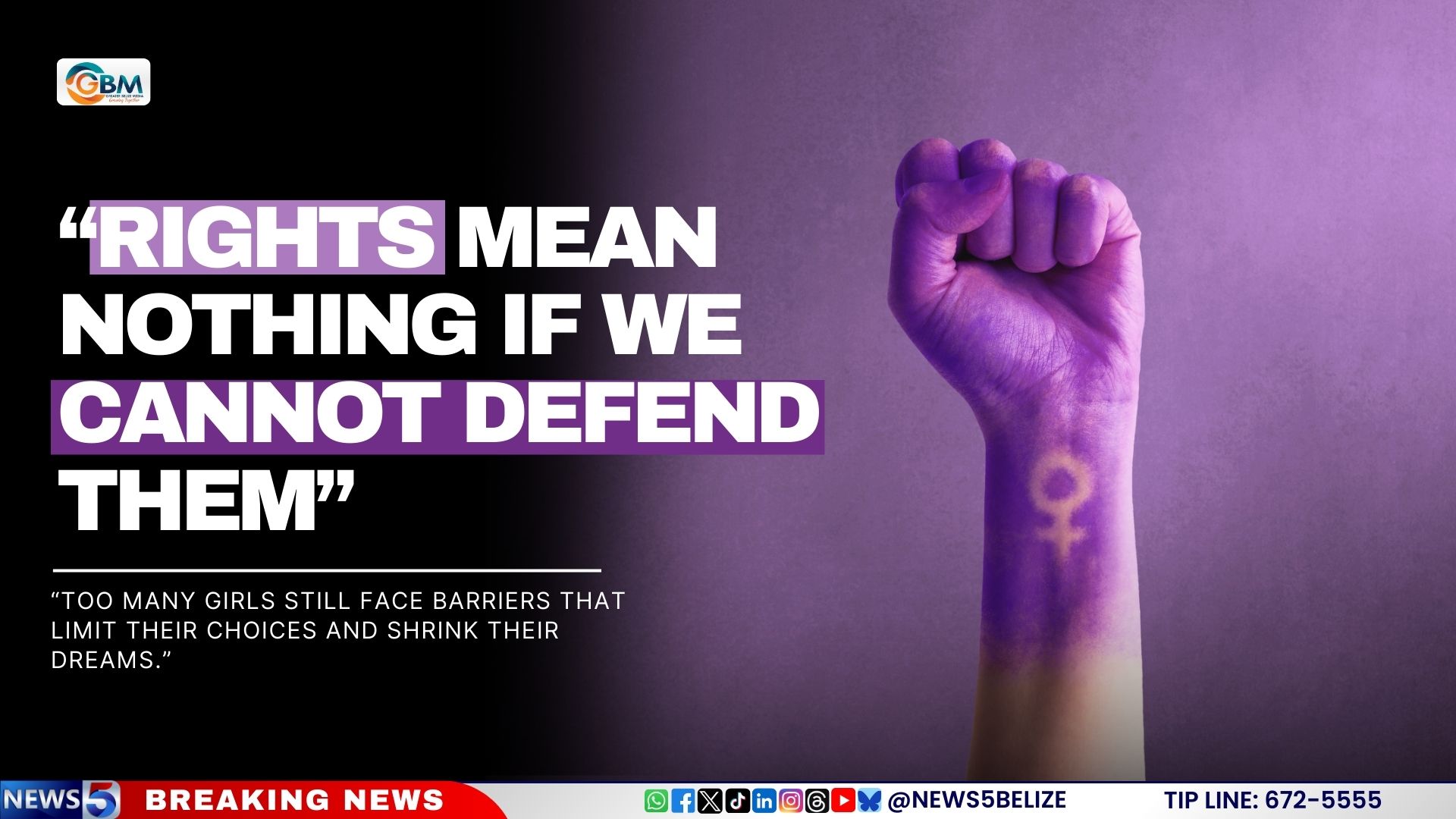
  • “Rights Mean Nothing If We Cannot Defend Them”

    “Rights Mean Nothing If We Cannot Defend Them”

    On International Women’s Day 2026, the United Nations issued a sobering assessment of gender equality worldwide, revealing that women and girls continue to face significant legal disparities compared to men. According to UN Women’s annual observance statement, justice systems across the globe are systematically failing female populations through institutional barriers and systemic inequality.

    The organization reported that women globally possess merely 64% of the legal rights enjoyed by men, with nearly 70% of surveyed nations maintaining substantial barriers to justice access. Financial constraints represent a primary obstacle, as legal fees, transportation costs, childcare expenses, and lost wages prevent millions from seeking legal recourse.

    The crisis is particularly acute in conflict zones, where 676 million women and girls reside within 50 kilometers of active hostilities—areas where justice systems frequently collapse entirely. The UN emphasized that conflict, political repression, and institutional pressure continue to undermine the rule of law, leaving female populations vulnerable.

    Despite these challenges, Belize demonstrates notable progress according to UNICEF assessments. The agency highlighted prominent female leaders including Opposition Leader Tracy Taegar-Panton, House Speaker Valerie Woods, Senate President Carolyn Trench-Sandiford, and Governor General Froyla Tzalam as evidence of women’s advancing leadership across educational, political, and governmental spheres.

    Nevertheless, UNICEF acknowledged that significant barriers persist for countless women and girls, noting that many continue to face limitations that restrict their opportunities and diminish their aspirations. The organization’s findings underscore the persistent gap between institutional progress and the everyday realities experienced by females worldwide.

  • Minister Forde announces awareness campaign on gender-based violence

    Minister Forde announces awareness campaign on gender-based violence

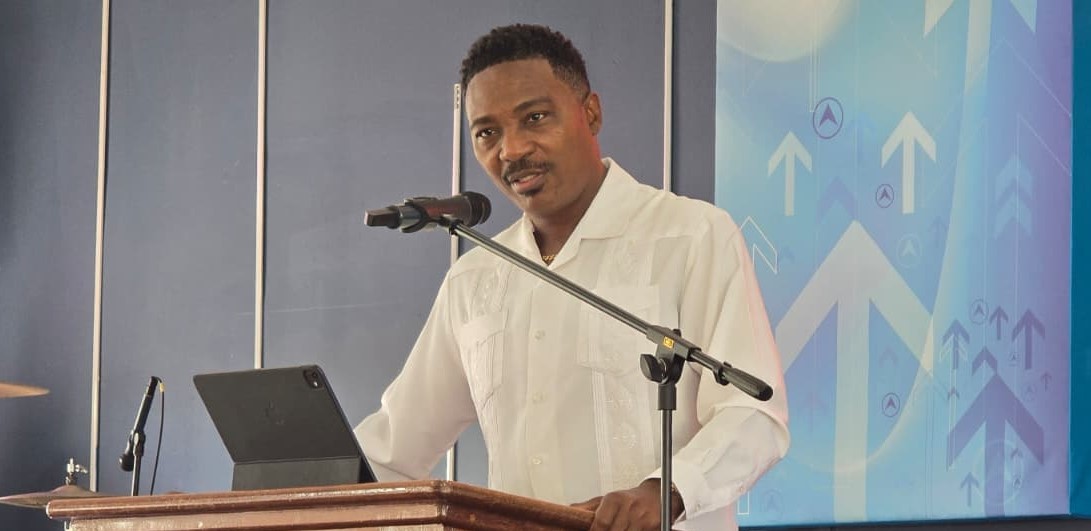
    The Barbadian government is amplifying its nationwide campaign to combat gender-based violence and address systemic inequalities facing women. Minister Adrian Forde of the Ministry of People Empowerment and Elder Affairs revealed these initiatives during an International Women’s Day commemoration at Ellerton Wesleyan Holiness Church in St. George.

    Minister Forde referenced an Inter-American Development Bank survey that confirmed the persistent threat of violence against women and vulnerable populations. “Our findings demonstrate an urgent need for continued public sensitization and discourse on gender-based violence,” Forde stated. “The survey essentially validated what we already suspected – that this ugly threat remains prevalent in our society.”

    The ministry has launched a comprehensive awareness campaign featuring educational advertisements at bus stops and billboards across the island. “We’ve deployed 11 installations so far, featuring impactful messages and short videos emphasizing the crucial importance of respecting women and vulnerable groups,” Forde explained. “We plan to expand this initiative nationwide to acknowledge the virtuous role women play in our society.”

    Beyond awareness efforts, the government is implementing practical empowerment programs. On Saturday, the ministry hosted an Entrepreneurial Expo showcasing over 20 young entrepreneurs, including persons with disabilities, to foster business opportunities.

    Minister Forde acknowledged significant ongoing challenges, noting that “issues such as underpaid or unpaid workers disproportionately affect women.” He highlighted a particularly concerning statistic: “Approximately 42 percent of Barbadian households are headed by single females, representing nearly half of all households managed solely by women. This is not a figure we should be proud of.”

    The newly established Social Empowerment Agency will spearhead efforts to address these challenges and strengthen family support systems. Forde emphasized his ministry’s commitment: “Through our actions, we will dedicate ourselves to this empowerment theme. We will maintain trusted partnerships with women and women’s organizations to ensure equitable access to government services and opportunities.”

    The minister concluded with a powerful statement: “The fundamental objective is that women must benefit equally from all opportunities this country offers. We must work collectively as a society to recognize these challenges and develop effective solutions.”