分类: society

  • DCA Says Morris Bay Enforcement Was Years in the Making, Not a Targeted Crackdown

    DCA Says Morris Bay Enforcement Was Years in the Making, Not a Targeted Crackdown

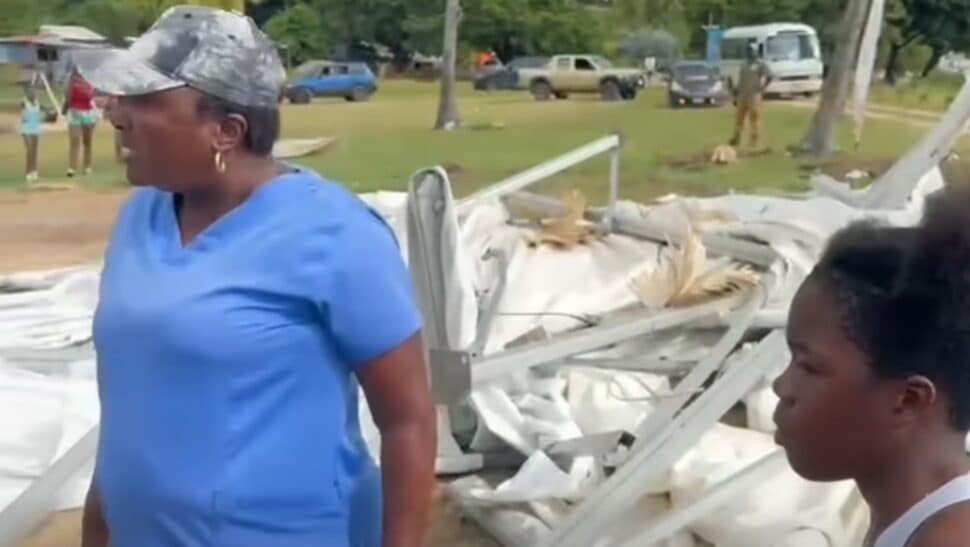
    The Development Control Authority (DCA) of Antigua and Barbuda executed enforcement operations at Morris Bay Beach on December 10, 2025, marking a significant step in upholding national planning regulations. This action forms part of a sustained initiative to maintain compliance with the Physical Planning Act of 2003, focusing on the preservation of public safety, environmental conservation, and orderly development along the nation’s coastline.

    Since 2019, numerous unauthorized commercial operators occupying the Morris Bay beachfront have received multiple formal notifications regarding their regulatory violations. These communications—delivered both verbally and in writing—explicitly instructed vendors to either cease operations or seek official regularization through established national planning procedures.

    The DCA emphasizes three critical aspects of this enforcement campaign: First, the initiative is not directed at any specific individuals or groups but applies uniformly to all non-compliant operators. Second, violation notices were issued consistently and transparently over several years, providing ample opportunity for compliance. Third, all actions are strictly aligned with the Physical Planning Act and national development frameworks.

    This coastal restoration effort aims to rehabilitate the natural environment, enhance public safety measures, and ensure that beachfront activities align with national planning policies and broader public interests. The DCA reaffirms its commitment to collaborative engagement with all stakeholders and encourages current or prospective operators on public lands to consult with the Authority for guidance on obtaining necessary approvals.
  • Court orders psychiatric treatment for man who threatened Dominican president Abinader

    Court orders psychiatric treatment for man who threatened Dominican president Abinader

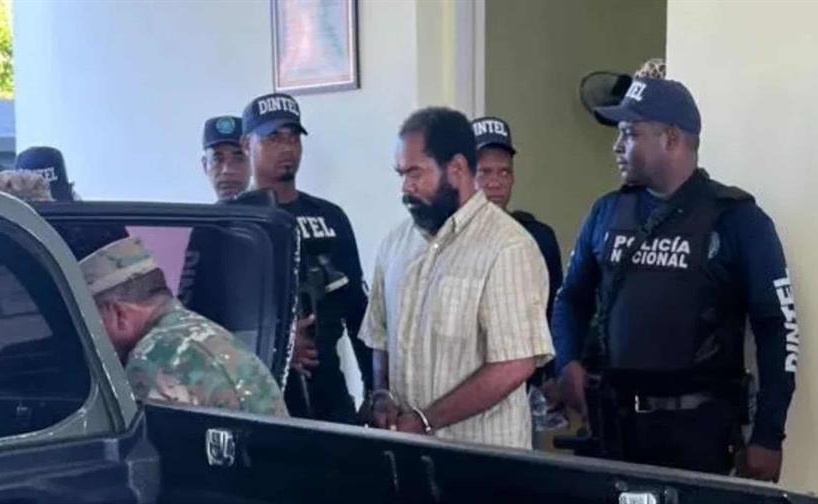
    A Dominican court has mandated psychiatric intervention and financial guarantees for a man who issued violent threats against President Luis Abinader in a widely circulated social media video. The Judicial District of El Seibo delivered the ruling on Wednesday following a preliminary hearing that prioritized the defendant’s mental health assessment.

    Identified as Héctor Julio Mercedes Rodríguez, the individual was taken into custody last Friday after posting a video that allegedly showed him brandishing a high-caliber weapon while making explicit threats against the nation’s leader. The footage rapidly gained traction across digital platforms, prompting immediate law enforcement response.

    The court’s disposition requires Mercedes Rodríguez to undergo a six-month psychiatric treatment program at Teófilo Hernández Provincial Hospital. Additionally, he must post bond amounting to RD$100,000 (approximately US$1,700) and remain under continuous family supervision throughout his therapeutic regimen.

    Legal representative Alberto Mercedes Ruiz presented medical documentation indicating his client has battled a degenerative condition since 2022, resulting in significant anxiety and psychological disturbances. The defense successfully argued that these mitigating circumstances warranted rehabilitative measures rather than incarceration.

    While the Public Prosecutor’s Office maintains an active investigation, the judicial outcome demonstrates an attempt to balance public safety concerns with appropriate mental health considerations. The accused currently remains at liberty under strict conditions requiring periodic medical evaluations and ongoing judicial monitoring as proceedings continue.

  • Gas-tank explosion at Villa Marina apartment tower injures several

    Gas-tank explosion at Villa Marina apartment tower injures several

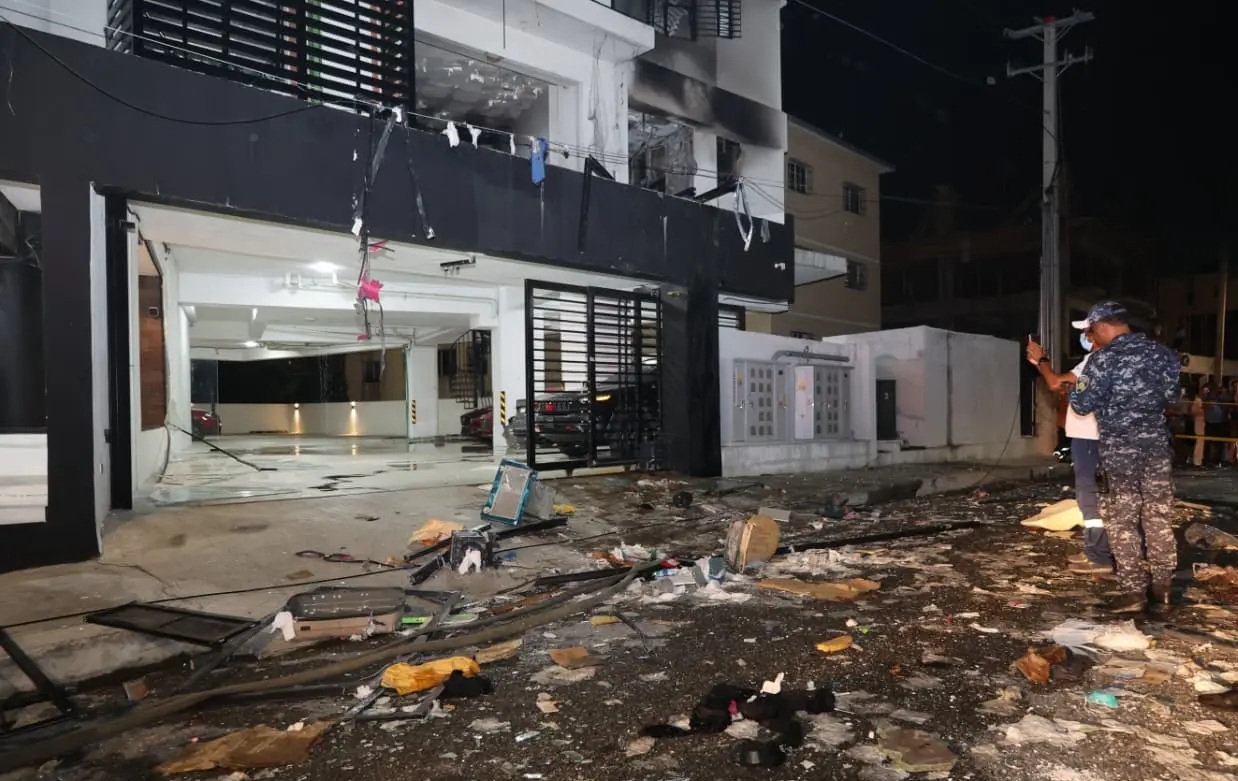
    A significant gas explosion severely shook the Intempo residential tower in Santo Domingo’s Villa Marina sector on Wednesday evening, resulting in multiple casualties and a full-scale emergency response. The incident, occurring at approximately 8:00 p.m. local time, sent shockwaves through the surrounding neighborhood and prompted immediate evacuation protocols.

    Preliminary investigations by fire authorities indicate a kitchen gas leak within one apartment unit as the probable cause, though official forensic analysis remains ongoing. Emergency medical services confirmed at least five individuals sustained injuries, with two victims suffering critical burns requiring urgent hospitalization. Initial media reports had underestimated the casualty count at three.

    Eyewitness accounts depicted chaotic scenes as residents fled the building while emergency crews including police, firefighters, and paramedics secured the perimeter. Multiple neighbors reported detecting gas odors hours before the detonation, raising questions about preventive measures.

    The explosion’s force generated substantial structural concerns, leading authorities to temporarily close the residential complex for comprehensive safety evaluations. The incident has ignited community demands for enhanced gas safety regulations in modern residential developments, particularly in newer constructions like the Intempo building.

    Fire department officials continue investigating whether the accident resulted from infrastructure failures, improper maintenance, or human error, with final conclusions pending detailed examination.

  • RDU–SAEP capacity building sessions with Concord farmers

    RDU–SAEP capacity building sessions with Concord farmers

    Seventeen agricultural producers from Concord, Black Bay, and neighboring communities joined nine specialists from the Rural Development Unit (RDU) and a Western District Supervisor from Grenada’s Ministry of Agriculture in a comprehensive Sustainable Land Management (SLM) training session on December 1, 2025. The capacity-building event was orchestrated by the RDU under the Climate Smart Agriculture and Rural Enterprise Programme (SAEP).

    This instructional gathering constitutes an integral component of the Capacity-Building Initiative within the Southern St George Water Supply Expansion Project (SSGWSEP), financially supported by the United Kingdom Caribbean Infrastructure Fund (UKCIF) through the Caribbean Development Bank (CDB).

    Aden Forteau, a distinguished Sustainable Land Management Specialist, facilitated the training by demonstrating crucial SLM methodologies encompassing natural resource protection, conservation, sustainable utilization, and rehabilitation of deteriorated zones. Participants received hands-on instruction regarding optimal soil and water preservation techniques, including reduced tillage approaches and rainwater collection systems. A particularly engaging segment involved constructing A-frames from basic materials like timber and twine—an essential tool for identifying contour lines that facilitate effective farming, drainage, and terracing operations to minimize slope erosion.

    The workshop emphasized practical implementation through live demonstrations, showing farmers how to incorporate these climate-adaptive strategies into their existing agricultural frameworks to enhance productivity while strengthening environmental durability.

    Kenly Edwards, Climate-Smart Agriculture Coordinator at the RDU, characterized this initiative as part of continuing endeavors to fortify community resilience and advance sustainable farming development throughout Grenada. Edwards confirmed that subsequent training sessions will proceed under the UKCIF-backed project to encourage responsible land management and climate-resistant agricultural methodologies.

    Dr. Stephen Fletcher, Director of the Rural Development Unit, observed that the RDU-SAEP’s inclusion as an executing partner for this project dimension demonstrates the escalating confidence that Nawasa (National Water and Sewerage Authority) maintains in the Unit and its personnel.

  • Diváli krijgt wereldwijde erkenning: sinds vandaag op UNESCO-lijst

    Diváli krijgt wereldwijde erkenning: sinds vandaag op UNESCO-lijst

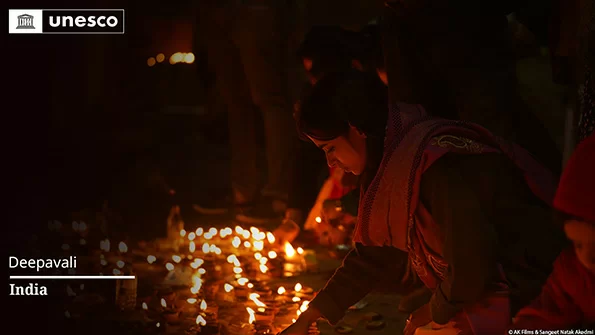
    In a landmark decision during its 20th intergovernmental committee meeting in New Delhi (December 8-13, 2025), UNESCO has officially inscribed Deepavali (Diwali) on its Representative List of the Intangible Cultural Heritage of Humanity. The announcement was formally communicated by Indian Ambassador Subhash Gupta in Paramaribo, marking a significant global recognition for the festival of lights.

    Ambassador Gupta emphasized that UNESCO’s designation confirms Deepavali as a living tradition that continues to uplift hearts and minds worldwide. He characterized the festival not merely as an Indian celebration but as an integral component of Surinamese culture, representing enduring historical bonds and shared heritage between Suriname and India. Both nations, he noted, deeply connect with the festival’s universal themes: hope over despair, knowledge over ignorance, and light over darkness.

    Radjen Baldew, Chairman of the Hindu Media Organization (OHM), expressed elation at this international acknowledgment, describing it as an honor recognizing Deepavali as tangible cultural heritage not only for Sanátan Dharmis (Hindus) but for the entire global community. He extended congratulations to all who uphold the religious and spiritual values embodied by the festival.

    Indian Prime Minister Narendra Modi reinforced the significance through his social media platform, stating: “For us, Deepavali is intrinsically linked to our culture and values. It represents the very soul of our civilization, embodying enlightenment and justice.” He predicted this UNESCO recognition would further amplify the festival’s global popularity.

    Ambassador Gupta highlighted Suriname’s particular connection to Deepavali, noting the Indian embassy’s consistent participation in local celebrations through prayers, cultural performances, and community gatherings. He referenced the lighting of the world’s largest diya (lamp) using ghee at Independence Square as a symbol of this engagement. Gupta further praised Suriname’s official recognition of Deepavali as a national holiday, demonstrating the country’s commitment to inclusivity and appreciation for its Indian-descended population.

    Globally, Indian diplomatic missions are celebrating this achievement with various events. In Suriname, the embassy is collaborating with the Swami Vivekananda Indian Cultural Center for an evening celebration at the Arya Diwaker Hall, open to all attendees from 6:30 PM. Ambassador Gupta concluded with a hopeful message: “May the light of Deepavali shine brightly and guide us toward growth and peace.”

  • STATEMENT: CARICOM SG  Human Rights Day  ‘Human rights: our everyday essentials’

    STATEMENT: CARICOM SG Human Rights Day ‘Human rights: our everyday essentials’

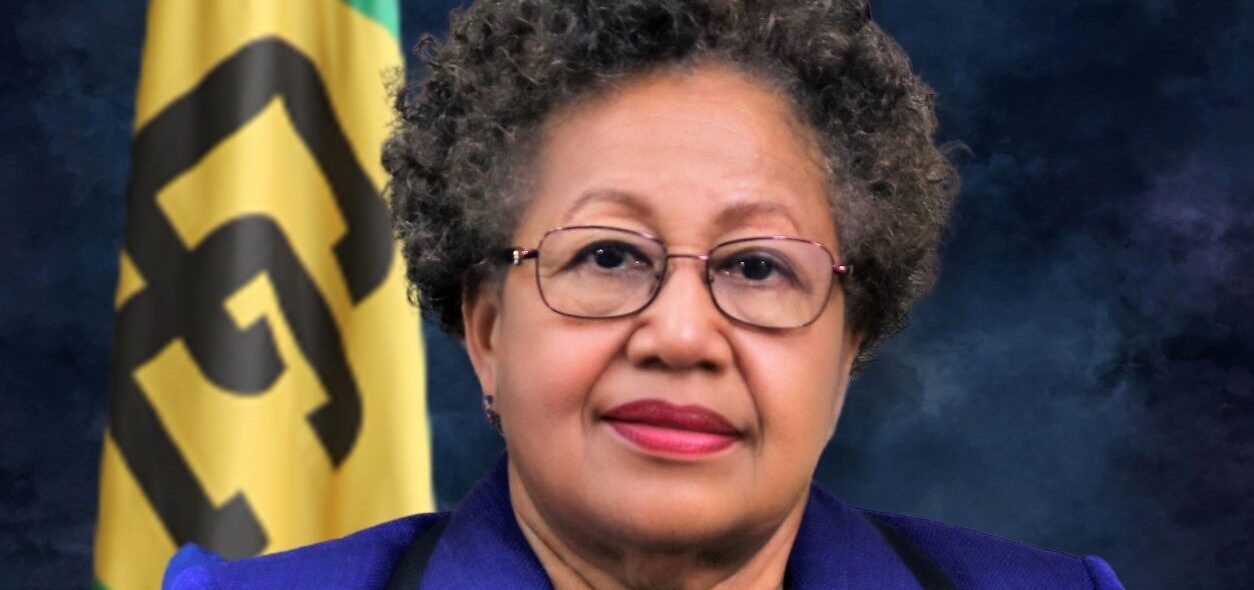
    On the occasion of Human Rights Day, CARICOM has issued a powerful reaffirmation of its dedication to upholding fundamental freedoms across Caribbean nations. Dr. Carla N. Barnett, representing the Caribbean Community, emphasized that the Universal Declaration of Human Rights (UDHR) continues to serve as the cornerstone document establishing essential entitlements including education, healthcare, and adequate living standards—critical components for societal advancement throughout the region.

    The declaration highlights that human rights principles are fundamentally rooted in equality, non-discrimination, and inclusion. While Caribbean nations have made significant strides in dismantling systemic barriers and enhancing participation among marginalized populations—including women, Indigenous communities, and persons with disabilities—persistent discrimination based on gender identity, sexual orientation, and economic status continues to impede the full realization of human rights for all citizens.

    CARICOM’s statement underscores the necessity of engaging younger generations in human rights advocacy, stressing that sustainable progress demands the active incorporation of youth perspectives in civic processes and decision-making frameworks at all governance levels.

    The organization also addressed emerging digital-age challenges, noting that the rapid expansion of information technology necessitates heightened focus on protecting privacy, combating online harassment and misogyny, and countering the proliferation of misinformation that threatens democratic values.

    This commemoration serves as both a reminder and call to action for the continuous global pursuit of dignity, freedom, and justice—elements intrinsically connected to human development and individual liberties. CARICOM maintains its unwavering commitment to promoting and safeguarding these fundamental rights as it works toward building a more equitable Community for all Caribbean peoples.

  • Alliances Francaises meeting held in Grenada to strengthen ties across region

    Alliances Francaises meeting held in Grenada to strengthen ties across region

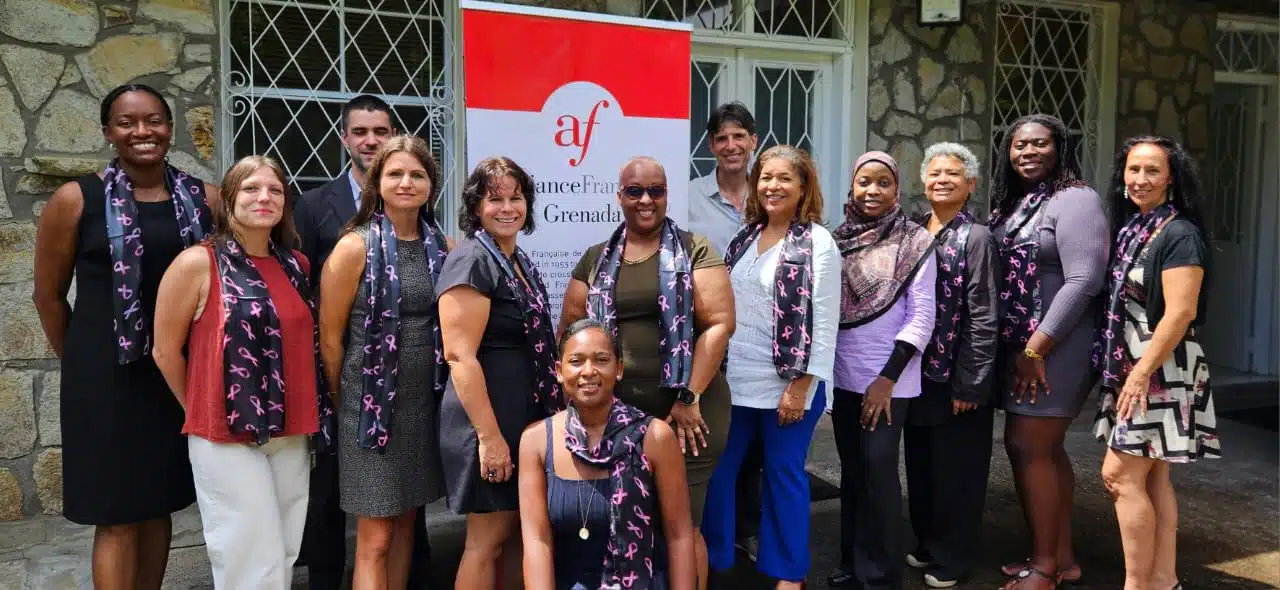
    Grenada recently hosted a landmark gathering of Alliance Française directors from across the English-speaking Caribbean, marking a significant step in strengthening cultural and linguistic cooperation throughout the region. The RÉZO seminar, held throughout October, brought together leadership from ten Caribbean nations under the supportive guidance of the French Embassy’s Service de Coopération et d’Action Culturelle (SCAC).

    The three-day summit served as a dynamic platform for enhancing collaboration between the extensive Alliances Françaises network and French diplomatic cultural services. Participants engaged in profound dialogue centered on listening and mutual cooperation, working collectively to develop innovative strategies and projects. Their shared vision focused on creating a more inclusive, modern, and accessible French-speaking Caribbean that fully embraces multilingual diversity.

    Christiane Bourgeois, Regional Counsellor for Cooperation and Cultural Action at the French Embassy, emphasized the crucial role these institutions play in fostering cultural, educational, scientific, and economic connections. She highlighted how French priorities—including cultural promotion, sustainability, and human rights—align closely with the specific needs of Caribbean nations. Bourgeois particularly stressed the fundamental importance of dedicated local individuals in bringing the vibrant French-speaking community to life throughout the region.

    The event featured significant symbolic gestures, including Bourgeois’s presentation of Pink October scarves, bracelets, and pins to Alliance directors. These items, in the signature pink colors, represented shared commitment and solidarity in the fight against breast cancer, demonstrating the network’s engagement with important social health issues.

    Jean-François Hans, Geographical Delegate at the Fondation des Alliances Françaises, joined remotely from Paris to reinforce the importance of maintaining continental cohesion and solidifying global presence. He underscored the Foundation’s role in upholding shared values, governance standards, and visual identity while supporting local teams to ensure consistent quality and ethics worldwide.

    The gathering notably addressed the unique challenges and opportunities within the Caribbean context, where logistical and human resource challenges are balanced against exceptionally rich cultural and linguistic diversity. Directors from Grenada, Saint Lucia, Barbados, Suriname, Saint Kitts and Nevis, Dominica, Trinidad and Tobago, Guyana, Jamaica, and Saint Vincent and the Grenadines shared insights on everyday operational challenges, local pride, and collective commitment to alliance strengthening.

    With origins dating back to 1883, the Alliances Françaises network now operates in over 135 countries with more than 820 branches globally, making it the world’s largest cultural network. In the English-speaking Caribbean alone, these ten alliances serve over 1,000 language learners annually while organizing hundreds of cultural events that promote French language and Francophone cultures throughout the region.

  • Cuba pays tribute to Mariana Grajales at Day of History

    Cuba pays tribute to Mariana Grajales at Day of History

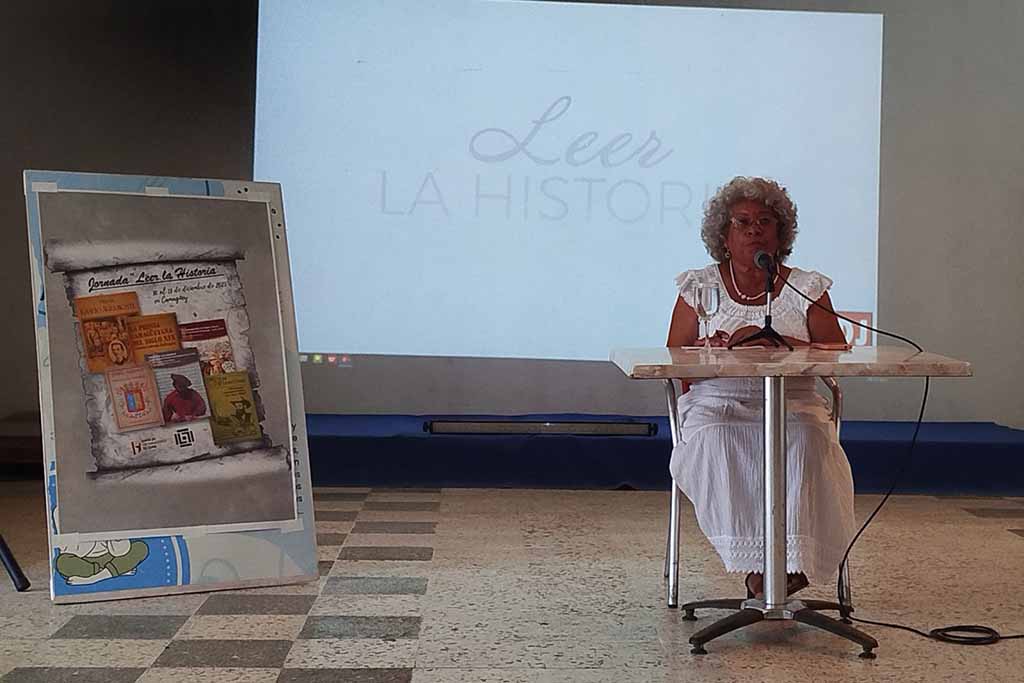
    An academic gathering of historians and researchers in Cuba has initiated a profound reevaluation of national heroine Mariana Grajales Cuello’s historical significance. The event commenced with a groundbreaking presentation by Dr. Damaris Amparo Torres of the University of Oriente, titled “From Mariana Grajales’ Lineage,” which challenged conventional historical narratives.

    Dr. Torres, a distinguished Santiago historian, identified a persistent pattern in Cuban historiography where Grajales’ monumental contributions have been consistently overshadowed by the fame of her sons, particularly independence hero Antonio Maceo. The academic emphasized the critical need to restore Grajales’ autonomous historical agency and recognize her distinct legacy separate from her familial connections.

    The presentation documented how post-revolutionary scholarship began rectifying this historical imbalance, citing pivotal works like “Mariana Grajales: 200 Years in History and Memory” as instrumental in establishing her proper historical standing.

    With meticulous academic rigor, Torres corrected longstanding biographical inaccuracies, definitively establishing Grajales’ birthdate as July 12, 1815, in Santiago de Cuba—a fact verified through baptismal records preserved at the Church of Santo Tomás Apostle. The researcher conclusively refuted theories suggesting Dominican origins, firmly reestablishing Grajales’ authentic Cuban heritage.

    The symposium further explored Grajales’ remarkable personal narrative as a mestizo woman who demonstrated extraordinary resilience after early widowhood. Despite confronting systemic discrimination and lacking formal education, she forged a new family with patriot Marcos Maceo, raising ten children who would predominantly dedicate their lives to Cuba’s independence struggle.

    Fernando Miguel Manzo Alonso, president of the Union of Historians of Cuba (UNHIC) in Camagüey, formally inaugurated the event. The location held particular historical significance as the province that hosted the first Constitution of the Republic in Arms in 1869, providing appropriate context for Grajales’ revolutionary legacy.

  • Series of Community Emergency Response Teams Training and assistance to Barbuda

    Series of Community Emergency Response Teams Training and assistance to Barbuda

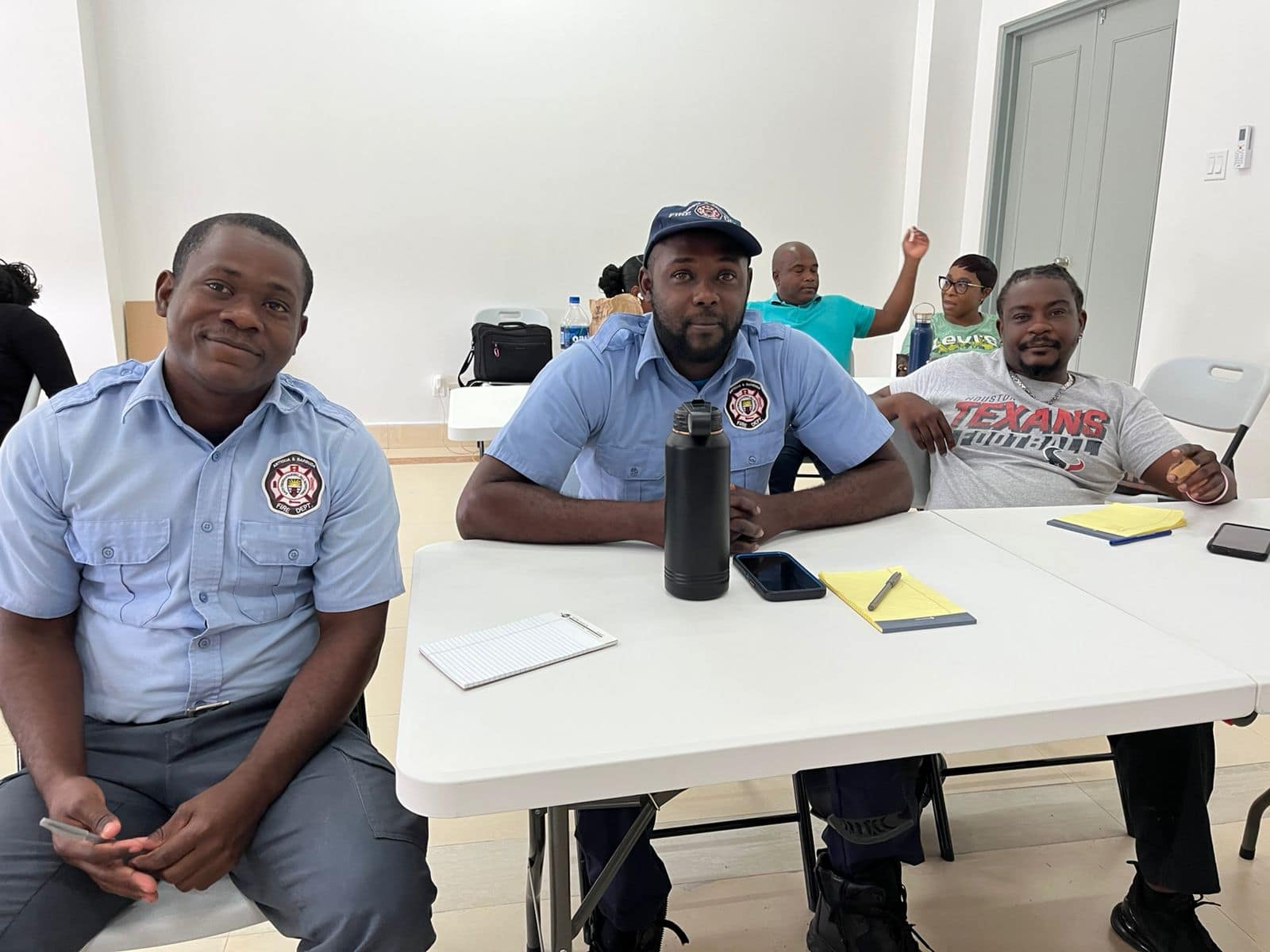
    The National Office of Disaster Services (NODS) is significantly amplifying its disaster preparedness capabilities through an extensive volunteer training initiative. A cohort of 25 participants from diverse districts is currently undergoing an intensive four-day Community Emergency Response Team (CERT) program, which commenced this Monday at NODS facilities.

    This comprehensive training curriculum equips community members with vital skills to provide critical assistance during emergencies before professional first responders arrive. The program encompasses essential modules including advanced disaster management protocols, fire safety techniques, search and rescue operations, and telecommunications training with emphasis on VHF radio systems.

    The current session represents the latest phase in NODS’ ongoing capacity-building campaign. Previous initiatives included a November training conducted over three consecutive weekends, followed by a specialized one-week certification program in Barbuda that successfully trained 20 participants last week.

    During the Barbuda deployment, NODS Director Sherrod James convened with key Barbuda Council representatives to reinforce institutional collaboration. The strategic meeting included Council Chairman John Mussington, Health and Disaster responsible chairman Wayde Burton, and Council Secretary Ann Cannegieter. This dialogue focused on enhancing council members’ disaster management capabilities and strengthening bilateral coordination mechanisms.

    Concurrently, NODS technical staff operationalized the newly constructed Barbuda Disaster Office by provisioning essential equipment and emergency supplies, ensuring the facility is fully equipped to handle crisis situations. This multi-faceted approach demonstrates Antigua and Barbuda’s proactive strategy in building community-level resilience against natural disasters and emergencies.

  • FAO Ends Six-Day Mission Boosting Protected Agriculture and Water Management Systems

    FAO Ends Six-Day Mission Boosting Protected Agriculture and Water Management Systems

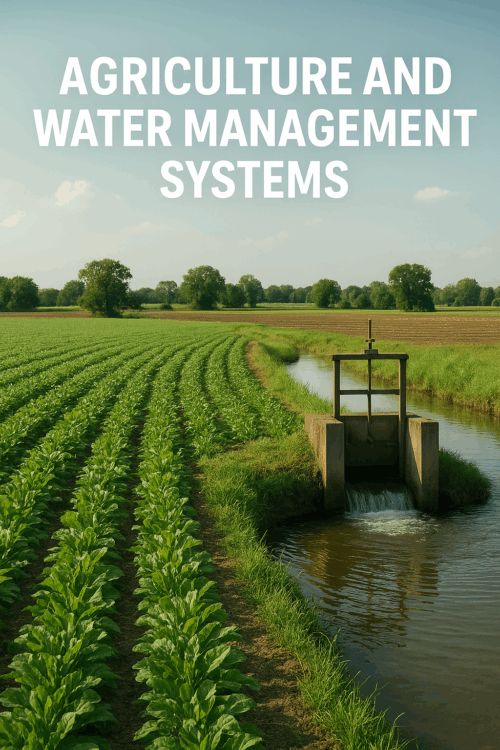
    A comprehensive United Nations Food and Agriculture Organization (FAO) technical mission has successfully concluded in Antigua and Barbuda, marking a significant advancement for the nation’s agricultural sustainability efforts. The six-day initiative, formally designated TCP/ANT/4001 (D) and focused on Sustainable Water Management and Access for Better Production, involved intensive field assessments and collaborative engagements with national stakeholders.

    Spearheaded by Dr. Omardath Maharaj, an Agri-Business Finance Specialist, the mission partnered closely with the Ministry of Agriculture, Lands, Fisheries and the Blue Economy (MALFBE) and the Department of Environment. The primary objectives were to conduct a thorough evaluation of existing protected agriculture production systems, identify opportunities for enhancing water-use efficiency, and develop frameworks for future strategic investments.

    The technical team conducted detailed on-site evaluations at six protected-crop farms across the nation. These assessments meticulously analyzed critical operational areas, including current water management practices, the performance of existing infrastructure, the efficiency of production cycles, and the identification of key constraints hindering optimal productivity.

    The data gathered from these farm visits has been synthesized to form the foundation for five detailed business case models. These models are designed to provide empirical support for national policy formulation and to enhance the financial sustainability and investment appeal of the protected agriculture sector.

    Beyond data collection, the mission included a dedicated half-day training workshop for local extension officers, technical staff, and farmers. The session offered practical guidance on essential business skills, emphasizing systematic record-keeping, improved financial literacy, and the adoption of data-driven decision-making processes to boost farm management and profitability. Participants widely praised the initiative, highlighting the critical need for such structured support.

    The mission culminated in a formal debriefing session with senior national representatives, including Director of Agriculture Mr. Gregory Bailey and Permanent Assistant Secretary Mrs. Denise Matthias-Thomas. Dr. Maharaj presented the mission’s preliminary findings, outlined a series of emerging strategic recommendations, and detailed the subsequent steps for finalizing a comprehensive report.

    Key deliverables achieved by the mission comprise complete data sets from all six assessed farms, the concluded training session, the strategic debriefing with partners, and a structured outline for the final report. This foundational work equips Antigua and Barbuda with a robust platform to revolutionize its protected agriculture sector, significantly improve water resource management, build greater resilience against climate variability, and attract vital investment.