分类: society

  • Kalinago Council Challenges ESIA Consultation Claims on Deux Branches Quarry

    Kalinago Council Challenges ESIA Consultation Claims on Deux Branches Quarry

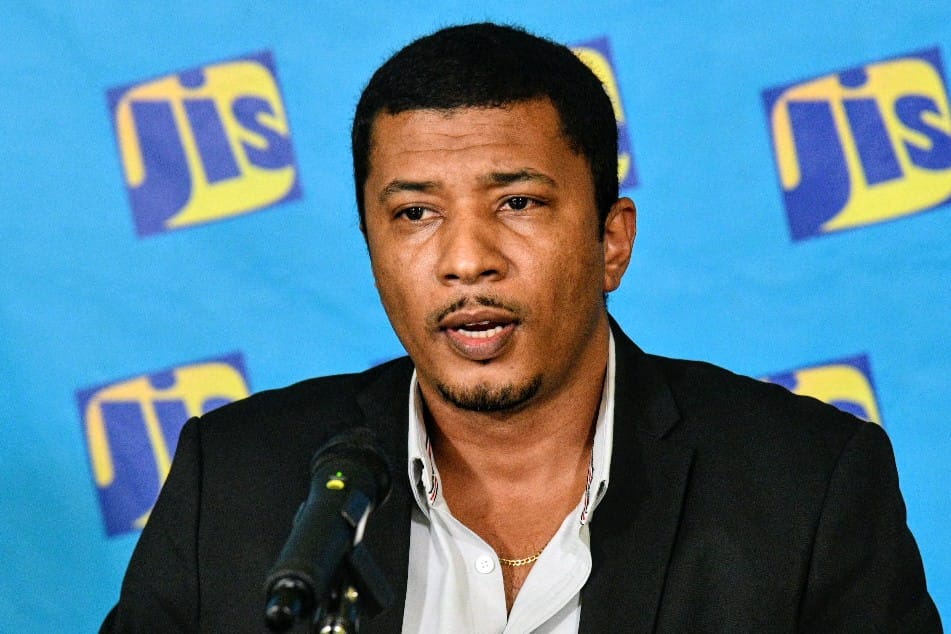
    Kalinago Chief Annette Sanford has formally refuted assertions that her Council participated in consultations for the Environmental and Social Impact Assessment (ESIA) concerning the proposed Deux Branches quarry. This development project is intrinsically linked to Dominica’s ongoing international airport initiative. Through an official statement disseminated via her Facebook platform, Sanford highlighted escalating apprehensions regarding governmental transparency and community involvement in pivotal decision-making processes.

    Sanford clarified that while the Kalinago Council was nominally identified as a stakeholder in the June 2025 ESIA documentation, no substantive consultations were ever conducted. This position was corroborated through discussions with former Chief Lorenzo Sanford, who confirmed that no deliberations regarding quarry operations occurred during his administration either. The extent of governmental engagement with the current Council comprised a solitary email from the Physical Planning Division dated March 3, 2026, and a meeting with Parliamentary Representatives on January 22, 2026—both of which yielded no meaningful dialogue or substantive outcomes.

    The ESIA documentation has emerged as a focal point of contention within the community. The activist organization Save Deux Branches spearheaded a months-long campaign demanding public accessibility to these critical documents. Their efforts were necessitated by the government’s initial provision of merely three physical copies in Roseau, accompanied by severely restricted viewing hours. Notably, no copies were allocated to the Kalinago Territory despite the quarry’s geographical proximity and its potential adverse effects on the indigenous community. Consequently, activists undertook independent scanning and distribution of the documents to ensure broader public access.

    Substantive criticisms of the ESIA include discrepancies between different report versions, inconsistencies in geographical mapping that erroneously incorporate areas within the Northern Forest Reserve, and the conspicuous absence of accredited experts or comprehensive scientific evaluations. Detractors further note the report’s failure to acknowledge international treaties safeguarding indigenous rights, particularly the Escazú Agreement and ILO Convention 169. Additionally, the assessment neglects to adequately incorporate principles of free, prior, and informed consent—a fundamental requirement for indigenous communities.

    Chief Sanford expressed gratitude to community members who facilitated the delivery of an ESIA copy to the Kalinago Council office, enabling resident access between 9 a.m. and 4 p.m. on weekdays. She emphasized that despite repeated communications directed to various ministries and governmental leaders, the Council remained systematically excluded from meaningful participatory dialogue.

    This dispute underscores pervasive issues of transparency and accountability within Dominica’s development paradigm. For the Kalinago Territory, the controversy represents a critical test case regarding the equitable balance between national infrastructure ambitions and the imperative of respecting indigenous rights. Community organizations are urging citizens to thoroughly review the ESIA and submit formal feedback to the Physical Planning Division prior to the March 30, 2026 deadline, framing this process as a referendum on environmental stewardship and indigenous inclusion in national development strategies.

  • Missing woman traced

    Missing woman traced

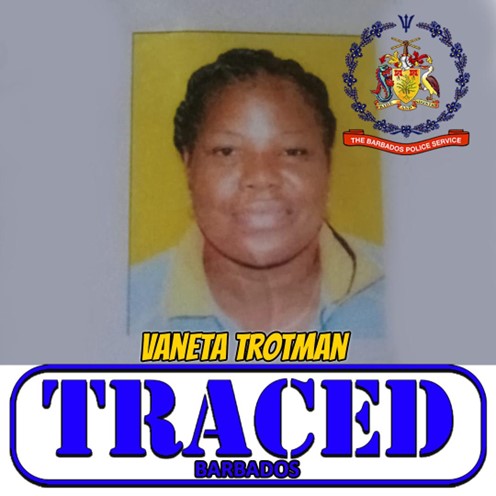
    Barbados law enforcement officials have successfully concluded a missing person investigation with the safe location of Vaneta Trotman, a 52-year-old resident of Rockhampton Road in the Grazettes area of St. Michael. The search, which commenced after Trotman was reported missing last Friday, reached a positive resolution when authorities confirmed her safety and wellbeing. The Barbados Police Service has formally expressed gratitude to both the general public and media outlets for their cooperative efforts and valuable assistance throughout the investigation. While specific details regarding the circumstances of her disappearance and subsequent recovery remain undisclosed to protect her privacy, authorities have emphasized the critical role that community engagement played in the successful outcome of this case. The incident highlights the effectiveness of collaborative efforts between law enforcement and citizens in addressing community safety concerns.

  • Escaped prisoner surrenders to police

    Escaped prisoner surrenders to police

    A 22-year-old inmate who briefly evaded authorities in Barbados is now back in police custody following a voluntary surrender. Jadon O’Neal Branker, a resident of 6th Avenue, Kendal Crescent in Christ Church, turned himself in at the Oistins Police Station on Saturday, just one day after his escape from judicial premises.

    The incident began on Friday when Branker managed to escape while being processed at the Oistins Magistrates’ Court. Following the breach, the Barbados Police Service promptly issued a public bulletin seeking assistance in locating the fugitive.

    In a statement released after the suspect’s surrender, law enforcement officials confirmed that Branker is currently cooperating with ongoing investigations regarding his temporary escape. The police department extended formal gratitude to both media outlets and the general public for their swift response and collaborative efforts that contributed to resolving the situation.

    While specific details surrounding the escape methodology remain under investigation, authorities have emphasized that court security protocols are being reviewed to prevent similar incidents. The case highlights the continuing challenges faced by Caribbean judicial systems in maintaining secure prisoner transportation and processing procedures.

  • STATEMENT: Health Ministry – Tribute to the life and service of Dr. Jennifer Davina Elwin 6 May 1951 – 11 March 2026

    STATEMENT: Health Ministry – Tribute to the life and service of Dr. Jennifer Davina Elwin 6 May 1951 – 11 March 2026

    The Commonwealth of Dominica’s medical community and public service sector are united in grief following the passing of esteemed physician Dr. Jennifer Davina Elwin. The Ministry of Health, Wellness and Social Services has officially confirmed the death of the renowned doctor, who dedicated her life to serving the nation’s healthcare needs from May 6, 1951, until her passing on March 11, 2026.

    Dr. Elwin’s remarkable career spanned decades of exemplary service within Dominica’s healthcare system, where she established herself as a pillar of medical excellence and compassionate patient care. Her contributions extended beyond clinical practice to include mentorship of younger medical professionals and advocacy for improved healthcare infrastructure throughout the island nation.

    The Ministry’s statement emphasizes that Dr. Elwin’s legacy transcends her professional achievements, noting her profound impact on public health initiatives and community wellness programs. Her work significantly advanced healthcare accessibility in both urban and rural communities, earning her widespread respect among colleagues and patients alike.

    As tributes pour in from across the Caribbean medical fraternity, officials acknowledge the irreplaceable void left in Dominica’s healthcare landscape. The Ministry has pledged to honor her memory through continued advancement of the medical standards and compassionate care principles she championed throughout her distinguished career.

  • School shock

    School shock

    A Canadian mother’s relocation to Jamaica has unveiled disturbing allegations of systematic corporal punishment and financial extortion within the island’s educational institutions, triggering nationwide scrutiny of child protection policies. The anonymous parent reported both her sons—grades one and six—endured physical abuse from teachers including hitting with objects, pinching, slapping, and coercive monetary fines for minor classroom infractions.

    The younger child developed severe anxiety requiring multiple school transfers within a year, each new environment replicating the same patterns of violence. Despite formal complaints to administrators, the mother observed diminishing responses, with teachers merely switching from objects to hands for physical discipline. One traumatic incident involved her son soiling himself after being denied bathroom access as retaliation for reporting abuse.

    Jamaica’s Ministry of Education withheld comment pending verification, while the Child Protection and Family Services Agency (CPFSA) confirmed an ongoing investigation. The mother rejected cultural relativism arguments, emphasizing: “Schools should be safe havens for children who already face hardships at home.”

    This case highlights Jamaica’s conflicted legal stance. While the 2004 Child Care and Protection Act prohibits cruelty, it doesn’t fully ban corporal punishment, particularly in homes. Though restricted in early childhood institutions and discouraged in public schools, no comprehensive legal prohibition exists. Prime Minister Andrew Holness first proposed amending the Education Act in 2017, with renewed commitments in 2024 through the National Violence Prevention Commission.

    Statistical context reveals alarming trends: 698 physical abuse reports occurred in 2024’s first two months, continuing an upward trajectory from 3,405 incidents in 2023 to 3,792 in 2025.

    UNICEF Jamaica reports 80% of children aged 1-14 experience violent discipline. Representative Olga Isaza recently emphasized: “Corporal punishment violates dignity and protection rights. Reducing national violence begins in homes and classrooms.” The National Parent-Teacher Association president Stewart Jacobs joined calls for immediate legislative action, stating: “Teachers should never lay hands on children. This cat must be belled.”

    Both CPFSA and UNICEF advocate for positive parenting programs and non-violent disciplinary alternatives, underscoring Jamaica’s obligation under the UN Convention on the Rights of the Child to protect children from degrading treatment.

  • Jamaican policeman in TCI arrested after ammo found in luggage

    Jamaican policeman in TCI arrested after ammo found in luggage

    A serving officer within the Royal Turks and Caicos Islands Police Force (RT&CIPF) has been taken into custody following the interception of multiple rounds of ammunition concealed within his personal luggage at the Howard Hamilton International Airport. The discovery was made on Saturday during standard security screening procedures.

    According to an official statement released by the RT&CIPF, airport security personnel identified the ammunition during an X-ray inspection, immediately prompting notification to police authorities. Subsequent to the airport find, investigators executed a search warrant at the officer’s private residence, where they uncovered additional ammunition rounds.

    The individual, identified as a Jamaican national and former member of the Jamaica Constabulary Force who recently transitioned to the RT&CIPF, now faces an active criminal investigation. Police authorities are working to determine the origins, intended purpose, and circumstances surrounding the possession of the ammunition.

    The RT&CIPF emphasized its institutional commitment to integrity in their official release, stating: “All officers are held to the highest standards of professionalism, accountability, and compliance within the law. Any breach, whether administrative or criminal, will be addressed in a fair, proportionate, and lawful manner.” The case highlights ongoing security challenges within Caribbean law enforcement agencies and the strict protocols governing firearm-related materials in the region.

  • The invisible ingredient

    The invisible ingredient

    Dr. Kareen Robinson’s veterinary career took an unforeseen trajectory that ultimately positioned her at the forefront of Jamaica’s food security efforts. Initially drawn to equine medicine during her studies at The University of the West Indies, St Augustine campus, her professional destiny was reshaped by a mandatory externship at Jamaica Broilers that revealed the profound interconnectedness of animal health, agricultural systems, and national food security.

    Twelve years later, Dr. Robinson serves as senior poultry veterinarian at The Best Dressed Chicken Field Operations, where her responsibilities encompass far more than animal health. Her portfolio spans animal welfare protocols, biosecurity measures, sanitation standards, environmental management, production efficiency optimization, and the critical task of preventing avian influenza from reaching Jamaican shores. While a subsequent externship in Florida honed her clinical skills, she attributes her expertise to hands-on field experience gained through extensive farm visits under diverse conditions.

    Beyond technical proficiency, Dr. Robinson emphasizes the human dimension of her work. ‘Sometimes the hardest part of the job isn’t the birds,’ she notes. ‘It’s being there for the people.’ She describes farm life as demanding in ways that metrics cannot capture, requiring emotional availability and interpersonal skills that formal training often overlooks. Communication, she asserts, represents the most critical competency in her role—the ability to ask pertinent questions and convey information effectively prevents misunderstandings that could compromise entire operations.

    Despite operating largely outside public awareness—many Jamaicans remain unaware that veterinarians oversee poultry production—Dr. Robinson’s work occupies a crucial intersection between agriculture and public health. Her team maintains constant vigilance, with chick placements occurring multiple times weekly and around-the-clock readiness for emerging challenges. The physical demands include inspecting housing systems, analyzing ventilation data, monitoring trends, collecting samples, and collaborating with farmers managing complex operational pressures.

    Currently, avian influenza prevention dominates Dr. Robinson’s priorities. Though Jamaica has reported no local cases, she maintains a proactive stance, treating the threat as imminent. ‘There’s no cure. Prevention is everything,’ she states. Her strategy involves meticulous documentation of seasonal variations, performance fluctuations, and operational adaptations to climate changes and global outbreaks. This data-driven approach creates an institutional memory that enables predictive action rather than mere reaction. ‘Data speaks more than anything else,’ she explains. ‘It shows you the gaps and where you need to improve.’

    For students considering similar paths, Dr. Robinson offers candid advice: prioritize passion over financial incentives. Her unexpected journey from horse enthusiast to poultry specialist demonstrates how vocational detours can lead to impactful careers addressing fundamental societal needs.

  • Consumers urged to report price gouging on eggs

    Consumers urged to report price gouging on eggs

    Jamaican authorities are mobilizing consumers to act as watchdogs against exploitative egg pricing, as the nation’s agricultural sector continues its fragile recovery from devastating hurricane damage. Kevin Condappa, Principal Director of the Agricultural Marketing Information and Incentives Branch (AMIIB), has issued a public appeal for citizens to report instances of suspected price gouging, particularly in western parishes where distribution networks remain compromised. The Ministry of Agriculture, Fisheries and Mining has established dedicated reporting channels, including a direct phone line and social media platforms, to gather intelligence on excessive pricing. This information will be forwarded to the Consumer Affairs Commission (CAC) for formal investigation and potential enforcement action. The call for vigilance comes amid a gradual stabilization of egg supplies following catastrophic losses to the island’s poultry industry. Hurricane Melissa’s October passage eliminated over 50% of layer hens, compounding damage sustained from Hurricane Beryl just three months prior. In response, the government initiated emergency egg imports with support from the Jamaica Egg Farmers Association, acknowledging domestic production could not meet demand. While supplies show steady improvement, Condappa cautions that full recovery requires significant time due to layers’ extended biological cycle—a process taking several months from hatching to full production, compared to mere weeks for broiler chickens. The Ministry continues weekly monitoring of production metrics as the sector rebuilds.

  • Paralegal files lawsuit over alleged rights breaches

    Paralegal files lawsuit over alleged rights breaches

    In a significant legal development, Jamaican paralegal Ruth Kelly-Spencer has initiated a comprehensive lawsuit against seven parties including the Police Commissioner and the Government, alleging multiple violations of her constitutional rights. The Supreme Court claim, filed in February, seeks substantial damages for false imprisonment, malicious prosecution, and systemic breaches of her fundamental freedoms.

    The case originates from a complex legal saga dating back to 2012, when Kelly-Spencer, alongside attorney Sean Kinghorn and farmer Linton Campbell, faced allegations of conspiring to fabricate a will for an elderly returning resident in 2008. While forgery charges were subsequently dropped by prosecutors, the conspiracy to defraud allegations continue to proceed through the judicial system.

    Defendants named in the civil action include a grand-niece of the deceased client, a minister of religion, three police officers (including a detective from the disbanded Counter Terrorism and Organised Crime Investigation Branch), the police commissioner, and the attorney general. The religious figure and family member previously served as complainants in the ongoing criminal matter.

    Central to Kelly-Spencer’s allegations is her claim of being unlawfully detained for twelve hours at C-TOC headquarters in July 2012, during which she was formally charged before eventually being released on bail. Her lawsuit contends that investigating officers ‘weaponized the justice system’ to achieve an unjust outcome, thereby depriving her of constitutional protections against arbitrary detention and entitlement to fair legal proceedings.

    The paralegal maintains that the malicious prosecution was instigated by the grand-niece and religious leader who allegedly provided misleading information to investigators. She further asserts that authorities persisted with flawed handwriting analysis evidence even after initial expert testimony was disqualified, subsequently engaging overseas specialists to support their case.

    Kelly-Spencer reports suffering substantial personal and professional damages, including diagnosed depression, anxiety, and post-traumatic stress disorder. Medical documentation indicates impaired work functionality and consideration of abandoning her legal career entirely. Financial claims exceed $4 million Jamaican dollars for combined legal and medical expenses, plus additional transportation costs and comprehensive compensation for lost earnings and future damages.

    The criminal trial regarding conspiracy charges continues separately, with proceedings scheduled to resume in May. The case had previously been suspended in 2020 due to pandemic-related court closures under Chief Justice Bryan Sykes’ emergency orders, before recommencing when restrictions were lifted.

    Defendants retain the right to file responses within 42 days of formal service of the claim documents.

  • Hezron scales up ‘Save the Children’ tour to combat rising violence

    Hezron scales up ‘Save the Children’ tour to combat rising violence

    KINGSTON, Jamaica — In response to escalating youth violence across Jamaica, including a recent fatal stabbing at Ocho Rios High School, reggae musician Hezron Clarke is expanding his transformative “Save the Children” school tour nationwide. The initiative aims to provide positive musical alternatives to counteract the disturbing trends of violence among Jamaican youth.

    Clarke’s campaign, initially launched in collaboration with the Rotary Club of Liguanea Plains, has revealed alarming cultural gaps among younger generations. During preliminary tour stops, the artist discovered many students were experiencing reggae music and live band performances for the first time—a revelation Clarke described as both “heartbreaking” and “truly frightening.”

    The reggae advocate expressed deep concern about children becoming “cultural strangers to Jamaican identity” due to overwhelming exposure to mainstream popular music. Clarke argues that without early exposure to diverse musical genres, children’s tastes become shaped by “the loudest actor in the room” rather than by cultural heritage.

    This educational gap prompted a significant shift in the artist’s professional focus. While socially conscious reggae has traditionally found stronger commercial reception in European markets, Clarke is now redirecting marketing efforts and personal commitment toward domestic youth outreach. His single “Save the Children” experienced renewed relevance in Jamaica two years after its initial release when adopted by an NGO campaign, solidifying his dedication to local advocacy.

    “We must ensure children during their prime developmental window are exposed to conscious reggae,” Clarke stated, emphasizing the music fraternity’s collective responsibility. The tour resumes mid-April with planned visits to rural communities along Jamaica’s north coast, representing a strategic effort to reach underserved populations with positive musical influences.