分类: society

  • JDF says alleged actions of soldier contrary to core values

    JDF says alleged actions of soldier contrary to core values

    A member of the Jamaica Defence Force (JDF) is facing serious criminal charges following an incident involving the unauthorized discharge of a firearm in a public area on Christmas morning. Private Rushane Brown, a 30-year-old soldier from Comfort Hall, Manchester, was apprehended after allegedly firing shots into the air approximately at 5:15 am in St. Elizabeth.

    The incident came to light when an off-duty police officer witnessed the alleged firearm discharge and confronted the soldier. Following an investigation, Brown has been formally charged with multiple offenses including possession of a prohibited weapon, unauthorized possession of ammunition, and unlawful discharge of a firearm in a public space.

    In an official statement released Wednesday, the Jamaica Defence Force expressed strong disapproval of the alleged actions, emphasizing that such behavior contradicts the organization’s core values and professional standards expected of all personnel. The military institution explicitly stated that it does not tolerate unlawful, reckless, or irresponsible conduct by any members, regardless of whether they are on or off duty.

    The JDF has committed to full cooperation with the Jamaica Constabulary Force to ensure a thorough and transparent investigation process. Military officials reaffirmed their dedication to maintaining the highest standards of discipline and accountability, while assuring the public that incidents of this nature receive the most serious attention and appropriate disciplinary measures.


  • Friends for the Road and TTSPCA partner for Carnival 2026

    Friends for the Road and TTSPCA partner for Carnival 2026

    In an innovative fusion of cultural celebration and social responsibility, the acclaimed Che Lovelace-directed J’Ouvert band Friends for the Road (FFTR) has established a groundbreaking charity partnership with the Trinidad and Tobago Society for the Prevention of Cruelty to Animals (TTSPCA) for Carnival 2026.

    This collaboration transcends conventional sponsorship arrangements, representing a philosophical alignment between contemporary Carnival expression and compassionate community engagement. Founded by renowned artist Che Lovelace and his creative collaborators, FFTR has evolved into a movement that harmonizes J’Ouvert’s ancestral traditions with meticulously curated modern Carnival experiences.

    The multi-faceted partnership will feature co-branded awareness campaigns, strategic donation collection points at FFTR events, and collaborative promotional content highlighting TTSPCA’s vital animal welfare mission. This initiative reflects the band’s core ethos that Carnival fundamentally serves as a ritual of connection—to cultural heritage, community bonds, and social consciousness.

    Band representatives emphasized that selecting TTSPCA as their official charity partner naturally extends their belief that Carnival should positively impact the broader community. The collaboration creates innovative avenues for masqueraders and supporters to contribute to animal welfare through accessible, celebratory channels during Carnival festivities.

    TTSPCA leadership expressed enthusiasm for the partnership, recognizing the unprecedented platform to amplify public awareness, enhance community engagement, and support their ongoing rescue and rehabilitation operations nationwide. As Trinidad and Tobago’s sole open-admission animal shelter, TTSPCA provides critical services including temporary care for abandoned animals, low-cost spay/neuter programs, and collaborative educational initiatives with other NGOs.

    Both organizations envision this partnership extending beyond Carnival 2026 into future initiatives that simultaneously uplift communities, protect vulnerable animals, and strengthen Trinidad and Tobago’s cultural fabric. The collaboration demonstrates how traditional celebrations can evolve to incorporate meaningful social impact while maintaining their essential cultural character.

  • Traffic changes announced for Black River fireworks festival

    Traffic changes announced for Black River fireworks festival

    Authorities in St Elizabeth Parish, Jamaica, have announced comprehensive traffic management measures to ensure public safety during the annual Black River fireworks festival scheduled for December 31st. The Jamaica Constabulary Force has confirmed the implementation of strategic road closures and alternative routing systems effective from 8:00 AM on Wednesday.

    The intersection of High Street and Exchange Drive, along with the High Street and School Street junction, will be completely restricted to vehicular traffic. These critical access points will be exclusively reserved for pedestrian movement and authorized personnel throughout the event duration.

    Traffic diversion protocols have been meticulously planned to maintain smooth vehicular flow. Motorists traveling through Exchange Drive will be redirected northward onto Lovers Lane, subsequently connecting to Central Road. Similarly, vehicles approaching via School Street will be channeled northward along School Street Drive before merging onto Central Road and Lovers Lane.

    The St Elizabeth Police Division has emphasized the importance of public cooperation with traffic management personnel. These temporary measures aim to balance public safety requirements with minimal disruption to local transportation networks during the festive celebrations. Authorities encourage attendees to plan their routes accordingly and allow additional travel time to accommodate the implemented diversions.

  • Real fireworks curfew test

    Real fireworks curfew test

    As midnight celebrations approach, concerns mount over the effectiveness of fireworks restrictions despite official curfew measures. Gordon Laughlin, in a letter to Newsday editors, predicts widespread public noncompliance with established time limits, highlighting the perennial gap between regulation and real-world enforcement.

    The concise yet pointed correspondence, submitted electronically just 25 minutes prior to publication, questions the fundamental premise of time-based fireworks prohibitions. Laughlin’s observation centers on the predictable pattern of celebratory excess continuing well beyond mandated cutoff times, suggesting this year’s celebrations will follow the same trajectory of previous years.

    Enforcement capabilities rather than legislative frameworks emerge as the critical factor in determining the success of noise and safety regulations. The letter implies that without visible and consistent enforcement presence, even well-intentioned restrictions become merely symbolic gestures. This critique touches upon broader themes of civic responsibility, the psychology of public compliance, and the practical challenges of regulating celebratory behavior during communal events.

    The timing of this publication, appearing on the eve of celebrations, adds urgency to its message regarding the implementation of public safety measures during high-intensity celebratory periods.

  • Why we need more hope in 2026

    Why we need more hope in 2026

    As the year concludes with traditional exchanges of goodwill and personal resolutions, Dr. Jamelia Harris examines the profound role of hope as both individual virtue and collective societal force. While hope has long been recognized in theological contexts as an active motivator that sustains effort and prevents despair, its manifestation at the societal level represents a shared belief in achievable progress through combined efforts.

    Political strategists have consistently leveraged this powerful emotion, as evidenced by campaign slogans from Barack Obama’s “Yes We Can” to Donald Trump’s “Make America Great Again.” Trinidad and Tobago’s political landscape similarly reflects this pattern, with Dr. Keith Rowley’s 2015 “Let’s Do This” and Kamla Persad-Bissessar’s 2025 “When UNC wins, everybody wins” both tapping into collective optimism—though with varying degrees of credibility.

    Recent research across Caribbean labor markets reveals striking regional contrasts. During studies conducted with university students in Barbados, Guyana, Jamaica, and Trinidad, Guyanese students emerged as uniquely optimistic about post-graduation employment prospects. This sentiment aligns with Guyana’s extraordinary economic performance, including its world-leading 44% growth in national output during 2024. Beyond statistical indicators, conversations across Guyanese society—from taxi drivers to trade unionists—consistently reflected this collective confidence in a brighter future.

    Trinidad and Tobago presents a concerning counter-narrative where collective hope appears to be steadily diminishing. Labor market engagement has reached historic lows, with participation rates declining from 61.8% in 1984 to 55.1% currently. This trend is particularly pronounced among male workers, whose participation has plummeted from over 80% to just above 60%, while female engagement remains below 50% despite slight improvements.

    The erosion of collective engagement extends beyond economic spheres. Democratic participation has deteriorated significantly, with 2025 voter turnout hitting a record low of 54% compared to 66.8% in 2015. Simultaneously, civic engagement through charitable organizations has declined from 13.7% during 2005-2009 to 9.6% in the 2010-2014 reporting period according to World Values Survey data.

    These interconnected trends create a dangerous feedback loop: diminishing hope reduces collective engagement, which subsequently worsens socioeconomic conditions, further eroding hope. Breaking this cycle requires concerted national effort and serious engagement with fundamental questions about national identity, shared aspirations, resource allocation, and inclusive development strategies.

    Dr. Harris concludes with a hopeful aspiration for 2026: that Trinidad and Tobago might begin earnestly addressing these essential questions about its collective future.

  • FLA, JCF issue warnings against gun salutes ahead of New Year

    FLA, JCF issue warnings against gun salutes ahead of New Year

    Jamaican law enforcement agencies have launched a coordinated campaign to combat the dangerous tradition of celebratory gunfire during New Year’s Eve celebrations. The Firearm Licensing Authority (FLA) and Jamaica Constabulary Force (JCF) jointly announced stringent measures targeting individuals who engage in the illegal practice of firing weapons into the air.

    In official statements released Wednesday, both organizations emphasized that discharging firearms celebratory constitutes a severe violation of Jamaica’s Firearms Act. The FLA specified that licensed firearm holders participating in such activities will face immediate revocation of their licenses, permanent disqualification from future firearm ownership, and potential criminal prosecution.

    The legal consequences for offenders are substantial, with penalties reaching up to three years imprisonment or fines exceeding $3 million Jamaican dollars. Authorities highlighted the grave public safety risks associated with falling bullets, which have historically caused injuries, property damage, and fatalities during holiday celebrations.

    Police representatives reinforced their zero-tolerance stance, vowing to prosecute all individuals involved in or facilitating celebratory gun salutes to the fullest extent of the law. The JCF emphasized that ballistic evidence collected from crime scenes will be used to trace weapons back to their owners, regardless of whether injuries occurred.

    Both agencies have established multiple reporting channels, urging citizens to immediately contact the 119 emergency number or their nearest police station to report incidents of illegal gunfire. The FLA additionally reminded licensed firearm owners of their continuous legal responsibility for proper weapon storage and usage throughout the holiday period.

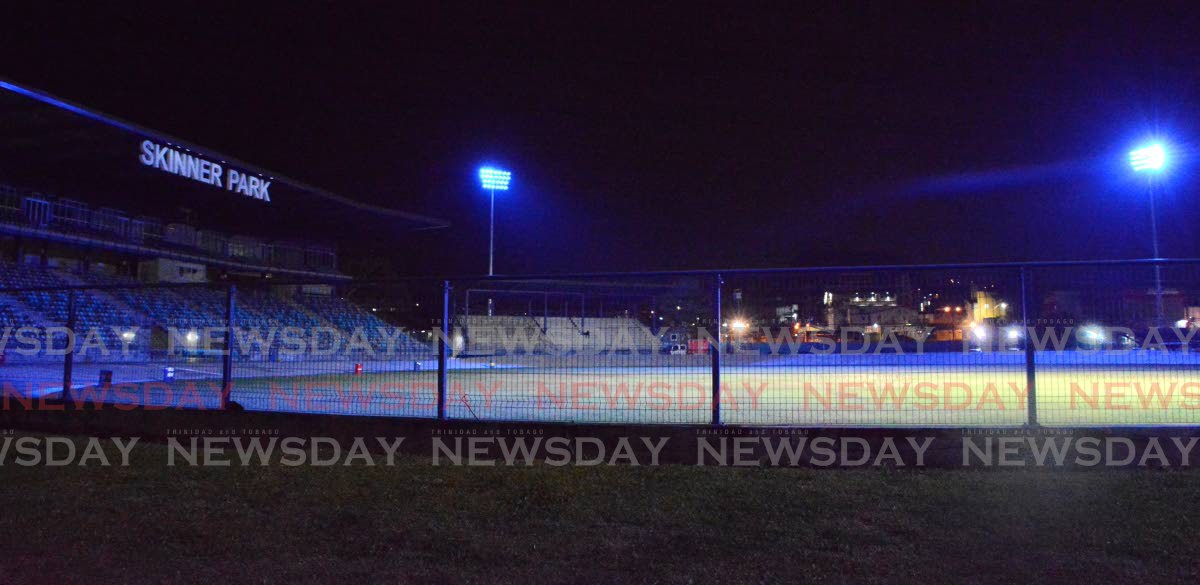
  • Some residents not affected by parties: Xperience moves to Skinner Park

    Some residents not affected by parties: Xperience moves to Skinner Park

    Trinidad and Tobago’s Carnival 2026 preparations have encountered significant logistical challenges following the government’s abrupt prohibition of entertainment events at major venues. Prime Minister Kamla Persad-Bissessar announced on November 12 an immediate ban on fetes at Brian Lara Cricket Academy, citing noise pollution concerns raised by neighboring communities. The administration subsequently extended restrictions to Hasely Crawford Stadium and Jean Pierre Complex, compelling event organizers to urgently seek alternative locations.

    Sheldon Stephen, prominent entrepreneur and organizer of the acclaimed Xperience Fete, has been forced to relocate his signature event to Skinner Park in San Fernando. As head of Lollabee Group of Companies, Stephen expresses particular concern for residents near the new venue, noting that Skinner Park potentially places spectators closer to residential areas than the previous Brian Lara Cricket Academy location.

    Renowned for innovative stagecraft featuring proscenium arch designs, pyrotechnics, 3D monuments, and advanced LED technology, Stephen’s Xperience Fete typically attracts 12,000-15,000 attendees. Despite the venue change, Stephen anticipates maintaining comparable attendance numbers for the January 17 event, which will commence at 3 AM.

    The organizer has diligently followed all regulatory protocols, including obtaining approval from the Environmental Management Authority and adhering to noise restriction policies. Stephen emphasizes the event’s southern identity, confirming that while this year’s celebration will remain in southern Trinidad, future editions may require additional venue considerations.

    Local residents near the originally prohibited venue expressed mixed reactions to the government’s decision. A 65-year-old Tarodale community resident described the cancellations as “an overdone hate game,” asserting that the music never disrupted her sleep patterns. Similarly, 73-year-old Lystra Martinez reported minimal disturbance from previous events.

    However, the restrictions have adversely affected local performers like Tekel Sylvan, a stilt walker whose revenue has significantly decreased without the regular events at Brian Lara Cricket Academy. Sylvan notes that the proximity of the previous venue allowed him to avoid transportation costs and secure consistent bookings, which have notably diminished since the implementation of the ban.

  • Guyana to launch national consultation on children’s screen time and social media misuse

    Guyana to launch national consultation on children’s screen time and social media misuse

    GEORGETOWN, Guyana — The Guyanese government has announced plans to initiate a comprehensive national consultation in January focusing on the escalating challenges of social media misuse and its profound effects on youth development and family dynamics. President Irfaan Ali revealed this initiative during a recent dialogue with students, emphasizing that the process aims to develop nuanced solutions rather than impose restrictive measures.

    President Ali clarified that the government’s objective isn’t to limit digital platforms but to cultivate informed strategies through inclusive public participation. “I intentionally avoid the term ‘restricting’ social media,” Ali stated. “We want this consultation to guide our approach.” A specialized task force is currently being formed, with the President personally examining international regulatory frameworks from Australia, Germany, the European Union, and the United Kingdom to identify policy options compatible with Guyana’s unique socio-cultural landscape.

    The President highlighted the global recognition of misinformation and digital overconsumption as critical issues, referencing the United Nations’ declaration of a “misinformation and disinformation pandemic.” He stressed that social media platforms themselves aren’t inherently problematic, but their misuse requires urgent attention.

    Ali shared compelling anecdotes from parents concerned about children’s excessive screen time, including one instance where a child stealthily retrieved a confiscated device in the middle of the night. “As parents, we universally struggle with managing digital engagement,” the President acknowledged, recounting conversations with technology executives in Silicon Valley who reportedly limit their own children’s device usage despite working in the industry.

    The consultation process will actively involve families, youth organizations, religious institutions, and community groups to develop collaborative solutions. President Ali emphasized that effective policy must rest on education, shared responsibility, and consensus rather than mere enforcement. The government intends to use these consultations to shape balanced, inclusive measures that protect children while enhancing societal well-being in an increasingly digital era.

  • US-Venezuela tensions, price hike on drinks, smokes: Hard times for Carnival

    US-Venezuela tensions, price hike on drinks, smokes: Hard times for Carnival

    As the Christmas season concludes, Trinidad and Tobago prepares for its iconic Carnival 2026 amidst unprecedented challenges that threaten to diminish its traditional scale and vibrancy. The festival, typically a burst of cultural celebration, confronts a perfect storm of economic pressures and international tensions that cast uncertainty over its execution.

    The Trinidad Carnival Bands Association (TTCBA) maintains that preparations are proceeding with determination. President Mark Ayen confirmed that construction of essential infrastructure like the North Stand and main stages is underway, while pan events have already seen successful runs. Despite acknowledging geopolitical concerns, Ayen emphasized that the organization is moving forward based on available information, noting continued inquiries about the event.

    A significant financial burden has emerged from the government’s recent budget measures. Finance Minister Davendranath Tancoo announced a doubling of duties on alcohol and tobacco, substantially raising costs for band operators. Petle Claverie, leader of medium-sized band Petle Mas, explained that bands face unavoidable financial strain since costume prices were set months before the tax announcement. This leaves bands with no choice but to absorb these unexpected costs rather than passing them to consumers.

    Claverie detailed how bands are implementing mitigation strategies, including considering more economical beverage brands and tighter management of road drink distribution. He noted that medium and small bands are particularly vulnerable to these market shocks due to limited sponsor support compared to larger competitors.

    The geopolitical tension between Venezuela and the United States presents another concern. While Claverie’s band reports no cancellations from its primarily local membership with foreign participants connected through family networks, he expressed worry about last-minute international travelers who might opt for alternative carnivals in Miami or other global locations that have adopted Trinidad’s Carnival model.

    Adding to the challenges, bandleader Leo Lakhan of Antourage Productions revealed a 20% decrease in registrations compared to typical years, attributing this decline to economic pressures and newly emerging customs delays for imported materials. Despite these obstacles, Lakhan joined cultural advocates in calling for national participation, emphasizing that Carnival remains an essential part of Trinidad’s cultural identity that deserves preservation through current difficulties.

    Contrasting with these concerns, Minister of Culture and Community Development Michelle Benjamin has publicly predicted Carnival 2026 will be a bumper season, creating a divergence between official optimism and grassroots realities facing band operators and participants.

  • ‘Arrive alive’

    ‘Arrive alive’

    Jamaican authorities are declaring a state of emergency on road safety following a distressing surge in traffic fatalities that claimed 373 lives in 2025. This represents a three percent increase from the previous year’s death toll of 365, pushing the national crisis to unprecedented levels according to transport officials.

    The Island Traffic Authority (ITA) is launching an aggressive public education campaign targeting reckless drivers through strategic media partnerships. Retired Colonel Daniel Pryce, Director General of Road Traffic, expressed particular concern about persistent speeding and improper overtaking behaviors that continue to plague Jamaican roadways despite ongoing safety efforts.

    In a significant shift toward long-term behavioral change, the 2026 road safety strategy will prioritize educational programs in schools, recognizing that today’s students will become tomorrow’s drivers. This generational approach aims to fundamentally reshape attitudes toward road usage before dangerous habits become ingrained.

    Transport Minister Daryl Vaz characterized the situation as having reached ‘crisis stage,’ noting that road fatalities have now surpassed murder rates as Jamaica’s most pressing safety concern. The ministry plans to give the issue special priority throughout the coming year.

    The comprehensive strategy will intensify existing measures while forging new institutional partnerships to reinforce safety messages. Authorities are making a concerted appeal to all road users to exercise greater patience, adhere to speed limits, and avoid driving under the influence of alcohol. As Pryce emphatically stated, ‘It’s better to arrive alive’—a sentiment echoing through Jamaica’s renewed commitment to ending roadway carnage.