分类: society

  • Sections of communities in Westmoreland now have light

    Sections of communities in Westmoreland now have light

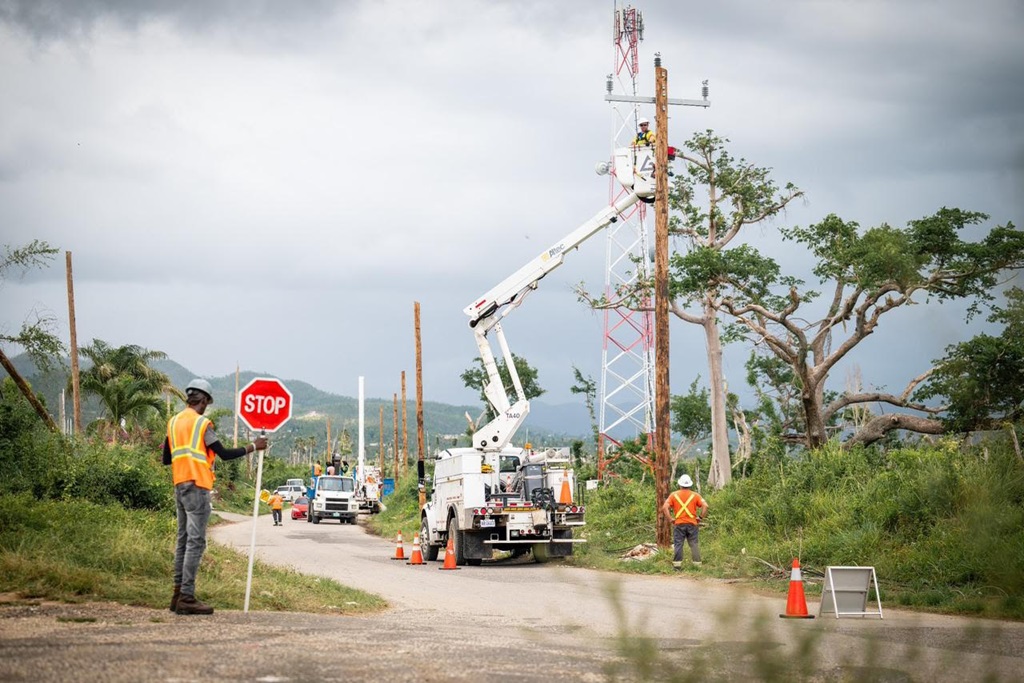
    A significant infrastructure milestone has been achieved in Westmoreland Parish with the successful energization of dedicated power lines servicing the National Water Commission’s (NWC) Roaring River Pump. This critical development has reinstated electrical service to numerous households across the Petersfield, Waterworks, and Shrewsbury Falls districts, marking a pivotal step in ongoing recovery efforts.

    The complex engineering endeavor, finalized last week following rigorous system validation tests, involved the comprehensive reconstruction of an extensive electrical corridor. Crews from the Jamaica Public Service Company (JPS) meticulously rebuilt over ten miles of transmission infrastructure, stretching from the central power source at the Paradise substation directly to the NWC’s vital pumping facility. The monumental scale of the project demanded the dedicated expertise of more than 100 linemen working tirelessly to ensure its timely completion.

    This achievement represents a dual victory, restoring not only power to residents but also securing the operational capacity of a crucial piece of water management infrastructure. The Jamaica Public Service Company has confirmed that its teams remain actively deployed throughout the parish, continuing their dedicated work to rebuild and strengthen the local electricity network to reach remaining affected customers in surrounding communities.


  • Judge had no authority to order probe of NGC audit on cricket board, senior lawyer tells Appeal Court

    Judge had no authority to order probe of NGC audit on cricket board, senior lawyer tells Appeal Court

    The Trinidad and Tobago Court of Appeal has deferred its judgment regarding a complex legal battle over cricket governance following January 20 proceedings that addressed both an appeal and cross-appeal. This judicial review stems from a January 2020 High Court decision involving former West Indies cricketer Dinanath Ramnarine and the Trinidad and Tobago Cricket Board (TTCB).

    Justice Frank Seepersad’s original ruling had largely dismissed Ramnarine’s broader legal challenge while mandating the establishment of an independent investigative committee to examine financial concerns identified in a National Gas Company (NGC) audit covering 2014-2016 sponsorship funds. The TTCB contested this investigative order, while Ramnarine cross-appealed regarding constitutional interpretation of voting eligibility provisions.

    During appellate arguments, TTCB’s lead counsel Fyard Hosein, SC, contended that Justice Seepersad exceeded jurisdictional boundaries by ordering investigation of an internal NGC document never formally provided to the cricket board. Hosein emphasized practical futility since NGC had refused to release the report and raised concerns about potential bias if Ramnarine participated directly in any investigative committee.

    Conversely, Ramnarine’s attorney Kiel Taklalsingh argued for strict constitutional compliance, maintaining that affiliate organizations failing to submit required financial statements and minutes should be disenfranchised from voting processes. Taklalsingh characterized cricket as a sport of national importance requiring rigorous governance standards and defended the investigative order as within the court’s supervisory jurisdiction.

    The three-judge panel comprising Chief Justice Ronnie Boodoosingh and Justices Mira Dean-Armorer and Ricky Rahim reserved judgment after considering arguments from both legal teams. The outcome promises significant implications for sports governance standards and constitutional interpretation within Trinidad and Tobago’s sporting institutions.

  • Green lauds farmers for rapid recovery of agricultural crops

    Green lauds farmers for rapid recovery of agricultural crops

    KINGSTON, Jamaica—Jamaica’s agricultural landscape demonstrates extraordinary resilience as Minister of Agriculture, Fisheries and Mining Floyd Green reveals a surprising surplus of vegetable crops merely three months after Hurricane Melissa’s devastating passage. The category-five hurricane had previously decimated some of the nation’s most productive farming regions, yet current production data indicates not just recovery but excess availability across multiple crop varieties.

    During a January 20 press briefing at the ministry’s Hope Gardens headquarters, Minister Green highlighted the impressive agricultural rebound, particularly noting substantial overproduction in yellow squash, cucumbers, cauliflower, lettuce, pak choi, zucchini, carrots, and string beans. This surplus phenomenon extends even to parishes that suffered severe hurricane damage, including St Elizabeth, St Ann, Westmoreland, Manchester, Clarendon, and St Thomas.

    The minister provided crucial context for the unexpected surplus, explaining that demand fluctuations within the hospitality sector have created market imbalances. “We’re observing slow movement in yellow squash, cauliflower, zucchini, and romaine lettuce primarily because these crops cater to our hotel and hospitality industry, which continues its own recovery journey post-Melissa,” Green stated.

    Compounding the situation, operational challenges within the supply chain have emerged, particularly regarding cold storage limitations exacerbated by electrical infrastructure damage. Minister Green noted the particular difficulties large-scale providers face in maintaining refrigeration capabilities without reliable grid power.

    In positive developments for consumers, market prices for numerous agricultural products have shown significant stabilization following initial post-hurricane spikes. Price reductions ranging from 14 to 77 percent have been recorded across various produce items. Watermelon prices dropped 63 percent from $880 to $330 per kilogram, while Scotch bonnet peppers—previously subject to consumer complaints—decreased by 20 percent. Additional reductions include pumpkin (33 percent), sweet pepper (20 percent), and carrot (40 percent).

    Minister Green emphasized the need for careful market management during this recovery phase, ensuring farmer profitability maintains pace with supply availability to enable continued reinvestment. The ministry remains committed to its initially projected six-month recovery timeline, with ongoing monitoring of strategic interventions to ensure agricultural sector stability.

  • 35 training courses in agriculture in 2026 — Ratiram: 20,000 to participate

    35 training courses in agriculture in 2026 — Ratiram: 20,000 to participate

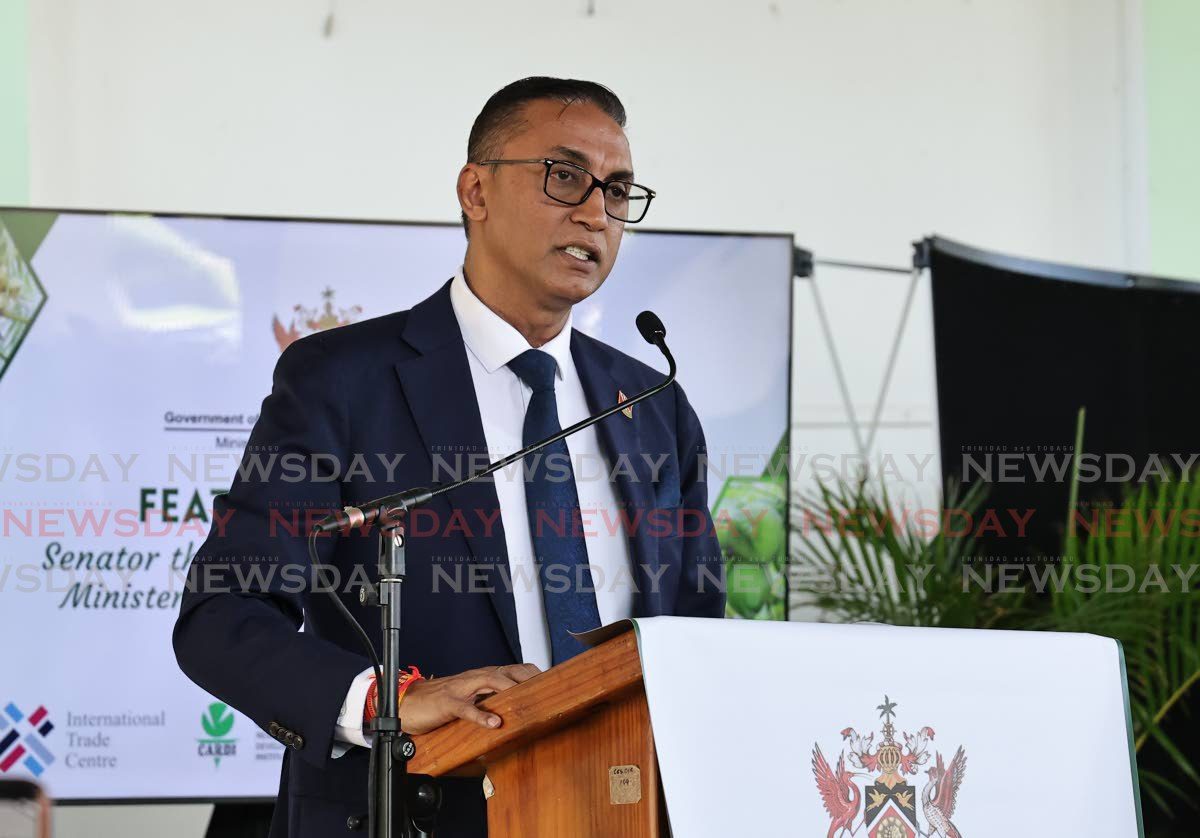
    The Ministry of Agriculture and Fisheries has unveiled an ambitious training program set to transform Trinidad and Tobago’s agricultural sector through comprehensive skills development. Minister Ravi Ratiram announced the initiative following the launch of a specialized artificial insemination training program on January 15th.

    The groundbreaking program will consolidate approximately 35 distinct training courses under a unified framework, marking a significant departure from the previous fragmented approach where various ministry divisions conducted separate training sessions. This consolidation will include regional administrative north and south operations along with extension training information services, all coordinated through a single umbrella program.

    Minister Ratiram revealed that the training curriculum encompasses diverse agricultural disciplines including advanced crop cultivation techniques, innovative hydroponics systems, greenhouse farming methodologies, climate-resilient agricultural practices, aquaculture development, and livestock enhancement programs. The courses will be accessible across all eight counties nationwide, with projections indicating participation from at least 20,000 individuals throughout 2026.

    The announcement coincided with the commencement of a two-day Artificial Insemination Technician training course, conducted in collaboration with the University of the West Indies at the School of Veterinary Medicine. This specialized program, funded by the Livestock and Livestock Products Board (LLPB), brought together 20 officers for intensive training in bovine artificial insemination techniques.

    Minister Ratiram emphasized the strategic importance of these initiatives, noting that enhanced livestock capacity directly addresses the nation’s substantial food import bill reduction goals. He stressed that livestock represents a primary protein source for the population, making capacity building in this sector crucial for meeting domestic demand.

    The ministry’s approach positions science and technology as central pillars of agricultural development, with participants being encouraged to view their training as both professional responsibility and national service. The program aims to bridge critical skills gaps in artificial insemination services while supporting improved service delivery, enhanced food security, and long-term self-sufficiency in the livestock industry.

  • Guyanese murder suspect dies after accidental shooting during TikTok livestream

    Guyanese murder suspect dies after accidental shooting during TikTok livestream

    In a shocking incident that unfolded during a live social media broadcast, 24-year-old Guyanese national Jamal Bourne—known by the alias “Skinny”—fatally shot himself accidentally while livestreaming on TikTok. The event occurred while Bourne, a wanted murder suspect, was broadcasting alongside another armed individual, both wearing balaclavas and brandishing firearms.

    During the livestream, Bourne appeared to be issuing threats to viewers while handling the weapon. The firearm unexpectedly discharged, striking him in the head. Hundreds of viewers witnessed the moment Bourne collapsed on camera before the broadcast ended abruptly.

    Local authorities confirmed Bourne was pronounced dead shortly afterward. Police have initiated a comprehensive investigation into the circumstances of the shooting, including how the firearms were obtained and the identity of the second armed individual visible in the video. The incident has raised significant concerns about illegal weapons circulation and the risks associated with live social media content.

  • Wanted Guyanese man accidentally shoots himself on livestream

    Wanted Guyanese man accidentally shoots himself on livestream

    In a shocking incident that underscores the dangers of social media recklessness, Jamal Bourne, a 24-year-old Guyanese man under investigation for homicide, fatally shot himself in the head during a live TikTok broadcast. The event occurred on Sunday evening while Bourne, who operated under the alias ‘Skinny,’ was streaming alongside another armed individual.

    According to reports from Times Caribbean, Bourne was visibly handling a firearm while wearing a ski mask and issuing threats to viewers during the broadcast. The live session took a tragic turn when the weapon accidentally discharged, resulting in immediate fatal injury. Numerous viewers witnessed the incident in real-time before the stream terminated abruptly following the gunshot.

    Guyanese law enforcement officials confirmed Bourne was a prime suspect in a recent murder case. During the livestream, he allegedly brandished the weapon aggressively while boasting about previous acts of violence. Police pronounced him dead shortly after the incident.

    Authorities are currently analyzing the digital footage and other electronic evidence as part of their investigation. The public has been strongly advised against sharing or viewing the disturbing video content to prevent further trauma and maintain the integrity of the ongoing investigation.

  • From shy beginnings to finding her voice: Bella Emmanuel thrives at Castries Comprehensive

    From shy beginnings to finding her voice: Bella Emmanuel thrives at Castries Comprehensive

    In 2024, Bella Emmanuel entered Castries Comprehensive Secondary School (CCSS) as a quiet, wheelchair-using student carrying both academic promise and physical challenges. Two years later, the 13-year-old has transformed into a confident, socially engaged scholar whose journey exemplifies how intentional inclusion policies can reshape educational experiences for students with disabilities.

    Bella first gained national recognition through her outstanding performance on the 2024 Caribbean Primary Exit Assessment (CPEA), achieving an overall score of 79 across core subjects. This accomplishment secured her placement at CCSS, where school administrators have implemented concrete measures to ensure physical accessibility doesn’t limit educational opportunities.

    The school’s infrastructure includes ramps and adaptive classroom arrangements. When Bella advanced to Form Two and encountered classrooms only accessible by stairs, administrators creatively reshuffled room assignments rather than restricting her subject options. “We rotate the classes to ensure students like Bella have access,” explained Vice Principal Anne Giffard Elcock. “A child is not banned from doing a subject because they have no access.”

    Beyond physical accommodations, Bella has flourished through extracurricular engagement, particularly in the school choir where she has discovered confidence and self-expression. Her musical pursuits have extended beyond campus to regional competitions and showcases. “I’m in Red Cross, arts club, a lot of clubs, but the one I enjoy most is the choir,” Bella shared.

    The school’s holistic approach includes approximately 25 students receiving additional support through special needs teachers and teaching assistants. According to Elcock, the program aims to “bridge learning gaps so students are not left behind” while focusing on “the holistic development of the child.”

    Transportation challenges persist, with Bella relying on compassionate assistance from classmates and teachers who ensure her safe commute. Students gently lift her onto buses while folding her wheelchair for storage, demonstrating a community-driven support system.

    Bella’s academic self-awareness remains sharp, as she acknowledges finding mathematics challenging while maintaining determination to improve. Socially, she has become “the life of the party” according to school staff, shedding earlier shyness to become fully integrated among peers.

    Her journey from apprehensive newcomer to confident participant illustrates how educational institutions can transform lives through committed inclusion practices that extend beyond mere infrastructure to encompass academic, social, and logistical support systems.

  • Government Looks to Toughen Laws on Neglected Buildings in St. John’s

    Government Looks to Toughen Laws on Neglected Buildings in St. John’s

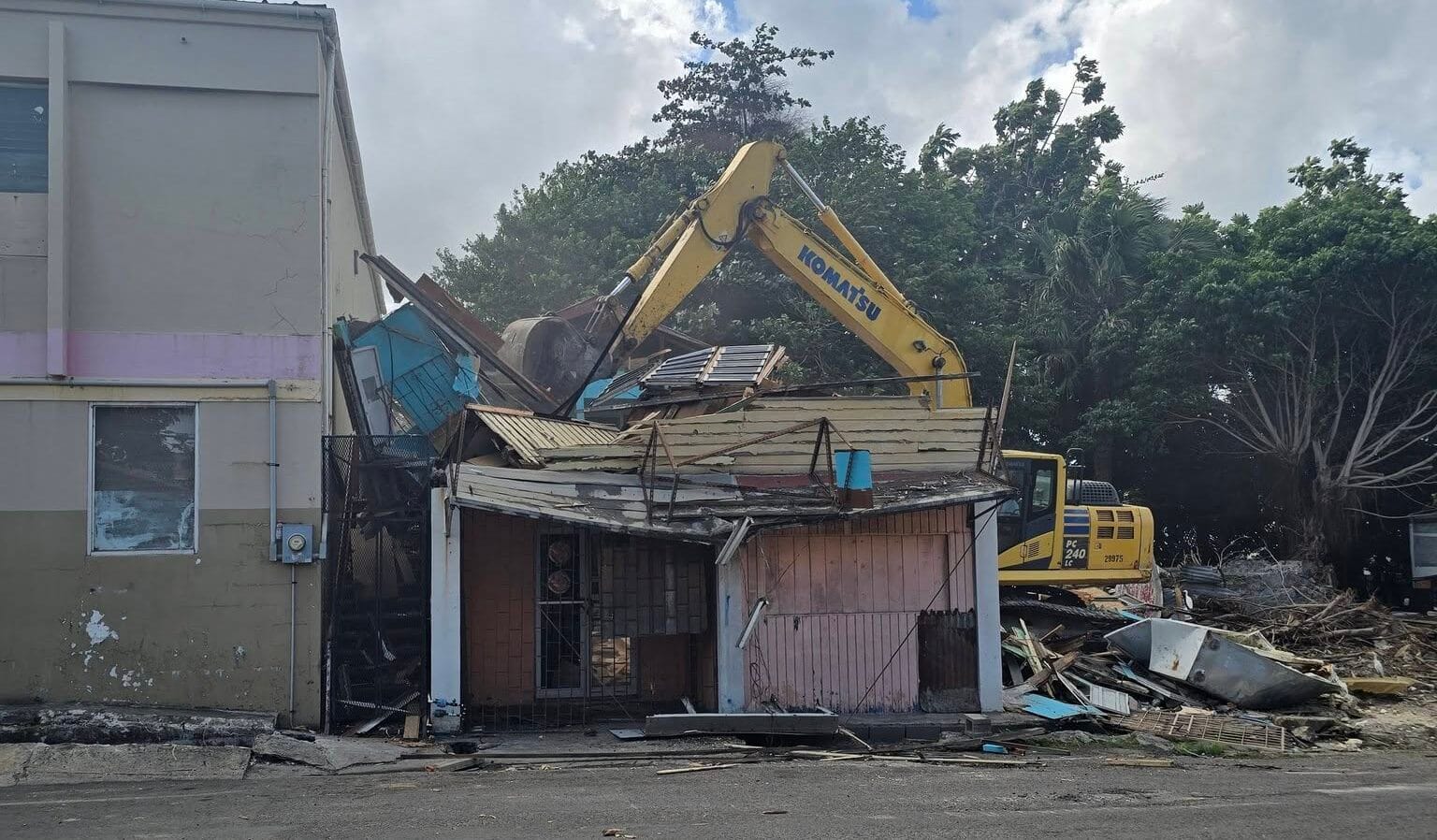
    The Antiguan government is pursuing legislative reforms to combat urban blight in St. John’s, granting enhanced enforcement capabilities to regulatory bodies. Minister for Social and Urban Transformation Rawdon Turner unveiled proposed amendments targeting property owners who collect rent while permitting structures to deteriorate. The initiative addresses what Turner described as ‘eyesores’ throughout the capital—buildings exhibiting peeling paint, rotting roofs, and general disrepair despite active commercial use. The legislative changes would empower the Development Control Authority and St. John’s Development Corporation to impose escalating fines until properties meet established standards. Turner emphasized that the primary objective remains compliance rather than punishment, noting that both government and property owners share responsibility for urban revitalization. These measures constitute a critical component of broader urban renewal strategies aimed at enhancing safety, aesthetics, and quality of life in St. John’s. The minister clarified that many problematic properties are not abandoned but actively generate income for owners while contributing to urban decay.

  • PM Browne: Farm Equipment to Arrive Within 30–40 Days

    PM Browne: Farm Equipment to Arrive Within 30–40 Days

    The Government of Antigua and Barbuda has announced the imminent arrival of significant agricultural infrastructure investments, with Prime Minister Gaston Browne confirming new farming equipment will reach the islands within the next 30 to 40 days. This development represents a strategic advancement in the nation’s comprehensive plan to combat food insecurity through enhanced domestic production capabilities.

    The acquisition includes specialized equipment for two modernized abattoirs alongside heavy-duty machinery designed to support agricultural development. This machinery will facilitate critical farming operations including land clearing, construction of water retention systems such as ponds and dams, and substantial improvements to farm access roads. The government’s investment addresses fundamental infrastructure challenges that have historically constrained agricultural productivity.

    Prime Minister Browne emphasized that this initiative builds upon recent strategic investments in the agricultural sector. Upon arrival, the equipment will be immediately deployed to farming communities across the nation. The administration anticipates these resources will significantly boost local food production capacity while modernizing on-farm infrastructure, creating a more resilient and self-sufficient agricultural system less vulnerable to external supply chain disruptions.

    This infrastructure modernization effort forms a cornerstone of the government’s broader food security strategy, aiming to reduce the nation’s reliance on imported food staples while stimulating rural economic development through enhanced agricultural productivity.

  • PHOTOS: Road improvement works continue across Villa, Buckley Line and Gunthropes

    PHOTOS: Road improvement works continue across Villa, Buckley Line and Gunthropes

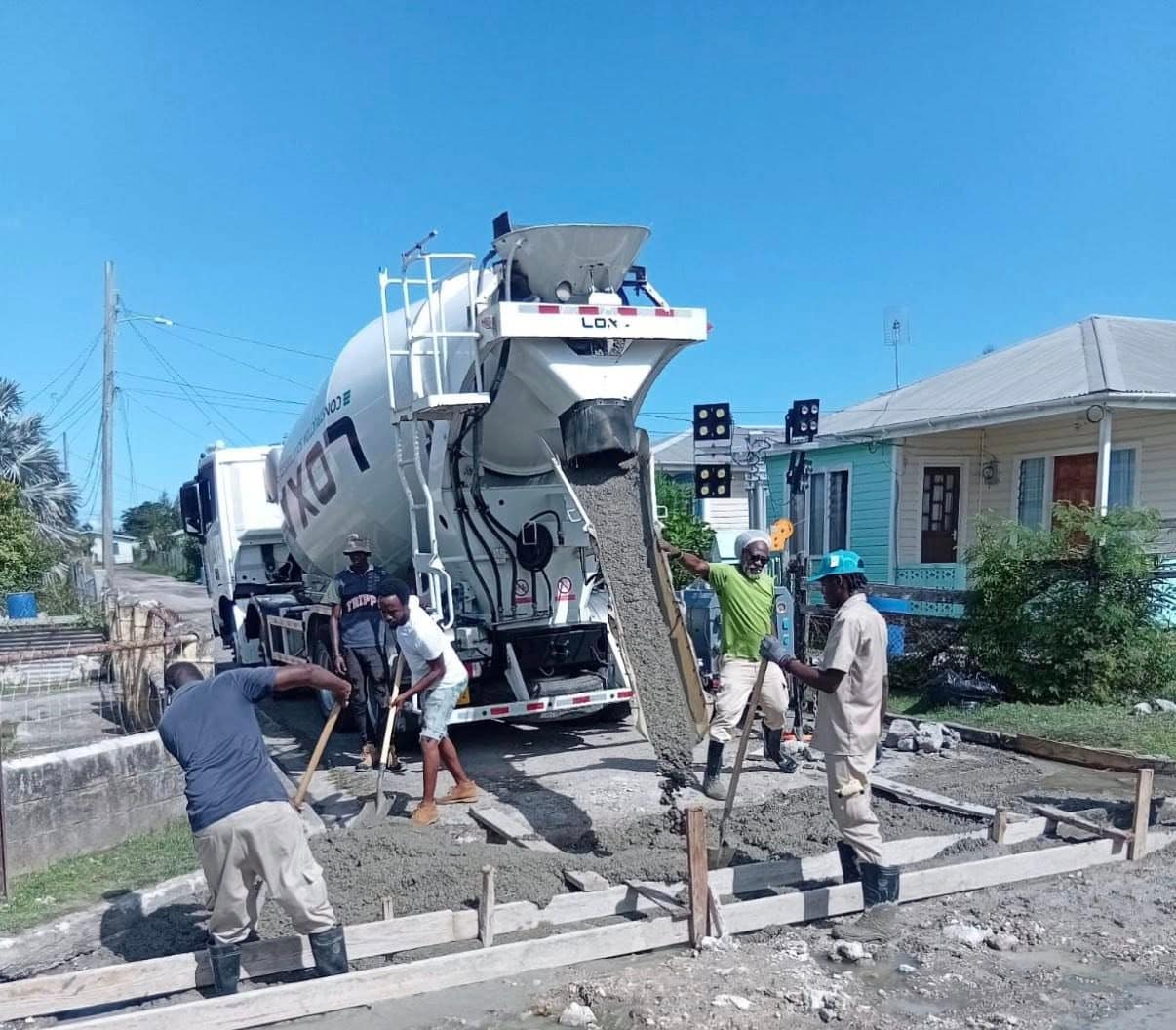
    The Caribbean nation of Antigua and Barbuda is witnessing significant advancements in its national infrastructure modernization initiative. According to an official release from the Ministry of Works, comprehensive road rehabilitation projects are currently underway across multiple key communities, marking a pivotal phase in the government’s broader improvement agenda.