分类: society

  • Santa Ana Women Turn Tradition into Enterprise

    Santa Ana Women Turn Tradition into Enterprise

    In a significant cultural recognition event, the National Institute of Culture and History alongside the Institute of Creative Arts has honored the Santa Ana Cultural Sewing and Embroidery Group from Corozal District. The collective, predominantly comprising senior women artisans, has successfully converted traditional textile craftsmanship into a viable commercial venture.

    The recognition ceremony coincided with the inauguration of a special exhibition displaying the group’s intricate handmade creations. These artisans recently completed an intensive training program focused on enhancing production efficiency, refining product quality, and preparing their traditional embroidery for commercial distribution in broader markets.

    Gilvano Swasey, the exhibition curator, emphasized the profound significance of the women’s artistic endeavors, noting: “What distinguishes this art form is its fundamental purpose beyond mere decoration. This represents the art of survival—manifested through culinary traditions, wearable textiles, and oral storytelling practices.”

    Swasey further highlighted the substantial challenges faced by women pursuing creative professions, particularly in rural communities. “Visiting their workspace provides genuine appreciation for both their artistry and cultural preservation efforts, especially when understanding the obstacles these female artists consistently overcome,” he explained.

    The curator humorously acknowledged the personal sacrifices involved, joking about potential domestic tensions: “I teased the ladies that their husbands must frequently dine on Chinese takeout due to their late working hours.”

    The ongoing exhibition offers visitors unique insight into how traditional cultural practices can successfully integrate with contemporary entrepreneurial ambition, creating sustainable economic opportunities while preserving heritage.


  • Literacy and training key to positive change in inmates, says superintendent

    Literacy and training key to positive change in inmates, says superintendent

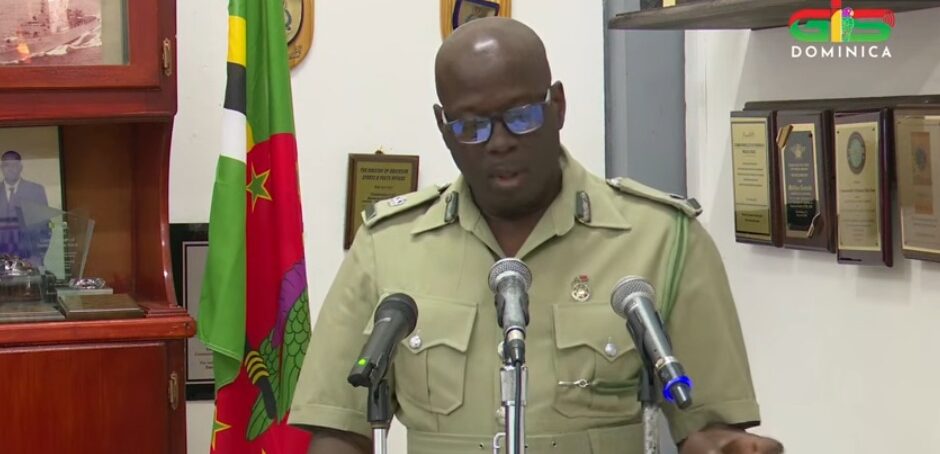
    The Dominica State Prison has launched comprehensive rehabilitation initiatives focused on education, vocational training, and agricultural development to prepare inmates for successful societal reintegration. Under the leadership of Superintendent Jeffrey Edmond, the facility is implementing multiple programs designed to equip incarcerated individuals with practical skills and academic qualifications.

    Fourteen inmates are currently enrolled in Caribbean Secondary Education Certificate (CSEC) courses covering Social Studies and English, with examinations scheduled for June. This academic program operates in collaboration with the adult education department and aims to enhance literacy while fostering personal development among participants.

    The prison has expanded its vocational offerings through partnerships with various governmental agencies. A building maintenance module conducted with the Youth Division has benefited nine inmates, while thirty-two inmates and two officers completed a candle and soap-making workshop that authorities plan to continue.

    A significant agricultural initiative has been established through cooperation with the Portsmouth Agricultural Station. This farm rehabilitation program provides inmates with tools, equipment, and seedlings to learn sustainable farming practices. The project has already yielded increased production of dasheen, plantain, and vegetables, which supplement prison meals and will eventually support local charitable institutions including the Grotto Home for the Homeless and the Dominica Infirmary.

    Superintendent Edmond emphasized that these programs represent the prison’s commitment to transformative rehabilitation rather than mere incarceration. The institution aims to provide inmates with tangible skills and educational foundations that will enable positive life changes post-release.

    Edmond issued a compelling appeal to the public, urging employers and community members to support formerly incarcerated individuals seeking employment opportunities. He stressed that societal development requires embracing rehabilitated citizens rather than perpetuating stigma based on past incarceration.

  • Saudi team tours St Jude’s Hospital

    Saudi team tours St Jude’s Hospital

    After sixteen years of protracted delays and political complications, Saint Lucia’s long-awaited St. Jude Hospital is progressing toward full operational status. The facility was formally transferred from the contractor to the government on November 16, 2025, marking a pivotal milestone in this protracted project.

    Paul Hilaire, Permanent Secretary in the Department of Economic Development, emphasized during the handover ceremony that while this transfer does not constitute an official opening, it initiates the critical phase of operational readiness. This process encompasses commissioning, equipment installation, staffing, and regulatory compliance. Hilaire highlighted that the revitalized hospital will feature advanced diagnostic capabilities, enhanced patient safety protocols, energy-efficient infrastructure, and optimized clinical workflows designed to serve future generations.

    Significant progress is already evident with five key departments—Administrative Centre, Laundry, Kitchen, Physiotherapy, and Dialysis—now fully commissioned and functional. The project’s financial backing received international recognition through a high-level delegation from the Saudi Fund for Development, which visited the facility starting January 19. This visit included strategic meetings with the Ministry of Economic Development, Ministry of Health, Wellness and Nutrition, and project contractors. The Saudi involvement stems from a substantial $75 million loan agreement established in 2023 to support reconstruction and rehabilitation efforts.

    Prime Minister Philip J. Pierre expressed optimism about the project’s trajectory, noting that several departments are already operational. He reflected on the journey toward delivering a fully functional medical institution for southern Saint Lucia residents. Despite these advancements, health authorities have not yet provided an official timeline for the hospital’s complete commissioning, leaving the public awaiting definitive operational dates.

  • Prison superintendent reports a drop in inmate population; states commitment to rehabilitation

    Prison superintendent reports a drop in inmate population; states commitment to rehabilitation

    Dominica’s correctional system is demonstrating measurable progress as prison authorities report a substantial decrease in inmate numbers alongside significant security upgrades. Superintendent Jeffrey Edmond of the Dominica State Prison disclosed these developments during a recent press conference where he presented the institution’s annual performance review.

    Statistical data reveals a consistent downward trend in the prison population, with figures declining from 261 inmates in 2023 to 254 in 2024, and further dropping to 226 by the end of 2025. The current demographic breakdown shows 208 male and 2 female inmates residing in the facility. Superintendent Edmond particularly highlighted the reduction in remand prisoners as a noteworthy achievement.

    This positive development reflects the government’s strengthened commitment to implementing effective rehabilitation strategies and creating better outcomes for individuals within the correctional system. Simultaneously, authorities are enhancing security infrastructure with substantial financial investments totaling $170,000 for advanced screening technology. The procurement includes a state-of-the-art walk-through scanner, baggage screening equipment, and a comprehensive CCTV surveillance network currently nearing 95% completion.

    Superintendent Edmond confirmed that operational training for these new security systems will commence imminently. These technological enhancements are expected to significantly bolster prison security protocols while supporting the institution’s broader rehabilitative mission.

    The prison administration remains dedicated to developing innovative programs that effectively reduce recidivism rates and promote successful societal reintegration. Edmond acknowledged the crucial support from governmental partners, community stakeholders, and prison staff whose collective efforts contribute to transforming lives and building a safer, more inclusive society.

  • ‘Puppy love’: Man helps to rescue canines from Kingston gully

    ‘Puppy love’: Man helps to rescue canines from Kingston gully

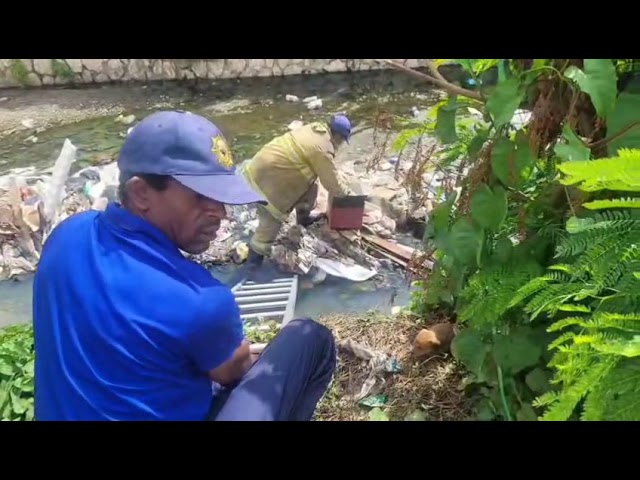
    A routine drive through Kingston’s Industrial Terrace transformed into a rescue mission for local resident Leon Anderson on Wednesday after he discovered a litter of puppies in imminent danger. The animals were found clinging precariously to the eroding bank of a gully, with several already having fallen into the trench below.

    Anderson immediately stopped to assess the situation, realizing that while he could assist the puppies on the bank, those in the gully required professional rescue equipment. His subsequent call to police was met with dismissal, as officers reportedly told him he was ‘wasting their time.’ Undeterred, Anderson contacted the fire brigade, remaining on scene to monitor the vulnerable animals as they faced exposure to garbage, polluted water, and intense heat.

    The delayed response culminated in a successful rescue operation by firefighters, who employed a ladder and reinforced cardboard box to retrieve all puppies from the hazardous environment. Anderson expressed particular frustration with the police response, noting that even a referral to emergency services could have accelerated the rescue.

    In an unexpected development, Anderson assumed responsibility for the entire litter despite initially planning to adopt only two. His decision was guided by personal principles and his wife’s affection for dogs, with confidence that all puppies would receive loving care in their household.

  • Trelawny police on scene of fatal accident in Braco

    Trelawny police on scene of fatal accident in Braco

    A devastating traffic collision on Braco Main Road in Trelawny has resulted in one confirmed fatality and left two additional individuals requiring urgent medical attention. The incident, which unfolded shortly after 4:00 pm on Thursday, involved a violent impact between a Toyota Fortuner and a Suzuki Jimny.

    According to preliminary investigative reports, the deceased victim was traveling as an occupant within the Toyota Fortuner at the time of the catastrophic crash. Law enforcement officials have yet to publicly disclose the identity of the individual killed, pending formal identification and family notification procedures.

    The two survivors of the collision were promptly transported from the wreckage to a nearby medical facility for emergency treatment. Their current conditions remain undisclosed by authorities.

    The aftermath of the accident significantly impeded vehicular movement through the area, as police investigators conducted a meticulous forensic examination of the scene to determine the precise cause of the tragedy.

    This latest fatal incident underscores a deeply concerning pattern of roadway dangers in the parish, occurring merely days after another separate and equally deadly crash on the North Coast Highway on January 4th that claimed two lives. These consecutive tragedies have intensified public scrutiny regarding the adequacy of existing road safety measures and enforcement within the Trelawny region.

    The local police force has confirmed that a comprehensive investigation into the circumstances surrounding Thursday’s collision remains actively ongoing.

  • ‘We will feed Jamaica’

    ‘We will feed Jamaica’

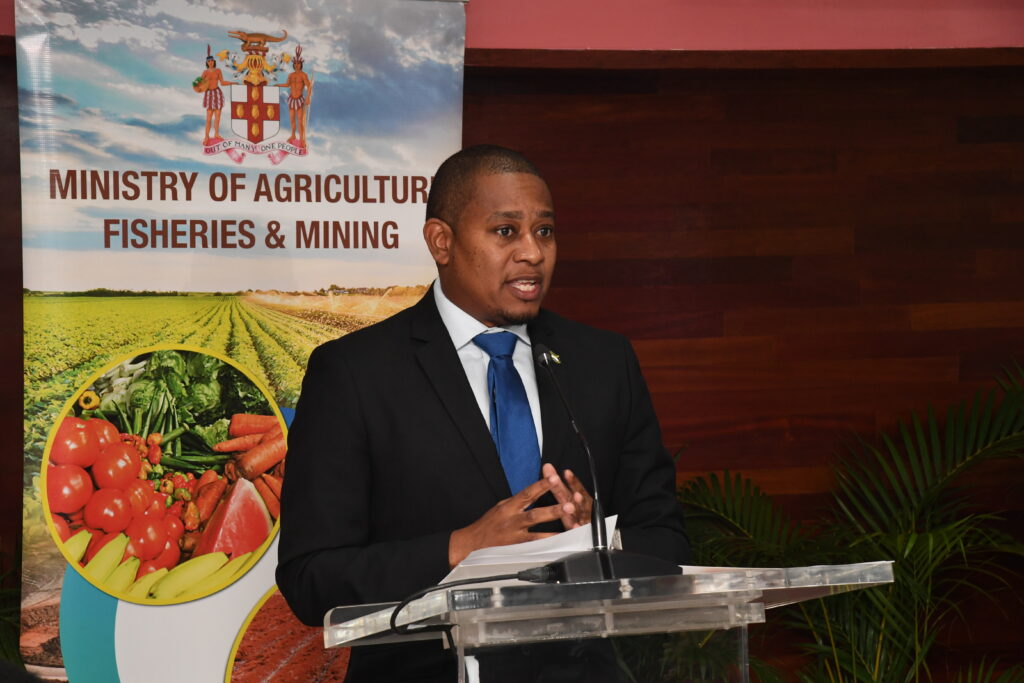
    In an extraordinary display of agricultural resilience, Jamaica’s farming sector has achieved a substantial crop surplus less than three months after the devastating impact of Hurricane Melissa. Agriculture Minister Floyd Green announced this rapid recovery during a press briefing, highlighting significant overproduction of key vegetables including cucumbers, lettuce, pak choi, and string beans across multiple parishes.

    The Category 5 hurricane, which struck on October 28, 2025, initially caused catastrophic damage estimated between $30-60 billion, affecting over 70,000 farmers and devastating crops, livestock, and irrigation infrastructure. Despite this destruction, strategic government interventions totaling approximately $70 million in direct support have catalyzed an impressive rebound.

    Minister Green credited this recovery to multiple factors: the indomitable spirit of Jamaican farmers, comprehensive post-hurricane assistance programs, and significant policy adaptations. Support measures included a $40 million lease moratorium benefiting 440 investors across 2,750 hectares, distribution of seeds and fertilizers, extensive land preparation covering hundreds of acres, and critical infrastructure repairs including 10 kilometers of drainage systems.

    Parish-specific production data reveals substantial surpluses: Clarendon leads with excess sweet potatoes and peppers, St. Elizabeth dominates squash and cauliflower production, while Manchester, Westmoreland, St. Anne, and St. Thomas all report significant vegetable gluts. This agricultural abundance has already translated into consumer benefits, with market prices plummeting between 14-77% across various produce items.

    However, the recovery presents new challenges. Diminished demand from the hurricane-affected hospitality sector, operating at 30-80% capacity depending on the crop, has created market imbalances. Supply chain constraints, particularly limited cold storage capacity exacerbated by power disruptions, have further complicated surplus management.

    To address these issues, the ministry is implementing a multi-faceted response: organizing island-wide farmers’ markets through RADA and JAS, developing agri-processing initiatives for value-added products, and finalizing a COVID-style buyback program for direct produce redistribution. Infrastructure enhancements include new renewable-powered storage containers in Flagaman and the upcoming Essex Valley Storage Facility with capacity for 22 container loads of fresh produce.

    Minister Green emphasized the government’s commitment to building long-term resilience: ‘The lessons of Hurricane Melissa are being applied deliberately—from catastrophe funds and insurance to diversified markets and stronger infrastructure. We remain engaged, present and accountable to our farming communities as we drive this recovery together.’

  • Old Boy partners with Rotary Club to assist Munro College

    Old Boy partners with Rotary Club to assist Munro College

    KINGSTON, Jamaica — Historic Munro College, an all-boys institution nestled in the Santa Cruz Mountains of St Elizabeth, has demonstrated remarkable resilience throughout its 170-year history. However, the consecutive devastation wrought by two catastrophic hurricanes within two years presented unprecedented challenges to the educational institution.

    Following substantial damage from Hurricane Beryl in July 2024, the school faced further destruction when Category 5 Hurricane Melissa struck on October 28, 2025. The compound suffered extensive structural damage, with twisted roofing, shattered windows, and compromised buildings standing as stark reminders of nature’s destructive power.

    Amid the devastation, a beacon of hope emerged through a collaborative effort between the Rotary Club of St Andrew North and KR Method, a U.S.-based health and fitness company. The partnership resulted in a substantial $1-million donation aimed at supporting the school’s recovery efforts.

    The contribution holds particular significance as KR Method was founded by Korey Rowe, a Munro College alumnus now residing in New York. The formal presentation ceremony in December 2025 occurred against the sobering backdrop of the damaged campus, symbolizing both destruction and hope.

    Principal Dr. Mark Smith described the situation as ‘hauntingly familiar,’ noting the psychological impact of facing consecutive rebuilding phases. ‘Closing off the year, we did not anticipate that we would be in a rebuilding mode. It really feels like déjà vu,’ he stated, recalling that Hurricane Beryl had significantly damaged 33 of the school’s 35 buildings.

    Despite the overwhelming scale of destruction, Dr. Smith reported notable progress in resilience building. ‘When Melissa hit, only nine of the 35 buildings were significantly damaged,’ he noted, attributing this improvement to strategic investments by the National Education Trust, the Ministry of Education, and the Munro College Old Boys Association.

    The donated funds will be directed primarily toward restoring the school library, which requires comprehensive repairs including roofing, book replacements, computer systems, furniture, and windows. The total rehabilitation project is estimated at approximately $8 million.

    Pierpont Wilson, President of the Rotary Club of St Andrew North, emphasized the critical importance of educational continuity. ‘When an educational institution is significantly affected, it creates a learning deficit. Rotary wants to help Jamaica build back stronger,’ he stated, highlighting the organization’s commitment to partnership and collaboration.

    For alumnus Korey Rowe, the initiative represented a deeply personal commitment. ‘I’m from St Elizabeth, and I’m also a Munro old boy. My heart was moved by the tragedy… Helping was the perfect intersection of cause and place and wanting to give back,’ he expressed.

    The donation symbolizes both immediate relief and long-term commitment to educational resilience in Jamaica’s hurricane-vulnerable regions.

  • Bauxite blow

    Bauxite blow

    A contentious debate has erupted in Jamaica’s Parliament regarding the adequacy of compensation for communities affected by bauxite mining operations. The controversy emerged after Mining Minister Floyd Green disclosed that approximately $350 million had been distributed to residents over a six-year period (2020-2025) for nuisances including dust pollution, noise disturbance, and other mining-related disruptions.

    Opposition MP Peter Bunting of Manchester Southern launched a vigorous challenge against the compensation framework, characterizing the payments as fundamentally inadequate. His analysis revealed that the annual allocation translates to merely $60 per household daily—an amount he noted cannot even purchase two Panadol tablets at local shops. Bunting emphasized that thousands of households endure constant heavy equipment movement, pervasive dust coating their properties, and children suffering from sinus problems due to mining activities.

    The parliamentary exchange uncovered significant systemic gaps in compensation management. Minister Green acknowledged the absence of centralized records documenting crop damage assessments or standardized valuation methodologies. Compensation currently operates on a case-by-case basis through community councils or direct company negotiations, with assessments informed by the Rural Agricultural Development Authority (RADA) considering crop type, maturity, and market prices.

    Bunting condemned this ad-hoc approach, highlighting the ‘information asymmetry’ that leaves farmers vulnerable and undermines transparency. He called for establishing objective compensation standards based on crop types and land area to ensure fairness.

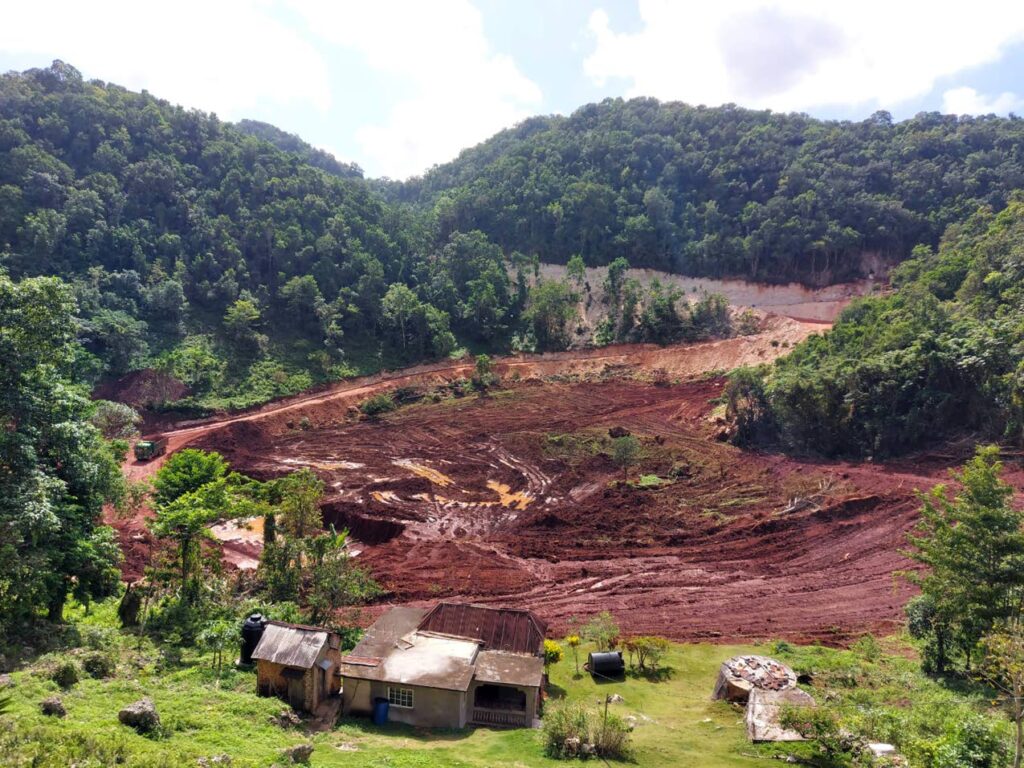
    Beyond compensation disputes, the debate expanded to include land rehabilitation failures. Bunting described portions of South Manchester as appearing ‘post-apocalyptic’ with unreclaimed mining pits remaining derelict for over a decade despite mining completion. He questioned whether companies face enforcement of stipulated $25,000-per-hectare penalties for delayed certification.

    In response, Green outlined corrective measures including a comprehensive audit of all bauxite lands, a ‘zero-tolerance approach’ to certification delays, and written notices to non-compliant companies. The minister acknowledged complicating factors including land ownership disputes and technical challenges related to ore blending across sites.

  • Transit permit needed for importation of bodies and ashes, says health authorities

    Transit permit needed for importation of bodies and ashes, says health authorities

    Jamaican authorities have announced enhanced procedural requirements for the cross-border transportation of human remains, implementing a standardized transit permit system for both bodies and cremated ashes. The Kingston and St Andrew Public Health Department issued formal guidance outlining that all human remains entering Jamaica must now be accompanied by an official transit permit obtainable through local health departments at a cost of J$10,000.

    The regulatory framework designates specific jurisdictional oversight based on port of entry. The St James Public Health Department will process permits for remains arriving through Donald Sangster International Airport in Montego Bay, while the Kingston and St Andrew Public Health Department handles permits for entries via Norman Manley International Airport, Central Sorting Office, and Kingston Sea Port.

    Documentation requirements vary depending on the nature of the remains. For complete bodies, officials mandate presentation of a death certificate, embalming certificate, overseas transit permit, non-communicable disease documentation, copy of the deceased’s identification, and flight itinerary confirming entry port. Cremains require a death certificate, cremation certificate, and flight itinerary.

    The regulations similarly govern export procedures, requiring a death certificate, embalmer’s affidavit for bodies, cremation certificate for ashes, and flight itinerary specifying exit port. Authorities encourage individuals with additional inquiries to contact their respective local public health departments for clarification on these updated protocols.