分类: society

  • Verdict Nears in Bobby Garcia Murder Case

    Verdict Nears in Bobby Garcia Murder Case

    A pivotal moment in Belizean criminal justice approaches as two defendants await sentencing this Friday for the 2018 murder that horrified San Ignacio. The accused, who were minors at the time of the crime, have spent their formative years incarcerated at Wagner’s Youth Facility while facing charges for the brutal killing of eighteen-year-old Bobby Garcia.

    The case dates to October 6, 2018, when Garcia’s mutilated body was discovered at the Cahal Pech archaeological site bearing multiple stab wounds, a slashed throat, and ritualistic ‘X’ markings carved into his chest and face. The gruesome nature of the crime immediately sparked fears of ritualistic murder within the community.

    Investigation breakthroughs came through the victim’s personal laptop, where family members discovered suspicious Facebook profiles—’Dank Frank’ and ‘Charlie Chung’—that appeared to be coordinating a meeting at the archaeological site. This digital evidence led police to two suspects, then aged fifteen and sixteen, who were formally charged with murder and conspiracy to commit murder within days of the discovery.

    Despite their circumstances, both defendants have demonstrated remarkable rehabilitation during incarceration. Through the Kaina Online Program, they completed secondary education with academic distinction, showing particular aptitude for learning and personal development. In previous interviews, both expressed how their time in custody had fostered social skills and educational focus that were previously lacking.

    Now adults, the defendants face Justice in the Belmopan High Court after a prolonged judicial process that has spanned more than seven years. The verdict will determine whether their demonstrated rehabilitation will influence sentencing for a crime that permanently altered multiple lives and shook an entire community.


  • Case Collapses, But Charleston Green Stays Jailed

    Case Collapses, But Charleston Green Stays Jailed

    In a dramatic courtroom reversal, 22-year-old Belize City resident Charleston Green saw his attempted murder case dissolve on its inaugural day of trial. The prosecution’s case collapsed entirely when Dixon Ramirez, the alleged victim of an August 2022 shooting and the prosecution’s primary witness, failed to appear in High Court. With no alternative evidence to present, prosecutors immediately filed a nolle prosequi, formally abandoning the charge.

    Despite this legal victory, Green’s freedom proved fleeting. Within moments of exiting the High Court building, law enforcement officers immediately escorted him back to the Belize City Magistrate’s Court system. His temporary release was superseded by an existing three-year prison sentence for separate convictions involving firearm and ammunition violations, plus aggravated assault against three police officers.

    These convictions stem from the same 2022 incident that generated the attempted murder charge. According to police reports, Green allegedly discharged a weapon at officers during a pursuit before being apprehended while in possession of a loaded firearm. The court had delivered these convictions in 2025, with sentences structured to run concurrently. Despite the dismissal of the most serious charge, Green remains incarcerated with the earliest possible release date set for July 2027, ensuring his imprisonment continues for at least another eighteen months.

  • Gladden Stands Alone as Judge Rejects No‑Case Claim

    Gladden Stands Alone as Judge Rejects No‑Case Claim

    A Belize City court has mandated the continuation of a high-profile criminal trial after Justice Candace Nanton dismissed a defense motion to dismiss the case. Michael Gladden, colloquially known as ‘Wannie,’ remains the sole defendant facing charges for his alleged involvement in a 2020 attempted murder, following the death of his co-accused in an unrelated incident.

    The core of the prosecution’s argument hinges on the remote testimony of the victim, Karen Pinto, who now resides in the United States under asylum protection. Testifying via video link, Pinto delivered a harrowing account of the attack, detailing how she was pursued by two assailants and forced to feign death in a swamp to survive the shooting. Her identification of Gladden as a key participant became the focal point of the legal proceedings.

    Defense attorney Ian Gray contended that his client was misidentified, presenting a no-case submission for dismissal. This was robustly countered by prosecutors who asserted Pinto had known Gladden for over a year prior to the incident and recognized him unequivocally. Evidence presented suggests Gladden not only accompanied the shooter but actively encouraged departure from the scene under the belief the victim was deceased.

    With the no-case submission rejected, the judicial process advances. Both legal teams are scheduled to submit written arguments, culminating in a final verdict from Justice Nanton on March 12th.

  • Casa del Cordón screens “Galeones de Azogue,” exploring the origins of underwater archaeology in Dominican Republic

    Casa del Cordón screens “Galeones de Azogue,” exploring the origins of underwater archaeology in Dominican Republic

    Santo Domingo’s Taíno Cultural Center Casa del Cordón, an institution supported by Banco Popular Dominicano, recently presented a special screening of the documentary ‘Galeones de Azogue.’ The film chronicles the pioneering underwater archaeological investigations in the Dominican Republic that began with the discovery of the Azogue Fleet galleons, which met their fate off the coast of Miches during the 18th century.

    The event, organized in partnership with Spain’s Royal Shipyards Museum, featured a distinguished panel including the museum’s director Íñigo Apestegui and screenwriters Carlos León and Cruz Apestegui. They provided exclusive insights into the documentary’s extensive research methodology, historical documentation, and groundbreaking findings that shaped this significant archaeological investigation.

    Produced through a collaboration between Duho Cinema, Retama Studio, and Guasabara Cine, the documentary was spearheaded by general producers Fernando Santos and Gabriel Valencia. The technical team included editor Mikel D. Etxebarría and sound designer Laura Gantes. The film incorporates expert commentary from renowned specialists Pedro Borrel, Frank Moya Pons, Bernardo Vega, Federico Schad, Jaime Vega, and Tracy Bowden.

    The documentary traces the accidental discovery in 1976 by local Miches fishermen of two submerged galleons in Samaná Bay. This chance finding catalyzed the nation’s first official underwater archaeological expedition, unearthing artifacts connected to a maritime catastrophe that occurred over three centuries earlier.

    Historical records indicate that on August 24, 1724, the galleons Nuestra Señora de Guadalupe and Tolosa—part of the Mercury Fleet voyaging from the Iberian Peninsula to the Viceroyalty of New Spain (modern-day Mexico)—encountered a devastating storm. The vessels were transporting more than 360 tons of mercury from Spain’s Almadén mines, a crucial component in colonial silver processing. While the Guadalupe sustained severe damage, the Tolosa sank entirely off the Dominican coastline.

    The tragedy claimed more than 600 lives, with survivors enduring extreme hardships—some clinging to ship masts for weeks, others navigating treacherous jungles and beaches in search of rescue—leaving behind a profound narrative of human endurance.

    Archaeological work recommenced in 1994 through a cooperative Dominican-Spanish initiative, representing a watershed moment for the nation’s maritime heritage preservation. The Quicksilver Galleons Project successfully recovered over 45,000 artifacts, including cannons, navigational equipment, coins, personal belongings, and an exceptional assemblage of European glassware. These discoveries have significantly enriched understanding of colonial trade networks and 18th-century maritime practices while establishing the foundation for Dominican underwater archaeology, enabling the nation to reclaim and safeguard its submerged historical legacy as an integral component of its cultural identity.

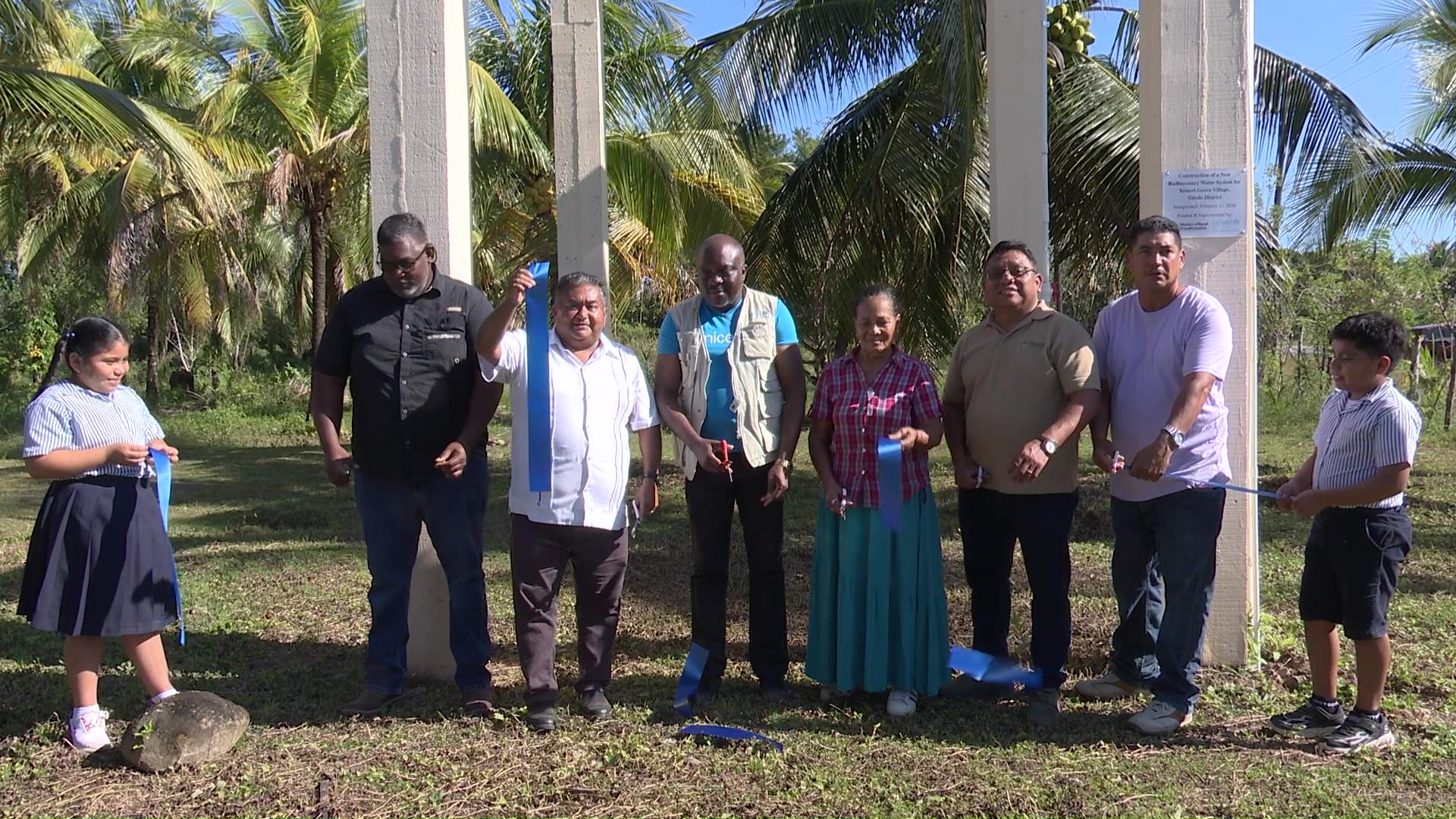
  • Yemeri Grove Celebrates Reliable New Water Supply

    Yemeri Grove Celebrates Reliable New Water Supply

    The remote community of Yemeri Grove in Belize’s Toledo District has achieved a significant milestone in public infrastructure with the formal commissioning of a completely new water supply system. This transformative project, executed through a collaborative initiative between Belize’s Ministry of Rural Transformation and UNICEF, marks the end of the village’s long-standing dependency on shared water resources from neighboring Laguna.

    The newly implemented system represents a comprehensive upgrade featuring a dedicated production well, a modern elevated reservoir, and a high-capacity submersible pump. This engineered solution is designed to provide consistent, clean water access to over one hundred households, ensuring twenty-four-hour availability that was previously unreliable.

    During the inauguration ceremony, Oscar Requena, Minister of Rural Transformation and Community Development, highlighted the strategic importance of this development. “This achievement in Yemeri Grove represents the third such water tower system our ministry has constructed, following successful implementations in Tower Hill Orange Walk and Medina Bank. This infrastructure is crucial for serving our students, young children, and all Belizeans with reliable water access,” Minister Requena stated.

    The project addresses both immediate public health concerns and long-term community development goals. Herald Usher, Chairman of Yemeri Grove Village Council, expressed collective appreciation: “On behalf of our village council and water board, we profoundly appreciate this water system that significantly enhances our quality of life and community resilience.”

    This water independence initiative demonstrates Belize’s ongoing commitment to improving rural infrastructure and represents a model for sustainable community development through governmental and international partnership.

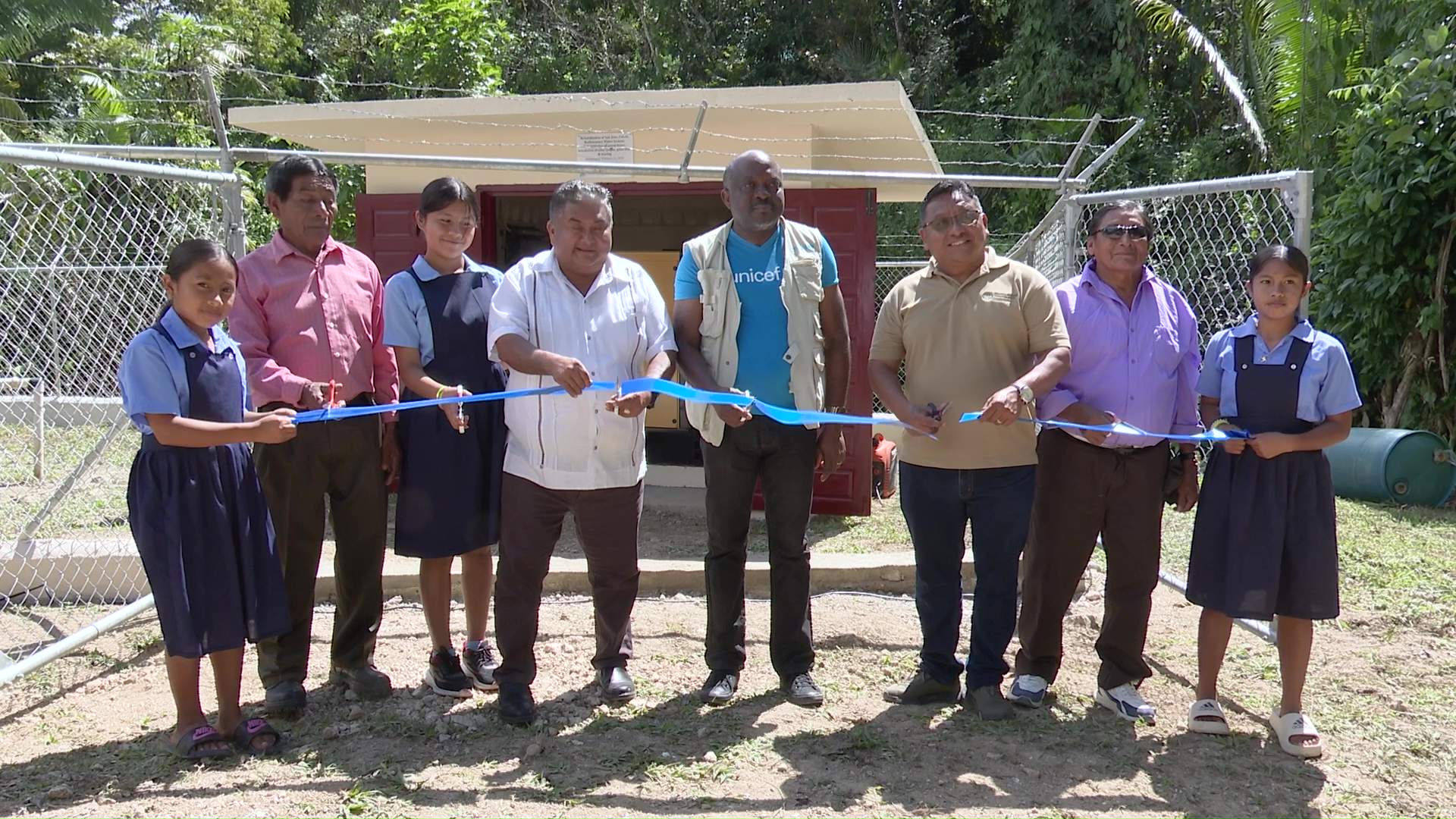
  • UNICEF Partnership Delivers Water Upgrade in San Jose

    UNICEF Partnership Delivers Water Upgrade in San Jose

    Residents of San Jose in the Toledo District are now benefiting from a transformed water infrastructure system following the official inauguration of a major upgrade project. The initiative, a collaborative effort between Belize’s Ministry of Rural Transformation and UNICEF, represents a significant advancement in sustainable water management for rural communities.

    The newly implemented system transitions the village to an environmentally conscious, green-energy powered setup that substantially reduces operational expenses while ensuring consistent water distribution. A critical component of the upgrade includes the installation of a heavy-duty backup generator, providing essential resilience during power disruptions or extreme weather events that previously compromised water access.

    Dr. Olusa Oladeji, UNICEF Health and Nutrition Specialist, emphasized the project’s broader implications during the handover ceremony. “This initiative marks tangible progress in extending safe and reliable water services to children and families,” stated Dr. Oladeji. “Secure water access forms the foundation of health, educational continuity, and community resilience, particularly in rural settings where infrastructure challenges persist.”

    The official acknowledged the collaborative framework involving the Belizean government, local Village Water Board, Nanka community representatives, and the Village Council in bringing the project to fruition.

    Nikyra Cho, a local student, expressed community appreciation for the comprehensive improvements, which included new piping networks, water meters, solar electrification, protective fencing, and the emergency generator. “These enhancements have not merely restored but fundamentally strengthened our water infrastructure,” Cho noted. “Reliable clean water signifies life itself, and today our community stands empowered through this support—transcending mere construction to represent improved health outcomes, reduced hardships, and expanded opportunities for future generations.”

    The San Jose water system upgrade exemplifies ongoing efforts to address infrastructure disparities in rural Belize through innovative, sustainable solutions that prioritize long-term community welfare.

  • Businessman Raises Alarm Over Alleged Oil Dumping in Five Islands Mangroves

    Businessman Raises Alarm Over Alleged Oil Dumping in Five Islands Mangroves

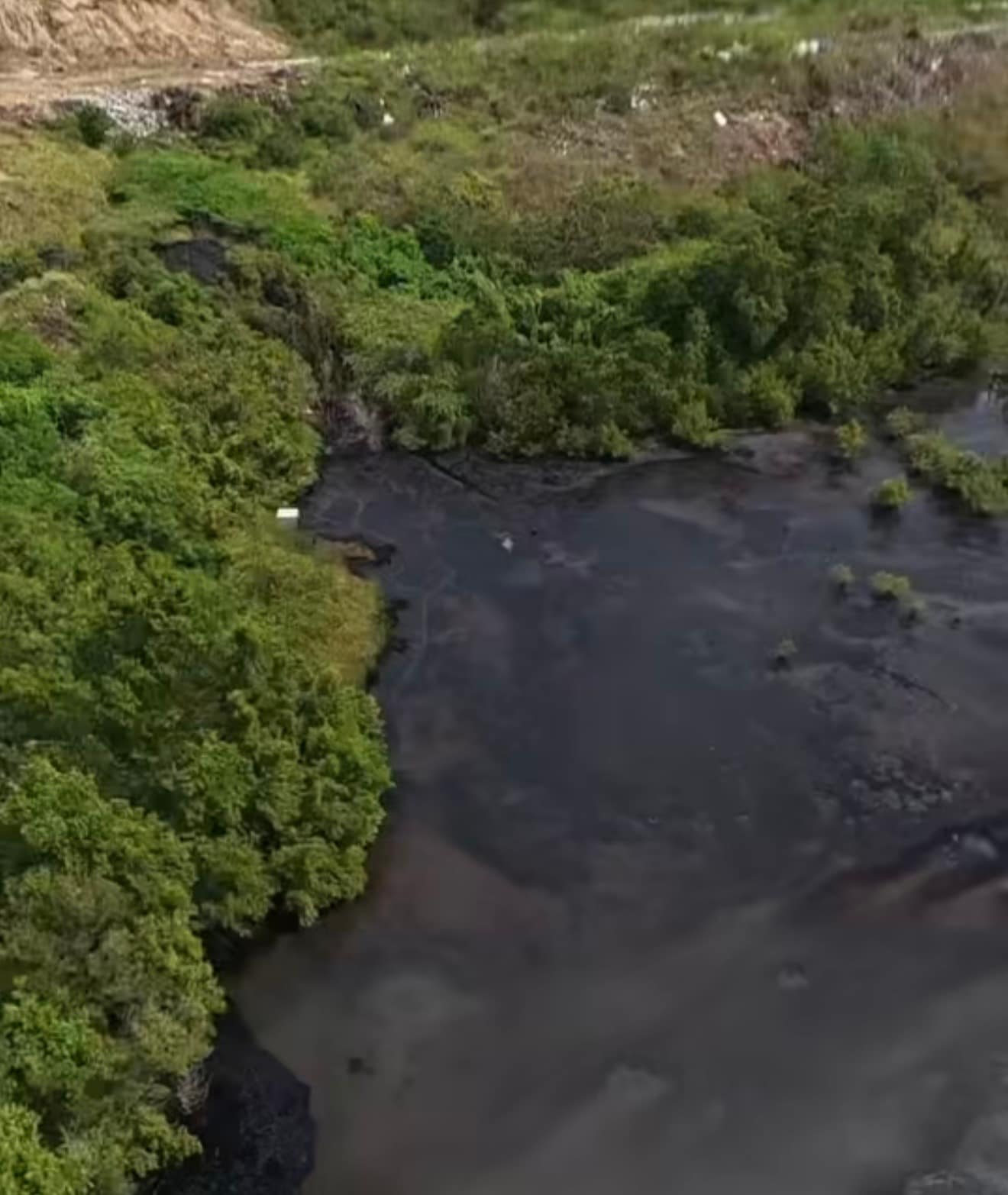
    A significant environmental emergency is unfolding in Antigua’s Five Islands region, where prominent businessman and environmental advocate Eli Fuller has reported the deliberate dumping of thousands of gallons of waste oil into ecologically sensitive mangrove ecosystems. The alleged contamination occurred following recent heavy rainfall events, with oil slicks reportedly spreading throughout Five Islands Harbor.

    Fuller, who documented the incident firsthand, described this as among the most severe ecological disasters he has witnessed in the region. The contamination poses substantial threats to marine biodiversity, coastal protection, and local economic activities that depend on healthy marine ecosystems.

    The mangrove forests in question serve as vital nursery grounds for numerous marine species and provide natural erosion control for Antigua’s coastline. Fuller particularly emphasized the impact on traditional cockle fishing communities, having consulted with local fishermen whose livelihoods face immediate jeopardy from the pollution.

    Notably, Fuller raised serious questions about how such large-scale dumping could occur given existing security protocols at the island’s landfill facility. According to standard procedures, security personnel are stationed at the site and trucks undergo inspection before being directed to approved disposal areas.

    The environmental advocate has characterized the incident as an ‘environmental crime’ demanding thorough investigation and legal accountability. He has called for judicial proceedings that would hold responsible parties financially liable for restoration efforts, while simultaneously offering to collaborate with government authorities to develop comprehensive solutions.

    As of current reporting, government agencies and environmental authorities have not issued any public statements regarding these allegations. The situation continues to develop as environmental assessments are likely underway to determine the full extent of the contamination and its ecological consequences.

  • President Abinader inaugurates La Gaviota Amphitheater in Ciudad Juan Bosch

    President Abinader inaugurates La Gaviota Amphitheater in Ciudad Juan Bosch

    Santo Domingo witnessed a significant advancement in urban development as President Luis Abinader officially opened the La Gaviota amphitheater in Ciudad Juan Bosch on Thursday. This cultural infrastructure represents a pivotal achievement within the nation’s premier model city initiative, showcasing a holistic approach to community building.

    The newly inaugurated venue forms part of an extensive portfolio of completed and ongoing developments spearheaded by the VBC-RD Trust in collaboration with Movexco Constructora. This comprehensive strategy integrates housing solutions with cultural amenities, sports facilities, public services, and communal spaces to create a fully integrated urban environment.

    José Ignacio Paliza, Minister of the Presidency, emphasized the project’s profound social impact, noting its transformation of the area into a thriving community. “We are now creating more developed citizens,” Paliza stated, underscoring the initiative’s broader societal benefits.

    Camel Curi Lora, executive director of the VBC-RD Trust, revealed the project’s remarkable turnaround from previous stagnation, characterized by limited appeal and a 105 million peso debt. The development has seen extraordinary growth, expanding from 4,777 households in 2020 to approximately 15,500 currently, with projections indicating 25,000 homes upon final completion.

    Beyond the amphitheater, Ciudad Juan Bosch boasts substantial infrastructure including two wastewater treatment plants, a comprehensive sports complex, funeral services facility, ecological park, vitrified regulating tank, and expanded parking infrastructure serving the cultural venue and adjacent areas.

    The amphitheater’s inauguration will be celebrated from February 12 to 15 through a diverse cultural program coordinated with the Ministry of Culture. The festivities will feature symphonic concerts by the Santo Domingo Philharmonic Orchestra, contemporary dance performances by the National Contemporary Dance Company, choral presentations by Koribe Chamber Choir, folkloric exhibitions by the Dominican National Folkloric Ballet, and innovative musical experiences from Escuela Libre de Herrera and DJ Clara Egelmann Tolentino.

  • Farming That Works With Nature, Not Against It

    Farming That Works With Nature, Not Against It

    In a groundbreaking environmental initiative, Belize has launched an ambitious sustainable agriculture program through a unique coalition of conservation and agricultural organizations. The Nature Conservancy has forged strategic partnerships with multiple local entities to implement an Extension Strategy designed to revolutionize farming practices across the Central American nation.

    The comprehensive program is currently training Mennonite farming communities in advanced ecological techniques covering multiple sustainability domains. Participants receive expert instruction in habitat preservation, innovative land management, soil vitality enhancement, biodiversity conservation, water resource optimization, energy efficiency, community engagement strategies, and economic viability.

    Demonstration farms established in Shipyard and Spanish Lookout serve as living laboratories, showcasing practical methodologies for maintaining high agricultural productivity while simultaneously protecting fragile ecosystems. These model operations provide tangible examples of how modern farming can coexist harmoniously with environmental stewardship.

    Project coordinators emphasize the dual-purpose nature of the initiative: supporting agricultural livelihoods while ensuring farming practices align with the preservation of Belize’s precious natural resources. The program represents a significant shift from conventional agricultural approaches toward more ecologically integrated methods.

    The collaborative effort brings together diverse stakeholders including the Belize Livestock Producers Association, the Ministry of Agriculture, the University of Belize’s Central Farm Campus, and the Belize Maya Forest Trust. This multi-organizational approach ensures the program incorporates scientific research, policy support, practical farming knowledge, and conservation expertise.

  • This is Why Enforcing the Plastic Ban in Belize Remains a Challenge

    This is Why Enforcing the Plastic Ban in Belize Remains a Challenge

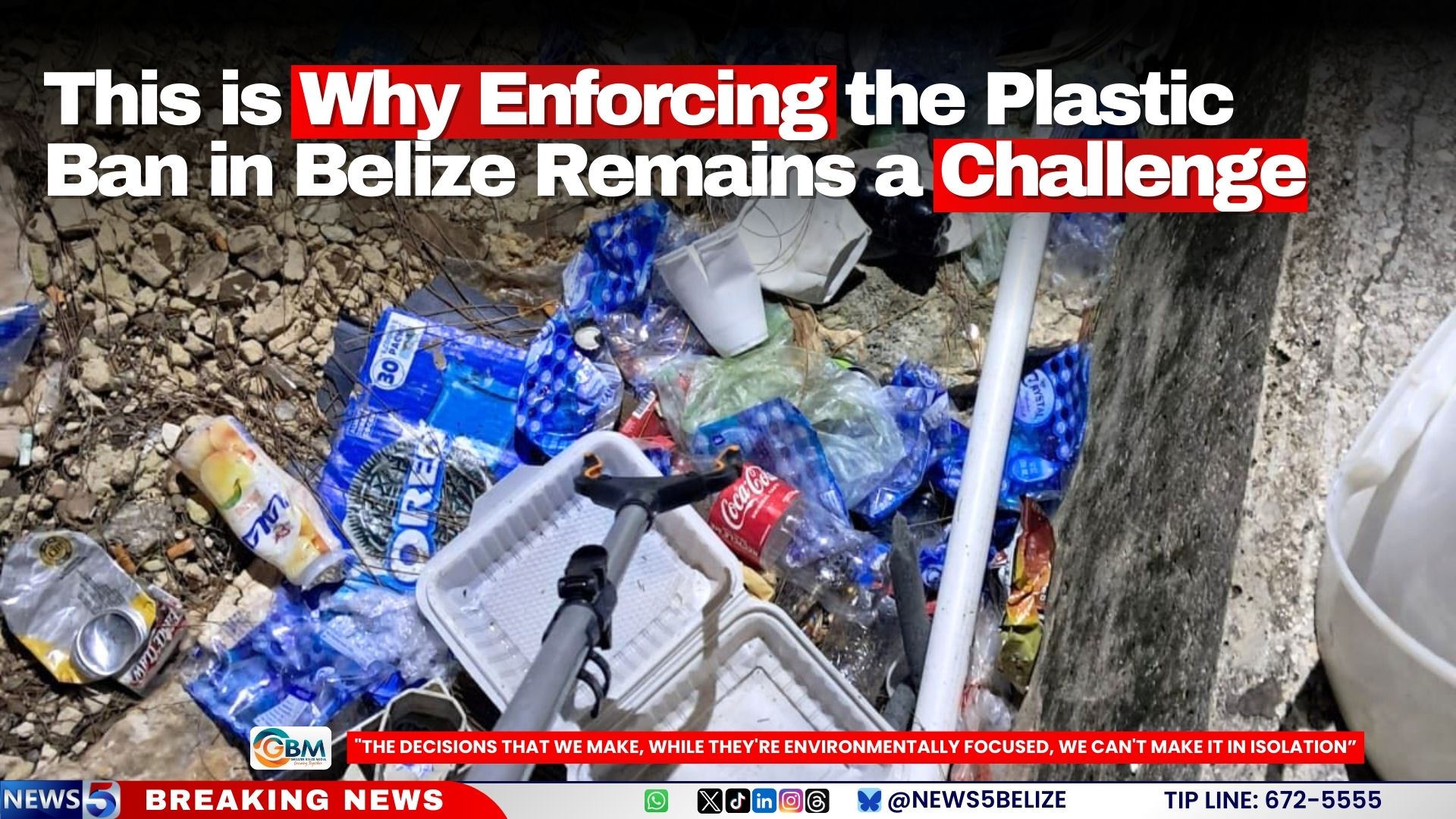
    BELIZE CITY – While global plastic pollution remains a pressing environmental concern, Belize has demonstrated notable progress through its Environmental Protection Pollution from Plastics Regulation implemented in 2020 and amended in 2022. According to Chief Environmental Officer Anthony Mai, the initiative has produced “a significant change” in the country’s approach to plastic waste management, though the journey toward full compliance continues to encounter substantial obstacles.

    Mai emphasized the pervasive nature of plastic in modern society, noting its presence “in every single aspect of life,” including clothing materials. The implementation phase has revealed that enforcement presents far greater challenges than legislative approval, with three primary hurdles emerging: illegal imports crossing border points, expensive laboratory testing requirements, and significant pressure from small businesses affected by the ban.

    A 2023 conformity assessment uncovered major compliance gaps when 90 samples from approximately 35 companies, importers, and manufacturers underwent certified laboratory testing. The majority failed to meet the mandatory 50% or more bio-based content requirement, resulting in product deregistration despite importer objections.

    Border control operations have led to the confiscation, charging, and destruction of substantial plastic quantities identified through monitoring at northern border points. Meanwhile, small businesses have expressed concerns about existing inventory investments in non-compliant products, creating tension between environmental objectives and economic realities.

    The Department of Environment has adopted a balanced approach, recognizing that overly aggressive prohibition could “seriously impact the productive sector of Belize.” Mai stressed that environmental decisions cannot be made in isolation from national economic considerations, requiring stakeholder collaboration to balance ecological initiatives with livelihood protection and national development priorities.