分类: society

  • Region 9 Community Relations Officer charged with tour guide’s murder

    Region 9 Community Relations Officer charged with tour guide’s murder

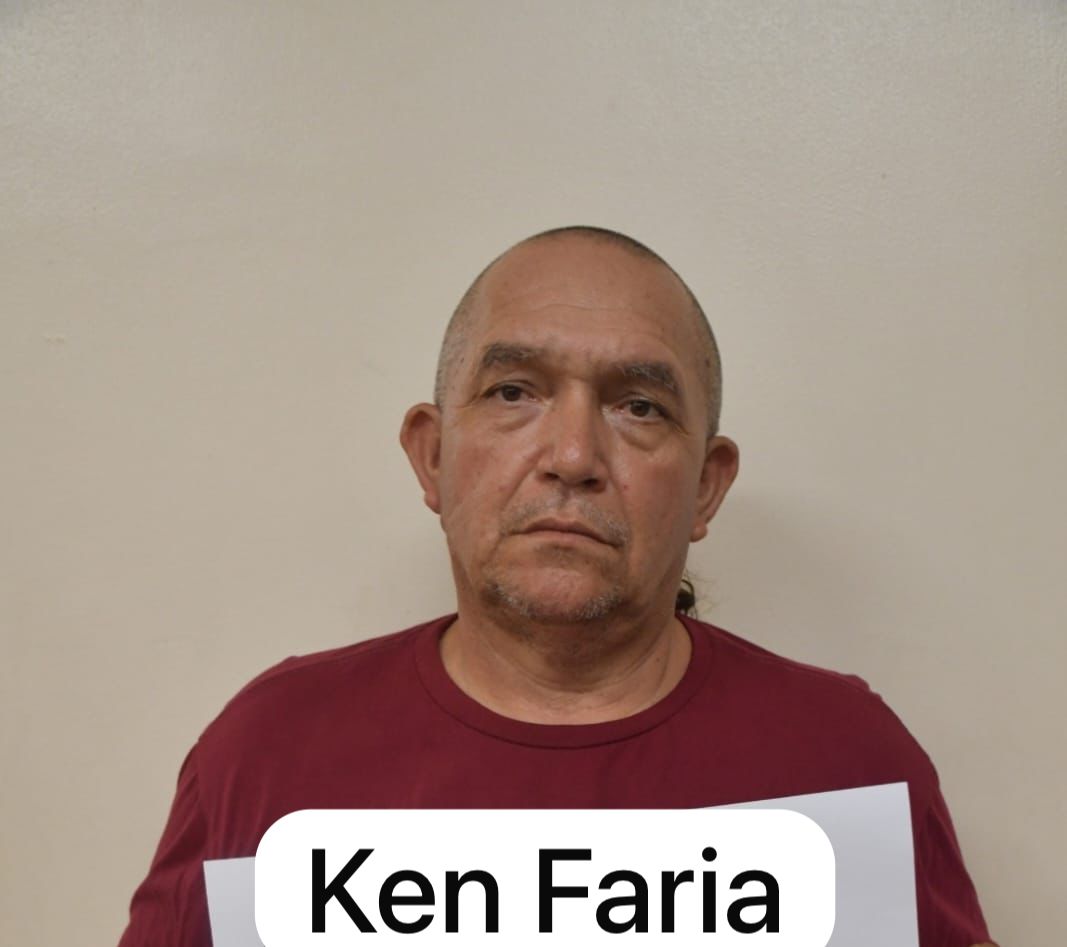
    In a significant development within Guyana’s justice system, a regional Community Relations Officer has been formally charged with the murder of a renowned local tour guide. Ken Faria, 49, of Culvert City in Central Rupununi, appeared before Chief Magistrate Faith McGusty at the Georgetown Magistrate’s Court on February 18, 2026, to face allegations concerning the death of Leon ‘Rasta’ Baird.

    The court proceedings revealed that Baird, a 38-year-old resident of St. Ignatius Village, Rupununi, was allegedly murdered between January 23 and January 25, 2026, at Wichabai in South Central Rupununi. Following the formal reading of the murder charge, Faria was remanded to prison until March 31, 2026, without entering a plea.

    According to official police reports, the investigation began when partially charred human remains were discovered inside a burned vehicle along the eastern bank of the Rupununi River near Wichabai Ranch on January 25. The remains were subsequently transported to Lethem Regional Hospital, where they were officially identified as Baird and pronounced dead.

    A critical post-mortem examination conducted on January 27 by Government Pathologist Dr. Nehaul Singh determined the cause of death to be severe burns, with forensic evidence indicating the victim was alive at the time the fire started. This finding significantly influenced the direction of the investigation, ultimately leading to the murder charge against Faria.

    The case has drawn considerable attention due to both the victim’s local prominence as a well-known tour guide and the defendant’s position as a Community Relations Officer—a role typically dedicated to fostering positive community relationships and resolving conflicts within the region.


  • Man to answer to murder, robbery and firearm charges today

    Man to answer to murder, robbery and firearm charges today

    A 21-year-old resident of St Michael, Barbados, is scheduled to appear before the Oistins Magistrates’ Court today to answer an extensive list of serious criminal charges. Jacobi Tyrike Nicholas Gilkes, residing at #2 Golden Rock, Pinelands, St Michael, faces allegations spanning multiple violent incidents dating back to mid-2025.

    The most severe charge involves the alleged murder of Anderson Calderon on June 16, 2025. On that same date, Gilkes additionally faces two counts of endangering life and unlawful use of a firearm, indicating the potential for multiple victims or a particularly violent episode.

    Beyond the homicide case, the defendant confronts charges connected to two separate robbery incidents months apart. According to court documents, Gilkes stands accused of robbing Jason Chandler on September 12, 2025, of property valued at approximately $14,980. In a subsequent incident on October 2, 2025, he allegedly robbed Andrew Lewis of items worth $2,500. The October robbery incident carries additional serious charges, including inflicting grievous bodily harm and again involving the unlawful use of a firearm.

    The Barbados Police Service’s Major Crime Unit, in collaboration with the Criminal Investigations Department from the Hastings/Worthing precinct, has formally brought these charges following their investigation. The consolidated nature of these charges suggests authorities have built a substantial case connecting Gilkes to these multiple criminal events.

    The court appearance scheduled for February 18, 2026, marks the beginning of formal judicial proceedings that will address these serious allegations through the Barbadian justice system.

  • Propane Gas Cylinders Seized During Police Operations

    Propane Gas Cylinders Seized During Police Operations

    In a coordinated security operation across multiple communities, the Royal Police Force of Antigua and Barbuda has confiscated several liquefied petroleum gas (LPG) propane cylinders and various items of investigative interest. The operation, conducted on Monday night, involved officers from both the Langfords Police Station and the specialized Special Services Unit (SSU).

    Law enforcement officials executed multiple search warrants across several residential areas including Skerritt’s Pasture, Cedar Grove, and North Sound Extension as part of their ongoing investigative efforts. The most significant findings emerged from a property in Skerritt’s Pasture where authorities discovered substantial gas storage and equipment.

    The seized items include three industrial-sized 100-pound LPG propane cylinders, one standard 20-pound domestic gas cylinder, and two gas regulators with connecting hoses. Additionally, police recovered various tools and personal items including a Makita power saw, fifteen cutting discs, a green and white spray can, one pair of Nike Air Force sneakers, and a black hoodie.

    Four individuals ranging from 18 to 29 years of age, representing the communities of Skerritt’s Pasture, Cedar Grove, North Sound Extension, and Liberta, are currently assisting police with their ongoing investigations. While no formal charges have been announced, the operation appears focused on investigating potential gas cylinder thefts or unauthorized possession.

    The police administration has issued a public appeal requesting community members who may have experienced theft of LPG propane cylinders to come forward. Authorities have provided contact numbers for both Langfords Police Station (562-5730) and Parham Police Station (463-2060) for citizens to report any relevant information that might assist the investigation.

  • Fèt Matjé Kwéyòl Sent Lisi celebrates language and heritage

    Fèt Matjé Kwéyòl Sent Lisi celebrates language and heritage

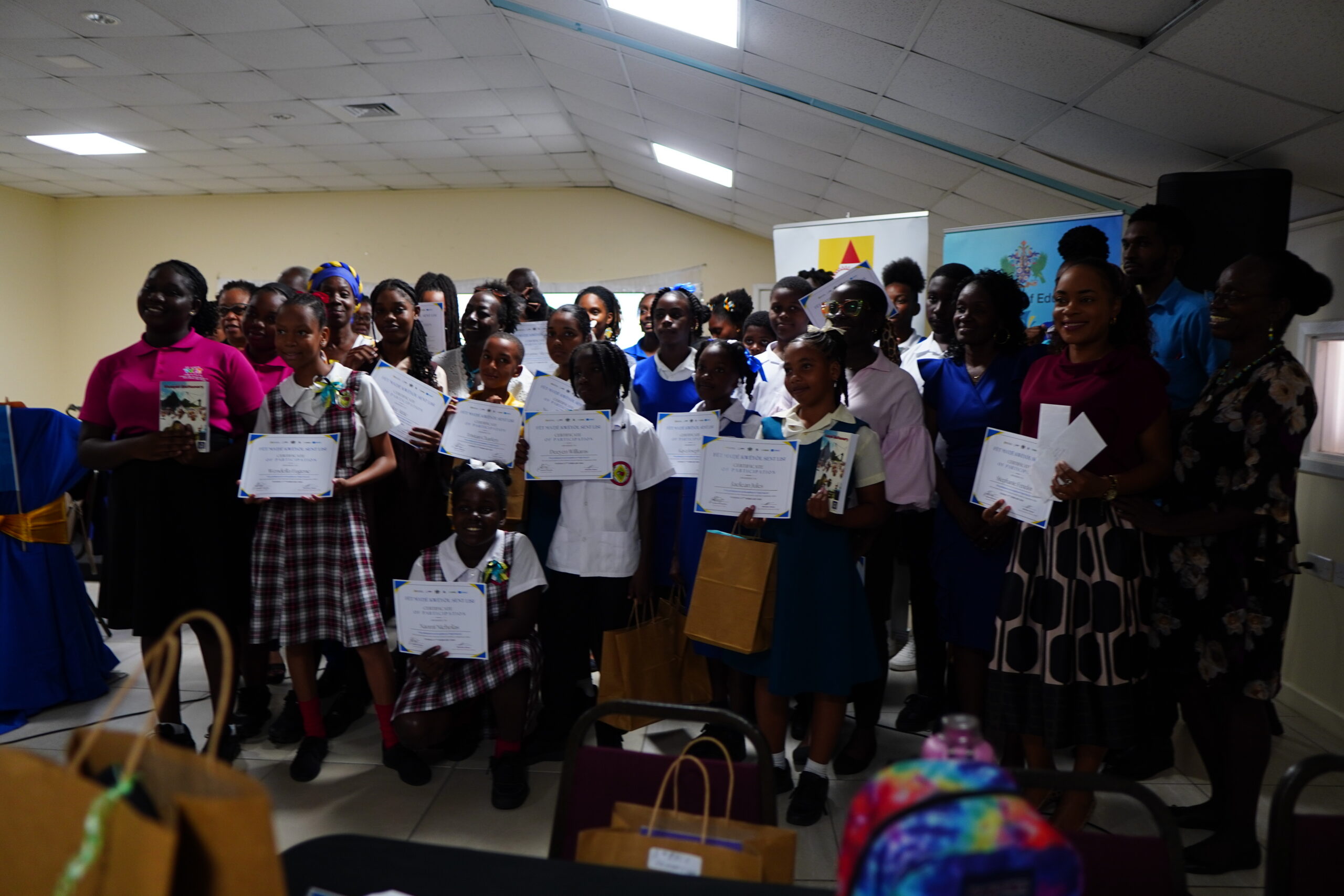
    In a landmark celebration of cultural heritage, Saint Lucia hosted its inaugural National Kwéyòl Spelling Competition on February 17, 2026. The groundbreaking event, formally titled Fèt Matjé Kwéyòl Sent Lisi, was orchestrated by the Msgr Patrick Anthony Folk Research Centre at the National Skills Development Centre (NSDC) as a highlight of the nation’s 2026 Independence celebrations.

    The competition attracted widespread participation across society, with students from primary, secondary, and tertiary educational institutions alongside professionals from both public and private sectors. Participants competed either as three-member teams or individually, demonstrating their mastery of the Kwéyòl language through two distinct assessment formats.

    The event featured a structured two-segment approach: a comprehensive spelling examination where all participants transcribed Kwéyòl words onto paper for evaluation, followed by an advanced dictation competition exclusively for individual contestants. This dual-method approach thoroughly tested participants’ orthographic and auditory comprehension skills in the indigenous language.

    Notable achievements emerged from the competition, with Sam Eudovicque securing first place in both individual categories—spelling and dictation—while Stephanie Fenelon claimed second position. In the team category, Mon Repos/Patience Primary School triumphed with only four errors, followed by Vide Boutielle Primary and Ti Rocher Micoud. At the secondary level, Sir Arthur Lewis Community College claimed victory, with St. Joseph’s Convent and St. Mary’s College tying for second place.

    Lindy-Ann Alexander, event coordinator, expressed profound enthusiasm about participants’ exceptional performance: ‘The proficiency level was remarkably high. The minimal error count demonstrates how accessible the Kwéyòl writing system is to learn, even for those who acquired it later in life.’ Alexander particularly noted the unprecedented occurrence of ties in both competition segments involving the same top performers.

    The event’s success was bolstered by substantial institutional support from the Ministry of Tourism, Ministry of Education, and Saint Lucia Tourism Authority. This sponsorship framework positions the competition for potential annual recurrence with expanded promotion and participation opportunities.

    Substantial prizes were awarded to celebrate linguistic achievement: winning schools received $600 with team members obtaining $100 each, plus Creole dictionaries for all participating institutions. The individual champion received a comprehensive package including cash prizes, a tablet, and a dinner for two.

  • Bestuurder overleden na ongeval op Weg naar Atjoni

    Bestuurder overleden na ongeval op Weg naar Atjoni

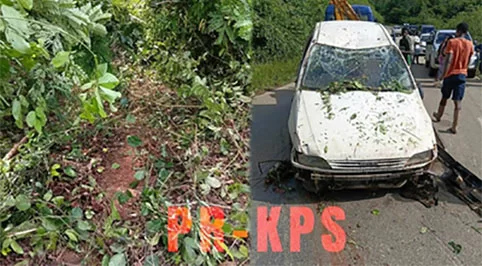
    A tragic traffic accident on the Weg naar Atjoni near Poeiri Bergi has resulted in the death of a 47-year-old driver identified as M.T. The fatal incident occurred during the early hours of Tuesday morning, according to authorities from the Brownsweg police department.

    Police responders arriving at the scene discovered four surviving passengers from the vehicle on the left side of the roadway. Following directions from these individuals, officers located the driver’s body in the immediate vicinity. The victim displayed no signs of life and had sustained a severe skull injury in the crash.

    Preliminary investigation indicates that the vehicle was traveling along Gaama Agbagoweg toward Atjoni when the driver lost control at a critical section of the road. The accident occurred at a gentle right-hand curve combined with a slight upward gradient near Poeiri Bergi. The vehicle subsequently veered off the roadway and descended into a ravine parallel to the left side of the road.

    The Forensic Investigation Department and Central Region Traffic Unit conducted on-site examinations to determine the exact circumstances surrounding the incident. Following authorization from the Public Prosecutor’s Office, the victim’s remains have been released to family members for funeral arrangements.

  • Community meeting set to address Charles Rowe Bridge flooding

    Community meeting set to address Charles Rowe Bridge flooding

    The St George North District Emergency Organisation (DEO) is mobilizing local residents and business operators for a critical community assembly this Saturday to address persistent flooding challenges at Charles Rowe Bridge. The gathering, scheduled for 3 p.m. at the Valley Resource Centre in Glebe, will facilitate dialogue between officials and the community regarding flood risk reduction strategies.

    Authorities will present comprehensive findings from a specialized flood assessment conducted after the November 2025 weather event that tragically claimed the life of 58-year-old resident Terry Kellman. The session will serve as both an informational briefing and participatory forum where community members can contribute historical knowledge and personal observations about flooding patterns in the district.

    The initiative represents a coordinated effort to develop practical solutions for flood mitigation while enhancing collaboration with national emergency response agencies. Organizers are particularly interested in documenting local expertise and historical flood data that could inform future prevention measures. The meeting follows the November incident where emergency personnel conducted an overnight search operation before recovering Mr. Kellman’s body after he was swept away by floodwaters near the bridge during intense rainfall.

    Interested parties seeking additional details can contact the St George North DEO at 252-1944 or via email at deo.stgeorgen@barbados.gov.bb.

  • Victory Centre, Cedar Grove Primary Launch Inclusive School Agriculture Project

    Victory Centre, Cedar Grove Primary Launch Inclusive School Agriculture Project

    A groundbreaking agricultural education initiative in Antigua and Barbuda is successfully merging inclusive learning practices with climate-resilient farming techniques to address national food security challenges. The innovative program, operating through a unique partnership between Cedar Grove Primary School and the Victory Centre for students with disabilities, has received funding from the Global Environmental Facility’s Small Grants Program.

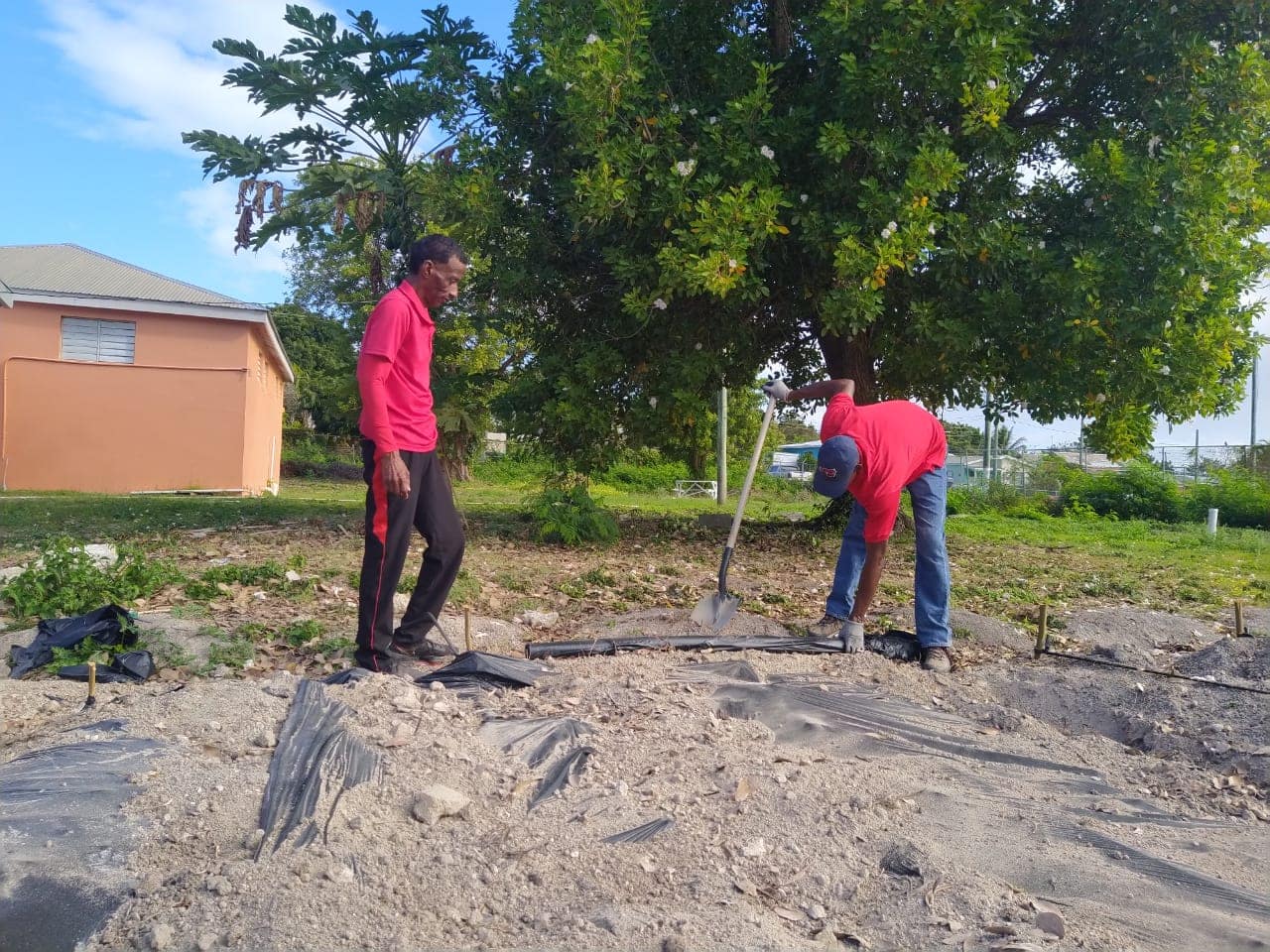
    The project creates shared learning environments where neurotypical students and those with disabilities collaborate in practical agricultural activities. School gardens have been transformed into dynamic outdoor classrooms that demonstrate agriculture’s accessibility regardless of physical or cognitive abilities. This week, technicians from the Inter-American Institute for Cooperation on Agriculture (IICA) and the Ministry of Agriculture’s Extension Division advanced installation of water-efficient drip irrigation systems, introducing participants to sustainable farming methods that conserve resources while boosting crop yields.

    IICA National Specialist Craig Thomas emphasized the program’s deliberate inclusive design: “By twinning with a school for differently abled students, we demonstrate that disabilities don’t preclude meaningful agricultural contributions. The replicable model established at Cedar Grove is simultaneously being implemented at Victory Centre, ensuring all students can participate equally.”

    The hands-on approach has produced remarkable outcomes, particularly among special needs students. Irrigation Specialist Bradbury Brown observed: “Agriculture offers natural engagement opportunities. As students work with their hands, witness plant growth, and develop practical skills, they build confidence and recognize their capacity to contribute to society and potentially establish future livelihoods.”

    Targeting preteens, the initiative fosters curiosity, responsibility, and pride while dismantling persistent disability stereotypes. Beyond the classroom, it sends a powerful community message that inclusive development strengthens entire societies. This collaborative model between educational institutions, IICA, and agricultural authorities presents a scalable framework for climate-smart agricultural education throughout Antigua and Barbuda.

  • PM Browne Hosts Villa Primary Students for Civics and Leadership Session

    PM Browne Hosts Villa Primary Students for Civics and Leadership Session

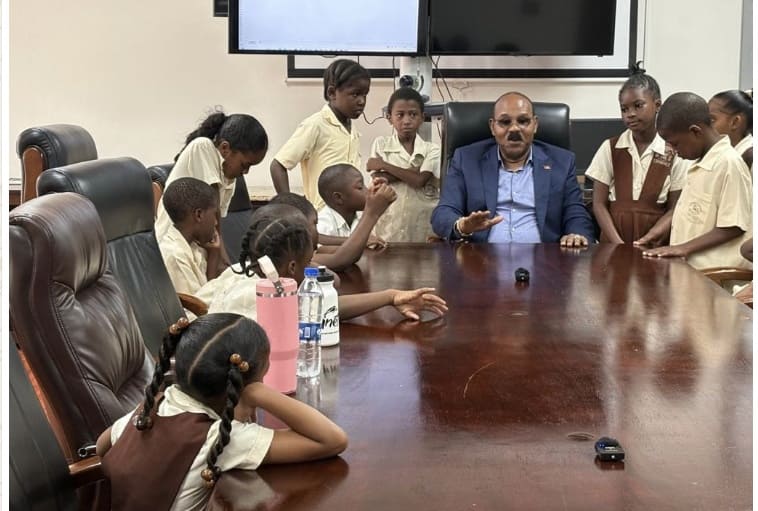
    In a demonstration of commitment to youth development, Antiguan Prime Minister Gaston Browne dedicated time from his demanding official duties to engage with young minds at Villa Primary School this Tuesday. The interactive forum transcended typical school visits, evolving into an immersive masterclass on governance and civic duty.

    Browne passionately articulated the critical importance of education as the fundamental bedrock for future success, urging students to prioritize their academic pursuits. The dialogue progressed into a comprehensive civics tutorial, with the nation’s leader detailing the intricate functions of the three governmental branches: the Executive, Legislature, and Judiciary. He further demystified the electoral process, explaining the mechanisms through which political parties compete for power and subsequently establish governing administrations.

    Adding a deeply personal dimension to the encounter, Prime Minister Browne revealed his own historical connection to the institution, sharing anecdotes from his time as a student within the very same walls. This revelation powerfully illustrated his journey from classroom to national leadership, providing students with a tangible example of achievement rooted in their shared educational foundation. The session emphasized that leadership responsibility extends beyond government halls and into community engagement, framing active citizenship as both a privilege and obligation.

  • Rotary Club of Antigua Donates Sewing Machines and Laptops to Salvation Army Women’s Programme

    Rotary Club of Antigua Donates Sewing Machines and Laptops to Salvation Army Women’s Programme

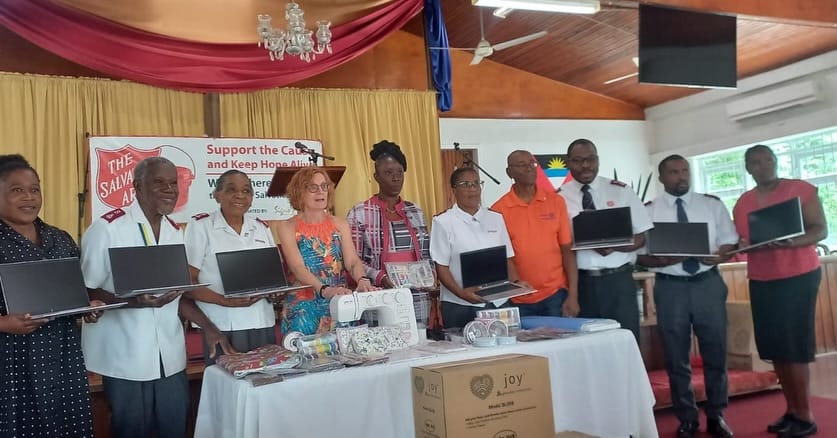
    A significant donation of vocational equipment has been delivered to The Salvation Army’s Women’s Action Group Programme, marking a milestone in a 15-year collaborative effort between international Rotary clubs. The contribution, made possible through the sustained partnership of the Rotary Club of Antigua, the Bellvue Breakfast Rotary Club, and the Rotary Club of Kirkland Downtown, is designed to transform vocational training and economic prospects for participating women.

    The newly provided equipment will substantially upgrade the program’s instructional capabilities, enabling enhanced hands-on learning experiences. This infrastructure boost supports creative skill development and establishes stronger pathways toward economic self-sufficiency for women in the program. The donation represents more than material support—it embodies Rotary’s enduring commitment to international cooperation and community-driven development initiatives.

    Representatives from the Rotary Club of Antigua emphasized that their contribution highlights the organization’s dedicated focus on women’s empowerment and sustainable community growth. ‘This donation reflects our core belief in supporting initiatives that foster lasting change within families and communities,’ a spokesperson noted.

    The Salvation Army’s program provides comprehensive training and support services specifically designed to equip women with practical, marketable skills. This enhanced technical capacity will directly improve participants’ ability to develop sustainable livelihoods and achieve greater economic independence, creating ripple effects that benefit entire communities.

  • LETTER: To the Family Court from a concern father

    LETTER: To the Family Court from a concern father

    The Antigua Family Court system faces mounting scrutiny as concerns emerge regarding unintended consequences of judicial interventions in familial disputes. While established with the noble objective of protecting children’s welfare, recent observations suggest that certain proceedings may inadvertently compromise the very interests they aim to safeguard.

    Legal intervention proves indispensable when parents default on financial or caregiving responsibilities. The court’s authority ensures children receive essential support that negligent parents might otherwise withhold. However, a troubling pattern emerges when personal conflicts between former partners escalate into legal battles.

    In numerous instances, previously cooperative parents who voluntarily exceeded their obligations have reduced support to court-mandated minimums following formal proceedings. This phenomenon frequently transforms collaborative parenting into transactional compliance, often with detrimental effects on children’s wellbeing.

    One illustrative case involves a father who comprehensively funded his child’s private education until confronted with additional support demands through the court system. Following the judicial order, he meticulously adhered to the specified amount while the mother struggled to meet her allocated contributions. Consequently, the child faced educational disruption and material hardship when withdrawn from private school—a outcome neither parent intended but both enabled through adversarial litigation.

    This case exemplifies systemic challenges where rigid financial determinations overlook complex familial dynamics. When judicial processes prioritize mathematical calculations over holistic child welfare, children often become collateral damage in adult conflicts.

    The fundamental question emerges: how can legal frameworks ensure accountability without discouraging voluntary parental excellence? The system must distinguish between genuinely negligent parents requiring enforcement and responsible parents whose efforts might be undermined by procedural rigidity.

    Family Court jurisprudence must evolve beyond mere financial arbitration to consider psychological impacts and long-term developmental consequences. Decisions should reinforce positive parental behaviors rather than inadvertently penalizing them. This requires judicial discretion that recognizes extraordinary parental effort while maintaining enforcement mechanisms against true delinquency.

    Ultimately, the metric for successful intervention must be measurable improvement in children’s lives—not merely technical compliance with court orders. When proceedings result in educational interruption, diminished stability, or emotional distress, the system must undergo critical evaluation.

    A child-centric approach would prioritize mediation over litigation, preserve existing supportive arrangements, and consider psychological impacts alongside financial needs. Such reforms would better serve Antigua’s families while upholding the court’s foundational mission to protect vulnerable children.