
The Caribbean and the global Anglican community are united in mourning the passing of Archbishop Drexel Gomez, a revered figure in the Anglican Church, who died at the age of 88. Born in the Bahamas, Gomez made an indelible mark on the religious and social fabric of the region. At just 36, he was consecrated as the Bishop of Barbados on June 24, 1972, becoming the first and only Caribbean-born bishop in the diocese’s 200-year history. He served in this role for two decades before ascending to Archbishop of the Church in the Province of the West Indies in 1998. Prime Minister Mia Mottley of Barbados fondly remembered Gomez as a ‘soft-spoken gentleman’ whose warmth and dignity endeared him to all. She highlighted his courage in addressing social and political issues from the pulpit, even during tumultuous times in Barbadian politics. Anglican Bishop of Barbados, the Right Reverend Michael Maxwell, praised Gomez’s lifelong dedication to the church and his unwavering service to the diocese and the wider Anglican Communion. Bahamian Prime Minister Philip Davis also paid tribute, recalling Gomez’s guidance and moral clarity, which left a lasting legacy. Gomez’s life was a testament to faith, leadership, and service, and his passing marks the end of an era for the Caribbean Anglican community.
分类: society
-
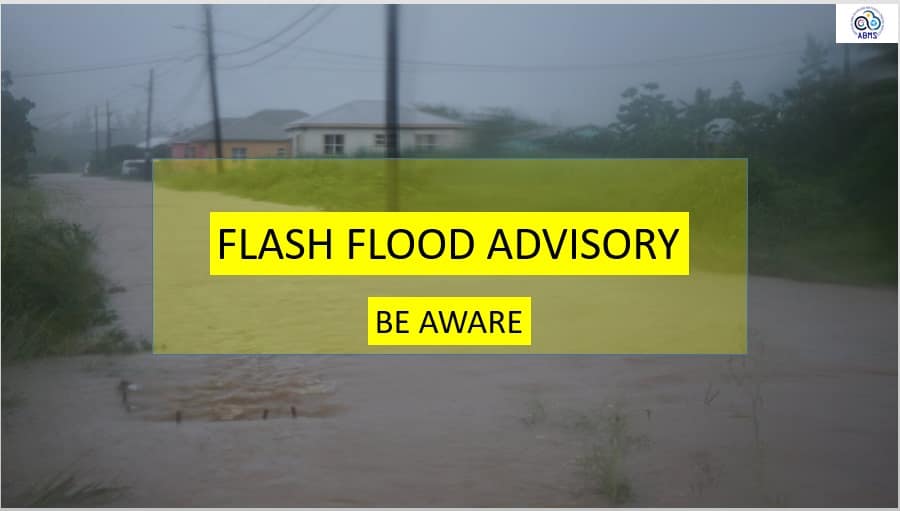
Flash Flood Advisory Issued for Antigua and Barbuda
The Antigua and Barbuda Meteorological Service has issued a flash flood advisory for the twin-island nation, alerting residents to potential minor flooding in low-lying and flood-prone areas. The advisory, which remains in effect until noon on Thursday, comes as a persistent weather trough continues to bring heavy showers and thunderstorms across the islands. Radar estimates indicate that over an inch of rain has already fallen, with additional rainfall expected throughout the morning. Residents are urged to exercise caution, avoid flooded roads, and move to higher ground if necessary. Officials anticipate minor disruptions but do not expect major damage. Forecaster Patrice Edwards advised the public to stay updated through local media or contact the Met Office at 463-4638 for further information. The situation underscores the importance of preparedness during severe weather events in the region.
-
Connecting communities, government, and markets
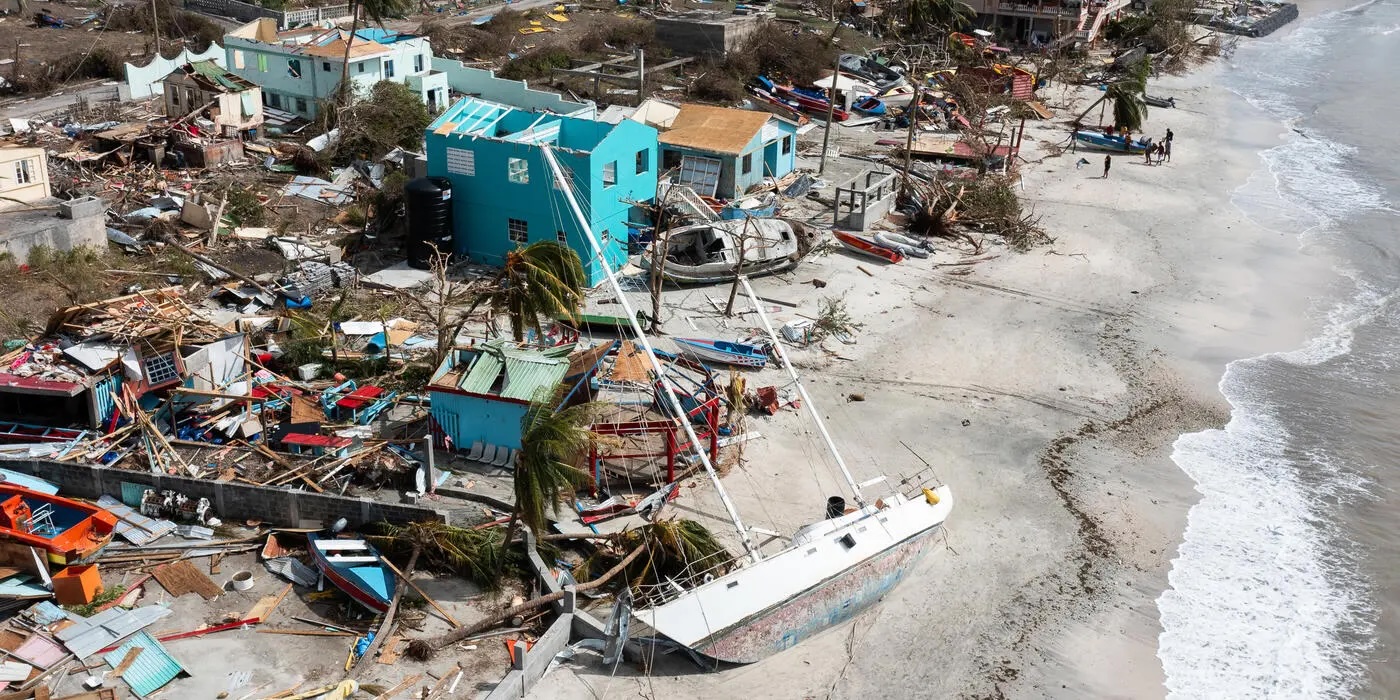
When hurricanes devastate the Caribbean, recovery extends beyond rebuilding infrastructure. It hinges on the ability of farmers to replace lost livestock, fishers to access damaged docks, market vendors to preserve perishable goods, and tourism workers to survive prolonged hotel closures. These individuals are the backbone of local economies, yet they often face the longest delays in receiving aid. While governments and private insurers play crucial roles, they frequently fall short in addressing the immediate, small-scale needs of vulnerable workers. Governments focus on large-scale recovery efforts, such as repairing roads and restoring power grids, but struggle to swiftly address individual needs like restoring contaminated wells or replacing fishing equipment. Private insurers, on the other hand, cater primarily to businesses with formal assets, leaving informal workers—such as farmers without land titles or fishers with uninsured boats—without coverage. This gap in disaster response is where meso-level Climate and Disaster Risk Finance and Insurance (CDRFI) steps in. By linking government and insurance resources with the trust and reach of community organizations, meso-level CDRFI creates a more efficient and equitable recovery system. Community institutions, such as cooperatives and NGOs, act as direct links to vulnerable populations, identifying needs and distributing resources. Financial tools like parametric insurance and community savings funds are managed through these groups, ensuring faster and fairer payouts. Governments and private insurers provide broader support, making the system sustainable. Research by the Caribbean Policy Development Centre (CPDC) reveals that 79% of organizations serving vulnerable workers lack budgets for disaster response. Meso-level CDRFI empowers these organizations to access financial resources, deliver support directly, and reduce recovery time. Beyond financial aid, this approach fosters trust, transparency, and local decision-making, essential for long-term resilience. As climate risks escalate, meso-level CDRFI offers a practical solution to strengthen the Caribbean’s disaster response, ensuring that recovery is both swift and equitable.
-
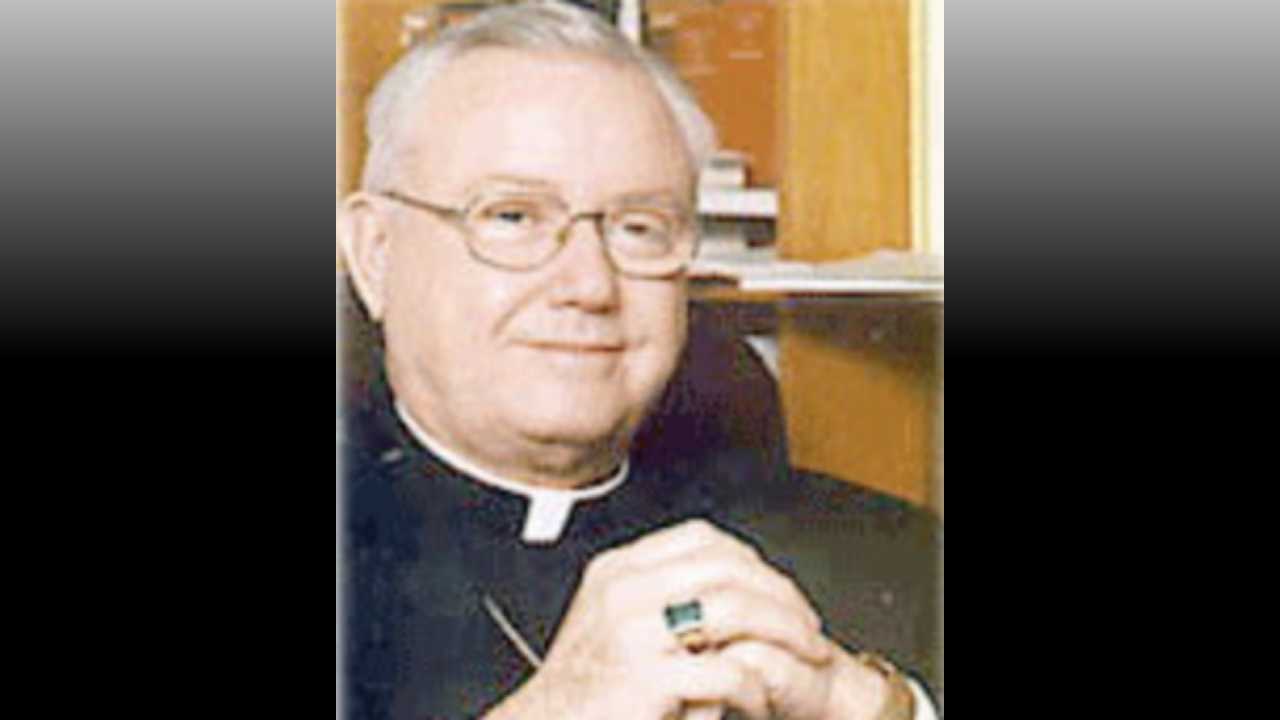
Former Bishop of Dominica Edward Gilbert passes away
The former Bishop of Dominica, Edward Gilbert, has passed away, according to reports from Dominica News Online (DNO). The respected clergyman died at approximately 11:30 pm last night in a Redemptorist retirement home located in Florida. Details surrounding his passing remain limited at this time, but further information is expected to be released in a subsequent update. Bishop Gilbert’s contributions to the religious community in Dominica and beyond have left a lasting legacy, and his death marks a significant loss for the Catholic Church and its followers. The news has prompted an outpouring of condolences from those who knew him and were touched by his work. As the community mourns, many are reflecting on his life of service and dedication to faith.
-

ABDF Announces New Route for 2025 Poppy Run/Walk
The Antigua and Barbuda Defence Force (ABDF) has announced a significant update to this year’s 5K Poppy Run/Walk, with the event set to commence from Nugent Avenue, deviating from its traditional route. Scheduled for Saturday, 8 November 2025, the annual event aims to honor the nation’s military heroes while promoting community engagement through a healthy and meaningful activity. Organizers are encouraging residents to begin training and register early to secure their participation slots. Participants will also have the chance to win exciting prizes from sponsors such as Royalton Antigua Resort & Spa, Subway, Carlisle Bay Antigua, Wadadli Cats, The Hut, and Meg’s Total Wellness. The ABDF emphasized that the event is not only a tribute to military service but also an opportunity to foster community spirit and physical wellness. Registration is now open online, with additional details available on the ABDF website. The event promises to be a memorable occasion, blending patriotism, health, and community camaraderie.
-
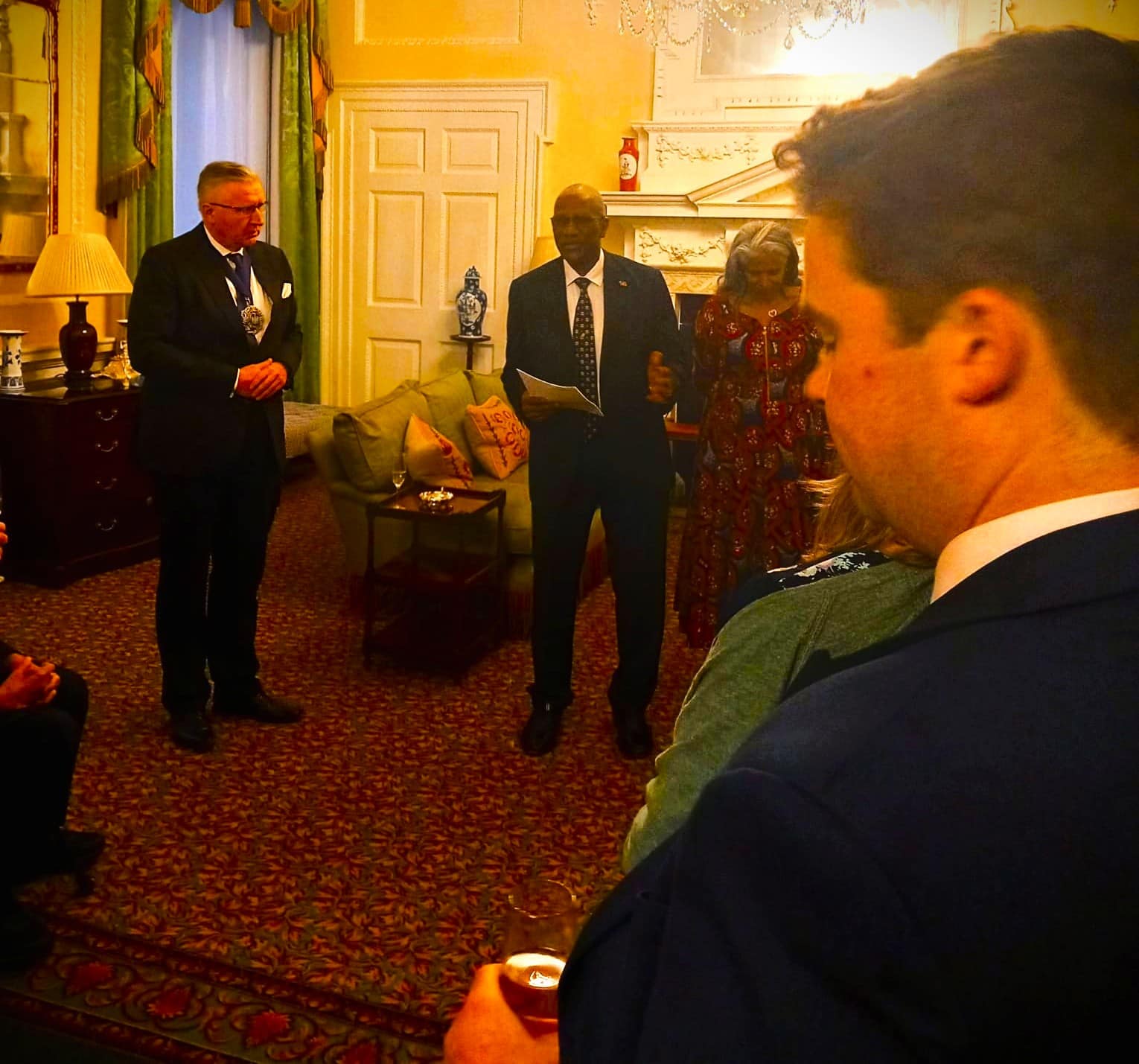
Governor-General of Antigua and Barbuda Calls for Renewed Partnership between the City of London and the Caribbean at Mansion House Reception
His Excellency Sir Rodney Williams, Governor-General of Antigua and Barbuda and President of the West India Committee, delivered a keynote address at a prestigious fundraising reception hosted by The Rt Hon The Lord Mayor of London at Mansion House. The event, held on October 13, 2025, aimed to support the West India Committee’s mission and celebrate its historic ties with the City of London. Attendees included members of the diplomatic corps, business leaders, and representatives from the Caribbean community. Sir Rodney highlighted the Committee’s founding in 1735 and its pioneering role in establishing the Thames Police in 1798, the world’s oldest serving police force. He praised the Committee’s enduring commitment to public service, humanitarian aid, and education, emphasizing its innovative spirit. In a gesture of recognition, The Lord Mayor and Lady Mayoress were awarded Honorary Life Fellowships of the West India Committee. Sir Rodney humorously remarked that the honor made them “honorary West Indians,” complete with the warmth and rhythm the title implies. He also expressed gratitude for His Majesty The King’s continued interest in the Committee’s work and referenced the upcoming Commonwealth Heads of Government Meeting (CHOGM) in Antigua and Barbuda in 2026. The Governor-General commended Mrs. Blondel Cluff, Chief Executive of the West India Committee, and Mr. David Wells, Charity Secretary, for their dedicated leadership. He also acknowledged Mr. Algy Cluff for restoring the memorial gates at Shirley Heights, a UNESCO World Heritage Site. The evening concluded with Sir Rodney urging renewed partnership and generosity to support the Committee’s mission, emphasizing the importance of continued collaboration between the City of London and the Caribbean.
-

GFNC’s Snack Attack: 5 high schools competing
The Grenada Food and Nutrition Council (GFNC) has unveiled the participating schools for the highly anticipated High Schools Snack Attack! competition. This innovative initiative aims to foster creativity, nutrition awareness, and entrepreneurial spirit among students by challenging them to develop healthy, market-ready snacks using locally sourced ingredients. The participating schools, listed alphabetically, include Bishop’s College, Carriacou; Grenada Boys’ Secondary School; Grenada Seventh Day Comprehensive School; J W Fletcher Catholic Secondary School; and Presentation Brothers’ College. The competition will provide students with expert mentorship, hands-on training, and opportunities to hone their business, teamwork, and marketing skills. The event will culminate in a Grand Finale and Awards Ceremony, where finalists will showcase their snack creations to judges and the public. By encouraging the use of local ingredients, Snack Attack! not only promotes healthier eating habits but also supports Grenada’s food and nutrition security. For more information about the GFNC and its initiatives, visit their official website or follow them on social media. To schedule a nutrition counselling session, contact the GFNC directly.
-

World Food Day address by Minister of Agriculture
On October 16, 2025, Dominica joined the global community in commemorating World Food Day under the theme, ‘Hand in Hand for Better Foods and a Better Future.’ This year’s celebration held special significance as it coincided with the 80th anniversary of the Food and Agriculture Organization (FAO) of the United Nations, an institution that has tirelessly worked to eradicate hunger, improve nutrition, and promote sustainable agriculture worldwide. Hon. Roland Royer, Minister for Agriculture, Fisheries, Blue and Green Economy, emphasized the critical role of collective action in achieving food security. In an audio statement, he underscored that access to adequate food is not just a fundamental right but a shared responsibility. Royer expressed gratitude for FAO’s continued support in enhancing Dominica’s food systems and resilience. The Minister highlighted the importance of unity, as symbolized by the theme, and called for collaboration across all sectors—farmers, fishers, educators, community members, and government agencies—to build a more resilient Dominica. He stressed the need to support local agriculture and fisheries, promote the consumption of locally produced foods, and empower the youth as essential steps toward independence and long-term prosperity. Despite global advancements, hunger remains a pressing issue, with nearly 730 million people worldwide facing chronic hunger and over 2.3 billion experiencing food insecurity. In the Caribbean, 16.3% of the population, or 7.2 million people, suffer from undernourishment, exacerbated by reliance on imports, climate change, and economic vulnerabilities. Royer reaffirmed the government’s commitment to addressing these challenges by improving local food systems, supporting farmers, and ensuring access to nutritious and affordable food for all citizens. Initiatives like CARICOM’s ’25 by 2030,’ which aims to reduce food imports by 25%, align with national goals to boost agriculture’s economic contribution to $700 million and cut meat imports by up to 40% by 2030. Recent efforts include expanding irrigation, introducing modern farming tools, enhancing market linkages, and promoting climate-smart practices. The government is also investing in food processing, safety, and product development to transform local produce into high-quality goods. Programs targeting youth engagement, agricultural education in schools, and fostering innovation in farming are also underway. Royer emphasized that every action, from planting trees to reducing food waste, contributes to the nation’s goal of eradicating hunger and building sustainability. He urged citizens to unite in supporting agriculture, protecting the environment, and empowering future generations. In closing, the Minister called on Dominicans to celebrate World Food Day by taking tangible steps toward a sustainable and food-secure nation.
-

Mother Who Lost Home in Fire Still In Need of Place To Call Her Own
Latoya Christian, a mother whose home was destroyed in a tragic fire earlier this year, continues to face significant challenges in securing stable housing for her family. Despite receiving essential donations such as food and clothing, Christian emphasizes that her most pressing need is a permanent place to live. She shared her plight with Antigua Newsroom, expressing her frustration and gratitude simultaneously. ‘I have been getting food, clothes, etc., but I’m in need of somewhere to stay. My daughter just had a baby, and I have others all over. It’s frustrating, to be honest. I’m not saying it’s anyone’s fault, but all I need is some assistance for somewhere to live,’ she said. The fire, which occurred in July, began in the kitchen when a gas hose caught fire. Despite her efforts to extinguish the flames, the blaze quickly engulfed the house, forcing Christian and her children to flee over a fence to safety. Among those affected were her six-year-old daughter, four-year-old son, and 21-year-old pregnant daughter, who has since given birth. The fire destroyed all their belongings, including clothing, documents, and baby supplies. Christian, who has been going to work without meals, relies on the school meal program to feed her five-year-old. She is deeply thankful for the support she has received so far but is urgently appealing for assistance to secure housing for her family. Those wishing to help can contact her at (268) 783-9068.
-
Barbados ‘leads CARICOM’ in introducing paid paternity leave
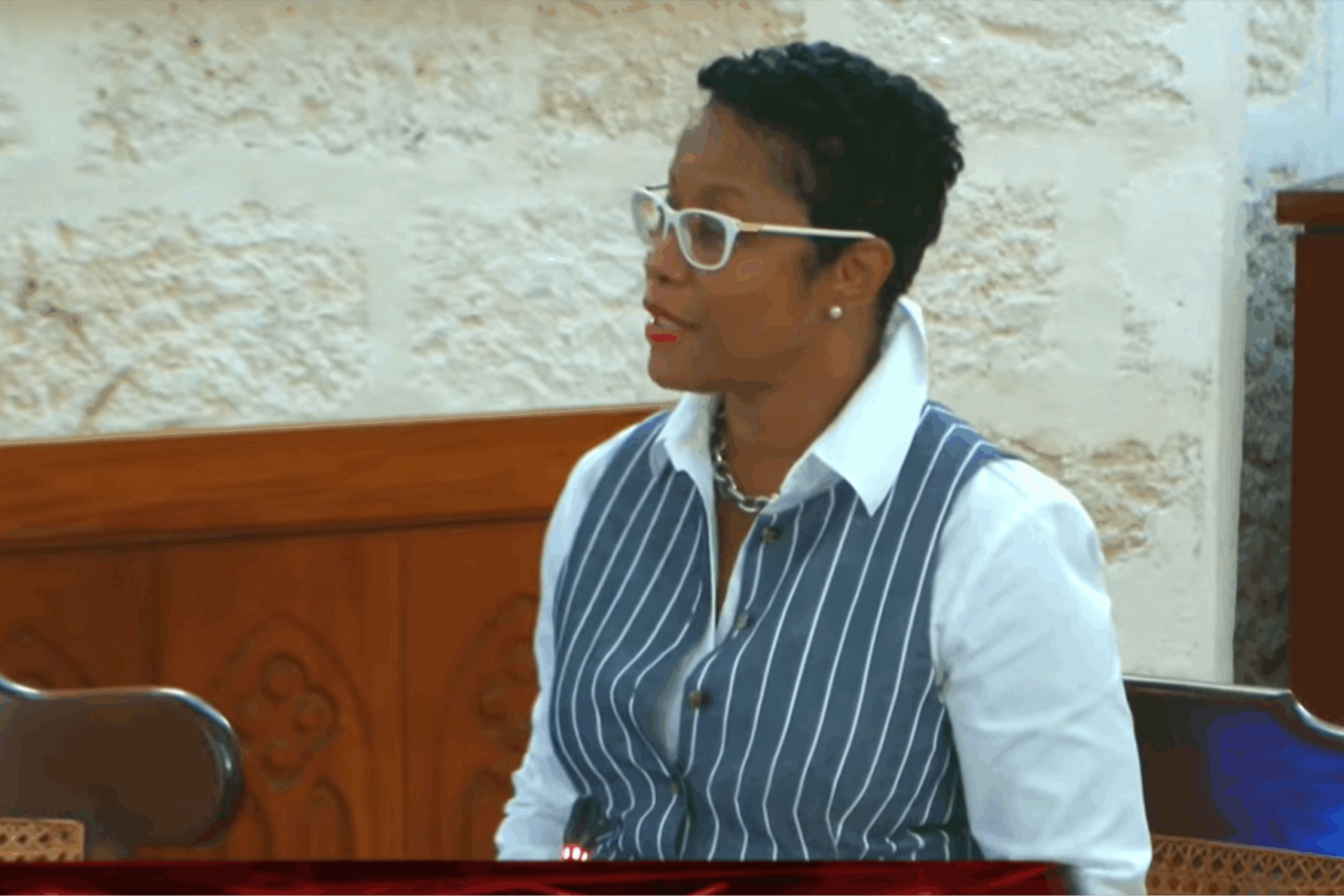
Barbados has set a groundbreaking precedent in the Caribbean Community (CARICOM) by becoming the first nation to introduce paid paternity leave for fathers. The landmark legislation, championed by Minister of Energy and Business, Senator Lisa Cummins, was passed in the Senate following its approval in the House of Assembly. This progressive move positions Barbados as a regional leader in supporting working families and promoting gender equality in parenting.