
In a tragic incident that shook the Collins community in 2020, Jareth Jamala John, a 25-year-old man, was sentenced to 20 years in prison for the manslaughter of his 94-year-old grandfather, Murrington Alston John. The crime, committed during a psychotic episode, has left the family divided in their perceptions of the defendant. During the sentencing hearing at the High Court in Kingstown, Justice Rickie Burnett referenced a social inquiry report that revealed starkly contrasting accounts of Jareth from his mother, Ivy John, and his unnamed brother. Ivy described her son as loving and helpful, emphasizing his close bond with his grandfather. She attributed his violent outburst to mental health issues exacerbated by marijuana use, which began at age 13. In contrast, Jareth’s brother painted a darker picture, alleging that the defendant had a history of violent behavior that instilled fear in the household. The brother claimed he had repeatedly urged their mother to seek mental health evaluations for Jareth, but she refused. The court also noted that Ivy had pre-existing mental health challenges. Jareth’s mental health reports indicated that his marijuana addiction, which he vowed never to quit, played a significant role in triggering his psychotic episodes. Despite his guilty plea and a reduced sentence due to diminished responsibility, the case highlights the devastating consequences of untreated mental illness and substance abuse.
分类: society
-
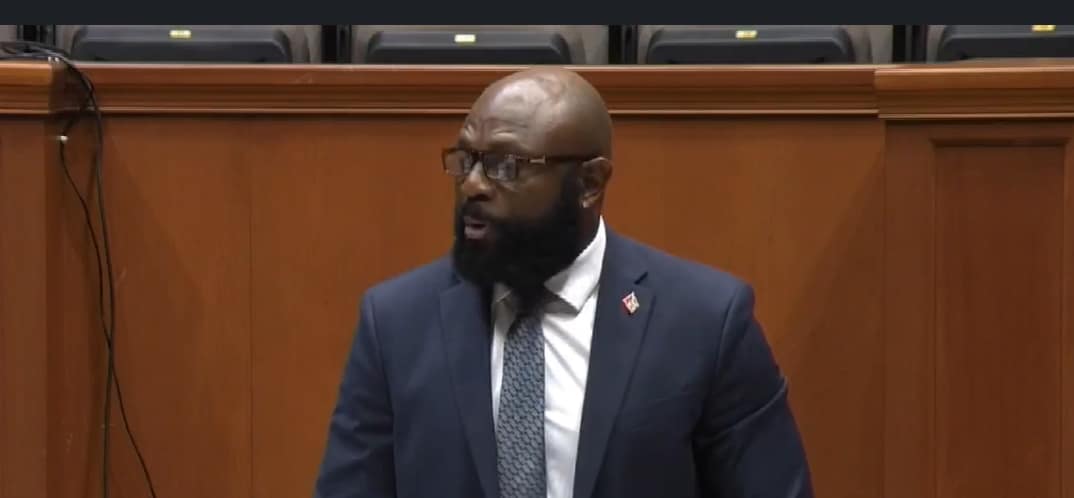
VIDEO: PM Agrees St. Mary’s South Viewing Stand Taking Too Long
Prime Minister Gaston Browne has acknowledged the slow progress in the construction of the St. Mary’s South playing field viewing stand, agreeing with St. Mary’s South MP Kelvin Simon that the project is significantly behind schedule. During a recent session of the House of Representatives, Simon raised concerns about the delays, emphasizing that with only two months remaining in the year, the completion of the facility seems unlikely. Browne expressed his shared frustration, stating, “The viewing stand should have been completed by now.” He pledged to personally intervene to ensure the project is finished “within the shortest possible time.” The Prime Minister also mentioned that he would instruct the Minister for Rural East to investigate the contractor responsible for the delays. Browne clarified that there are no known issues with payments, suggesting that the contractor’s inefficiency is the primary cause of the holdup. While acknowledging that adverse weather conditions, such as rainfall, may have contributed to the delays, Browne emphasized that the construction of a viewing stand is not a complex task. He vowed to monitor the situation closely to ensure swift progress. The project, which includes both a viewing stand and an upgraded playing field, is designed to support local athletes and provide a recreational space for the St. Mary’s South community. The Prime Minister’s commitment to expediting the project reflects the government’s focus on addressing community needs and improving public infrastructure.
-
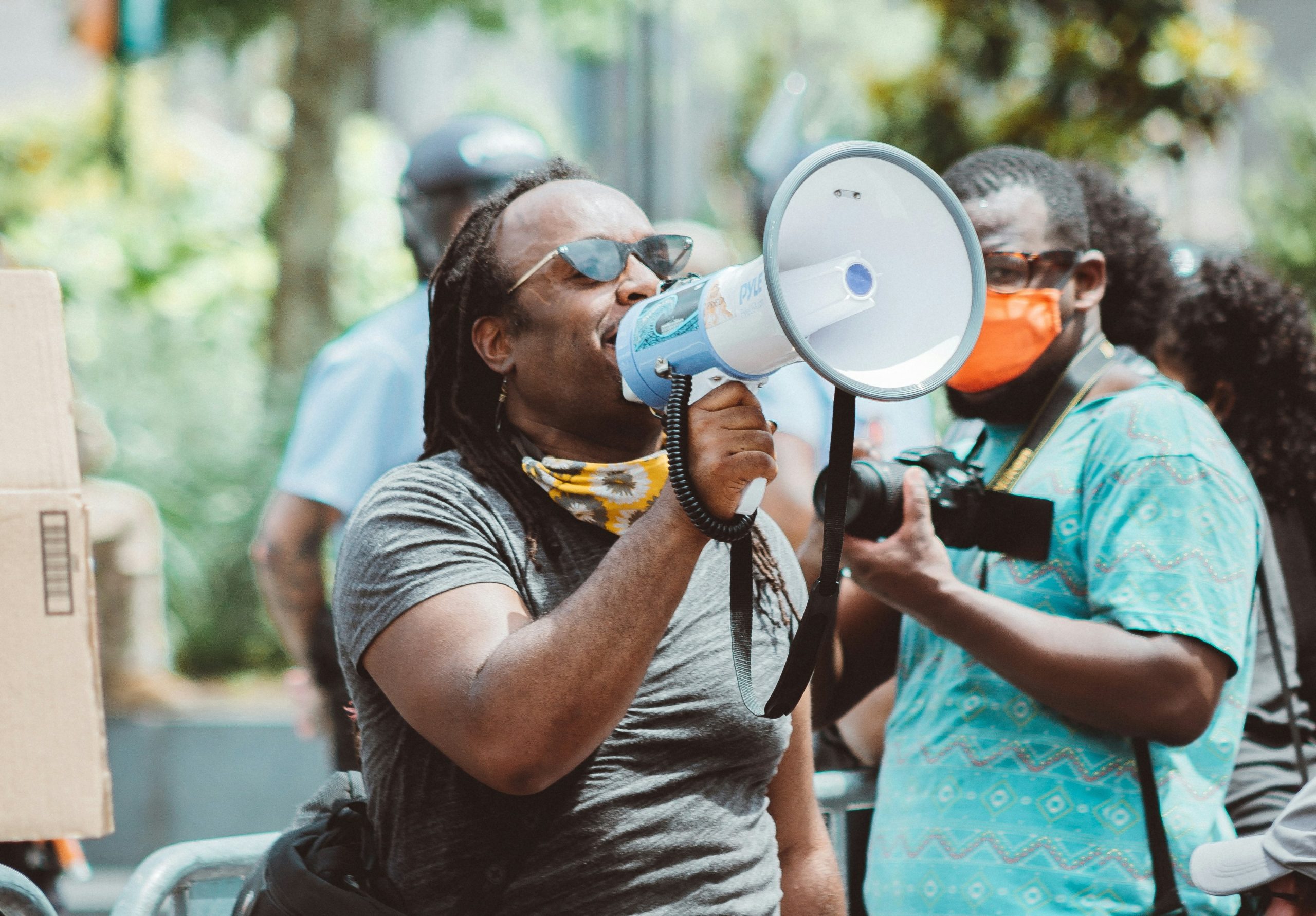
Pedro Vaca warns press freedom is under pressure across the Americas
Punta Cana, Dominican Republic – Pedro Vaca Villarreal, the Special Rapporteur for Freedom of Expression at the Inter-American Commission on Human Rights (IACHR), has issued a stark warning about the deteriorating state of press freedom across the Americas. Speaking at the 81st General Assembly of the Inter-American Press Association (IAPA), Vaca lamented the scarcity of positive examples of journalistic liberty in the region. He highlighted alarming developments in Guatemala, El Salvador, and the United States, where journalists face increasing obstacles. In Guatemala, reporters are being imprisoned for merely performing their duties, while El Salvador has imposed severe restrictions on access to public information, making confidentiality the norm. In the United States, new Pentagon regulations have been criticized for impeding journalistic work. Vaca also expressed concern over a broader regional trend of ‘tolerance for abuse,’ exacerbated by irresponsible and discriminatory rhetoric from political leaders, which undermines public trust. Panelists Andrés Mompotes, director of El Tiempo (Colombia), and Daniel Dessen, president of La Gaceta (Argentina), echoed these sentiments, noting the erosion of democratic values and ongoing efforts to delegitimize the press. Despite these challenges, Dessen pointed to failed censorship attempts in Argentina as a sign that ‘there are still reasons for optimism.’
-
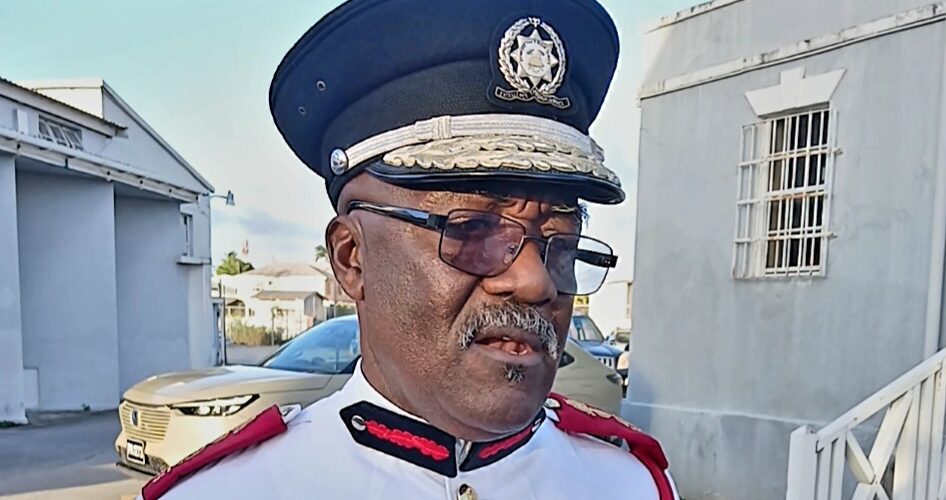
Fire Service equips stations to tackle electric vehicle, battery fires
The Barbados Fire Service (BFS) has intensified its preparations to tackle the unique fire hazards posed by electric vehicles (EVs), equipping fire stations across the island with specialized tools and chemical additives. Fire Chief Errol Maynard disclosed that every station now has fire blankets designed to smother EV fires, along with F-500, a chemical additive that enhances water’s effectiveness in cooling and suppressing lithium-ion battery blazes.
-
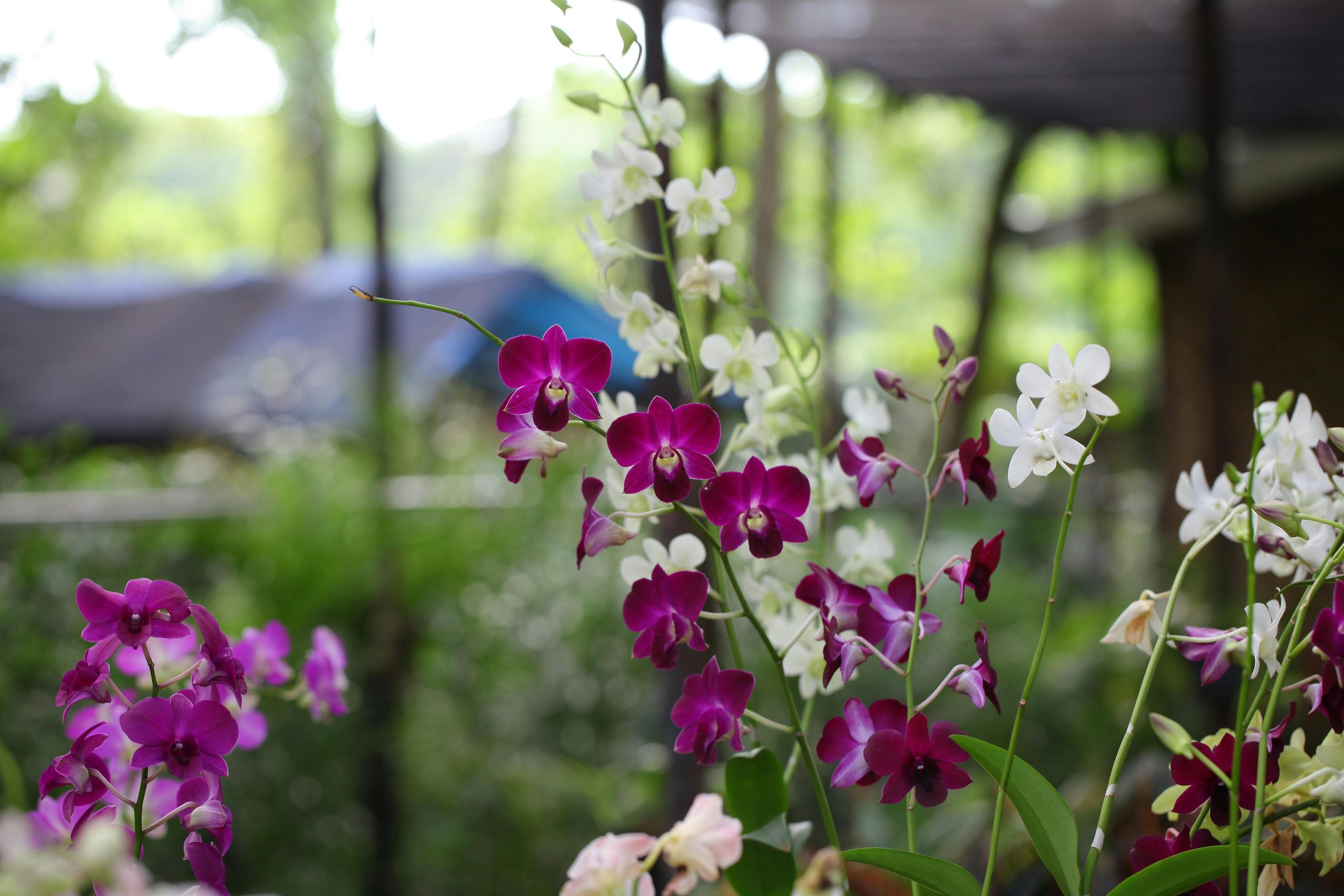
National Plant Festival opens at Botanical Garden
Santo Domingo’s Dr. Rafael M. Moscoso National Botanical Garden (JBN) has launched the 19th edition of its National Plant and Flower Festival, a vibrant celebration of the Dominican Republic’s botanical heritage and a platform for environmental education. The event, which runs until Saturday, October 19, has attracted 106 exhibitors, including international participants from Ecuador, Puerto Rico, and Canada, showcasing a wide array of ornamental plants. Visitors arrived early to explore the displays, with orchids emerging as a crowd favorite.
At the opening ceremony, JBN Director General Pedro Suárez underscored the festival’s 19-year legacy, emphasizing its dual role in promoting plant care expertise and raising environmental awareness. Suárez expressed optimism about surpassing last year’s attendance record of 15,000 visitors. The festival offers a packed schedule of activities from 9:00 a.m. to 6:00 p.m., catering to diverse interests. Highlights include workshops on Kokedama techniques, urban and educational gardening, bonsai art, and floral arrangement. Additionally, children can engage in crafts using natural materials, while free talks and workshops delve into critical topics such as environmental conservation, the protection of native and endemic flora, ornamental plant production, and pest and disease management.
This year’s festival not only celebrates the beauty of plants but also serves as a hub for fostering a deeper connection between the community and nature, reinforcing the importance of sustainable practices and biodiversity preservation.
-
Insecurity : September 2025, bad results (report)
A recently released report by the Defenders Plus Collective has shed light on the deteriorating human rights situation in Haiti during September 2025. The document, which serves as a monthly assessment, reveals a harrowing escalation of violence and rights violations across multiple regions, leaving the population in a state of despair and displacement. The report underscores a surge in assassinations, sexual violence, kidnappings, forced displacements, and armed attacks, which have collectively inflicted immense suffering on thousands of families. The West, Artibonite, Center, and Northwest regions have been particularly hard-hit, with local communities enduring unprecedented levels of violence. Women and children, often the most vulnerable, have borne the brunt of these atrocities, either as direct victims or as survivors struggling to cope with the dire conditions of displacement. The Defenders Plus Collective has sounded the alarm, urging immediate attention to the escalating crisis. For a comprehensive understanding of the situation, the full report, available in French, can be accessed via the provided link.
-
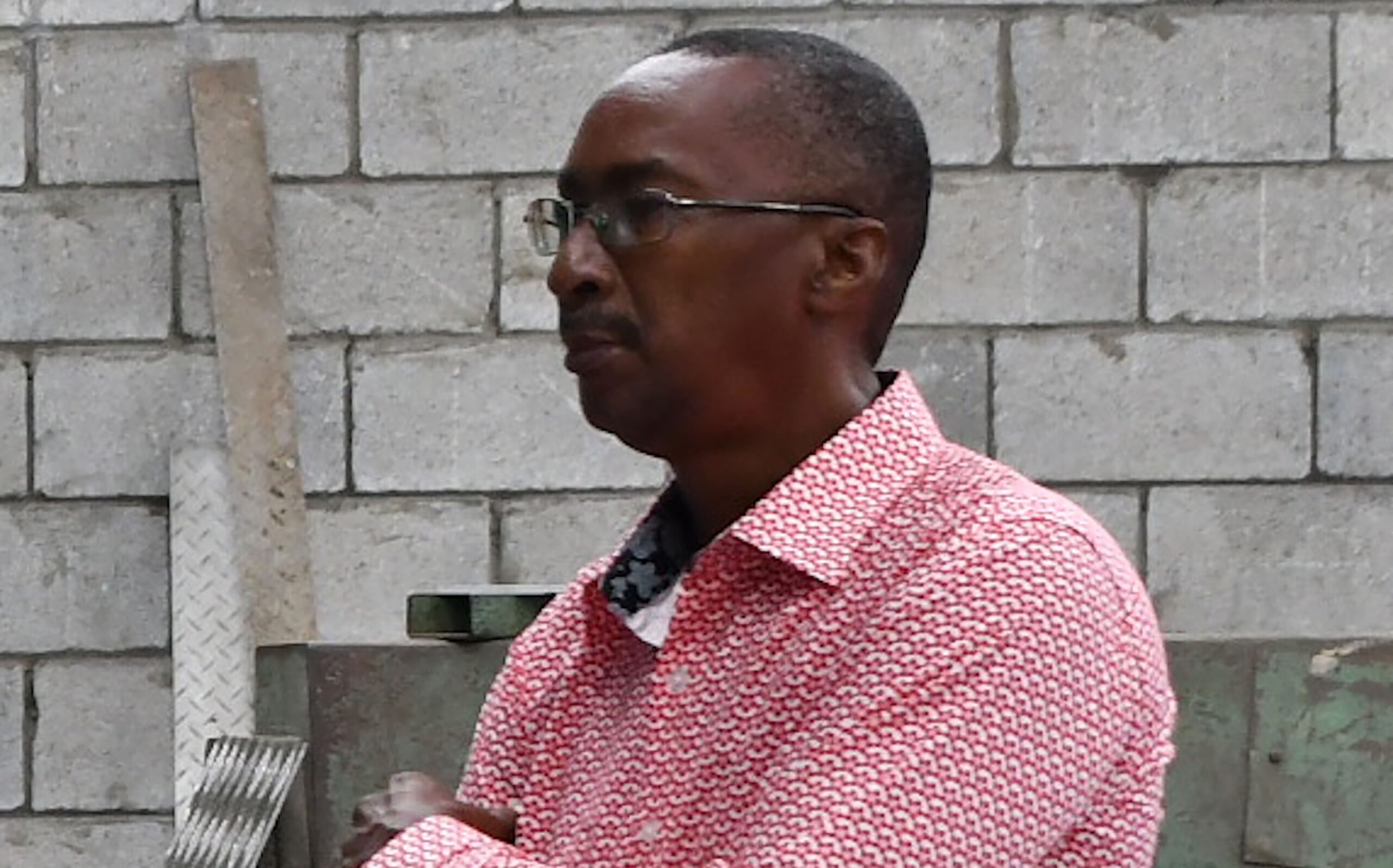
PSV owners renew push for duty-free concessions
Public service vehicle (PSV) operators in Barbados are intensifying their appeals for the government to restart negotiations on long-awaited duty-free concessions. Roy Raphael, Chairman of the Alliance Owners of Public Transport (AOPT), emphasized on Thursday that the prolonged delay in providing financial relief is exacerbating safety risks for commuters and escalating maintenance costs for operators. Raphael highlighted that a significant portion of the vehicles currently in service are outdated, with some exceeding 40 years in age and 80% being over five years old. This aging fleet is leading to frequent mechanical failures and operational downtime, further straining the industry.
-
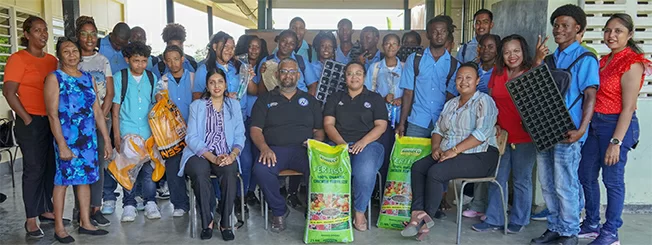
Minister Noersalim pleit voor gebruik van Surinaamse voeding
On World Food Day, Suriname’s Minister of Agriculture, Livestock, and Fisheries, Mike Noersalim, urged consumers to prioritize locally produced Sranan food. Emphasizing the benefits of supporting local farmers, he highlighted the freshness, safety, and nutritional richness of Surinamese diets. “By choosing local, you not only bolster our farmers and economy but also embrace a healthier way of life,” he stated. Noersalim underscored agriculture as the backbone of food production, calling for collective efforts to ensure the nation’s agricultural abundance benefits future generations. He outlined initiatives to protect farmers, including investments in climate-smart techniques, improved irrigation, and robust quarantine measures to safeguard local crops and biodiversity from external pests. The livestock sector, he noted, plays a vital role in providing essential proteins, with a focus on quality and biosecurity. Investments in better breeds, modern slaughterhouses, and strict monitoring programs aim to prevent diseases and ensure safe, locally produced meat and dairy. Noersalim also described fisheries as Suriname’s “treasure from the water,” emphasizing sustainable practices to preserve marine resources for future generations. “Sustainable fishing is the only way forward to ensure our ‘blue economy’ remains productive and healthy,” he asserted. In alignment with this year’s World Food Day theme, “Hand in Hand for Better Food and a Better Future,” the ministry, in collaboration with the FAO, donated agricultural tools and materials to educational institutions and the Stichting Ontspanningsoord voor Gehandicapte Kinderen (SOGK) to support their agricultural activities.
-
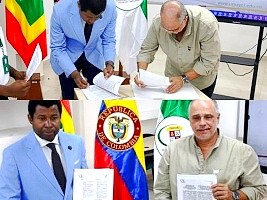
Internationalization of the UEH : Signature with the Colombian University (UMAYOR)
In a landmark move to bolster international academic collaboration, Dieuseul Prédélus, Rector of the State University of Haiti (UEH), and Juan Alberto Arraut Camargo, Rector of the Institución Universitaria Mayor de Cartagena (UMAYOR), signed a Framework Agreement for Academic Cooperation on October 16 in Cartagena, Colombia. The ceremony, attended by key academic officials from both institutions, signifies a pivotal step in UEH’s ongoing internationalization efforts. This partnership, rooted in South-South cooperation, unites two Caribbean universities with shared challenges and aspirations in higher education and scientific research. The agreement outlines collaborative initiatives across multiple domains, including academic mobility for students, faculty, and staff; joint research and innovation projects; institutional capacity building; language training; continuing education programs; and international internships to enhance student employability. Spanning an initial four-year term with automatic renewal, the agreement establishes a Technical Coordination Committee to oversee implementation and ensure sustainability. Prédélus highlighted the broader significance of the partnership, stating, ‘This signing symbolizes the university’s role as a bridge between peoples, a space to address contemporary challenges, and a beacon of hope for the future.’ This agreement is part of UEH’s broader strategy to expand its global academic network, with additional partnerships planned with Canadian universities.
-
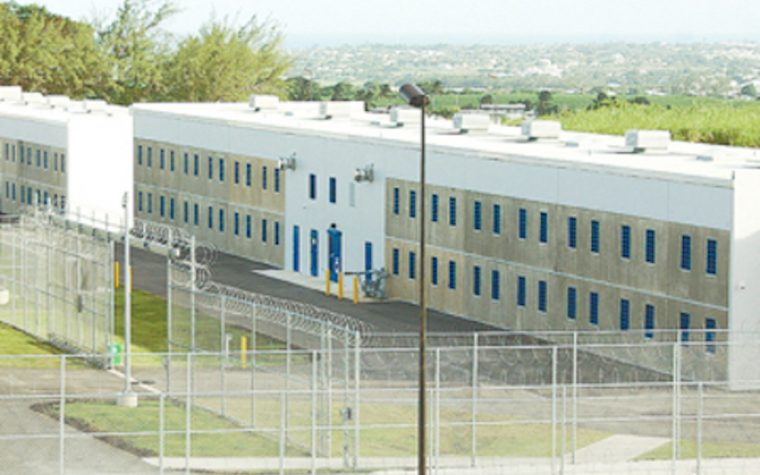
Dodds Prison awaits $4m green light to expand farm operations
The Barbados Prison Service is poised to transform its agricultural operations at the Dodds prison farm in St. Philip, pending government approval of a $4 million budget allocation. Superintendent of Prisons DeCarlo Payne announced on Thursday that the funds would be used to significantly expand meat production and modernize the facility, aligning with the government’s goal of achieving food self-sufficiency within 18 months. The initiative aims to reduce reliance on external suppliers and enhance food production capabilities. Currently, the farm produces chicken, beef, lamb, pork, and turkey, with plans to slaughter 67 pigs next month. Additionally, 90% of the arable land at Dodds is under cultivation, yielding crops such as sweet potatoes, yams, and cucumbers. The Prison Service recently supplied the Barbados Defence Force with 600 pounds of sweet potatoes and 150 pounds of cucumbers. The $4 million investment will also fund the construction of seven new chicken pens, each capable of housing 3,000 birds, with a long-term goal of producing 21,000 chickens to meet the needs of institutions like the School Meals Department, Queen Elizabeth Hospital, and the prison itself. In January, the University of the West Indies (UWI) Cave Hill Campus partnered with the Prison Service to launch a six-week agricultural training program. Conducted through UWI’s Centre for Agricultural Research and Innovation (CAGRI), the program focuses on sustainable crop production, soil management, poultry care, and integrated farming systems. It aims to reduce food costs, support national food security, and provide inmates with practical skills for rehabilitation. Superintendent Payne emphasized that the farming program is a key component of a broader rehabilitative strategy, equipping inmates with agricultural and business expertise while contributing to institutional cost savings and national food security.