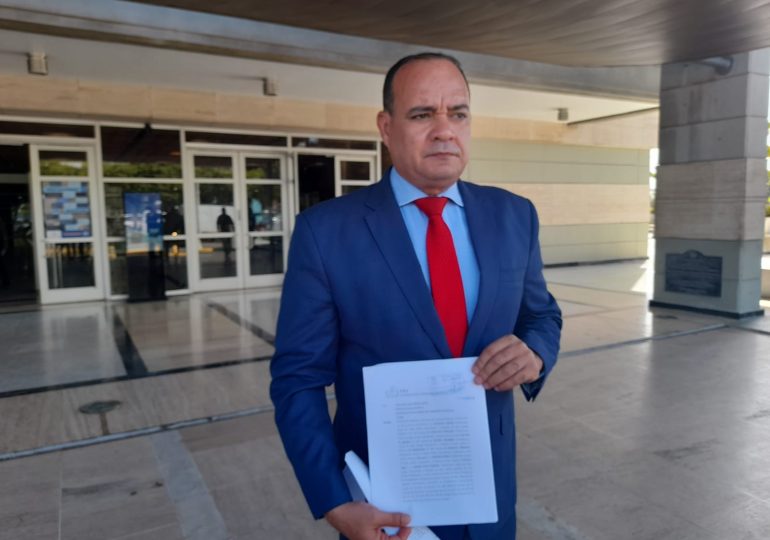
In Santo Domingo, the National Convergence against Social Security Theft and the Primero Justicia Foundation have formally petitioned the Attorney General’s Office to expand an ongoing embezzlement investigation. The request seeks to include ARS Senasa, GBC Pharmacy, its owner Reymon Rodríguez, and former Superintendents Jesús Feris Iglesias and Miguel Ceara Haton. The case centers on alleged fraud amounting to approximately 41 billion pesos within the State Health Insurance (ARS) system.
分类: society
-

Indotel launches campaign to fight fake news on social media
The Dominican Republic has initiated a nationwide campaign to tackle the proliferation of false information on social media platforms. Guido Gómez Mazara, President of the Dominican Telecommunications Institute (Indotel), unveiled the initiative during a press conference, highlighting that 62% of digital content is inaccurate. The campaign, set to launch at the upcoming Book Fair, will emphasize responsible digital consumption, particularly targeting children and adolescents, who are often vulnerable to misinformation.
Gómez Mazara underscored the alarming statistic that 70% of individuals who encounter false information tend to share it, exacerbating the issue. The initiative seeks to foster a digital culture rooted in truth and accountability, urging political parties and other stakeholders to disseminate accurate information to curb the spread of fake narratives.
In addition to addressing misinformation, Gómez Mazara pointed to positive economic developments, including a 2.7% growth rate in the first seven months of the year and the creation of over 121,000 jobs. These figures, he argued, should serve as factual benchmarks in public discourse, reinforcing the importance of truth in shaping societal narratives.
-

UNICEF: over 63% of Dominican children suffer domestic violence
In a stark revelation ahead of the National Day of Children’s Rights, the United Nations Children’s Fund (UNICEF) disclosed that over 63% of children aged 1 to 14 in the Dominican Republic endure some form of domestic violence. The situation is even more dire for younger children, with 70% of 3- to 4-year-olds affected. Children and adolescents constitute 31.7% of the country’s population, underscoring the gravity of the issue. Beyond domestic violence, UNICEF identified other critical challenges to children’s rights, including high rates of early marriage, teenage pregnancy, and child labor—impacting 16.8% of minors not in school. Additionally, adolescent suicide remains a pressing concern, with 174 cases reported between 2017 and 2022, predominantly among 15- to 17-year-olds. UNICEF’s interim representative, Anyoli Sanabria, called for immediate action to bolster public policies, allocate more resources for child protection, and cultivate a culture that respects children’s rights. She emphasized that violence and inequality must not continue to hinder the present or future opportunities of the nation’s youth.
-
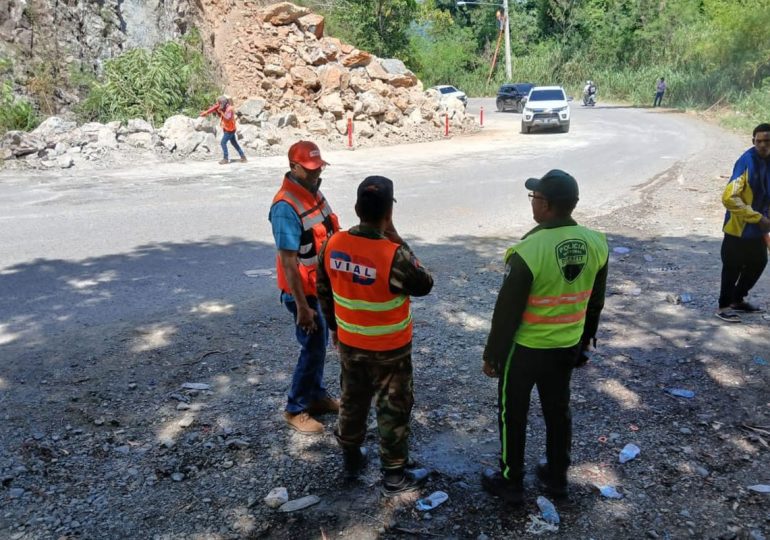
La Vega–Jarabacoa Highway reopens after landslide
The Ministry of Public Works and Communications (MOPC) has successfully restored traffic on the La Vega–Jarabacoa highway following a landslide in the La Virgen section. The incident, triggered by heavy rainfall, temporarily disrupted transportation in the area. MOPC crews acted swiftly to remove debris, ensuring the road was reopened for both directions. Despite the restoration, authorities have advised motorists to exercise caution due to persistent rain and the heightened risk of further landslides. MOPC teams remain on-site, monitoring the situation closely and providing necessary support to maintain safety and prevent additional disruptions.
-
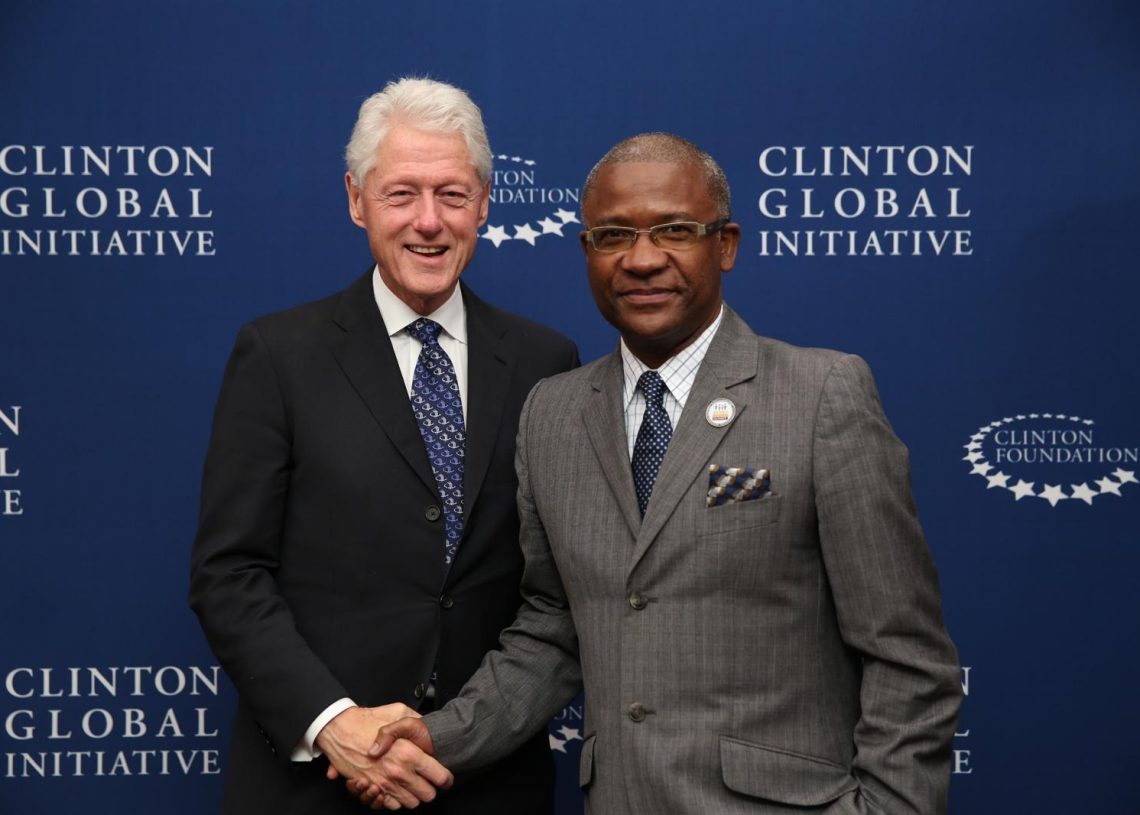
BRA highlights progress against malnutrition in Dominican Republic at Clinton Global Initiative
New York – The Batey Relief Alliance (BRA), a prominent North American humanitarian organization, showcased significant progress in its 2024 ‘commitment to action’ during the Clinton Global Initiative (CGI) annual meeting. The initiative focuses on combating maternal and child malnutrition in underserved rural communities of the Dominican Republic and Peru. With a substantial investment exceeding US$596,000, the program has directly supported 54,000 children and 9,180 pregnant women, while indirectly benefiting over 290,000 individuals.
-
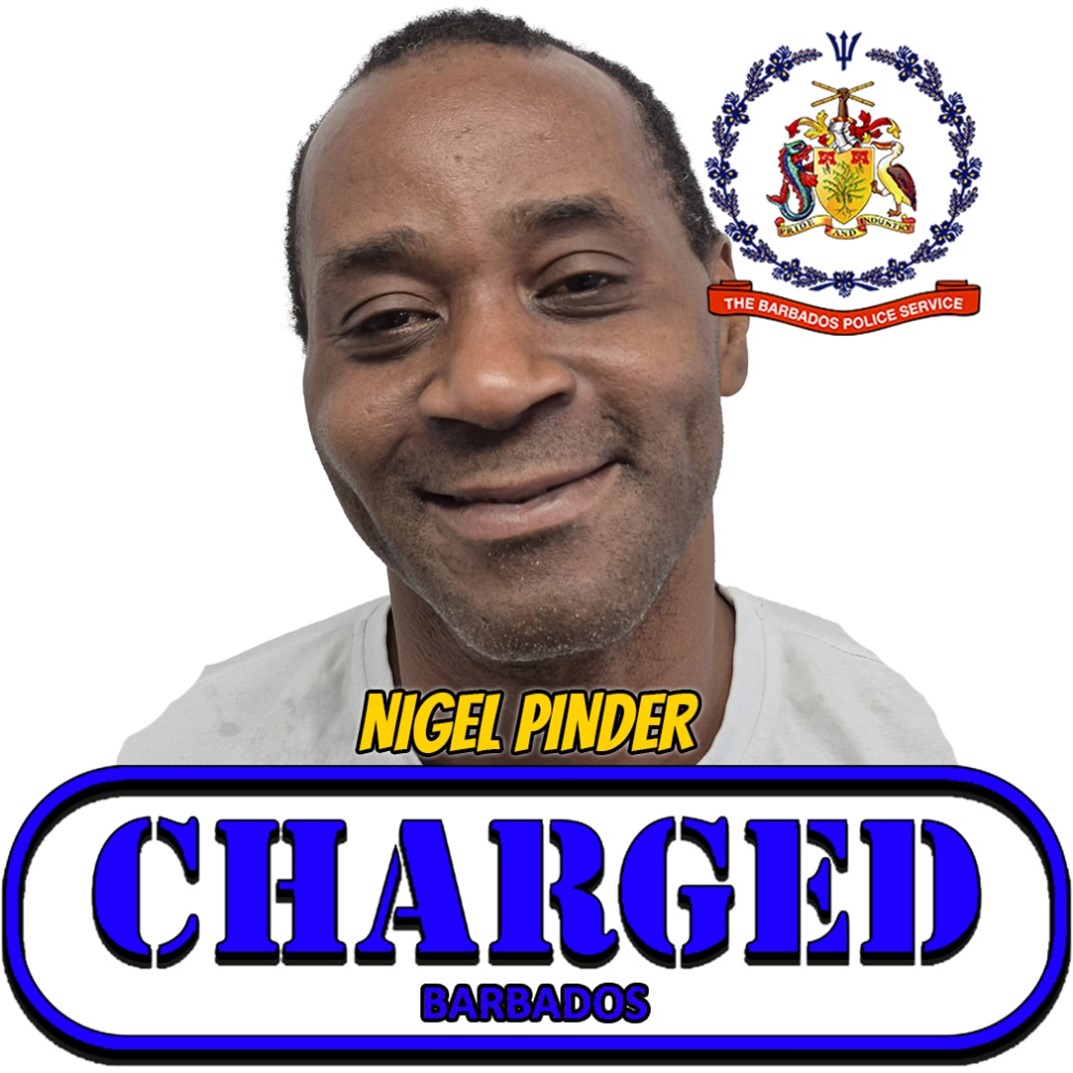
Triple murder and murder plot charges laid against St Philip man
A 49-year-old man from St Philip, Barbados, has been formally charged with three counts of murder and two counts of conspiracy to commit murder. Nigel Pinder, a resident of Cox Hill, was apprehended by the Barbados Police Service in connection with the deaths of Randy Brathwaite, Junior Taitt, and Shane Renaldo Parris. Additionally, Pinder is accused of orchestrating plots to murder both Taitt and Parris. The charges stem from a series of alleged crimes spanning from June 2023 to January 2024. According to authorities, Brathwaite and Taitt were killed between June 27, 2023, and December 5, 2023, while Parris was murdered on January 13, 2024. The conspiracies to murder Taitt and Parris are believed to have occurred in June 2023 and January 2024, respectively. Pinder is set to appear before the District ‘C’ Magistrates’ Court, located at the Oistins Magistrates’ Court, on Monday to face these charges. The case has drawn significant attention due to the severity of the allegations and the timeline of the incidents.
-

Flor para Todos Foundation calls for reopening of Chinese businesses in Santo Domingo
Santo Domingo – Rosa Ng, president of the Flor para Todos Foundation, has called on Dominican President Luis Abinader to intervene in the reopening of Chinese-owned businesses recently closed by the Ministry of Housing (MIVED). The establishments were shut down due to structural deficiencies, but Ng underscored their critical role in supporting thousands of employees and their families who rely on these businesses for their livelihoods. The appeal was made during the dual celebration of the 76th anniversary of the Founding of the People’s Republic of China and the Mid-Autumn Festival in Santo Domingo’s Chinatown. Ng emphasized the severe economic repercussions of the closures on both Chinese entrepreneurs and Dominican workers, urging authorities to devise a “viable solution” to restore operations. She also expressed appreciation for her team, the Fujianese community, and supporting companies like Dulce Hogar and Suplax for their contributions to the event. As a prominent advocate for Dominican-Chinese relations, Ng stressed that reopening these businesses would significantly benefit the most vulnerable segments of society.
-
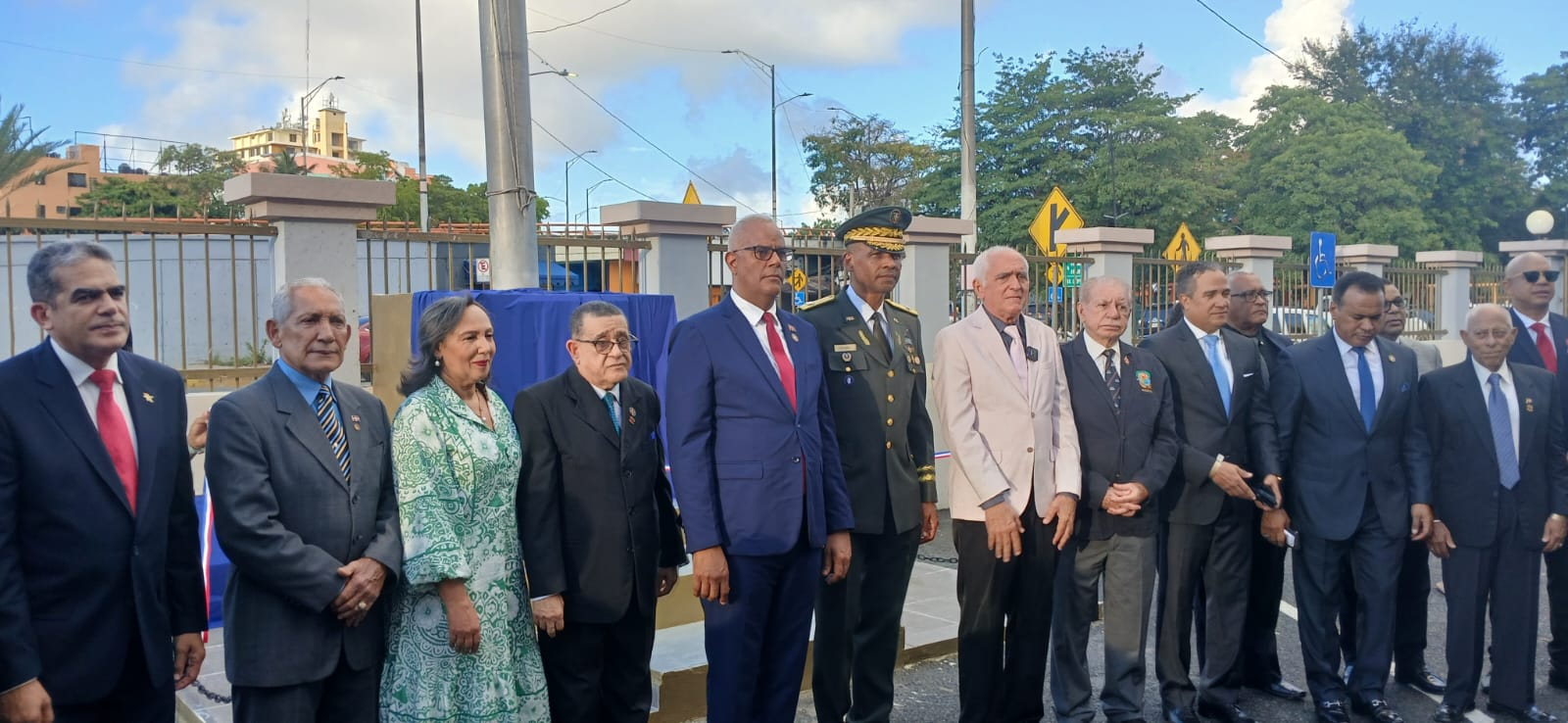
Santo Domingo to host First World Congress of Veterans
Santo Domingo is set to host the inaugural World Congress of Veterans from September 28 to 30, organized by the Brotherhood of Retired Veterans of the Armed Forces and the National Police. The event, themed ‘The Transition to Retirement,’ will convene delegates from more than 15 countries to explore the multifaceted challenges and opportunities faced by retired service members. Discussions will center on public policies, international collaboration, and the overall well-being of veterans. The congress will feature a robust agenda, including panel discussions and lectures on topics such as national identity, pension systems, physical and mental health, the role of women in retirement, the influence of technology, and global retirement experiences. A highlight of the event will be the screening of the audiovisual series ‘Voices of Experience,’ which will present compelling testimonies from retired military and police personnel. In conjunction with the congress, the Dominican Defense and Identity Museum will be inaugurated, offering visitors a glimpse into the nation’s history through murals, historical artifacts, works by Dominican masters, and interactive exhibits. Major General (Ret.) Valerio García Reyes, president of the Brotherhood, emphasized the significance of the congress as a milestone in honoring veterans and safeguarding national identity.
-
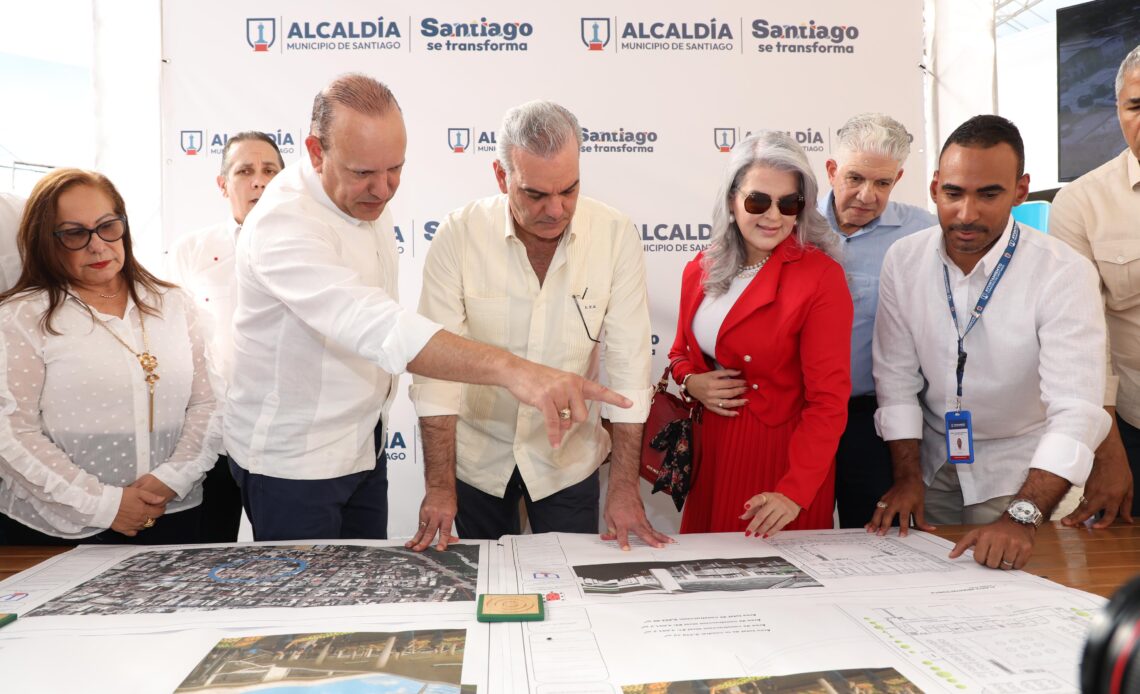
Abinader transfers RD$658 million to Santiago City Council for development projects
In a significant move to revitalize Santiago, President Luis Abinader unveiled three transformative projects on Sunday, marking a new chapter in the city’s development. The initiatives include the restoration of the historic Yaque Lodging Center, the creation of the Mirador del Yaque park in the “Nueva York Chiquito” district, and a series of sanitation programs aimed at improving public health and urban aesthetics. These projects are designed to modernize infrastructure, reclaim public spaces, and elevate the quality of life for Santiago’s residents. The Yaque Lodging Center, Santiago’s primary public market, will undergo a comprehensive renovation to serve as a central hub for small and medium-sized enterprises (SMEs) and local farmers. President Abinader emphasized that this project addresses long-standing community demands and will be developed through inclusive consultations, ensuring representation from all business sectors. The government has committed RD$658 million from the recently approved supplementary budget to fund these endeavors, with approximately 70% allocated to the Yaque Lodging Center and the remainder dedicated to sanitation efforts, including the cleanup of the Gurabo ravine. If the bidding process proceeds as planned, the president anticipates the market’s transformation will be finalized by early 2027, heralding a new era of prosperity and sustainability for Santiago.
-
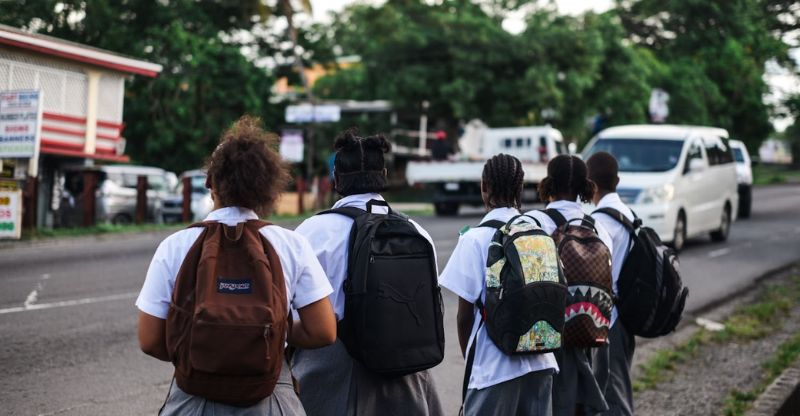
EDITORIAL: Education must be our shared baseline, not a mirror of the past
Across the Caribbean, governments frequently discuss the potential of the orange, green, blue, and purple economies, each promising transformative advancements in areas like sustainable energy and digital innovation. However, these ambitious visions are built on a precarious foundation. Without a robust education system capable of equipping citizens with the skills to navigate a rapidly evolving world, no strategy can achieve lasting success. Education has long been viewed as a reflection of cultural identity, but this nostalgic and prescriptive approach risks trapping curricula in outdated paradigms rather than preparing individuals for future challenges. Instead, education must serve as a shared baseline of orientation, empowering people to interpret, choose, and act in the face of global complexity. The metaphor of driving schools illustrates the dangers of fragmented education: if rules are contradictory, chaos ensues. In a world shaped by globalization, technological disruption, and climate change, citizens need common points of reference to foster collective decision-making. This is not about control but empowerment—a curriculum rooted in abundance and creativity can provide young people with the tools to act with awareness in their communities, economies, and democracies. While informal education through music, family, and community has historically filled gaps left by formal systems, these gaps are now too vast to ignore. A deliberate rethinking of education is urgently needed. This includes integrating indigenous heritage, migration stories, and global forces into history lessons, teaching geography and culture as interconnected, and using language that shapes how children see themselves in the world. UNESCO emphasizes the need to reimagine curricula to value diverse knowledge systems and cultivate critical thinking, creativity, and cooperation. Economically, the Revised Treaty of Chaguaramas commits CARICOM states to the free movement of skilled professionals, but this vision falters without comparable qualifications and regional awareness. Without shared grounding, initiatives like the CSME risk stagnation, leaving citizens unprepared to navigate cross-border rights and opportunities. The cost of inaction is high: migration pressures will rise, inequality will deepen, and democratic trust will erode if education fails to prepare young people for local opportunities and contemporary debates. Reform demands political courage, public consultation, and long-term investment, but the rewards are significant. An education system that serves as a baseline rather than a mirror can anchor the Caribbean in global change, empowering citizens to interpret and shape the world together. While culture, music, and family will continue to inspire, the state must no longer rely on informal channels to carry the weight of national orientation. Sovereignty over knowledge is essential, and education must equip citizens with the clarity and context to choose wisely. In a fragmented world, this shared baseline could be the Caribbean’s greatest strength.