分类: society

  • President Abinader inaugurates UASD-Cotuí Regional University Center

    President Abinader inaugurates UASD-Cotuí Regional University Center

    Cotuí, D.R. – President Luis Abinader officially opened the UASD-Cotuí Regional University Center on Sunday, marking a significant milestone in the expansion of higher education in Sánchez Ramírez province. This new facility, developed under the Ministry of Housing and Buildings (MIVED), boasts 29 classrooms and is set to serve thousands of students from Cotuí and surrounding areas. The inauguration of this center completes a series of four regional university centers established within five years, alongside those in Baní, Azua, and Hato Mayor.

    During the event, President Abinader emphasized the transformative role of the Autonomous University of Santo Domingo (UASD) in advancing national education and fostering intellectual growth. He reiterated his administration’s dedication to enhancing higher education accessibility and ensuring quality academic opportunities for all Dominicans.

    In addition to the university center, Abinader unveiled a series of infrastructure projects aimed at boosting development in the province. These include the construction of the Cotuí Ring Road, the finalization of the Cevico–Monte Plata highway, the Hatillo road project (currently 50% complete), and the establishment of four indoor sports facilities. Furthermore, plans for a new city aqueduct and a drinking water system at the Hatillo Dam were announced, promising improved water access for local communities.
  • Diaspora Homecoming Summit gestart met boomplanting en investeringen in jeugd

    Diaspora Homecoming Summit gestart met boomplanting en investeringen in jeugd

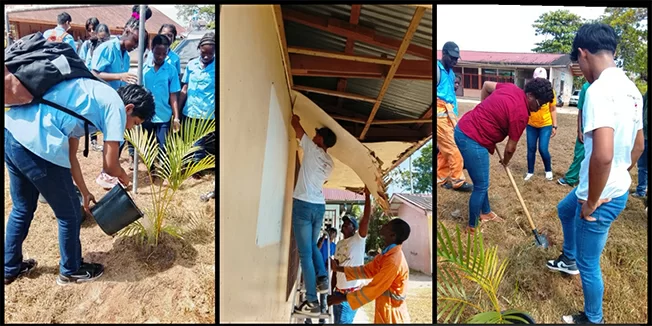
    The Diaspora Homecoming Summit Suriname commenced on Saturday in Paranam, marking a significant step towards fostering growth, hope, and sustainable collaboration between the diaspora and local communities. Held at the G.A. Kortschool in La Vigilantia, the event was inaugurated with the symbolic planting of a tree by the Diaspora Institute Netherlands (DIN) and the Diaspora Institute Suriname (DIS), alongside local partners. This gesture underscores the project’s commitment to youth empowerment and community development in Paranam. The initiative’s first phase includes the renovation of a classroom equipped with modern educational tools such as computers, school supplies, and a smartboard. Additionally, two students have been awarded full scholarships for four years, while an exchange program with a school in the Netherlands aims to provide international learning experiences. A second pillar of the project focuses on nutrition and agriculture. Through microcredits, local farmers are supported in cultivating papaya, cassava, and soeptayer, with the harvest used to provide students with nutritious soup and fresh fruit weekly, and eventually daily. The initiative also aims to establish a sustainable processing chain, including a pulp machine and freezing facilities, to ensure year-round access to healthy food. Organizers envision the Paranam model as a blueprint for other communities across the country, emphasizing that what begins with one tree, one classroom, and two students can grow into a movement that benefits generations to come.

  • Rain fails to dampen UWI Cave Hill celebration of academic excellence

    Rain fails to dampen UWI Cave Hill celebration of academic excellence

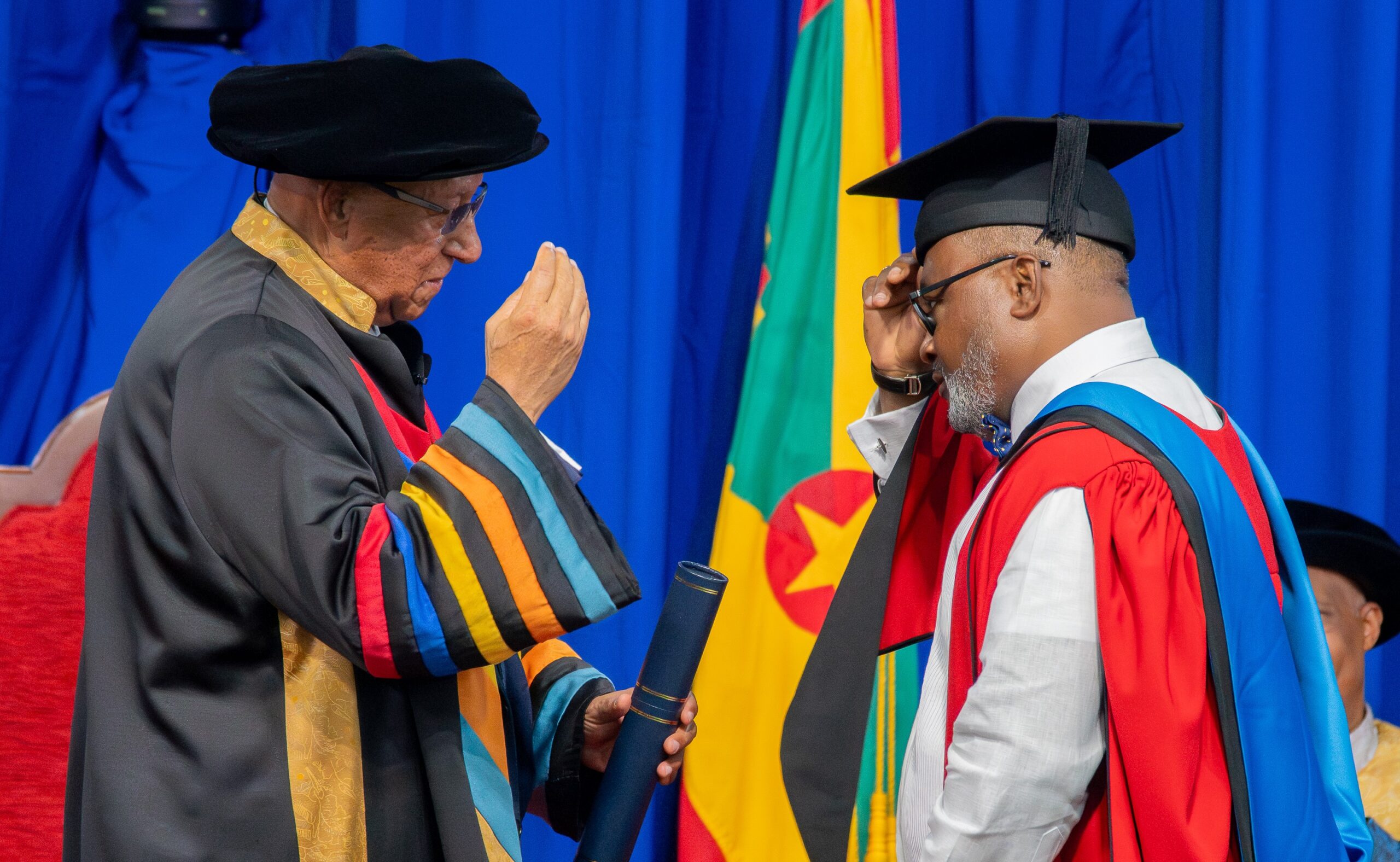
    The University of the West Indies (UWI), Cave Hill campus, celebrated its 2025 graduating cohort on Saturday with a powerful message of connection and bridge-building. The dual ceremonies, held under the theme ‘Pelicans in an AI-driven Future – Where Tradition Meets Tomorrow,’ emphasized the importance of uniting purpose, action, and impact across the Caribbean and beyond. Despite a brief disruption caused by heavy rain, the events proceeded with a sense of solemnity and celebration, culminating in the conferral of awards at the Roy Marshall Complex. The highlight of the evening was the inspiring keynote address by honorary graduate Lyndon Gardiner, a trailblazing Caribbean aviation entrepreneur awarded the Honorary Doctorate of Laws. Gardiner urged graduates to leverage their education to build not just systems but societies, emphasizing that vision is key to creating lasting change. Valedictorian Shawnalee Gordon, who graduated with first-class honours in economics and finance, echoed this sentiment, reflecting on the challenges faced by regional students and the sacrifices behind academic success. She reminded her peers that their place at UWI was earned through courage and consistency, calling on them to use their education to contribute meaningfully to the social, economic, and environmental well-being of the Caribbean. The ceremonies underscored the transformative power of education and the responsibility it carries to shape a better future.

  • Saint Lucian turns passion into purpose teaching Kwéyòl to a new generation

    Saint Lucian turns passion into purpose teaching Kwéyòl to a new generation

    Centuries ago, on the plantations of colonial Saint Lucia, a unique language emerged from the fusion of French, African, and English influences. This language, Kwéyòl, became a symbol of resistance, rhythm, and resilience for the island’s people. For generations, it thrived in homes, markets, and hillsides, passed down orally but rarely written. Over time, English dominated public spaces, relegating Kwéyòl to informal use, often seen as less prestigious. However, in a wave of cultural revival, Kwéyòl is experiencing a resurgence, particularly among the younger generation, who are reclaiming it as a source of pride and identity. Leading this movement is Sylvie Soir Kwéyòl Smith, a Saint Lucian author and Creole enthusiast. Smith’s passion for Kwéyòl stems from her childhood immersion in the language, but it was her time abroad that deepened her commitment to preserving it. She realized that many people, even Saint Lucians, lacked understanding of Kwéyòl’s roots and significance. Determined to bridge this gap, Smith began sharing her knowledge on social media, starting with simple tweets in Creole. Her posts quickly gained traction, revealing a widespread desire to learn and write the language. This digital outreach evolved into a global movement, inspiring Smith to create *The Kwéyòl Phrase Book*, a practical guide for everyday use. The book has been met with overwhelming enthusiasm, helping locals and the diaspora reconnect with their heritage. Despite lingering misconceptions about Kwéyòl’s value, Smith remains dedicated to changing perceptions and fostering unity through language preservation. For her, Kwéyòl is more than a linguistic artifact—it’s a reflection of Saint Lucia’s shared history and a vital part of its identity.

  • BWA warns water levels lower than last year, but no prohibition planned

    BWA warns water levels lower than last year, but no prohibition planned

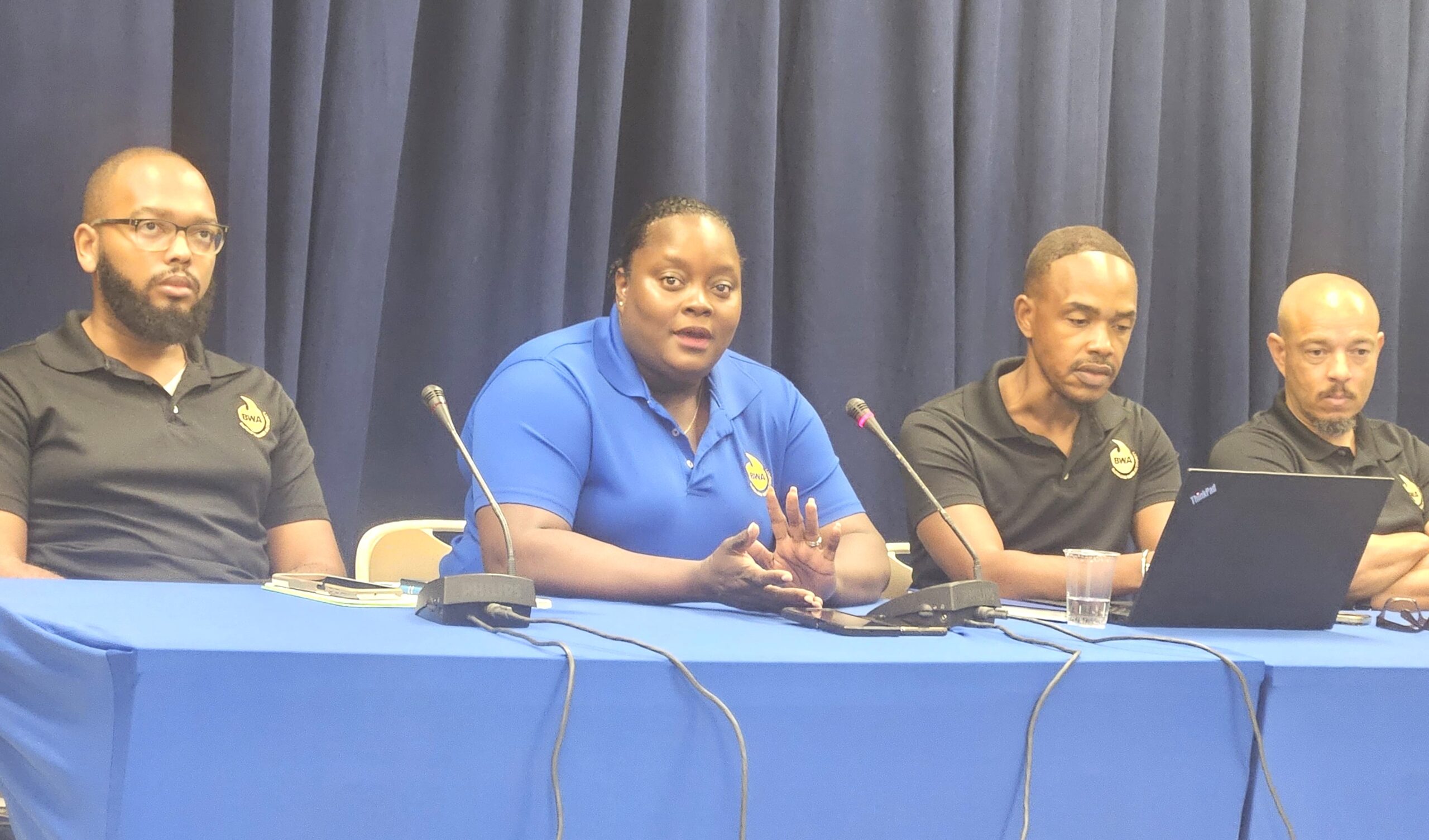
    As Barbados transitions into the dry season, the Barbados Water Authority (BWA) has reported that water levels are lower than last year but have not yet reached a critical threshold requiring restrictions. Hydrogeologist Jaime Paul addressed the situation during a press conference on Saturday, noting that rainfall during the rainy season has been insufficient. “Our reservoirs are not being replenished as we had hoped, and we are urging the public to conserve water,” Paul stated. She emphasized that while the current conditions are concerning, they do not yet warrant a water prohibition like the one implemented in 2023. However, the BWA is closely monitoring the situation and will make monthly assessments to determine if stricter measures are necessary. Paul also highlighted the importance of coastal wells, which are connected to the sea and can signal severe water shortages through rising salinity levels. “Increased salinity indicates a significant reduction in water availability, which would be a serious issue,” she explained. The BWA is encouraging residents to adopt water-saving practices and install water-efficient devices to prepare for the dry months ahead. In 2023, Barbados imposed a water prohibition due to critically low levels in reservoirs and wells, restricting non-essential water use. BWA Project Manager Shelley Parris underscored ongoing efforts to promote water conservation, particularly through educational initiatives in schools, with plans to expand these programs to the broader public.

  • Caring has no gender: Inside the life of a male nursing student

    Caring has no gender: Inside the life of a male nursing student

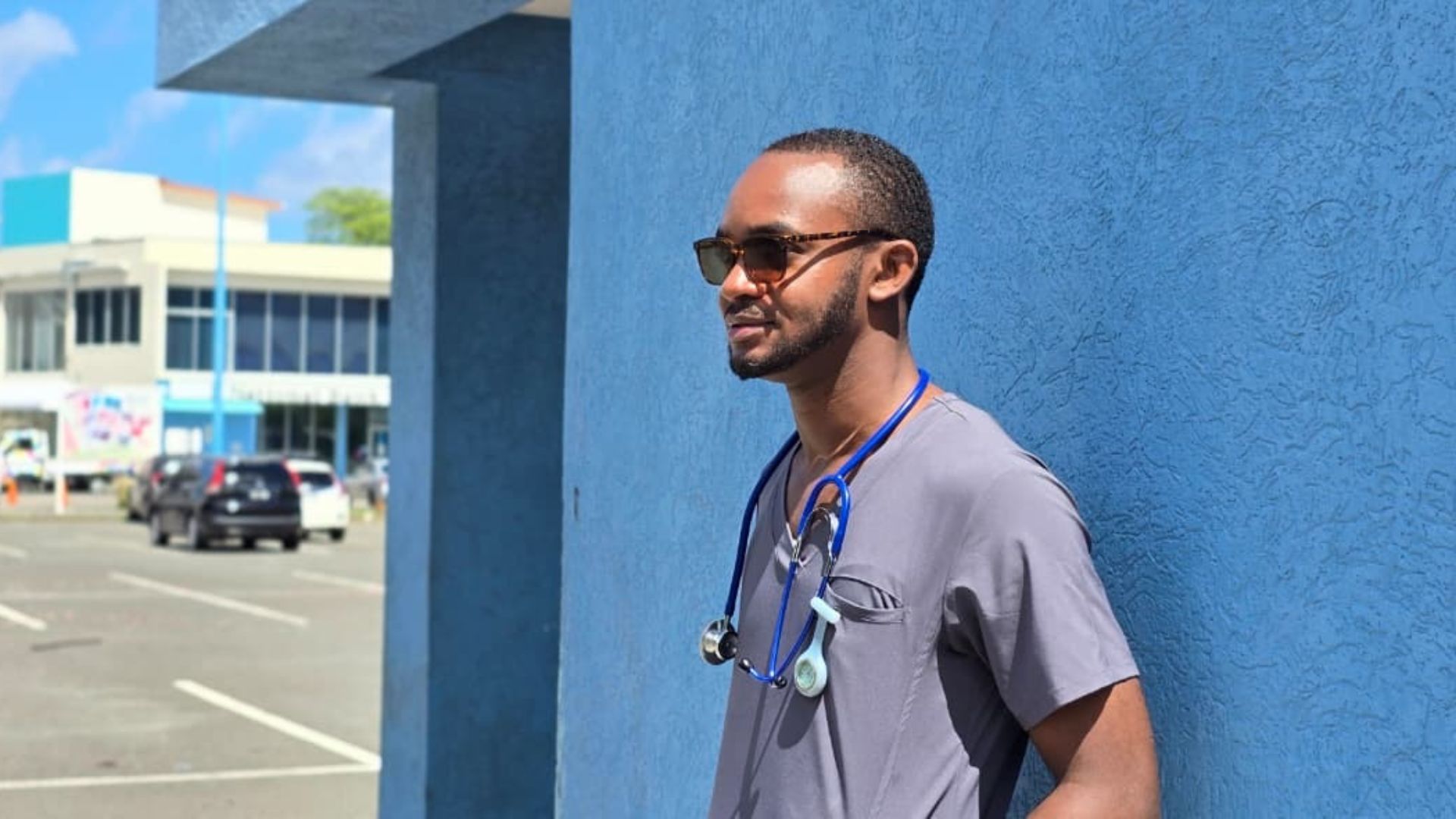
    Jefferson Gabriel, a 23-year-old nursing student in Saint Lucia, is navigating the challenges of being a man in a predominantly female profession. During his clinical maternity rotation, a mandatory part of his nursing training, Gabriel found himself often sidelined due to patients’ discomfort with male caregivers. Despite his eagerness to learn, he spent entire days observing only one patient, as many women declined his participation in their care for personal or religious reasons. This experience highlights the persistent gender biases in nursing, particularly in maternity wards. Nursing students in Saint Lucia undergo clinical rotations across various wards, but Gabriel’s experience in the maternity ward was starkly different from his peers. While his female counterparts engaged fully in patient care, Gabriel’s role was limited to tasks like bathing newborns. Sister Solomon, a veteran nurse with over 30 years of experience, noted that while the Registration of Nurses and Midwives Act refers to female nurses, there are no legal barriers preventing men from entering the field. She emphasized that skill and compassion, not gender, define a good nurse. Gabriel, inspired by his father’s medical crisis, chose nursing to help others and now aspires to enter nursing education to challenge gender biases and inspire future generations. He acknowledges the discomfort some women feel but stresses that male nurses approach their work professionally. Despite the challenges, Gabriel remains passionate about nursing and hopes to shift perceptions about who can provide care. His story reflects a broader trend of increasing male participation in nursing, driven by changing societal attitudes and the influence of social media in challenging stereotypes.

  • Divali – Van duisternis naar licht

    Divali – Van duisternis naar licht

    Diwali, often referred to as the ‘Festival of Lights,’ is one of India’s most cherished celebrations, observed globally with immense enthusiasm. This year, the festival falls on Monday, October 20, aligning with the lunar calendar. Often compared to Christmas and New Year combined, Diwali carries a profound message of brotherly love, peace, mutual respect, and unity. Both festivals emphasize renewal, the strengthening of family bonds, and the exchange of gifts, blessings, and good wishes. The vibrant atmosphere is further enhanced by new clothes, sweets, and colorful decorations.

  • United Workers Party extends its condolences on the passing of Julius Timothy

    United Workers Party extends its condolences on the passing of Julius Timothy

    The United Workers Party (UWP) has expressed profound sorrow over the passing of Julius Timothy, a distinguished businessman and former politician, who passed away earlier this morning. In an official statement released on their Facebook page, the UWP National Executive Committee conveyed heartfelt condolences to Timothy’s family and friends. The statement highlighted Timothy’s unwavering dedication to the nation and his tireless commitment to the people of Dominica. ‘We extend our deepest sympathies to his loved ones during this difficult time. Julius Timothy’s contributions to our country will not be forgotten. May his soul rest in eternal peace,’ the party remarked. Timothy’s legacy as a public servant and entrepreneur has left an indelible mark on Dominica’s socio-political landscape.

  • New Student Deportment Policy draws praise, criticism

    New Student Deportment Policy draws praise, criticism

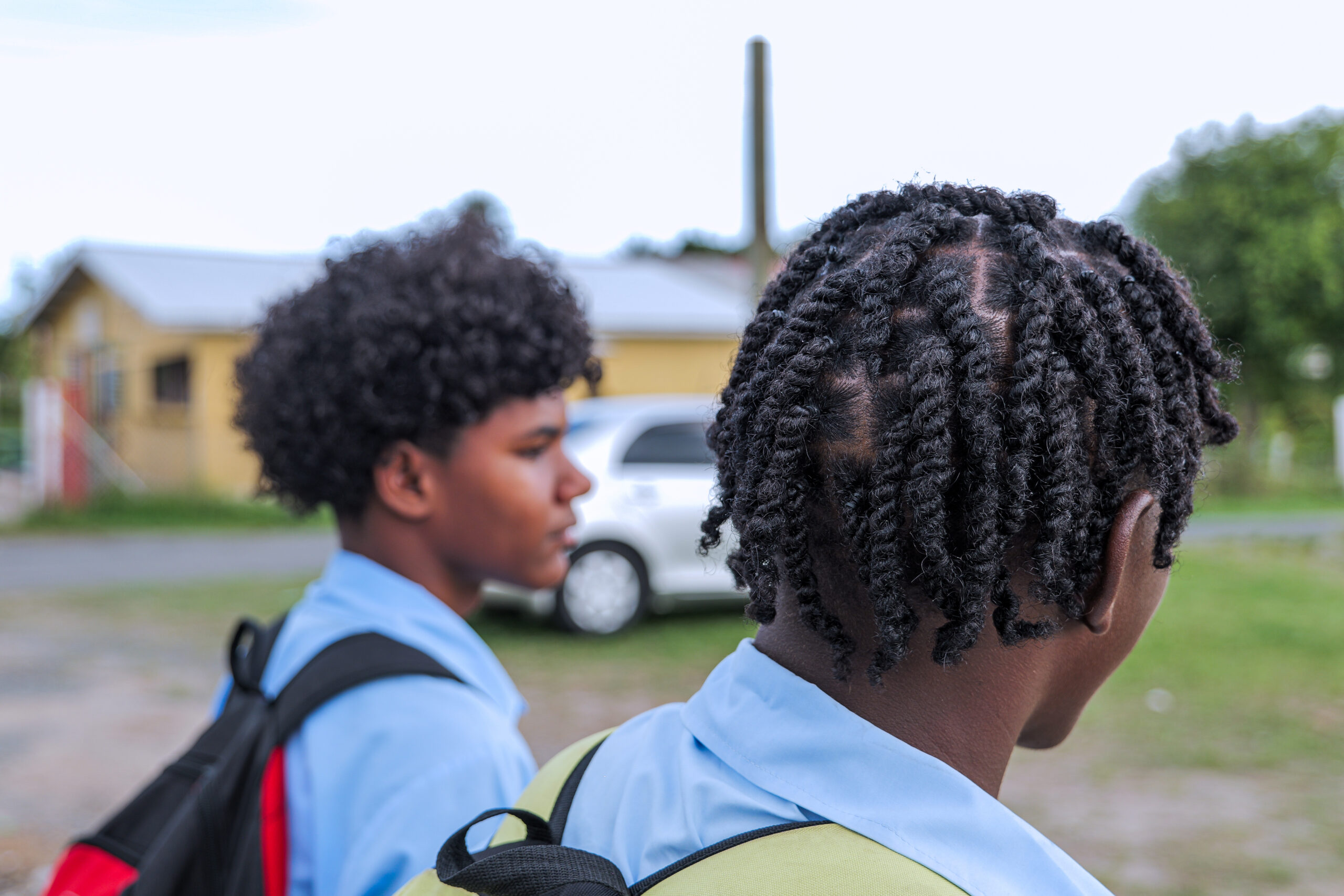
    The Ministry of Education in Saint Lucia has introduced a groundbreaking Student Deportment Policy this academic year, marking the culmination of years of extensive consultations with educators, administrators, students, parents, and other stakeholders. The policy aims to harmonize the maintenance of school appearance standards with the freedom for students to express their identities without facing discrimination. Central to the policy is a framework that establishes clear expectations for student deportment across school communities, ensuring consistency and fairness in its application. While the guidelines address uniforms, jewelry, and general appearance, the most notable change pertains to hairstyles. The new rules permit students, particularly young men, to wear longer hair, dreadlocks, and interlocked styles, provided they maintain cleanliness and avoid obstructing others’ views. This shift represents a significant departure from past practices that often marginalized students with natural or culturally significant hairstyles, particularly those from Rastafarian and Afrocentric backgrounds. The Iyanola Council for the Advancement of Rastafari (ICAR), a key participant in the policy consultations, hailed the move as long overdue, recalling decades of discrimination faced by Rastafarian students. Aaron Alexander, ICAR’s president, praised the policy as a historic correction to colonial-era biases, emphasizing the importance of embracing natural hair as a symbol of cultural identity. Rahym Augustin-Joseph, Saint Lucia’s first Rhodes Scholar and a prominent student leader, welcomed the policy as a step forward but called for further refinement to include more Afrocentric hairstyles and ensure equitable implementation. He stressed the need for transparent enforcement mechanisms and student representation in decision-making processes to prevent bias. Augustin-Joseph also highlighted the importance of addressing disciplinary measures and the language used in the policy to avoid perpetuating historical inequalities. The policy has sparked broader discussions about balancing tradition and inclusivity in education, with advocates urging a reckoning with the colonial roots of many societal norms. While the policy is seen as a progressive step, its success will depend on its practical application and the ongoing commitment to fostering a more inclusive educational environment.

  • Adverse weather alert extended to 10 pm Monday

    Adverse weather alert extended to 10 pm Monday

    The Trinidad and Tobago Meteorological Service has issued its fourth yellow-level adverse weather alert, extending the warning until 10 pm on October 20. The alert, initially activated at noon on October 18, was prompted by an active tropical wave traversing the Caribbean Sea. Although the core of the tropical wave has moved on, residual moisture and atmospheric instability continue to trigger sporadic heavy showers and isolated thunderstorms across the region. Residents are advised to prepare for localized street and flash flooding, potential landslides in hilly and vulnerable areas, gusty winds accompanying severe weather, and agitated seas. Authorities have urged the public to secure loose outdoor objects and remain vigilant about rapidly changing weather conditions. Motorists and those living in flood or landslide-prone zones are particularly cautioned to exercise heightened awareness and caution during this period. The extended alert underscores the persistent risks posed by the lingering effects of the tropical wave, emphasizing the need for preparedness and safety measures.