
A Guyanese national has been identified as one of ten foreign individuals apprehended in The Bahamas following the discovery of illegal contraband, including high-powered weapons, firearms, ammunition, and undeclared cash. The arrests occurred on Tuesday after a joint operation by the Alice Town Police Station and the Bahamas Customs Department targeted a vessel docked in Bimini. Authorities acted on intelligence and conducted a search of the vessel, uncovering three high-powered weapons, eleven firearms, a significant amount of ammunition, and a substantial sum of undeclared cash. The suspects, ranging in age from 21 to 62, include eight Americans, one South African, and the Guyanese national. All confiscated items are now in police custody, and investigations are ongoing. This incident highlights the ongoing challenges of illegal arms trafficking in the Caribbean region.
分类: society
-

Town Hall Meeting with Minister Greene Postponed
The Honorable E.P. Chet Greene has announced the postponement of the Town Hall Meeting originally scheduled for October 23. The delay is attributed to unforeseen circumstances, with a new date to be communicated in the near future. Minister Greene expressed gratitude to the community for their understanding and emphasized the importance of maintaining open dialogue and active participation once the meeting is rescheduled. This decision underscores the government’s commitment to ensuring meaningful engagement with citizens, despite unexpected challenges. Further updates will be provided as soon as details are finalized.
-

Antigua Coast Guard Working With Regional Partners to Find Missing Captain
The Antigua and Barbuda Defence Force (ABDF) Coast Guard has launched a comprehensive search and rescue operation following reports of a captain who fell overboard from a vessel near Guadeloupe. The incident occurred late on October 21, 2025, when Phillippe “Daniel” Jules, Master of SV VOILACTUS, reportedly fell into the open waters approximately six nautical miles northeast of Guadeloupe while attempting to avoid being struck by the vessel’s mast. The ABDF Coast Guard, in coordination with the Maritime Rescue Coordination Center (MRCC) Fort-de-France and other regional authorities, is working tirelessly to locate Mr. Jules. The remaining ten crew members have been confirmed safe and are currently in Guadeloupe. The ABDF Coast Guard expressed regret over the delayed response, as official notice of the incident was received only during the early daylight hours of the following morning. Despite the challenges, the organization has mobilized all available resources to maximize the chances of a successful rescue. The ABDF Coast Guard reiterated its commitment to maritime safety and urged all mariners to adhere to strict safety protocols, including the use of personal flotation devices and man-overboard alert systems. Further updates will be provided as the situation evolves. The thoughts and prayers of the ABDF Coast Guard remain with Mr. Jules’ family and friends during this difficult time.
-
Electric cars roll into Saint Lucia
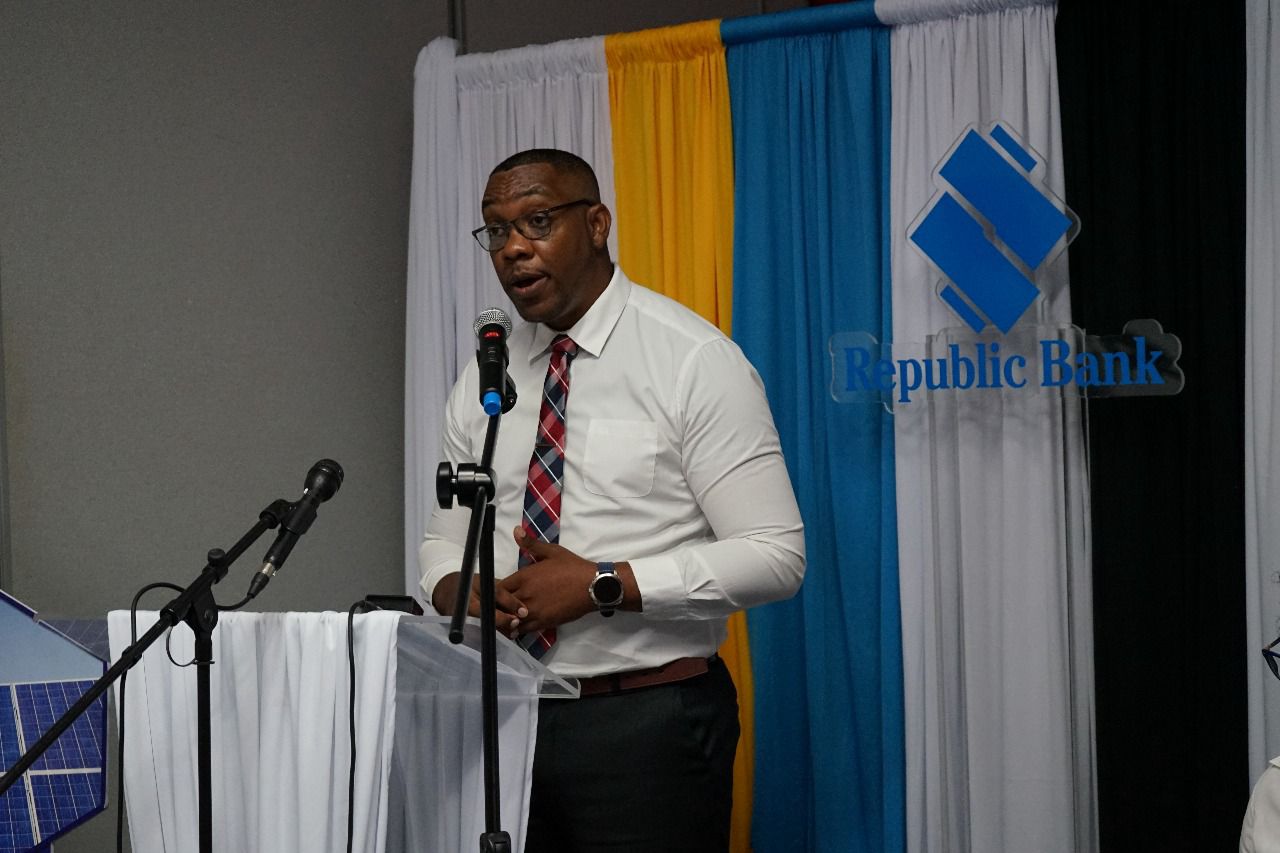
Saint Lucia has taken a significant step toward a greener future with the official launch of EV Lucian, the nation’s premier Electric Vehicle Trade Expo and Car Show. Held on October 16, this initiative aims to catalyze a nationwide transition to sustainable transportation by bringing together public and private sectors to showcase innovative green technologies. The event is scheduled for November 15, 2025, at the Caribbean Cinemas Car Park, promising a vibrant display of electric and hybrid vehicles, alongside interactive exhibits on charging infrastructure, green energy solutions, and accessible financing options. Kurt Inglis, Chief Energy and Public Utilities Officer, highlighted the event’s critical role in reducing fossil fuel dependency, cutting emissions, and advancing climate goals. Attendees can enjoy test drives, workshops, family-friendly activities, and local cuisine, making it a comprehensive experience for all. Key sponsors, including the Government of Saint Lucia, Accela Marketing, Republic Bank, and Beacon Insurance, have rallied behind this transformative project, emphasizing their commitment to environmental sustainability and community development.
-

Solid Waste Authority Welcomes three brand-new 20-ton trucks
Antigua and Barbuda’s commitment to fostering cleaner and healthier communities has taken a significant leap forward with the National Solid Waste Management Authority (NSWMA) unveiling three state-of-the-art 20-ton trucks. This strategic investment underscores the nation’s dedication to improving waste management efficiency and promoting environmental sustainability. The introduction of these heavy-duty vehicles is set to revolutionize landfill operations by ensuring consistent daily soil coverage—a critical practice for effective landfill management. This advancement will mitigate unpleasant odors, control pest populations, reduce fire risks, and create safer, more eco-friendly landfill conditions. Beyond landfills, the new fleet will play a pivotal role in supporting community clean-up initiatives, particularly during the 2025 National Clean-Up Campaign, which kicked off in October under the inspiring slogan, “Love Where You Live!” The campaign aims to address bulk waste accumulation and foster a culture of environmental stewardship. More than just an upgrade in equipment, this initiative represents a profound investment in public health, environmental resilience, and national pride. The NSWMA has expressed gratitude to the Government for its unwavering support and partnership in this endeavor, emphasizing that caring for our environment is a reflection of our love for our communities. With these resources, the Authority is laying the groundwork for sustainable waste management practices and cleaner, more vibrant communities across the nation.
-
KLM-vlucht wijkt uit naar Cayenne; ‘zieke’ luchtverkeersleiders weer in de toren
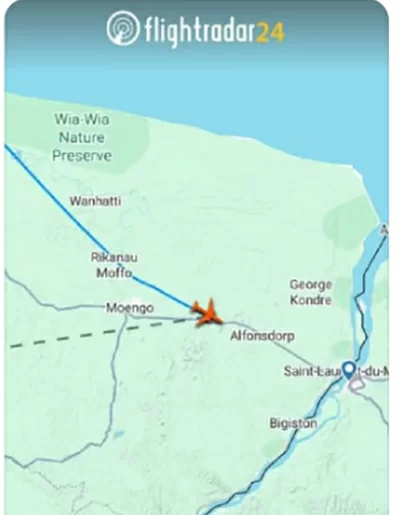
On October 22, air traffic control operations at Zanderij Airport were temporarily halted after multiple controllers simultaneously reported being ill. This unexpected situation left the control tower unmanned, forcing a KLM aircraft to divert to Cayenne, French Guiana, after circling the area multiple times. Additionally, a regional SLM flight experienced significant delays. According to reports from Starnieuws, the government held urgent discussions with the air traffic controllers’ union, SATCA, which has been pushing for the implementation of a previously submitted package of demands. Both parties have agreed on a plan to address these issues. In a swift response, replacement controllers were transported to Zanderij via helicopter, though this occurred only after the KLM flight had already diverted. The situation has since returned to normal, with the ‘sick’ controllers resuming their duties in the tower.
-

IN PICTURES: SMA Alumni reunion activities
The St. Mary’s Academy Alumni Association recently hosted a week-long reunion, bringing together former students from various graduating classes. The event, filled with nostalgia and camaraderie, featured a series of activities designed to reconnect alumni and celebrate their shared history. Attendees participated in group discussions, photo sessions, and social gatherings, reminiscing about their time at the prestigious institution. The reunion also highlighted the enduring bonds formed during their school years, with many expressing gratitude for the opportunity to reconnect with old friends and mentors. The event concluded with a grand dinner, where alumni shared stories of their personal and professional achievements since graduating. The reunion not only strengthened the alumni network but also underscored the lasting impact of St. Mary’s Academy on its graduates.
-

Extreme Dominica, American Canyoneering Association seek support for search & rescue training in Dominica
In a significant development for Dominica’s emergency response capabilities, the American Canyoneering Association (ACA) is set to deploy a team of expert educators to the Caribbean nation in November. These volunteers will provide specialized training to Dominica’s Search & Rescue (SAR) unit, focusing on advanced rescue techniques tailored to the island’s challenging terrain. The initiative, supported by Extreme Dominica Canyon Tours, aims to bolster the island’s preparedness for emergencies, particularly as canyoning and outdoor tourism gain popularity. The rugged landscape of Dominica, while a draw for adventure enthusiasts, also poses unique risks, necessitating enhanced technical rescue skills. The ACA’s training program is expected to equip local rescuers with the expertise needed to handle complex rescue scenarios effectively. Additionally, a call for donations has been issued to provide essential technical gear for up to six local rescuers, ensuring their ability to conduct safe and efficient operations. This collaboration underscores the ongoing partnership between the ACA and Dominica, highlighting a shared commitment to improving public safety and emergency response. For those interested in supporting this vital cause, further details and donation options are available online.
-
#EyeOnMelissa: Education Ministry says remote learning to continue on Friday
KINGSTON, Jamaica — In response to the impending threat posed by Tropical Storm Melissa, the Ministry of Education has mandated that all schools across the island maintain remote learning operations on Friday, October 24, 2025. The decision underscores the government’s commitment to ensuring the safety of students and staff as the storm approaches.
-

Useful and unsafe revolutions
The concept of ‘revolution’ has historically been linked to upheaval, violence, and the overthrow of regimes. From the 18th to the 20th century, nations like France, Haiti, Cuba, Russia, and the United States underwent transformative revolutions. Yet, these events did not universally lead to stability or prosperity. In 2025, democracy and progress remain elusive for many citizens in these countries. Revolutionary leaders often romanticize their successes, yet the reality is marred by inequality, social strife, and undemocratic practices such as the suppression of dissent. Revolutions can exacerbate racial, religious, and class tensions, and their outcomes are frequently exaggerated, leaving supporters disillusioned. Counter-revolutions often lead to regression rather than progress. Frantz Fanon, a psychiatrist and advocate of the Algerian revolution, viewed violence as a ‘cleansing force’ that restores self-confidence to the oppressed. Similarly, Walter Rodney argued that violence aimed at achieving equality should not be equated with violence used to maintain oppression. However, in 2025, the world no longer needs justifications for violence or ideologues promoting it. Instead, there is a pressing need for peaceful, constructive revolutions that uplift society. Movements promoting literacy, clean water, healthy living, kindness, and recycling are essential. A 2022 article in New Scientist, titled ‘The Happiness Revolution,’ highlighted the importance of creating a joyful society. Citizens must shift their focus to intellectual empowerment, reducing discrimination, and fostering equality. Effective leadership is crucial for any meaningful revolution, yet many are resistant to unorthodox ideas. A true revolution requires maturity, a paradigm shift in societal interactions, and a focus on the marginalized. Developing countries face unique challenges, as revolutions can lead to uncontrollable outcomes and reversed progress. Global protests indicate that societies are increasingly volatile, with even developed nations susceptible to unrest due to societal imperfections and disguised dictatorships. Politicians must embrace concepts like ‘consensus democracy’ and ‘politics of inclusion’ to foster stability. The Caribbean, in particular, must address economic and political disparities to create a suitable environment for progress. A merit-based revolution is needed to end nepotism and corruption, ensuring appointments and promotions are based on qualifications rather than ethnicity, religion, or political ties. Continuous efforts are essential to combat the misuse of taxpayer funds and build a just society.