
In a landmark initiative aimed at bolstering regional economic growth and advancing gender equity, Helen’s Daughters has unveiled a multi-year partnership with CIBC Caribbean Bank. This collaboration will ensure sustained financial support for Helen’s Daughters’ flagship initiatives—the Life Academy and the Ag-Cademy—which offer free services to women in Saint Lucia, Saint Vincent and the Grenadines, and Saint Kitts and Nevis. The partnership underscores CIBC Caribbean’s commitment to fostering community resilience, creating economic opportunities, and driving transformative change in sectors critical to regional stability. It also seeks to elevate women’s participation and leadership in the Eastern Caribbean’s agricultural landscape. The Life Academy, a monthly educational series, focuses on cultivating well-rounded female leaders by addressing key areas such as financial literacy, climate change adaptation, health and wellness, and public speaking. Meanwhile, the Ag-Cademy, a ten-week program, equips participants with the knowledge and tools to establish and manage sustainable agricultural enterprises. The curriculum emphasizes sustainable farming practices, nutritional marketing, and agri-tourism integration. Notably, the Ag-Cademy Certificate is officially recognized by Saint Lucia’s Ministry of Agriculture as equivalent to the national “Good Agricultural Practices” (GAP) Certification, enabling participants to secure a Saint Lucia Farmer’s License and access government concessions and premium markets. Nigel Ollivierre, CIBC Caribbean’s country head for Saint Lucia, emphasized the bank’s vision during the partnership announcement, stating, “When women thrive, communities thrive. We are proud to support Helen’s Daughters in their mission to empower women, families, and the future of regional agriculture.” The partnership was formally launched during an Ag-Cademy practical session at Mother Nature’s in Bloom Farm, allowing CIBC Caribbean representatives to witness the program’s impact firsthand.
分类: society
-
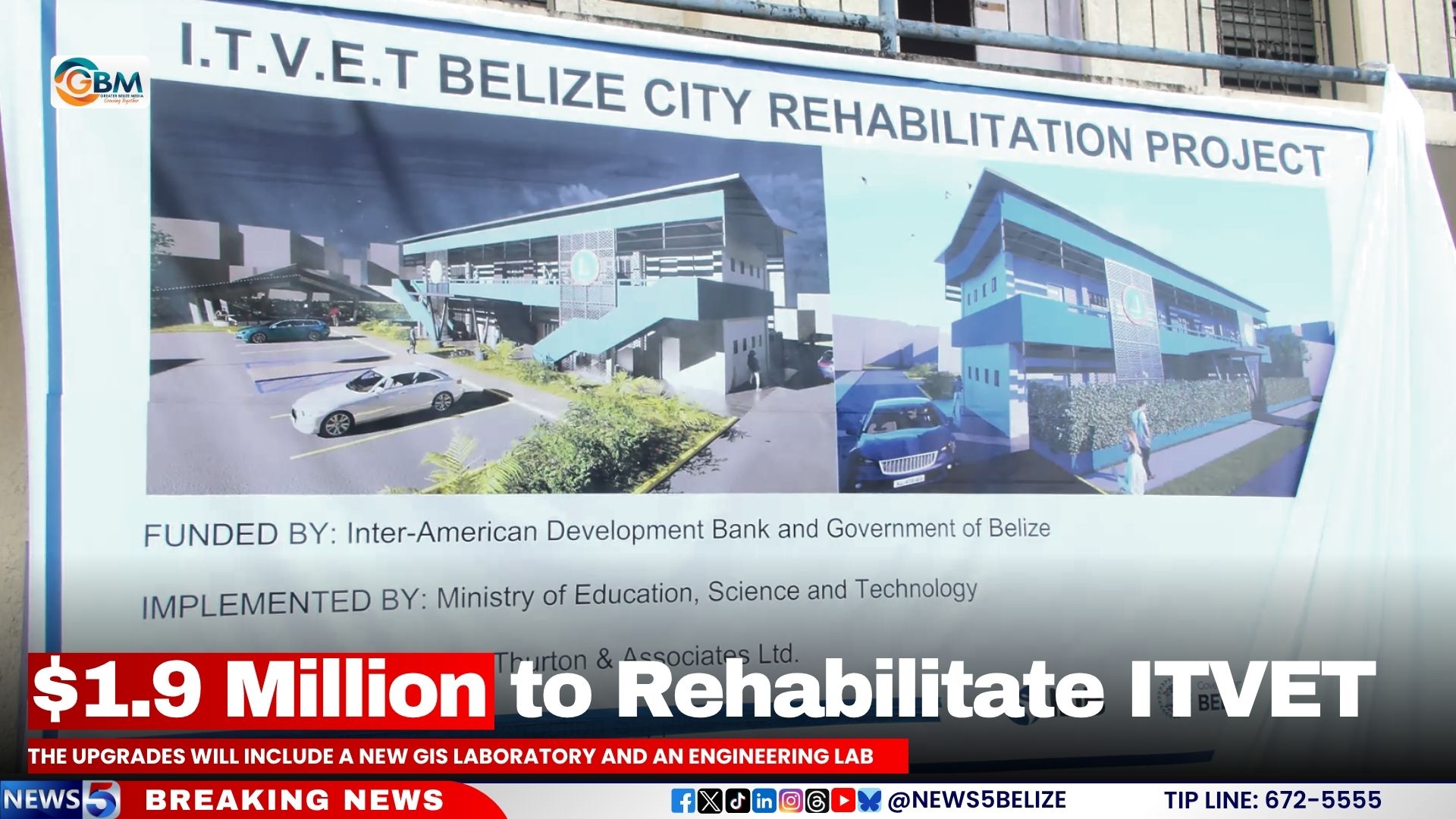
$1.9 Million to Rehabilitate ITVET
Belize’s Institute for Technical and Vocational Education and Training (ITVET) is set to undergo a transformative $1.9 million rehabilitation project, aimed at bolstering its capacity to produce skilled professionals for the workforce. The initiative, announced by Minister of Education, Science & Technology, Oscar Requena, is funded through a collaborative effort between the Inter-American Development Bank and the Ministry of Education. The project will focus on renovating a building within the ITVET campus in Belize City, equipping it with two state-of-the-art laboratories: a Geographic Information Systems (GIS) lab and an engineering lab. These facilities are designed to prepare students for careers in the burgeoning blue and green economy sectors. Minister Requena emphasized the project’s potential to attract more young people, particularly women, to technical and vocational training, thereby addressing critical areas of national development. Additionally, the government is partnering with the Millennium Challenge Corporation to enhance infrastructure and equipment across ITVET institutions nationwide, ensuring the delivery of high-quality technical education. The initiative underscores Belize’s commitment to fostering a skilled workforce and empowering its youth with practical, career-oriented education.
-
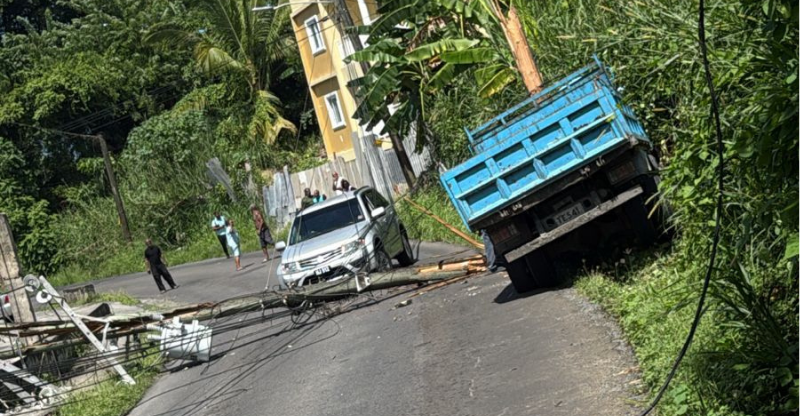
Vehicles collide, power line destroyed in Vide Boutielle accident
A severe collision between two vehicles occurred on the afternoon of October 23 on Vide Boutielle Road in Castries, near Allied Sales and Monchery Tires. The incident, which took place around 4:00 p.m., involved a silver Suzuki Grand Vitara and an older model blue Isuzu NPR truck. The collision caused the truck to veer into multiple power poles, resulting in significant damage to the vehicle, the poles, and the surrounding power lines. Emergency services promptly arrived at the scene to manage the aftermath. The extensive damage to the power infrastructure has raised serious concerns about potential power outages. Residents in the Vide Boutielle and La Clery areas are advised to prepare for possible disruptions in their electricity supply as repair efforts are underway.
-
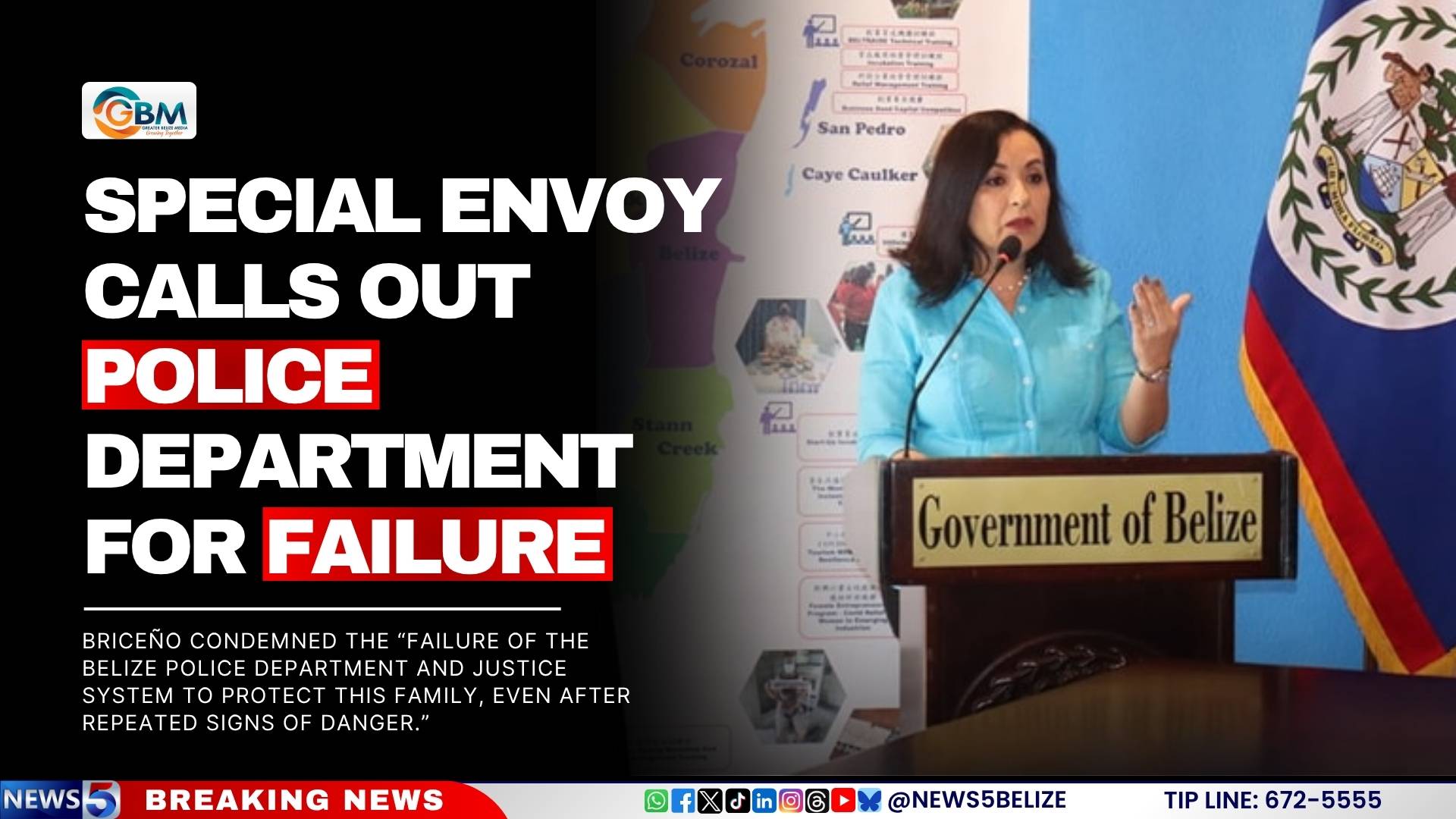
Special Envoy Calls Out Police Department For Failure
In a scathing critique, the Office of the Special Envoy for the Development of Families and Children has denounced the Belize Police Department and justice system for their failure to protect Angelita Magaña and her two children, Tishan and Shadia. The family tragically lost their lives when Magaña’s ex-partner, Francisco Godoy, set their San Felipe Village home ablaze. Godoy later succumbed to his injuries while receiving treatment at the KHMH. Special Envoy Rossana Briceño expressed profound grief and anger, labeling the incident a preventable national failure. She emphasized that Magaña had sought help and protection, yet the system designed to safeguard her family utterly failed. Briceño criticized the police and judiciary for granting bail to Godoy despite his violent history and for neglecting urgent pleas from victims. She also highlighted systemic issues, such as unanswered domestic violence hotlines and 911 calls, which leave victims without critical assistance. The statement called for a comprehensive review of bail procedures in domestic violence cases, stricter enforcement of restraining orders, and enhanced victim protection measures. Briceño urged that this tragedy not be forgotten, stressing the need for systemic reform to prevent future failures.
-
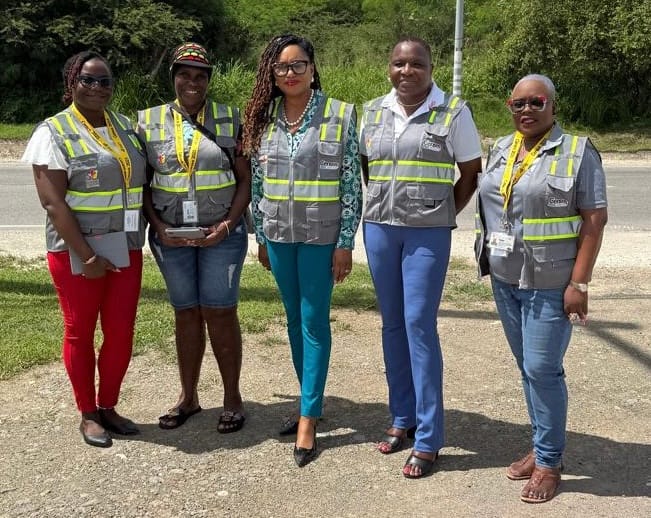
The Census Office Urges Public Cooperation as 2025 National Census Intensifies
The Census Office of Antigua and Barbuda has issued a nationwide appeal for residents to actively participate and cooperate as the 2025 National Population and Housing Census enters a critical phase. Over recent weeks, trained enumerators have been conducting door-to-door visits across the islands to gather essential data. This information will play a pivotal role in shaping national policies, guiding development strategies, and informing decisions in key sectors such as healthcare, education, and infrastructure. To ensure transparency and security, all census workers are equipped with official identification, including a Census ID badge, a branded vest, a government-issued authorization letter, and a digital tablet for data collection. Residents are assured that all collected data will remain strictly confidential and will be used solely for statistical purposes, in compliance with the Statistics Act of Antigua and Barbuda. The Census Office has also provided contact numbers for residents to verify the identity of enumerators if needed. The census process will continue over the coming months, with preliminary results expected to be released in early 2026. The Census Office expressed gratitude for the public’s ongoing support in this vital national initiative.
-
NTUCB Calls for Urgent Action to End Domestic Violence
The National Trade Union Congress of Belize (NTUCB) has issued a forceful condemnation of the escalating domestic violence and femicide cases in the country, spurred by the tragic deaths of a mother and her two children in San Felipe Village earlier this week. In a strongly worded statement, the NTUCB labeled the incident as a ‘clear act of domestic violence, femicide, and filicide,’ raising concerns about the normalization of such violence in Belizean society. According to police statistics, as of August 2025, there have been 1,453 reported cases of domestic violence, with over 1,000 involving intimate partners and 1,089 female victims. The NTUCB emphasized the urgent need for systemic reforms, including stronger law enforcement, legal changes, and the ratification of the International Labour Organization’s Convention 190, which addresses workplace violence and harassment. The organization called on law enforcement and the judiciary to ensure swift justice and better protection for survivors, while urging employers, unions, and communities to break the culture of silence surrounding abuse. The NTUCB also committed to integrating ILO Convention 190 principles into its policies and training programs, alongside awareness campaigns tied to International Men’s Day (November 19), the International Day for the Elimination of Violence Against Women (November 25), and the global 16 Days of Activism campaign. ‘Violence and harassment have no place in our society or workplaces,’ the statement concluded. ‘Together, we can make safety and dignity a reality for all.’
-

Officials closely monitoring APUA as it investigates reports of electricity theft
The Antigua Public Utilities Authority (APUA) has heightened its vigilance as it probes into escalating reports of electricity theft across the region. This illicit activity, which involves unauthorized connections and meter tampering, has been identified as a significant contributor to financial losses and operational inefficiencies within the utility sector. APUA officials have underscored the gravity of the situation, emphasizing that such practices not only undermine the integrity of the power grid but also pose severe safety risks to the public. In response, the authority has deployed advanced monitoring technologies and initiated a series of public awareness campaigns to deter potential offenders. Legal repercussions for those found guilty of electricity theft are expected to be stringent, with fines and potential imprisonment on the table. The crackdown comes amid growing concerns over the economic and infrastructural impact of these illegal activities, which have been exacerbated by rising energy costs and strained resources. APUA has urged citizens to report any suspicious activities, reinforcing its commitment to ensuring a fair and sustainable energy distribution system.
-
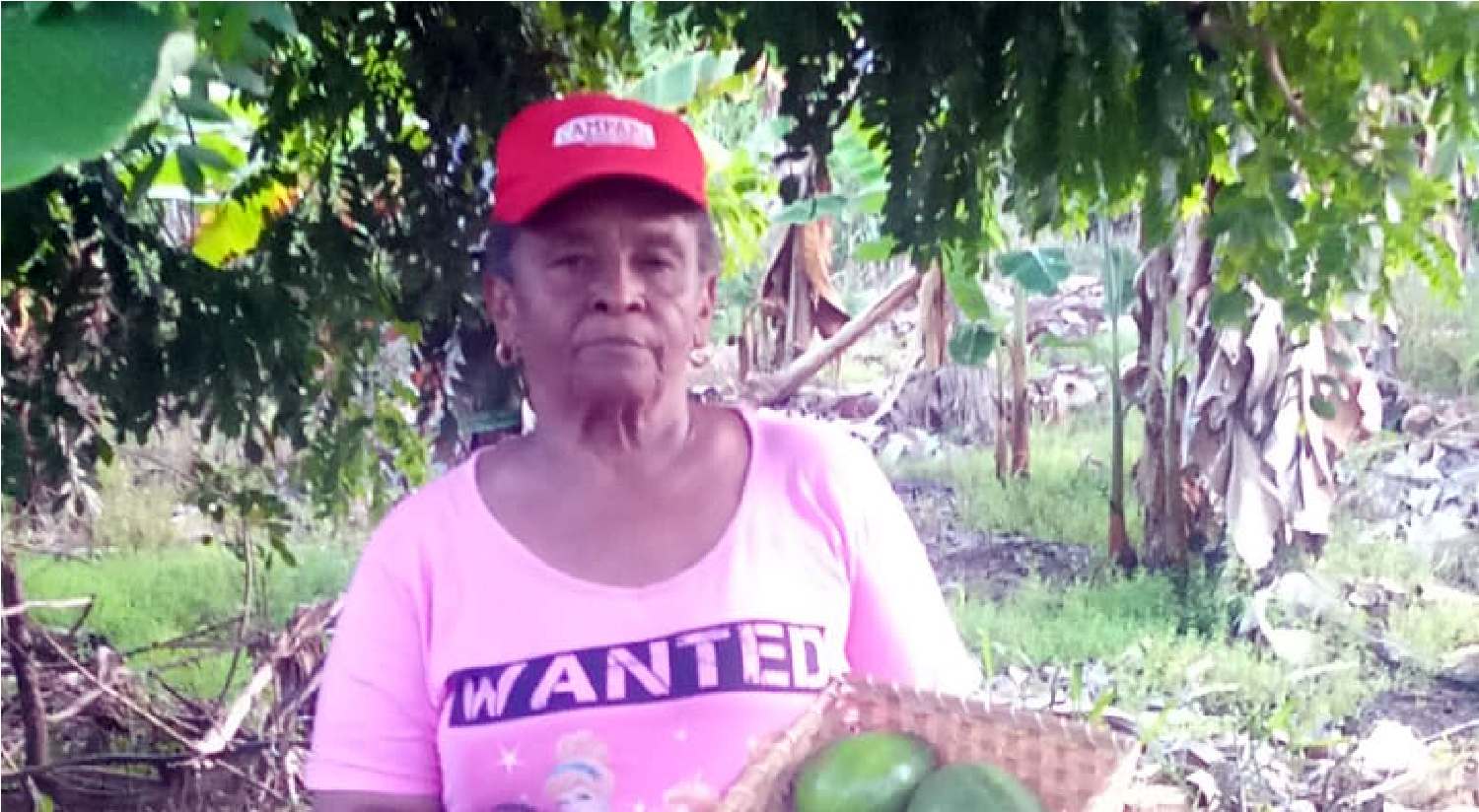
COMMENTARY: Nioka Abbott-Balcombe, a banana producer from Saint Vincent and the Grenadines who empowers rural women and shares her wisdom, is recognized by IICA as a Leader of Rurality of the Americas
Nioka Abbott-Balcombe, a passionate farmer from Saint Vincent and the Grenadines, has turned agriculture into both her livelihood and her mission. Specializing in bananas, cassava, sweet potato, yam, and vegetables, Nioka’s journey began in childhood under the guidance of her great-grandmother. Despite initially working in a restaurant to support her three children, she eventually returned to her roots, establishing her own farm with discipline and vision. Her dedication to farming has earned her recognition as one of the Leaders of Rurality of the Americas by the Inter-American Institute for Cooperation on Agriculture (IICA), and she will soon receive the prestigious Soul of Rurality award. Nioka’s story is one of resilience, creativity, and a deep commitment to food security and sustainability. She emphasizes the importance of diversifying crops to combat market fluctuations and advocates for natural, healthy foods, often sharing her experiences to inspire others. As chair of the WALCO cooperative, she empowers women in agriculture and introduces young people to farming, hoping to instill a love for the land in future generations. Nioka also reflects on the potential for urban agriculture, suggesting that even city dwellers can grow their own vegetables using simple containers. While she acknowledges the role of technology in modern farming, she remains selective, focusing on crops she can manage and those resistant to adverse weather. Nioka’s pride in her self-sufficiency and independence is evident, as she celebrates the legacy of her great-grandmother and the fulfillment she finds in her work.
-
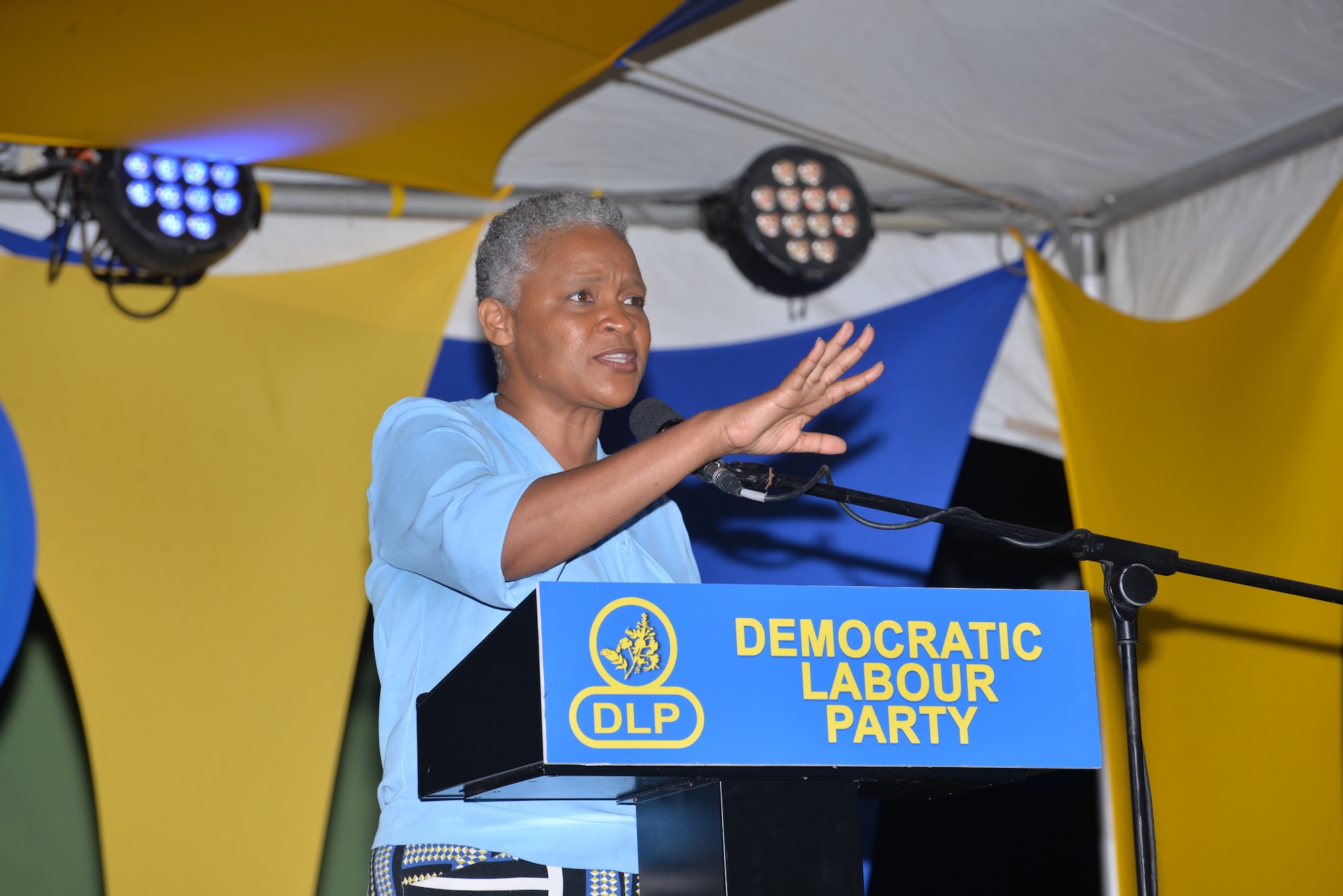
DLP crime commission: Barbados ‘ripe for a full reset’
Barbados is grappling with a severe youth crime crisis, prompting calls for a comprehensive societal overhaul. Verla De Peiza, Chair of the Democratic Labour Party Crime Commission, emphasized the urgency of the situation following the release of alarming police data. The statistics reveal a troubling surge in serious crimes committed by young people, underscoring a deepening social crisis. Acting Police Commissioner Erwin Boyce reported that 63 firearms and 1,750 rounds of ammunition have been seized this year, marking significant increases compared to 2023. Boyce expressed particular concern over the involvement of individuals aged 15 to 30, with hundreds already charged with major offenses. De Peiza highlighted the correlation between high youth unemployment and rising crime rates, stating that Barbados is ‘ripe for a full reset’ to enforce societal standards. She stressed the critical roles of the criminal justice and education systems in addressing the crisis, advocating for rehabilitation programs and preventative measures in schools. De Peiza also commended the Barbados Police Service for their efforts, calling for enhanced resources and independence to effectively combat crime. The situation demands immediate action to reclaim at-risk youth and restore societal stability.
-

Antiguans and Barbudans in the tristate celebrate 44th Independence anniversary this Sunday
This Sunday, the Antigua and Barbuda diaspora residing in the tri-state area of New York will gather to commemorate their nation’s 44th anniversary of political independence. The annual Independence Thanksgiving Service, a cherished tradition, will be held at the Westchester Methodist Church in the Bronx at 4 pm. The event promises to be a heartfelt afternoon of reflection, featuring songs and prayers to honor the blessings bestowed upon the nation since its independence on November 1, 1981.