
Saint Lucia is grappling with a dramatic increase in fire incidents, compounded by challenges in accessing sufficient water to combat them. The island, once accustomed to predictable weather patterns, now faces a climate crisis where the boundaries between dry and wet seasons have blurred. Fire Chief Ditney Downes of the Saint Lucia Fire Service (SLFS) revealed in an exclusive interview with the St. Lucia Times that bushfires, traditionally confined to January through June, have extended into September this year. In 2024 alone, the SLFS responded to over 1,100 bushfires, a significant rise from previous years. Human activities, such as land clearing and deliberate burning, are the primary causes of these fires. However, identifying and prosecuting offenders remains difficult. The situation is exacerbated by prolonged dry spells, which deplete water sources essential for firefighting. Hydrants, reliant on community water mains, often run dry during droughts, leaving firefighters struggling to maintain operations. Simultaneously, the island faces increased flooding due to intense, sporadic rainfall. Nadia Cazaubon, programmes director at the environmental NGO WaterWays, attributes these erratic weather patterns to climate change. She warns that reduced annual rainfall, coupled with extreme downpours, is causing both water scarcity and severe flooding. The World Bank has stepped in with the Saint Lucia Urban Resilient Flood Investment Project, aiming to mitigate flood risks in vulnerable areas like Castries and Anse La Raye. However, the island’s ecosystems are already suffering, with species loss and habitat destruction becoming more frequent. Both Downes and Cazaubon emphasize the urgent need for proactive measures, including public education, policy changes, and community adaptation, to address these escalating challenges.
分类: society
-

IN PICTURES: Market day with a difference 2025
Dominica recently hosted its annual ‘Market Day with a Difference,’ a vibrant celebration of the island’s rich cultural heritage and agricultural prowess. Organized by DEXIA in collaboration with market authorities, the event highlighted the nation’s acclaimed natural produce through a colorful display of local traditions and craftsmanship. The festivities aimed to honor the invaluable contributions of farmers, vendors, fisherfolk, tenants, and loyal patrons of the Roseau Market, whose dedication has played a pivotal role in shaping the market’s storied history. The event underscored the importance of community and the enduring legacy of Dominica’s agricultural sector. Attendees were treated to a sensory feast of fresh produce, handmade goods, and cultural performances, making it a memorable occasion for all. The initiative not only celebrated the island’s natural bounty but also reinforced the significance of sustainable practices and local entrepreneurship in fostering economic growth and cultural preservation.
-

Urgent call for contributions from the Barbadian public and business community
In the aftermath of Hurricane Melissa’s catastrophic impact across the Caribbean, preliminary assessments reveal a grim scenario. The storm has claimed 49 lives as of Thursday, with infrastructure and housing damages exceeding an estimated $500 million. The scale of this dual humanitarian and infrastructural crisis has prompted the establishment of the official Hurricane Melissa Regional Relief Fund. This initiative aims to channel financial aid to the hardest-hit regions—Jamaica, Haiti, and Cuba. Authorities are urgently appealing to the Barbadian public and local businesses for immediate contributions to bolster recovery efforts. These funds are critical for delivering emergency supplies and restoring vital infrastructure. For local donations, contributors are directed to use the Central Bank of Barbados’s official banking details, ensuring funds are allocated correctly to specific relief accounts for each country. International donors are also encouraged to follow detailed wire transfer instructions to support the relief efforts effectively. The collective response will play a pivotal role in mitigating the disaster’s long-term effects on the affected communities.
-

Chinese ambassador awards scholarships at UWI Confucius Institute
The University of the West Indies Confucius Institute in Barbados recently celebrated the achievements of students from primary, secondary, and tertiary institutions with the prestigious Chinese Ambassador Scholarships. This event highlights the island’s deepening engagement with Mandarin Chinese and its culture. Dr Che Leon Corbin, the local co-director of the Confucius Institute, emphasized the institute’s global standing, ranking among the top 10 of 500 Confucius Institutes worldwide. He noted that the program fosters cultural connections, making China feel closer to Barbados. The scholarships, funded by the Chinese Embassy in Barbados, provide financial support for students excelling in Mandarin studies, enabling them to cover educational expenses. Tyrone Yearwood, a Chinese teacher at the Institute, clarified the distinction between the Ambassador Scholarship and the China Scholarship Council (CSC) government scholarship, with the latter offering full financial support for studying in China. Professor Nie Lu, the Chinese Director of the Institute, praised the students and teachers for their dedication, emphasizing the importance of language learning in strengthening international ties. The ceremony recognized students from various schools, including St George Primary, Harrison College, and others, as well as tertiary students like Genesis Chester and Richellia Stuart. The event underscored the role of cultural exchange and language learning in building global friendships. Professor Nie encouraged the students to continue their efforts in mastering Mandarin and embracing Chinese culture, calling them pioneers in this transformative process.
-

St Elizabeth farmers count millions in losses after Hurricane Melissa
Farmers in St Elizabeth, Jamaica, are grappling with catastrophic losses estimated in the millions of dollars after Hurricane Melissa, a Category 5 storm, ravaged the region earlier this week. The hurricane decimated agricultural fields, destroying vital crops and leaving a trail of devastation in one of the country’s most important farming areas.
-

First Independence Day Baby Welcomed at Sir Lester Bird Medical Centre
In a heartwarming celebration of national pride, Antigua and Barbuda welcomed its first Independence Day baby of the year. The Sir Lester Bird Medical Centre proudly announced the birth of a healthy baby boy at 5:35 a.m. on the nation’s 44th Independence Day. The newborn, weighing 6 pounds 12 ounces, was delivered to delighted parents Glengield and Roleeka King-Henry. Hospital staff expressed immense joy, describing the birth as a symbolic and special moment to commemorate the twin-island nation’s milestone. The medical team extended heartfelt congratulations to the family and warmly welcomed the newborn, affectionately dubbed “the little king.” This joyous event not only marks a personal milestone for the King-Henry family but also serves as a beacon of hope and unity for the nation as it celebrates its independence.
-

POEM: Happy Independence Day Antigua And Barbuda
As the sun rises over the picturesque islands of Antigua and Barbuda, the nation comes alive with the vibrant spirit of Independence Day. This cherished occasion is marked by heartfelt celebrations, as citizens unite to honor their freedom and pay tribute to the heroes who paved the way for their sovereignty. The national flag soars proudly against the azure sky, symbolizing the resilience and strength of a people who fought valiantly for their liberty. Songs of freedom echo across the land, accompanied by joyous dances that reflect the nation’s rich cultural heritage. Families gather to remember their loved ones, holding them close in their hearts even as they celebrate the day’s significance. Stories of brave heroes who sacrificed their lives for the nation’s independence are recounted, inspiring a deep sense of gratitude and pride. As evening falls, the night sky is illuminated by dazzling fireworks, painting a canvas of light and hope. Antigua and Barbuda, a land of peace and love, remains deeply rooted in the hearts of its people. On this special day, citizens reaffirm their commitment to unity and freedom, marching hand in hand and singing in unison. The bond of freedom elevates their spirits, reminding them of the strength found in their collective voices. As the celebrations continue, the nation prays for lasting peace, joy, and prosperity. Happy Independence Day to all, and may the spirit of freedom resonate far and wide.
-

PM Browne Promises Food Sovereignty Through Domestic Agriculture Investments
Antigua and Barbuda is making significant strides toward achieving food sovereignty, as announced by Prime Minister Gaston Browne. The government is channeling resources into enhancing agricultural infrastructure, establishing abattoirs, and developing a state-of-the-art agro-processing hub. These initiatives aim to reduce dependency on imported food and bolster local production. Prime Minister Browne emphasized the dual benefits of these efforts, stating, ‘By feeding ourselves, we are feeding our pride and preserving our sovereignty.’ He also highlighted the guaranteed markets for local farmers, ensuring their products have a stable and reliable outlet. This move is part of a broader strategy to strengthen the nation’s self-sufficiency and economic resilience in the face of global food supply challenges.
-

Police Search for Suspect Who Stole Visitor’s Bag
The Royal Police Force of Antigua and Barbuda has launched an investigation into a reported theft at Old Runaway Beach, targeting a visitor’s personal belongings. The incident occurred between 5:00 and 5:30 p.m. on Friday, October 31, 2025, when the victim’s brown shoulder bag, containing travel documents, a rental vehicle key, wallet, identification and credit cards, and an undisclosed amount of cash, was stolen from her parked vehicle. Police swiftly responded to the report and managed to recover the bag and most of its contents, though the cash remains missing. The recovered items have been returned to the visitor, and efforts are ongoing to identify and apprehend the suspect(s). Authorities are urging anyone with information or who witnessed suspicious activity in the area to contact the Criminal Investigations Department (CID) at 462-3913. In light of the incident, the police are also advising residents and visitors to exercise caution and secure their belongings, particularly in public spaces like beaches. The Police Administration emphasized the importance of public cooperation in safeguarding visitors and maintaining Antigua and Barbuda’s reputation as a secure and welcoming tourist destination, which is crucial for the nation’s economy.
-
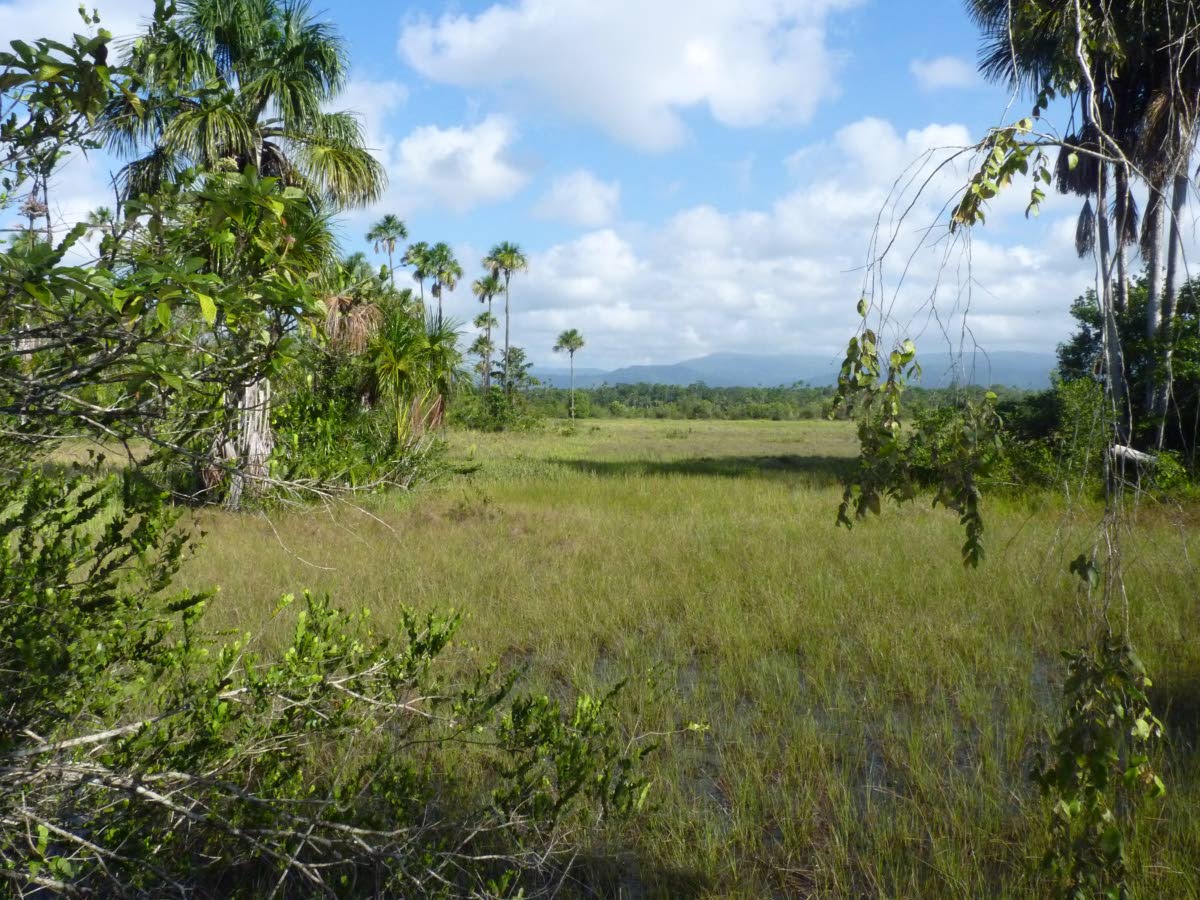
Protecting the Aripo Savannas: Fencing as a last resort?
Trinidad and Tobago is home to a wealth of biodiversity, including the Aripo Savannas, the nation’s last remaining natural savanna ecosystem. Despite its designation as an environmentally sensitive area (ESA) in 2007, the Aripo Savannas Scientific Reserve (ASSR) faces ongoing threats from illegal squatting, land clearing, and poaching. Over the past decade, at least 28 acres have been lost to squatters, highlighting the urgent need for enhanced protection measures. The lack of clear boundaries and enforcement has exacerbated the problem, with some signs marking the perimeter being ignored or absent entirely. The construction of the Elmina Clarke-Allen Highway has further isolated the savannas, making it difficult for wildlife to disperse. One proposed solution is the construction of a security fence along the entire 96,000-foot perimeter, estimated to cost around $5 million. This fence would serve as a physical barrier to illegal entry, improve wildlife corridor usage, and facilitate easier patrolling by the Forestry Division. The Environmental Management Authority (EMA) is well-positioned to manage such a project, given its experience with initiatives like the $69 million Nariva Swamp Restoration. While fencing may not be visually appealing, it offers a reversible and practical solution to safeguard this critical natural resource. Education and community involvement remain ideal, but fencing may be the necessary ‘last resort’ to ensure the Aripo Savannas’ survival.