
In a significant step to combat gender-based violence, Spain’s leftist government has approved a groundbreaking bill to classify vicarious violence as a distinct criminal offense. Vicarious violence, defined as harm inflicted on women through their loved ones—often children or close relatives—by a partner or ex-partner, has been a growing concern in the country. Equality Minister Ana Redondo emphasized the urgency of addressing this issue, stating, ‘This form of violence is not currently recognized in our legal system. Given the reality, it is crucial to define and incorporate it.’ Since 2013, 65 children in Spain have been murdered in acts of vicarious violence, highlighting the severity of the problem. Beyond extreme cases, such violence can manifest in subtler forms, such as withholding prescribed medication, preventing children from participating in activities they enjoy, or returning them to their mothers in unsanitary conditions. The proposed amendment to the criminal code would classify vicarious violence as a gender-based aggravating circumstance, with penalties ranging from six months to three years in prison. Additionally, abusers would be prohibited from publishing materials that could further traumatize victims. The bill, championed by Prime Minister Pedro Sanchez’s government, which has prioritized feminism and gender equality, now faces the challenge of gaining parliamentary approval despite lacking a majority. Spain has long been a leader in addressing gender-based violence, with its 2005 law introducing specialized courts, free legal aid, emergency housing, and prosecution without requiring a formal complaint from the victim.
分类: society
-

Andrew ‘French’, two others found guilty in $222-m InSports fraud case
In a landmark ruling on Tuesday, Andrew Wright, O’Neil Hope, and Rudolph Barnes were found guilty of multiple charges related to a massive fraud scheme targeting the Institute of Sport (InSports). The case, which dates back to 2017, involved the embezzlement of $222 million from the governmental agency. Supreme Court Justice Ann-Marie Lawrence-Grainger delivered the verdict, convicting Wright, a former financial controller at InSports and a well-known promoter of the French Connection and Chug It party series, on 13 counts of fraud. Barnes was found guilty of 11 counts, while Hope faced conviction on eight counts. Among the three women implicated in the case, Sherene Farquharson and Andrea Picton were acquitted, but Karita Davis, accused of facilitating the cashing of fraudulent cheques for Wright, remains at large. The three convicted men have been remanded in custody and are scheduled for sentencing on November 21. Further details on this high-profile case will be published in the Jamaica Observer on Wednesday.
-

Groundbreaking consultation to explore elevating the Creole language beyond informal use
The Creole Language National Consultation 2025, themed ‘Legitimizing Creole: From Vernacular to Vehicle of Identity, Education, and Development,’ is set to take place on October 16, 2025, at the UWI Open Campus in Roseau, Dominica. Organized by Creole Heartbeat in collaboration with the Ministry of Education, KEK, the University of the West Indies (UWI) Open Campus, and Alliance Française, the event will run from 10:00 AM to 1:00 PM. This groundbreaking consultation aims to unite key stakeholders from Creole-speaking regions such as Haiti, Martinique, Trinidad, Dominica, Guadeloupe, and St. Lucia to discuss the future of Creole languages. The event will focus on transforming Creole from a vernacular language into a recognized and respected medium integral to regional identity, cultural pride, and socio-economic advancement. Attendees, including linguists, educators, policymakers, cultural figures, and community representatives, will explore strategies to integrate Creole into educational systems, government policies, and broader societal development. Creole Heartbeat emphasizes that while Creole has historically been the language of families and local communities, it is now time to position it as a language of progress—essential in classrooms, boardrooms, and national development strategies. This consultation is part of a broader initiative by Creole Heartbeat to preserve and promote Creole as a cornerstone of Caribbean heritage, advocating for its vital role in shaping progress and empowering Caribbean nations. Supporting partners include the Ministry of Education, KEK, UWI Open Campus, and Alliance Française, with media coverage provided by Q95, Multisolutions, and Dominica News Online to highlight the event’s significance.
-

Groundbreaking event will explore Creole’s elevation beyond informal use
The Creole Language National Consultation 2025, themed “Legitimizing Creole: From Vernacular to Vehicle of Identity, Education, and Development,” is set to take place on October 16, 2025, at the University of the West Indies (UWI) Open Campus in Roseau, Dominica. Organized by Creole Heartbeat in collaboration with the Ministry of Education, KEK, UWI Open Campus, and Alliance Française, the event will convene from 10:00 AM to 1:00 PM. This groundbreaking forum will bring together key stakeholders from Creole-speaking regions such as Haiti, Martinique, Trinidad, Dominica, Guadeloupe, and St. Lucia to discuss the future of Creole languages. The consultation aims to shift the perception of Creole from a vernacular dialect to a respected language that plays a central role in regional identity, cultural pride, and socio-economic advancement. Attendees will include linguists, educators, policymakers, cultural leaders, and community representatives, who will explore strategies for integrating Creole into educational systems, government policies, and broader societal frameworks. Creole Heartbeat emphasizes that while Creole has long been the language of families, storytelling, and local communities, it is now time to position it as a language of progress—one that belongs in classrooms, boardrooms, and national development strategies. This event is part of a broader initiative by Creole Heartbeat to preserve and promote Creole as a cornerstone of Caribbean heritage. Supporting partners include the Ministry of Education, KEK, UWI Open Campus, and Alliance Française, with media coverage provided by Q95, Multisolutions, and Dominica News Online to amplify the consultation’s significance.
-

Guyana-born U.S. public schools superintendent license revoked, remains in ICE custody
In a significant development, Dr. Ian Roberts, the former superintendent of Des Moines Public Schools, has had his professional license revoked by the Iowa Department of Education. This decision follows his detention by U.S. Immigration and Customs Enforcement (ICE) on allegations of being in the country illegally. The Bureau of Educational Examiners confirmed the revocation on Monday, effectively ending his tenure as superintendent. Dr. Roberts, who was born in Guyana and raised in Brooklyn, New York, had been placed on administrative leave by the Des Moines Public School board just one day prior. ICE officials claim that Roberts entered the U.S. on a student visa in 1999 but was subject to a final removal order issued in 2024. The case has sparked widespread attention, raising questions about immigration policies and their impact on public sector professionals.
-
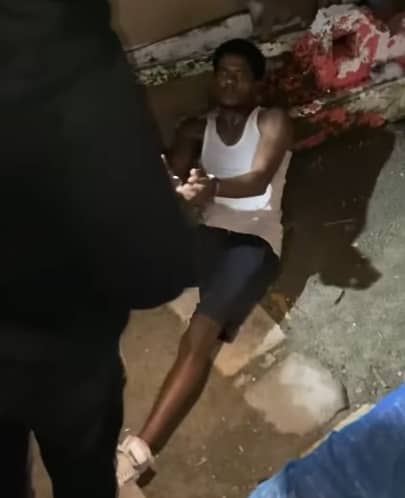
VIDEO: Man Apprehended After Alleged Early Morning Attack on Woman
A disturbing incident unfolded early this morning when a woman was reportedly attacked by her former partner. According to local sources, the altercation began when the suspect confronted the woman over personal messages, escalating into a physical assault. Neighbors reported hearing loud screams and witnessing the man violently attacking the woman. The incident has sparked concern in the community, highlighting the ongoing issue of domestic violence. Authorities have been notified, and an investigation is underway to address the situation and ensure the safety of the victim. This case serves as a stark reminder of the importance of addressing interpersonal conflicts through non-violent means and the need for robust support systems for victims of abuse.
-

Man Pleads Guilty to Possessing $10,000 Worth of Crack Cocaine
Teshawn Steve Lynch, a man with a history of prior court appearances, has admitted to possessing nearly 300 grams of crack cocaine, valued at over $10,000. The admission came during a court hearing on Monday, where details of the case were revealed. Lynch was apprehended in a recent police operation, and prosecutors have emphasized the significant quantity of the dangerous drug involved. Sentencing is scheduled for later this week, with the court expected to take Lynch’s previous convictions into account when determining his punishment. This case underscores the persistent issue of drug-related offenses and their detrimental effects on the community. Authorities continue to address the challenges posed by illegal drug activities, aiming to mitigate their impact on public safety and well-being.
-

Hatton gun attack ends in crash, suspect arrested
A shocking shooting incident unfolded in Hatton on Sunday evening, culminating in a dramatic car crash that left the community in turmoil. According to reports, two men in a black Toyota BB opened fire at a roadside car wash, demanding information about the whereabouts of a man driving a Toyota Corolla. The assailants discharged several rounds, causing widespread panic before attempting to flee the scene. Their escape, however, was thwarted by a vigilant motorist who pursued their vehicle along Sea Road. In a daring move, the motorist rammed the suspects’ car into a fence, causing significant damage. Law enforcement swiftly responded to the scene, arresting one suspect who is now cooperating with the investigation. Authorities are actively searching for the second suspect. The incident has raised concerns about public safety in the area, with residents calling for increased police presence. The investigation is ongoing, and further details are expected to be released as they become available.
-
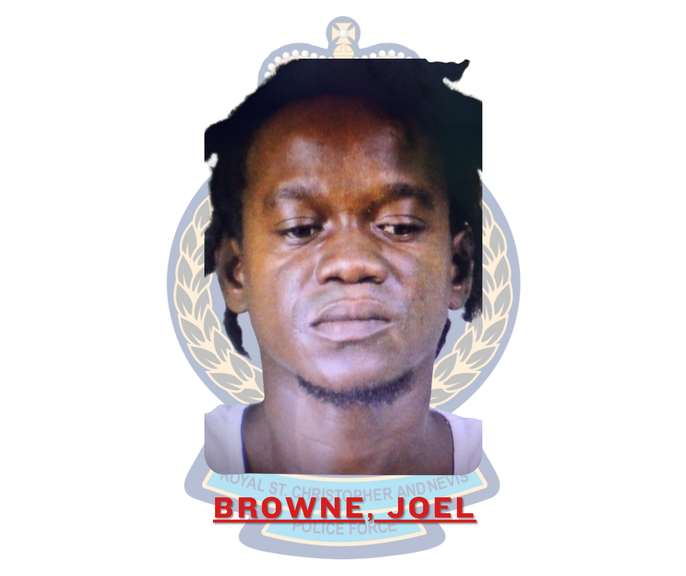
Police seize firearm and ammunition during search in Christ Church
In a significant breakthrough in the fight against illegal firearms, the Royal St. Christopher and Nevis Police Force (RSCNPF) has successfully apprehended Joel Browne of Christ Church. The arrest followed a meticulously coordinated joint operation on September 25, 2025, involving the Special Services Unit (SSU) and the Joint Security Operations Tactical Team (JSOTT). During the search of Browne’s premises, law enforcement officers uncovered a cache of illegal items, including controlled drugs, firearms, and ammunition. The seized items comprised one Beretta firearm, 19 rounds of 9mm ammunition, two 12-gauge cartridges, one spent 9mm shell, and a bulletproof vest. Browne was formally charged the following day with three counts of possession of ammunition and one count of possession of a firearm. This operation underscores the RSCNPF’s unwavering commitment to reducing gun-related crimes and enhancing public safety in the region.
-
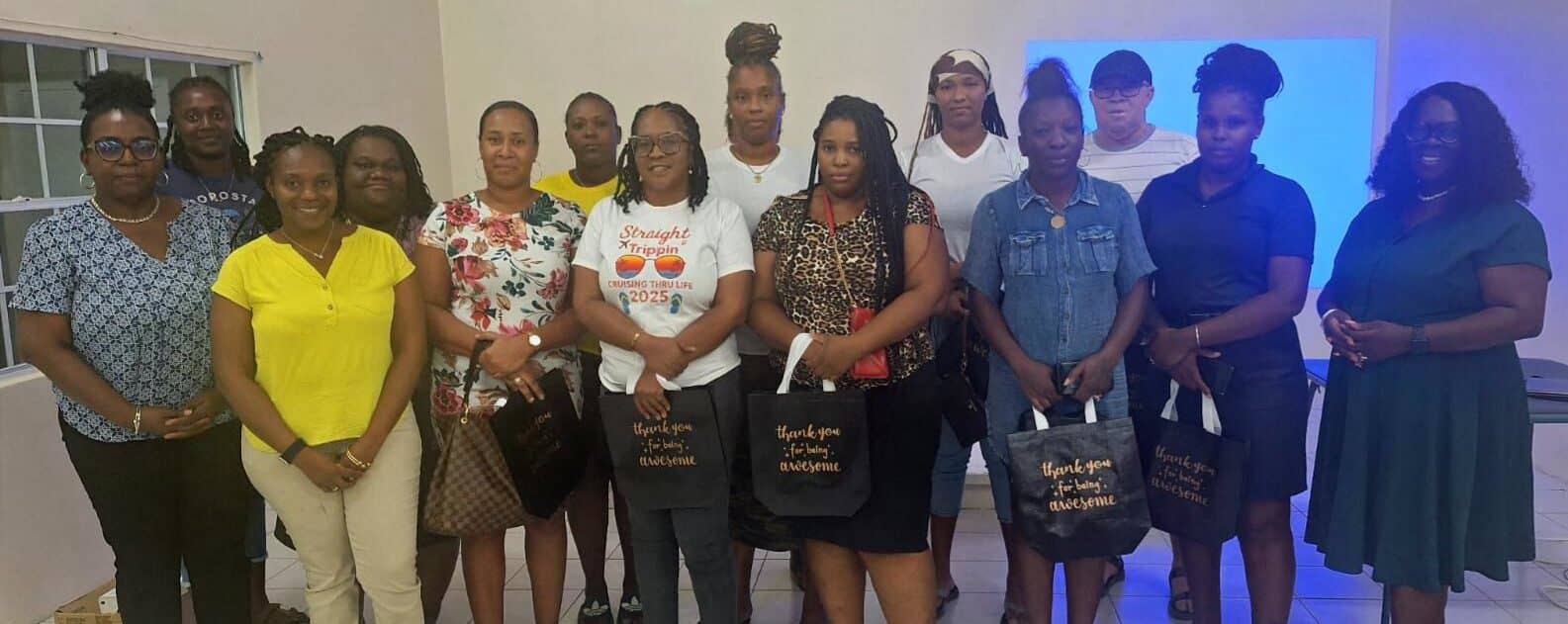
Barbudans Tackle Literacy Crisis from Community Centred Approach
Barbuda has embarked on a transformative journey to enhance literacy among its youth with the launch of ‘The Lit! Project.’ This pioneering initiative, introduced on September 23, 2025, at the Barbuda Community Centre, is designed to cultivate confident and imaginative readers while fostering a community-wide appreciation for literacy. Spearheaded by The Be Foundation (TBF), the project aims to provide students with access to engaging, age-appropriate books, encourage family and community involvement in literacy development, and spark creativity in young learners. The initiative also seeks to establish sustainable systems to ensure reading success across schools. Under the theme ‘Reading Revolution: Igniting Imagination, Building Bright Futures,’ the project has garnered support from parents, educators, and government representatives. Mrs. Tulip Nicholas-Lee, the project lead, emphasized the importance of reading in shaping brighter futures for Barbudan youth. The launch event featured interactive activities and a call to action for community collaboration to promote a culture of reading. The Lit! Project will continue with a weekly Reading Club and a follow-up community meeting in November, reinforcing its commitment to empowering young minds through literacy.