
Hurricane Melissa has left a trail of destruction in its wake, particularly impacting the lives of Jamaica’s firefighters. The catastrophic storm rendered 25 firefighters homeless and caused substantial damage to the residences of nearly 170 others. These brave individuals, whose roles often require them to risk their lives to protect others and safeguard property, now face immense personal challenges. The devastation has forced 15 of these national heroes to take refuge in the very fire stations where they serve, highlighting the severity of their plight. In response, Jamaica Fire Brigade Commissioner Stewart Beckford has issued an urgent appeal for assistance from corporate Jamaica. Beckford emphasized the critical need for support to help these firefighters rebuild their lives and continue their vital work in the community. The tragedy underscores the vulnerability of those who dedicate their lives to public service, even as they confront the dual burdens of professional duty and personal loss.
分类: society
-

78 per cent of schools reopen so far
KINGSTON, Jamaica — Senator Dana Morris Dixon, Minister of Education, Skills, Youth, and Information, announced that 78% of Jamaica’s schools, totaling 791 institutions, have reopened as of November 19, 2025, following the devastation caused by Hurricane Melissa. The minister highlighted the critical role of resuming normal routines for children in overcoming trauma during a Senate statement on Friday. She praised principals and board chairs for their efforts in restoring educational operations under challenging conditions. Morris Dixon also acknowledged the support of Opposition representative Damion Crawford in expediting the reopening process. Additionally, the government has allocated $325 million in clean-up grants to over 500 schools, with funds ranging from $300,000 to $1,000,000 based on the severity of hurricane damage. These grants will support debris removal, sanitation, and the restoration of utilities and essential amenities. The minister commended the collaborative efforts of school leaders, staff, students, and community volunteers in the clean-up process, emphasizing the pivotal role of schools in rebuilding community normalcy.
-
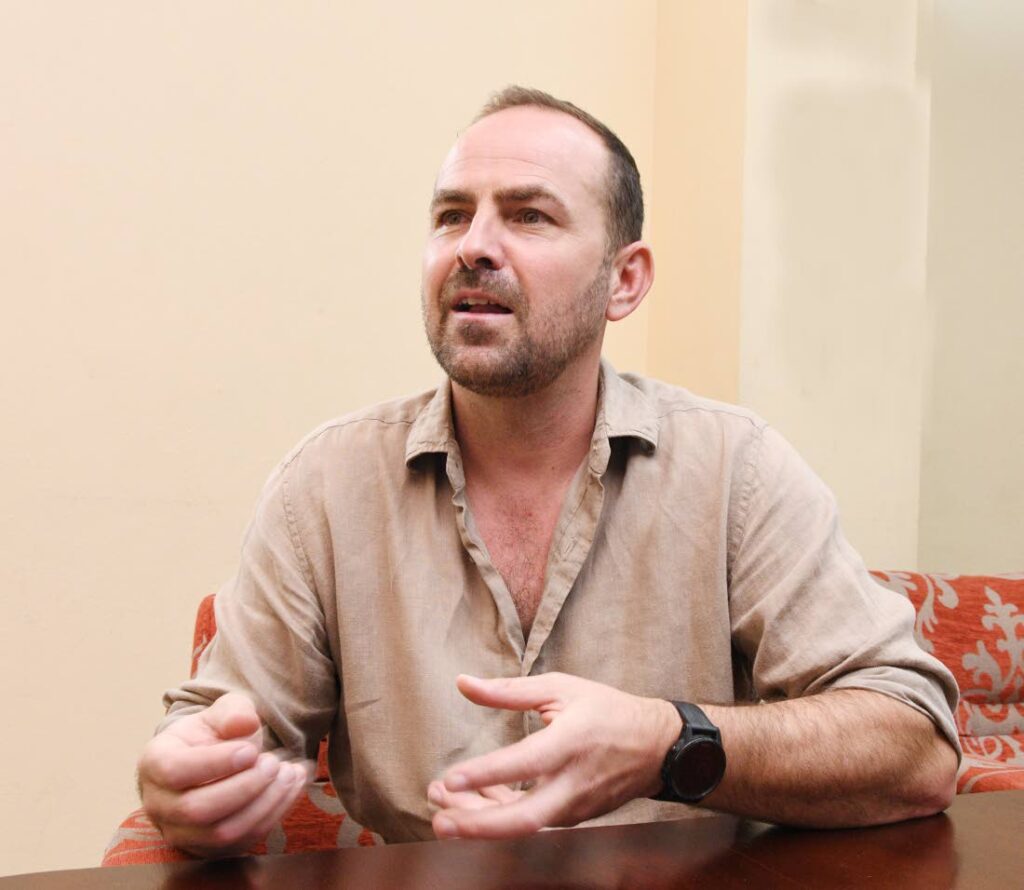
From Yemen’s conflict zone to ‘harrowing’ Jamaica
Georg Gassauer, a seasoned responder with Doctors Without Borders (MSF), has witnessed the horrors of conflict zones in Yemen, but nothing prepared him for the devastation he encountered in Jamaica after Hurricane Melissa. Arriving days after the initial MSF team was deployed to St James and neighboring parishes, Gassauer was struck by the sheer scale of destruction. Hillsides were stripped bare, trees stood leafless, and communities were left picking up the pieces of their shattered lives. ‘It’s quite a harrowing view,’ Gassauer remarked, shaking his head. ‘We’ve worked in natural disasters before, but nothing like this.’
Since November 1, MSF has been working closely with Jamaica’s Ministry of Health and Wellness to restore access to clinical facilities, deliver potable water, test groundwater, and supply health centers with essential materials. One of their most significant contributions has been the restoration of the roof at Cornwall Regional Hospital, which had lost over 80% of its ceiling to the hurricane’s fierce winds. ‘This is quite unusual for us to be a funding partner,’ Gassauer noted. ‘Usually, we’re an implementing partner, but here we had to take a different role.’
Despite the challenges posed by damaged infrastructure, Gassauer remains optimistic about Jamaica’s recovery. He praised the resilience and solidarity of the Jamaican people, particularly the community’s efforts to support one another. ‘One of the things that I found very encouraging was just the solidarity that is shown from Jamaicans,’ he said. ‘I don’t think anybody from the team was really expecting that Jamaica and its health services would be bouncing back as fast as they did.’
Gassauer’s experience in Jamaica has been a stark reminder of the power of nature and the strength of human spirit. While the road to recovery is long, the unwavering determination of the Jamaican people offers a beacon of hope in the face of adversity.
-
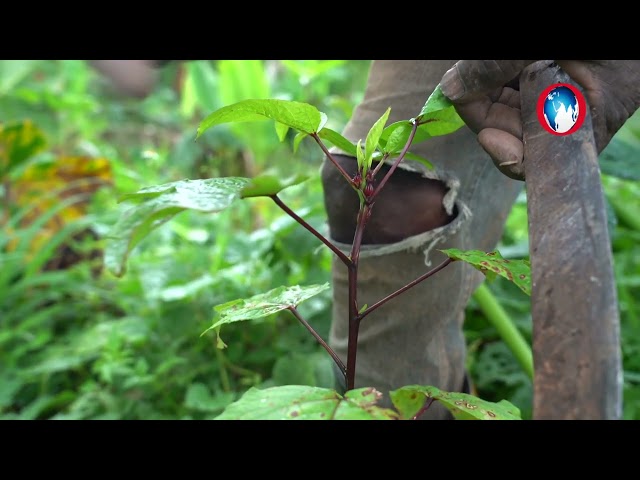
Sorrel for Christmas?
Jamaica’s cherished Christmas tradition of enjoying sorrel, a deep red, gingery drink made from the Roselle plant, faces significant challenges this year due to the devastating impact of Hurricane Melissa. Farmers in the northeastern parish of St Mary report severe damage to sorrel crops, with yields expected to plummet to just 10% of normal levels. The Category 5 storm, coupled with pre-existing leaf diseases and relentless rainfall, has left many fields flattened and crops ruined. Dave Evans, a sorrel farmer from Richmond, shared that his usual harvest of 9,000 pounds has been drastically reduced, forcing him to declare a loss for the season. Comisha Campbell-Clunis, another farmer, saw her 3,500 sorrel plants dwindle to just 1,500 survivors. The scarcity is expected to drive prices up to $1,500 per pound, a steep increase from the usual $500. Veteran farmer Junior Williams, who cultivates a hardy variety of sorrel, emphasized the resilience of the crop but acknowledged that even his fields suffered damage. Across the sector, farmers are struggling to salvage what remains, but the festive season may see many Jamaican tables without the traditional sorrel drink. The Minister of Agriculture, Floyd Green, has yet to comment on the situation, leaving farmers and consumers alike uncertain about the availability of this holiday staple.
-
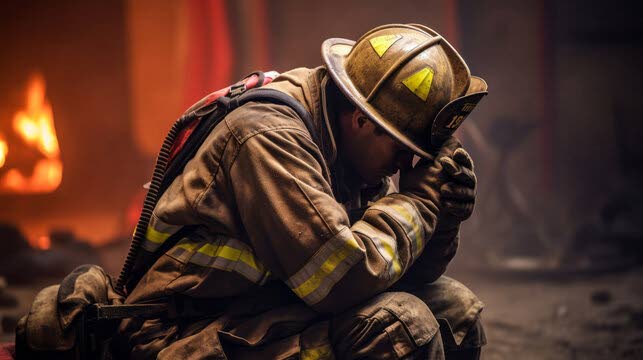
Fire station for a home
In the aftermath of Hurricane Melissa, a Category 5 storm that wreaked havoc across western Jamaica, approximately 15 firefighters found themselves without homes, turning their fire stations into temporary shelters. Jamaica Fire Brigade Commissioner Stewart Beckford revealed that 193 firefighters were impacted by the disaster, with 25 experiencing total destruction of their homes and 168 facing significant damage. Many of these first responders were still recovering from the devastation of Hurricane Beryl when Melissa struck, compounding their struggles.
-

The changing outlook of contemporary trade unions
Modern trade unions appear to have lost much of their former vigor, a stark contrast to their dynamic presence in previous decades. This decline can be attributed to a confluence of factors, with ineffective leadership emerging as a central issue. The current state of trade unions suggests a movement in crisis, struggling to adapt to contemporary challenges. Historically, trade unions thrived under strong, visionary leaders who commanded respect from members, employers, and political figures alike. While not all current leaders are ineffective, many have been criticized for their silence on critical issues affecting workers and society at large. Traditionally, unions played a crucial role as societal watchdogs, overseeing social, economic, and political policy changes. However, their vigilance and passion seem to have waned over time. The reasons for this shift remain debated. Some attribute it to a lack of enthusiasm among leaders, while others point to a disengaged membership that fails to hold leadership accountable. Critics argue that many union leaders have failed to evolve, clinging to outdated strategies and parochial concerns. This resistance to change has created tension between older leaders and younger workers, who bring fresh perspectives but often feel marginalized. The generational divide poses a significant challenge, with younger members advocating for succession planning and modernization, while entrenched leaders resist relinquishing control. Bridging this gap is essential for the survival of the labor movement. Additionally, trade unions must address their public image, often marred by perceptions of bureaucracy and self-interest, which hinder efforts to attract new members and gain public support. Dennis De Peiza, a Labour & Employee Relations Consultant at Regional Management Services Inc., highlights the urgent need for unions to adapt and rebuild their relevance in today’s rapidly changing world.
-

Drag Racing Community Mourns Jerome Marsh After Fatal Parham Crash
The drag racing community is mourning the loss of Jerome Marsh, a passionate enthusiast who tragically lost his life in a devastating two-vehicle collision in Parham on Friday night. According to police reports, Marsh was behind the wheel of a yellow Toyota Vitz when it collided with a Toyota Noah van. Emergency responders utilized specialized equipment, commonly referred to as the ‘jaws of life,’ to extricate Marsh from the wreckage. Despite their efforts, he was pronounced dead shortly after the incident. Marsh’s 14-year-old son, who was a passenger in the vehicle, sustained injuries and remains hospitalized. The driver and a passenger of the Toyota Noah were also injured and are currently receiving medical care at Sir Lester Bird Medical Centre. Authorities have confirmed that investigations into the crash are ongoing, with further details expected to be released in due course.
-

Seamoss Storefront and Interpretative Centre opens in Bequia
In a landmark move for sustainable economic development, the Seamoss Association of St. Vincent and the Grenadines has unveiled the region’s first dedicated Seamoss Storefront and Interpretative Centre in Bequia. Funded by the Government of Canada through the Canada Fund for Local Initiatives (CFLI), the centre represents a significant stride in empowering local communities and preserving cultural heritage. Shavorn Stephens, the association’s founder, hailed the opening as a historic milestone, emphasizing its role as a symbol of economic empowerment, cultural pride, and resilience within the sea moss community. The facility offers local producers a specialized retail space to showcase a diverse range of products, from raw and dried sea moss to innovative value-added items like teas, gels, and skincare products. Additionally, the centre features an interpretative section that educates visitors on the history, cultivation practices, nutritional benefits, and cultural significance of sea moss, while paying tribute to the pioneering contributions of women like Ann Bernard Harvey. Jessica Mackie, representing the Government of Canada, underscored Canada’s commitment to supporting sustainable, community-driven initiatives, while Chief Fisheries Officer Jennifer Howard-Cruickshank praised the project for its role in advancing the blue economy. The centre is poised to enhance local income opportunities, promote food security, and position St. Vincent and the Grenadines as a leader in sustainable marine resource development.
-

The lasting impact of the Boy Scout movement on my life
In 1950, at the age of nine, Dr. Basil Springer first stepped onto the grounds of Harrison College in Barbados, unaware of how the Boy Scout movement would profoundly shape his life. Under the guidance of Mrs. Beryl Sharpe, he joined the Cub Scout programme, where he discovered discipline, camaraderie, and a sense of purpose that would remain with him throughout his life. This marked the beginning of a transformative journey that would leave an indelible mark on his character and values. At age 11, Dr. Springer transitioned to the Scout movement under the leadership of Mr. Ralph Mann, an English Scout leader and teacher at Harrison College. Mr. Mann’s dedication to Scouting and his emphasis on leadership development had a lasting impact on young Basil, providing him with opportunities for personal growth and a commitment to community service. One of the most cherished aspects of Dr. Springer’s Scouting journey was his enduring friendship with Trevor Austin Hassell, whom he met on his first day at Harrison College. Together, they rose through the ranks, from Cubs to Scouts, eventually achieving the prestigious title of Queen’s Scouts. In 1958, alongside Trevor’s younger brother, the late Frank Hassell, they embarked on a memorable Venture Scout journey along the old Barbados train line, now known as The Barbados Trailway. Their adventures extended beyond Barbados, as they participated in Scout camps in St Vincent and the Grenadines, Trinidad and Tobago, and represented Barbados at the 8th World Scout Jamboree in Niagara-on-the-Lake, Ontario, Canada, in 1955. Led by Captain Reuben Sealy, this event was a defining moment in their Scouting careers. After the Jamboree, Dr. Springer spent a memorable week in New York with his Aunt Iris, further enriching his experiences. Decades later, the bond between Dr. Springer and Trevor remains strong, nurtured by their shared Scouting memories. Now back in Barbados after years abroad, they meet every two months for lunch, reflecting on their past adventures and the enduring lessons of Scouting—discipline, leadership, and service. These principles continue to guide their lives, leaving a legacy of friendship and community impact. Dr. Basil Springer GCM, a corporate governance adviser, credits the Boy Scout movement for shaping his character and values, which he carries forward in his professional and personal life.
-
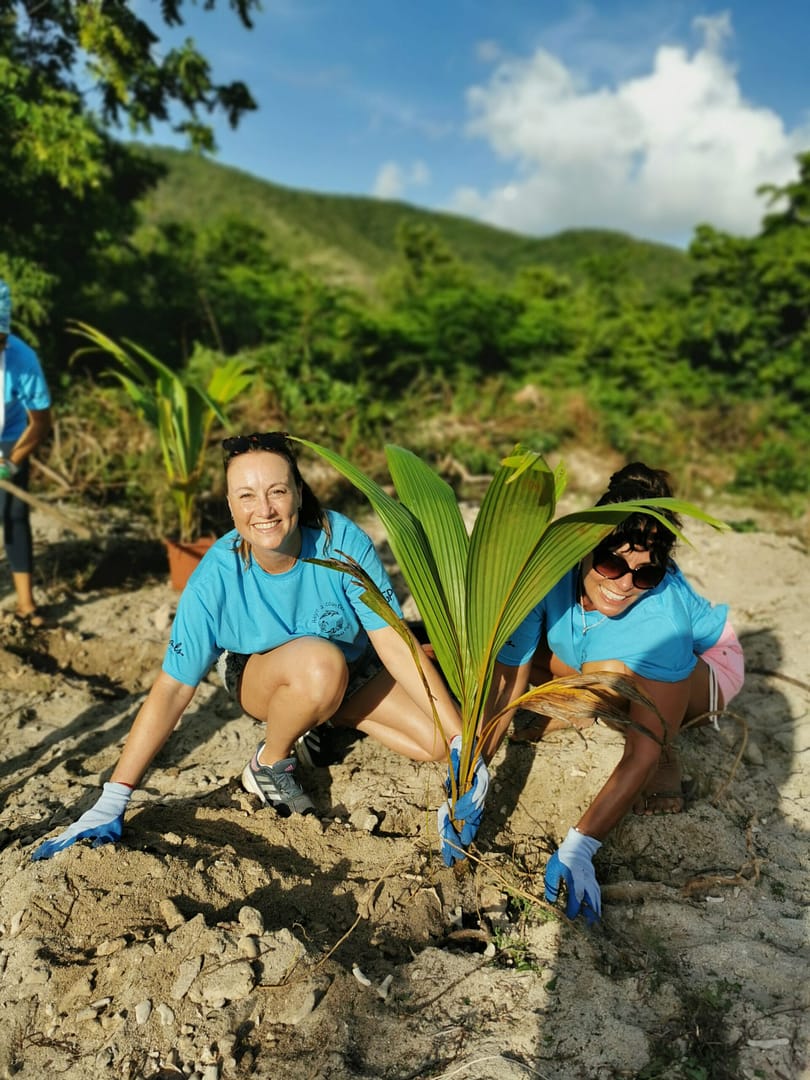
Government Scales Back One Million Trees Goal to 300,000 on Advice of Forestry Experts
In a significant shift, the government has scaled back its ambitious tree-planting campaign from one million trees to 300,000, following recommendations from forestry experts. The decision was announced by Cabinet spokesman Maurice Merchant during Friday’s post-Cabinet briefing. Merchant explained that the Forestry Division had advised the Cabinet that the original target was unfeasible, prompting a reevaluation of the initiative. The revised goal, now set at 300,000 trees, reflects a more realistic and achievable approach, ensuring the program’s success and proper implementation. The Forestry Division, alongside the Department of Agriculture and other relevant agencies, will spearhead the adjusted campaign. This move underscores the government’s commitment to aligning its environmental agenda with expert insights, prioritizing practicality and sustainability in national reforestation efforts.