
As the glow of Divali deyas fades and the melodies of parang music fill the air, Trinidad and Tobago enters its most vibrant and festive period of the year. This season, marked by celebrations of Divali and Christmas, serves as a reminder of the nation’s rich cultural tapestry, where diverse faiths, traditions, and histories converge to shape a unified national identity. The country’s calendar is punctuated by numerous cultural and religious observances, including Eid-ul-Fitr, Hosay, Emancipation Day, Phagwa, Spiritual Baptist Liberation Day, and Indian Arrival Day. Each festival brings its unique rituals, colors, and significance, yet all share a common purpose: fostering unity and mutual respect among the people. In workplaces, schools, and communities, citizens partake in each other’s celebrations, sharing food, exchanging greetings, and learning about traditions that may differ from their own. This openness and inclusivity are the cornerstones of Trinidad and Tobago’s societal strength. The Equal Opportunity Commission (EOC) plays a pivotal role in promoting these values. Established under the Equal Opportunity Act, Chapter 22:03, the EOC works to eliminate discrimination based on race, ethnicity, origin, religion, marital status, sex, and disability. The act ensures that every individual, regardless of background or belief, has an equal opportunity to participate fully in the nation’s social, economic, and cultural life. By celebrating each other’s festivals, citizens embody the principles of equality and respect that the act upholds. For instance, workplaces that accommodate religious observances or host inclusive events demonstrate these values in action. The EOC continues its mission through public education, sensitization sessions, and advocacy, helping organizations and individuals understand how to create environments that reflect fairness and mutual respect. As Trinidad and Tobago transitions from Divali to Christmas, it is an opportune moment to reflect on the nation’s unique cultural harmony. This peaceful coexistence of diverse cultures is not accidental but a collective choice to respect and learn from one another. The EOC’s efforts to foster awareness and dialogue aim to prevent divisions and ensure that everyone feels seen and valued. As the festive lights shine, let us celebrate our differences and the freedom to believe, express, and belong. In Trinidad and Tobago, diversity is not a challenge but a strength, and embracing it fully creates a society where everyone feels included and valued. From the EOC, we extend wishes for a season of light, love, and togetherness, inspiring us to continue building a nation where equal opportunity is not just a law but a way of life. For more information, visit www.equalopportunity.gov.tt, email communications@eoc.gov.tt, or call 1-868-672-0928.
分类: society
-
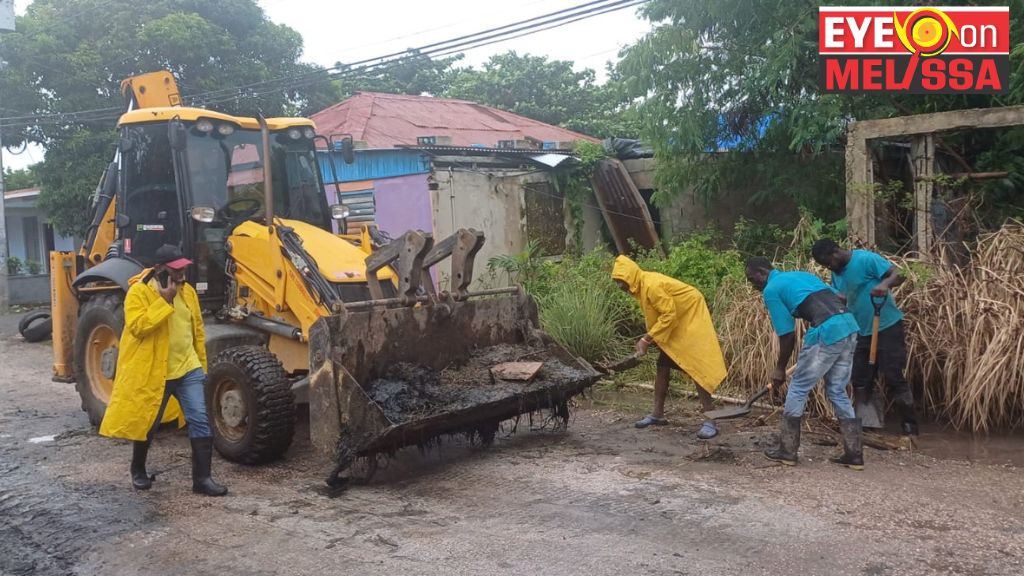
#EyeOnMelissa: Councillor raises safety concerns over flood-prone gully near Salt Marsh shelter
As Hurricane Melissa approaches Jamaica, Councillor Garth Wilkinson of the People’s National Party (Falmouth Division) has raised significant concerns about the safety of the emergency shelter located at Salt Marsh Primary School in Trelawny. The shelter, one of 42 designated across the parish, is situated near a gully that is highly susceptible to flooding during heavy rainfall, posing a potential risk to those seeking refuge there. Wilkinson emphasized the challenges of mitigating flood risks at the location, stating, ‘In case of any flooding, you would have to evacuate the residents who seek shelter at the facility. I have some issues with it.’ He further expressed uncertainty about how to address potential disasters at the site. During an emergency disaster meeting on Wednesday, Mayor of Falmouth, Councillor C Junior Gager, urged local councillors to utilize their August allocations from the Trelawny Municipal Corporation to clean drains across the parish. Wilkinson reported that drain-clearing efforts in Falmouth began immediately after the meeting and continued until late Sunday afternoon. He highlighted the urgency of these measures, noting that Falmouth, Zion, and other areas are particularly flood-prone, with Falmouth being below sea level. ‘We have to do all that we can to mitigate against flooding,’ Wilkinson stressed, underscoring the critical need for preparedness as the hurricane looms.
-
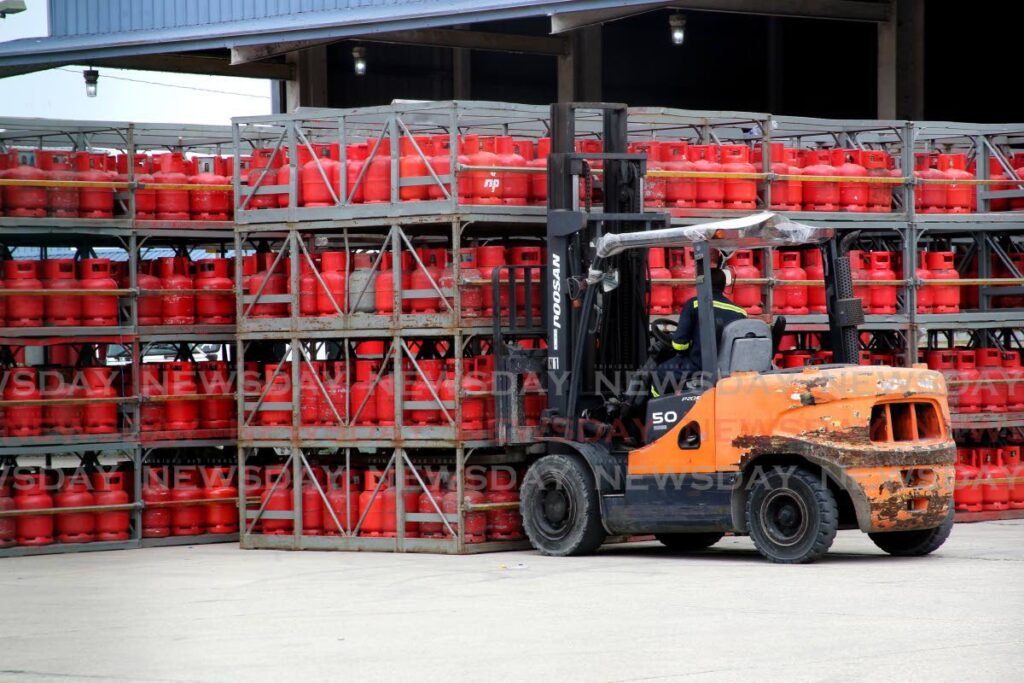
Making LPG use safe
In the wake of two tragic deaths caused by exploding liquid petroleum gas (LPG) tanks in Trinidad and Tobago, public scrutiny has intensified over the safety standards and regulatory oversight of these essential household items. Ria George lost her life on September 27 after a tank explosion at her home in Penal, followed by Bevaughn Joseph, who died on October 17 under similar circumstances. These incidents have raised alarming questions about the safety of LPG tanks supplied by NP, the state fuel-distribution agency. Despite NP’s assurances of rigorous batch sampling and quality assurance tests, the recurring fatalities suggest systemic failures in both product safety and regulatory enforcement.
-
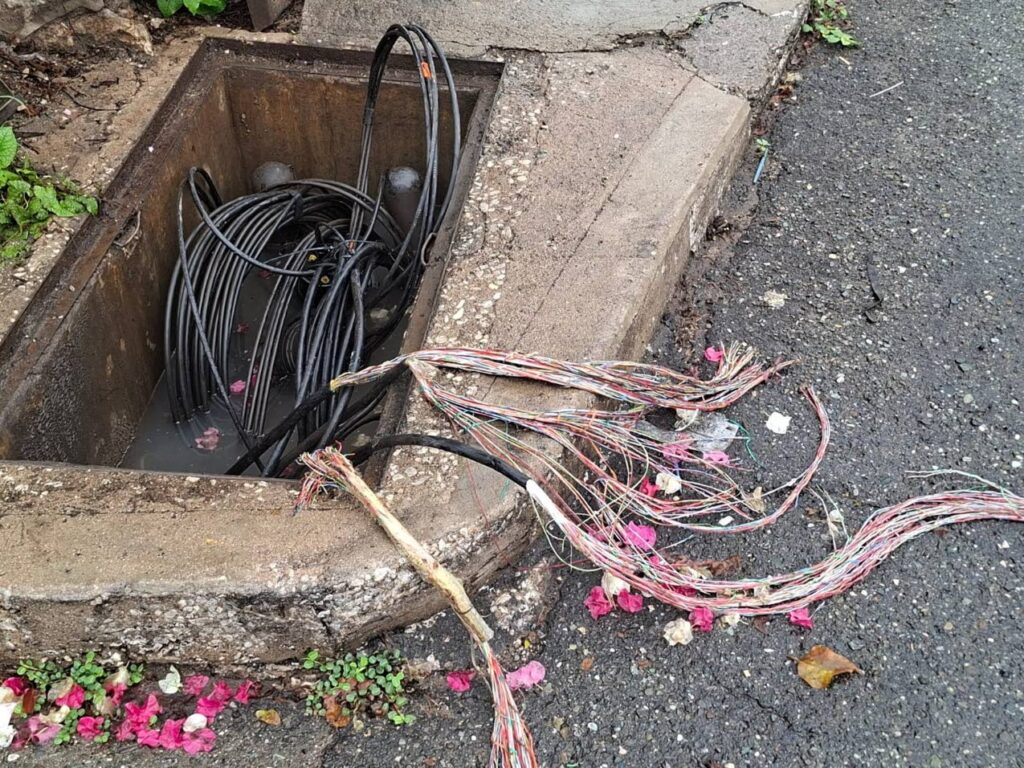
Callous criminals
Jamaica’s efforts to recover from the devastation caused by Hurricane Melissa are being severely hampered by criminal activities targeting critical infrastructure. Local utility companies, including major telecommunications providers, have reported significant thefts of essential equipment and resources, which are delaying the restoration of services across the island.
-

United in tribute to Vaughn Miller
The Bahamas Faith Ministries International became a gathering place of remembrance and celebration on Friday as hundreds of individuals, including family, friends, church leaders, and public officials, honored the life and legacy of Vaughn Miller, the late Minister of the Environment and Natural Resources and Member of Parliament for Golden Isles. Miller, who passed away late last month, was commemorated as a man of profound faith, quiet strength, and unwavering dedication to his family, community, and the preservation of the Bahamas’ natural beauty. The state-recognized funeral service drew a diverse array of national leaders, including Prime Minister Philip “Brave” Davis, former Prime Ministers Hubert Ingraham and Perry Christie, Opposition Leader Michael Pintard, members of the judiciary, and other dignitaries. The ceremony featured heartfelt musical tributes by Clint Watson and the gospel group Shaback, whose performances provided solace and inspiration. A video presentation chronicled Miller’s life, from his early years and pastoral ministry to his broadcasting career and environmental advocacy. Prime Minister Davis shared a poignant letter of condolence from King Charles III, who praised Miller’s integrity, faith-driven leadership, and lifelong commitment to improving the lives of Bahamians. Davis highlighted Miller’s principled stand during the 2018 Value Added Tax debate, emphasizing his courage and conviction. Opposition Leader Pintard lauded Miller as a patriot whose service transcended political boundaries, rooted in a deep sense of social and economic justice. Environmental advocate Prescott Smith also paid tribute, acknowledging Miller’s dedication to sustainable development and environmental protection. Bishop Delton Fernander delivered a powerful sermon, urging attendees to honor Miller’s legacy through service and faith. Speakers collectively painted a portrait of a man who lived with purpose, embodying the ideals of stewardship and national progress. Miller is survived by his wife, Cassandra Miller, their son, and extended family.
-
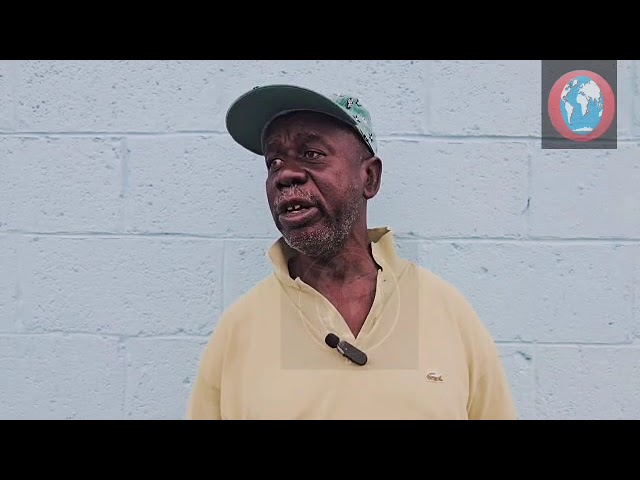
#EyeOnMelissa: ‘All when it’s category 6, mi not moving’, says Port Royal resident
KINGSTON, Jamaica — As Hurricane Melissa looms over Jamaica, expected to make landfall between Monday evening and Tuesday, one Port Royal resident has firmly decided to remain in his seaside community rather than seek refuge in a shelter. Roy Brown, in an interview with Observer Online on Monday, expressed his reluctance to evacuate, citing past traumatic experiences during Hurricane Ivan in 2004. Brown recounted how residents who sought shelter at the National Arena faced severe hardships, including theft, harassment, and the absence of transportation back home after the storm passed. He emphasized that he would rather face the hurricane’s wrath than endure similar conditions again. Brown’s defiance reflects a broader sentiment among some residents who feel safer staying put, despite the potential dangers of the approaching storm. His statement, ‘I don’t believe I can run from death,’ underscores his resolve to weather the storm at home, regardless of its intensity.
-

Severe damage expected
As Hurricane Melissa, now projected to make landfall on Tuesday, approaches Jamaica, the island’s major utility providers have warned that the storm’s intensity could lead to unprecedented damage, potentially requiring extensive rebuilding rather than mere restoration. Speaking at a joint media briefing on Sunday, Hugh Grant, CEO of the Jamaica Public Service Company (JPS), emphasized the severity of the situation. ‘A Category Four hurricane passing through the island could cause unprecedented damage to our facilities. At JPS, we’re likely looking at a rebuild, not just a restoration,’ Grant stated. He added that the company has bolstered preparations by securing additional resources, including bucket trucks, crane trucks, and overseas line workers, to ensure a swift and safe response post-storm. Grant also urged the public to exercise patience during potential service disruptions, acknowledging the inconvenience but stressing the importance of safety. Meanwhile, telecom providers Flow and Digicel have also ramped up their readiness. Stephen Price, Flow’s vice-president and general manager, highlighted the vulnerability of their infrastructure to the storm’s intensity, noting that some areas may require rebuilding. Digicel’s CEO, Stephen Murad, appealed to Jamaicans to protect critical infrastructure, citing past incidents of theft and vandalism that hampered recovery efforts. The National Water Commission (NWC) and the National Works Agency (NWA) have also mobilized to maintain essential services and clear roads, though disruptions are inevitable. With predictions of extreme flooding and landslides, Jamaica’s utility providers and emergency services are on high alert, preparing for the worst while urging public cooperation and patience.
-
Bahamians in Jamaica brace for impact
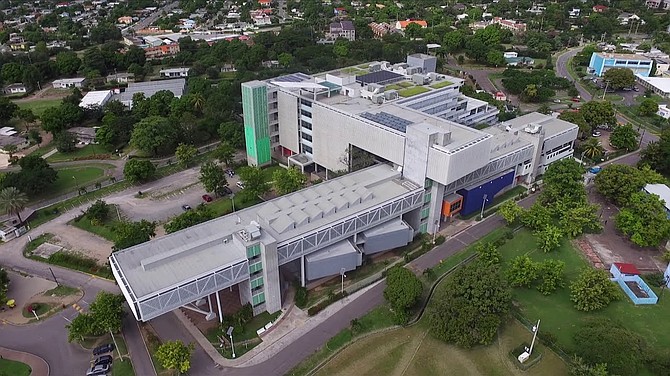
As Hurricane Melissa approached Jamaica, Bahamian nationals on the island were making urgent preparations to weather the storm. The Bahamas Consulate in Kingston, led by Consul General Alveta Knight, worked tirelessly to account for all Bahamians across Jamaica and deliver essential supplies to students remaining at the University of the West Indies (UWI) Mona Campus. Ms. Knight described the deteriorating weather conditions in Kingston as a mix of light showers and strong winds, with an overcast sky setting the scene. Despite the calm appearance, the consulate was in full emergency mode, distributing flashlights and radios to students in anticipation of power outages. Stores across the capital had closed, making it challenging to secure items like power banks. The consulate also monitored a group of Bahamians stranded in Montego Bay after airports were closed, working to find them accommodations until flights resumed. Jamaica’s Ministry of Transport provided continuous weather updates, and the government’s no-price-gouging policy ensured basic supplies remained affordable. At UWI Mona Campus, about 20 Bahamian students chose to stay, while 76 were evacuated earlier. Victoria Jean-Jacques, president of the Bahamian Students Association, emphasized the importance of communication and preparedness, noting that students were calm but anxious. Care packages containing water, snacks, and emergency supplies were delivered to students by Ms. Knight. Former Minister of Foreign Affairs Darren Henfield, who was in Jamaica for a family wedding, urged Bahamians in the southern Bahamas to heed evacuation advice, drawing lessons from the devastation of Hurricane Dorian. Ms. Knight called for prayers as the hurricane strengthened, emphasizing the need for safety and vigilance.
-

What are prisons for?
The purpose and efficacy of prisons in Trinidad and Tobago have come under intense scrutiny, particularly in light of the country’s chronic delays in the justice system. Debbie Jacob, a long-time advocate and educator within the prison system, has highlighted these issues, drawing parallels to the systemic racial injustices in the United States as described in Michelle Alexander’s seminal work, *The New Jim Crow: Mass Incarceration in the Age of Colorblindness*. Alexander’s book, which has influenced legal education and advocacy in the U.S., argues that prisons serve as a modern form of racialized social control—a perspective that resonates with Jacob’s observations in Trinidad and Tobago.
Jacob began teaching at the Youth Training Centre (YTC) in 2010, where she encountered young men aged 24-26 still awaiting trial in a facility designed for 16-18-year-olds. The delays in the justice system have only worsened, with many individuals losing over a decade of their lives waiting for their day in court. This prolonged uncertainty often forces the accused to plead guilty, undermining the very essence of justice. In 2010, 67% of the prison population was on remand, a figure Jacob fears has since increased, placing a significant financial burden on taxpayers for housing, feeding, and transporting these individuals.
Despite some progress, such as the introduction of electronic filing and virtual courtrooms under former Chief Justice Ivor Archie, systemic delays remain a defining feature of the judiciary. Jacob questions the integrity of investigations and the ease with which individuals are incarcerated, often without solid evidence. Her concerns are compounded by the low murder detection rate and the police’s decision to create their own prison system, further eroding public trust.
Jacob’s work underscores a pressing need for reform. She challenges the judiciary to address these delays and ensure that prisons serve their intended purpose—rehabilitation and justice—rather than perpetuating a cycle of injustice and inefficiency.
-
#EyeOnMelissa: Cassia Park residents on edge as landslide threatens their homes
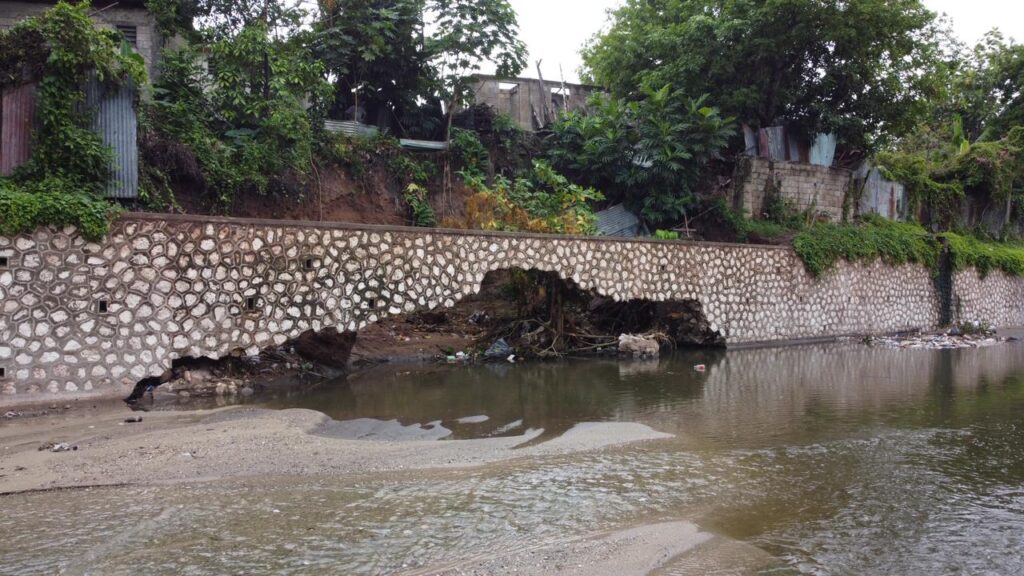
Residents of Cassia Park in Kingston, Jamaica, are raising urgent concerns about a deteriorating breakaway in the Sandy Gully, which they fear could endanger their homes as Hurricane Melissa approaches. The issue first emerged during Hurricane Beryl last year and has since worsened, leaving the community vulnerable to potential landslides and property damage. Despite repeated appeals to local authorities, including Member of Parliament Dennis Gordon, no substantial action has been taken to address the problem. Residents emphasize that their homes comply with building codes and are situated at a safe distance from the gully. However, the erosion caused by the breakaway has destabilized the hillside, putting their properties at risk. With Hurricane Melissa imminent, frustration and anxiety are mounting among residents, who feel neglected by their elected representatives. Efforts to seek assistance from government agencies, such as the Ministry of Local Government and the National Works Agency, have yielded no tangible results. The community now faces the grim possibility of losing their homes and livelihoods due to the lack of intervention.