分类: society

  • KPMG strengthens Project STAR’s capacity with laptop donation

    KPMG strengthens Project STAR’s capacity with laptop donation

    KINGSTON, Jamaica — In a significant boost to community development initiatives, the professional services firm KPMG Jamaica has substantially enhanced Project STAR’s operational capabilities through a strategic technology donation. The firm recently presented 40 laptops to support the implementation of community-based programs spanning multiple Jamaican communities.

    The technology transfer, formally executed at KPMG’s Duke Street headquarters in Kingston, will be distributed across two annual phases of 20 devices each. This equipment will directly serve Project STAR field teams operating in five priority communities: Rose Gardens, Parade Gardens, May Pen, Savanna-la-Mar and Salt Spring.

    Raymond Campbell, Office Managing Partner at KPMG Jamaica and CARICOM country leader, characterized the contribution as a milestone in their ongoing collaboration with Project STAR. “KPMG fundamentally views technology access as gateway to opportunity,” Campbell stated. “This initiative transcends mere device distribution—it’s about igniting potential, developing crucial skills, and creating viable pathways to meaningful employment for vulnerable populations.”

    The technological infusion will optimize Project STAR’s operational efficiency by enabling streamlined coordination, enhanced reporting capabilities, and improved project management systems. This infrastructure enhancement will simultaneously free existing resources for more direct community intervention work.

    Campbell confirmed KPMG’s commitment to sustained partnership, with additional laptop donations already planned for the subsequent financial year to expand the initiative’s impact.

    Ian Neita, Chair of Project STAR’s Management, Monitoring and Reporting Committee, acknowledged the critical importance of corporate partnerships in maintaining project sustainability. “KPMG’s continued endorsement and support fundamentally strengthens our implementation capacity,” Neita emphasized. “These resources will directly empower our staff and volunteers as they execute life-transforming solutions in communities nationwide.”

    The collaboration exemplifies how strategic corporate support can amplify the reach and effectiveness of social initiatives. Project STAR—a joint venture between the Private Sector Organisation of Jamaica and the Jamaica Constabulary Force—focuses on crime reduction through socioeconomic transformation in targeted communities across Jamaica.


  • JN Foundation to repair basic school in hurricane-ravaged Catherine Hall

    JN Foundation to repair basic school in hurricane-ravaged Catherine Hall

    The Jamaica National (JN) Foundation has announced its commitment to urgently repair the DRB Grant Demonstration Basic School in Catherine Hall, St James, which suffered extensive damage during Hurricane Melissa on October 28. The school, originally designed with seven classrooms to accommodate 140 children, now serves over 160 students and was severely impacted by high winds and floodwaters, resulting in 95% damage. Sydoney Preddie, speaking at a JIS Think Tank event, emphasized the school’s critical role in early childhood education and its location in one of the hardest-hit areas. The repair initiative aligns with the JN Foundation’s focus on early childhood development and coincides with the Regional Colloquium on Early Childhood Education, a two-day event advocating for Jamaica’s youngest and most vulnerable citizens. Professor Zoyah Kinkead Clark of UWI Mona highlighted the importance of partnerships in rebuilding the sector, noting the devastating effects of school disruptions on young children. The school, named after Dudley Ransford Brandyce (DRB) Grant, a pioneer in Jamaican early childhood education, stands as a symbol of resilience and the urgent need for collective action in the face of natural disasters.

  • Bryden pi supports animal welfare organisations

    Bryden pi supports animal welfare organisations

    In a heartwarming display of corporate compassion, Bryden pi, through its newly launched Pawfect Pets brand, has extended its support to local animal welfare organizations with a generous donation of $10,000 and a dedicated volunteer day. The initiative, which took place on November 21 at the Trinidad and Tobago Society for the Prevention of Cruelty to Animals (TTSPCA), underscores the company’s commitment to community and care.

    The donation, part of Bryden pi’s corporate social responsibility (CSR) programme, was distributed among several local animal welfare organizations. The TTSPCA received $5,000 to support ongoing shelter operations and animal rescue initiatives, while the Mustapha Project and Animals Alive TT each received $2,500 to aid in rescuing, fostering, rehoming, and providing veterinary care for animals in need.

    Sheena Alexander, TTSPCA supervisor, accepted the donation from Wendy Mahabir, division manager at Bryden pi, on behalf of Pawfect Pets. The event also saw Bryden pi team members actively participating in animal care, feeding, and maintenance activities at the TTSPCA, embodying the company’s belief that corporate responsibility begins with personal action.

    Nabila Lackhan, senior brand manager at Bryden pi, emphasized the company’s dedication to animal welfare. ‘Pawfect Pets was created to care for animals, and this initiative allows us to take that care one step further – by giving back to the organizations that dedicate their time and resources to animal welfare every day,’ she said. ‘Through donations and active volunteering, we are proud to help create a better, kinder community for all creatures, big and small.’

    The Pawfect Pets line, which includes Waterless Shampoo, Puppy Shampoo, Oatmeal Shampoo, and Whitening Shampoo, is designed with love and protection in mind, reinforcing Bryden pi’s message of empathy and responsible care. The company’s CSR philosophy, centered on ’empathy in action,’ continues to drive meaningful initiatives that align with its core values and connect with the community.

  • Brightstar empowers Memisa Centre with learning technology

    Brightstar empowers Memisa Centre with learning technology

    Brightstar Lottery celebrated International Men’s Day on November 19 by making a transformative technology donation to The Memisa Centre, a residential facility in Arima, Trinidad and Tobago, dedicated to supporting adult men with intellectual disabilities. The donation, facilitated through Brightstar’s After School Advantage (ASA) programme, included digital projectors, Samsung tablets, and Smart TVs, aimed at enhancing the centre’s vocational training and life skills programmes. Brightstar employees also volunteered their time to install the equipment and engage with the trainees, fostering meaningful connections and encouragement. The Memisa Centre, which currently serves 15 trainees, focuses on areas such as food preparation, agriculture, beauty, and remedial education. Michelle Baptiste-Games, acting manager of the centre, emphasized the impact of the donation, stating that the new technology would bring lessons to life, promote interaction, and build confidence among the residents. Desmond Sydney, Brightstar’s retail manager, highlighted the company’s commitment to inclusion and community development, viewing International Men’s Day as an opportunity to serve as positive role models. This initiative marks another milestone in Brightstar’s ongoing partnership with The Memisa Centre, which began in 2016.

  • Party with a purpose

    Party with a purpose

    The Build Back Jamaica Street Dance, held at Romeich Headquarters on Saturday night, was far from an ordinary dancehall event. At its core, it was a mission-driven gathering aimed at raising funds for hurricane recovery efforts. A massive donation box placed center stage and gospel music interludes throughout the night underscored the event’s philanthropic purpose. Patrons, dressed in their finest streetwear, were reminded of their collective responsibility to support those affected by Hurricane Melissa. Despite the somber undertone, the atmosphere was electric, with music, dance, and camaraderie taking center stage. Romeich Major, the event’s organizer, passionately urged attendees to contribute generously, emphasizing that every donation, no matter how small, would aid in rebuilding Jamaica. The night featured an impressive lineup of DJs and selectors who kept the energy high with a mix of R&B, hip-hop, dancehall, and reggae hits. A poignant moment of silence honored the lives lost to the hurricane, accompanied by gospel favorites that stirred deep emotions among the crowd. Songs like ‘We Are The World’ and ‘Lean On Me’ further reinforced the theme of unity and gratitude. Attendees enthusiastically participated in the donation drive, flocking to the stage to fill the ‘offering plate.’ Supported by corporate sponsors, the event continued well into the early hours, leaving a lasting impact on both the attendees and the cause it championed.

  • Unions slam pay rise as ‘crumbs’ with some workers receiving nothing

    Unions slam pay rise as ‘crumbs’ with some workers receiving nothing

    Bahamian public service unions have launched scathing criticism against the Davis administration’s implementation of salary adjustments for certain government workers, with multiple union presidents characterizing the increases as inadequate ‘crumbs’ and expressing frustration over inconsistent distribution.

    Kimsley Ferguson, President of the Bahamas Public Service Union (BPSU), reported being inundated with calls from disappointed employees across multiple sectors including law enforcement, support staff, and financial personnel. ‘I am trying to wrap my head around what the government is doing,’ Ferguson stated, capturing the widespread confusion among civil servants.

    The compensation initiative, intended to provide at least two increments retroactive to September with amounts varying by employment category, follows October protests regarding delayed increases and unclear implementation guidelines. Government officials previously characterized the adjustments as part of a broader effort to narrow compensation gaps between public service roles and the wider public sector, citing base-pay gains of 8 to 31 percent over a four-year period.

    However, union leaders revealed significant discrepancies in the rollout. Bahamas Union of Teachers President Belinda Wilson dismissed the increases—ranging from $150 to $341—as insignificant ‘crumbs’ and urged educators to prepare for potential industrial action. Similarly, Bahamas Customs Immigration and Allied Workers Union President Deron Brooks confirmed that only some members received payments, noting the lack of transparent criteria for eligibility.

    The administration faced additional criticism for its communication failures. Economic Affairs Minister Michael Halkitis declined to comment, while Labour Minister Pia Glover Rolle did not respond to repeated requests for clarification. Brooks detailed his unsuccessful attempts to obtain information through official channels, being referred between human resources, accounts, and Treasury departments without receiving definitive answers.

    Wilson highlighted particular frustration among teachers who learned that other civil servants received substantially larger payments—up to $3,000 or more—with similar retroactive effective dates. She emphasized the need for transparency in calculating the amounts and announced a union survey to gauge membership willingness for industrial action or strike measures.

    Ferguson further accused the government of favoring permanent secretaries and senior servants over lower-level public employees, contradicting the administration’s stated goal of equitable compensation reform. The union leaders collectively expressed uncertainty about whether the payment exercise had been completed, as many workers reported receiving nothing despite government assurances.

  • Classroom crisis in early childhood sector

    Classroom crisis in early childhood sector

    In the aftermath of Hurricane Melissa, which struck Jamaica in October, experts are emphasizing the critical need for counselling interventions for both teachers and students, particularly at the early childhood level. Professor Zoyah Kinkead-Clark, a leading figure in early childhood care and education at The University of the West Indies (The UWI), has highlighted the immense challenges faced by educators and children as they return to classrooms. She stressed that trauma and psychosocial issues severely hinder learning, making it imperative to address these concerns promptly. Kinkead-Clark, who also manages the Dudley Grant Early Childhood Resource Centre, pointed out that many teachers are themselves grappling with trauma, yet are expected to support their students. With over 700 schools reopened and efforts underway to minimize disruptions to education, the lack of guidance counsellors at the early childhood level has further complicated the situation. Teachers are now tasked with providing psychosocial assistance to students, even as they navigate their own struggles. Kinkead-Clark shared harrowing accounts from educators, including those living in shelters or dealing with significant personal losses. While some progress has been made in prioritizing early childhood education, she emphasized that the sector remains under-resourced. To address these challenges, The UWI School of Education, the Early Childhood Commission, Jamaica National Foundation, and the Dudley Grant Early Childhood Resource Centre are hosting a regional colloquium. The event aims to develop actionable strategies for disaster recovery and strengthen support systems for the sector. The colloquium, taking place at The UWI Regional Headquarters in Mona, St Andrew, will bring together policymakers, practitioners, and other stakeholders to chart a path forward.

  • $47m ‘creepy’ ganja bust in Central – 2 held

    $47m ‘creepy’ ganja bust in Central – 2 held

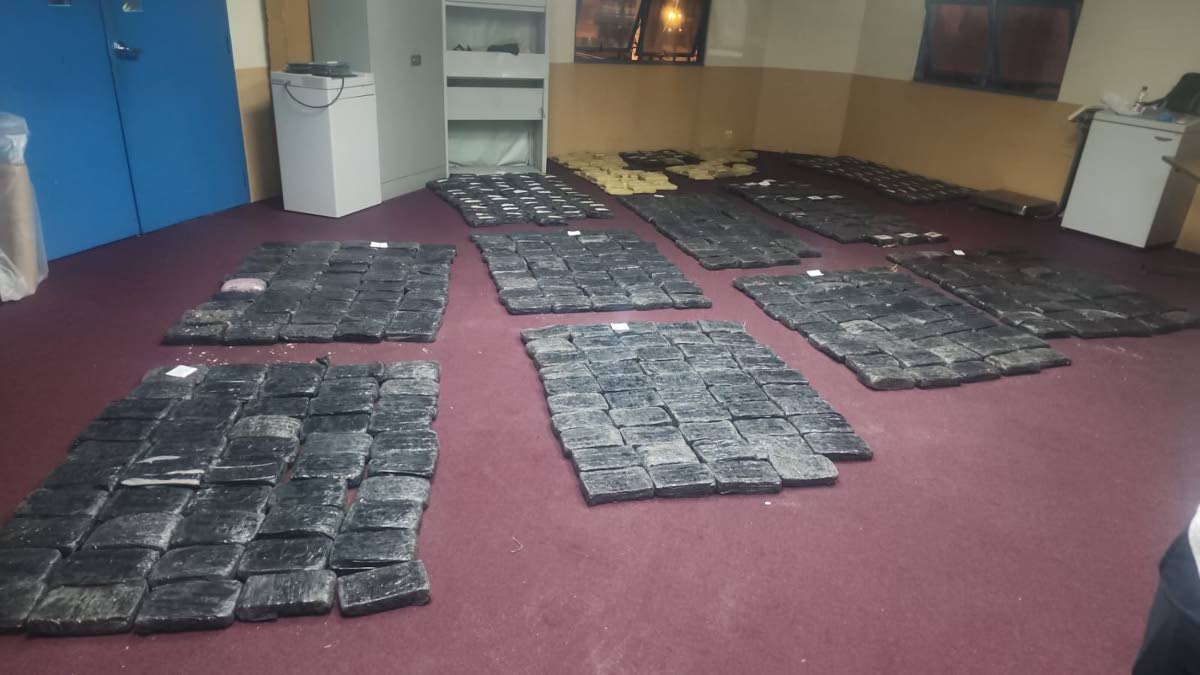
    In a series of coordinated anti-narcotics operations, Trinidad and Tobago law enforcement authorities have successfully intercepted substantial quantities of illicit drugs with a combined street value exceeding $67 million. The most significant seizure occurred in Central Trinidad, where specialized police units confiscated over 413 kilograms of high-potency Colombian marijuana known as “Creepy” strain.

    The operation, conducted between 1:00 PM and 4:30 PM on Wednesday, was executed by the Special Investigations Unit (SIU) with support from the Inter-Agency Task Force. Acting on precise intelligence, officers raided a residential property under the Emergency Powers Regulation of 2025, discovering ten crocus bags and five garbage bags filled with compressed marijuana packets. The confiscated narcotics, with an estimated value of $47.6 million, represent one of the largest single drug seizures in recent operations.

    Police Commissioner Allister Guevarro personally commended the operating teams, emphasizing the effectiveness of inter-agency collaboration. “Today’s operations demonstrated the power of true teamwork across our units,” Guevarro stated. “Your skill, discipline, and initiative were evident in every task, enabling the precise and professional execution of complex missions.”

    Earlier the same day, SIU officers conducted a separate operation along the Churchill Roosevelt Highway, intercepting a vehicle containing 40 packets of the same Colombian strain weighing approximately 20.74 kilograms, valued at $4.4 million. This interception resulted in the arrest of the driver.

    These operations followed another significant drug bust at the ANR Robinson International Airport in Tobago, where authorities seized $16 million worth of cocaine and apprehended two female suspects.

    The term “Creepy” marijuana refers to a potent variant developed in Colombia’s Cauca region from genetic stock originally native to the United States and Europe. This strain contains THC concentrations 15-25% higher than traditional marijuana, producing more intense psychoactive effects. THC (delta-9-tetrahydrocannabinol) is the primary psychoactive compound responsible for marijuana’s characteristic high.

    All seized evidence remains in police custody as investigations continue, with multiple suspects currently in custody facing drug trafficking charges.

  • Moonilal gives $$$ to primary schools in constituency

    Moonilal gives $$$ to primary schools in constituency

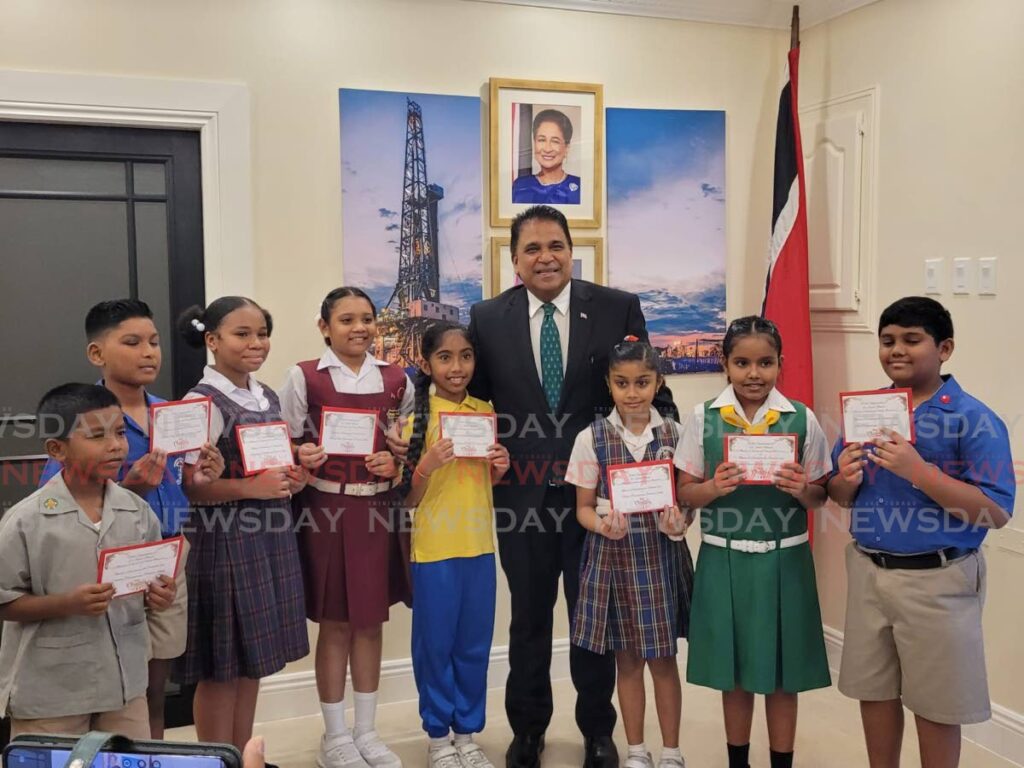
    In a heartwarming gesture to celebrate the Yuletide season, Dr Roodal Moonilal, Member of Parliament for Oropouche East and Minister of Energy, provided financial assistance to nine primary schools within his constituency. On November 26, at his constituency office in Debe, Dr Moonilal presented representatives from these schools with what he described as a ‘token of help.’ These funds are intended to support the schools in organizing Christmas treats, snack bags, and other festive activities. While the exact amount of the financial aid was not disclosed, the MP emphasized the importance of supporting community initiatives during the holiday season. Dr Moonilal explained that his office receives numerous requests for assistance from schools, temples, churches, and other organizations each year. Although he acknowledged the challenges of attending every event, he expressed his willingness to make brief appearances when possible. The schools that benefited from this initiative include Monkey Town Government, Debe SDMS, Mohess Road SDMS, Ramai Trace SDMS, Debe Presbyterian, Canaan Presbyterian, Hermitage Presbyterian, Picton Presbyterian, and Cedar Grove Private Primary. Representatives from these schools expressed their gratitude, with one stating that the support would ‘go a long way in putting smiles on many faces.’

  • Legal Affairs Ministry needs to do better

    Legal Affairs Ministry needs to do better

    A recent visit to the Ministry of Legal Affairs’ office on Leotaud Street in San Fernando has sparked outrage over the deplorable state of the facilities and the inefficient processes faced by the public. Jenieve Alexander, who visited the office in October to process a death certificate, described the experience as deeply distressing. The public toilet facilities were in a shocking state of disrepair, with a rotted and hollow door that could not hold a lock or handle. The toilet itself was dirty, unstable, and lacked basic amenities like tissue paper, while a strong odor of urine permeated the area. The process of obtaining the death certificate was equally frustrating. Individuals were required to shuttle back and forth between the San Fernando Teaching Hospital and the Leotaud Street office. At the hospital, clients were forced to share children’s tables with the Medical Social Work Department, often being told they could not wait or sit in certain areas. Staff members intermittently distributed forms and provided guidance, but the wait times averaged 45 minutes to an hour. The behavior of the ministry’s staff was described as appalling, with names of the deceased being shouted from the office door and staff members displaying rude and dismissive attitudes. After completing the hospital process, individuals had to return to the Leotaud Street office to finalize the transaction, pay, and collect the death certificate. Alexander questioned whether such an inefficient and inconsiderate process was acceptable for grieving families. She expressed disappointment in the discourteous behavior of public officers and raised concerns about the negative impact on the ministry’s public image. Alexander called for immediate action to address the infrastructural, behavioral, and procedural issues at the ministry to better serve the citizens.