分类: society

  • Lee Mark Says Motorcycle Training is Too Long, Too Expensive

    Lee Mark Says Motorcycle Training is Too Long, Too Expensive

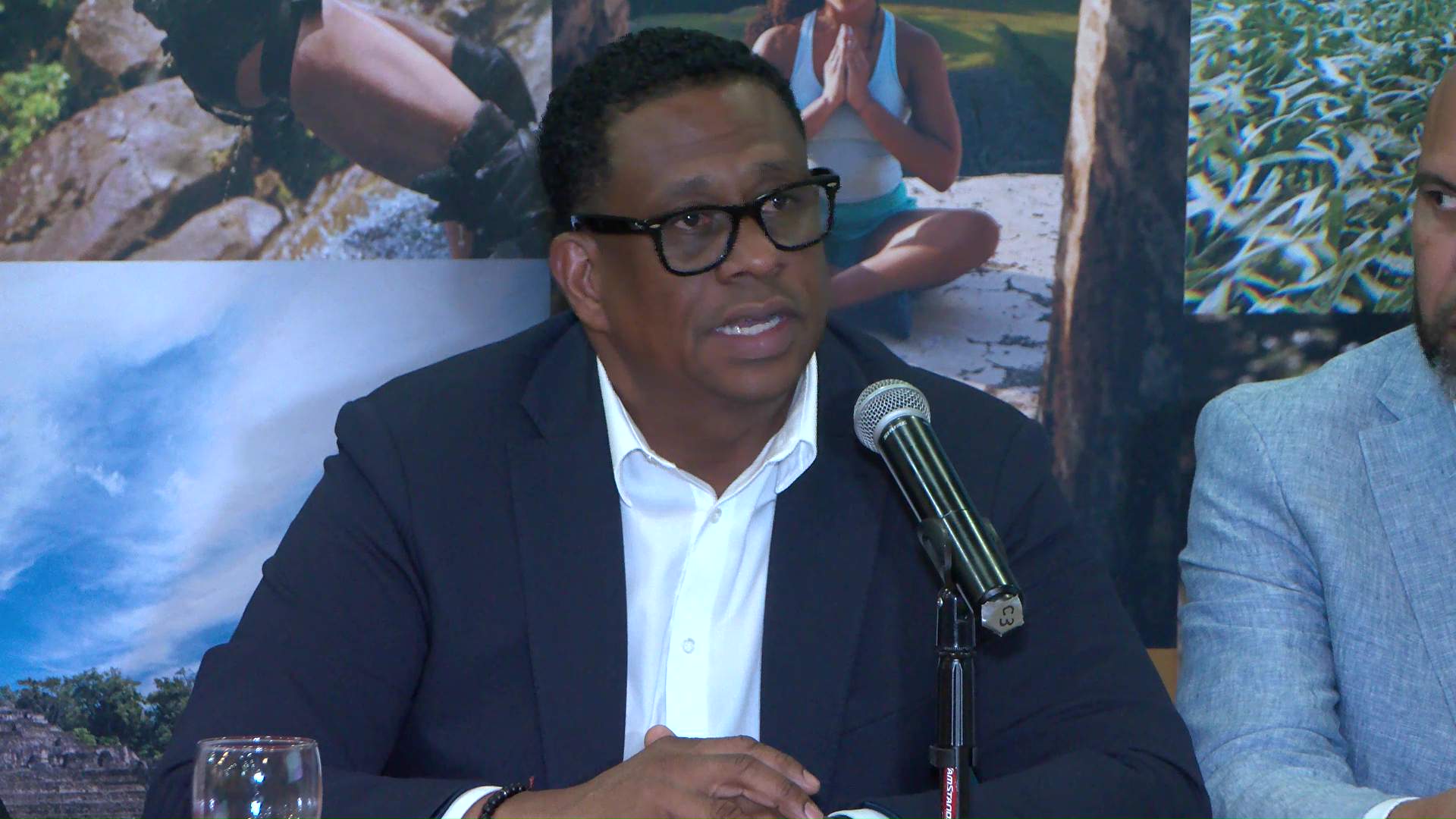
    A proposed mandate from Belize’s Ministry of Transport requiring compulsory motorcycle training is generating significant controversy, with critics warning the measures could disproportionately impact the nation’s working class. While government officials frame the initiative as a critical road safety measure aimed at saving lives, prominent businessman Lee-Mark Chang has emerged as a vocal opponent, citing economic hardships faced by existing riders.

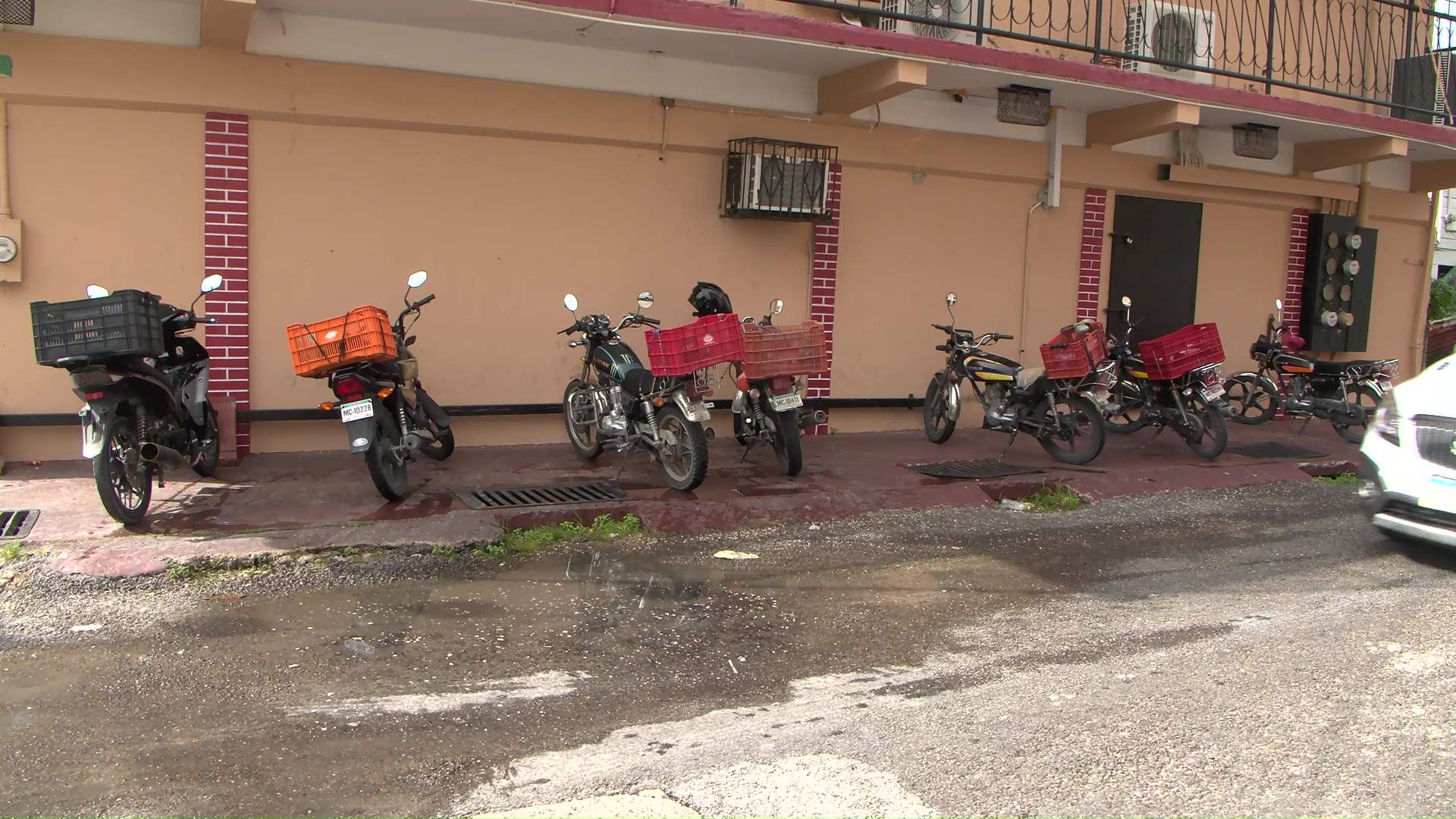
    Chang, speaking to News Five, expressed particular concern about the financial burden and time commitment the program would impose. The training course, estimated to cost between two to three hundred Belize dollars, coupled with a mandatory two-week instruction period, presents what Chang describes as an insurmountable barrier for many employed riders who live ‘hand to mouth’ and depend on weekly wages to support their families.

    The businessman proposed implementing a more flexible approach that would distinguish between new and experienced drivers. While acknowledging the necessity of training for novice riders, Chang advocated for existing drivers to undergo a simplified driving test or crash course rather than the comprehensive two-week program. He further suggested implementing arrangements that would allow trainees to maintain employment while completing their certification, thereby preventing income disruption for vulnerable households.

    The debate highlights the tension between public safety objectives and socioeconomic realities in the Central American nation, where motorcycles serve as essential transportation for many low-income workers. The government has yet to respond to these specific concerns regarding the proposed rollout.
  • MIVED reopens Chinese-owned business Dulce Hogar

    MIVED reopens Chinese-owned business Dulce Hogar

    SANTO DOMINGO – Dominican regulatory authorities have granted official permission for the Dulce Hogar retail establishment in the National District to resume operations, following a comprehensive verification of its adherence to national construction and safety standards. The Ministry of Housing and Buildings (MIVED) confirmed the store’s full compliance with the technical and regulatory mandates that had previously led to its temporary closure in early September.

    The shutdown was initially enforced under the provisions of Law 687-82, in conjunction with Technical Regulations R-004 and R-021. These legal frameworks require all commercial entities to obtain valid construction licenses and secure final inspection certifications prior to commencing occupancy or business activities.

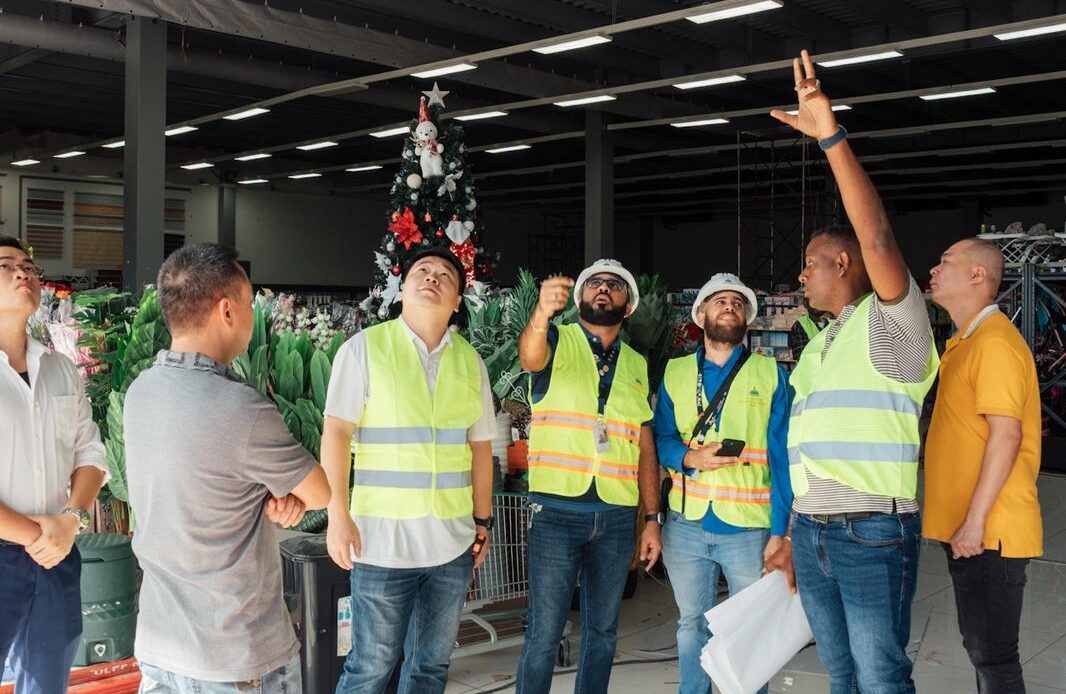
    Edgar Pellerano, who heads the Directorate of Private Works Supervision, announced that a team of government inspectors conducted a meticulous on-site assessment. Their review concluded that Dulce Hogar had successfully addressed all previously identified issues, leading to the issuance of an official reopening certificate. Pellerano echoed a recent statement by Minister Carlos Bonilla, emphasizing that the ministry’s policy remains unequivocal: only businesses that complete the formal conciliation process and submit all requisite documentation will be approved to reopen.

    In its effort to achieve regularization, the management of Dulce Hogar executed a series of significant structural enhancements designed to guarantee public safety. These corrective measures included the installation of stiffeners on critical main beams, the reinforcement of beam-column junctions using specialized metal plates, a full certification process for all field welds, and the systematic replacement and adjustment of bolts to meet precise design specifications.

    MIVED also provided a status update on other establishments affected by the September enforcement actions. From the original eleven businesses closed, documentation from five additional entities has been received and is currently under review pending final approval. The ministry reiterated its dedication to assisting the remaining businesses through the compliance process, while maintaining its primary commitment to ensuring that all commercial operations provide a safe environment for employees and the public.

  • Disconnect Between Tourism Education and Job Market

    Disconnect Between Tourism Education and Job Market

    A significant skills mismatch is emerging in Belize’s vital tourism sector, where a growing number of young professionals with advanced academic qualifications in tourism are finding themselves either unemployed or working in Business Process Outsourcing (BPO) roles completely unrelated to their field of study. Industry leaders have identified a fundamental disconnect between the curriculum delivered by formal education institutions and the actual practical needs of the tourism industry.

    In a strategic move to bridge this gap, the Belize Tourism Board (BTB) is leveraging its specialized arm, the Elevate Training Institute, to foster direct collaboration with learning institutions across all levels. The initiative aims to standardize tourism education, ensuring that academia and industry are ‘teaching from the same book and demanding the same standard of service,’ according to stakeholders.

    Evan Tillett, Director of the Belize Tourism Board, elaborated on the institute’s evolving role. While the renowned tour guide training program has been a mainstay for years, the BTB is now pivoting to address specific, high-demand areas identified by the industry. A key focus is the culinary arts, with the Elevate Institute partnering with the American Culinary Federation (ACF) to offer certified training pathways—from line cook to shift supervisor.

    Furthermore, the Institute is administering a program with the American Hotel and Lodging Educational Institute (AHLEI), specifically designed for skill enhancement of individuals already working within the industry. This dual approach targets both new entrants and the existing workforce, aiming to create a robust pipeline of job-ready talent aligned with market requirements and to curb the troubling trend of graduate underemployment.

  • President: Beroepsonderwijs is motor voor diversificatie economie

    President: Beroepsonderwijs is motor voor diversificatie economie

    President Jennifer Simons of Suriname has declared vocational education the fundamental driver for broadening the nation’s economic base. During an orientation visit to the Natural Technical Institute (Natin) on Thursday, accompanied by Education Minister Dirk Currie, Simons emphasized that technical training must reduce dependency on emerging oil and gas revenues and strengthen other productive sectors.

    Simons observed student demonstrations at the institute while arguing that despite oil and gas opportunities, Suriname must avoid single-sector dependency. She advocated for enhanced development in agro-industry, tourism, and manufacturing to reduce import reliance. The President also stressed the necessity of discipline and strong work ethics, noting: ‘While oil and gas revenues flow in, relatively few work directly in that sector. We must produce enough skilled professionals to develop other industries.’

    Education Minister Currie reinforced that Technical Vocational Education and Training (TVET) should not be considered a secondary option but rather a crucial national investment. He referenced the ‘Three Cs’ principle—Competence, Craftsmanship, and Character—asserting that character development is indispensable for thriving in a rapidly evolving global landscape. ‘The world demands individuals who can execute, construct, and innovate. Competence and craftsmanship take you far, but character carries you much further,’ Currie emphasized.

    Natin Director Iwan Ganga disclosed that the institution currently enrolls over 2,700 students across 18 specialized programs. This year, Natin expanded to Moengotapoe to improve accessibility. Ganga cautioned against excessive focus on oil and gas, stating: ‘We must prevent creating a society with unidirectionally trained professionals. We aim to respond to significant demand from other sectors, including agriculture.’

    The presidential visit concluded with a tour of newly upgraded facilities, including practical workshops partially equipped by oil companies and Staatsolie. The institute will host another high-profile delegation next week—the Dutch royal couple during their December 1-3 visit to Suriname.

  • LVV ondersteunt SO/VSO Welgedacht C met extra plantjes en praktijkbegeleiding

    LVV ondersteunt SO/VSO Welgedacht C met extra plantjes en praktijkbegeleiding

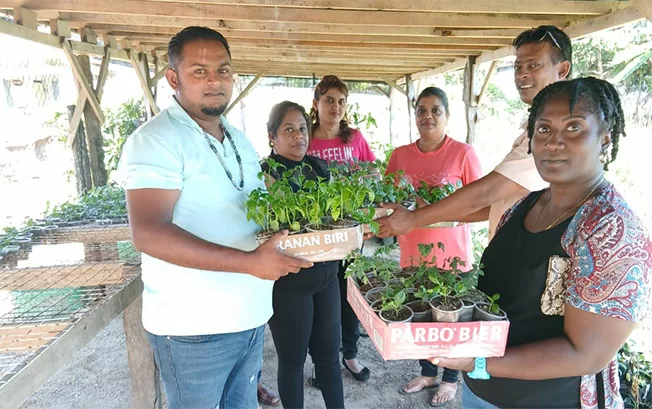
    In a significant educational enhancement initiative, Suriname’s Ministry of Agriculture, Animal Husbandry, and Fisheries (LVV) has substantially expanded its support for special needs education through a strategic plant donation program. The LVV Wanica resort in Lelydorp, under the leadership of Resort Manager Ruben Piroe, has donated 150 vegetable plants to the SO/VSO Welgedacht C School, building upon a previous donation of 60 plants that brings the total contribution to 210 plants.

    This initiative directly aligns with Agriculture Minister Mike Noersalim’s vision to provide additional opportunities for children, particularly disadvantaged students, while stimulating practical skill development from an early age. The Welgedacht C School, located in the Wanica C resort, offers specialized education at both primary and secondary levels, with older students participating in vocational training programs including horticulture, carpentry, woodworking, construction, and culinary skills.

    The ministry has identified a critical need for professional guidance in implementing horticultural activities within the school’s curriculum. Due to spatial constraints on the school premises, optimizing the educational garden presents significant challenges. In response, the LVV Wanica D resort has committed to close collaboration with LVV Wanica C to provide expert support in garden design and maintenance, ensuring maximum utilization of available space for practical education despite area limitations.

    LVV officials emphasize that such initiatives are fundamental to youth development, particularly within special education frameworks. The ministry maintains its commitment to supporting educational institutions through knowledge transfer, material resources, and professional guidance to enhance students’ practical skills and future prospects. This comprehensive approach aims to foster self-sufficiency and agricultural expertise among young learners while addressing educational disparities through hands-on learning experiences.

  • Property Tax resumes on Carriacou and Petite Martinique

    Property Tax resumes on Carriacou and Petite Martinique

    The Grenadian government has formally declared that Property Tax collections will resume effective January 1, 2026, for residents of Carriacou and Petite Martinique. This significant policy reversal concludes the temporary tax relief implemented following the devastating impact of Hurricane Beryl in 2024.

    In the aftermath of the catastrophic hurricane, authorities suspended fiscal obligations to alleviate economic pressure on households, protect livelihoods, and facilitate comprehensive recovery efforts across the sister islands. The deliberate pause in tax collection formed part of a broader governmental strategy to prioritize disaster response and community stabilization.

    Following substantial reconstruction progress over the past year—evidenced by rebuilt homes, revitalized businesses, and returning normalcy—the restoration of property taxation signifies a crucial milestone in reestablishing full administrative operations throughout the tri-island nation. This measured approach reflects the government’s commitment to balanced fiscal management while recognizing exceptional circumstances.

    Finance Ministry officials emphasize that special provisions will remain available for property owners continuing to face reconstruction challenges. Residents with significantly damaged or unrepaired structures are urged to consult with the Inland Revenue Division’s Carriacou Sub-Office to ascertain their eligibility for exemptions or customized payment arrangements. The government has explicitly committed to preventing undue financial burden on those experiencing genuine hardship.

    As the islands transition back to standard taxation protocols, authorities encourage ongoing engagement with official communications channels and prompt consultation with tax professionals for necessary guidance. Enhanced public information campaigns and direct community assistance will be deployed throughout the implementation period to ensure transparent and equitable reinstatement of property tax obligations.

    For detailed information or clarification, residents may contact the Inland Revenue Division Carriacou Sub-Office at 440-3556 or consult the official portal at ird.gd for continuous updates.

  • Agriculture Ministry Workers Halt Duties Over Safety Risks, Delayed Talks

    Agriculture Ministry Workers Halt Duties Over Safety Risks, Delayed Talks

    Employees at the Ministry of Agriculture have initiated a work stoppage, halting their official duties in a significant protest against unresolved workplace safety concerns and the prolonged stagnation of critical negotiations with government administrators.

    The collective action emerges from a deepening impasse between the workforce and ministry leadership. Staff representatives report that numerous formal appeals to address hazardous working conditions and procedural risks have been systematically ignored or met with indefinite delays. This alleged inaction has cultivated an environment of apprehension, compelling employees to withdraw their labor as a final recourse to demand accountability and meaningful dialogue.

    Compounding the safety issues is the reported breakdown in discussions concerning essential employment terms. Negotiations, which were anticipated to resolve longstanding grievances over safeguards and protocols, have allegedly reached a standstill, leaving critical matters in bureaucratic limbo. The cessation of work is intended to underscore the urgency of these issues and push them to the forefront of the ministerial agenda.

    The work stoppage is expected to disrupt a range of the ministry’s core functions, potentially affecting the processing of permits, the management of agricultural support programs, and the dissemination of vital information to the farming sector. This labor action highlights a critical clash between employee welfare and governmental operational efficiency, raising questions about the administration’s commitment to its workforce’s well-being.

    The ball now lies in the court of the ministry’s leadership to re-engage with employee unions and recommit to good-faith discussions. The resolution of this dispute is being closely watched, as it carries implications for public service delivery and the broader relationship between state employees and governmental bodies.

  • The Quiet Work That Holds a Nation Together

    The Quiet Work That Holds a Nation Together

    While public attention often focuses on political figures and high-profile events, the true backbone of Belize’s national integrity operates largely in obscurity. Recent proceedings at the International Court of Justice highlighted how pivotal work by professionals like Ambassador H.E. Assad Shoman and his legal team unfolds away from public scrutiny—through meticulous research, strategic legal coordination, and disciplined diplomatic engagement rather than public recognition.

    This phenomenon extends far beyond international legal matters. Belize’s daily functioning depends on thousands of public servants whose contributions rarely capture headlines. Educators meticulously preparing lessons, law enforcement maintaining order, immigration officials processing borders, agricultural technicians facilitating trade, and health inspectors safeguarding public welfare collectively form an operational infrastructure that sustains national stability. Their work encompasses supervisory duties, nighttime report writing, case management, and regulatory inspections—tasks that receive little acknowledgment yet remain fundamental to national coherence.

    The social contract between citizens and state endures precisely because these systems persist regardless of individual personnel changes. While instances of corruption and service failures rightly demand attention and correction, they should not overshadow the broader narrative: modern Belize operates effectively due to the consistent, professional execution of duties by its public service majority.

    In international relations, this silent machinery preserves Belize’s global standing. In education, it maintains operational classrooms despite resource limitations. In commerce and agriculture, it enables cross-border economic movement. In public security, it upholds order amid growing regional instability.

    National progress ultimately accumulates through the dedicated efforts of unnamed individuals bearing indispensable responsibilities. As Belize confronts challenges ranging from territorial disputes to economic pressures, recognizing this foundational workforce transcends ceremonial appreciation—it constitutes an acknowledgment of the very mechanisms that maintain national cohesion.

  • Proposal for Paid Parking in St. John’s Still Awaiting Cabinet Review, Officials Say

    Proposal for Paid Parking in St. John’s Still Awaiting Cabinet Review, Officials Say

    The highly debated initiative to implement paid parking in St. John’s, Antigua and Barbuda’s capital, remains in preliminary stages as the national Cabinet awaits formal documentation from the St. John’s Development Corporation (SJDC). Government spokesperson Maurice Merchant confirmed during Thursday’s post-Cabinet briefing that no proposal has reached ministerial levels despite previous public discussions.

    This potential policy shift represents a significant milestone in urban management for the capital city, marking what would be the first official governmental consideration of paid parking systems. The concept has generated polarized responses across various stakeholders, with business owners, daily commuters, and residents expressing conflicting perspectives regarding downtown congestion, limited parking availability, and potential economic consequences for commercial districts.

    The SJDC, designated as the lead agency for this initiative, has not disclosed anticipated timelines for proposal finalization nor shared specific details regarding proposed pricing structures, designated parking zones, or implementation schedules. The absence of concrete information has left both supporters and opponents of the plan in a state of uncertainty.

    With the approaching Christmas shopping season, characterized by increased vehicular traffic and parking demands, the issue is expected to regain public attention. The parking proposal forms part of broader governmental discussions concerning urban planning strategies, traffic optimization, and public space regulation reforms. The government’s cautious approach indicates careful consideration of the multifaceted implications before advancing the potentially transformative policy.

  • Do Tourism Students Actually End Up Working in the Industry?

    Do Tourism Students Actually End Up Working in the Industry?

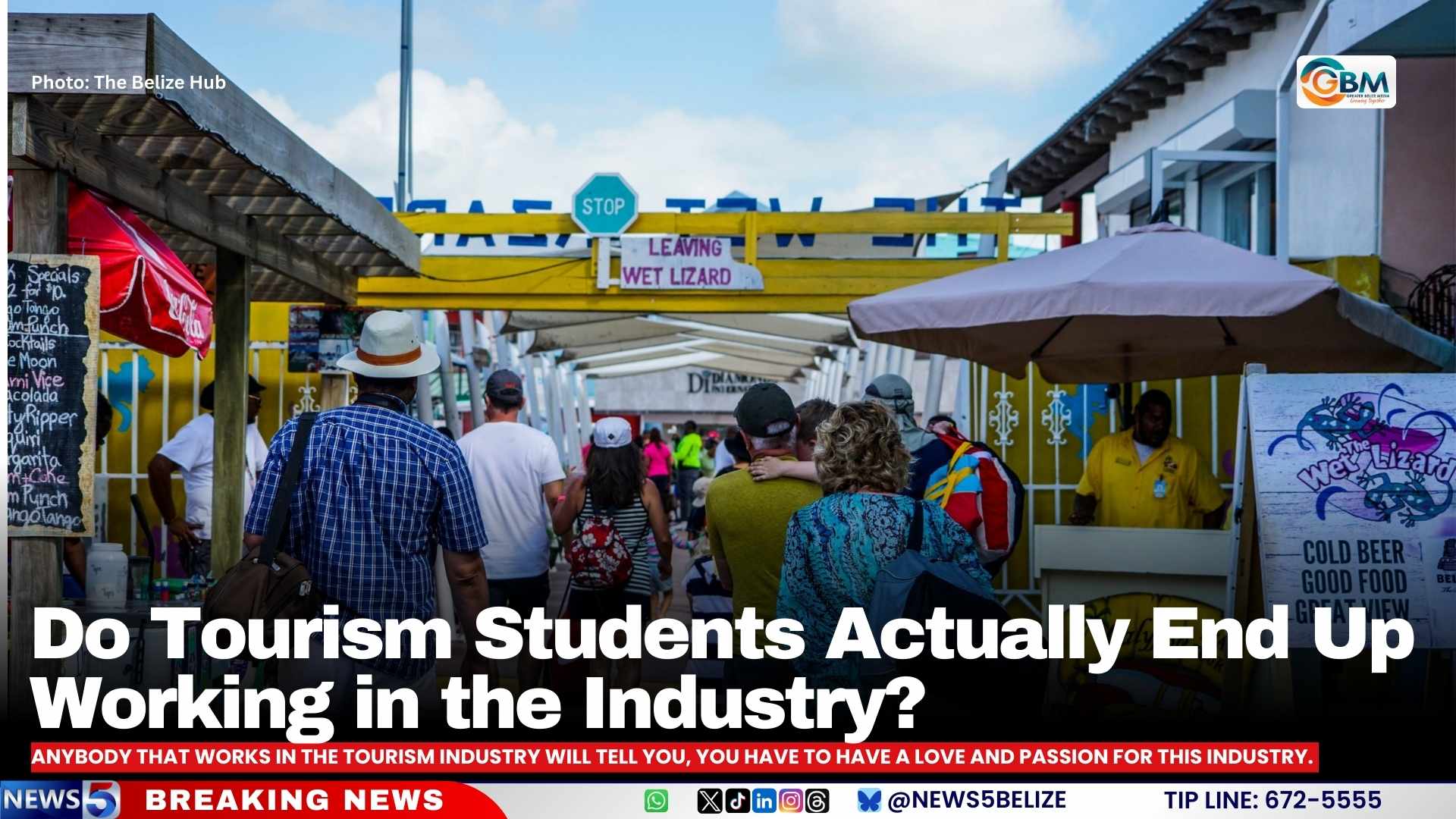
    The University of Belize’s tourism management program faces a critical challenge: despite producing numerous graduates annually, the actual retention rate within the industry remains unknown. Evan Tillett, Director of the Belize Tourism Board, confirmed the absence of concrete data while acknowledging the significance of this emerging concern.

    Industry leaders identify the demanding nature of tourism careers as a primary deterrent. Nicole Usher-Solano, CEO of the Ministry of Tourism, emphasized that success in the sector requires exceptional dedication. “This isn’t a conventional nine-to-five occupation,” she stated. “It demands around-the-clock commitment throughout the year, including holidays and weekends. Only those with genuine passion and specialized work ethic persevere.”

    Addressing this workforce transition challenge, the Belize Tourism Industry Association (BTIA) has implemented a nationwide experiential learning initiative. President Efren Perez revealed their program engages approximately 100 students annually across multiple regions including Corozal, Dangriga, Toledo, and Cayo. “We provide immersive practical exposure that bridges theoretical knowledge with industry realities,” Perez explained.

    The intervention demonstrates promising outcomes. Perez noted significant retention among participants placed in hotel internships, with many securing permanent positions. “This indicates growing interest and drive among new generations toward tourism careers,” he observed. The association plans to expand the program’s scope in the coming year, creating additional pathways for students to obtain hands-on experience and guaranteed internships within the sector.