分类: society

  • ‘Living in fear’

    ‘Living in fear’

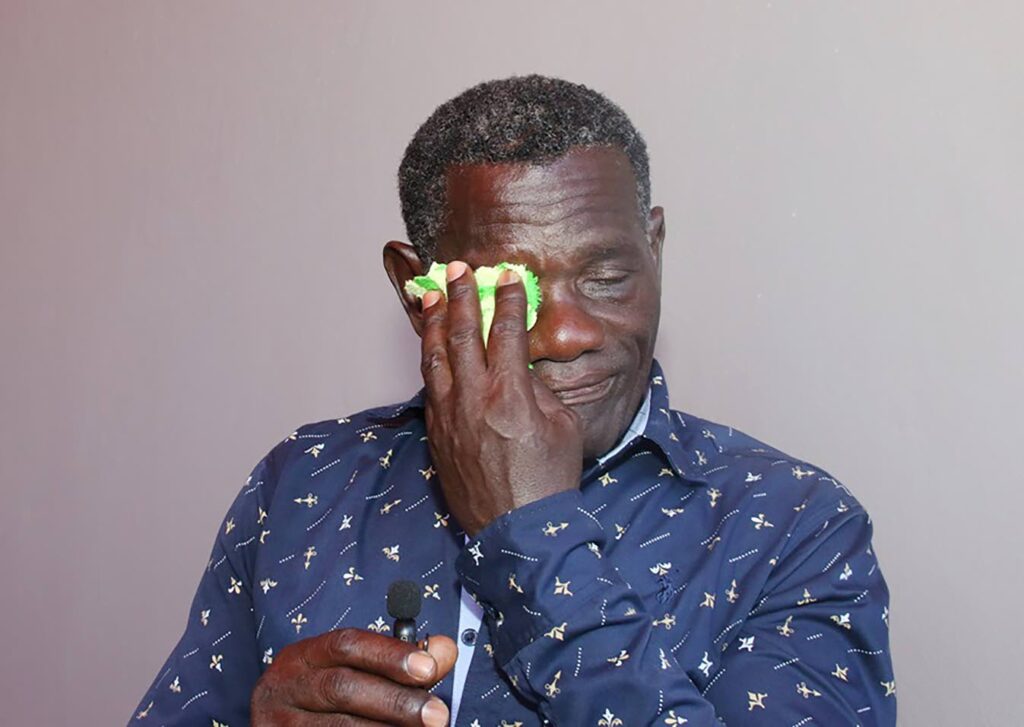
    Brenor Joseph, a Haitian native residing in Jamaica, lives under the perpetual shadow of uncertainty. Having waited over two years for official documentation to validate his residency, he confronts daily anxieties about potential deportation. His story reflects a broader crisis faced by Haitian migrants seeking refuge from their homeland’s relentless turmoil.

    Haiti’s history as the world’s first black-led republic, established in 1804 after a successful slave uprising, stands in stark contrast to its contemporary reality. Crippled by centuries of political instability, economic collapse, and escalating gang violence, the Caribbean nation has precipitated a mass exodus of its citizens. Joseph represents one of millions forced to flee, recounting a harrowing 2023 escape via overcrowded boat after a near-fatal encounter in Haiti.

    Despite reaching Jamaican waters, his quest for safety led to six months of detention under conditions he describes as inhumane. While eventually released to improved accommodations, promises of work permits and legal documentation remain unfulfilled. ‘Immigration took our fingerprints and said we would get papers so we could work. Two years later, nothing,’ Joseph revealed, highlighting his vulnerable status as an undocumented worker in Jamaica’s informal economy.

    Legal representatives allege systematic discrimination against Haitian migrants. Attorney Dr. Marcus Goffe asserts Jamaican authorities are deliberately denying due process to Haitian arrivals, violating both international refugee conventions and Jamaica’s constitutional provisions. ‘There appears to be a systematic effort to block access to legal representation and expedite deportations,’ Goffe stated, citing instances where interpreters allegedly discourage asylum claims and interviews are conducted without legal oversight.

    The legal framework itself faces criticism for relying on colonial-era legislation like the Aliens Act, which enables authorities to designate individuals as ‘not landed’ despite physical presence in Jamaica—a loophole potentially bypassing constitutional protections. While courts have occasionally intervened with injunctions against deportation, those without legal representation remain particularly vulnerable to rapid removal, often scheduled during early morning hours to minimize legal intervention.

    Goffe acknowledges Jamaica’s resource constraints but emphasizes that constitutional obligations cannot be contingent on convenience. ‘If Jamaica has signed on to protect refugees then we must follow the law,’ he argued, calling for either compliance with international commitments or formal withdrawal from refugee conventions.

    For Joseph, who previously faced deportation from the United States in 2013, Jamaica’s peaceful environment offers physical safety but no legal security. His experience echoes throughout Haitian migrant communities where individuals live between gratitude for temporary refuge and terror of imminent return to Haiti’s escalating violence.

  • State ward-turned-entrepreneur credits Revivalists for getting her on path to success

    State ward-turned-entrepreneur credits Revivalists for getting her on path to success

    Dr. Patricia Smith, a 69-year-old successful entrepreneur and founder of Sweet P Home Care Inc. in the United States, is spearheading a movement to reshape public perception of Revivalism. Contrary to the common narrative that views the spiritual practice with skepticism, Smith credits the church with providing the foundational support that propelled her from childhood adversity to professional success.

    Born into challenging circumstances and abandoned by her parents early in life, Smith found sanctuary in a Revival church in Spanish Town, Jamaica. She describes the institution not merely as a place of worship but as a critical lifeline during her most vulnerable years. “When I was hungry, I would look to that church,” Smith recalled, noting that their regular thanksgiving tables provided her only reliable source of nourishment during periods of food insecurity.

    The church’s role extended beyond material support, offering spiritual guidance that continues to influence her life. Smith attributes her ongoing resilience to the mentorship of Apostle Ray Anthony Foster, leader of the Sacred Heart Spiritual Church of Jesus Christ. She emphasizes the practical value of his prophetic guidance in business decisions and personal matters, noting that his accurate insights have attracted over 300 members to the congregation, including non-members seeking spiritual counsel.

    Apostle Foster provided theological context for Revivalist practices, explaining they represent a blend of Christian traditions with African heritage elements. He clarified misconceptions about rituals such as coconut breaking (a symbolic cleansing practice similar to spiritual bathing) and ancestral acknowledgment (which involves remembrance rather than worship). Foster strongly distinguished Revivalism from Obeah, emphasizing that while Obeah involves harmful intentions and manipulation, Revivalism focuses on biblical foundations and positive spiritual development.

    Both Smith and Foster acknowledge the persistent challenges in public understanding, particularly regarding the conflation of Revivalism with other spiritual practices like Kumina or Obeah. Foster noted that even basic elements like lighting candles or burning incense are not part of their worship, further distinguishing their practices from common misconceptions.

    Smith’s recent $10 million donation to Jamaica’s Child Protection and Family Services Agency demonstrates her ongoing commitment to supporting vulnerable children, mirroring the support she received from the Revival church community in her youth.

  • From homes to makeshift clinics

    From homes to makeshift clinics

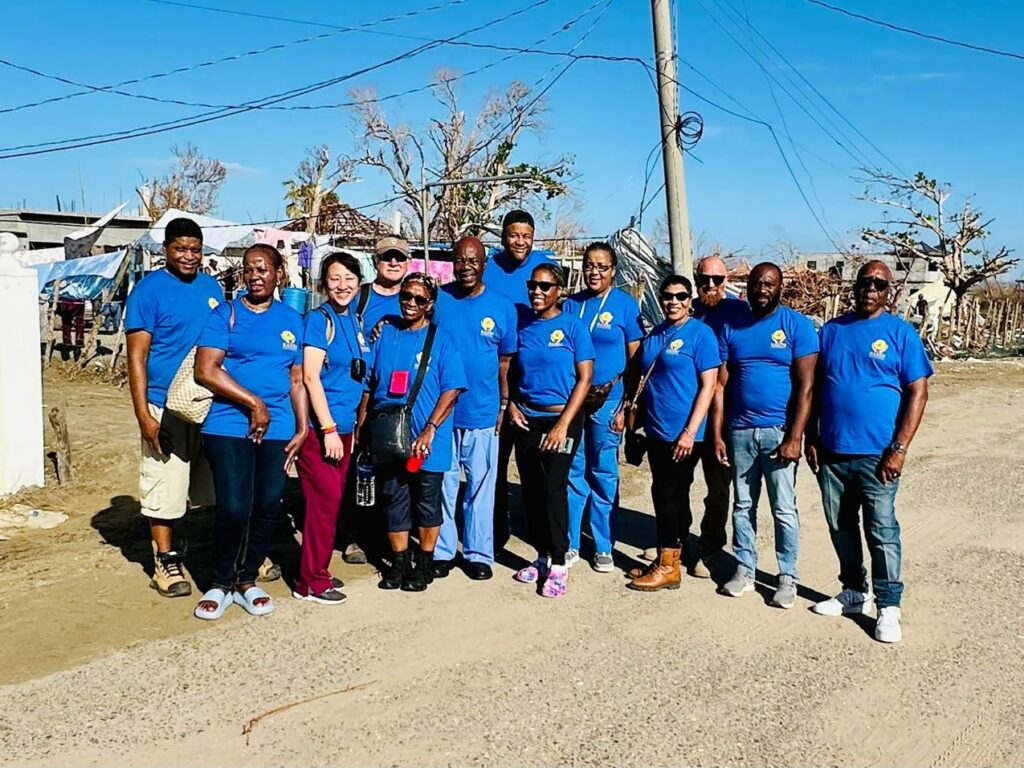
    In the devastating wake of Hurricane Melissa, a dedicated contingent of Caribbean medical professionals from HANDS International embarked on a humanitarian mission to Jamaica’s most severely impacted regions. The organization, spearheaded by Delaware-based President Dr. Reynold Agard, demonstrated remarkable resilience by transforming storm-affected residences into fully operational temporary clinics across the parishes of St. Elizabeth, Black River, Parottee, and Slipe.

    Despite confronting widespread infrastructure damage and electricity shortages, the medical teams received overwhelming hospitality from local residents who generously offered their homes and logistical support. Notable assistance came from Marjorie Davis-Reid’s family property in Black River and professional race car driver Lisa Bowman-Lee in Kingston, who provided crucial operational support.

    The medical initiative deployed rotating teams of 6-10 board-certified professionals through a carefully structured rotation system, with each team serving 7-10 day intervals. Their initial efforts provided essential medical care to approximately 500 residents, with subsequent teams expanding this critical service. The organization has announced plans for expanded deployments in December featuring 10-12 physician teams, with some volunteers intending to remain through the Christmas period. Additional large-scale missions are scheduled for January and February 2024, including specialized ophthalmology services led by leading Delaware ophthalmologist Dr. Wayne Dunn.

    The medical response addressed both immediate and chronic healthcare needs, with HANDS International importing over $50,000 worth of medications to replace prescriptions lost during the hurricane. The organization has since doubled its medication orders based on field assessments, particularly for aspirin (stroke prevention), Amlodipine (hypertension), Doxycycline (leptospirosis prevention), antifungal medications, and multivitamins. The medical teams also distributed cholesterol medications, heart disease treatments, and asthma inhalers while providing mental health support for hurricane-related anxiety, depression, and insomnia.

    Dr. Agard emphasized the critical timing of their intervention: ‘Our goal is to replace medicines lost by disaster victims, as we typically see increases in heart attacks and strokes 4-5 weeks after medication deprivation.’ He recounted a particularly critical case where their team facilitated the emergency transfer of a woman experiencing a heart attack after losing her medications, ultimately saving her life through coordinated efforts with Samaritan’s Purse field hospital and Jamaican health authorities.

    The organization is currently procuring additional generators and dental equipment to expand their surgical and dental service capabilities. All medications distributed are non-narcotic and provide at least one month’s supply based on availability and demand.

    Dr. Agard concluded with a commitment to Jamaica’s long-term recovery: ‘We consider ourselves ambassadors in the rebuilding of Jamaica, and we will do whatever it takes to restore hope and normalcy through health and development initiatives.’

  • Heart & Sole: Guardian Group’s SHINE 5K and 10K charity event

    Heart & Sole: Guardian Group’s SHINE 5K and 10K charity event

    The Queen’s Park Oval in Port of Spain transformed into a vibrant hub of community engagement on November 29 as Guardian Group hosted its annual SHINE 5K and 10K charity event, aptly named “Heart and Sole.” The early morning event attracted diverse participants ranging from competitive runners to families with young children, all united in their support for charitable causes.

    Photographer Ayanna Kinsale documented the spirited atmosphere, capturing images that reflected the event’s inclusive nature. Participants flooded the streets surrounding the historic cricket ground, with many displaying visible enthusiasm throughout the course. The event showcased intergenerational participation, with numerous runners accompanied by young children in strollers, highlighting its family-friendly approach.

    The photographic evidence reveals participants exhibiting genuine excitement and determination, from energetic trios posing pre-race to individual runners demonstrating focused preparation. The presence of smiling attendees throughout the course underscored the event’s positive community impact. Guardian Group’s initiative successfully combined physical activity with philanthropic purposes, creating an environment where fitness and social responsibility intersected seamlessly.

    The Heart and Sole event represents a growing trend of corporate-sponsored charity runs in the Caribbean region, demonstrating how private enterprises can effectively drive social engagement while promoting health and wellness within local communities.

  • How men feel when paternity tests come back negative

    How men feel when paternity tests come back negative

    Two Trinidadian men have come forward with harrowing accounts of legal battles and emotional distress after discovering children they believed to be their biological offspring were not theirs genetically. Their stories emerge amid startling statistics from the Fathers’ Association of TT revealing one in three paternity tests administered by a local lab disproved biological fatherhood.

    Jervon Thompson, now 45, recounted how he enthusiastically signed his ‘son’s’ birth certificate in his early twenties despite the mother’s objections. For seven years, he fulfilled paternal duties until their separation triggered court-ordered maintenance payments. When Thompson later arranged direct payments outside court systems, an arrest warrant was issued for non-payment through official channels. His wife’s intuition eventually prompted a paternity test that revealed zero biological connection. Despite this, Thompson continued caring for the now-24-year-old man he still considers his son, though he endured years of legal battles totaling $35,000 in alleged maintenance debt before the case was dismissed.

    Simon Harry’s ordeal began in 2011 when he temporarily housed a pregnant coworker’s relative. Suspecting non-paternity from the outset, his requests for testing were denied. Eleven years later, he discovered newspaper notices seeking his whereabouts for maintenance claims filed by the child’s grandmother. Court proceedings resulted in a $50,000 maintenance order for a child he had never met. After coincidentally meeting the now-23-year-old woman believed to be his daughter, genetic testing confirmed his longstanding suspicions. Harry now fights to dismiss accumulated debts and arrest warrants, noting the profound emotional impact on all involved.

    Both cases highlight systemic issues in Trinidad’s family court systems, where magistrates often presume male guilt in maintenance cases. The men described being treated as ‘deadbeat dads’ despite evidence of deception, with Harry noting the ordeal destroyed multiple relationships including his marriage. Thompson emphasized the enduring parental bond despite biological reality: ‘He’s not mine – but between me and him, we don’t study that.’

    The mothers’ roles differed significantly—Thompson’s accuser actively pursued payments despite knowing the truth, while Harry’s case involved a grandmother pursuing claims without the biological mother’s knowledge. Both men advocate for mandatory paternity testing in maintenance cases to prevent similar injustices.

  • Ramsey-Moore vows to defend steelpan amid financial strain

    Ramsey-Moore vows to defend steelpan amid financial strain

    Amidst one of the most severe financial crises in decades, Pan Trinbago president Beverly Ramsey-Moore has pledged unwavering commitment to safeguarding Trinidad and Tobago’s steelpan heritage. The declaration came during the 2026 Panorama Single Pan finals at Queen’s Park Savannah on November 29, where the cultural event proceeded despite devastating sponsorship withdrawals and diminished government support.

    The crisis deepened recently when state-owned Heritage Petroleum terminated its sponsorship of Skiffle and Siparia Deltones steelbands, following similar withdrawals by NGC months earlier. This funding collapse has left multiple community bands struggling to prepare for upcoming medium and large band categories, threatening both their competitive viability and organizational survival.

    Ramsey-Moore addressed a modest but devoted audience with defiant rhetoric, emphasizing the steelpan’s profound social significance. “Pan keeps our youths in line and out of trouble. When you invest in pan, you invest in our future,” she asserted, highlighting how young people now constitute the majority of players, finding discipline and purpose through the instrument.

    The Single Pan finals proceeded with remarkable resilience, featuring 25 finalists from 48 auditioning bands—the highest participation in recent years. Defending champions San Juan East Side Symphony secured their ninth title, maintaining the unchanged first prize of $275,000 despite the financial turmoil.

    Ramsey-Moore invoked the instrument’s revolutionary origins, born from discarded oil drums by visionary pioneers who created the twentieth century’s only invented acoustic instrument. “The steelpan is a living monument of resilience, creativity, and community,” she declared, framing the current struggle as continuation of a legacy “built with fire, forged with courage, and sustained through generations.”

    With cultural allocations shrinking, the president issued a direct appeal to corporate Trinidad and Tobago: “Support a steelband in your community. Invest in our heritage.” She emphasized that sponsorship represents not luxury but necessity for community-based bands.

    National Carnival Commission chairman Peter Kanhai reinforced institutional support, acknowledging the single pan category’s significance despite its modest size. Linking to the 2026 Carnival theme ‘Yuh Go Love Dis’, he affirmed the steelpan’s role as a foundational element making Trinidad and Tobago’s festival globally captivating.

    As Panorama preparations continue, the community confronts the paradox of artistic excellence amid financial precarity, testing whether corporate Trinidad will answer the call to preserve this unique cultural legacy.

  • The woman who chose her own mother

    The woman who chose her own mother

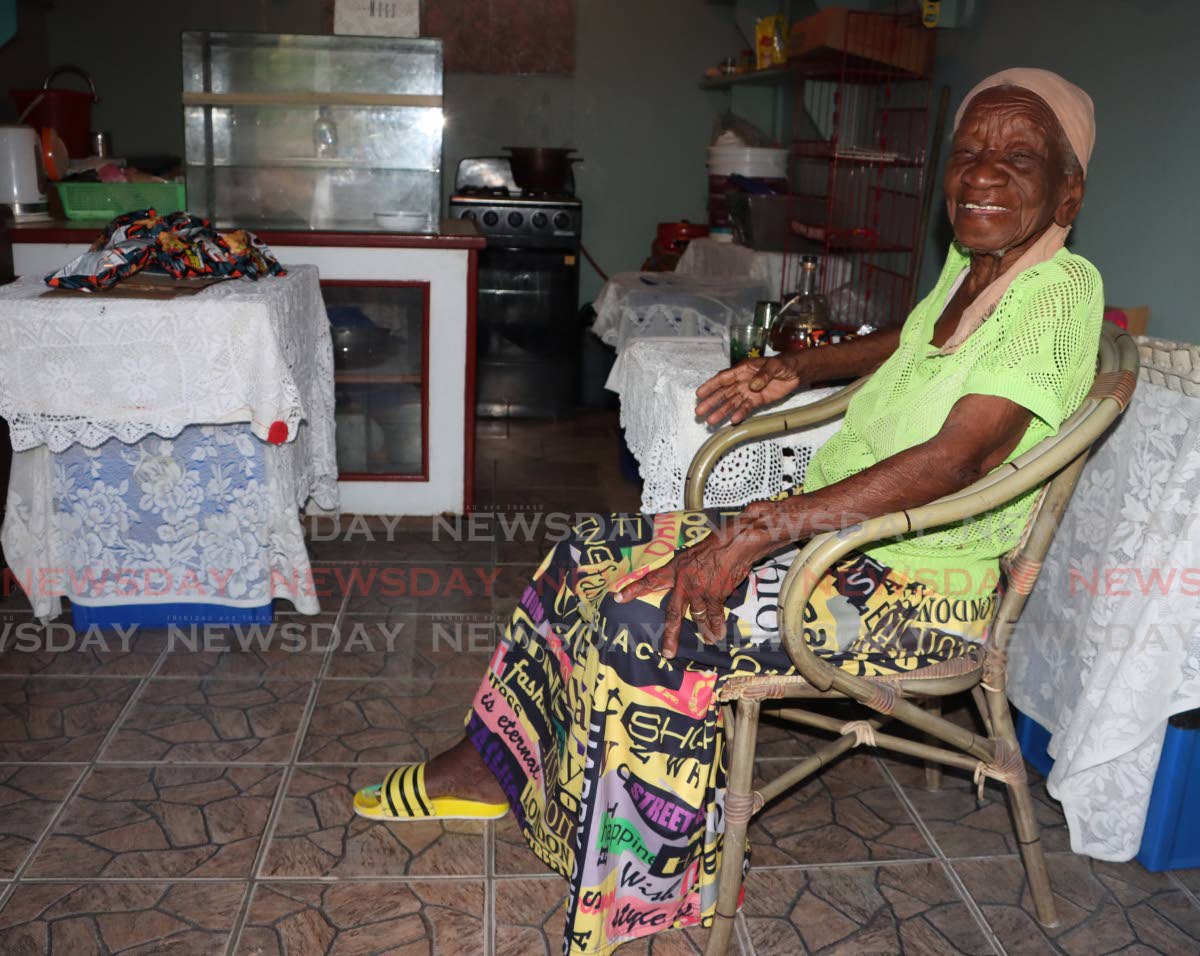
    In the tranquil village of Alensdale, Toco, 91-year-old Elsie London continues to operate her namesake café, a local institution known for its coconut drops, sweetbread, and bottled preserves. Five years after our initial encounter, Ms. London remains seated in her favorite chair, greeting visitors with characteristic warmth and occasional mischievous laughter.

    Despite scaling back her culinary activities, she continues weekend baking—producing cakes, bread, and kuchela mango that remain in high demand. Her infamous humor surfaced when discussing homemade wine, as she recounted a neighbor’s mock outrage about supplying sugarcane for her babash production: “He bawl out, ‘Ms. Elsie! I must bring cane for you to make that?’ He say dais jail!”

    Beneath the laughter lies profound emotional depth. Without prompting, London revealed a childhood trauma that has shaped her entire existence: “My mother, Kathy, give me away when I was six years old.” The recollection remains painfully vivid despite decades passing. Confronting her mother about the abandonment, young Elsie recognized what she believed to be “fake cry” before walking away with no possessions or plan.

    Her salvation came through neighbor Theresa, who immediately embraced the child despite already raising four biological children. Their exchange established a new foundation: “‘Where yuh going?’ I say, ‘Ah come home.’” Theresa’s practical concern—asking about meals and bathing—defined true motherhood for London: “You hear what a mother does ask if she care? That is a mother.”

    Theresa became London’s legitimate guardian, arranging schooling and eventually presiding over her marriage ceremonies. This adoption forged London’s fierce independence and perspective on relationships: “No man eh having me so! I had a mind of meh own.” She revealed having been married twice—to George Byron (deceased at 89) and another previously undisclosed spouse.

    Even at 91, London maintains sharp political awareness, analyzing US-Venezuela tensions through a fisherman’s lens: “A fishing boat doh have three engines.” Her wisdom reflects lived experience—interpreting politics with the same clarity developed through surviving childhood abandonment.

    Ultimately, Elsie London’s story transcends personal history to explore motherhood’s essence. Her resilience demonstrates how familial bonds are forged through choice rather than biology, embodied by Theresa’s simple declaration to a six-year-old: “Well, yuh home.”

  • Dutch attorney representing Jah Cure stabbing victim appeals to the public to not ‘blame the victim’

    Dutch attorney representing Jah Cure stabbing victim appeals to the public to not ‘blame the victim’

    Dutch attorney R Bouwman, representing concert promoter Nicardo ‘Papa’ Blake, has issued a public appeal against victim-blaming in the high-profile assault case involving reggae artist Jah Cure. The legal representative expressed bewilderment at public sympathy shifting toward the perpetrator despite clear evidence and judicial outcomes.

    The case stems from an October 2021 incident in Amsterdam’s Dam Square where Jah Cure (legally named Siccature Alcock) stabbed Blake during a dispute over unpaid performance fees. Security footage captured the altercation, though not with absolute clarity according to court documents.

    Initial proceedings resulted in conviction, but prosecutors appealed for a more severe charge. In October 2025, the Amsterdam Court of Appeal overturned the original verdict, convicting Alcock of attempted murder and increasing his sentence to eight years and four months imprisonment. The court also ordered €9,452.49 in damages for material and non-material losses suffered by Blake.

    Medical reports detailed extensive injuries including stomach perforations and retroperitoneal damage requiring multiple surgeries. Blake bears permanent scarring from sternum to lower abdomen and continues experiencing medical complications years after the attack.

    Despite publicly forgiving his attacker, Blake maintains vivid memories of the incident he describes as a ‘daylight ambush.’ He recounted how the singer lured him to the location under false pretenses of resolving their business dispute peacefully.

    The financial compensation awarded falls short of covering Blake’s complete medical expenses according to his attorney. Bouwman indicated potential civil proceedings might follow depending on developments in the ongoing legal process, as Alcock has appealed the latest ruling to the Netherlands Court of Appeal.

    Bouwman emphasized the psychological toll on his client, who seeks closure rather than reconciliation. The attorney criticized segments of the reggae community for blaming the victim and excusing the perpetrator’s actions based on celebrity status rather than judicial facts.

  • Former ECJ chair Dorothy Pine-McLarty has died; Holness pays tribute

    Former ECJ chair Dorothy Pine-McLarty has died; Holness pays tribute

    Jamaica’s democratic institutions have lost a foundational figure with the passing of Dorothy Pine-McLarty, the former Electoral Commission of Jamaica (ECJ) chairperson. Her death was confirmed by Prime Minister Andrew Holness through an official social media announcement on Sunday, though specific details regarding the cause remain undisclosed at this time.

    Pine-McLarty’s legacy is marked by extraordinary professional achievements and dedicated public service. In 1973, she shattered glass ceilings by becoming the first female partner at the prestigious law firm Myers, Fletcher & Gordon—a significant milestone in Jamaican legal history. Her expertise later propelled her to establish the firm’s London office as its inaugural managing partner.

    Her most impactful contributions emerged through her nineteen-year tenure with Jamaica’s electoral governance bodies. Initially joining the Electoral Advisory Committee as a selected commissioner in December 2000, she ascended to the chairmanship in 2013. Pine-McLarty presided over the ECJ with renowned integrity until her retirement in December 2019, cementing her status as the first woman to lead the commission.

    Beyond her electoral work, she contributed to corporate governance through directorship roles on multiple boards. Prime Minister Holness memorialized her as ‘a public servant in the truest sense’ whose life’s work strengthened Jamaican democracy through courageous and graceful service. The nation now reflects on her pioneering journey from legal trailblazer to guardian of electoral integrity, while official condolences extend to her family, colleagues, and all Jamaicans touched by her remarkable legacy.

  • From Charlotteville with love – Jaba’s mission of peace

    From Charlotteville with love – Jaba’s mission of peace

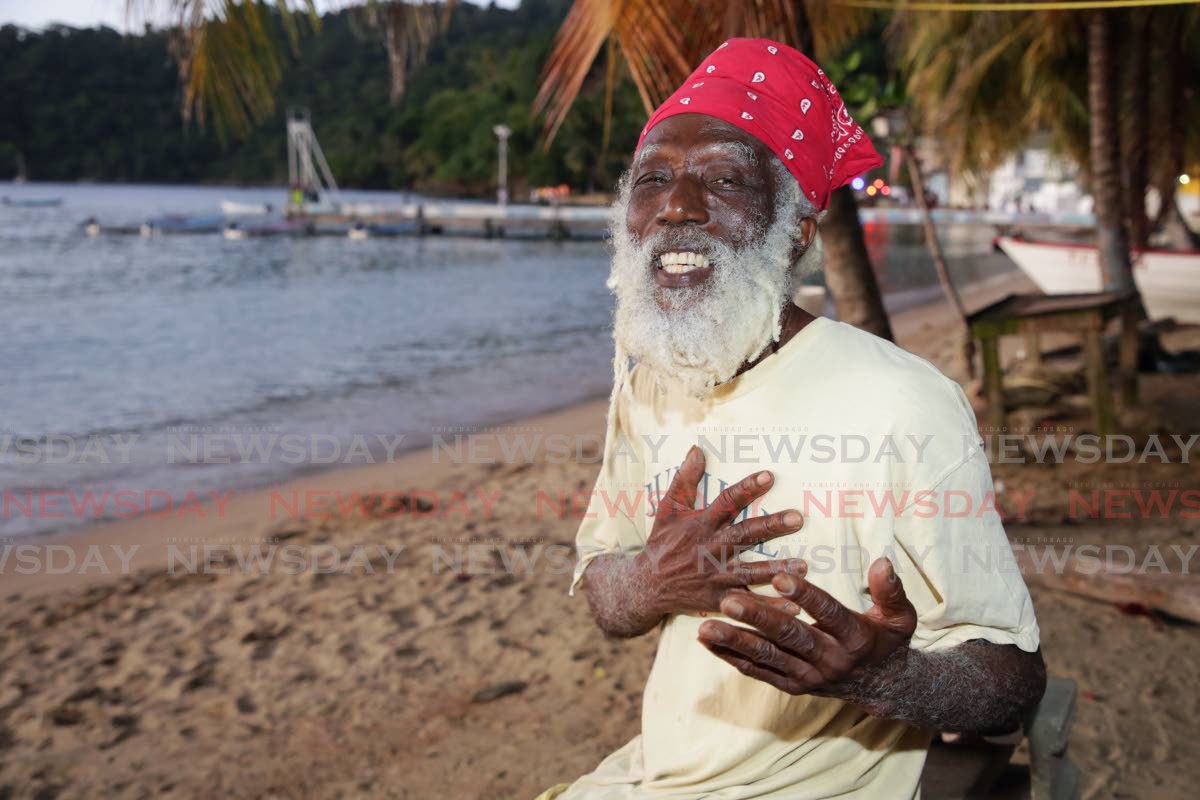
    In the serene fishing village of Charlotteville, Tobago, 69-year-old Rastafarian Irwin “Jaba” Hercules has emerged as an unexpected peace advocate, channeling personal tragedy into community transformation. Known locally as “I Lion Jaba,” the square-shouldered elder operates Ayo Restaurant while simultaneously serving as an informal conflict mediator for villagers grappling with disputes.

    Hercules’ commitment to peace originates from profound personal loss. His son Ayo, then 25 and preparing to attend Boston University, was murdered in Trinidad years ago after inadvertently crossing paths with criminal elements. Rather than succumbing to bitterness, Hercules transformed his grief into a mission to prevent similar tragedies.

    Together with cousin Winston Irving Sawyer Jr. in Canada, Hercules co-founded the Charlotteville Beachfront Movement—a community initiative focused on youth engagement through cultural events and economic opportunities. Their post-carnival festival provides free meals while showcasing local talent, representing what Hercules describes as “giving back to the community that has supported us.”

    The movement specifically targets youth violence prevention through constructive alternatives. “Our young people tend to gravitate towards violence for some reason,” Hercules observes. “As elders, we’re trying to encourage them toward small businesses, agriculture—anything besides sitting on street corners daily.”

    Hercules’ resilience stems from early hardship. Forced to abandon education at 13 after his father’s fatal car accident, he became primary caregiver for seven siblings when his mother suffered a breakdown. Through hunting, fishing, and eventually waterfront produce sales, he sustained his family in what he calls becoming a “force-ripped man.”

    Now, his advocacy extends beyond local concerns to international affairs. Expressing concern over tensions between Trinidad and Tobago, Venezuela, and the US, Hercules declares: “I am totally for peace. Let’s stop these stupid wars and share love among one another. This place remains a zone of peace, and we want to keep it like that.”