分类: society

  • COMMENTARY: Holding Little Hands Through the Storm: Restoring Hope for Caribbean Children

    COMMENTARY: Holding Little Hands Through the Storm: Restoring Hope for Caribbean Children

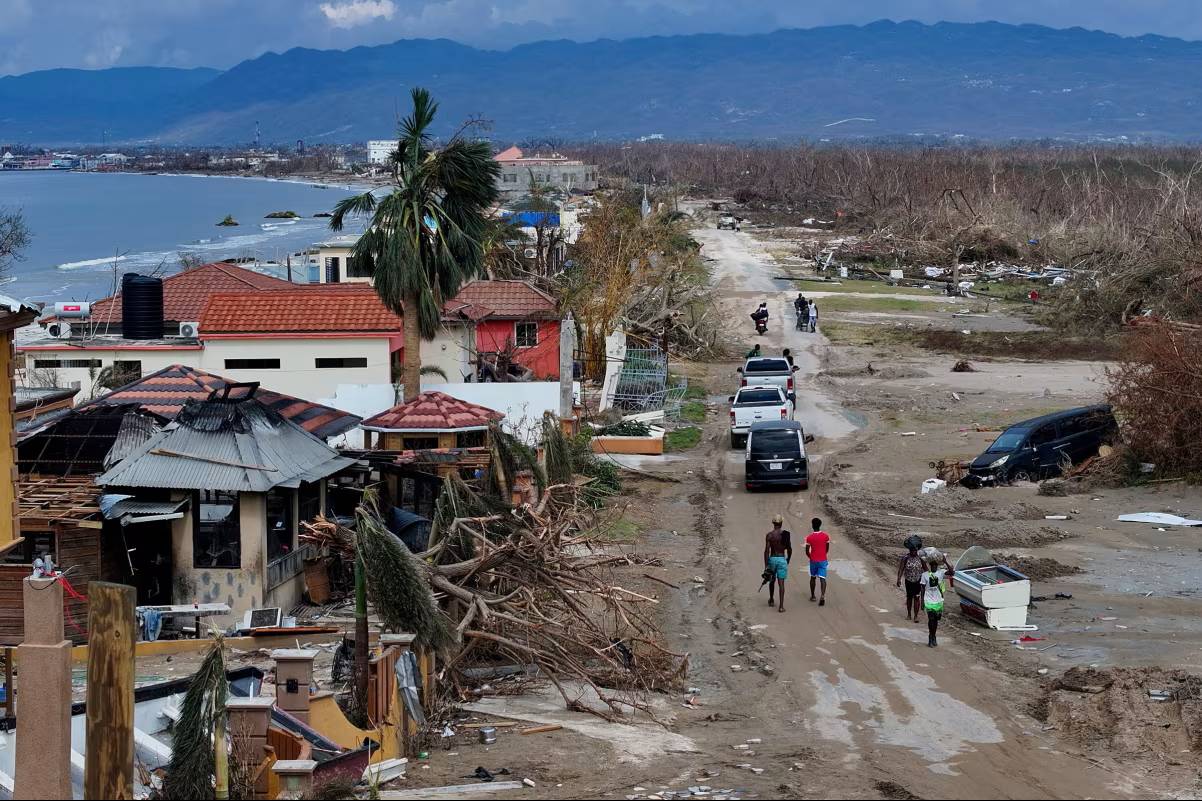
    The devastation wrought by Hurricane Melissa across Jamaica, Cuba, the Bahamas, and Haiti has left indelible scars on communities. Homes lie in ruins, schools are shattered, and neighborhoods are unrecognizable. Amid the wreckage, the emotional toll is profound, especially for children who have lost their sense of safety and stability. The trauma manifests in their behavior—fear, withdrawal, and restlessness—as they grapple with an uncertain future.

    In these fragile times, the most potent tools for healing are attachment and responsive relationships. When caregivers reassure children with words like, ‘You are safe with me,’ trust begins to rebuild, and the brain starts to calm. Comfort, consistency, and kindness are the essential medicines for these young souls.

    Practical steps for caregivers and educators include creating safe spaces in churches, community centers, or repaired classrooms where children can rest, eat, and play. Simple, predictable routines—such as songs before meals or quiet storytelling—provide a sense of normalcy. Access to nutritious food, clean water, and basic health services is crucial. Emotional first aid, like listening to a child’s story or holding them while they cry, can have profound healing effects.

    Recovery also involves rebuilding systems of care. Training caregivers, teachers, and volunteers to recognize signs of stress and trauma is vital. Implementing primary caregiving, where one steady adult cares for a small group of children, helps restore trust and emotional safety. Collaborating with local health services, schools, and faith-based organizations to offer counseling and parenting workshops is equally important.

    Play and storytelling are not luxuries but lifelines, enabling children to process their experiences, envision new futures, and rediscover joy. Even amidst the debris, hope can bloom through a familiar song, a warm meal, or a patient embrace. Rebuilding homes and schools is essential, but so is repairing hearts and minds.

    When caregivers are steady, supported, and sensitive, they become beacons of stability for children learning to live again. Across the Caribbean, collective efforts—guided by compassion and practical care—can help heal the islands and restore the bright promise of tomorrow.

    About the Author: Teacher Kishma Isaac is an experienced educator with over 17 years of teaching across early childhood and primary levels. A published author, coach, and mentor, she is known for her compassionate, practical, and hope-centered approach to rebuilding after crises.

  • Hurricane Melissa shows why everyday Caribbean workers need financial protection

    Hurricane Melissa shows why everyday Caribbean workers need financial protection

    Hurricane Melissa recently tore through the Caribbean, leaving a trail of destruction that disrupted lives, damaged infrastructure, and threatened food security. In Jamaica, the storm flooded St. Elizabeth, the nation’s agricultural heartland, while widespread power outages affected over 75% of electricity customers. Haiti and the Dominican Republic also faced devastating floods, claiming dozens of lives and displacing families. These recurring climate shocks highlight the region’s vulnerability to extreme weather events.

    The aftermath of the storm revealed deeper economic and social challenges. Farmers lost essential equipment and seedlings, vendors were unable to operate due to damaged markets, and fishers saw their boats and docks destroyed. Tourism and service workers faced reduced shifts as hotels and ports underwent repairs. These individual losses ripple across communities, creating widespread hardship, particularly for those in the informal economy who are the backbone of local food systems and markets.

    National governments have responded with emergency measures. Jamaica’s Prime Minister outlined immediate relief efforts, including road clearance, power restoration, and price controls to prevent gouging. A J$400 million fund was allocated for emergency drain-cleaning and support for farmers and fishers. The Ministry of Health launched mosquito-control operations to mitigate post-storm disease risks. Additionally, disaster-risk financing instruments were activated to ensure swift access to funds.

    However, these national efforts often fall short in addressing the scattered, small-scale losses that communities face. Research by the Caribbean Policy Development Centre (CPDC) reveals that 79% of organizations serving vulnerable populations lack disaster budgets, leaving them without a safety net during crises. CPDC advocates for meso-level Climate and Disaster Risk Financing and Insurance (CDRFI), leveraging trusted local institutions like credit unions and cooperatives to deliver faster, fairer financial support. This approach includes parametric insurance for quick payouts, indemnity insurance for additional losses, and community savings funds for restocking and repairs.

    CPDC emphasizes that while government aid is crucial for large-scale infrastructure, community-level financial systems are essential to protect livelihoods, food supplies, and dignity during recovery. The organization’s research, conducted across five Caribbean nations, calls for a regional discussion on practical, people-centered disaster finance. As climate threats become permanent, the Caribbean must transition from rebuilding from scratch each season to building resilient financial systems that enable faster recovery for farmers, fishers, vendors, and informal workers.

    Protecting livelihoods is not just about economic stability; it’s about preserving the region’s knowledge, traditions, and community strength. CPDC invites Caribbean media, civil society organizations, governments, and financial cooperatives to join the conversation and implement solutions that turn disaster lessons into long-term protection.

  • Police Investigate Shooting Incident on Joseph Lane

    Police Investigate Shooting Incident on Joseph Lane

    The Royal Police Force of Antigua and Barbuda has launched an investigation into a shooting incident that occurred on Joseph Lane in St. John’s during the early hours of Monday, November 3, 2025. The incident left a 26-year-old man from All Saints with a non-life-threatening injury. According to reports, the victim and a companion were walking near Velvet Touch when they heard a loud explosion. The victim soon realized he had been struck by a bullet. He was promptly taken to the Sir Lester Bird Medical Centre, where he received treatment for a gunshot wound to his left shoulder. Medical staff confirmed his condition as stable and not life-threatening. Authorities are now seeking a male suspect described as approximately 5 feet 5 inches tall, last seen wearing dark clothing and a purple ski mask. The suspect was reportedly driving a dark grey Suzuki Vitara when he fled the scene. The police are urging anyone with information about the incident or the suspect to contact the Criminal Investigations Department at 462-3913 or Crimestoppers at 800-TIPS (8477).

  • PM says he has nothing but love and admiration for Sir Viv

    PM says he has nothing but love and admiration for Sir Viv

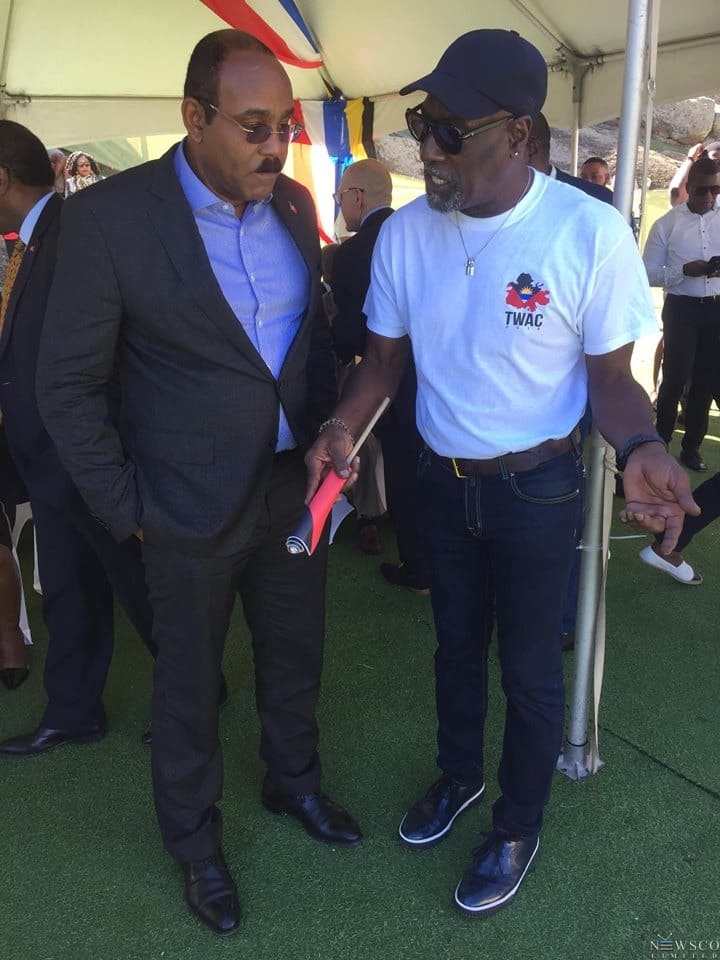
    In a heartfelt tribute, the Prime Minister has publicly expressed his deep admiration and affection for cricket icon Sir Viv Richards. Speaking at a recent event, the PM highlighted Sir Viv’s unparalleled contributions to the sport and his enduring legacy as a role model both on and off the field. The Prime Minister emphasized that Sir Viv’s achievements transcend cricket, inspiring generations with his leadership, resilience, and sportsmanship. He also acknowledged Sir Viv’s role in fostering unity and pride in the Caribbean and beyond. The PM’s remarks underscored the profound respect and gratitude felt by many for the legendary cricketer, whose impact continues to resonate globally.

  • Nevis Youth Voice Strong Support for Destiny SSZ Project, Express Excitement About Growth Opportunities

    Nevis Youth Voice Strong Support for Destiny SSZ Project, Express Excitement About Growth Opportunities

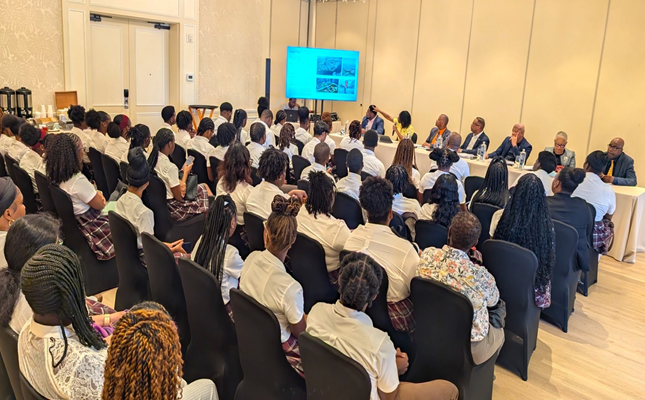
    The youth of Nevis have expressed overwhelming support for the proposed Destiny Special Sustainability Zone (SSZ) Project, a multi-billion-dollar initiative aimed at fostering sustainable development on the island. In a recent consultation organized by the Nevis Island Administration (NIA), members of the Cabinet engaged with approximately 60 students from the Nevis Sixth Form College to discuss the project’s scope, benefits, and potential impact. The session featured a video presentation by lead developer Olivier Janssens, followed by a detailed overview by Honourable Senator Jahnel Nisbett, who addressed key aspects such as design concepts, financial commitments, sustainability measures, and community benefits. Students actively participated in a Q&A session, raising questions about employment opportunities, the project’s US $1 million annual scholarship fund, and the inclusion of local entrepreneurs and farmers. Many students acknowledged that prior misconceptions about the project were clarified during the discussion, leading to a more optimistic outlook. Premier Mark Brantley emphasized the importance of innovation and adaptation, drawing parallels to the success of the Four Seasons Resort, which initially faced opposition but now supports over 1,000 families. The students praised the government’s transparency and open communication, urging continued public engagement as the project progresses. The Destiny SSZ Project represents a forward-looking initiative that promises to create lasting opportunities for Nevis and its future generations.

  • JCE clarifies: no same-sex marriages registered in the Dominican Republic

    JCE clarifies: no same-sex marriages registered in the Dominican Republic

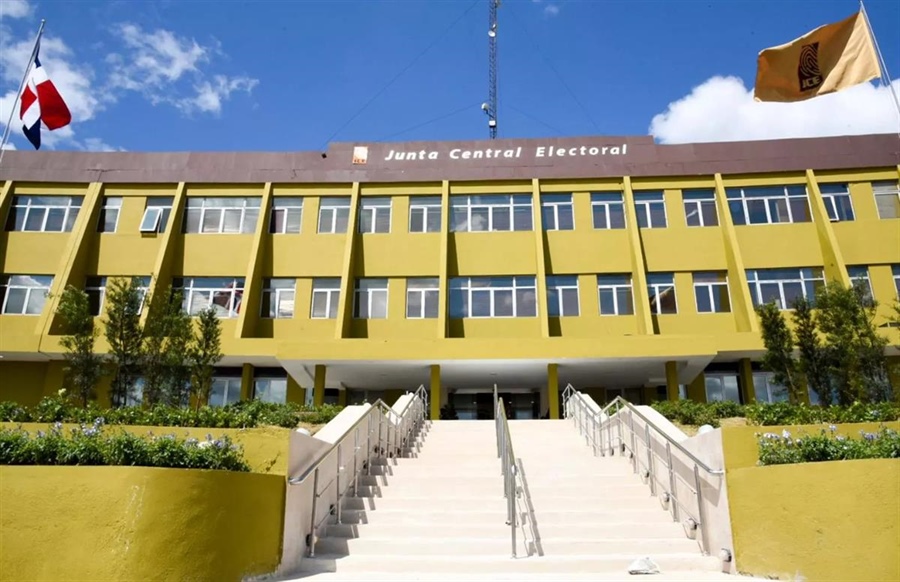
    The Central Electoral Board (JCE) of the Dominican Republic has firmly restated its position against the registration of same-sex marriages, asserting that such unions are not permitted under the nation’s Constitution or existing legal framework. This declaration came in response to recent claims by former U.S. Ambassador James ‘Wally’ Brewster, who publicly stated on social media that he had officiated a wedding ceremony for two men in Santiago. The JCE clarified that only Civil Registry Officials and accredited religious institutions are legally authorized to conduct marriages in the country, and these unions must strictly adhere to the traditional definition of marriage between a man and a woman. The JCE cited Articles 55 of the Constitution, along with Laws Nos. 4-23 and 198-11, to emphasize that Dominican law exclusively recognizes heterosexual marriages, whether civil or religious. The institution concluded its statement by affirming that it ‘has not officiated, registered, nor will it register any marriage that violates the Constitution or the law.’ This development underscores the ongoing legal and societal challenges faced by the LGBTQ+ community in the Dominican Republic.

  • Trainingen museumwezen waardevol voor werkveld

    Trainingen museumwezen waardevol voor werkveld

    The training sessions conducted in October have proven to be immensely beneficial for employees and owners of museum institutions in Suriname. This was highlighted during the certification ceremony held last Friday, where 25 participants successfully completed the program. Artists Runaldo Klas, Jules Brandflu, and Sunil Puljun praised the training for offering fresh perspectives on heritage restoration and storage. Former museum director Elvira Sandie and VHJI Museum coordinator Sharon Pawiroredjo also expressed their satisfaction, emphasizing the practical applicability of the knowledge gained. The program, a collaborative effort between Suriname’s National Museum Commission (NMS) and the Netherlands’ Cultural Heritage Agency, concluded in the presence of Roseline Daan, NMS Chairperson and Director of Culture. Daan lauded the outcomes achieved after months of preparation. Participants delved into topics such as collection management, registration, conflicting value systems, sector organization, sustainability, and preventive conservation. The evaluation also revealed plans for museum institutions to unite, enhancing the structure and content of their work. The NMS is now focusing on follow-up activities and discussions with PURP regarding the rehabilitation of Building 1790, a ruin within the Zeelandia complex, envisioned as the site for a future national museum.

  • “A huge hurricane Cof work and cooperation”

    “A huge hurricane Cof work and cooperation”

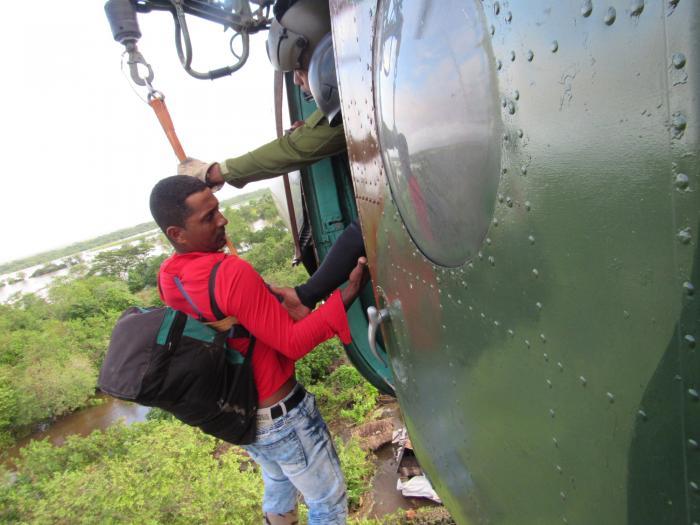
    Over the weekend, relentless efforts were made to address the aftermath of Hurricane Melissa in eastern Cuba, focusing on rescue operations, sanitation, and recovery. President Miguel Díaz-Canel Bermúdez, head of the National Defense Council, praised the combatants of the Revolutionary Armed Forces (FAR) and the Ministry of the Interior (MININT) for their heroic and skillful rescue missions. He emphasized that erasing the extensive damage caused by Melissa would require a monumental effort and widespread cooperation. The hurricane’s torrential rains triggered unprecedented flooding, necessitating the evacuation of thousands of people via air, boat, and train. In the Granma municipality of Río Cauto, hundreds of residents were relocated to Las Tunas, where evacuation centers have been established to shelter approximately 2,400 people. Health responses have been intensified, with a focus on vulnerable communities. Measures include enhanced epidemiological surveillance, deployment of medical brigades, distribution of essential supplies, and activation of prevention protocols to mitigate potential disease outbreaks. Transportation Minister Eduardo Rodríguez Dávila reported severe damage to the railway line to Santiago de Cuba, particularly the Central Line between kilometers 833 and 834.5. Meanwhile, brigades from the electricity and telecommunications sectors are working tirelessly to restore services in affected areas.

  • Dominican Republic welcomes cooler temperatures with start of frontal season

    Dominican Republic welcomes cooler temperatures with start of frontal season

    The Dominican Republic has officially transitioned into the 2025–2026 frontal season, a five-month period characterized by cooler temperatures and more temperate weather across the nation. Meteorologist Jean Suriel highlighted that this season, spanning from November to mid-April, will witness between 20 and 30 cold fronts approaching the northern Caribbean, with 8 to 15 directly impacting the country. The coldest phase is expected from January 15 to March 15, particularly in high-altitude regions such as Valle Nuevo, Pico Duarte, Valle de Bao, and the Sierra de Bahoruco, where temperatures may plummet below zero. These areas could also experience frost, hoarfrost, and even ice floes—rare yet typical occurrences during the Dominican tropical winter. Already, two cold fronts have passed near the northern Caribbean, with another anticipated this week. Additionally, a polar air mass is forecast to reach the island around November 16, further intensifying the chill. Popular destinations to embrace the mountain cold include Constanza, Jarabacoa, Ocoa, San José de las Matas, Polo in Barahona, and Loma de Cabrera. Suriel emphasized that the cooling effect will be most pronounced in the Cibao and mountain regions, though daytime warmth will persist until late November. “Nighttime and early morning hours, particularly between 6:00 p.m. and 9:00 a.m., will feel significantly cooler,” he noted, adding that this shift offers a refreshing respite after months of relentless heat.

  • Brazilian miner killed by countryman at Sandhill Landing

    Brazilian miner killed by countryman at Sandhill Landing

    In a tragic incident at Sandhill Landing along the Cuyuni River, a Brazilian gold miner was fatally stabbed by a fellow countryman, as confirmed by the Guyana Police Force on Sunday, November 2, 2025. The victim, identified as 34-year-old Francis Diago Alivera, succumbed to multiple stab wounds following an altercation that erupted around 1:45 AM. The suspect, a 24-year-old Brazilian national also employed as a gold miner in the area, allegedly armed himself with a knife during the dispute, inflicting severe injuries on Alivera. Police investigations revealed that the two men were acquainted and had been socializing earlier in the evening before the argument escalated. The suspect fled the scene immediately after the incident. Alivera was initially assisted by bystanders and transported to a nearby mining outpost for emergency medical care. He was later transferred to the Bartica Regional Hospital, where he ultimately died from his injuries. Authorities have recovered a knife believed to be the weapon used in the attack. The case underscores the volatile nature of mining communities and the urgent need for enhanced security measures in such areas.