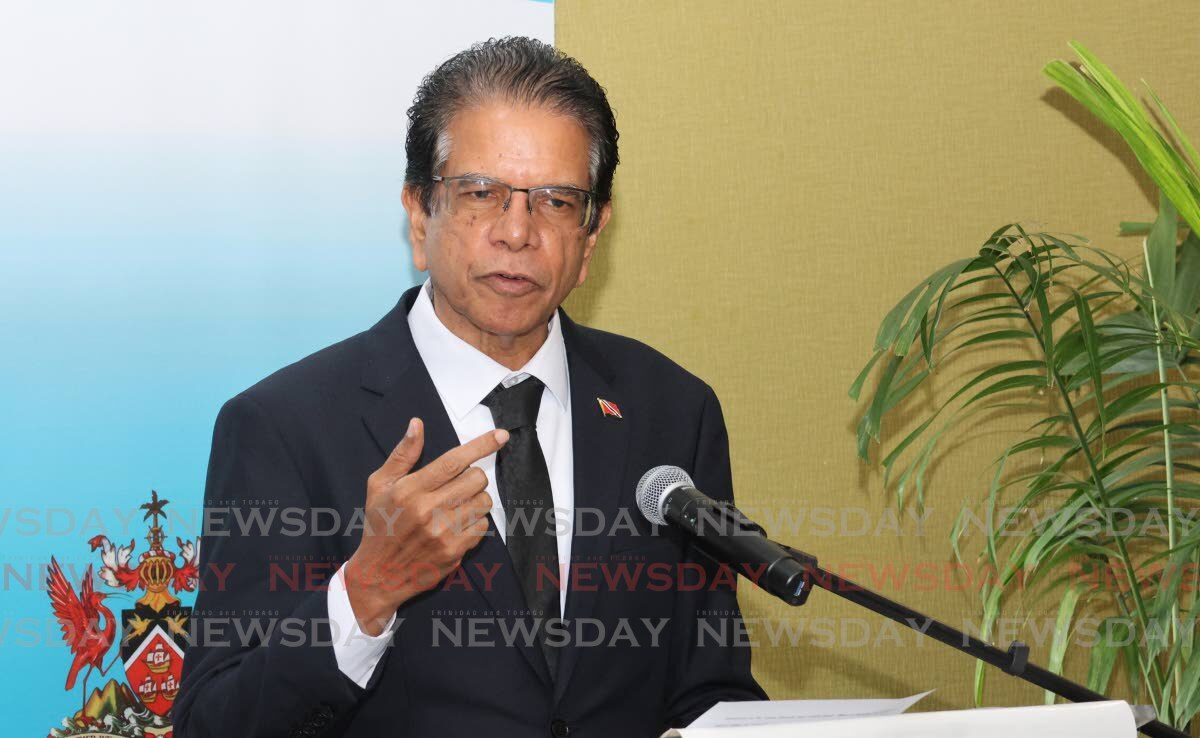
In Trinidad and Tobago, where free government-funded education is a norm, 14-year-old Annalisa (name changed) has been left behind due to systemic failures and relentless bullying. Despite passing her SEA examinations in 2023 and being assigned to a secondary school, her educational journey turned into a nightmare. Annalisa faced severe bullying, including physical threats and online harassment via a WhatsApp group, which escalated to the point where she was forced to hide in school and eventually withdraw entirely. Her parents, Cynthia and her husband, sought help from school authorities and the Ministry of Education (MoE) but encountered resistance and bureaucratic hurdles. Despite filing a police report and reaching out to multiple officials, including the Minister of Education, Dr. Michael Dowlath, the family received no substantial support. Annalisa briefly attended a private school but had to stop due to financial constraints. Now, she remains at home, her dream of becoming an attorney fading with each passing day. Minister Dowlath acknowledged the case but cited the ministry’s bureaucracy as a significant barrier to resolving such issues. This case highlights the persistent problem of school violence and the inefficiencies within the education system, leaving many children like Annalisa without access to education.
分类: society
-
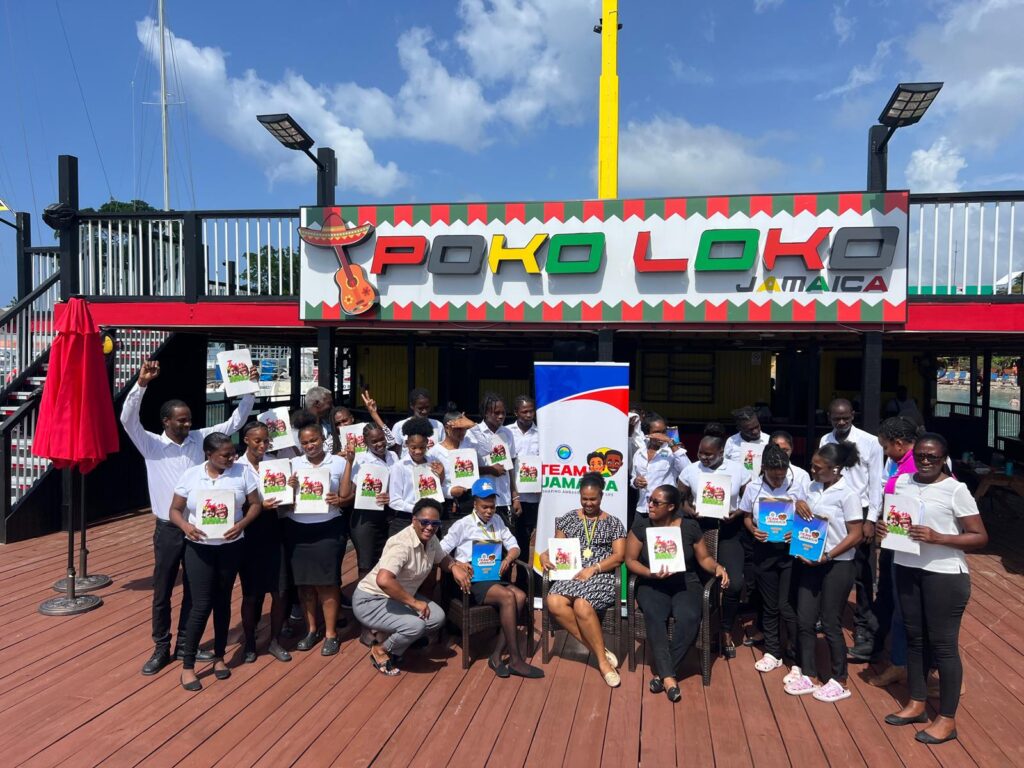
Poko Loko set to reopen, assists with hurricane relief efforts
In a remarkable tale of resilience, Poko Loko, the iconic floating bar in Ocho Rios, has emerged unscathed from the wrath of Hurricane Melissa, just a year after being severely impacted by Hurricane Beryl. The popular venue is gearing up to welcome patrons once again this Saturday, November 15, marking a triumphant return to normalcy.
Anthony Warren, the Chief Executive Officer of Poko Loko, expressed his gratitude for the overwhelming support received during the storm. ‘We are incredibly thankful for the prayers, messages, and emails from everyone. I’m thrilled to report that the bar didn’t sustain even a scratch during Hurricane Melissa,’ Warren shared with Observer Online. He attributed this success to a meticulously executed hurricane preparedness plan, which included relocating the bar to a secure harbor, securing it firmly, and maintaining a team of security and maintenance staff throughout the storm.
Warren also conveyed his excitement for the reopening, urging the community to join in the celebrations. ‘We are overjoyed and can’t wait to welcome everyone back on November 15. Get ready for an unforgettable time at Poko Loko,’ he added.
Beyond its own recovery, Poko Loko has extended a helping hand to the broader community. In collaboration with Operation Care Base at the Montego Bay Convention Centre, the bar has contributed essential relief supplies, including food, generators, tools, chainsaws, Starlinks, and welding equipment, to aid residents of Ocho Rios and Browns Town affected by Hurricane Melissa.
This dual effort of rebuilding and community support underscores Poko Loko’s commitment to resilience and solidarity, setting a shining example of how businesses can play a pivotal role in disaster recovery.
-

Market Bag: Escallion up to $1,200 as food prices soar after Melissa
KINGSTON, Jamaica — The aftermath of Category 5 Hurricane Melissa has left Jamaican farmers reeling, leading to a sharp increase in food prices at the Coronation Market. Essential produce such as escallion, tomato, carrot, and scotch bonnet pepper have seen significant price hikes. Escallion is now priced at $1,000-$1,200 per pound, while tomatoes and carrots are selling for $400 per pound. Scotch bonnet peppers are fetching $300-$500 per pound. Brittania Witter, host of Market Bag, visited the downtown Kingston market to document the escalating costs, highlighting the economic strain on both producers and consumers. The hurricane’s devastation has disrupted agricultural supply chains, exacerbating the financial burden on local communities.
-

Firearm seized in Riversdale, St Catherine
In a targeted operation in the Lodge district of Riversdale, St Catherine, law enforcement officials successfully recovered a 9mm pistol along with an attached magazine on Sunday evening. Acting on actionable intelligence, a specialized police unit conducted the operation around 6:30 pm. The firearm was discovered concealed within a bag, strategically placed behind an abandoned structure in the area. Despite the recovery of the weapon, no arrests were made in connection with the incident. Authorities have confirmed that investigations are actively ongoing to trace the origins of the firearm and identify potential suspects involved in its possession. This operation underscores the continued efforts by Jamaican police to combat illegal arms circulation and enhance community safety.
-
UTT’s new honorary doctorates
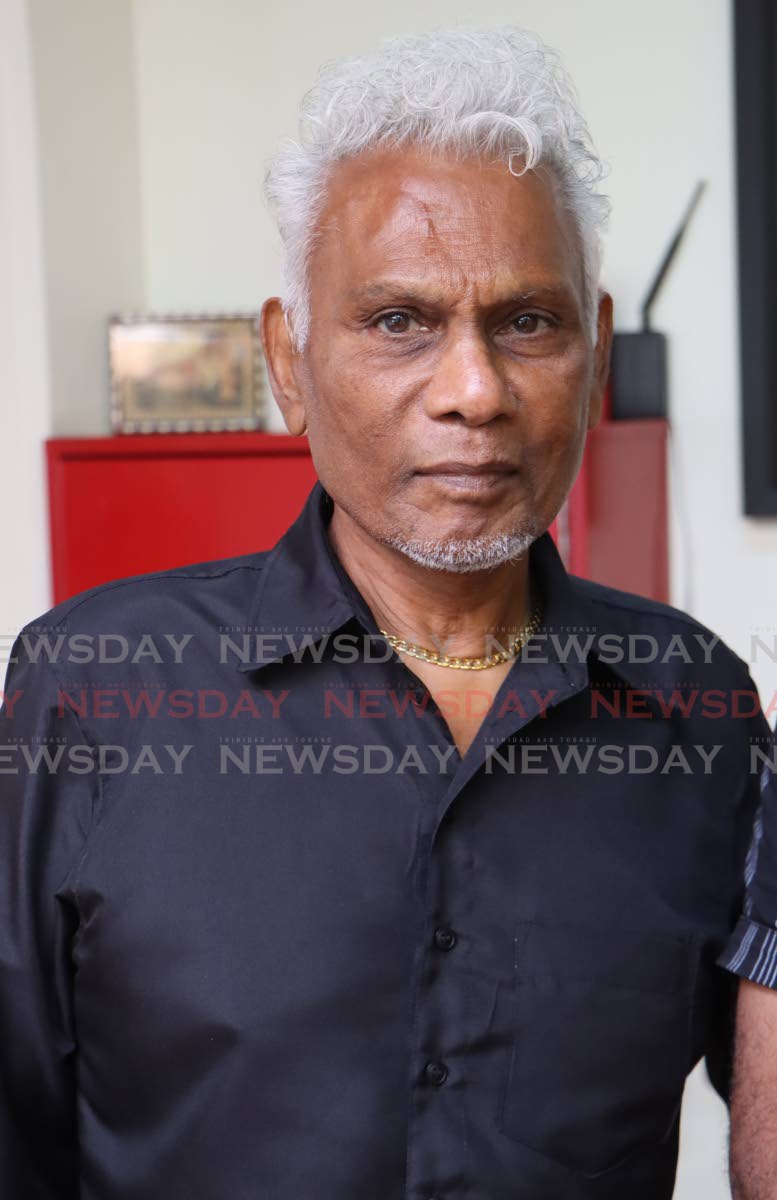
The University of Trinidad and Tobago (UTT) has announced that it will award honorary doctoral degrees to three distinguished citizens at its 2025 graduation ceremony on November 19. The honorees include Peter Elias, who will receive an honorary Doctor of Fine Arts; Israel Khan, who will be awarded an honorary Doctor of Laws; and Jamwant Maharaj, who will be honored with an honorary Doctor of Science. Additionally, Gilman Figaro, founder and chairman of the Sunshine Awards and a prominent supporter of Caribbean music, will be named an honorary distinguished fellow.
Peter Elias, a renowned figure in the fashion industry, has made significant contributions to couture and Carnival costume design, particularly through his work with The Lost Tribe. His selection marks only the ninth honorary doctorate in fine arts at UTT, with Meiling Esau (2017) being the only other active fashion designer previously honored.
Israel Khan, president of the Criminal Bar Association and founder of Justitia Omnibus Law Chambers, has been a leading figure in the legal field since 1979. In 2023, he was recognized as one of the six most distinguished graduates of the Hugh Wooding Law School on its 50th anniversary. Khan has also served as a tutor at the institution for over three decades.
Jamwant Maharaj, a former chemistry teacher at Naparima College, has authored and published educational books for CSEC and CAPE students. He continues to mentor students through the online platform WEXL, leaving a lasting impact on the field of education.
An honorary doctorate, or honoris causa, is a prestigious recognition of an individual’s lifetime achievements and contributions to society. Unlike traditional academic degrees, it does not require formal scholarship but acknowledges the profound impact of the recipient’s work. This award inverts the conventional educational paradigm by celebrating a body of work that may itself become a subject of academic study.
UTT has a history of honoring influential figures, including Nelson Mandela, who received over 50 honorary degrees for his anti-racism and peace advocacy. Since 2005, UTT has recognized a diverse group of luminaries, such as Geoffrey Holder, Mungal Patasar, and Le Roy Clarke. Notably, only five of these honors have been awarded posthumously, highlighting the importance of celebrating living contributors to society.
-

25 TTEC workers to bring ‘light, hope’ to Jamaica
A team of 25 professionals from the Trinidad and Tobago Electricity Commission (TTEC) has been dispatched to Jamaica to assist in restoring power following the devastation caused by Hurricane Melissa. The mission, costing approximately $2.24 million, was announced by Minister of Public Utilities Barry Padarath during a media briefing at Piarco Airport on November 10. The hurricane, a Category 5 storm, struck Jamaica on October 28, resulting in over 30 fatalities and widespread damage to infrastructure. Prime Minister Andrew Holness declared the island a disaster zone. Padarath emphasized the importance of the mission, stating that it reflects compassion and humanity rather than financial considerations. The TTEC team will remain in Jamaica for 30 days, focusing on restoring electricity in severely affected areas, particularly Montego Bay. Preliminary assessments revealed that 55% of the island remains without power two weeks post-hurricane. The government mitigated costs by chartering a flight with Caribbean Airlines. Acting General Manager of TTEC, Vijay Ramnanansingh, praised the team for their commitment and urged them to prioritize safety while restoring hope and infrastructure in Jamaica.
-

Dunn’s River Falls and Harmony Beach Park to reopen on Tuesday — UDC
KINGSTON, Jamaica — In a significant move toward restoring normalcy, the Urban Development Corporation (UDC) has announced the reopening of two major public spaces: Dunn’s River Falls and Park in Ocho Rios, St Ann, and Harmony Beach Park in Montego Bay, St James. Both locations will welcome the public starting Tuesday, November 11.
-

Two Killed, Several Injured in RTA’s Over the Weekend
A series of devastating road traffic accidents over the weekend in the Cayo District, Belize, has left two people dead and several others injured, prompting urgent calls for enhanced road safety measures. The most severe incident occurred early Sunday morning in Ontario Village, where a car driven by 27-year-old Jovan Middleton struck a culvert and overturned. Middleton died instantly, while his passenger, Ashley Mejia, 27, sustained critical injuries and later succumbed to them. The cause of the crash remains under investigation. In a separate incident on Saturday night, two motorcyclists collided in Teakettle Village, resulting in injuries that required hospitalization. Their current conditions are unknown. Another accident in Belmopan involved a motorcycle and a pickup truck, with the motorcyclist rushed to the Western Regional Hospital for emergency care. Witnesses at the scene alleged that the pickup truck driver appeared intoxicated, further highlighting the dangers of impaired driving. In response to the escalating number of fatal accidents, Chester Williams, Chief Executive Officer of the Ministry of Transport, expressed deep concern, particularly about the rising incidents involving motorcycles. He announced that the ministry is collaborating with the Belize Police Department to intensify highway patrols, establish checkpoints, and enhance officer training. Additionally, stricter traffic laws, already approved by the Cabinet, are set to be presented in the House of Representatives this month. Williams emphasized that while legislative measures are crucial, the collective responsibility of all road users to adhere to traffic laws is essential to curb the alarming trend.
-

EDITORIAL: At the crossroads of the youth voice and their vote
The significance of youth participation in democratic processes has been a recurring theme in countless discussions and writings. While the importance of including all societal sectors in politics is widely acknowledged, the focus here is on the urgent need for meaningful youth engagement in Saint Lucia. Young people constitute a substantial portion of the population, making their involvement not just desirable but essential for the nation’s progress. Merely telling them that their voices and votes matter is insufficient; actions must align with words to foster hope and trust. The United Nations defines youth as individuals aged 15 to 24, and in Saint Lucia, this group, along with those up to 39 years old, represents nearly 40% of the population. This demographic holds immense potential to influence the country’s political, economic, and social trajectory. However, too often, youth are included in political processes superficially, either for symbolic gestures or token representation. This must change. Young people must recognize their collective power, equip themselves with knowledge, and actively advocate for policies that impact their lives. Historical attempts to establish a National Youth Policy in Saint Lucia have been marred by delays and insufficient political backing. It is time to move beyond rhetoric and implement concrete measures that ensure youth voices are not only heard but also acted upon. The youth are not just the future; they are the present, and their engagement is critical for the nation’s prosperity.
-

Autobestuurder slachtoffer gewapende overval Mawakaboweg
In the early hours of November 9, a driver fell victim to a violent armed robbery near a shop on Mawakaboweg. The incident occurred around 3:13 AM when the victim was boxed in by a gray Toyota Vitz. Three masked individuals emerged from the vehicle, forcibly taking a bag containing cash in US dollars, euros, and Surinamese dollars, along with important documents and personal belongings. During the altercation, the victim sustained a gunshot wound to his right knee and was promptly transported to a medical facility for treatment. The perpetrators fled the scene in the direction of Mohamed Rashid Pierkhanweg, leaving authorities to investigate the crime. This brazen act of violence has raised concerns about safety in the area, as police work to apprehend the suspects and prevent further incidents.