分类: society

  • Inmate awarded $150k for broken leg, faeces ‘bath’

    Inmate awarded $150k for broken leg, faeces ‘bath’

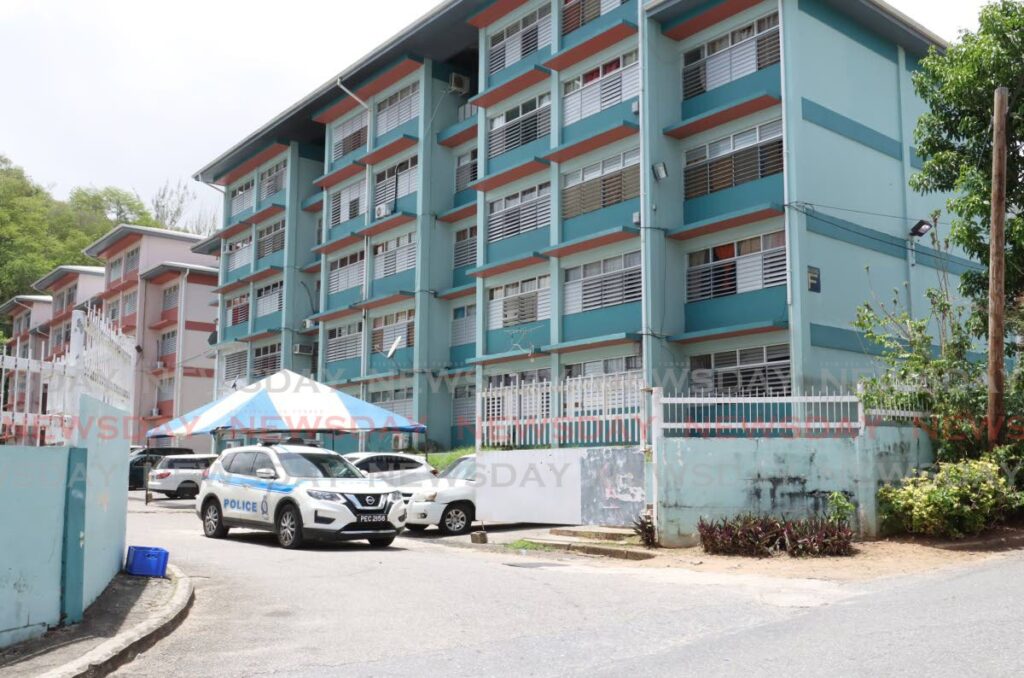
    In a landmark ruling addressing correctional facility misconduct, Trinidad’s High Court has condemned prison officers for employing disproportionate violence against an inmate during a 2015 incident at Golden Grove Prison. Justice Carol Gobin delivered a scathing assessment of the officers’ conduct, finding the State liable for assault, battery, and negligence despite acknowledging the inmate’s initial provocation.

    The case centered on events occurring July 4, 2015, during institutional lockdown procedures. Inmate Kurt Christopher Bridgelal, then on remand status, initiated conflict by discarding waste contents from his cell after being denied permission to bathe. When portions struck a prison officer, the situation escalated dramatically as the officer retaliated by hurling three successive pails containing human excrement and urine into Bridgelal’s cell.

    Justice Gobin’s judgment emphasized that while Bridgelal’s actions constituted assault, the officers’ response represented “excessive and unreasonable force” that violated professional standards. The situation further deteriorated when officers extracted Bridgelal from his cell, employing physical restraint tactics that resulted in severe leg fractures requiring extensive medical intervention.

    The State’s defense, claiming injuries resulted from Bridgelal’s attempted escape and subsequent fall, was expressly dismissed as inconsistent with evidence. Medical documentation confirmed fractures to both tibia and fibula bones, necessitating hospital treatment and prolonged immobilization.

    Financial compensation totaling $150,000 TT was awarded, comprising $115,000 in general damages and $35,000 in exemplary damages—the latter specifically addressing the court’s condemnation of the officers’ conduct. Additional interest accrues from the incident date through December 18, 2024.

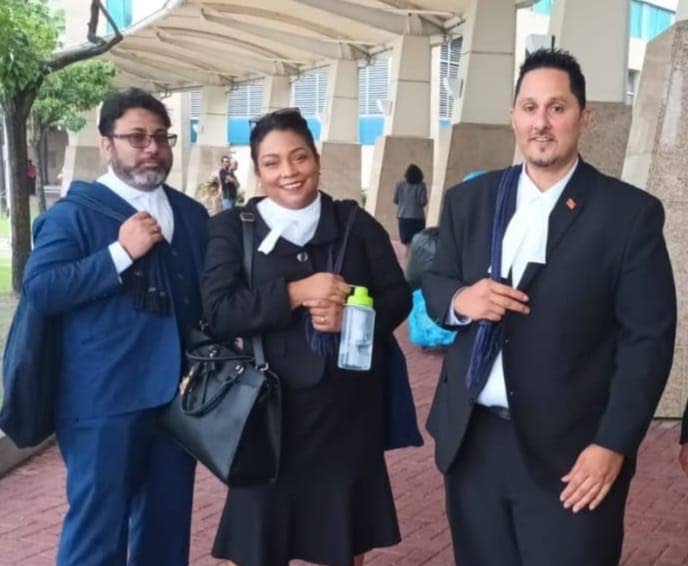
    Legal representation for Bridgelal was provided by attorneys Amit Mahabir, Bernadette Arneaud, and Joseph Sookoo, who successfully established institutional accountability for correctional staff actions. The ruling reinforces judicial scrutiny over prison conditions and use-of-force protocols within Trinidad’s penal system.

  • 10 ways to spend Christmas Eve

    10 ways to spend Christmas Eve

    Amidst a challenging year, Jamaica’s Christmas spirit shines undiminished, with Christmas Eve standing as a cultural cornerstone rivaling Christmas Day itself. The island nation embraces this festive night through diverse traditions that blend religious observance, community bonding, and distinctive Jamaican flair.

    Urban centers and rural towns transform into vibrant Gran’ Markets on Christmas Eve, where streets become pedestrian thoroughfares brimming with seasonal commerce. Families with children particularly delight in the late-night shopping atmosphere, with toys and trinkets covering every available surface in a spectacle of pre-Christmas excitement.

    For the devout, Christmas Eve services offer spiritual reconnection through solemn reflection and joyful praise, honoring the religious significance of the season. Alternatively, many Jamaicans opt for cozy home celebrations featuring movie marathons accompanied by traditional beverages like sorrel, rum punch, or egg nog.

    Practical considerations blend with festivities as last-minute shoppers complete their gift purchases, while culinary preparations for Christmas dinner begin in earnest. The social spectrum ranges from vibrant parties—with emphasis on responsible celebration and transportation safety—to quiet evenings of rest after a demanding year.

    Community solidarity manifests through volunteer efforts supporting vulnerable populations, particularly those affected by Hurricane Melissa. Musical traditions flourish as caroling troupes spread seasonal cheer through neighborhoods, while literary enthusiasts embrace Christmas novels with refreshing sorrel drinks as alternative entertainment.

    This tapestry of activities reflects Jamaica’s resilient spirit, demonstrating how cultural traditions adapt while maintaining their core significance during the holiday season.

  • Victoria Brown Hanley’s funeral underway

    Victoria Brown Hanley’s funeral underway

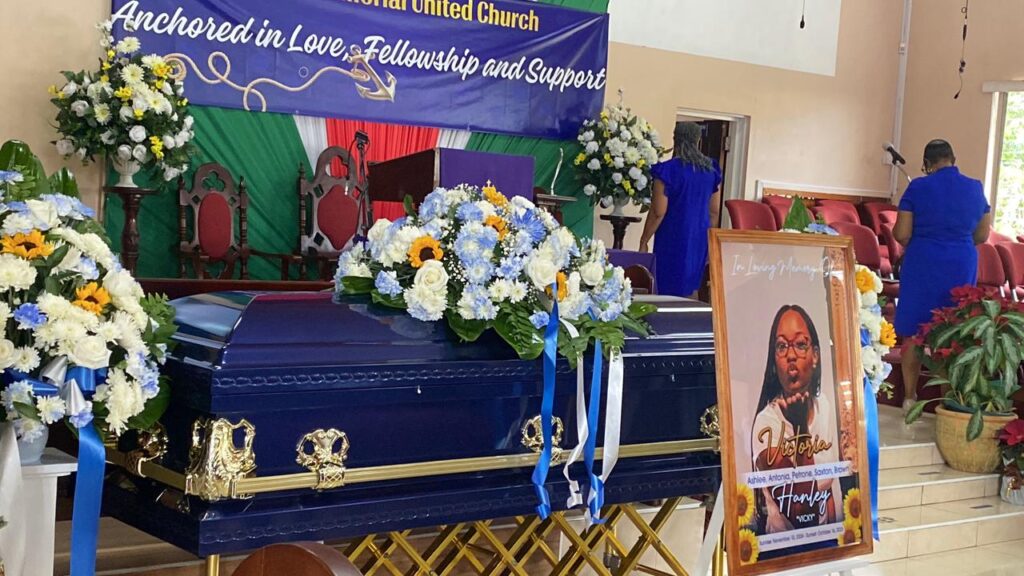
    MANCHESTER, Jamaica — The Andrews Memorial United Church in Mandeville became a place of solemn gathering as mourners assembled to honor the memory of Victoria Brown Hanley, the 20-year-old University of the West Indies student whose life ended tragically on October 16.

    The funeral service witnessed a floral-adorned blue casket containing the remains of the young student, whose death has raised numerous questions within the academic community and beyond. Official autopsy results confirmed the cause of death as strangulation, contradicting earlier speculation about the circumstances surrounding her passing.

    According to investigative reports, the sequence of events began in the early hours of October 16 when Brown Hanley was alone in her fourth-floor room at George Alleyne Hall following her roommate’s departure shortly after 1:00 am. The roommate discovered the tragic scene upon returning approximately five hours later, finding Brown Hanley face-down with a scarf tightly wound around her neck. After removing the constricting item, the roommate immediately alerted campus security personnel.

    The Mona Police Post responded promptly to the emergency call, but their confirmation of Brown Hanley’s death marked the beginning of an ongoing investigation into the mysterious circumstances. The Manchester address student’s untimely demise has sparked conversations about campus safety protocols and student welfare measures at educational institutions across Jamaica.

  • Ecuador soldiers sentenced to 35 years in deaths of 4 children

    Ecuador soldiers sentenced to 35 years in deaths of 4 children

    In a landmark ruling that has sent shockwaves through Ecuador, eleven military personnel have been convicted and sentenced to 34 years and eight months imprisonment for the forced disappearance and brutal killing of four children in Guayaquil. The sentencing, announced by Ecuador’s Attorney General’s Office on Monday, concludes a harrowing case that exposed severe human rights violations within the nation’s armed forces.

    The victims, aged 11 to 15, had left their homes to play soccer in the port city of Guayaquil—a region plagued by escalating gang violence—when they were detained by members of the Ecuadoran Air Force. Their charred remains were discovered on Christmas Eve, bearing evidence of execution-style gunshot wounds to the head and signs of torture.

    During the trial, video evidence presented in court depicted one soldier shooting a child at point-blank range and another assaulting a minor with a rifle. Five additional military personnel who cooperated with investigators received reduced sentences of 30 months.

    Nataly Morillo, head of Ecuador’s Ministry of Government, declared the verdicts ‘a definitive step toward truth and justice,’ emphasizing that ‘nobody is above the law.’ The case has drawn intense scrutiny from international human rights organizations, with Amnesty International repeatedly urging the armed forces to acknowledge institutional responsibility.

    The killings occurred against the backdrop of President Daniel Noboa’s aggressive anti-gang campaign, which has deployed military forces for urban policing duties in Guayaquil. Once considered one of Latin America’s safest nations, Ecuador has transformed into a major cocaine transit corridor, with Guayaquil recording 1,900 murders between January and September alone—the highest homicide rate in the country.

    In January, Defense Minister Gian Carlo Loffredo issued a public apology for the incident, though the verdict has intensified debates about military accountability and the ethical boundaries of state-led security operations.

  • Bestial behaviour

    Bestial behaviour

    The recent killing of a protected ocelot in Grande Riviere has sparked outrage and concern among conservationists in Trinidad. This incident highlights critical gaps in wildlife protection and enforcement mechanisms despite substantial government investment in preservation strategies.

    Trinidad’s ocelot population represents a unique evolutionary case study. Unlike their mainland counterparts, these wild cats evolved without competition from larger carnivores like jaguars or pumas, having become isolated when rising sea levels separated Trinidad from the South American continent millennia ago. This distinctive biological heritage makes their conservation particularly significant.

    Disturbing evidence emerged when activists discovered a slain ocelot containing eight shotgun slugs upon examination by University of the West Indies veterinarians on December 17. Social media circulated images of the magnificent creature with its distinctive black, brown, and cream fur markings, drawing public attention to the incident.

    Environmental experts suggest hunters may be targeting ocelots to boost agouti populations, demonstrating a fundamental misunderstanding of ecological balance. While not universally classified as endangered, anecdotal evidence indicates declining ocelot numbers due to human activities, with this incident providing troubling confirmation.

    The situation raises serious questions about the implementation of the government’s $160,000 ocelot management plan developed by the Ministry of Planning and Development. Conservationists now question whether these protections exist merely on paper rather than being actively enforced.

    Commentator Paolo Kernahan observes that such incidents reflect broader educational deficiencies regarding environmental stewardship. This knowledge gap leads to destructive behaviors that ultimately undermine both biodiversity and economic potential.

    Paradoxically, the October budget emphasized tourism development through initiatives like the “Turtle Tourism Capital” project, promoting integration of “culture, conservation and community.” Wildlife protection represents not just an ecological imperative but also an economic opportunity that requires serious enforcement measures to prevent such counterproductive actions.

  • One year later, prayer service for missing Pete Phillip

    One year later, prayer service for missing Pete Phillip

    A solemn prayer service was held on December 22, 2025, at the La Romaine home of missing oil rig worker Pete Phillip, marking one year since his disappearance in a catastrophic rig collapse. The intimate gathering brought together immediate family members to commemorate the tragedy that presumably claimed Phillip’s life.

    The incident occurred in the early hours of December 22, 2024, when Well Services Ltd Rig 110 in the East Soldado Field suffered a partial structural failure during drilling operations. Among the 75 employees aboard, Phillip was the sole individual unaccounted for following the collapse. Despite extensive search and recovery efforts mounted immediately after the accident, his remains have yet to be recovered.

    Preparations for the memorial service were underway at the family home, where Phillip’s mother Patricia and sister Pauline coordinated meals for close relatives. As devout Pentecostals, the family made a collective decision to hold the prayer meeting despite the absence of a body or formal funeral proceedings.

    Pauline explained the family’s perspective: “We decided we had to mark the one-year anniversary. At least we can still put him to rest spiritually until we can recover his remains—whatever bones might be left.”

    Patricia Phillip, struggling with emotion, recalled receiving the devastating news while visiting her sister in New York. She immediately caught one of the first flights home, spending Christmas in Point Fortin during rescue operations, praying for her son’s safe return.

    The family continues to endure significant anxiety as recovery efforts remain stalled due to safety concerns regarding the unstable rig structure. Well Services Ltd has indicated they have a general idea of Phillip’s location within the wreckage but require specialized equipment from abroad to stabilize the structure before proceeding with recovery.

    A November 12 company release announced that a US-based contractor had arrived to undertake stabilization work and remove hazardous materials. The recovery of Phillip’s remains will commence once this initial phase is completed, though no specific timeline has been provided. The company has obtained necessary approvals from multiple regulatory agencies including the Environmental Management Agency and the Ministry of Energy.

    Family members have expressed frustration with the pace of recovery operations. Pauline stated, “I find they’re moving too slow. If this involved some minister or important person, they would have acted more quickly.” Patricia echoed this sentiment, suggesting that the response would have been different “if it was some big man, some big pappy.”

    Communication issues have compounded the family’s distress. The company has primarily engaged with Phillip’s wife, Candacy, as next of kin, leaving other family members feeling excluded from critical updates. “We just have to wait for whatever message we get from them,” Pauline lamented.

    Despite these frustrations, the family acknowledges the company’s support for Candacy and Phillip’s five children, including an 18-year-old son from a previous relationship. The company has provided educational support, weekly stipends, and home improvements for the family.

    Candacy, who was pregnant at the time of the accident, gave birth to Javon Pete Phillip in February—a son who will never know his father. The family now hopes recovery efforts might be completed before what would have been Phillip’s birthday on January 17.

  • Agriculture minister hosts children’s Xmas party

    Agriculture minister hosts children’s Xmas party

    In a heartwarming display of seasonal generosity, Minister of Agriculture and Fisheries Ravi Ratiram orchestrated a large-scale Christmas celebration for ministry staff families on December 21. The National Cycling Velodrome in Couva transformed into a festive wonderland, welcoming approximately 800 children for an afternoon of merriment and community bonding.

    The event exemplified the ministry’s dedication to staff welfare and family-oriented engagement practices. Minister Ratiram emphasized the significance of creating nurturing environments for children during his address, stating, ‘Christmas reminds us of what truly matters: family, love, kindness, gratitude and hope. When we invest in our children and create spaces where they feel valued and cherished, we are planting seeds for a stronger future for Trinidad and Tobago.’

    The celebration featured an array of entertainment including games, musical performances, and special surprises that delighted both children and parents alike. The minister personally acknowledged the crucial role that families play in supporting public officers, drawing a direct connection between domestic values and professional excellence.

    Ratiram also expressed profound appreciation for ministry staff, recognizing their commitment to national food security initiatives and sustainable agricultural development. He noted that the dedication shown by employees in their official capacities reflects the same values they demonstrate within their households.

    Concluding the festivities, Minister Ratiram extended heartfelt seasonal greetings to all attendees, wishing them a safe, joyful Christmas and prosperous New Year. The event successfully reinforced themes of unity, generosity, and goodwill that characterize the holiday season while strengthening institutional morale.

  • Powder Magazine residents brace for violence again

    Powder Magazine residents brace for violence again

    Residents of Phase One, Powder Magazine in Cocorite are reporting a dramatic resurgence of criminal activity and a corresponding decline in police patrols, creating an atmosphere of pervasive fear more than a year after a mass shooting devastated their community.

    The traumatic memory of the May 4, 2024 attack remains vivid, when gunmen in a dark-colored vehicle opened indiscriminate fire outside Building F, killing four residents—Shaquille Ottley, 22; Antonio Jack, 57; Sadiki Ottley, 31; and Jonathan Osmond, 36—and wounding eight others.

    During a recent visit by Newsday, explicit music blared through the concrete corridors as early as 9 AM, with groups of men congregating outside the same building where the shooting occurred. Multiple residents, speaking anonymously due to safety concerns, described deteriorating conditions including suspected illegal occupancy of a ground-floor apartment in Building F that they believe serves as a base for criminal operations.

    An elderly resident revealed she has abandoned reporting issues to police after numerous unanswered complaints. ‘I just give up now,’ she confessed, noting that fear prevents her from evening walks after dark. ‘I feel it’s only a matter of time before they shoot it up again.’

    A mother with young children described how security concerns dictate her family’s movements, restricting outdoor activities after 6 PM despite daylight hours. She and others acknowledged that while police presence was consistent immediately following the 2024 tragedy, providing a sense of security, these patrols have now virtually disappeared.

    The community’s appeal for intervention extends directly to Minister of Homeland Security Roger Alexander, with residents urging personal engagement and increased patrols. ‘The young people in here not lost. They just need better role models and real attention,’ one resident emphasized.

    Despite reaching out to multiple authorities—including Housing Minister David Lee, Senior Superintendent Sylvester Williams, and Police Commissioner Allister Guevarro—Newsday received minimal official response. Minister Lee pledged an ‘immediate investigation’ into illegal occupancy claims, while other officials provided no substantive comment on the reduced police presence or ongoing security strategies.

    Young men in the community expressed their own misgivings, acknowledging constant concern about violence while demonstrating deep distrust toward law enforcement. ‘Anybody could just run in and shoot up the place,’ one stated quietly, capturing the prevailing sentiment of vulnerability abandoned by those tasked with their protection.

  • Calls for TTEC New East Side to be disqualified from small band finals

    Calls for TTEC New East Side to be disqualified from small band finals

    A significant controversy has erupted following the December 20 Panorama small conventional band semifinals, with mounting calls for the disqualification of TTEC New East Side Dimension. The Tobago-based steelband failed to perform in its originally drawn position of number five due to severe travel and accommodation complications, eventually taking the stage in position nineteen instead.

    Arranger Kersh Ramsey detailed to Newsday on December 21 the extraordinary logistical challenges that plagued the band’s journey from Tobago to Trinidad. These included critical transportation failures, accommodation breakdowns, and personal baggage delays that left musicians without basic necessities and unable to practice for the prestigious competition.

    The situation has drawn comparisons to previous Panorama incidents where strict enforcement of performance order rules led to disqualifications. Critics specifically reference Valley Harps’ elimination from medium band semifinals for technical difficulties and NLCB Fonclaire’s exclusion from a Panorama final after delayed instrument arrival. Some commentators have alleged preferential treatment, noting Ramsey’s familial connection to Pan Trinbago president Beverley Ramsey-Moore, though these claims remain unsubstantiated.

    Despite the controversy and significant competitive disadvantages, TTEC New East Side Dimension achieved a remarkable fourth-place finish with 272 points for their arrangement of Sparrow’s ‘Water de Garden,’ maintaining their preliminary round ranking. The band has secured advancement to the finals scheduled for January 10, 2026, at Skinner Park in San Fernando.

    The semifinal competition at Victoria Square, Port of Spain, saw Southern Stars Steel Orchestra (D’South Band) and Uptown Fascinators Steel Orchestra maintaining their leadership positions. Defending champions Golden Hands Steel Orchestra dramatically improved their standing from seventh to third place. Due to multiple scoring ties, sixteen bands instead of the planned fourteen will progress to the finals, including three-way ties for seventh and thirteenth places among several accomplished ensembles.

    Ramsey has indicated that comprehensive arrangements are being implemented to prevent recurrence of the logistical issues, allowing the band to focus entirely on their championship aspirations in the upcoming finals.

  • He won’t put a ring on it

    He won’t put a ring on it

    A relationship counselor has addressed the growing concerns among women in their late twenties and early thirties regarding marital timelines and relationship progression. The expert response came after a 30-year-old woman expressed anxiety about her three-year relationship showing no advancement toward marriage despite her clear intentions for family formation.

    Rev Christopher Brodber, a certified counselor and religious minister, emphasized the critical importance of establishing mutual life goals before deepening romantic involvement. He advised that individuals should approach relationships with both emotional and rational consideration rather than relying solely on romantic attraction. The counselor stressed that compatibility assessments should include alignment of visions, desires, and objectives rather than superficial qualities like physical appearance or perceived ambition.

    The expert identified a concerning pattern where some partners may delay marriage commitments when receiving relationship benefits without formal commitment. He referenced the Jamaican proverb about ‘getting milk without buying the cow’ to illustrate this dynamic. Brodber recommended that women establish clear boundaries and dealbreakers early in relationships, suggesting that serious discussions about future plans should typically occur within 18 months of dating for couples in their late twenties and thirties.

    While acknowledging changing social patterns where men may marry later due to various factors including financial considerations or commitment hesitancy, the counselor maintained that women should not abandon their marital aspirations. Instead, he advised seeking partners with congruent timelines and life goals. The expert concluded that difficult conversations and potentially difficult decisions are often necessary steps toward achieving long-term personal objectives regarding marriage and family formation.