分类: society

  • Urban agriculture: from skepticism to success

    Urban agriculture: from skepticism to success

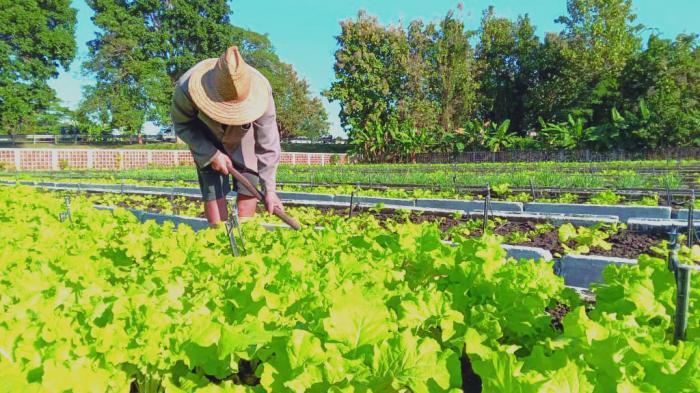
    The Cuban province of Pinar del Río prepares to host national celebrations marking the 38th anniversary of the Urban, Suburban, and Family Agriculture Program this Saturday, an initiative originally championed by Army General Raúl Castro Ruz. What began as a controversial experiment has evolved into a transformative food security system that continues to demonstrate remarkable resilience despite significant challenges.

    At the organic garden known as La Erea, located along the banks of the Guamá River, agricultural specialist Dany Mena García exemplifies the program’s success. “Here, one crop is harvested and another is planted right behind it. We never have unplanted beds,” he explains, describing a operation that maintains productive green beds throughout all twelve months of the year.

    The program’s journey hasn’t been without obstacles. Early skeptics questioned the logic of constructing urban garden beds while rural land remained underutilized. Initial harvests sometimes went to waste due to limited consumer demand. Yet persistence eventually transformed Cuban dietary habits, introducing chard, spinach, chives, carrots, beets, and approximately twenty other crops to complement the traditional limited vegetable selection.

    According to Lérida María Sánchez Díaz, head of the program at the Provincial Delegation of Agriculture in Vueltabajo, the initiative now encompasses 1,244 production structures across 1,278 hectares. These include organic farms, technified plots, intensive gardens, semi-protected gardens, and rustic greenhouses. The current production average stands at an impressive 10.2 kilograms per square meter, meeting projections established earlier this year.

    The program has demonstrated particular resilience in recovering from natural disasters. When Hurricane Ian devastated the region in 2022, destroying over 8,000 garden beds, the system rebounded within approximately one month with harvests of lettuce, chard, spinach, and chives already underway.

    International collaboration has played a crucial role in recent advancements. Miguel Espinosa Correa, administrator of the Ingeniería #1 organic garden, describes how solar panel irrigation systems donated through international projects have addressed electricity shortages. Additional support from United Nations, European Union, and Japanese Embassy initiatives has provided seeds, processing equipment, and transportation solutions for product distribution.

    Despite these achievements, challenges remain regarding organic matter availability and labor resources. However, increased operational autonomy has enabled producers to address issues directly—such as when Espinosa’s team purchased a replacement irrigation pump from local businesses rather than waiting years for bureaucratic solutions.

    With approximately 65,000 backyard gardens expected to join the provincial program by December’s end, and new ventures into dehydrated condiments and medicinal plants expanding product offerings, Cuba’s urban agriculture initiative continues to evolve beyond its original scope, driven by growing consumer demand and ongoing innovation.

  • Cold temperatures to mark the end of 2025 across the country

    Cold temperatures to mark the end of 2025 across the country

    SANTO DOMINGO – An unseasonable cold snap has descended upon the Dominican Republic, with meteorologists attributing the phenomenon to a persistent polar air mass. According to expert analysis from Jean Suriel, the unusually cool conditions are forecast to extend through the final week of 2025, marking a notably chilly conclusion to the year.

    Substantial temperature drops have been recorded nationwide, with the mountainous interior experiencing the most severe conditions. The town of Constanza registered a brisk 7°C (approximately 45°F) in the early morning hours, while the high-altitude region of Valle Nuevo reported temperatures dipping below freezing. Other elevated areas consistently saw readings between 9°C and 13°C (48°F to 55°F).

    The Cibao region in the north witnessed lows ranging from 13°C to 17°C (55°F to 63°F). Notably, the cooling effect has even reached the typically warmer southern coastal zones, where overnight and early morning temperatures have fallen to between 18°C and 22°C (64°F to 72°F). This pattern underscores the extensive reach of the current meteorological system, affecting populations and agriculture across diverse climatic zones of the country.

  • Over 425,000 passengers pass through Las Américas Airport during Christmas season

    Over 425,000 passengers pass through Las Américas Airport during Christmas season

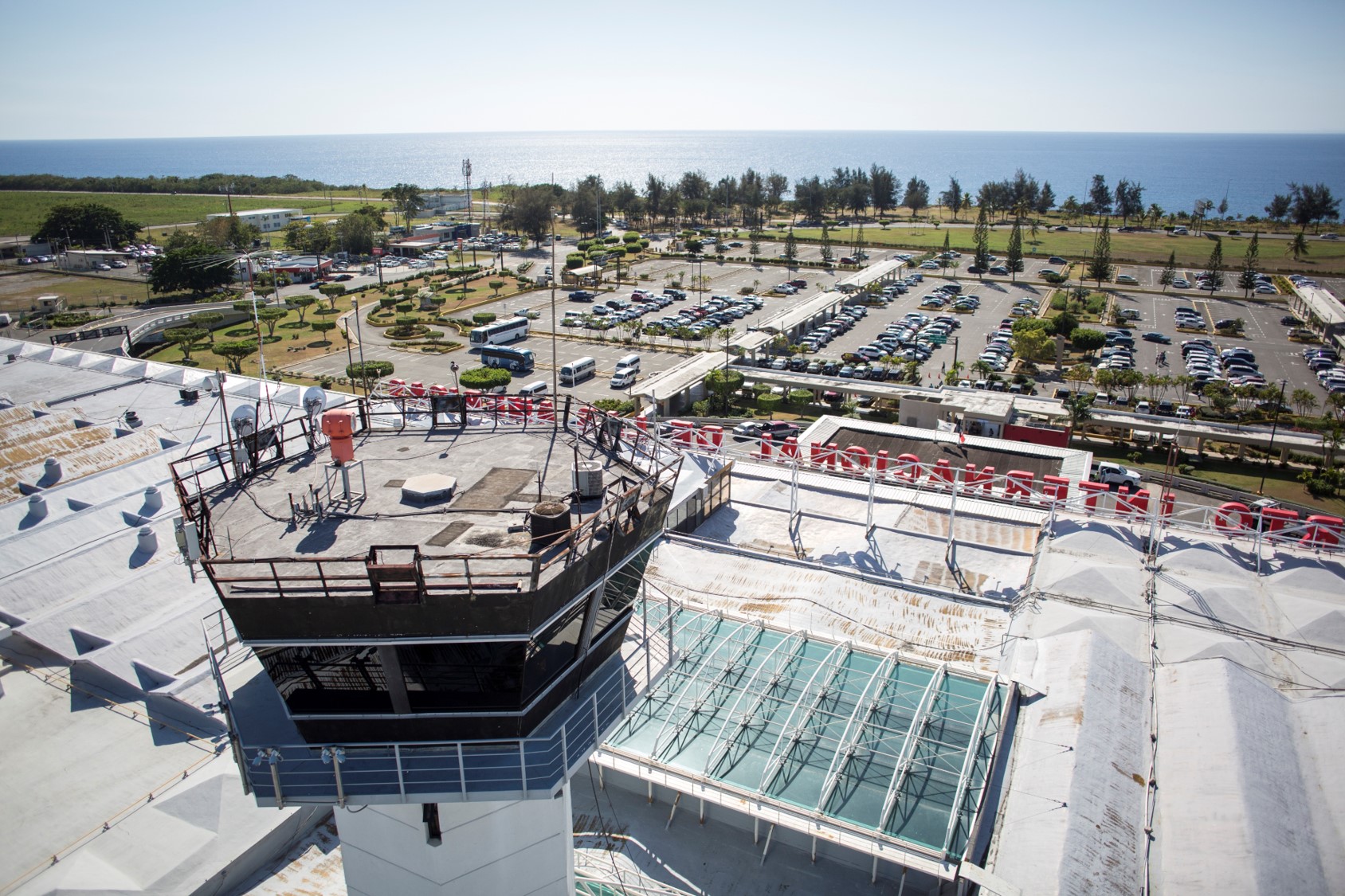
    Santo Domingo’s Las Américas International Airport (AILA) is witnessing unprecedented passenger volumes during this year’s Christmas season, primarily fueled by the massive return of the Dominican diaspora. Official data reveals that between December 1st and 23rd, the airport processed more than 425,000 travelers, with approximately 70% being Dominican nationals residing overseas—particularly in the United States and European countries. Projections indicate that diaspora travelers will constitute nearly 80% of December’s total passenger traffic, highlighting this annual homecoming tradition.

    Aerodom, the airport’s operator, reported exceptionally high activity during the first half of December alone, handling over 230,000 passengers and approximately 4,000 flight operations. While airport functions have maintained overall orderliness, some travelers experienced operational challenges including baggage delivery delays and confiscation of food items—particularly turkey meat—due to stringent agricultural health regulations implemented by the Ministry of Agriculture to protect domestic poultry production.

    In response to the seasonal surge, authorities have significantly enhanced health and security protocols. The Ministry of Public Health has intensified epidemiological surveillance at all arrival points, conducting symptom screenings for influenza-like illnesses and establishing coordinated response protocols with the national 9-1-1 emergency system. Simultaneously, the Specialized Airport and Civil Aviation Security Corps (CESAC) has bolstered security personnel and implemented reinforced control measures across AILA and other national airports to ensure safe and efficient passenger transit during this peak travel period.

  • COE reports high accident rate during first day of Christmas Safety Operation

    COE reports high accident rate during first day of Christmas Safety Operation

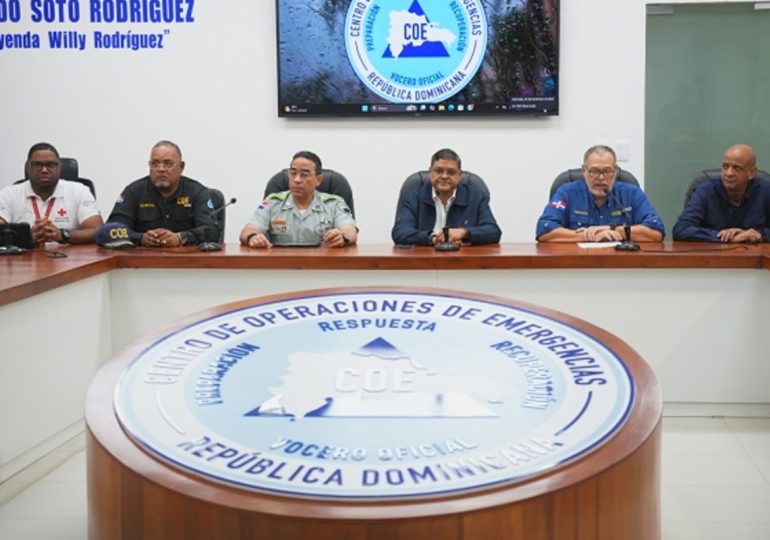
    SANTO DOMINGO – Dominican authorities reported a sobering toll from the inaugural 24-hour period of Operation Awareness for Life, the nationwide holiday safety initiative spanning Christmas and New Year 2025-2026. The Emergency Operations Center (COE) documented six fatalities and 63 traffic accidents between 6:00 AM December 24 and 6:00 AM December 25, underscoring the dangers of heightened seasonal road activity.

    Motorcycle-related incidents dominated accident statistics, constituting 48 of the total reported cases. Fatality analysis revealed three deaths each from motorcycle collisions and passenger vehicle accidents. Notably, only one death occurred within an established traffic safety checkpoint while five transpired beyond these controlled zones.

    Beyond traffic incidents, medical personnel addressed 165 poisoning cases – including 131 alcohol intoxication incidents (nine involving minors) and 34 food poisoning emergencies. Geographical distribution showed San Cristóbal, Santo Domingo, National District, San Pedro de Macorís, Duarte and Sánchez Ramírez as provinces with the highest incident concentrations.

    Preventative measures formed a crucial component of the operation. The National Institute of Transit and Transportation (Intrant) conducted nearly 8,000 public transport inspections nationwide, administering 321 substance tests to drivers which yielded six positive results. Simultaneously, Digesett traffic authorities performed over 8,200 traffic violation inspections, implemented vehicle impoundments for regulatory non-compliance, and delivered more than 10,000 roadside assistance interventions.

    Officials emphasized these statistics represent merely the operation’s initial phase, renewing urgent appeals for public vigilance and strict adherence to traffic regulations throughout the remainder of the holiday period.

  • Aqueduct pipe rupture in Sabana Iglesia triggers emergency measures

    Aqueduct pipe rupture in Sabana Iglesia triggers emergency measures

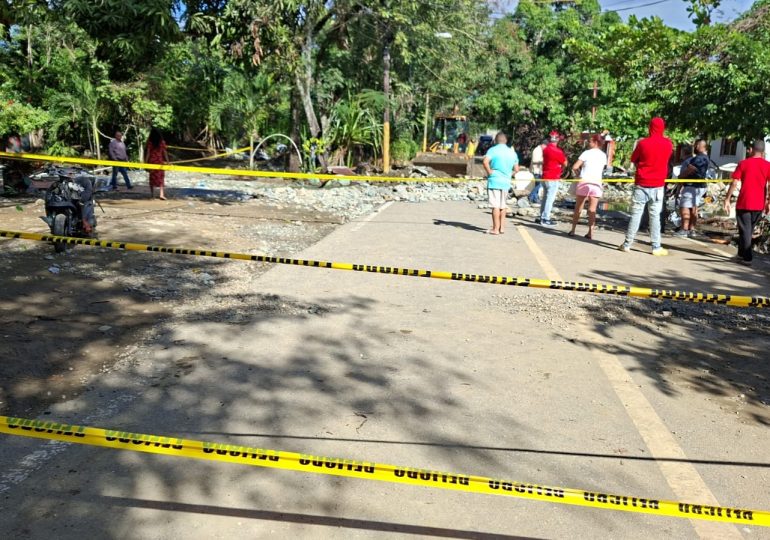
    SANTIAGO PROVINCE – A critical infrastructure failure has triggered a large-scale emergency response in the Dominican Republic’s Santiago province. On Thursday, December 25th, at 11:20 a.m., the primary intake pipe of the Cibao Central aqueduct ruptured in the community of La Zanja, Sabana Iglesia.

    The Santiago Water and Sewerage Corporation (Coraasan) has confirmed the incident resulted in no human casualties. However, the severity of the damage prompted an immediate declaration of an emergency status for the area. Heavy machinery and specialized technical crews were swiftly deployed to the site to initiate urgent repair operations.

    This conduit is the principal raw water supply line for the Noriega and Dura Moca treatment systems, boasting a substantial conveyance capacity of 5 cubic meters per second—equivalent to 115 million gallons daily. Consequently, the rupture has forced the complete shutdown of both the Dura Moca and Cibao Central aqueducts.

    The service interruption has left an estimated 800,000 residents across multiple communities without access to running water, creating a significant public utility crisis. In parallel with the engineering efforts, Coraasan’s social management division is actively conducting on-the-ground assessments. Their mission is to evaluate the broader impact on local families and coordinate necessary aid and support services.

    Authorities have committed all available institutional resources to expedite the restoration process, though a definitive timeline for full water service resumption has not yet been established. The situation remains dynamic as repair work continues around the clock.

  • Justice : The Government releases 23 prisoners for the holiday season

    Justice : The Government releases 23 prisoners for the holiday season

    In a significant humanitarian gesture during the 2025 holiday season, Haitian authorities granted freedom to 23 individuals who had been held in prolonged pretrial detention for minor offenses. The releases occurred on December 24th following an extensive case review process conducted by a high-level government delegation.

    The delegation included Justice Minister Patrick Pélissier, Women’s Rights Minister Pedrica Saint Jean, Government Commissioner Fritz Paterson Dorval, and Court Dean Bernard Saint-Vil. Their visit to the Center for the Re-education of Minors in Conflict with the Law (CERMICOL) spanned several hours and involved meticulous examination of detention files.

    Those released included vulnerable populations specifically identified for clemency: five women, one minor girl, thirteen minor boys, and four men. All had been incarcerated for several years despite facing only minor charges. Justice Minister Pélissier emphasized that the government carefully excluded anyone accused of serious crimes including rape, violent offenses, or kidnapping from this holiday pardon initiative.

    The action was implemented in strict accordance with Haitian legal provisions, with officials noting they considered the complex legal, social, and human circumstances of each individual case. The releases represent both a compassionate holiday gesture and a practical step toward addressing Haiti’s chronic issue of prolonged pretrial detention, particularly affecting women and juveniles in the judicial system.

  • Toddler drowns early Christmas Day

    Toddler drowns early Christmas Day

    A devastating incident unfolded in the early hours of Christmas Day 2025 in the Lower Pomeroon River region of Guyana, resulting in the tragic drowning of a two-year-old girl. Zoria Seegobin, who had been staying with relatives at Grant Atlas for the holiday season, was discovered missing from the residence between 2:15 and 2:30 AM on December 25th.

    According to official statements from the Guyana Police Force, relatives initiated a search after discovering the toddler’s absence from the home. The search concluded tragically when her body was located submerged in a nearby trench. The preliminary investigation indicates accidental drowning as the cause of death, though authorities continue to examine the circumstances surrounding the incident.

    Emergency response efforts were immediately mobilized by family members who transported the child to Charity. Police personnel subsequently escorted the girl to Charity Cottage Hospital, where the attending physician pronounced her dead upon arrival. The body has been transferred to the Suddie Hospital Mortuary pending a formal post-mortem examination to determine the exact cause of death.

    The Guyana Police Force has confirmed that investigations remain ongoing but has not disclosed whether any individuals have been detained for questioning in connection with the tragedy. The community of Grant Atlas, typically filled with holiday cheer during the Christmas season, has been plunged into mourning following this heartbreaking incident.

  • Despite Christmas Eve lull, travellers highlight Bim’s enduring appeal

    Despite Christmas Eve lull, travellers highlight Bim’s enduring appeal

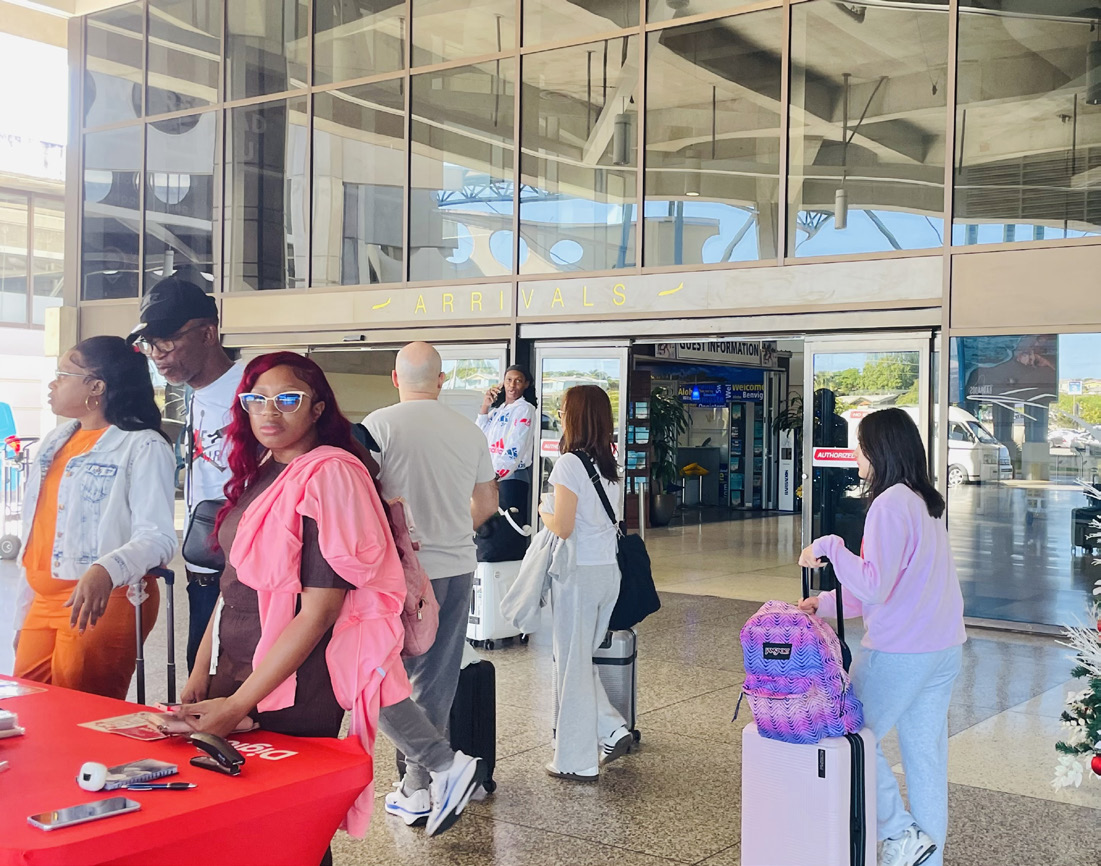
    Grantley Adams International Airport exhibited an unusual tranquility on Christmas Eve morning, contrasting with the typical bustling holiday atmosphere. While the terminal maintained a steady flow of passengers, the customary festive frenzy was notably absent, revealing evolving travel behaviors during the holiday season.

    Travelers arriving in Barbados demonstrated diverse motivations for their Christmas visits. Kareem Kirton, a solo traveler from Grenada, embodied the growing trend of experiential tourism. “Just for the experience,” Kirton explained, highlighting his recent embrace of independent travel. While uncertain about making it a regular practice, he planned to explore Harrison’s Cave and Oistins, emphasizing that meaningful human connections remained his primary objective.

    The departure lounge revealed complementary travel patterns, with a Barbadian citizen embarking on a holiday journey to Panama. “Things didn’t materialize for another destination,” the traveler noted, explaining the decision to return to a familiar location for both academic pursuits and relaxation. Despite being abroad, Christmas Day would maintain familial elements through connections with local friends, preserving the holiday’s essence of togetherness.

    Repeat visitors underscored Barbados’ enduring appeal. Judi David, making her fourth visit from Grenada, simply stated: “Because it is our go-to place for vacation.” Without family on the island, she attributed her returns to established friendships and familiarity. Her plans centered around complete relaxation at Wyndham Resort, embodying the holiday spirit of “drink and be merry.”

    Another traveler combined birthday celebrations with Christmas festivities, creating a dual-purpose visit. Having previously lived and studied in Barbados decades ago, this marked his first Christmas experience on the island. Though his stay was brief—merely two days—it represented meaningful seasonal reconnection with family, potentially including spa treatments and hotel enjoyment.

    The airport’s moderate activity level reflected neither decline nor boom, but rather a maturation of travel patterns where quality of experience outweighs conventional holiday obligations, suggesting deeper transformations in how people choose to celebrate the festive season.

  • Sanctuary overwhelmed as pet abandonment surges

    Sanctuary overwhelmed as pet abandonment surges

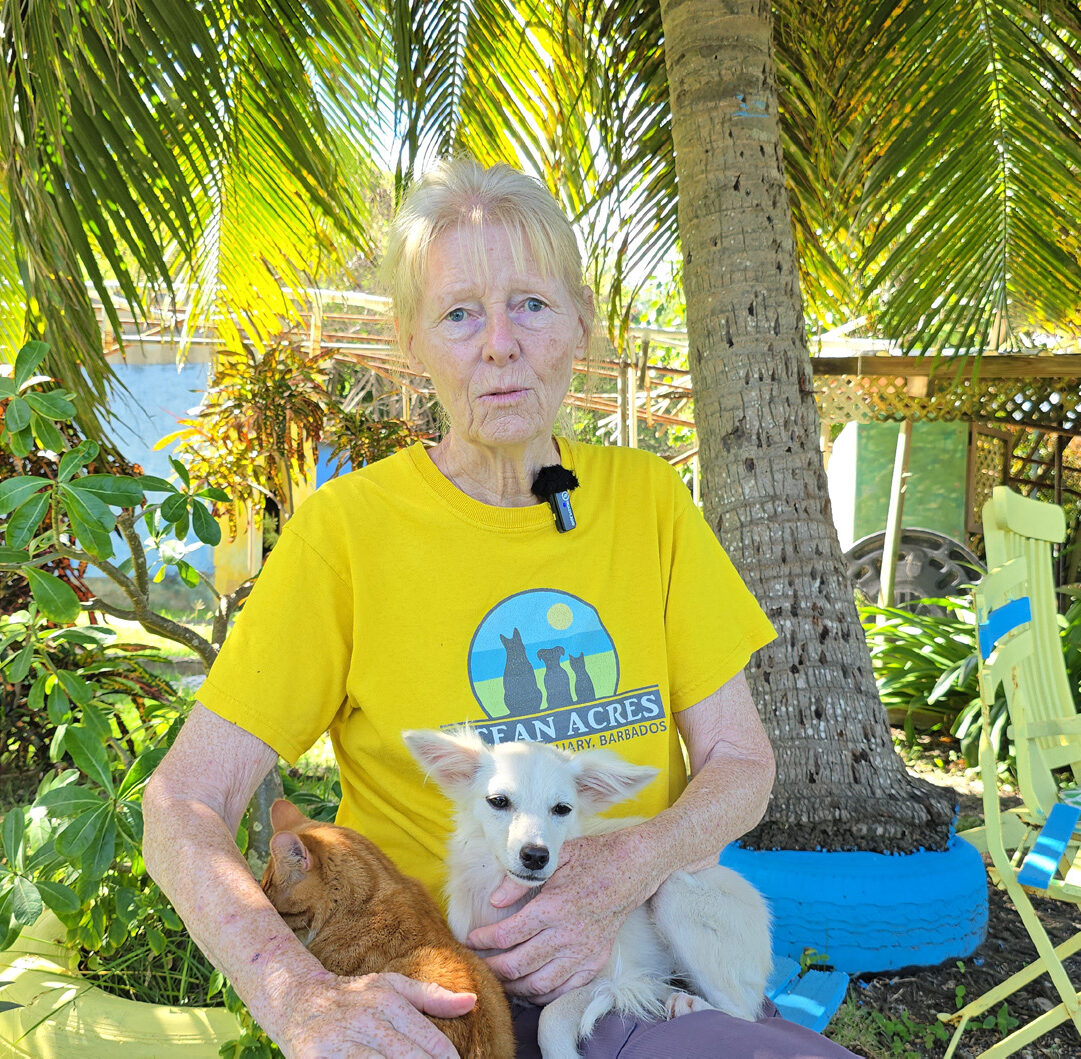
    Ocean Acres Animal Sanctuary in Barbados is confronting an escalating animal welfare emergency as unprecedented numbers of abandoned dogs overwhelm the island’s shelter system. The facility, engineered to humanely accommodate approximately 80 canines, is currently operating at more than double its intended capacity according to sanctuary director Karen Whittaker.

    With all Barbadian shelters reporting full occupancy, Ocean Acres faces impossible choices between dangerous overcrowding and turning away animals in need. “We’re constantly pressured to accept owner-surrendered pets despite lacking adequate space,” Whittaker stated. This overcrowding creates volatile conditions that risk animal conflicts and compromised welfare standards.

    The crisis stems primarily from insufficient long-term planning by pet owners, Whittaker explained. Many residents acquire animals without considering decade-long commitments or life changes including relocations, medical emergencies, or work obligations. Rather than making formal arrangements, some owners resort to irresponsible abandonment methods that create public nuisance issues.

    Whittaker identified uncontrolled breeding as a fundamental driver of shelter overpopulation. A single female dog can generate tens of thousands of descendants through successive generations, creating unsustainable population growth. The sanctuary receives numerous calls about unwanted litters, with many puppies succumbing to preventable conditions like parvovirus, parasites, or starvation before rescue teams can intervene.

    As a stopgap measure, Ocean Acres has facilitated international transfers sending 250 dogs to Canadian adoption programs this year alone. These complex operations involve substantial expenses including veterinary screenings, specialized kennels costing approximately $600 each, and export certifications priced at $30 per animal. While Air Canada occasionally waives transportation fees, these cost mitigations occur in only half of cases.

    The organization’s operational costs range between $70,000-$80,000 monthly for basic animal care, not accounting for emergency medical treatments. With limited public funding and resources, the sanctuary struggles to maintain adequate service levels despite growing demands.

    Whittaker advocates for governmental recognition of pet overpopulation as both a social responsibility and public health priority. She emphasizes educational initiatives promoting responsible ownership practices, including spay/neuter programs and lifetime commitment awareness. For unavoidable surrender situations, Whittaker stresses the ethical necessity of veterinary-supervised euthanasia over irresponsible abandonment.

    As Barbados faces this growing humanitarian challenge, coordinated efforts between shelters, government agencies, and the public are urgently needed to address systemic causes and ensure animal welfare standards.

  • Police Commissioner’s 2025 Christmas message

    Police Commissioner’s 2025 Christmas message

    In an extraordinary Christmas address that transcended traditional law enforcement messaging, Police Commissioner Enville Williams delivered a powerful reflection on national resilience and social cohesion to the people of St. Vincent and the Grenadines. Speaking as both police commissioner and native son, Williams articulated a vision of security that extends beyond conventional policing measures to encompass the fundamental bonds of community.

    The Commissioner reflected on the distinctive tranquility that envelops the Caribbean nation during Christmas morning—what he characterized as ‘the silence of a nation catching its breath.’ His message highlighted the country’s remarkable demonstration of political maturity during recent transitional periods, noting that despite regional scrutiny, the nation avoided descending into chaos that often accompanies political changes elsewhere.

    Williams emphasized that true national security constitutes a social covenant rather than merely a law enforcement responsibility. He described this security as a collective promise where neighbors safeguard each other’s homes while police protect the streets. The Commissioner specifically acknowledged various segments of Vincentian society, including mothers in Fancy, fishermen in the Grenadines rebuilding after Hurricane Beryl’s devastation, and youth in Kingstown navigating an evolving future.

    The address proposed that the most effective protection against criminality emerges not from weaponry but from unity cultivated around Christmas tables. Williams identified shared meals, communal caroling, and reconciliation of past grievances as fundamental components of national security. He urged citizens to approach 2026 unburdened by 2025’s conflicts, advocating for the replacement of anger with brotherhood and collective construction of a brighter future.

    Concluding his message, Commissioner Williams extended Christmas wishes on behalf of all police officers maintaining watch during holiday celebrations, invoking peace across the nation’s diverse geography from mountain peaks to distant cays.