
A prominent luxury resort has come under scrutiny after dismissing at least six employees who reported stomach pain during their shift, sparking widespread concern about worker treatment and disciplinary practices in the hospitality sector. The terminations followed a month-long suspension and internal investigation into an incident on October 19, 2025, when several staff members left work early due to illness. Management deemed their departure a disruption to guest services and a violation of Section C58 of the Labour Code, labeling it as misconduct justifying immediate dismissal. Termination letters reviewed by this newsroom suggested that the employees’ complaints of stomach pain were interpreted as a coordinated effort to stage a work stoppage, which the resort claimed ‘eroded trust and confidence’ essential for employment. Notably, the employer has not provided medical evidence to refute the employees’ claims of illness, raising questions about the fairness of the dismissals. Labour experts emphasize that sudden illnesses at work are typically treated as health issues rather than misconduct unless clear evidence of industrial action exists. The decision has left six families without their primary income, prompting urgent discussions about how employers should handle multiple workers falling ill simultaneously and whether current policies adequately protect employees from severe disciplinary actions. This remains a developing story.
分类: society
-
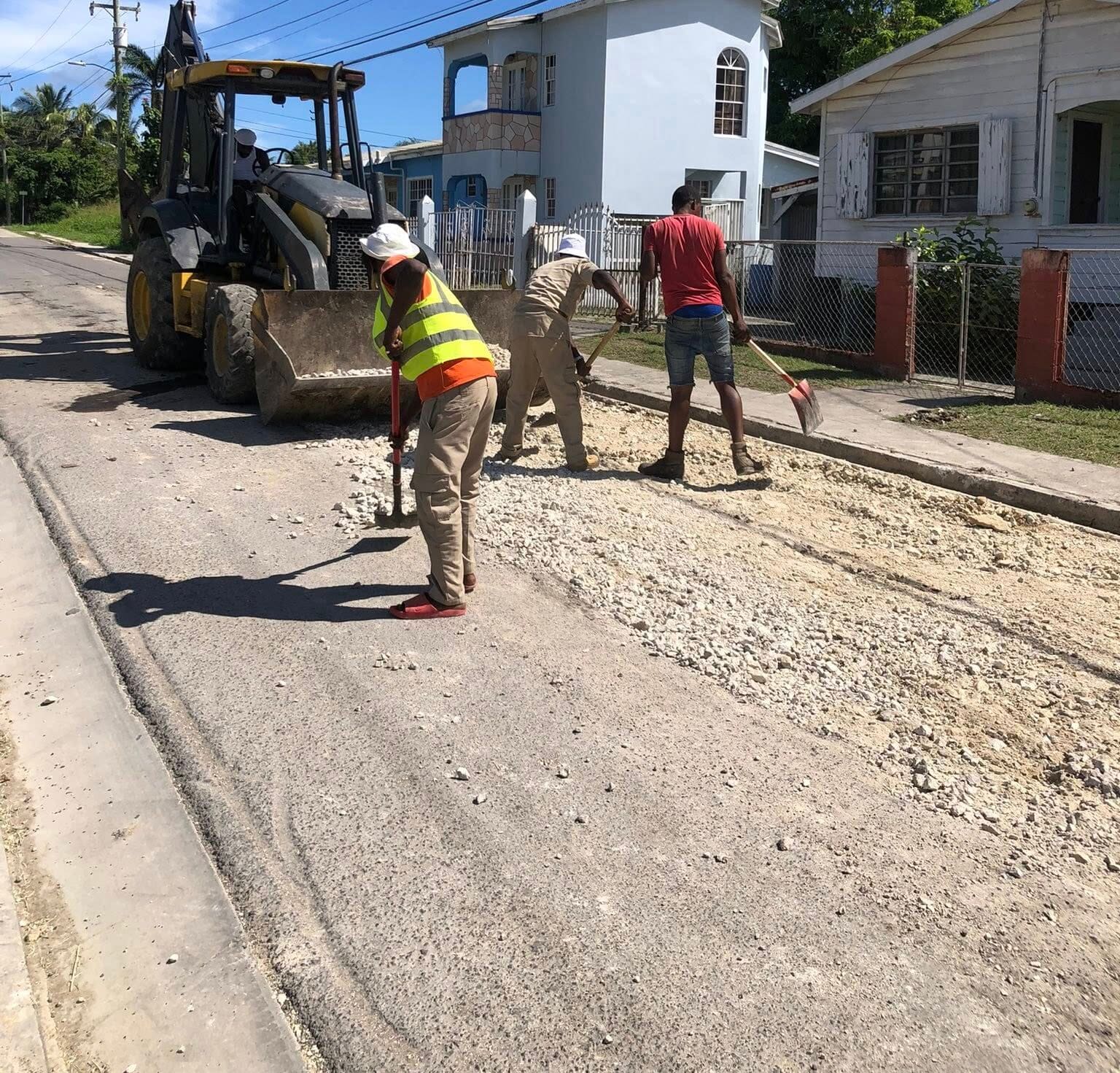
PHOTOS: Asphalt Repair Preparations Now Underway in Fitches Creek
The much-anticipated road resurfacing project in Fitches Creek has officially commenced, with construction crews initiating the critical first phase of preparing the road base. This foundational step is essential for ensuring the durability and quality of the upcoming asphalt overlay. The project, aimed at enhancing road safety and improving transportation infrastructure, has been welcomed by local residents and commuters who have long faced challenges with the current road conditions. Authorities have emphasized that this initiative is part of a broader effort to upgrade and maintain key roadways across the region. While the timeline for completion remains undisclosed, the start of base preparation signals significant progress toward the project’s final goal of delivering a smoother and more reliable road surface.
-

Women and Girls Facing Increased Online Threats, Civil Group Says
The Caribbean Policy Development Centre (CPDC) has reaffirmed its commitment to gender equity by joining the global observance of the 16 Days of Activism Against Gender-Based Violence, held annually from November 25 to December 10. This year, CPDC is focusing on the theme ‘UNiTE to End Digital Violence Against All Women and Girls,’ emphasizing the urgent need to combat online harassment, cyberstalking, and non-consensual image sharing. Digital spaces, which have become integral to communication, education, and professional life in the Caribbean, especially since the COVID-19 pandemic, should be safe environments for women and girls to connect, empower themselves economically, and express creativity. However, a UN Broadband Commission report highlights that women are 27 times more likely than men to experience cyber violence. Recognizing digital violence as a human rights violation, CPDC calls on civil society organizations to advocate for stronger protections, raise awareness, and provide support for survivors. Collaborative efforts with regional institutions, governments, and the private sector are essential to creating safer, more inclusive digital environments. CPDC suggests several actionable steps for civil society, including advocating for stronger laws, raising awareness through campaigns, providing support services for survivors, partnering with digital platforms to improve safety tools, and fostering cross-sector collaboration. The safety, dignity, and freedom of Caribbean women and girls must extend to all digital spaces, ensuring their full participation in society. Established in 1991 and based in Barbados, CPDC supports over 40 NGOs and partner organizations across the Caribbean, promoting good governance, social justice, human rights, and sustainable development.
-
16 days of activism against Gender-Based Violence
In a world increasingly reliant on digital platforms, the Caribbean Policy Development Centre (CPDC) has emphasized the urgent need to protect women and girls from online harassment and violence. As part of the 16 Days of Activism Against Gender-Based Violence, observed annually from November 25 to December 10, CPDC has aligned with this year’s theme: ‘UNiTE to End Digital Violence Against All Women and Girls.’ The campaign highlights the pervasive issues of cyberstalking, non-consensual image sharing, and other forms of technology-facilitated abuse that disproportionately affect women and girls in the Caribbean and beyond.
Digital spaces have become integral to daily life, particularly since the COVID-19 pandemic, serving as platforms for communication, education, and economic empowerment. However, for many women and girls, these spaces are marred by threats that undermine their safety and freedom. According to Caricom statistics, 63%–76% of women and girls in Latin America and the Caribbean have experienced gender-based violence in various settings. Globally, a UN Broadband Commission report reveals that women are 27 times more likely than men to be victims of cyber violence.
CPDC has identified digital violence as a human rights violation and a significant barrier to achieving inclusive and equitable societies. The organization is calling on civil society organizations to take the lead in advocating for stronger legal protections, raising awareness about safe digital practices, and providing support services for survivors. Collaboration with regional institutions, governments, and the private sector is essential to creating safer digital environments across the Caribbean.
To combat digital violence, CPDC recommends several strategies:
1. Advocate for stronger laws and policies to address technology-facilitated gender-based violence.
2. Raise awareness through campaigns, workshops, and educational activities on safe digital practices.
3. Provide support services for survivors, including counseling, legal assistance, and safe reporting mechanisms.
4. Partner with digital technology platforms to improve reporting systems, content moderation, and digital safety tools.
5. Collaborate across sectors to share resources and build networks that promote safe and inclusive digital spaces.The safety, dignity, and freedom of Caribbean women and girls must extend to digital spaces. By protecting their rights, amplifying their voices, and empowering them to participate fully in society, the Caribbean can move closer to becoming a truly inclusive and equitable region. CPDC urges everyone to stand up for their daughters, sisters, mothers, and friends in the fight against digital violence.
-

Former Police Commissioner Pompey Says Traffic Reform Needs Education, Not “Stiffer Penalties”
Former Police Commissioner Rawlston Pompey has voiced strong opposition to public demands for stricter traffic fines, emphasizing that sustainable road safety improvements hinge on education, training, and disciplined enforcement rather than merely escalating penalties. In a pointed commentary, Pompey challenged recent suggestions by a senior traffic officer, labeling them as emotionally driven rather than grounded in logic. He underscored that the core issue is not about imposing harsher penalties but about enhancing operational knowledge and ensuring a clear chain of command within the Royal Police Force of Antigua and Barbuda. Pompey outlined the hierarchical structure of the force, stressing that junior officers should not spearhead major policy decisions. Instead, he advocated for recognizing and nurturing the potential of lower-ranking officers through formal training and career advancement. Pompey highlighted the importance of public education, safe driving programs, and community outreach as foundational elements of road safety. He also addressed the unique challenges of nighttime driving, noting the difficulty in judging oncoming vehicles and the distinct visibility of emergency vehicles. Pompey criticized the notion of harsher penalties as counterproductive, advocating for balanced enforcement where minor infractions are met with warnings and serious offenses are prosecuted rigorously. He called for rigid enforcement, license suspensions when necessary, and more effective magistracy to deter reckless driving. Concluding with a stark message, Pompey urged motorists to drive responsibly and carefully, encapsulating his plea in bold, emphatic terms.
-

Early Christmas Cheers for Nurses at Sir Lester Bird Medical Centre
In a heartwarming act of generosity, local entrepreneur Mickey Josiah brought early Christmas joy to nurses at the Sir Lester Bird Medical Centre. Josiah, owner of Mickey’s fruit stall, personally delivered 15 hot lunches to the dedicated staff of the Neonatal Intensive Care Unit and caretakers in the Children’s Division. This thoughtful gesture was his way of expressing gratitude for their unwavering commitment and tireless efforts in providing exceptional care. Josiah also announced plans to extend his support further, promising another special treat for the healthcare workers in December. His initiative highlights the importance of community appreciation for those on the frontlines of healthcare.
-
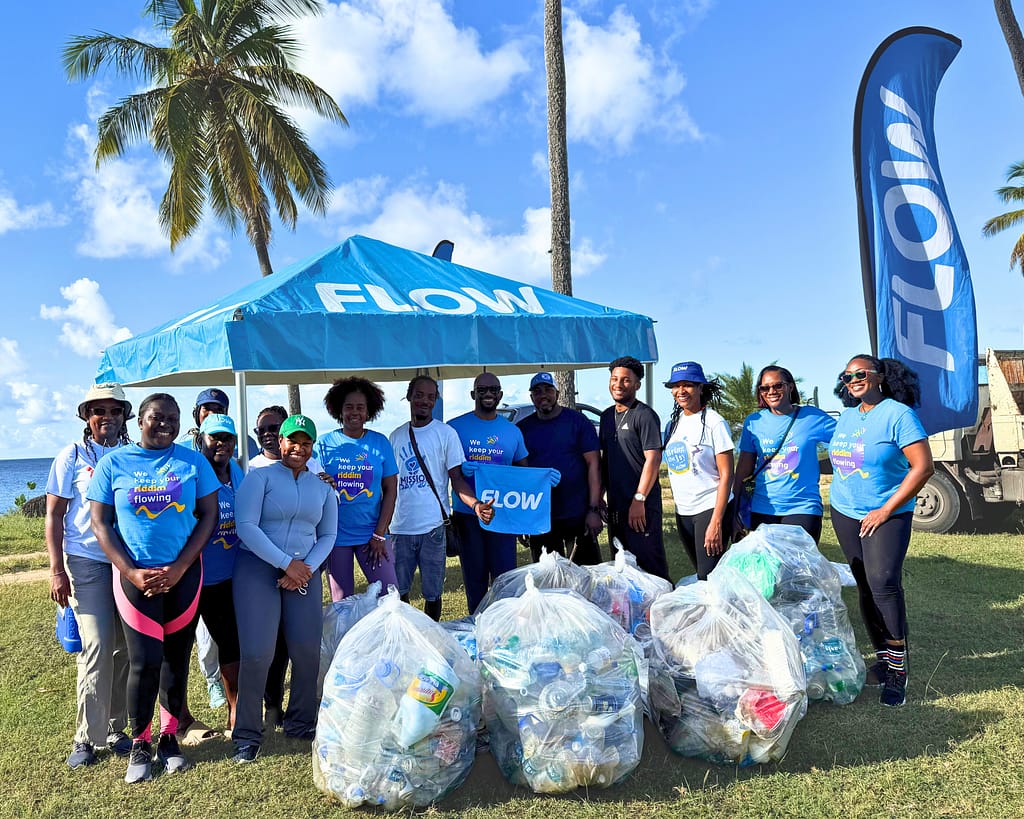
From Flow Passion to Beach Action: Team members volunteer for successful Beach Clean-Up.
In a remarkable demonstration of community engagement and environmental stewardship, Flow’s team members recently spearheaded a beach clean-up initiative at Morris Bay in Antigua and Barbuda. Driven by a genuine spirit of volunteerism, the team successfully removed nearly 200 pounds of trash from the coastline, marking a significant contribution to preserving the region’s natural beauty. This effort was part of Flow’s annual Mission Week, which underscores the company’s dedication to environmental protection and community service. Each bag of collected waste represents a tangible step toward a cleaner, healthier shoreline, ensuring a more sustainable future for generations to come. The initiative not only highlights the importance of collective action in addressing environmental challenges but also serves as an inspiring example of how passion and commitment can translate into meaningful impact.
-
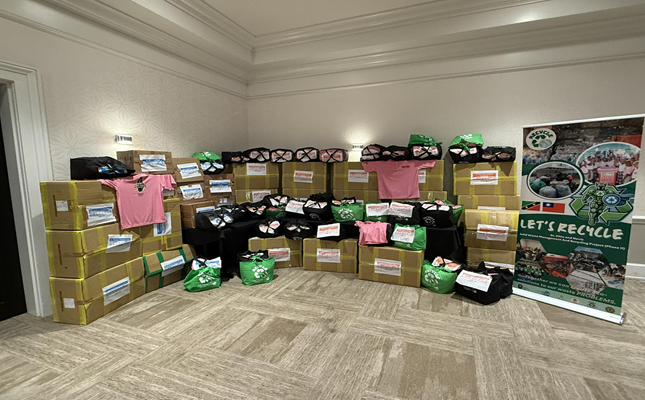
Taiwan Technical Mission Hosts Award Ceremony for the 2025 National Recycling Competition
In a significant demonstration of international environmental cooperation, the Taiwan Technical Mission to St. Kitts and Nevis celebrated exceptional achievements in sustainability through its 2025 National Recycling Competition. The award ceremony, convened on November 24th at the Marriott Beach Resort, highlighted a remarkable tripling of recycling efforts compared to previous years.
Organized under the leadership of Ms. Joyce Chang, Manager of the Solid Waste Management and Recycling Project, the initiative saw unprecedented participation from 55 educational institutions across the nation. These collective efforts resulted in the recovery of 19,000 pounds of plastic waste, representing a two to threefold increase over last year’s totals. This substantial growth indicates rapidly expanding environmental consciousness among younger generations and school communities.
The diplomatic dimension of the event featured Second Secretary Hsien-Yu (Billy) Chung representing Ambassador Edward Tao. Secretary Chung personally commended participating schools for their dedication to building a sustainable future. In a symbolic gesture underscoring the circular economy principles being promoted, the Embassy presented 1,600 eco-friendly T-shirts manufactured from recycled plastics to Hon. Dr. Joyelle Clarke, Minister of Sustainable Development, Environment and Climate Action, and Ms. Jahnel Nisbett, Minister of Health, Gender Affairs, and Social Empowerment.
The collaboration extended beyond bilateral cooperation, involving St. Kitts and Nevis’ environmental and education authorities alongside international environmental organization PROMAR. This multi-stakeholder approach has proven effective in advancing waste management infrastructure and environmental education.
Looking forward, Taiwan reaffirmed its commitment to supporting St. Kitts and Nevis in developing comprehensive waste separation systems, enhancing recycling capabilities, and implementing circular economy models. This ongoing partnership continues to align with broader sustainable development goals for creating cleaner, greener, and more resilient island communities.
-
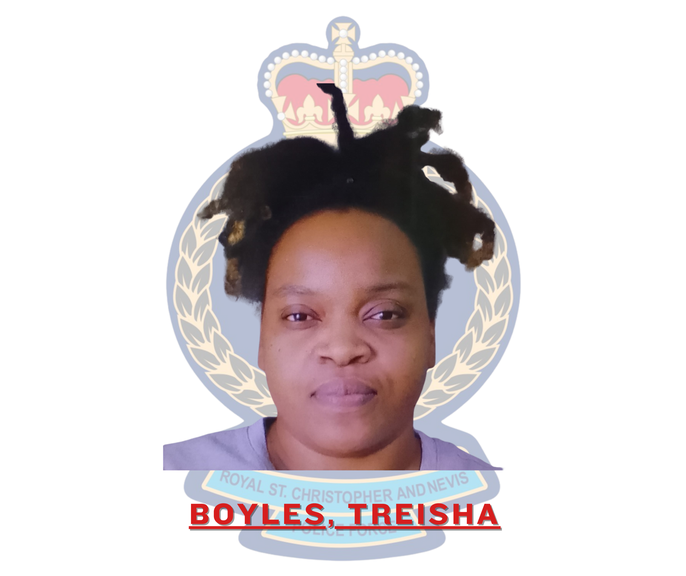
Boyles faces four charges in Prison Contraband Case
In a significant development in Caribbean penal security, Treisha Boyles of Molineux, St. Kitts has been formally indicted on four serious criminal charges related to a contraband smuggling attempt at His Majesty’s Prison. The Royal St. Christopher and Nevis Police Force confirmed the November 19th interception of multiple illicit substances during what appears to have been a coordinated smuggling operation.
The charges filed against Boyles at the Basseterre Police Station on November 21st include: Unlawful Conveying of prohibited items into a correctional facility, Possession of Cannabis with Intent to Supply, Possession of Cocaine, and Possession of Cocaine with Intent to Supply. These charges represent some of the most severe violations under the country’s penal and drug control statutes.
This case emerges against a backdrop of increased law enforcement focus on prison security throughout the Federation. Authorities have noted a concerning pattern of smuggling attempts targeting correctional facilities, with this incident representing the latest in a series of arrests involving female suspects engaged in various illegal activities across the twin-island nation.
The police department’s media release emphasized the seriousness with which authorities are treating breaches of prison security, highlighting the potential destabilizing effect contraband introduces into correctional environments. The interception and subsequent charges demonstrate enhanced surveillance and monitoring capabilities at His Majesty’s Prison, which houses the territory’s most dangerous offenders.
Legal experts indicate that the multiple ‘intent to supply’ charges suggest prosecutors believe Boyles was acting as part of a larger distribution network rather than merely attempting to smuggle personal-use quantities. The case is expected to proceed through the Eastern Caribbean Supreme Court in the coming weeks, with potential sentencing that could include substantial prison time given the gravity of the offenses.
-
International Day Against Gender-Based Violence Spotlights Digital Abuse
WASHINGTON, DC — The global community has launched its annual 16 Days of Activism against Gender-Based Violence with heightened focus on the escalating threat of digital abuse targeting women and girls. This year’s observance, commencing on the International Day for the Elimination of Violence Against Women on November 25, spotlights how technology-facilitated violence has become a critical frontier in the fight for gender equality.
UN Secretary-General António Guterres issued a compelling call to action, urging national governments worldwide to implement legal frameworks that criminalize digital violence while enhancing support systems for survivors. Describing violence against women as a ‘global scourge,’ Guterres emphasized how digital platforms have amplified abuse through increased speed and reach.
‘Online protection stands at the heart of this year’s international observance,’ Guterres stated. ‘We’re witnessing the proliferation of online harassment, deepfake exploitation, and hate speech. Disturbingly, misogynistic content is transitioning from fringe platforms to mainstream digital spaces.’ The Secretary-General highlighted the dangerous trajectory where online violence frequently manifests in physical harm, including stalking, abuse, and femicide.
The European Commission concurrently reaffirmed its commitment to eradicating gender-based violence, declaring such acts ‘unacceptable’ and emphasizing the EU’s determination to ensure all individuals can live free from fear and harm.
Globally, statistics remain alarming with approximately 700 million women—representing one in three—experiencing gender-based violence. In St. Kitts and Nevis, advocate Julie Charles revealed that under-reporting remains pervasive due to widespread fear among victims. ‘This affects not only women but also male victims who face ridicule when seeking help from authorities,’ Charles explained, noting that domestic violence encompasses emotional and financial abuse beyond physical harm.
While some regions report slight decreases in cases since the peak of COVID-19, Charles emphasized the importance of recognizing all abuse forms: ‘Every individual deserves happiness and a fulfilling life. If someone creates an environment that prevents mutual growth and comfort, that relationship requires examination.’