分类: society

  • UWI Centre for Reparation Research launches 2nd international debate

    UWI Centre for Reparation Research launches 2nd international debate

    The University of the West Indies’ Centre for Reparation Research (CRR), alongside regional collaborators, has unveiled plans for the second International Reparation Debate Competition scheduled for 2026. Following the resounding success of its inaugural edition in early 2025, this intellectual contest will initiate virtual qualifying rounds in January before culminating in a live championship event in Kingston, Jamaica come March.

    Designed specifically to empower Caribbean youth and diaspora communities, the competition creates an educational platform for rigorous examination of reparatory justice themes. Participating teams—each comprising five students guided by two educators—will engage with complex topics derived from the CARICOM 10-Point Reparatory Justice Framework. Key discussion points will include moral imperatives for restitution, economic dimensions of historical wrongs, and ongoing responsibilities of former colonial powers in rectifying systemic disparities.

    The precedent-setting 2025 tournament featured academic institutions from five Caribbean nations and the United Kingdom, ultimately crowning St. Joseph’s Convent Port of Spain from Trinidad and Tobago as champions. Their triumph was particularly noted for articulate argumentation and scholarly activism that impressed both judicial panels and dignitaries. Beyond competitive debates, the initial program incorporated educational workshops and expert-led discussions to deepen participants’ understanding of global reparations movements, while strategic social media engagement expanded public involvement.

    Professor Sonjah Stanley Niaah, CRR’s Director, emphasized the initiative’s continued significance: ‘Merging academic rigor with digital innovation allows the CRR and its partners to maintain vibrant, accessible dialogues around reparations.’ The 2026 iteration will enhance its reach through influencer collaborations, live-streamed debates, and broadened partnerships targeting audiences across the Caribbean, Americas, Africa, and Europe.

    Established in 2017, the CRR operates as a pivotal institution advancing reparatory justice through multidisciplinary research, policy advocacy, and international cooperation. It actively supports the CARICOM Reparations Commission’s objectives while contributing to worldwide movements addressing historical crimes including indigenous genocide, African enslavement, and colonial exploitation.

    The University of the West Indies, housing the CRR, celebrates over 75 years as a cornerstone of Caribbean intellectual development. Since its 1948 founding in Jamaica with merely 33 medical students, the institution has evolved into a globally recognized academic force serving nearly 50,000 learners across five campuses—Mona (Jamaica), St. Augustine (Trinidad and Tobago), Cave Hill (Barbados), Five Islands (Antigua and Barbuda), and its Global Campus. Offering more than 1,000 accredited programs, The UWI consistently earns top positions in international university rankings by Times Higher Education.

    Educational institutions across the Caribbean and United Kingdom are presently invited to register for the 2026 competition through the official portal: www.uwi.edu/crr.


  • Temporary closure: Grenville Basketball Court

    Temporary closure: Grenville Basketball Court

    The Grenville Basketball Court will undergo a comprehensive month-long closure starting Saturday, November 29, 2025, through Wednesday, December 31, 2025, as announced by the Ministry of Youth and Sports. This temporary shutdown will enable critical facility enhancement work aimed at significantly improving user safety standards.

    The rehabilitation initiative forms part of a broader national strategy to upgrade sporting infrastructure across the nation. During this period, all basketball-related activities including training sessions, competitive games, and casual recreational use will be strictly prohibited at the Grenville location.

    Authorities strongly encourage athletes and community members to utilize alternative sporting facilities while these essential improvements are underway. The Ministry has expressed regret for any disruptions caused by the necessary closure, while simultaneously appealing for public understanding and cooperation throughout the enhancement process.

    For additional details regarding the renovation timeline or alternative facility options, concerned citizens may directly contact the Ministry of Youth and Sports via email at [email protected] or by telephone at (473) 440-6917/8.

    The Ministry reaffirmed its commitment to developing high-quality sports infrastructure throughout Grenville and nationwide, emphasizing that these temporary inconveniences will ultimately yield long-term benefits for the sporting community.

  • The independence of trade unions

    The independence of trade unions

    Independent trade unions represent worker-led organizations operating free from external control by employers, government entities, or political parties. These autonomous bodies primarily function to protect and advance members’ rights through collective bargaining processes, negotiating improved compensation packages and workplace conditions while providing essential support on employment-related matters.

    Despite potential financial support through government subventions or employer grants, genuine independence requires operational autonomy without external influence. Members benefit from negotiated agreements, professional representation during meetings, and access to legal and financial advisory services that would otherwise be unavailable to individual workers.

    Registration provides trade unions with legal corporate status, formalizing their operational structure. The registration certificate serves as definitive evidence of independence in legal contexts and grants specific statutory rights. This legal standing enables unions to initiate protective legal actions against member exploitation and unfair treatment.

    However, independence from employer and government interference does not equate to immunity from national legislation. Legal registration alone cannot guarantee substantive autonomy, as unions must still operate within established legal frameworks while maintaining internal self-governance.

    International Labor Organization (ILO) standards reinforce trade union independence, emphasizing workers’ rights to autonomous operation free from state or employer intervention as fundamental to freedom of association. Historical precedents, such as Margaret Thatcher’s Conservative government in 1979, demonstrate how repressive labor legislation can threaten union effectiveness, highlighting the perpetual importance of safeguarding autonomy.

    Maintaining genuine independence requires strategic relationship management with government and employers, avoiding rubber-stamp approval of predetermined decisions. Financial self-sufficiency remains preferable to dependence on external funding sources. Strong internal structures demonstrating good governance, democratic principles, ethical standards, and transparent decision-making processes ultimately define an organization’s authentic independent character.

  • The UWI’s Centre for Reparation Research Announces Second International Reparation Debate Competition

    The UWI’s Centre for Reparation Research Announces Second International Reparation Debate Competition

    KINGSTON, JAMAICA – The Centre for Reparation Research (CRR) at The University of the West Indies has unveiled plans for the second International Reparation Debate Competition, scheduled to launch in January 2026. This groundbreaking initiative will leverage digital platforms for virtual preliminary rounds before culminating in a live championship event in Kingston, Jamaica by March 2026.

    Building upon the remarkable success of its inaugural 2025 edition, the competition serves as a dynamic platform for youth across the Caribbean and diaspora communities to engage in intellectually rigorous discourse on reparatory justice. The previous tournament featured student delegations from five Caribbean nations and the United Kingdom, with some countries fielding up to five school teams.

    The competition framework centers on the CARICOM 10-Point Plan for Reparatory Justice, addressing critical topics ranging from the moral and economic foundations of reparations to the contemporary responsibilities of former colonial powers in addressing persistent systemic inequalities. Each participating team consists of five students supported by two faculty mentors, creating a unique synergy between youthful energy and academic guidance.

    The 2025 championship concluded with St. Joseph’s Convent Port of Spain from Trinidad and Tobago claiming victory in a finale praised by judges and dignitaries for its intellectual depth and transformative potential. Participants demonstrated exceptional ability to connect scholarly research with activist perspectives while articulating visions for a more equitable future.

    Professor Sonjah Stanley Niaah, Director of the CRR, emphasized the program’s evolving scope: “By integrating academic rigor with digital engagement strategies, we’re ensuring the reparation dialogue remains both accessible and impactful. The 2026 competition will feature influencer-led campaigns, livestreamed debates, and strengthened partnerships to broaden global participation.”

    The expanded 2026 edition aims to reach audiences across the Caribbean, Americas, Africa, and Europe through innovative digital formats. Educational institutions throughout the Caribbean and United Kingdom are invited to register participation via the official portal at www.uwi.edu/crr.

  • What Barbados’ republican journey teaches parents about raising principled children

    What Barbados’ republican journey teaches parents about raising principled children

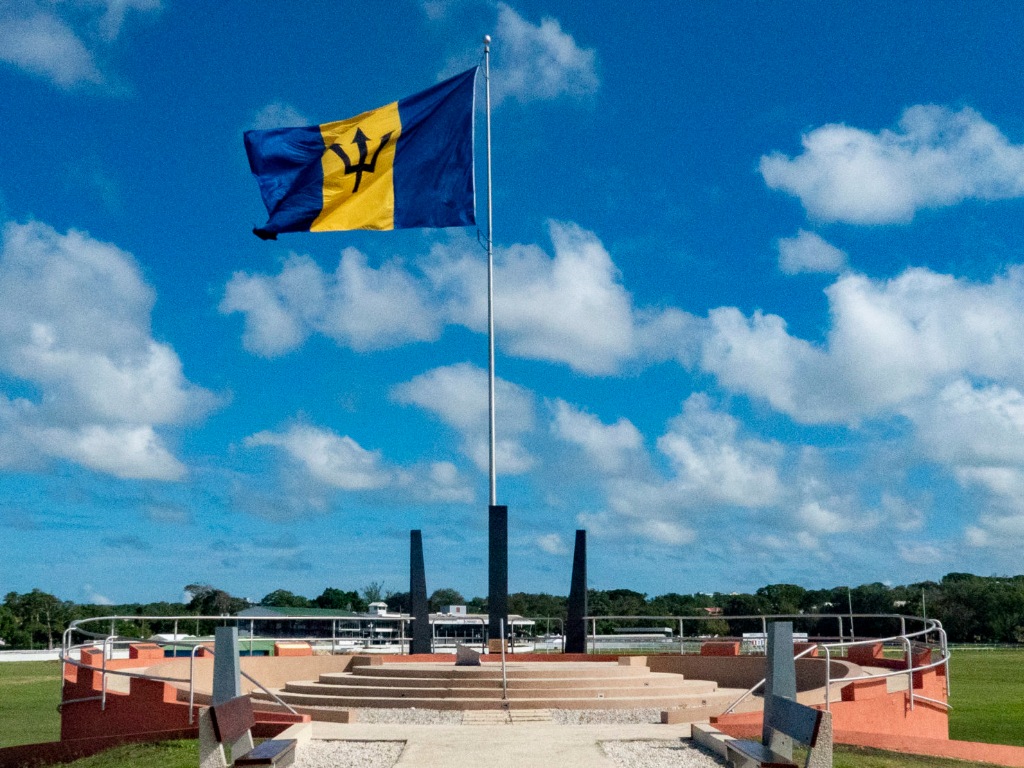
    The transformation of Barbados from colonial territory to independent republic offers profound insights into the universal process of raising autonomous individuals. When the island nation lowered the Union Jack on November 30, 1966, it embodied the tentative first steps of a child venturing into sovereignty. The subsequent declaration of republican status in 2021 represented the mature assertion of self-governance—akin to an adult claiming full agency over their destiny.

    This parallel between national development and child-rearing reveals fundamental truths about independence. Both processes involve gradual release of control, establishment of identity, and the delicate balance between freedom and responsibility. Barbados’ journey demonstrates that true sovereignty isn’t about rejecting history but about claiming one’s narrative while building resilient institutions.

    The nation’s progression—from political sovereignty to republican status to maintaining global competitiveness as a small island developing state—mirrors the developmental stages of childhood. Each phase required appropriate guardrails: legal frameworks for the nation, protective boundaries for children. The late Prime Minister Errol Walton Barrow’s stewardship emphasized that independence without responsibility leads to chaos, a principle equally applicable to parenting.

    Central to both journeys is identity formation. Barbados’ republican transition symbolized confidence in national selfhood, just as children require a strong sense of identity to navigate autonomy. This involves instilling pride in heritage while allowing space for individual expression, even when choices diverge from traditional expectations.

    Effective independence management requires autonomy support combined with open communication. Barbados maintained international relationships while asserting self-determination, similar to how parents can respect children’s agency while maintaining familial connections. The nation’s resilience through economic shocks, climate threats, and global uncertainty demonstrates the importance of preparing both nations and children for inevitable challenges.

    Ultimately, Barbados’ story provides a blueprint for nurturing independence through gradual release of control, celebration of milestones, and anchoring freedom in core values. Both national sovereignty and successful parenting represent acts of faith—not in the absence of difficulties, but in the capacity to overcome them through strengthened identity and embraced responsibility.

  • President of the Barbados Co-operative & Credit Union League underscores unity, resilience, stability in his Independence Message.

    President of the Barbados Co-operative & Credit Union League underscores unity, resilience, stability in his Independence Message.

    As Barbados commemorates another year of independence, the nation’s credit union movement reflects on its pivotal role in fostering economic resilience and community empowerment. Under the leadership of the Barbados Co-operative & Credit Union League, the movement has embraced a philosophy centered on growth, collaboration, and harmony to navigate contemporary challenges.

    This year’s celebrations coincide with strategic advancements within the financial sector, where credit unions have prioritized systemic modernization while maintaining compassionate member services. The movement has demonstrated remarkable adaptability in addressing pressing issues such as rising living costs and small business revitalization through tailored financial solutions.

    Collaboration emerges as a cornerstone achievement, with strengthened partnerships between credit unions, government entities, and community organizations. This cooperative approach has facilitated knowledge sharing, resource optimization, and meaningful contributions to national dialogues on financial wellbeing.

    The movement’s resilience shines through its ability to withstand global economic pressures and rapidly evolving financial landscapes while preserving its core identity. This endurance enables continuous service improvement without compromising the fundamental principles of fairness and transparency.

    Harmony remains the guiding principle ensuring balanced decision-making that benefits broader communities rather than select interests. As Barbados progresses, the credit union movement reaffirms its commitment to values that have historically strengthened both the organization and the nation.

    The independence anniversary serves as both milestone and reminder of the movement’s ongoing mission: to create equitable opportunities for all Barbadians through financial inclusion and community support.

  • Ten Caribbean Journalists Awarded First CETRI Reporting Grants

    Ten Caribbean Journalists Awarded First CETRI Reporting Grants

    In a significant advancement for regional journalism, ten Caribbean journalists have been chosen as the inaugural recipients of reporting grants from the Caribbean Energy Transition Reporting Initiative (CETRI). This strategic program aims to enhance media coverage of clean energy developments and climate resilience efforts throughout the region.

    The selected cohort represents a diverse mix of seasoned reporters and promising emerging journalists who will develop human-centered narratives documenting the transition toward low-carbon economic development. These grants build upon CETRI’s expanded 2025 training curriculum, which recently featured both virtual learning sessions and the initiative’s first physical workshop held in Dominica under the thematic banner ‘Science Meets Storytelling.’

    Established specifically to strengthen regional capabilities in energy journalism, CETRI maintains a core mission of providing Caribbean communities with trustworthy, research-driven information concerning renewable energy alternatives, climate adaptation strategies, and technological innovation. The initiative functions as a critical bridge between scientific expertise and public understanding.

    Project Coordinator Alison Kentish characterized the grant awards as representing ‘a milestone for regional journalism,’ noting that they directly respond to increasing demands for more profound and community-focused energy reporting. With Caribbean interest in climate resilience intensifying, CETRI has outlined ambitious plans to further extend its training programs, expert networks, and reporting support mechanisms through 2026.

    This sustained effort seeks to guarantee that the Caribbean’s ongoing energy transition is chronicled with journalistic precision, substantive depth, and consistent attention to human consequences, ensuring local narratives remain at the forefront of the global climate dialogue.

  • Major survey finds most women suffered intimate partner violence

    Major survey finds most women suffered intimate partner violence

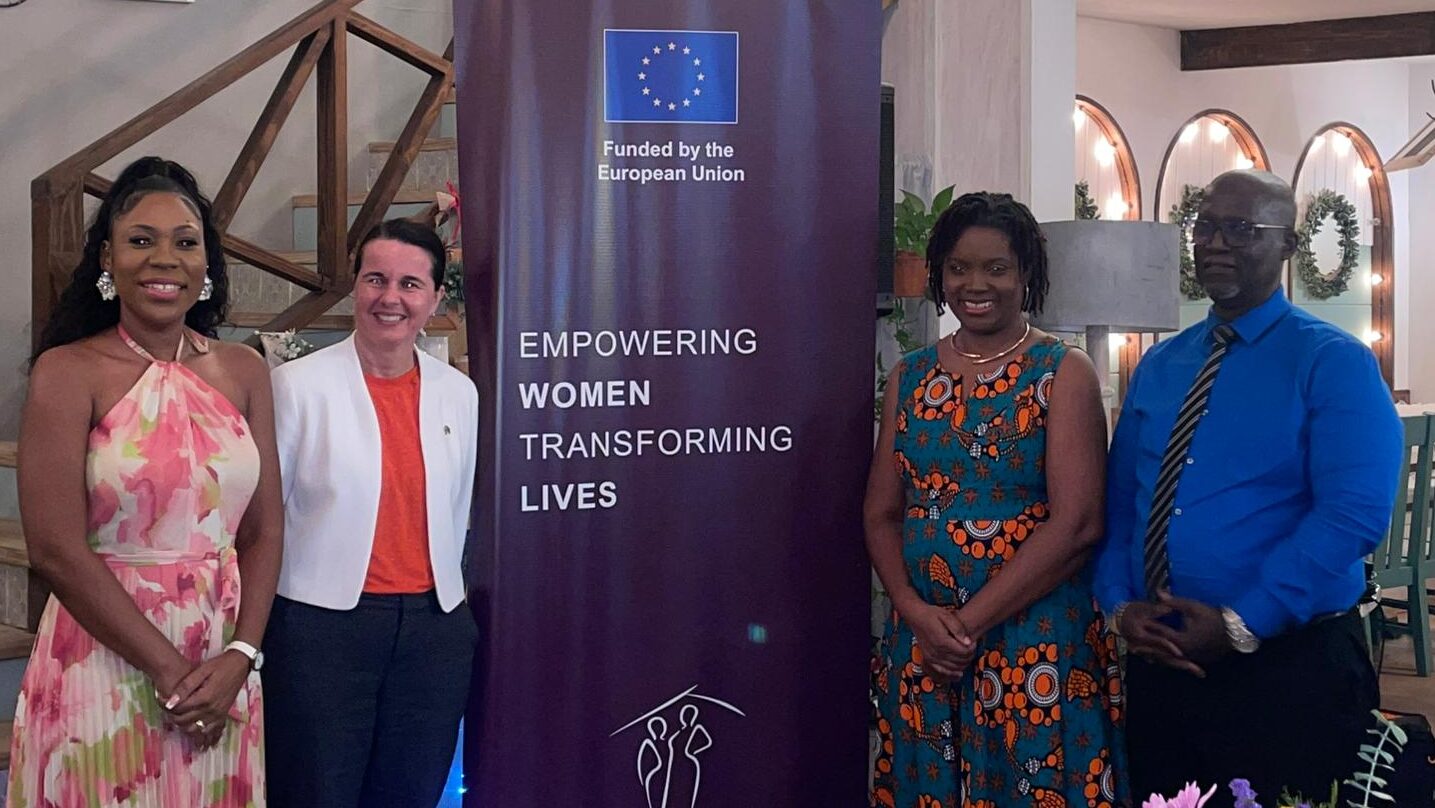
    A groundbreaking national survey in Barbados has uncovered alarming rates of gender-based violence, revealing that nearly two-thirds of women have suffered intimate partner abuse. The comprehensive study, conducted by DB Research Services and commissioned by advocacy group Jabez House with European Union funding, exposes what officials are calling a “national emergency” requiring immediate coordinated action.

    The National Intimate Partner Violence Survey, which interviewed 515 individuals across diverse demographics, found emotional abuse to be the most prevalent form at 37%. Social isolation followed at 25%, with physical violence affecting 22% of respondents. Most disturbingly, 46% of survivors reported experiencing multiple categories of abuse simultaneously, indicating that violence typically manifests as interconnected behavioral patterns rather than isolated incidents.

    The data release coincided with Barbados’ launch of the Red Shoes Project and local observances of the 16 Days of Activism Against Gender-Based Violence. EU Ambassador Fiona Ramsay emphasized that the findings “demand not just empathy but action,” noting the particular concern of rising digital violence in online spaces. She called for enhanced protections, improved reporting systems, and greater accountability from technology companies to ensure digital platforms become tools for safety rather than endangerment.

    Permanent Secretary Wayne Marshall of the Ministry of People Empowerment and Elder Affairs declared the situation “no longer a private tragedy but rather, a national emergency.” He stressed the urgent need for collaborative efforts between government agencies, NGOs, and international partners to provide survivors with comprehensive support systems including justice mechanisms, psychological services, and safe spaces. Marshall emphasized that addressing this crisis requires both legislative reform and profound cultural transformation.

  • Celebrating Barbados’ Independence in a changing world

    Celebrating Barbados’ Independence in a changing world

    As Barbados commemorates another year of sovereignty, the nation reflects on its journey as a small island demonstrating extraordinary fortitude amid global challenges. This annual celebration reinforces the enduring truth of Barbados’ significant spirit despite its geographical size.

    The historical narrative of Barbados is marked by numerous instances where citizens united to advance and prosper against formidable odds. In the current climate of worldwide uncertainty—characterized by economic pressures, environmental threats, and international instability—the significance of Barbadian independence resonates with profound meaning.

    This commemoration serves not merely as a reminder of historical origins but as a testament to the persistent strength exhibited by the nation. Recent years have presented Barbados with substantial challenges: escalating living costs impacting households island-wide, global economic disruptions affecting nations of all sizes, and altered weather patterns manifesting through intensified rainfall and more powerful storms that threaten environmental stability.

    Like all nations, Barbados navigates complex global trade dynamics as major powers vie for dominance, while technological advancements like artificial intelligence present both opportunities and risks. Despite these multifaceted challenges, the country has achieved notable successes that underscore its capabilities and character.

    Economic recovery and expansion represent particularly significant accomplishments. Despite inflationary pressures and high global prices, Barbados has gained international recognition for responsible fiscal management and concerted efforts to stabilize and reconstruct its economy. Through collaboration with international partners, strengthened industries, and focus on long-term resilience, the nation demonstrates refusal to let adversity dictate its future.

    In climate leadership, Barbados maintains a prominent global presence. Prime Minister Mia Mottley has emerged as an influential advocate for small island states, compelling international communities to address climate action seriously and support nations facing environmental dangers disproportionately.

    The tourism sector, vital to the economy, has shown remarkable recovery. Visitors continue choosing Barbados for its people, culture, and reputation as a secure, hospitable destination amidst evolving global travel patterns and increased competition—a credit to workers and all who sustain the tourism industry.

    Digital transformation represents another area of progress, with Barbados making consistent advances in modernizing services, enhancing technological infrastructure, and promoting digital literacy among youth through National Transformation Initiative programs. This shift positions the country for new opportunities in banking, government services, education, and entrepreneurship, helping to create equitable playing fields.

    Perhaps most profound is the less visible yet powerful quality of resilience. Barbadians consistently demonstrate strength and patience through challenges, finding ways to mutually support those in need.

    Amid these achievements, honest assessment reveals pressing threats affecting daily life and long-term prospects. The rising cost of living remains particularly urgent, with global price increases, elevated fuel costs, and supply chain issues making essential goods more expensive for many households, especially those already financially vulnerable.

    As the nation celebrates another independence anniversary, it recognizes that sovereignty represents not merely a day of rest but an ongoing commitment to protect national achievements, uplift citizens, and persistently pursue a better future. Though geographically compact, Barbados possesses mighty character, with accomplishments demonstrating capacity to thrive amid global uncertainty, while challenges reinforce that collective unity yields greatest strength.

  • 61-Year-Old Belize City Vendor Shot Dead

    61-Year-Old Belize City Vendor Shot Dead

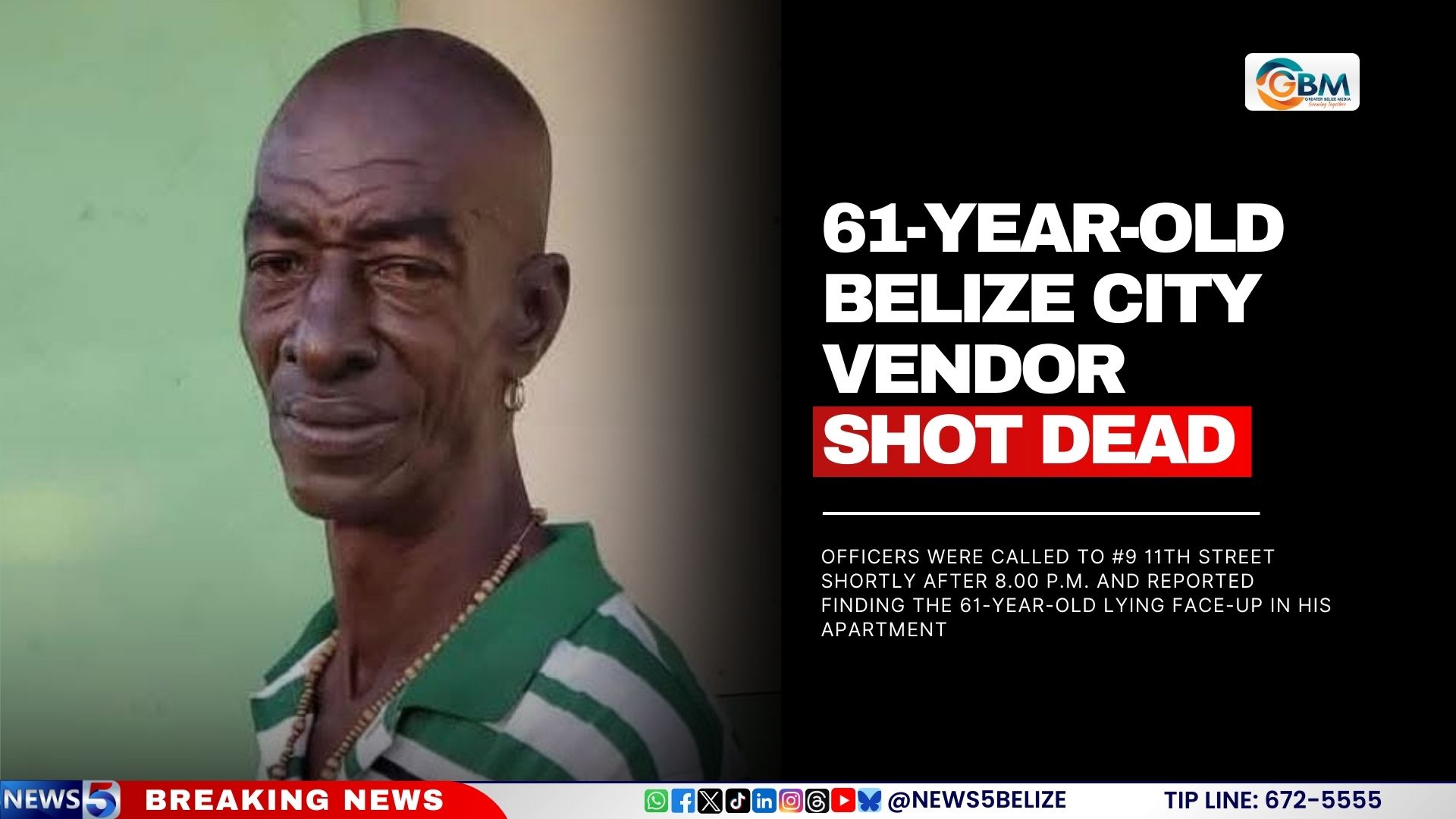
    BELIZE CITY – The local community is reeling from the tragic shooting death of 61-year-old Wayne Myles, affectionately known throughout the city as ‘Pie Bwai,’ who was killed in his residence on Friday evening. The incident has sent shockwaves through the neighborhood where the popular street vendor was a familiar and cherished figure.

    According to official police reports, authorities responded to a distress call at approximately 8:00 p.m. on November 28, 2025, arriving at the victim’s residence located at #9 11th Street. Officers discovered Myles unconscious in his apartment, suffering from a critical gunshot wound to the upper left torso. Despite emergency medical efforts, the victim was pronounced dead at the scene.

    Floyd Myles, the victim’s brother and key witness, provided investigators with crucial testimony indicating he heard approximately three distinct gunshots in the vicinity. He further reported observing a silver-colored vehicle fleeing the area at high speed immediately following the auditory evidence of violence.

    Belize City Police Department representatives have confirmed that the investigation remains in its preliminary stages, with no established motive or suspects identified at this time. The case has been prioritized as a homicide investigation, with law enforcement appealing to the public for any additional information that might assist in identifying potential perpetrators.

    The sudden violence has left residents and fellow vendors expressing both grief and concern regarding community safety. Myles had become a neighborhood institution through his long-standing presence as a street merchant, known for his friendly demeanor and popular food offerings that earned him his distinctive nickname.