分类: society

  • Man caught with dozens of cocaine pellets to be sentenced

    Man caught with dozens of cocaine pellets to be sentenced

    KINGSTON, Jamaica — A Kingston court has deferred sentencing until 2026 for Ricardo Muir, a 38-year-old Jamaican national who admitted to drug-related charges this week. The defendant appeared before Senior Parish Judge Sanchia Burrell in the Kingston and St Andrew Parish Court, where he entered a guilty plea for possession and dealing in cocaine.

    The legal proceedings took an unexpected turn when Muir’s defense counsel initially petitioned for the case to be transferred to Jamaica’s drug treatment court system, which emphasizes rehabilitation over incarceration for substance-related offenses. This judicial alternative typically applies to individuals struggling with addiction rather than those involved in drug distribution networks.

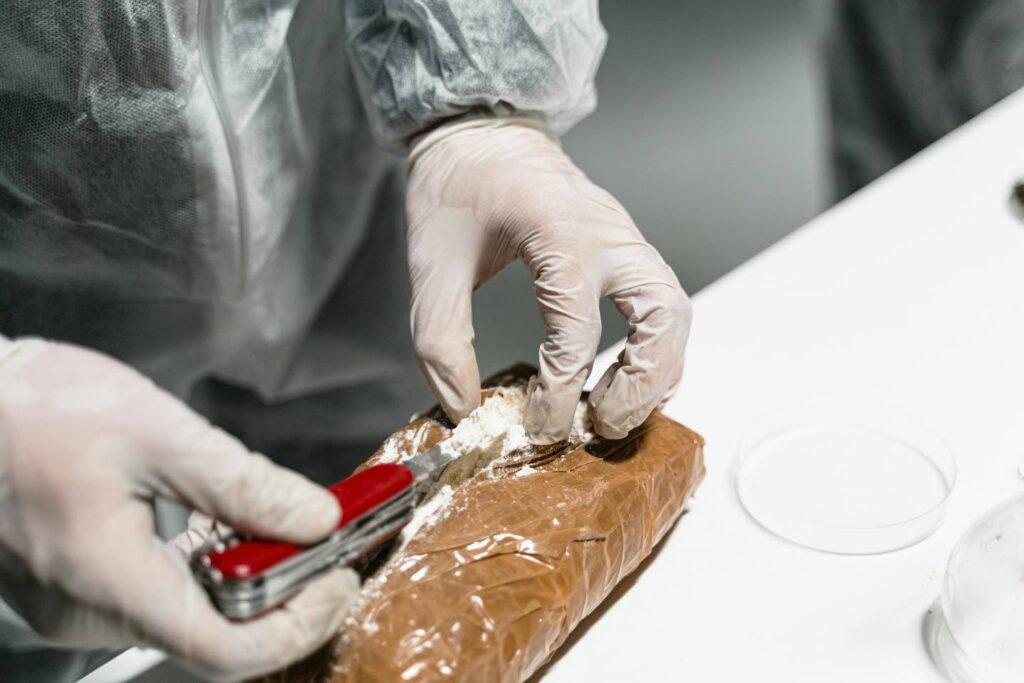
    Prosecution authorities presented compelling evidence detailing how law enforcement officials intercepted Muir in the early hours of May 23rd with 78 individually wrapped pellets of cocaine, collectively weighing approximately one pound. During questioning under caution, the defendant allegedly disclosed that the narcotics were intended for transfer to another party for international transportation.

    Despite admitting to domestic drug offenses, Muir maintained his innocence regarding the more serious charge of attempting to export controlled substances. This strategic partial plea arrangement followed extensive consultation between the defendant and his legal representative. The court has scheduled sentencing for February 27, 2026, allowing for comprehensive presentencing investigations.
  • Faulty body trailer replaced at Rand amid morgue delay questions

    Faulty body trailer replaced at Rand amid morgue delay questions

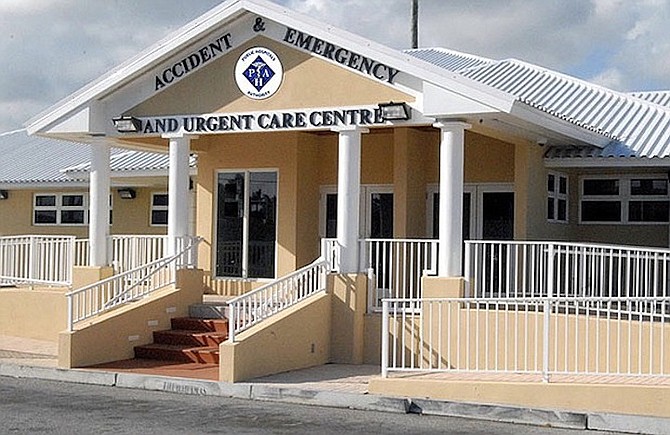
    Grand Bahama’s healthcare infrastructure faces renewed scrutiny as authorities confirm the replacement of a malfunctioning refrigerated trailer used for body storage at Rand Memorial Hospital. This temporary solution highlights a deeper crisis: the prolonged delay in constructing a permanent morgue facility, originally promised for completion within seven months after a $1.6 million contract was signed in June 2022.

    Public Hospitals Authority Managing Director Dr. Aubenette Rolle verified the defective trailer was swapped on Monday, calling it ‘fully functional’ while deflecting questions about allocated funds for the permanent morgue. The replacement comes after the previous temporary unit collapsed, reigniting concerns about the island’s inadequate deathcare infrastructure that has persisted since Hurricane Dorian’s devastation.

    The stalled morgue project, awarded to Pinnacle Investment Company Limited, was designed to modernize facilities, expand capacity, and repair storm damage. Yet after more than two years, no substantial progress is visible. Opposition parliamentarian Kwasi Thompson (East Grand Bahama) condemned the situation as emblematic of governmental neglect and eroded accountability, stating the failure ‘undermines public confidence in handling larger issues.’

    Adding to criticism, Omar Isaacs—Free National Movement candidate for West Grand Bahama and Bimini—lambasted the absence of a proper morgue as ‘unacceptable’ for what is considered the nation’s ‘second city.’ He accused the administration of consistent mismanagement and misplaced budgetary priorities, arguing that basic amenities remain overlooked despite repeated funding allocations.

    Officials have historically emphasized the critical importance of reliable morgue services for respectful body storage, efficient autopsy procedures, and overall hospital operations. The continued reliance on temporary trailers since 2019’s hurricane reveals systemic infrastructure vulnerabilities and unfulfilled governmental commitments to Grand Bahamians.

  • High Court judge renews call for in-person trials, open justice

    High Court judge renews call for in-person trials, open justice

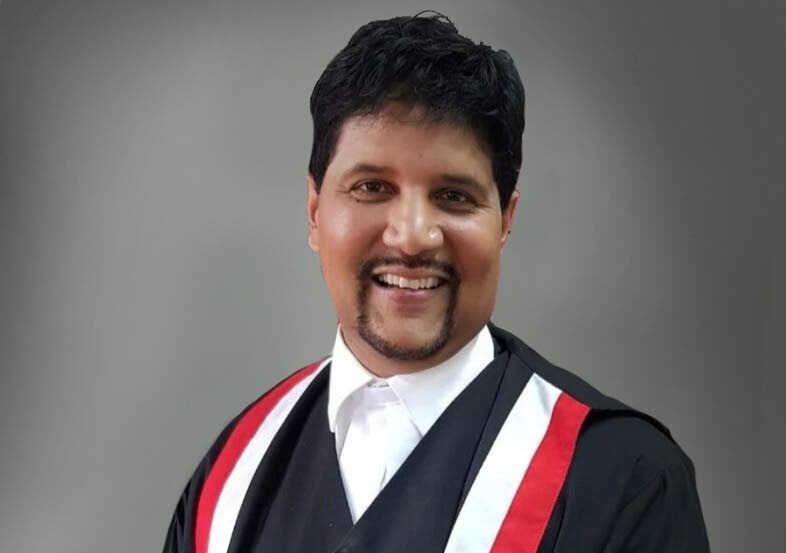
    In a landmark judicial declaration, Justice Frank Seepersad has established that Trinidad and Tobago’s judiciary will fully revert to in-person proceedings as the standard operating protocol. This decisive shift comes after the fourth postponement of a civil case originally scheduled for December 3 at the Waterfront Judicial Centre, highlighting systemic concerns with virtual litigation platforms.

    Justice Seepersad articulated profound reservations regarding witness credibility assessment, evidence integrity preservation, and the noticeable deterioration of legal advocacy in digital environments. The jurist emphasized that fact-intensive trials require physical presence for proper evaluation of nuanced testimonial cues—including subtle facial expressions, nervous mannerisms, and evasive behaviors—all of which become compromised through electronic mediation.

    Technical deficiencies present significant obstacles to justice administration, with frozen screens, audio dropouts, and undetected signal failures undermining accurate evidence documentation. These technological shortcomings frequently escape detection by judicial support officers during proceedings. Unlike criminal divisions utilizing court-marshal-supervised virtual access centers, civil divisions operate without equivalent controlled conditions.

    Remote settings introduce additional evidentiary concerns, as the judiciary cannot guarantee witness independence from off-camera prompting or assistance. This loss of procedural control jeopardizes testimony authenticity and creates unauthorized recording risks absent in physical courtrooms.

    The qualitative decline in legal advocacy represents another critical consideration. Lawyers demonstrate reduced dynamism and persuasiveness in virtual formats, where the essential human energy exchanged in physical settings becomes entirely lost. Witness testimony from domestic or professional environments—described as ‘busy spaces’ rarely conducive to legal solemnity—further compromises courtroom formality and focus.

    While Trinidad and Tobago remains among few jurisdictions continuing virtual trials post-pandemic, Chief Justice Ronnie Boodoosingh has prioritized reopening court facilities. The Port of Spain Magistrates’ Court exemplifies these challenges, remaining under repair with escalating costs four years after closure.

    Justice Seepersad reaffirmed commitment to open justice principles, noting that physical hearings enable public access without the approval processes that frequently result in denied virtual access. Media access links are systematically provided by judicial direction, contrasting with often-denied permission requests in virtual proceedings.

    The court will maintain virtual capabilities for procedural matters and case-management conferences, but evidentiary hearings and trials will require physical attendance. The adjourned civil matter has been rescheduled for April 2026, allowing transition to the new in-person litigation paradigm.

  • Ohio missionary indicted for child exploitation crimes in Haiti

    Ohio missionary indicted for child exploitation crimes in Haiti

    A federal grand jury in Ohio has unsealed a damning indictment against Jeriah Mast, a 44-year-old resident of Millersburg, Ohio, charging him with four distinct counts of engaging in illicit sexual conduct with minors in Haiti. The charges stem from an extensive pattern of abuse allegedly occurring during multiple trips Mast took to the Caribbean nation between 2002 and 2019.

    Court documents reveal Mast frequently traveled under the auspices of Christian Aid Ministries (CAM), a religious organization, which provided a facade for his predatory actions. Investigators obtained flight records documenting over 30 separate journeys from the United States to Haiti between November 2002 and August 2018, with each count in the indictment corresponding to the abuse of a different minor victim.

    Acting Assistant Attorney General Matthew Galeotti of the Justice Department’s Criminal Division condemned the alleged crimes, stating the defendant specifically targeted ‘vulnerable children living in an impoverished nation.’ He emphasized the department’s commitment to pursuing justice for victims regardless of where such crimes occur, asserting that ‘our law enforcement partners and prosecutors will continue to relentlessly seek justice.’

    The case emerged through a collaborative investigation led by Homeland Security Investigations (HSI) Cleveland, which received substantial assistance from the Holmes County Sheriff’s Office. Matthew Stentz, Acting Special Agent in Charge of HSI Detroit, highlighted the significance of the case, noting it exemplifies their mission to investigate individuals, ‘especially those in positions of trust who exploit children.’

    This prosecution forms part of the Department of Justice’s Project Safe Childhood initiative, a nationwide program launched in 2006 to combat the growing epidemic of child sexual exploitation and abuse. U.S. authorities are leveraging this framework to hold perpetrators accountable for crimes committed overseas, ensuring they face the full weight of American justice.

  • One Love Jamaica Rebuild concert to be held this Saturday

    One Love Jamaica Rebuild concert to be held this Saturday

    South Florida’s Jamaican community and supporters are mobilizing for a major humanitarian effort this weekend as prominent gospel artists prepare for the ‘One Love Jamaica Rebuild’ benefit concert. Scheduled for Saturday at The Faith Centre in Sunrise, the event aims to generate crucial funding for recovery efforts following Hurricane Melissa’s devastating impact on the Caribbean nation.

    The concert represents a collaborative initiative between humanitarian organization Dare to Care and the Consul General of Jamaica, orchestrated to address the estimated $7 billion in damages inflicted by the late October storm. Among the featured performers are gospel luminaries including Papa San, Carlene Davis, Marion Hall, Kevin Downswell, and Sharon Wiles.

    Tyrone Thompson, professionally known as Papa San, expressed profound commitment to the cause, stating: “Our hearts are in a place where we are just ready and willing to help Jamaica. I am so glad to participate and be a part of that.” The artist emphasized the transparent allocation of funds, noting that every cent raised would be directed toward relief efforts rather than performer compensation.

    Organizers have established an ambitious target of $250,000 through various fundraising mechanisms including merchandise sales, voluntary donations, and offerings. Additionally, the event will serve as a collection point for essential relief supplies, with detailed item requirements available on the official registration portal at Onelovejamaicarebuild.org.

    Despite offering free admission, the event requires advance registration to manage attendance. Consul General of Jamaica to the Southern United States Oliver Mair and Lauderhill Mayor Denise Grant are among the key figures supporting the initiative.

    Papa San appealed to collective responsibility, invoking the Jamaican proverb “one one coco full basket” to illustrate how individual contributions accumulate into meaningful support. The artist confirmed that beyond financial donations, organizers are coordinating container shipments of food and necessary supplies to ensure comprehensive assistance reaches affected communities.

  • Dieffenthaller remembered as forever changing local TV/film

    Dieffenthaller remembered as forever changing local TV/film

    The Anchorage in Chaguaramas provided a poignant seaside backdrop on December 2nd as Trinidad’s creative community gathered to honor the life and legacy of acclaimed television and film producer Danielle Dieffenthaller. The memorial service, held eight days after her passing following a prolonged battle with renal failure, transformed into a vibrant celebration of her transformative impact on Caribbean storytelling.

    The evening unfolded with atmospheric soca melodies blending with heartfelt tributes from those whose lives she touched. Moko Jumbies—traditional stilt dancers—added cultural resonance to the gathering, symbolizing the spiritual elevation Dieffenthaller brought to Trinidad’s creative landscape.

    Antoinette Hagley, Dieffenthaller’s lifelong friend since their ‘tween years at St. Joseph’s Convent, Port of Spain, delivered moving reflections on her friend’s extraordinary character. She described the filmmaker as ‘a force with whom to reckon’ whose formative years in Africa expanded her vision of Trinidad’s beauty and potential. ‘She saw real excerpts of Trinidad in various things that she experienced even when she went to other countries,’ Hagley recounted.

    The memorial highlighted Dieffenthaller’s pioneering work on ‘Westwood Park,’ the groundbreaking television series she produced against significant financial constraints. Hagley shared anecdotes of their resourceful beginnings: ‘We did the pilot with no money. Danielle told me to use my convent accent and ask people to use their houses to shoot.’ Despite initial criticism about portraying bourgeois Trinidadian life, Dieffenthaller believed every story deserved telling and every social layer intersected beautifully.

    Media producer Georgia Popplewell contextualized Dieffenthaller’s dual legacy: her creative achievements and relentless advocacy for developing Trinidad’s self-sustaining film industry. ‘She turned out 100 episodes of Westwood Park and got them aired through the region, New York and London,’ Popplewell noted, describing the series as ‘one of the longest running and most successful indigenous television series ever produced in the English-speaking Caribbean.’

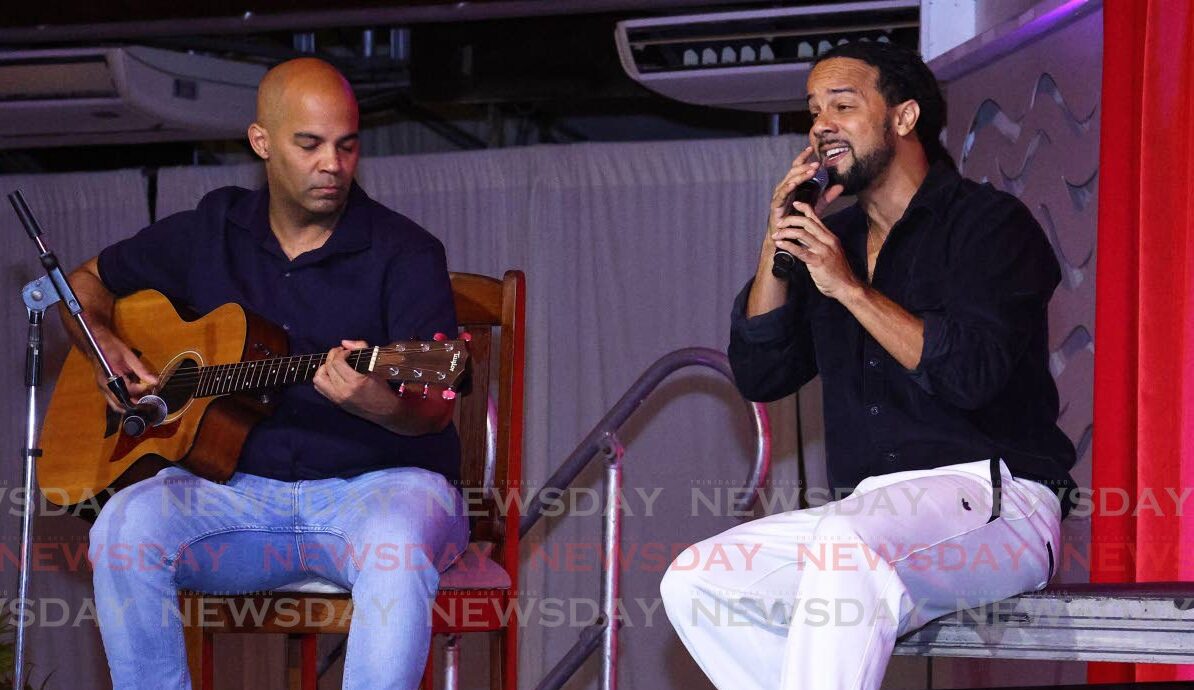
    The ceremony culminated with musical tributes from her brothers, soca artists Kees and Jon Dieffenthaller, who honored their sister’s memory through song. Attendees left with renewed inspiration from Dieffenthaller’s mantra: ‘Don’t work for the sake of working—do the things that bring you joy and passion.’

  • 10 items to pack in your Christmas barrel post-Melissa

    10 items to pack in your Christmas barrel post-Melissa

    In the wake of Hurricane Melissa’s devastating impact, the longstanding Jamaican tradition of sending Christmas barrels from abroad has evolved from a cultural gesture into a vital recovery mechanism. These shipments, historically filled with festive treats and reminders of connection, now carry essential supplies for families grappling with the storm’s aftermath.

    The catastrophic weather event left widespread damage across the island, disrupting power infrastructure, compromising water systems, and destroying personal belongings. As communities face prolonged power outages and limited access to clean water, the contents of these barrels have become instrumental in supporting daily survival and recovery efforts.

    Critical items now prioritized for inclusion address immediate humanitarian needs. Solar-powered lighting solutions and portable chargers maintain essential connectivity and safety after dark. Practical clothing and sturdy footwear provide protection during cleanup operations, while innovative hygiene products like no-rinse sponges and portable toilet systems address sanitation challenges where water infrastructure remains compromised.

    Water purification tablets offer protection against waterborne diseases, and non-perishable food items sustain families while electrical systems undergo repairs. Protective tarpaulins serve as temporary roofing solutions, helping secure damaged homes against further exposure.

    Notably, communication technology has emerged as a recovery priority, with portable internet devices and Starlink systems enabling access to emergency information where local networks remain impaired. This technological dimension represents a modern evolution in disaster response, facilitating crucial connectivity when traditional infrastructure fails.

    The reimagined Christmas barrel initiative demonstrates how cultural traditions can adapt to address contemporary crises, transforming seasonal generosity into targeted humanitarian support. Each carefully selected item now serves dual purposes: meeting immediate physical needs while reinforcing the profound message of solidarity that underpins the Jamaican diaspora’s enduring connection to home.

  • Out in South cancelled, promoters urge stadia ban reversal

    Out in South cancelled, promoters urge stadia ban reversal

    The Trinidad and Tobago Promoters Association (TTPA) has publicly denounced the government’s sudden prohibition on utilizing state-owned venues for Carnival 2026 festivities, characterizing the move as discriminatory and operationally disruptive. During a December 3 media briefing at One Woodbrook Place in Port of Spain, industry representatives revealed approximately 16 major events now face potential cancellation or relocation due to the policy shift.

    Prime Minister Kamla Persad-Bissessar initially justified the restrictions last month citing noise pollution concerns near venues including Brian Lara Cricket Academy (BLCA) and Hasely Crawford Stadium. The annual Out in South fete, traditionally hosted at BLCA, has already been confirmed as a casualty of the new regulations.

    TTPA Vice President Asha Green emphasized the association seeks constructive consultation rather than legal confrontation, despite having received no response to their December 1 letter requesting policy reversal. Green outlined comprehensive noise-mitigation strategies proposed by promoters, including certified acoustic oversight, real-time sound monitoring, and strategic speaker placement—measures she noted often exceed state recommendations.

    The financial implications are substantial, with promoters anticipating multimillion-dollar losses. Event producer Adrian Chandler described an atmosphere of uncertainty, noting that even when venues became available, increased costs made them economically unfeasible for many stakeholders.

    Damian Baboolal, director at Spirit Mas and secretary of Naparima College’s Past Students Association, highlighted the disproportionate impact on southern Trinidad communities. He revealed the ban has effectively dismantled vital fundraising mechanisms for educational institutions, depriving schools of resources for underprivileged students and infrastructure improvements. Baboolal further alleged an unofficial government mandate prohibiting state agencies from sponsoring Carnival events, exacerbating the financial strain on cultural organizers.

    The association maintains that collaborative governance—exemplified by the successful relocation of Scorch’s First Jam event through cooperation with the National Carnival Commission—represents a more effective solution than outright bans for addressing community concerns while preserving Trinidad’s cultural heritage.

  • 39 Pounds of Cannabis Found in Old Capital

    39 Pounds of Cannabis Found in Old Capital

    In a significant law enforcement operation on Monday, December 2, 2025, Belize City police uncovered a substantial cache of illicit cannabis weighing approximately 39.45 pounds. The discovery occurred during a targeted search of a swampy area within the city limits, where authorities located two large garbage bags concealed within the terrain.

    Upon closer inspection, officers discovered the bags contained two crocus sacks holding seventeen individually wrapped parcels of cannabis. The method of concealment in a natural, waterlogged area suggests sophisticated attempts to avoid detection by law enforcement agencies.

    Police officials have confirmed that all seized parcels were properly labelled and secured as found property following standard evidence collection protocols. The seizure represents one of the more significant drug interdictions in the Belize District recently, highlighting ongoing efforts to combat narcotics distribution networks in the region.

    The operation demonstrates continued vigilance by Belizean authorities against drug trafficking activities, particularly in urban areas where such criminal operations often establish distribution points. No arrests have been reported in connection with the seizure at this time, though investigations remain ongoing to identify those responsible for the concealed narcotics.

  • Caribbean Development Bank official highlights link between justice and economic progress at CCJ law event

    Caribbean Development Bank official highlights link between justice and economic progress at CCJ law event

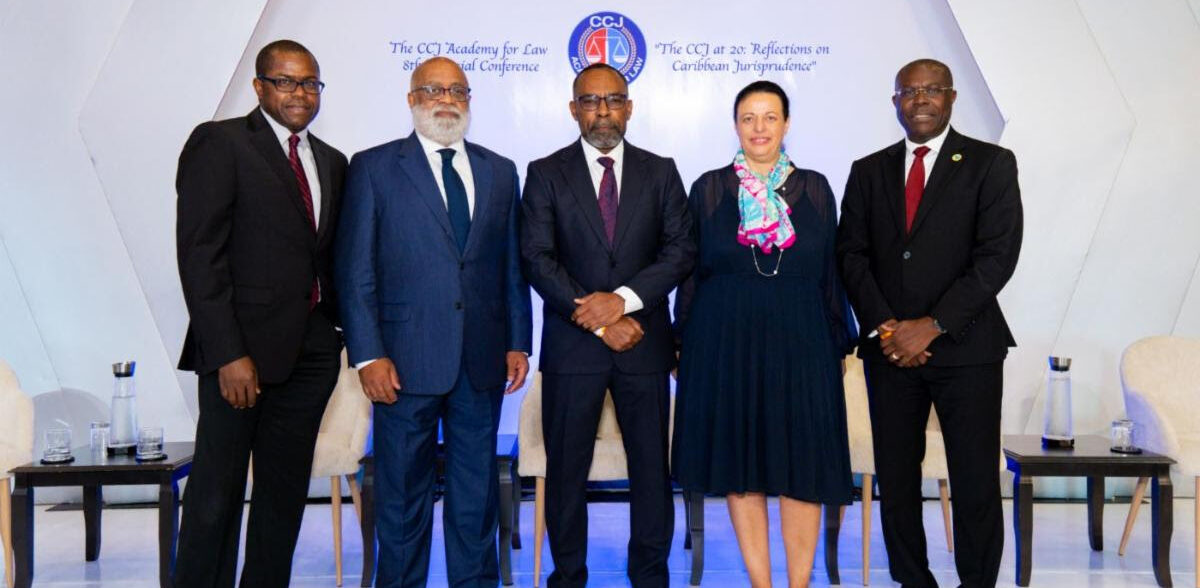
    At the 8th Biennial Law Conference hosted by the Caribbean Court of Justice (CCJ) Academy for Law, Dr. Isaac Solomon, Vice President of Operations at the Caribbean Development Bank (CDB), delivered a powerful address connecting judicial integrity to sustainable development. The event, marking the CCJ’s 20th anniversary under the theme “The CCJ at 20: Reflections on Caribbean Jurisprudence,” served as a platform for Dr. Solomon to articulate the indispensable role of justice in economic advancement.

    Dr. Solomon emphasized the CDB’s decade-long partnership with the CCJ, noting that equitable justice systems form the foundation for inclusive economic growth and poverty reduction. “Justice is the invisible engine that powers economic and social progress,” he declared. “When justice is reliable, investors feel confident. When rights are protected, communities become resilient. When systems are transparent, inequality declines.”

    The address highlighted how robust legal frameworks create conducive environments for investment, build trust in public institutions, and ensure fair treatment for marginalized groups. The CDB’s support has focused on governance improvements and institutional strengthening through multiple initiatives, including previous conferences addressing criminal justice reform and transnational legal cooperation.

    Looking toward the future, Dr. Solomon called for enhanced national justice systems and deeper regional integration. He advocated for “a justice ecosystem that is more deeply integrated, technologically-enabled, people-centered, and capable of supporting the ambitious development agenda of a dynamic Caribbean Community.”

    The conference itself represented a significant milestone, bringing together legal practitioners, policymakers, academics, and development partners to celebrate two decades of Caribbean jurisprudence and strategize on future justice initiatives. Dr. Solomon reaffirmed CDB’s commitment to ensuring legal frameworks adapt to evolving regional needs, ultimately working toward a more just, equitable, and resilient Caribbean.