分类: society

  • Nalis receives Audience Choice Impact Award

    Nalis receives Audience Choice Impact Award

    The National Library and Information System Authority (Nalis) of Trinidad and Tobago has achieved significant recognition for its groundbreaking efforts in promoting accessibility. The institution was honored as a finalist for the 2025 Inter-American Development Bank President’s Award for Innovation in Service Excellence (Praise) in the Citizen External User Experience Category for its transformative Marrakesh Project.

    During the prestigious awards ceremony hosted at the President’s House on November 26, Nalis received dual honors: their official finalist certification and the distinguished Audience Choice Impact Award within their category. This special recognition, determined by the judging panel, acknowledges the project’s exceptional potential to create meaningful positive change for Trinidad and Tobago’s citizens.

    The Marrakesh Project represents a critical advancement in educational accessibility. As the legally authorized entity under the Marrakesh Treaty, Nalis holds the exclusive mandate within Trinidad and Tobago to produce materials in accessible formats including Braille, audio, and large print publications. This initiative specifically serves students who are blind, visually impaired, or otherwise print disabled.

    Beyond domestic impact, the project contributes significantly to global accessibility efforts. Nalis systematically converts local educational materials and shares these resources through the international Accessible Books Consortium (ABC), enabling worldwide access to Trinidad and Tobago’s literary and educational content.

    The recognition followed a rigorous selection process. A dedicated Nalis team comprising Helen Johnson, Director of Information Networks Division, and Donna Hall-Comissiong, Librarian IV, presented the project directly to the IDB’s judging panel on October 7. Nalis emerged among 12 finalists from various government ministries and departments, all demonstrating exceptional citizen impact across two primary categories: Internal User Experience and External Citizen Experience.

    Now in its eighth iteration, the IDB’s President’s Awards continue to highlight excellence and innovation within Trinidad and Tobago’s public sector, showcasing initiatives that significantly enhance citizen services and operational efficiency. The 2025 top honors in the External User Experience Category were awarded to the Ministry of Education for its First Year Infant Registration System TT (FIRSTT) project, while the North West Regional Health Authority secured the Internal User Experience award for implementing a Comprehensive Health Information System.


  • Ban on private drones for Tobago Day show

    Ban on private drones for Tobago Day show

    The Tobago House of Assembly (THA) has implemented temporary airspace restrictions prohibiting private drone operations near Scarborough Esplanade during the December 6 Tobago Day Cultural Concert and Drone Show. The Office of the Chief Secretary issued an official notice stating the ban will be enforced during the scheduled 6:30 PM drone display performance.

    According to the THA’s released statement, unauthorized drone activity in the vicinity could potentially interfere with the navigation systems and precisely coordinated movements of the official display drones. The coordinated aerial show involves sophisticated technology requiring clear, uncontested airspace to ensure both spectacular visual effects and public safety.

    The assembly emphasized that these measures are necessary to create a secure environment for both attendees and performers while maintaining the technical integrity of the scheduled presentation. Officials expressed gratitude for public cooperation, noting that compliance with the temporary restriction would contribute to an enjoyable experience for all concert attendees while demonstrating community responsibility regarding emerging technology regulations.

  • Beginner’s croissant dough recipe

    Beginner’s croissant dough recipe

    The delicate art of crafting perfect croissants—long considered the domain of professional patisseries—has been made accessible to home bakers through a comprehensive guide by Naomi Anderson, founder of Trinidad’s Unicakery workshop. This culinary breakthrough centers on mastering laminated dough, the foundational technique behind French viennoiserie.

    The critical success factor lies in temperature management of butter, which must maintain a precise state between firmness and flexibility. When incorporated correctly, butter creates steam during baking that separates dough layers into the characteristic airy, flaky texture. Anderson emphasizes that butter that’s too cold will fracture and compromise layer integrity, while overly soft butter will assimilate into the dough rather than creating separation.

    Anderson’s beginner-friendly recipe utilizes standard ingredients: all-purpose flour, granulated sugar, instant yeast, salt, milk, eggs, and two cups of butter divided into precisely measured portions. The process involves creating a basic dough ball followed by systematic incorporation of butter blocks through a series of rolls, folds, and chilling cycles.

    The technique demonstration shows butter being divided into eight portions, formed into rectangular blocks through pounding between parchment sheets, and systematically enveloped by dough through multiple laminations. Each cycle requires 20-minute chilling intervals to maintain optimal butter consistency.

    This versatile dough foundation enables creation of multiple pastry varieties including classic croissants, chocolate-filled variations, or Danish pastries. Anderson stresses that gentle handling during rolling preserves the carefully built layers that define quality pastries.

    With twelve years of professional pastry experience, Anderson has transformed Unicakery into a Port of Spain culinary education hub specializing in specialty desserts and hands-on workshops. Her approach demonstrates that patience and precise temperature control can yield bakery-quality results in home kitchens, empowering enthusiasts to elevate their baking capabilities through structured technique mastery.

  • St James residents express gratitude as Courts and Whirlpool offer laundry day

    St James residents express gratitude as Courts and Whirlpool offer laundry day

    In the wake of Hurricane Melissa’s devastation, a collaborative humanitarian effort between retail giant Unicomer Group and appliance manufacturer Whirlpool has brought much-needed relief to residents of St. James parish, Jamaica. The initiative, hosted at Courts’ Barnett Street location, provided complimentary laundry services using state-of-the-art 20KG impeller washers to community members grappling with disrupted water and electricity infrastructure.

    The Saturday event witnessed overwhelming participation from local residents who expressed profound gratitude for the practical assistance. Cordella Brown, a resident from the flood-affected Westgreen area, shared her emotional response: ‘I almost lost my hand in the hurricane and had to seek medical attention. When I learned about this service with provided detergent and everything, I thought—this is marvelous.’

    The timing proved particularly crucial for families preparing for school reopenings. Roneika Campbell from Hendon Norwood emphasized: ‘This enables us to wash our children’s uniforms and ensure they’re prepared for school despite our utility challenges.’

    Organizers implemented comprehensive support measures, providing not only machines and detergent but even garbage bags for transporting cleaned garments. Amoy Smith, another beneficiary, noted the exceptional organization: ‘They’ve thought of everything—we only needed to bring our clothes.’

    Kera Swaby, a Whirlpool representative, explained the corporate motivation behind the initiative: ‘As household names, Courts and Whirlpool recognized our responsibility to support communities during this difficult recovery period. We aimed to provide practical assistance that would genuinely improve daily living conditions.’

    While celebrating this corporate citizenship, residents simultaneously appealed to utility providers for accelerated infrastructure restoration, highlighting the ongoing challenges in accessing basic necessities throughout the parish.

  • ‘Alone but not lonely’: 10 ways to spend Christmas by yourself

    ‘Alone but not lonely’: 10 ways to spend Christmas by yourself

    While Christmas traditionally evokes images of crowded family gatherings and social festivities, an increasing number of people are discovering the profound beauty of celebrating the holiday season in solitude. Whether due to geographical separation, work commitments, travel circumstances, or personal choice, spending Christmas alone has transformed from a potentially lonely experience into an opportunity for genuine self-connection and intentional joy.

    The conventional narrative that equates holiday happiness exclusively with social gatherings is being redefined by mental health experts and wellness advocates. Research in positive psychology indicates that solitary celebrations can yield comparable—and sometimes greater—emotional satisfaction when approached with mindfulness and purpose. The essence of the holiday spirit, psychologists suggest, resides not in external validation but in internal contentment.

    A curated selection of evidence-based strategies enables individuals to transform solitary Christmas observances into deeply rewarding experiences:

    1. **Personal Tradition Crafting**: Establishing customized rituals—whether a special morning meal, visiting meaningful locations, or sunrise walks—creates psychological anchors that foster emotional significance.

    2. **Luxurious Self-Care Initiation**: Beginning the day with deliberate relaxation techniques, comfortable attire, ambient lighting, and favorite music establishes a positive neuropsychological foundation for the entire day.

    3. **Comfort Media Immersion**: Engaging with personally meaningful films and programming activates nostalgia and comfort responses, creating psychological warmth regardless of physical solitude.

    4. **Therapeutic Culinary Exploration**: The dual benefits of cooking—creative expression and olfactory stimulation—generate natural mood elevation while creating tangible celebratory atmosphere.

    5. **Strategic Digital Connection**: Brief but meaningful virtual interactions trigger oxytocin release and social bonding effects, demonstrating that physical presence isn’t prerequisite for emotional connection.

    6. **Self-Gifting Ritualization**: The practice of self-presentation and unwrapping activates reward pathways in the brain, reinforcing self-worth and celebratory recognition.

    7. **Gratitude Cognitive Reframing**: Documenting personal achievements and blessings produces measurable psychological benefits, shifting focus from perceived lack to tangible abundance.

    8. **Nature Immersion Therapy**: Exposure to natural environments reduces cortisol levels and increases serotonin production, providing biochemical mood enhancement.

    9. **Creative Flow State Engagement**: Participating in creative activities induces therapeutic flow states that promote present-moment awareness and personal fulfillment.

    10. **Permission for Authentic Experience**: Releasing societal expectations and embracing personal comfort levels represents the ultimate act of self-honoring during the holidays.

    Neuroscientific research confirms that these approaches activate the brain’s reward centers similarly to social holiday experiences. The key psychological shift involves reconceptualizing solitude not as isolation but as opportunity—for reflection, restoration, and authentic celebration according to personal values and needs.

    This paradigm shift in holiday celebration acknowledges that meaningful connection begins with self-connection, and that the most enduring holiday spirit often emerges from quiet moments of genuine self-appreciation rather than obligatory social performances.

  • Federation of Journalists expresses support for Panamanian unions

    Federation of Journalists expresses support for Panamanian unions

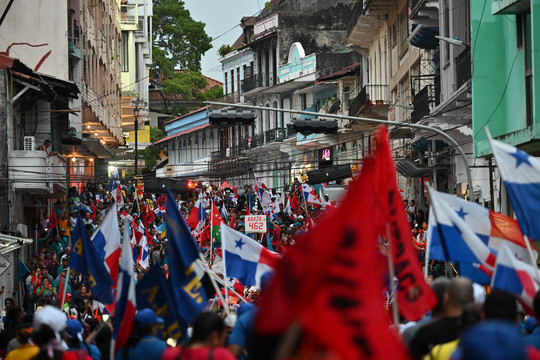
    A significant labor rights confrontation is unfolding in Panama, where trade unions are engaged in a fierce struggle against executive authorities allegedly employing judicial mechanisms to suppress strike actions and social demonstrations. This development follows a motion endorsed during recent International Federation of Journalists (IFJ) Executive Committee sessions in Bari, Italy, which has since gained traction across social media platforms.

    The motion highlights the detention of two prominent construction union leaders, Jaime Caballero and Genaro López, as part of the government’s strategic approach to labor relations. The situation further intensifies with additional union representatives facing severe repercussions: Erasmo Cerrud has sought sanctuary within the Nicaraguan embassy, while Saúl Méndez lives in exile abroad.

    Beyond these high-profile cases, the document reveals a broader pattern of systematic repression. Over 180 union officials currently face legal proceedings, while approximately 1,500 workers have been dismissed from their positions following recent strikes against controversial social security reforms. These reforms have been widely criticized for undermining contributors’ rights.

    The International Federation of Journalists, established in 1926, contextualizes these events within Panama’s deteriorating labor rights landscape. The Panamanian labor movement has repeatedly submitted formal complaints to the International Labour Organization (ILO), citing consistent violations of international labor standards and systematic obstruction of collective bargaining and petition processes that are fundamental to worker representation.

  • Barbados to issue first embroidered stamp on December 8

    Barbados to issue first embroidered stamp on December 8

    In an unprecedented move for philatelic history, the Barbados Postal Service (BPS) is set to launch its inaugural embroidered postage stamp this coming Monday, December 8. This groundbreaking issue prominently features an intricately stitched dove, recognized worldwide as an emblem of peace and unity.

    The creation of this unique stamp represents a significant international partnership, bringing together the expertise of multiple global entities. The collaborative effort includes the Universal Postal Union (UPU), the United Nations, and the renowned Austrian embroidery specialist Hämmerle & Vogel. This multinational cooperation underscores the universal message of harmony that the stamp seeks to promote.

    Technical specifications reveal the stamp will be available in a single denomination of $2.20 Barbados dollars. For collectors and enthusiasts, a specially designed First-Day Cover will be offered at $2.95. These philatelic items will be available through the Philatelic Bureau located at the General Post Office on Cheapside in Bridgetown.

    The Bureau will maintain its regular operating hours from 8:00 a.m. to 4:15 p.m., Monday through Friday, to accommodate purchases and advance orders. This release marks not only a first for Barbadian postal history but also represents a innovative approach to stamp design that merges traditional embroidery craftsmanship with modern postal services.

  • Buying from smallholder farmers strengthens food security in Latin America and the C’bean

    Buying from smallholder farmers strengthens food security in Latin America and the C’bean

    A groundbreaking United Nations study reveals that redirecting public food procurement to local family farmers represents a transformative strategy for enhancing food security, diversifying diets, and stimulating inclusive economic growth across Latin America and the Caribbean. The comprehensive report, jointly presented by the World Food Programme (WFP), the Food and Agriculture Organization (FAO), and the Economic Commission for Latin America and the Caribbean (ECLAC), demonstrates how structured government demand can create sustainable markets for small-scale agricultural producers who constitute 81% of the region’s farming operations.

    Despite accounting for the overwhelming majority of agricultural holdings, smallholder farmers face persistent structural challenges including limited market access, low productivity rates, and heightened vulnerability to extreme weather events. The UN agencies propose that strategic public spending directed toward this sector can simultaneously address multiple development objectives while providing cost-effective solutions to nutritional challenges.

    The region has made notable progress with 1.5 million people escaping hunger in 2024, yet significant challenges persist with approximately 181.9 million individuals unable to afford a healthy diet and rural poverty remaining endemic. UN officials emphasize that local procurement policies offer a dual benefit by leveraging existing public budgets while fostering broader economic and social development.

    FAO’s Assistant Director-General for Latin America and the Caribbean, Rene Orellana Halkyer, highlighted that “promoting local public food procurement from smallholder farmers has become a key policy direction. This strategy redefines how public spending can drive development and improve nutrition while directly addressing structural barriers faced by small producers.”

    WFP Regional Director Lola Castro characterized public procurement as “more than a supply mechanism—it’s a powerful policy tool for inclusion and resilience.” She noted that “short chain and zero kilometer foods multiply economic opportunities for communities, safeguard culinary heritage, and contribute to public health since produce reaches consumers at peak ripeness with enhanced nutritional value.”

    The report documents substantial benefits in implementation areas, with participating producers increasing incomes by up to 106% and female participation in public food markets surging from 23% to 61%. Countries like Honduras and Guatemala generated 478 jobs for every million dollars invested through these programs.

    ECLAC’s director of Productive and Business Development Division, Marco Llinás, emphasized that “connecting producers to markets is not enough; policies must strengthen productive, technological, and organizational capacities to ensure sustainable integration into value chains while reducing consumer prices and enhancing food security.”

    The study concludes that maximizing impact requires synergistic approaches combining public procurement with advancements in science, technology, innovation, and human capital development. The publication provides policymakers, development agencies, and civil society organizations with evidence-based frameworks for integrating local food procurement into national food security and rural development strategies.

  • APUA Workers Return Home After Assisting Jamaica’s Post-Hurricane Restoration

    APUA Workers Return Home After Assisting Jamaica’s Post-Hurricane Restoration

    A dedicated team of utility specialists from Antigua and Barbuda has concluded their critical disaster recovery assignment in Jamaica, returning home after providing essential restoration services in the aftermath of Hurricane Melissa. The Antigua Public Utilities Authority (APUA) officially confirmed the successful completion of their humanitarian mission.

    According to APUA’s announcement, the crew’s return occurred in two phases. Supervisor Kelvin Tanner concluded his leadership duties and returned to Antigua in late November, while the remaining team members—Sean Spencer, Wamani Grayman, Jamany Anthony, and Shoy Matthew—arrived home on December 5, 2026.

    The utilities authority extended formal gratitude to the entire team for their professional excellence and diplomatic representation abroad. In an official statement, APUA emphasized that the technicians had embodied national pride throughout their recovery efforts in Jamaica. “We thank them for their outstanding service and for representing Antigua and Barbuda with pride. Welcome home, gentlemen,” the authority stated, highlighting the international cooperation between Caribbean nations during natural disaster responses.

    The deployment demonstrates the growing regional collaboration among Caribbean utilities, where specialized teams provide mutual assistance following major weather events. Such partnerships have become increasingly vital as climate patterns intensify across the region, with nations developing formal protocols for rapid response team deployments following hurricanes and tropical storms.

  • ICBL donates $50 000 to support five charities

    ICBL donates $50 000 to support five charities

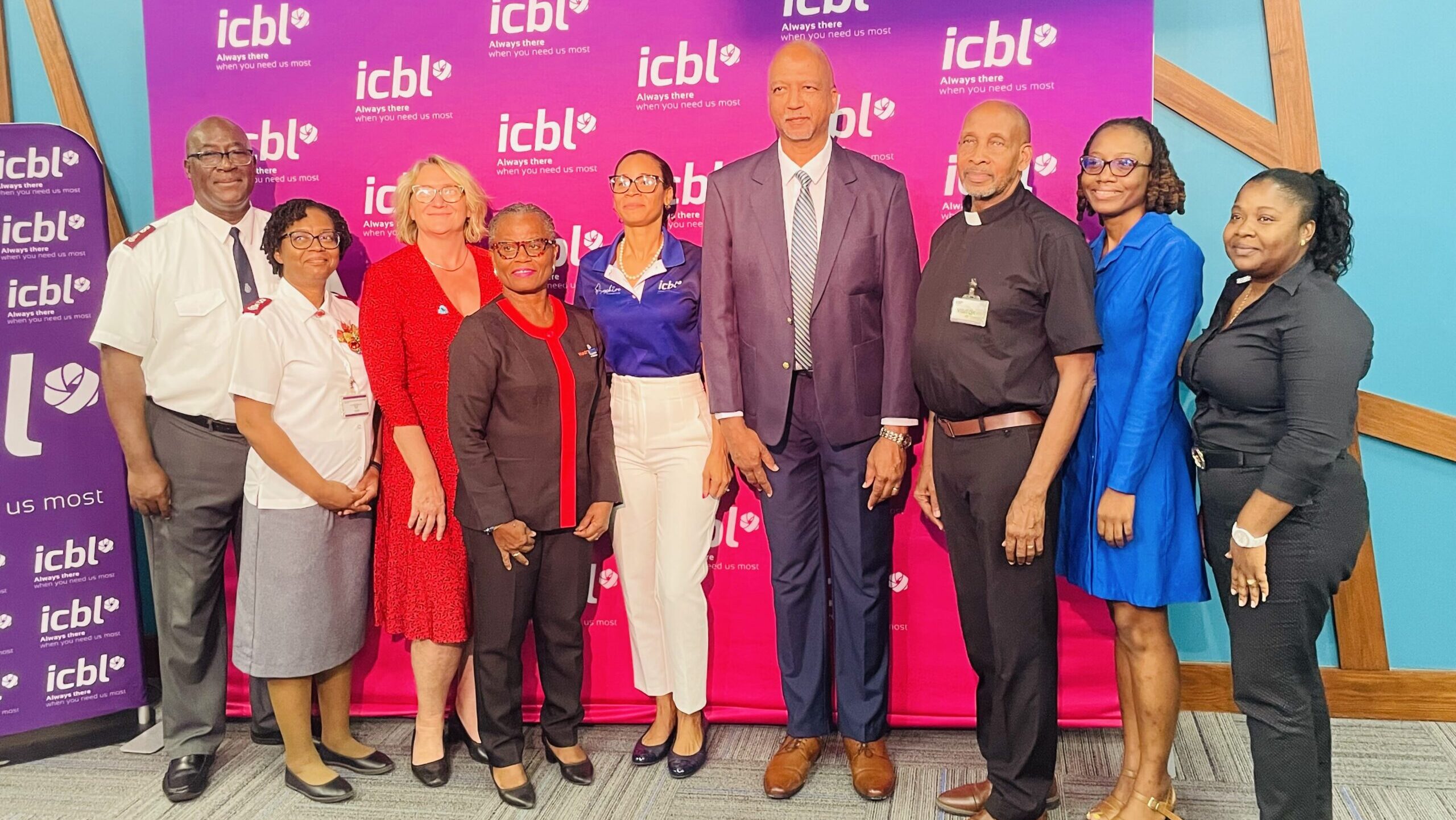
    In a significant demonstration of corporate social responsibility, Insurance Corporation of Barbados Limited (ICBL) distributed $50,000 in charitable contributions to five nonprofit organizations during a ceremony at its Roebuck Street headquarters on Wednesday. The strategic philanthropic initiative targeted organizations addressing Barbados’ most pressing health and social welfare challenges.

    ICBL CEO Goulbourne Alleyne presented $10,000 checks to representatives from The Salvation Army, Variety – The Children’s Charity, the Heart and Stroke Foundation, the Barbados Cancer Society, and the Diabetes and Hypertension Association. Alleyne emphasized that despite encouraging economic indicators showing 2.7-3% GDP growth, many Barbadian families continue facing substantial hardships that require community support.

    The selected organizations were recognized for their decades of consistent service and measurable impact on vulnerable populations. Alleyne noted that their work frequently represents “the critical difference between hardship and hope, between despair and survival” for countless citizens.

    Richard Alleyne of the Diabetes and Hypertension Association, celebrating its 50th anniversary, accepted the first donation while highlighting the disproportionate burden non-communicable diseases place on Queen Elizabeth Hospital’s resources. He expressed appreciation for corporate partners “willing to give back to the society that made them successful.”

    Sharifa Yard, administrator of the Barbados Cancer Society, detailed how ICBL’s sustained support enables critical outreach programs promoting early detection of prostate, cervical, and other cancers while supporting affected families and children across the island.

    Greta Yearwood of the Heart and Stroke Foundation underscored the urgent national health crisis, revealing that cardiovascular disease alone accounts for nearly 30% of deaths in Barbados. The partnership with ICBL funds essential screenings, health education, and life-saving interventions that directly address this epidemic.

    Jacqui McDermott of Variety – The Children’s Charity, marking thirty years of service, emphasized the donation’s immediate impact during the holiday season, noting that many assisted children face difficulties “through no fault of their own.”

    Major Robert Pyle of The Salvation Army, reflecting on the organization’s 127-year presence in Barbados, shared impressive operational statistics: 1,076 food hampers distributed, 12,640 people provided with essential goods, and 36,444 meals served through feeding programs between January and September alone. He credited these achievements to dedicated donors like ICBL.

    The contributions form part of ICBL’s comprehensive year-round philanthropic program supporting civic groups, sports development, education, and disaster relief initiatives. With Christmas approaching, CEO Alleyne reaffirmed that community upliftment remains central to ICBL’s corporate identity, stating: “We believe that when those around us strive, our nation thrives. And when they struggle, it’s our duty to stand with them.”