分类: society

  • Banana Board urges farmers to register with catastrophe fund

    Banana Board urges farmers to register with catastrophe fund

    KINGSTON, Jamaica — Jamaican agricultural authorities are proactively mobilizing banana and plantain growers across the island to enroll in the specialized Catastrophe Fund administered by the Banana Board. This urgent call to action comes as the nation prepares for the approaching 2026 Atlantic hurricane season, which officially runs from June 1 to November 30 annually.

    The Catastrophe Fund represents a critical disaster-recovery insurance mechanism specifically designed to provide financial protection and stabilization support to Jamaica’s vital banana and plantain agricultural sector following devastating hurricanes and other catastrophic natural events. The program serves both export-oriented producers and those supplying domestic markets, ensuring comprehensive coverage across the agricultural supply chain.

    According to Janet Conie, General Manager of the Banana Board, registration for the insurance program operates on a voluntary basis with annual enrollment periods commencing each January. While the fund maintains operational availability throughout the entire year, farmers must complete registration procedures before the official start of hurricane season to qualify for potential claims disbursements.

    Ms. Conie emphasized the program’s extensive coverage parameters in discussions with JIS News, noting that protection extends beyond hurricane damage to include “floods and sudden disasters of any kind [including] windstorms.” She characterized the initiative as “one of the preparatory strategies that we have in place that kicks in whenever there is a disaster.”

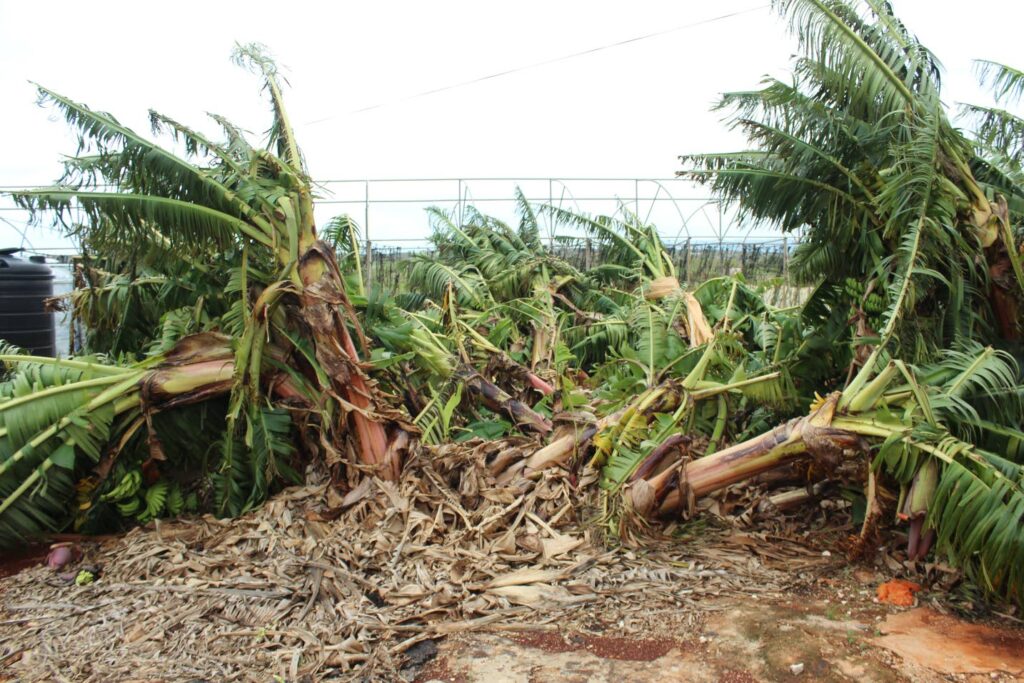
    The Catastrophe Fund is currently actively supporting recovery efforts for farmers affected by Hurricane Melissa’s devastating impact on banana and plantain cultivation, demonstrating the program’s practical implementation and value to agricultural communities.

    Interested farmers may initiate registration by contacting the Banana Board directly at (876) 922‑5490 for enrollment information and procedural details.

  • Fiancé left after I gave in

    Fiancé left after I gave in

    A relationship expert has responded to a poignant reader letter highlighting the emotional dangers of premarital intimacy testing, drawing from both personal testimony and psychological insight. The discussion emerged after a female reader recounted her traumatic experience with a former fiancé who insisted on testing sexual compatibility before marriage.

    The woman described how she reluctantly acquiesced to her ex-fiancé’s demands, subsequently became pregnant, and was abandoned when he declared them ‘incompatible.’ The situation escalated into personal devastation and community scandal, particularly when he married another woman. Though she eventually found love and marriage herself, the memory resurfaced painfully upon reading a similar contemporary query.

    The counselor acknowledged that men proposing such ‘tests’ often demonstrate selfishness and poor judgment while failing to comprehend the profound emotional consequences. However, he cautioned against blanket characterizations of all men as ‘users,’ noting the complex social pressures men face regarding sexual expectations. Peer pressure from friends and family—often expressed through mocking commentary—can create significant dilemma for men choosing abstinence.

    Additionally, women may inadvertently contribute to this dynamic by questioning a man’s devotion or health if he doesn’t initiate sexual activity. The counselor cited Dr. Myles Munroe’s observation that sexual drive represents humanity’s most powerful biological force, frequently compelling unwise decisions as evidenced by high-profile cases like Jeffrey Epstein and Harvey Weinstein.

    Globally, statistics indicate an average of nine sexual partners per individual according to World Population Review data, highlighting widespread promiscuity challenges. The emotional, physical, financial, and spiritual consequences can be devastating without proper desire management.

    The expert referenced biblical wisdom from Romans 7:15, where Apostle Paul describes the human struggle between intention and action, ultimately finding strength through spiritual conviction. The counselor advised the reader to pursue forgiveness, recognize her gained wisdom, and appreciate her current life including her child. He offered continued support through convenient online sessions, praying for her emotional healing and liberation from past trauma.

    Readers seeking guidance may contact Reverend Christopher Brodber via The Counsellor’s Couch column at the Jamaica Observer.

  • School principal counts blessings amid disaster

    School principal counts blessings amid disaster

    Six weeks after Hurricane Melissa’s devastating passage, the Burnt Savannah Early Childhood Institution in St. Elizabeth continues operating without a roof—yet radiates remarkable resilience through powerful community solidarity. Despite classrooms remaining exposed to the elements, the institution has become both a recipient and distributor of hope in the aftermath of the Category 5 storm.

    Principal Elaine Williamson Smith detailed the extensive damage: “Our zinc roofing completely disappeared during the storm, and unfortunately, some community members took the remaining materials.” Yet the devastation triggered an extraordinary response. Former student Claston Bernard mobilized US Navy personnel and Mexican workers to install protective tarpaulins, while numerous organizations and individuals contributed rebuilding materials.

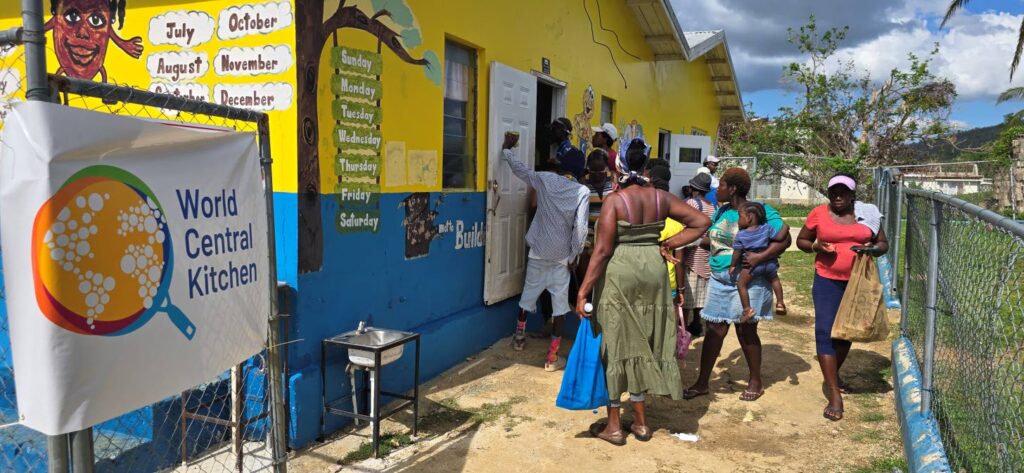
    The school’s transformation into a community hub represents perhaps the most remarkable development. Partnering with World Central Kitchen, the institution now serves as a strategic distribution center for meals reaching hurricane-affected residents across multiple communities. “We’ve sent meals to Burnt Savannah Primary School, Knoxville Basic School, and Slipe,” Williamson Smith explained, emphasizing their careful scheduling of distributions to avoid disrupting classroom activities.

    Educational challenges remain significant. Currently operating without electricity or internet, the school has shortened daily sessions to avoid afternoon rainfall. Attendance stands at approximately 50% of the pre-hurricane 105 students, with many families temporarily relocated or struggling with recovery. “Some households simply cannot send children to school yet,” the principal acknowledged, though she remains optimistic about gradual improvement.

    The collective response has overwhelmed school administrators. Food For the Poor has committed building materials and care packages, while education ministry officials and the Early Childhood Commission have pledged reconstruction support. “God has sent persons to our help and our rescue,” Williamson Smith stated, reflecting the community’s profound gratitude amid ongoing challenges.

    Despite the progress, complete recovery remains a distant goal. The principal’s ultimate vision includes fully restored operations for the entire educational and medical complex—the primary school, health center, and early childhood institution—enabling all students to resume regular face-to-face learning without environmental limitations.

  • Can a married parent add a child to their title?

    Can a married parent add a child to their title?

    Legal expert Margarette Macaulay has provided authoritative guidance on property ownership rights for married women in Jamaica, addressing a common inquiry about transferring property to children without spousal consent. The clarification comes in response to a reader’s question regarding whether a married woman can add her child’s name to a property deed where the husband holds no financial interest.

    According to Macaulay, a married woman who is the sole legal proprietor of a property—having purchased it independently with personal funds—retains the legal right to execute a transfer to herself and her child as joint proprietors. This transfer can be structured either as joint tenancy or tenancy-in-common, provided the property does not qualify as the ‘family home’ under Jamaica’s Property Rights of Spouses Act.

    The critical distinction lies in the property’s classification. The Act defines ‘family home’ as property wholly or partially owned by either spouse and habitually used as the principal family residence. Properties acquired before marriage, inherited assets, gifts intended for sole benefit, or properties obtained during short-term marriages typically fall outside this definition. If the property qualifies as the family home, the spouse’s agreement would be mandatory for any title changes.

    Macaulay recommends joint tenancy arrangements for parent-to-child transfers, explaining that this structure automatically passes full ownership to the surviving joint tenant upon death without probate complications. Alternatively, tenancy-in-common allows separate ownership interests but requires precise percentage definitions and involves more complex estate administration processes.

    The legal expert strongly advises consulting with an attorney-at-law before proceeding with any property transfer. Professional legal consultation ensures full disclosure of relevant facts and prevents potential future litigation from spouses claiming violations under the Property Rights of Spouses Act. This precautionary measure can save significant time, financial resources, and emotional distress in the long term.

    Margarette Macaulay, the responding expert, is a qualified attorney-at-law, Supreme Court mediator, notary public, and prominent advocate for women’s and children’s rights in Jamaica. Her response was published through the All Woman advisory column of the Jamaica Observer newspaper.

  • Wishes from the west: Don’t cancel Christmas

    Wishes from the west: Don’t cancel Christmas

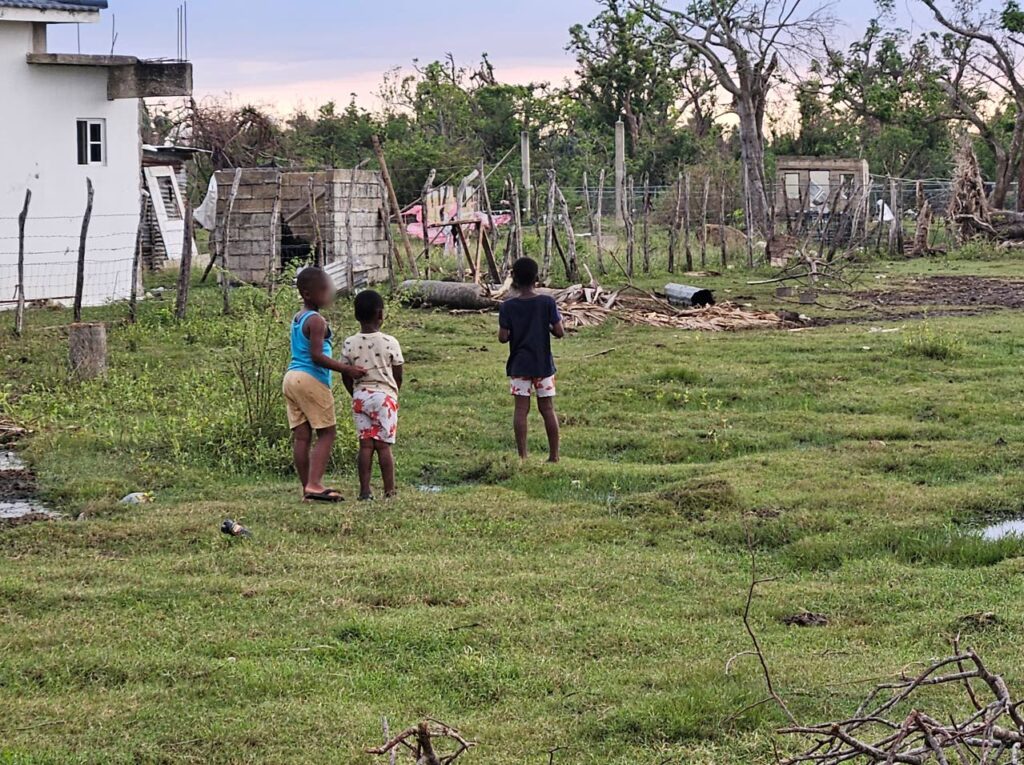
    In the storm-ravaged communities of St Elizabeth, Jamaica, residents are making an extraordinary appeal to their nation: do not scale back Christmas celebrations, but instead bring the festive spirit to those hardest hit by Hurricane Melissa. Despite facing catastrophic losses of homes and livelihoods, these communities are pleading for special focus on restoring joy for their children during the holiday season.

    Parents from Parottee and Burnt Savanna emphasize that while material possessions have been destroyed, the Christmas spirit remains unbreakable. They specifically request assistance in organizing children’s treats, family fun days, and the installation of Christmas lights to illuminate both their physical surroundings and emotional darkness. The symbolic power of holiday celebrations represents a crucial psychological lifeline for traumatized families.

    Britney Durrant, a mother of two, articulated the profound emotional need: “The children feel scared, and getting them into the Christmas spirit will at least give them a little bit of hope.” Her neighbor Raltson White echoed this sentiment, noting that while adults struggle with trauma, children deserve to experience the magic of Christmas through toys and festivities.

    Beyond seasonal celebrations, residents express more fundamental needs. Kadrija Lindo, whose home was completely destroyed, faces a January 2026 deadline to find stable housing for her two young children. Cassandra Green described her desperate situation with a leaking roof and inadequate lighting, while Getel Harriot lost both her home and small business to the hurricane.

    The community’s dual Christmas wishlist encompasses both immediate festive joy and long-term recovery assistance. Richard Thompson captured the resilient spirit, stating: “We still have to give thanks that we are alive… no matter how poor we are, we can celebrate Christmas same way.”

    The Jamaica Observer, which documented these stories, has offered to connect potential helpers with affected families, providing a direct channel for those wishing to contribute to both the Christmas celebrations and rebuilding efforts.

  • Husband, wife kidnapped off Monos Island – $2.5 million ransom demanded

    Husband, wife kidnapped off Monos Island – $2.5 million ransom demanded

    In a disturbing development on Monos Island, renowned former powerboat racer Derek ‘Stones’ Tardieu, 70, and his wife Clarabelle have been violently abducted from their residence. The couple was forcibly taken by armed kidnappers who subsequently contacted family members demanding a substantial ransom payment of $2.5 million for their safe release.

    According to investigative sources, the home invasion occurred while the Tardieus were present at their property. The assailants thoroughly ransacked the premises before departing with the elderly couple. Particularly concerning is Tardieu’s critical medical condition—the former athlete suffers from severe heart complications and a brain tumor requiring continuous medication, raising urgent concerns about his wellbeing in captivity.

    The kidnappers have provided chilling proof of life through a video recording showing Tardieu with a firearm pressed against his head while another individual brandishes a grenade. Initial contact was established around 9:44 AM when relatives received a voice message from an unrecognized number containing Tardieu’s apparent statement: ‘They have me and want US$2.5 million for my release.’

    The couple’s son, Phillip Tardieu, discovered the ransacked home after being alerted to the situation and found both parents missing. Subsequent attempts to reach his father via mobile phone proved unsuccessful. Law enforcement authorities and family representatives are urgently requesting public assistance, asking anyone with relevant information to immediately contact emergency numbers 555, 999, or the nearest police station.

  • 6 qualities a man uses to measure a woman’s market value

    6 qualities a man uses to measure a woman’s market value

    Conventional wisdom often reduces male attraction to mere physical appearance, but a deeper analysis reveals a far more complex evaluation process. When assessing a potential partner, men are subconsciously analyzing a suite of profound qualities that signal long-term compatibility and value, moving well beyond initial looks. This nuanced appraisal focuses on traits that promise a stable, resilient, and fulfilling partnership.

    The foundation of this evaluation is emotional fortitude. Men are instinctively drawn to women who demonstrate grace under pressure and the capacity to navigate life’s inevitable turmoil without excessive reactivity. A history of overcoming adversity—be it divorce, heartbreak, or the challenges of single motherhood—is not a liability but a testament to proven resilience. This ability to carry responsibility and emerge with an intact spirit is perceived as a prime indicator of maturity and a cornerstone for a stable future together.

    Closely linked is the undeniable power of self-worth and authentic confidence. A woman who possesses a clear sense of her own value and refuses to settle communicates a powerful message of self-respect. This is manifested not through arrogance, but through the establishment of healthy boundaries, clear communication of needs, and a purposeful direction in life. Such traits significantly elevate a woman’s perceived value far beyond any transient superficial attribute.

    Furthermore, life experience, often misconstrued as baggage, is reassessed as a badge of honor. The depth of responsibility demonstrated through raising children, managing a household, or building a career while healing from past wounds showcases capability, dependability, and strength. For a man seeking a true life partner, these are prized assets that signal a proven ability to handle real-world challenges.

    At the core of a serious commitment lies the non-negotiable element of character and spiritual alignment. A man with intentionality will meticulously measure a woman’s integrity, values, and inner maturity. He seeks a partner whose life reflects essential virtues like kindness, honesty, and patience—a true equal who can walk beside him in interdependence, not neediness.

    Contrary to the stereotype of stoic independence, men deeply desire emotional connection. They value a woman’s capacity for balanced love, care, and empathy—a nurturing spirit that provides support and encouragement while standing firm during difficult seasons. This is complemented by an appreciation for practical life management skills. A woman’s competence in handling finances, domestic affairs, and interpersonal relationships signals an ability to foster stability and adeptly solve problems, making her an invaluable partner.

    The ultimate conclusion is that while some may be deterred by a complex past, the right man will see beyond historical circumstances. He will measure the strength of character over the existence of scars, and the depth of person over any prior drama. A woman who truly understands her own worth does not seek validation; she embodies it, and in doing so, naturally attracts a partner who will not only recognize but fully invest in her immense value.

  • Danielle Archer resigns as NIA principal director

    Danielle Archer resigns as NIA principal director

    KINGSTON, Jamaica — Jamaica’s foremost anti-corruption organization, National Integrity Action (NIA), has announced the forthcoming departure of its principal director, attorney Danielle Archer, who will conclude her tenure on December 31, 2025.

    The organization confirmed Archer’s resignation in an official statement released Monday, highlighting her significant contributions to Jamaica’s governance reform efforts. NIA Chairperson Dr. Lynden Rose praised Archer’s transformative leadership, noting that her dedication to values-driven governance has left a lasting impact on institutional frameworks throughout Jamaica.

    “Miss Archer’s visionary leadership has been fundamental in shaping NIA’s reform agenda,” stated Dr. Rose. “Her exceptional ability to inspire meaningful change and her steadfast commitment to ethical governance will continue to influence the institutions she has engaged with.”

    In response to the announcement, Archer expressed gratitude for her service opportunity: “It has been an immense privilege to lead NIA in its crucial mission to cultivate cultures of integrity. I maintain my dedication to supporting Jamaica’s ongoing reform initiatives and advancing the principles of accountable governance throughout my future endeavors.”

    During her distinguished service, Archer provided strategic direction that strengthened accountability mechanisms, championed democratic safeguards, and established NIA as a trusted partner in national governance transformation. The organization acknowledged that her departure signifies the conclusion of a challenging period in its history.

    The NIA Board of Directors has initiated the process to identify a successor to ensure operational continuity and the advancement of the organization’s strategic priorities. Board members extended their profound appreciation for Archer’s service, recognizing that her contributions have permanently shaped Jamaica’s integrity landscape.

  • Caritas launches emergency appeal for Jamaica after Hurricane Melissa

    Caritas launches emergency appeal for Jamaica after Hurricane Melissa

    KINGSTON, Jamaica — In response to the catastrophic damage wrought by Hurricane Melissa, the global Catholic humanitarian network Caritas has initiated an extensive 12-month recovery operation across Jamaica. The organization has activated its international emergency response mechanisms to coordinate long-term support for the most vulnerable populations affected by what officials describe as unprecedented destruction.

    Marcia Haywood, Regional Director for Caritas based in St. Lucia, revealed that coordination with local dioceses in Kingston, Mandeville, and Montego Bay began even before the hurricane made landfall. The organization, representing over 30 Caribbean territories within a global confederation operating in 200 countries, has already distributed essential tarpaulins to more than 600 households in Magaty and Balaclava, with damage assessments ongoing in severely impacted Montego Bay.

    Critical supplies including food kits from Caritas Puerto Rico, solar-powered lanterns, hygiene packages, and children’s activity sets have been shipped from St. Lucia to address immediate needs. The recovery strategy incorporates innovative social protection mechanisms, including a one-time unconditional cash transfer program for the most vulnerable households, developed in partnership with Jamaica’s Ministry of Labour and Social Security.

    Haywood emphasized the program’s sophisticated approach: “We’re implementing a multipurpose cash intervention using a specialized social protection calculator tool developed last year. This system factors in existing government benefits to determine appropriate top-up support without creating dependency, ensuring those already receiving assistance get supplemental help while providing adequate support for those outside existing programs.”

    The director expressed particular concern about remote communities that remain inaccessible and persons with disabilities unable to reach distribution points. Having responded to multiple Category 5 hurricanes throughout the Caribbean, Haywood described the devastation in Montego Bay and Mandeville as “unequaled” in her experience.

    Caritas has deployed technical experts from its partner organization Catholic Relief Services (CRS) Empower and plans to hire local staff to ensure sustained recovery efforts throughout the coming year. The organization participates in both the national Cash Working Group and Shelter Working Group to coordinate effectively with government agencies and NGOs, preventing duplication of efforts.

    “We love Jamaica. We are so sorry that this has happened to our brothers and sisters, and we are committed to supporting the Jamaica recovery process,” Haywood stated, underscoring the organization’s dedication to the long-term rebuilding of affected communities.

  • Salvation Army’s Kettle initiative: Ringing the bells of hope

    Salvation Army’s Kettle initiative: Ringing the bells of hope

    Across Trinidad and Tobago’s bustling shopping centers and public spaces, the familiar sight of bright red kettles and ringing bells heralds the arrival of the Christmas season—and a 124-year tradition of compassionate giving. The Salvation Army’s iconic fundraising campaign, launched locally in the early 1900s, continues to serve as a critical support system for vulnerable communities despite evolving challenges.

    Major Chris Matthias, divisional commander overseeing operations in TT, St. Vincent, and Grenada, reveals this year’s ambitious target: $600,000 TT through the Christmas Kettle Appeal. The campaign, running from November 7 to December 31, deploys 28 collection points nationwide (26 in Trinidad, 2 in Tobago), though volunteer availability remains a persistent constraint.

    The initiative’s origins trace back to 1891 San Francisco, where Salvation Army Captain Joseph McFee adapted a Scottish maritime charity tradition. Recalling Fishermen’s Wharf’s donation pot for families of lost sailors, McFee employed an iron crab pot to fund hot meals for the impoverished. This grassroots effort rapidly expanded across the Bay Area, evolving into the recognizable red-kettle phenomenon that eventually inspired the classic Christmas ballad Silver Bells.

    In Trinidad and Tobago, where The Salvation Army formally incorporated in 1915, the kettle program serves multiple humanitarian functions. Funds enhance Christmas food hampers beyond regular distributions, support children’s holiday parties, and provide personal care packages during institutional visits to five major medical facilities—including the traditional Christmas morning visit to Port of Spain General Hospital.

    Matthias emphasizes the program’s transformative impact, recounting how one recipient eventually secured employment and housing before returning to express gratitude. This exemplifies the organization’s philosophy of providing ‘hand-ups’ rather than mere handouts.

    Despite maintaining robust transparency through independently audited reports mandated by the Street Collections (Control) Act, the organization faces growing challenges. Donor bases have contracted at both individual and corporate levels, while demand has surged—particularly among single-parent households affected by recent nationwide layoffs.

    Safety protocols ensure volunteers receive training in public interaction, donation handling, and site security, with donors encouraged to place contributions directly into kettles. The organization continues seeking business partnerships similar to international models where corporations staff kettle locations as part of CSR initiatives—though such collaborations remain elusive locally.

    Matthias concludes with a poignant reminder: Need knows no season. While kettle donations peak during holidays, public support through food contributions remains vital year-round. The ultimate gift, he reflects, extends beyond material assistance—offering hope, joy, and love through practical compassion that transforms lives during the festive season and beyond.