分类: society

  • Ceremony to Honour V.C. Bird Scheduled for Tuesday in St. John’s

    Ceremony to Honour V.C. Bird Scheduled for Tuesday in St. John’s

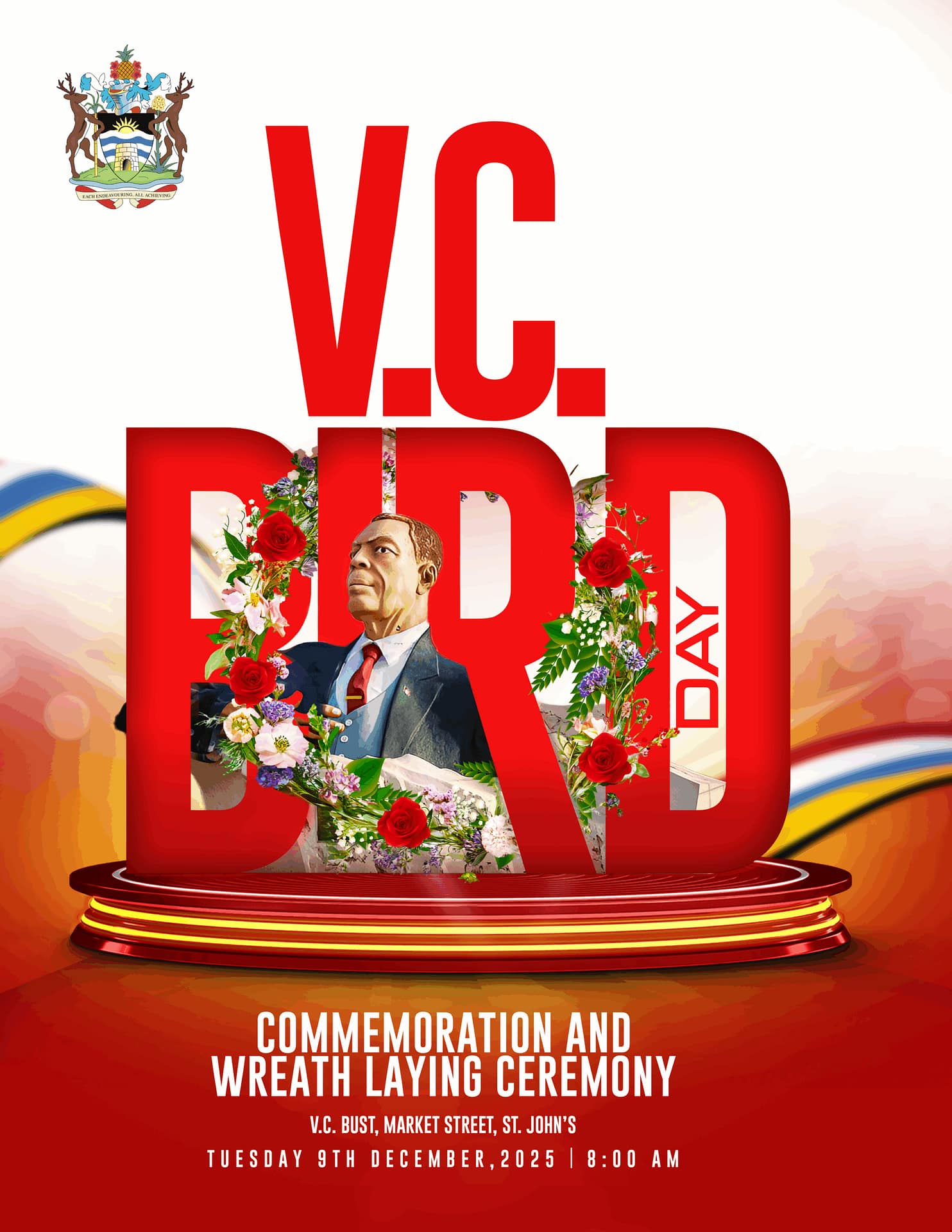
    Antigua and Barbuda will pay solemn tribute to its founding father Sir Vere Cornwall Bird during a commemorative wreath-laying ceremony scheduled for Tuesday morning. The National Festivals Office has organized the annual event to honor the enduring legacy of the nation’s architectural visionary.

    The ceremony will commence at 8:00 AM on December 9th at the prominent V.C. Bird Bust situated on Market Street. This strategically located monument serves as the traditional gathering point for official observances dedicated to the national hero.

    Government representatives, cultural ambassadors, and citizens from across the twin-island nation are expected to assemble in unified tribute. The event underscores Bird’s monumental contributions to shaping both the political framework and social fabric of modern Antigua and Barbuda.

    This annual observance forms an integral part of the nation’s calendar of official ceremonies, serving as a perpetual reminder of Bird’s pioneering role in steering the country toward independence and self-determination. The National Festivals Office has extended an open invitation to all residents to attend and witness this significant moment of national remembrance.

  • DSB opent feestmaand met vijfde editie van ‘Kresneti Fatu’

    DSB opent feestmaand met vijfde editie van ‘Kresneti Fatu’

    Suriname’s De Surinaamsche Bank N.V. (DSB) launched the festive December season in grand style with the fifth edition of Kresneti Fatu, an event made particularly significant by coinciding with the bank’s 160th anniversary celebrations. The festival emphasized community cohesion, joyful camaraderie, and the celebration of meaningful shared moments.

    The charitable dimension of the event saw proceeds from DSB’s food stands donated to Stichting SU Aid, which this year will direct its support to the hematology and oncology department of Sint Vincentius Hospital, providing crucial assistance to medical care in these specialized fields.

    Young attendees enjoyed a specially designed children’s area featuring creative craft activities, bounce houses, and dynamic dance workshops conducted by the Myztikals group. These young participants later showcased their newfound skills during the evening program, delivering proud moments for watching parents.

    The stage program presented a diverse array of performances blending dance, vocal presentations, and acts from both established and emerging artists. A particularly spontaneous and heartfelt moment occurred when the audience collectively sang ‘Happy Birthday’ to honor Father Esteban Kross. The festive evening culminated in a spectacular laser and fireworks display that illuminated the night sky.

    Looking ahead to New Year’s Eve, DSB has announced special year-end celebrations in keeping with its anniversary year. The bank will host a distinctive closing event at the facade of its headquarters building, promising various performances and a traditional pagara ceremony to bid farewell to the year in elegant style.

  • GFNC: Farm to Table standards

    GFNC: Farm to Table standards

    Grenada is mobilizing a nationwide initiative to transform food safety from a health precaution into a comprehensive national strategy. This effort engages every segment of the food supply chain—from agricultural production to consumer practices—to safeguard public health, enhance export competitiveness, and protect the island’s vital tourism industry.

    At the production level, farmers and fishermen constitute the first defense line. Their adherence to hygienic handling of crops, livestock, and seafood establishes the foundation for everything that follows. The use of clean irrigation water and contamination-free storage methods is particularly crucial for Grenada’s signature exports, including spices, cocoa, and fresh fruits.

    Processing facilities—including bakeries, spice processors, and juice manufacturers—serve as critical intermediaries. These operations are implementing Hazard Analysis and Critical Control Points (HACCP) principles to systematically identify and mitigate potential hazards before products reach markets. This adoption of international standards not only protects consumers but also positions Grenadian products favorably in global trade.

    The distribution and retail sector functions as the final checkpoint before food reaches consumers. Supermarkets and distributors bear responsibility for maintaining cold chains, ensuring proper storage conditions, and providing accurate labeling. Any failure in these areas can compromise the entire safety system, making retail establishments crucial guardians of public trust.

    Consumers complete the safety cycle through proper food handling practices in homes. Simple measures including thorough handwashing, adequate cooking, and adherence to storage instructions transform food safety from a regulatory requirement into a community-wide culture of protection.

    Grenada’s strategy incorporates internationally recognized frameworks including the European Union’s Regulation (EC) 852/2004 alongside HACCP methodologies. This integrated approach promises significant national benefits: reduced foodborne illnesses, strengthened export credentials for agricultural products, and enhanced reputation as a premium tourism destination. The Grenada Food and Nutrition Council (GFNC) spearheads this comprehensive effort, recognizing that food safety represents both a public health imperative and an economic investment in the nation’s future.

  • Commuters Lash Out Over Checkpoints During Rush Hour

    Commuters Lash Out Over Checkpoints During Rush Hour

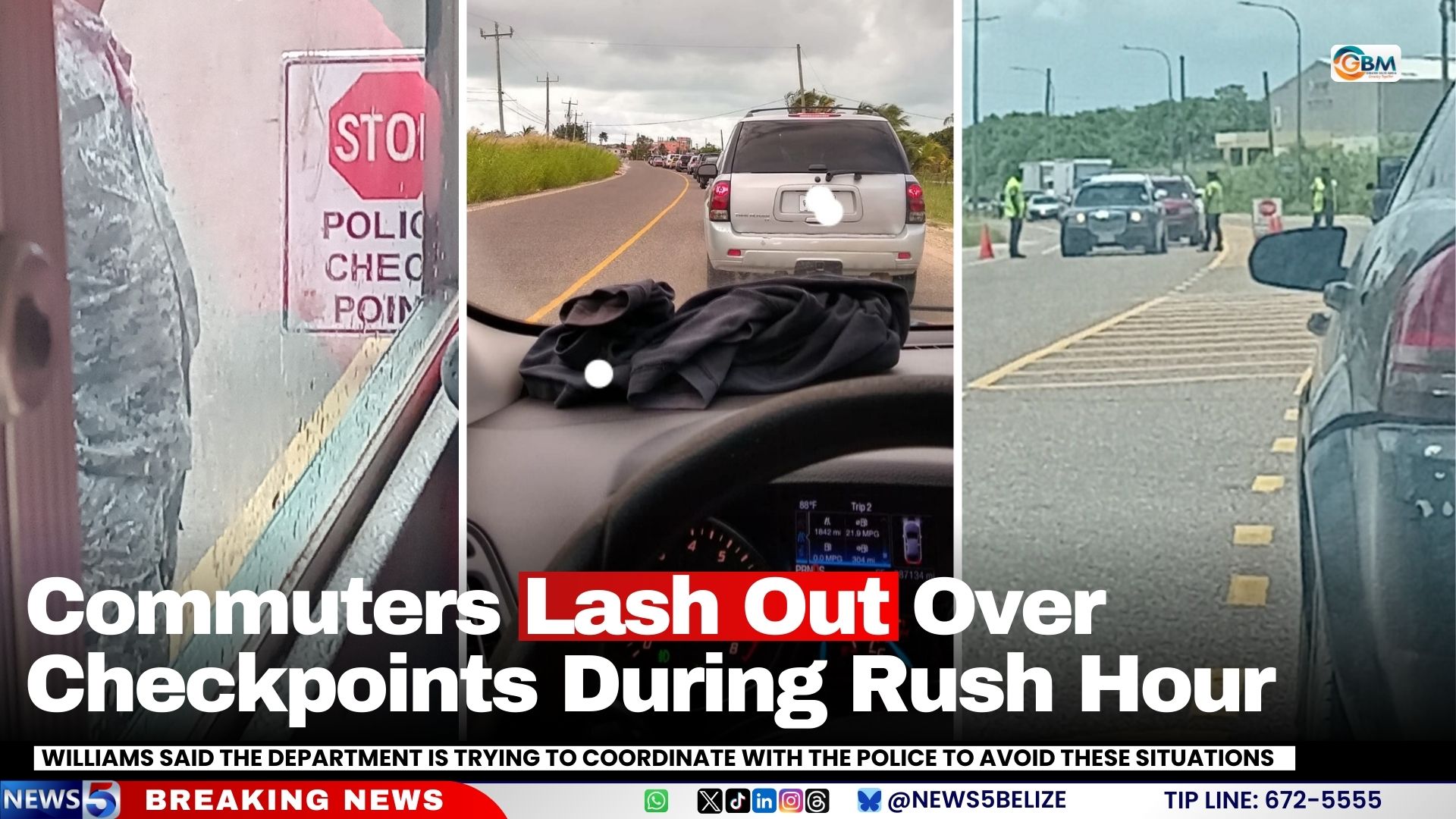
    Commuters in Belize City are expressing vehement frustration over significant traffic disruptions caused by police checkpoints during peak morning hours. The checkpoint established near Haulover Bridge along the Philip Goldson Highway has created substantial delays, impacting workers and students attempting to reach their destinations promptly.

    Multiple drivers have turned to social media platforms to voice their grievances, reporting severe traffic backups first observed on Friday and recurring this morning. One commuter highlighted the severity of the situation, noting that traffic congestion extended from Haulover to Lee Bit before Manatee Lookout, causing widespread tardiness among employees and schoolchildren.

    Another frustrated driver informed local news outlets that the situation has progressively worsened, with travel times reaching approximately 30 minutes to cover every two miles during these operations.

    In response to the growing public outcry, Transport Department CEO Chester Williams clarified that transport officers were not responsible for implementing these checkpoints. Williams emphasized that official departmental policy prohibits transport personnel from conducting highway checkpoints during critical commuting periods—specifically between 7-9 AM and 4:30-6 PM—to avoid impeding travelers’ schedules.

    Williams acknowledged the ongoing coordination challenges with police authorities, stating, “There remain instances where police conduct checkpoints during these critical hours, and we have no jurisdictional control over such operations.” The Transport Department continues to seek improved inter-agency coordination to prevent future occurrences of these rush hour disruptions.

  • Herdenking 8 december: Bloemenhulde bij Fort Zeelandia voor 15 slachtoffers 1982

    Herdenking 8 december: Bloemenhulde bij Fort Zeelandia voor 15 slachtoffers 1982

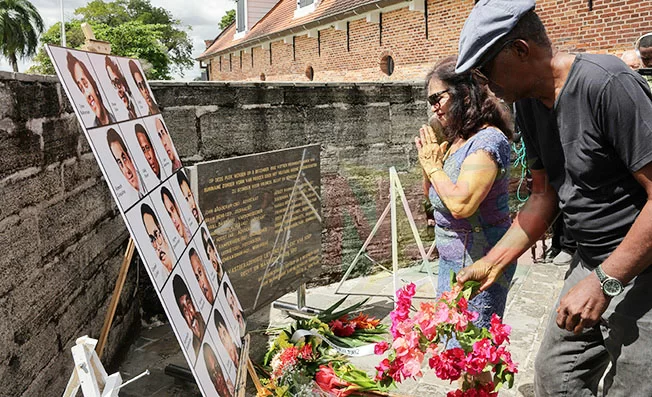
    Suriname observed a solemn memorial ceremony on Monday at Fort Zeelandia to honor the fifteen victims brutally tortured and executed on December 8, 1982. The gathering brought together bereaved families, citizens, diplomats, and representatives from civil society organizations at the exact historical location where the executions occurred, serving as both remembrance and call for sustained vigilance.

    Sunil Oemrawsingh, Chairman of the December 8, 1982 Foundation, led the emotionally charged ceremony. In his poignant address, he emphasized that commemoration extends beyond mere reflection, serving to strengthen national consciousness. “Remembering constitutes a moral duty,” Oemrawsingh stated. “It represents our collective promise that such atrocities must never recur in our society.”

    The ceremony featured significant diplomatic presence, with ambassadors from the Netherlands, France, and the United States attending in traditional demonstration of support for human rights and justice values. King Willem-Alexander of the Netherlands had previously confirmed that Ambassador Walther Oostelbos would lay a wreath on behalf of the Dutch nation—a gesture Oemrawsingh acknowledged as symbolizing the mutual respect characterizing the annual commemoration.

    Oemrawsingh’s speech highlighted the persistent anguish surrounding one principal suspect who remains at large despite a definitive conviction. “What purpose does justice serve if punishments remain unenforced?” he questioned, stressing that crimes against humanity must not be subject to political pressure or granted clemency.

    The foundation chairman referenced President Jennifer Simons’ 2024 statements asserting judicial independence from partisan interests. “Only a robust rule of law can ensure justice remains immune to political arbitrariness,” Oemrawsingh affirmed.

    Following the addresses, bereaved families initiated the symbolic floral tribute at the memorial site, followed by ambassadors and other dignitaries. Citizens subsequently participated in the ritual, with many placing flowers in personal tribute.

    The ceremony concluded in reflective silence, with participants collectively acknowledging the enduring scar that the December 1982 tragedy has left on Suriname’s historical consciousness.

  • Fixing Trinidad and Tobago our duty

    Fixing Trinidad and Tobago our duty

    In a powerful public appeal, citizen Steve Alvarez has issued a compelling call to action for Trinidad and Tobago residents, drawing striking parallels between familial relationships and civic responsibility. Alvarez contends that while many citizens profess deep love for their nation, their actions frequently mirror those of dependent children who continuously extract resources from parents without reciprocating effort or value.

    The timing of this message coincides with the beginning of the Christmas season, presenting what Alvarez describes as an ideal opportunity for transformative community engagement. His practical recommendations include organizing volunteer initiatives to maintain public spaces, eliminating unauthorized garbage dumping, and providing assistance to vulnerable community members including the elderly and impoverished.

    However, Alvarez emphasizes that civic duty extends beyond aesthetic improvements to include active participation in governance processes. He encourages citizens to voice concerns about punitive legislation and contribute constructive suggestions regarding the government’s economic strategies for national survival and growth.

    The proposal outlines specific community-led interventions: residents collaboratively repairing potholes with temporary concrete solutions, promptly addressing water pipe leaks through coordinated reporting and basic repairs, and collectively purchasing sports equipment for youth development programs.

    Transcending political affiliations, Alvarez frames nation-building as a continuous process requiring daily commitment rather than merely electoral participation. He advocates for grassroots problem-solving as ultimately more impactful and rewarding than passive reliance on governmental intervention.

    The message concludes with a unifying vision: incremental national restoration through individual community transformations, positioning collective action as the foundation for Trinidad and Tobago’s revitalization.

  • Blind Welfare president appeals for protection of children’s sight

    Blind Welfare president appeals for protection of children’s sight

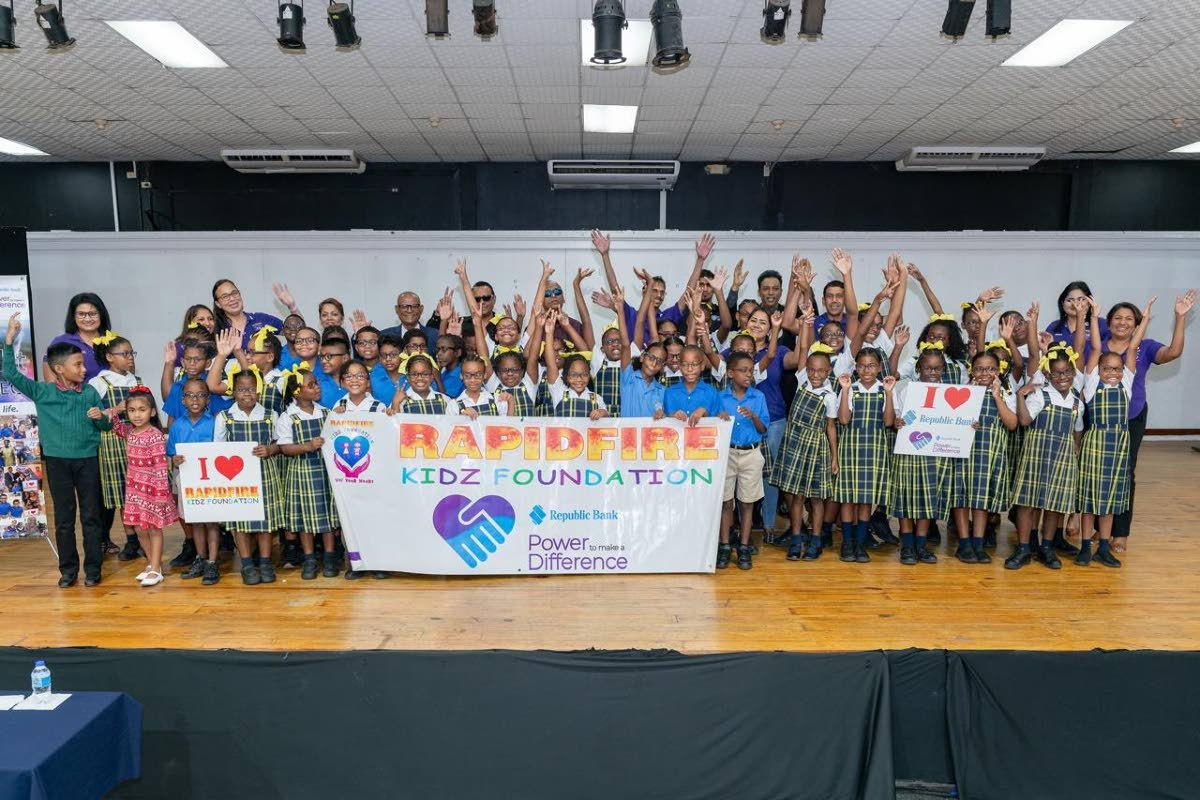
    In a powerful address that blended personal experience with national urgency, Trinidad and Tobago Blind Welfare Association president Deonarine Ragoo issued an impassioned call for immediate action on children’s vision care. Speaking at the Rapidfire Kidz Foundation’s Eyes Right Project ceremony on November 30, the visually impaired leader addressed an auditorium of students, parents, and officials at Naparima College.

    The event marked a significant milestone as 51 students from San Fernando Boys’ and Girls’ Government Primary Schools received prescription glasses through a collaborative initiative between the foundation and Republic Bank Ltd. This partnership represents a concerted effort to ensure that visual impairments don’t hinder educational opportunities or dim future prospects.

    Ragoo, who possesses firsthand understanding of vision loss having been born with only ten percent vision before losing even that fifteen years ago, framed the initiative as more than charity. ‘This function must be looked at in the context of bringing freedom, social justice and empowerment to our nation’s children,’ he declared, elevating the discussion from mere healthcare to fundamental rights.

    The statistics presented were sobering: an estimated 15,000-20,000 people in Trinidad and Tobago live with visual impairment, often due to delayed treatment caused by poverty or neglect. Ragoo emphasized that such delays frequently lead to reduced vision or permanent blindness—outcomes his organization has fought against for over a century.

    Beyond immediate optical care, the president highlighted technological barriers facing visually impaired students, specifically the critical need for Braille displays costing approximately $25,000 each. These devices enable access to digital educational content, representing what Ragoo termed ‘true empowerment’ that leads to ‘true freedom.’

    The foundation demonstrated its expanded commitment to youth development by also supporting athletic pursuits. A $30,000 donation from fundraising proceeds was presented to former West Indies bowler Samuel Badree for constructing cricket nets at the SB Cricket Academy’s facility in Tarouba, scheduled to open in early 2026.

    Republic Bank Ltd reinforced its partnership with a $90,000 pledge for the 2025-2026 period, ensuring the Eyes Right Project’s continued expansion. Since its 2012 launch, the initiative has distributed 1,401 pairs of glasses, addressing vision problems that might otherwise go untreated.

    Practical guidance accompanied the donations, as See View Optical general manager Premnath Sookdeo educated young recipients on proper eyewear maintenance, warning against dry wiping lenses to prevent scratches from accumulated particles.

    Foundation president Kevin Ratiram encouraged balanced lifestyles, advising students to complement their improved visual capabilities with outdoor activities and family time rather than excessive screen use.

    As students departed with clearer vision and broader opportunities, Ragoo’s closing wish encapsulated the event’s spirit: ‘I wish you a Merry Christmas, a prosperous 2026, and many decades of good sight.’
  • Citizens Against Noise Pollution: Fireworks Regulation Bill needs strengthening

    Citizens Against Noise Pollution: Fireworks Regulation Bill needs strengthening

    Trinidad and Tobago is poised to implement comprehensive fireworks regulations through new legislation currently under parliamentary consideration. The Fireworks Regulation Bill, which entered debate on December 9, establishes a permit system for pyrotechnic use while designating violations as ticketable offenses.

    The proposed legislation creates specific exceptions for traditional celebrations, allowing fireworks without permits on public holidays between 8-9 PM and on December 31 (Old Year’s Night) from 11:30 PM to 12:30 AM. However, all other fireworks usage will require explicit authorization from the Commissioner of Police.

    Significant safety buffers are mandated under the bill, prohibiting fireworks within a half-mile radius of sensitive locations including animal shelters, zoos, farms, forest reserves, national parks, hospitals, and airports.

    The advocacy group Citizens Against Noise Pollution of Trinidad and Tobago (CANPTT) has enthusiastically endorsed the legislation, characterizing it as a groundbreaking approach to addressing fireworks as a public health concern. The organization noted this represents Trinidad and Tobago’s first formal recognition of pyrotechnics as a matter of “national responsibility.”

    While celebrating the progress, CANPTT identified three critical areas requiring strengthening: explicit legal protection for residential areas, publicly accessible enforcement mechanisms operating before law activation, and immediate penalties substantial enough to deter violations. The group emphasized that true protection must extend beyond legislative text to positively impact citizens’ daily living experiences and safeguard society’s most vulnerable members.

  • Kaleidoscope Paints brings Xmas joy to orphaned children

    Kaleidoscope Paints brings Xmas joy to orphaned children

    In a heartwarming display of corporate compassion, Kaleidoscope Paints Limited transformed its San Juan compound into a festive wonderland on Sunday, hosting approximately 300 children from 14 orphanages across Trinidad for an unforgettable Christmas celebration themed ‘Colour Joy into Children’s Lives 2025′.

    The event, running from 1 pm to 5 pm, created a magical atmosphere where children encountered Santa Claus, animated clowns, traditional moko jumbies, and captivating puppet shows. The compound buzzed with excitement as youngsters enjoyed face painting, bounced energetically on inflatable castles, and listened to traditional parang music. Particularly memorable were the horseback rides provided by the TTPS Mounted Branch and the specially curated petting zoo that introduced children to the beauty of wildlife.

    Notable attendees included Rural Development and Local Government Minister Khadijah Ameen, Justice Minister Devesh Maharaj, Parliamentary Secretary in the Ministry of Trade Dr. Colin Neil Gosine, NCC chairman Peter Khanhai, and Feroze Khan. All expressed profound appreciation for being part of the meaningful event, with Minister Ameen actively participating in activities with the children.

    CEO Dale Parsons, who also serves as President of the TT Manufacturers’ Association, emphasized the deeper significance of the celebration: ‘This is not merely about gifts or entertainment—it’s about reinforcing that every child is cherished, valued, and loved during Christmas and always. The joy shared today becomes hope carried into tomorrow.’

    The initiative, supported by Kaleidoscope Paints’ dedicated staff and business community partners, continued a cherished tradition established by the company’s late founder Stephen S. Parson in the 1970s and 1980s. Now upheld by second and third generations, this legacy of community compassion ensures that vibrant colors of joy continue to brighten the lives of society’s most vulnerable children.

  • Two freed of Tobago double murder as State fails to give evidence

    Two freed of Tobago double murder as State fails to give evidence

    In a dramatic courtroom development, two men accused of a 2019 double homicide in Tobago were unconditionally discharged by the High Court after prosecutors unexpectedly declined to present any evidence against them. Nicholas Davis and Antonio McEachnie, who had faced murder charges for nearly three years, walked free following the procedural collapse of the State’s case during a sufficiency hearing on December 8.

    The case concerned the tragic deaths of John Mills, 69, and Eulyn John, 61, a Tobago couple whose bodies were discovered at their Buccoo residence on May 2, 2019. After three years of investigation, authorities arrested Davis and McEachnie in 2022, setting in motion a legal process that would encounter multiple procedural hurdles.

    Prosecutors had previously obtained several extensions to compile their evidence, eventually submitting over 50 witness statements. In a unusual maneuver, they also sought permission to call a witness for oral testimony after she refused to swear to her written statement.

    During the hearing before Master Margaret Sookraj-Goswami, defense attorneys raised vigorous objections to documents served after court-ordered deadlines, arguing that the late filing—mere days before the crucial hearing—prevented proper review of the materials. The defense team, comprising prominent legal counsel including Senior Counsel Israel Khan, opposed any further extensions given the State’s history of delays.

    Master Sookraj-Goswami ruled that the hearing would proceed with most documents admitted, though two statements filed out of time were excluded. In a stunning turn, when invited to present evidence, prosecutors Kernester Mohammed and Mark Peters declined to tender any of their compiled statements. With no evidence before the court to substantiate the murder charges, the judicial officer had no alternative but to discharge both defendants.

    The outcome highlights systemic challenges in criminal prosecutions and raises questions about evidence gathering procedures in serious felony cases.