
Santo Domingo – Rosa Ng, president of the Flor para Todos Foundation, has called on Dominican President Luis Abinader to intervene in the reopening of Chinese-owned businesses recently closed by the Ministry of Housing (MIVED). The establishments were shut down due to structural deficiencies, but Ng underscored their critical role in supporting thousands of employees and their families who rely on these businesses for their livelihoods. The appeal was made during the dual celebration of the 76th anniversary of the Founding of the People’s Republic of China and the Mid-Autumn Festival in Santo Domingo’s Chinatown. Ng emphasized the severe economic repercussions of the closures on both Chinese entrepreneurs and Dominican workers, urging authorities to devise a “viable solution” to restore operations. She also expressed appreciation for her team, the Fujianese community, and supporting companies like Dulce Hogar and Suplax for their contributions to the event. As a prominent advocate for Dominican-Chinese relations, Ng stressed that reopening these businesses would significantly benefit the most vulnerable segments of society.
分类: society
-
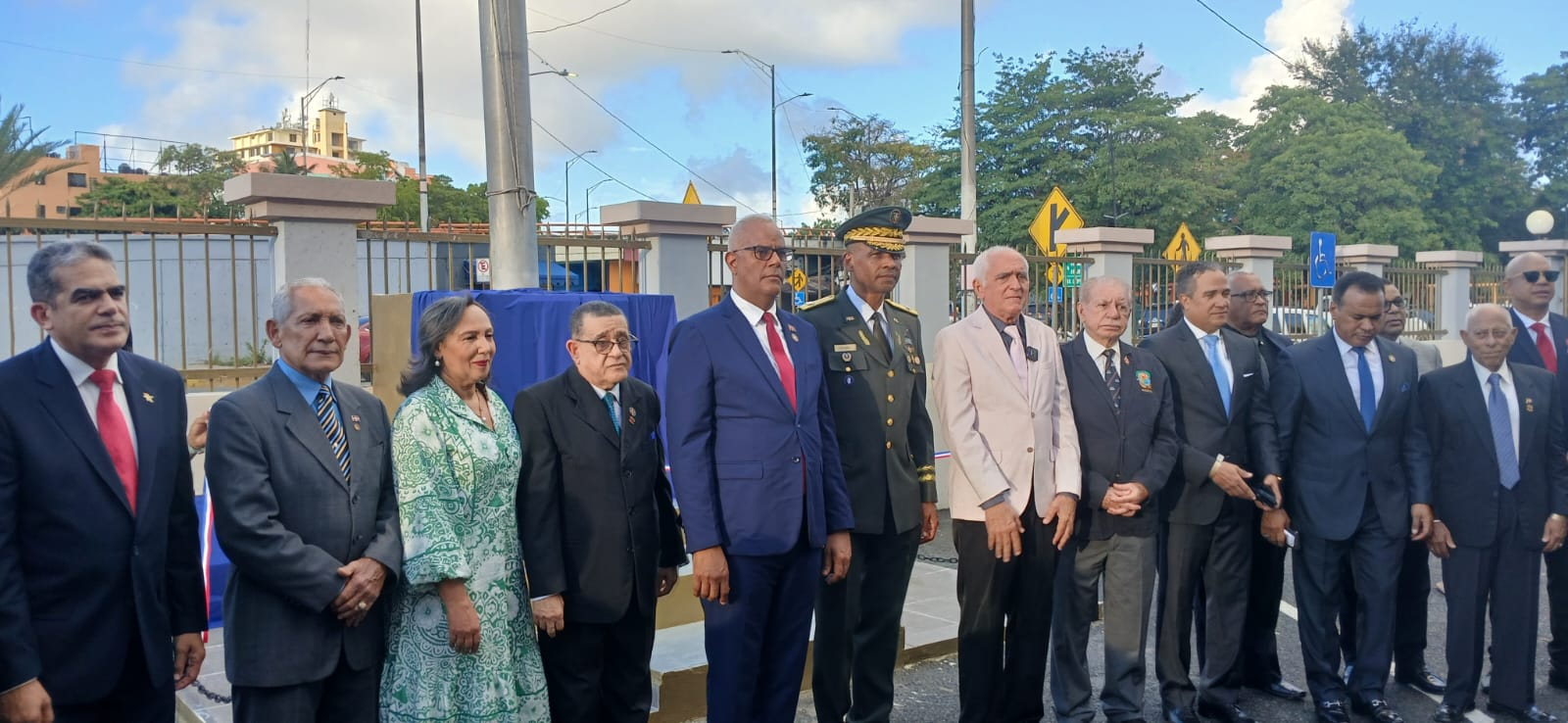
Santo Domingo to host First World Congress of Veterans
Santo Domingo is set to host the inaugural World Congress of Veterans from September 28 to 30, organized by the Brotherhood of Retired Veterans of the Armed Forces and the National Police. The event, themed ‘The Transition to Retirement,’ will convene delegates from more than 15 countries to explore the multifaceted challenges and opportunities faced by retired service members. Discussions will center on public policies, international collaboration, and the overall well-being of veterans. The congress will feature a robust agenda, including panel discussions and lectures on topics such as national identity, pension systems, physical and mental health, the role of women in retirement, the influence of technology, and global retirement experiences. A highlight of the event will be the screening of the audiovisual series ‘Voices of Experience,’ which will present compelling testimonies from retired military and police personnel. In conjunction with the congress, the Dominican Defense and Identity Museum will be inaugurated, offering visitors a glimpse into the nation’s history through murals, historical artifacts, works by Dominican masters, and interactive exhibits. Major General (Ret.) Valerio García Reyes, president of the Brotherhood, emphasized the significance of the congress as a milestone in honoring veterans and safeguarding national identity.
-

Abinader transfers RD$658 million to Santiago City Council for development projects
In a significant move to revitalize Santiago, President Luis Abinader unveiled three transformative projects on Sunday, marking a new chapter in the city’s development. The initiatives include the restoration of the historic Yaque Lodging Center, the creation of the Mirador del Yaque park in the “Nueva York Chiquito” district, and a series of sanitation programs aimed at improving public health and urban aesthetics. These projects are designed to modernize infrastructure, reclaim public spaces, and elevate the quality of life for Santiago’s residents. The Yaque Lodging Center, Santiago’s primary public market, will undergo a comprehensive renovation to serve as a central hub for small and medium-sized enterprises (SMEs) and local farmers. President Abinader emphasized that this project addresses long-standing community demands and will be developed through inclusive consultations, ensuring representation from all business sectors. The government has committed RD$658 million from the recently approved supplementary budget to fund these endeavors, with approximately 70% allocated to the Yaque Lodging Center and the remainder dedicated to sanitation efforts, including the cleanup of the Gurabo ravine. If the bidding process proceeds as planned, the president anticipates the market’s transformation will be finalized by early 2027, heralding a new era of prosperity and sustainability for Santiago.
-
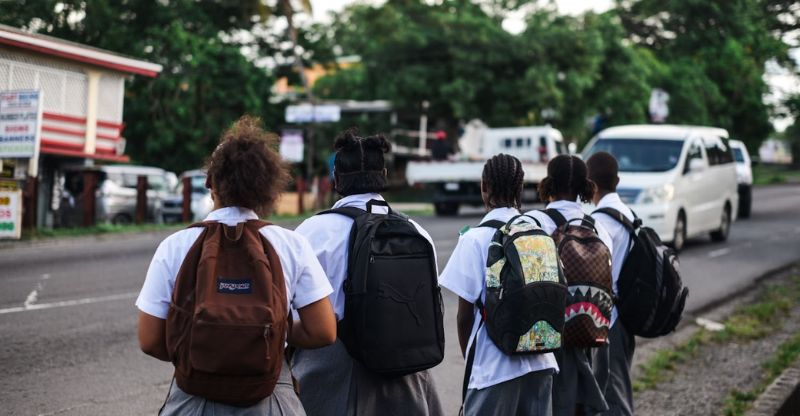
EDITORIAL: Education must be our shared baseline, not a mirror of the past
Across the Caribbean, governments frequently discuss the potential of the orange, green, blue, and purple economies, each promising transformative advancements in areas like sustainable energy and digital innovation. However, these ambitious visions are built on a precarious foundation. Without a robust education system capable of equipping citizens with the skills to navigate a rapidly evolving world, no strategy can achieve lasting success. Education has long been viewed as a reflection of cultural identity, but this nostalgic and prescriptive approach risks trapping curricula in outdated paradigms rather than preparing individuals for future challenges. Instead, education must serve as a shared baseline of orientation, empowering people to interpret, choose, and act in the face of global complexity. The metaphor of driving schools illustrates the dangers of fragmented education: if rules are contradictory, chaos ensues. In a world shaped by globalization, technological disruption, and climate change, citizens need common points of reference to foster collective decision-making. This is not about control but empowerment—a curriculum rooted in abundance and creativity can provide young people with the tools to act with awareness in their communities, economies, and democracies. While informal education through music, family, and community has historically filled gaps left by formal systems, these gaps are now too vast to ignore. A deliberate rethinking of education is urgently needed. This includes integrating indigenous heritage, migration stories, and global forces into history lessons, teaching geography and culture as interconnected, and using language that shapes how children see themselves in the world. UNESCO emphasizes the need to reimagine curricula to value diverse knowledge systems and cultivate critical thinking, creativity, and cooperation. Economically, the Revised Treaty of Chaguaramas commits CARICOM states to the free movement of skilled professionals, but this vision falters without comparable qualifications and regional awareness. Without shared grounding, initiatives like the CSME risk stagnation, leaving citizens unprepared to navigate cross-border rights and opportunities. The cost of inaction is high: migration pressures will rise, inequality will deepen, and democratic trust will erode if education fails to prepare young people for local opportunities and contemporary debates. Reform demands political courage, public consultation, and long-term investment, but the rewards are significant. An education system that serves as a baseline rather than a mirror can anchor the Caribbean in global change, empowering citizens to interpret and shape the world together. While culture, music, and family will continue to inspire, the state must no longer rely on informal channels to carry the weight of national orientation. Sovereignty over knowledge is essential, and education must equip citizens with the clarity and context to choose wisely. In a fragmented world, this shared baseline could be the Caribbean’s greatest strength.
-
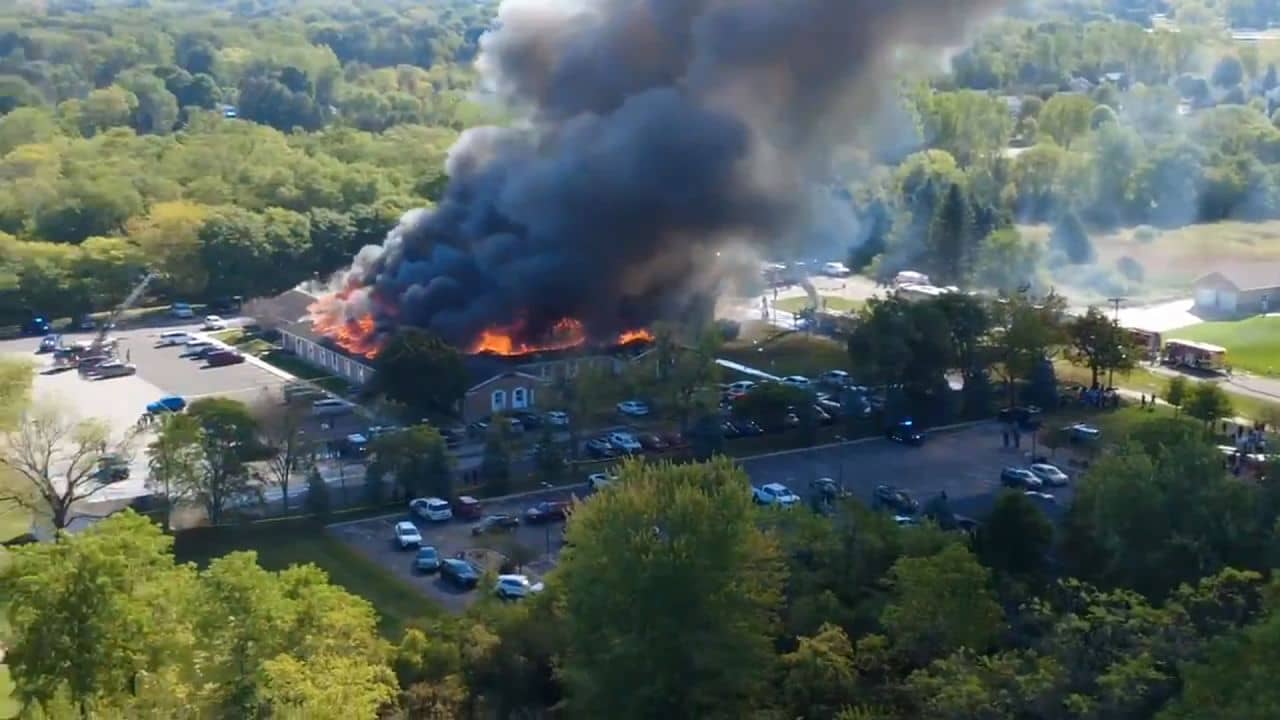
At least 1 dead and 9 others wounded after shooting at Michigan church
A devastating incident unfolded at the Church of Jesus Christ of Latter-day Saints in Grand Blanc Township, Michigan, on Sunday, September 28, leaving one person dead and nine others wounded. According to local authorities, a 40-year-old gunman rammed a vehicle through the church’s entrance during a large service, opened fire on attendees, and intentionally set the building ablaze. The fire quickly escalated into a massive blaze, complicating rescue efforts. Police exchanged gunfire with the suspect, ultimately killing him. However, officials fear additional victims may be discovered once it is safe to enter the damaged structure. Grand Blanc, a suburb of Flint, Michigan, is located approximately an hour north of Detroit. The incident has sent shockwaves through the community, raising concerns about safety and security in places of worship. Investigations are ongoing to determine the motive behind the attack and to assess the full extent of the damage.
-
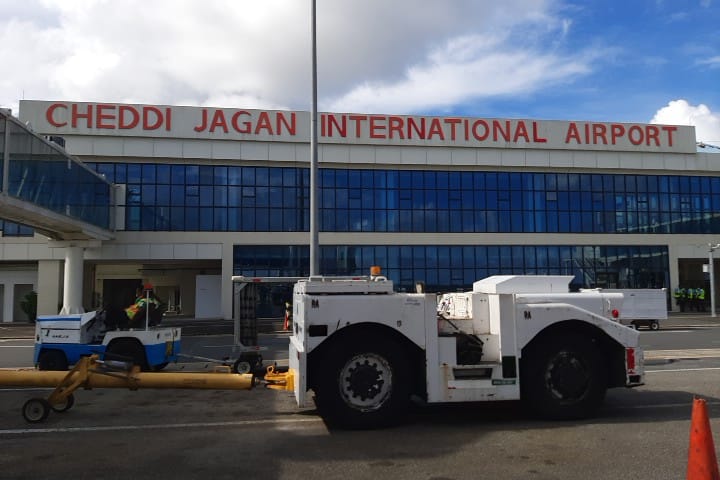
CJIA police arrested for demanding money from passenger
In a significant development at the Cheddi Jagan International Airport (CJIA), Guyana, police officers were arrested on Sunday, September 28, 2025, for allegedly demanding money from a passenger in exchange for releasing her belongings. The Guyana Police Force (GPF) confirmed the incident, citing Closed-Circuit Television (CCTV) footage and other evidence that substantiate the claims. The implicated officers have been placed under close arrest pending a thorough investigation by the Office of Professional Responsibility (OPR).
In response to this incident, the Guyana government has mandated that all law enforcement officers stationed at ports of entry, including airports and border points, must wear body cameras starting Monday, September 29, 2025. This measure aims to bolster accountability and transparency within the force. The GPF reiterated its zero-tolerance stance on corruption, emphasizing that any officer found guilty of extortion or bribery will face severe legal consequences.
The GPF also reminded the public that no payments are required to clear lawful items through CJIA or any other port. They urged individuals who encounter such demands to report the incident immediately to the nearest police authority. This incident underscores the ongoing challenges of corruption within law enforcement and highlights the government’s commitment to addressing such issues through stringent measures.
-

Antigua & Barbuda’s Harold Lovell honoured at 70th birthday celebrations in Canada and at home
Harold Lovell, the United Progressive Party (UPP) caretaker and former finance minister of Antigua and Barbuda, was celebrated with grandeur as he marked his 70th birthday. The festivities spanned both his homeland and the Canadian diaspora, uniting family, friends, and supporters in a testament to his enduring legacy. The Antigua & Barbuda Association of Canada hosted a commemorative event, blending virtual and in-person participation, while celebrations also took place at the iconic Snakepit venue in Antigua. Organizers emphasized the unity of the occasion, stating, “Distance couldn’t dim the joy — it only multiplied it.” Lovell, a pivotal figure in the nation’s politics for decades, was lauded for his vision and contributions that transcend borders. The milestone was not just a personal celebration but also a moment of communal reflection, symbolizing resilience, purpose, and the unbreakable ties between Antigua and Barbuda and its diaspora. Lovell expressed gratitude to both local and overseas communities for their heartfelt recognition, underscoring the significance of the occasion.
-
Agri theft-related arrests double as APB takes root
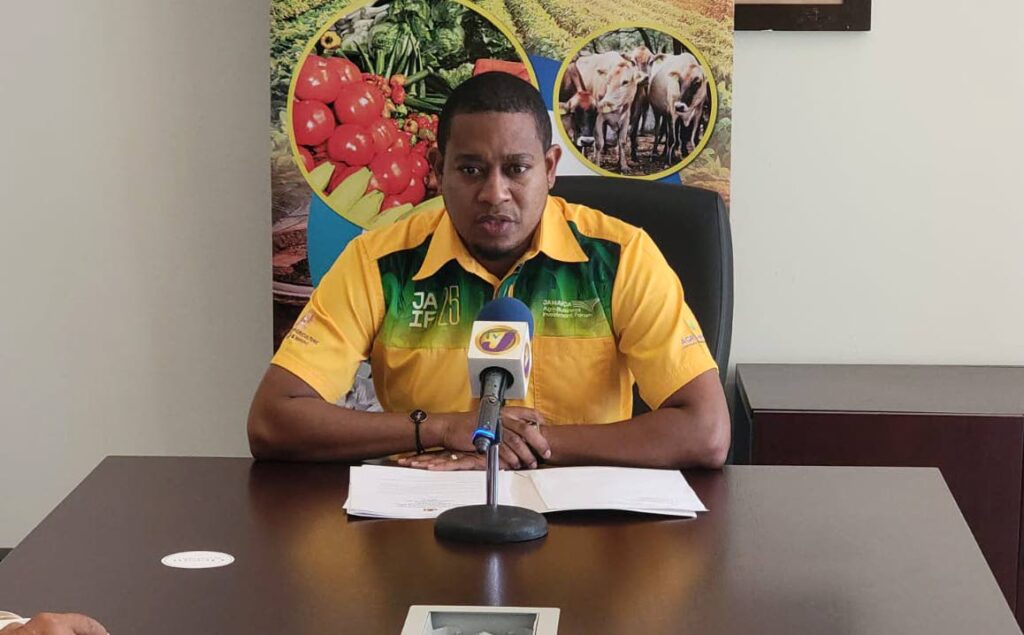
In a significant development in Jamaica’s fight against praedial larceny, Agriculture Minister Floyd Green has announced that the newly established Agricultural Protection Branch (APB) has more than doubled arrests related to farm theft in 2025. Launched on June 13, 2025, at the Jamaica Constabulary Force’s (JCF) Tactical Training Academy in Kingston, the APB focuses on surveillance, investigation, and stakeholder engagement to protect agricultural assets and support farmers.
Minister Green highlighted the substantial progress, noting that arrests for praedial larceny surged from 63 in January to September 2024 to 190 during the same period in 2025. Additionally, court cases increased from 137 to 263, and convictions rose dramatically from just two in 2024 to 32 in 2025. These figures underscore the effectiveness of the APB’s enhanced case preparation and operational strategies.
The APB has also made strides in recovering stolen farm goods, with recoveries doubling from $2 million in the first half of 2025 to $5 million after the branch became fully operational. Inspector Orville Bushay, head of the APB for Area One, emphasized that praedial larceny costs the country an estimated $14 billion annually, impacting food security, agricultural investment, and rural poverty.
Minister Green acknowledged that while progress has been made, the fight against praedial larceny remains a work in progress. He commended JCF Commissioner Dr. Kevin Blake and Assistant Commissioner Oral Pascoe for their leadership and reiterated the government’s commitment to supporting farmers. Plans are underway to train and deploy agricultural wardens and utilize drone units for surveillance in vulnerable farming areas.
The JCF described the APB as a strategic imperative, emphasizing its role in developing specialized expertise in agricultural crime investigation and implementing proactive strategies such as increased patrols, community engagement, and collaboration with stakeholders to prevent losses before they occur.
-

Parents must pay close attention to changes in children’s behaviour – NPSC
KINGSTON, Jamaica — Kaysia Kerr, CEO of the National Parenting Support Commission (NPSC), has issued a heartfelt plea to parents, urging them to remain vigilant about behavioural changes in their children amidst a concerning rise in student suicides. Speaking to JIS News, Kerr emphasized that even subtle shifts in behaviour could signal underlying emotional distress or trauma. She advised parents to approach such changes with care and empathy, ensuring their children feel safe to express themselves. Kerr highlighted several critical warning signs, including sudden bedwetting, altered sleep or eating habits, social withdrawal, and unusual agitation or hyperactivity. She stressed the importance of early intervention, encouraging parents to seek professional help from trusted sources such as pastors, doctors, teachers, or school counsellors. Additionally, Kerr pointed to resources like the NPSC and the Office of the Children’s Advocate (OCA), which offers a 24-hour helpline for confidential support. Kerr underscored the value of parental intuition, particularly among mothers, and urged immediate action if something feels amiss. ‘Early intervention can save lives,’ she concluded.
-

Let’s not view Obeah through borrowed lens
Over a century since the Obeah Act of 1898 criminalized the practice, Obeah remains one of Jamaica’s most contentious cultural issues. Recently, Christian groups have vehemently opposed its legalization, warning that it would unleash ‘demonic forces’ across the nation. However, this fervent opposition raises a critical question: Why is there not a similar level of unity and outrage when addressing pressing societal issues such as child abuse, teenage pregnancy, juvenile delinquency, or the rampant violent crime plaguing communities? The selective indignation is striking. For instance, Indian astrologers freely advertise their services in newspapers and on television without sparking protests, yet Obeah is singled out. This disparity reveals a deeper issue: practices tied to African heritage are still viewed with suspicion and prejudice. The root of the problem lies in a Eurocentric mindset that has conditioned society to perceive African traditions as inherently evil while uncritically embracing other cultural practices. Some even falsely attribute Haiti’s struggles to its recognition of Vodou, a claim that is not only baseless but also dismissive of historical complexity. Obeah is an integral part of Jamaica’s history, once serving as a tool of resistance against colonial oppression. To erase it is to deny a legacy of survival and defiance. While there are deviant practices within Obeah, Christianity, with its over 40,000 denominations, is not without its own controversies. True emancipation requires dismantling the stigma surrounding Afrocentric religions and confronting the colonial prejudices that continue to shape perceptions. Obeah must be discussed honestly, free from fear or bias, as it is not merely a religious issue but a matter of identity, history, and the freedom to embrace one’s heritage without distortion.