分类: society

  • COMMENTARY: Buzzing with purpose – How young Dominicans are building futures through agriculture

    COMMENTARY: Buzzing with purpose – How young Dominicans are building futures through agriculture

    Across the Caribbean nation of Dominica, a transformative shift is underway as young professionals embrace agricultural entrepreneurship through innovative approaches to beekeeping and agro-processing. This movement represents a fundamental reimagining of traditional farming—not as a fallback occupation but as a strategically viable career path combining environmental stewardship with economic opportunity.

    Supported by developmental initiatives from the International Organization for Migration (IOM), this agricultural renaissance empowers both young residents and returning citizens to establish sustainable livelihoods rooted in local resources. Beekeeping has emerged as a particularly attractive venture, offering flexible management requirements that accommodate full-time employment while generating supplemental income.

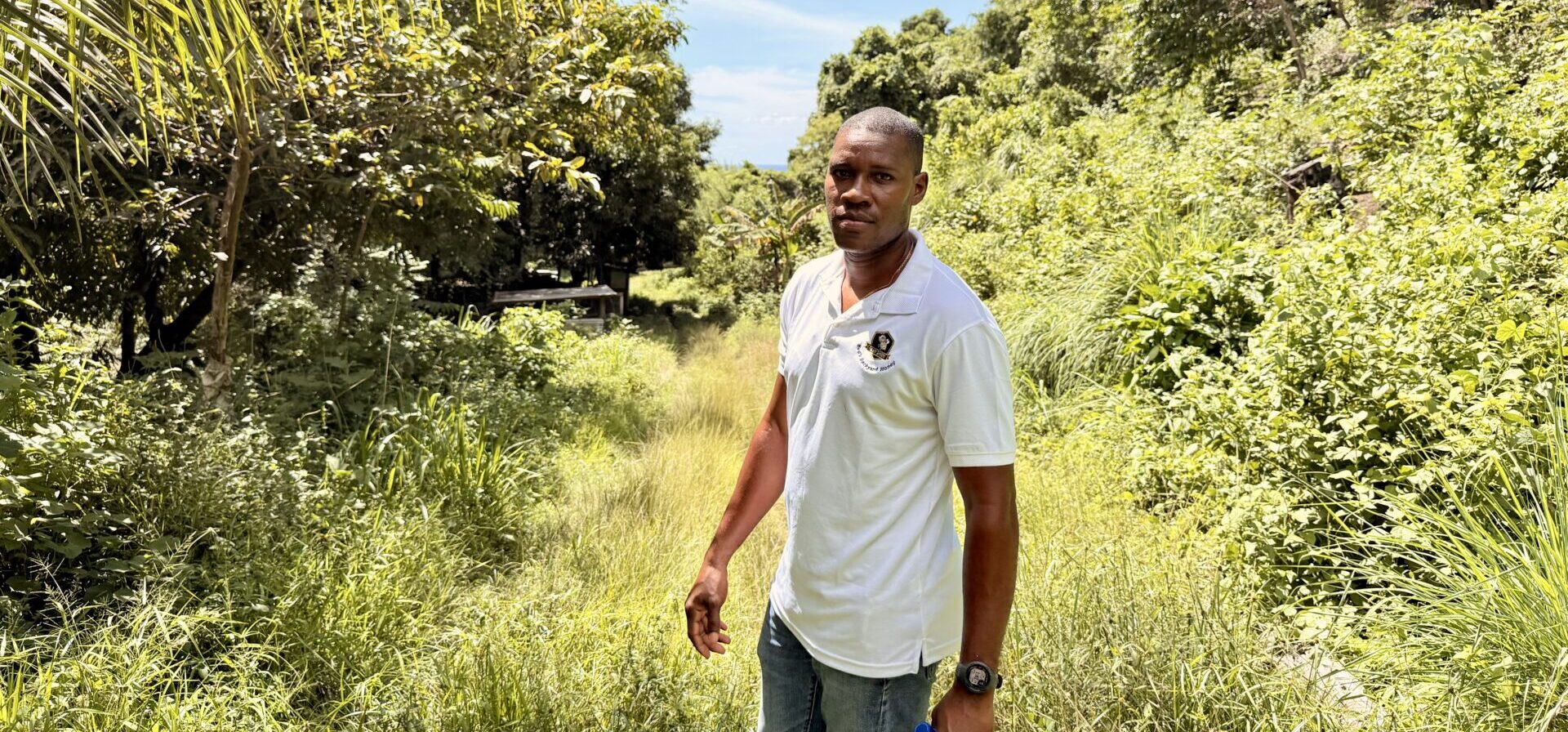
    Shem Jacob exemplifies this new generation of agricultural entrepreneurs. Balancing his profession as a police officer with ownership of Bud’s Backyard Honey, Jacob launched his apiculture enterprise in 2020 after identifying honey production as an ideal complementary business. “The appeal lies in honey’s non-perishable nature and the bees’ minimal daily maintenance requirements,” Jacob explains. “This flexibility allows me to maintain career stability while building a sustainable business.”

    His operation now produces pure honey and beeswax distributed through local markets and direct sales. Beyond financial benefits, Jacob describes beekeeping as a profoundly grounding experience that connects practitioners to natural systems. “It demonstrates what small creatures can accomplish collectively,” he notes, referencing the hundreds of bees required to produce a single bottle of honey.

    The ecological significance extends far beyond honey production. Bees serve as crucial pollinators for key Dominican crops including cucumbers, peppers, watermelon, coconuts, and citrus fruits. Enhanced bee populations directly contribute to improved agricultural yields, strengthened food security, and increased climate resilience—aligning with national sustainable development objectives.

    Through his position on the board of the Dominica Beekeepers Cooperative Society Ltd., Jacob facilitates training programs and knowledge exchange among island beekeepers. The cooperative additionally connects members with regional opportunities, exposing young agriculturalists to Caribbean-wide best practices.

    “Market saturation isn’t a concern,” Jacob emphasizes. “There’s consistent demand for honey and its byproducts, and we urgently need more beekeepers.” His message to youth underscores agriculture’s dual role in personal income generation and national development: “You’re not only profiting individually but supporting farmers and building the country.”

    IOM recognizes these initiatives as demonstrating how youth engagement in sustainable agriculture advances broader developmental goals—creating dignified employment, enhancing food systems, protecting ecosystems, and fostering community resilience. Dominica’s investment in green livelihoods signals a future where economic advancement and environmental conservation progress synergistically, with young innovators leading this transformative change through modernized approaches to traditional practices.


  • Police Chief says CDPF working hard to intercept illegal firearms, reduce crime in country

    Police Chief says CDPF working hard to intercept illegal firearms, reduce crime in country

    Dominica’s law enforcement authorities have disclosed comprehensive results from their 2025 anti-crime operations, revealing the seizure of nearly 100 firearms alongside substantial quantities of narcotics and ammunition. Police Chief Lincoln Corbette presented these findings during a recent press conference convened by the Ministry of National Security and Legal Affairs, addressing mounting public concerns regarding firearm-related criminal activities across the island nation.

    According to Chief Corbette’s detailed breakdown, the Commonwealth of Dominica Police Force (CDPF) successfully confiscated 94 firearms throughout the year, effectively preventing these weapons from being utilized against citizens. The operations additionally yielded more than 1,300 rounds of ammunition spanning various calibers, significantly impairing criminal capabilities.

    In a major blow to narcotics trafficking, authorities intercepted and destroyed over 1,700 kilograms of cocaine while confiscating approximately 84,000 individual doses of illicit substances. The comprehensive cleanup campaign extended to urban infrastructure with the removal of 160 abandoned vehicles from public roads, enhancing both safety and aesthetics in community spaces.

    Proactive policing measures included the establishment of over 300 vehicular checkpoints and nearly 200 residential searches, resulting in the arrest of more than 50 individuals specifically connected to firearms offenses. Beyond urban security initiatives, the CDPF implemented specialized agricultural protection units dubbed ‘Farmers’ Patrol’ in western regions following consultations with Wesley farming communities where produce theft had emerged as a critical concern. Chief Corbette reported substantially reduced incident reports following these targeted interventions, demonstrating their effectiveness in addressing rural crime patterns.

  • OPINION: Caribbean Women Equality

    OPINION: Caribbean Women Equality

    Despite achieving landmark leadership positions—including female prime ministers and Jamaica’s Defence Force chief—Caribbean women continue to confront profound systemic inequities. Statistical evidence reveals a stark contrast between symbolic representation and substantive inclusion: women constitute a mere 13–25% of military and law enforcement personnel, despite comprising over half the regional population. In legislative bodies, female parliamentarians hold only one-third of seats, while workforce participation rates of 40–60% obscure the prevalence of itinerant female labor near the poverty line. A significant dimension of this disparity is the overwhelming number of female-headed single-parent households across the region.

    Global military trends may soon intensify these challenges. Ukraine’s necessity-driven female recruitment and Europe’s consideration of gender-inclusive conscription signal shifting norms. The United States’ historical reliance on conscription—potentially drawing 51% women—further underscores this trajectory. Caribbean nationals have historically traded military service for foreign citizenship, often at tragic cost: Bernard Gooden (Jamaica), Kimel Watt (Jamaica), and Dale McCallum (Hanover) died serving in Western armies, with Watt posthumously granted U.S. citizenship alongside 160 foreign-born soldiers in 2007.

    Alarmingly, diaspora youth holding green cards or multiple citizenships remain eligible for conscription abroad, regardless of Caribbean ties. This reflects a broader pattern of regional involvement in foreign conflicts, dating back to World War I—exemplified by the 1917 execution of Jamaican teen Herbert Morrison, now recognized as a PTSD casualty.

    With global powers increasingly dominating Caribbean airspace and territories, the region risks being leveraged for human capital in external conflicts. Trinidadian women may face early conscription due to their government’s military alignment with the U.S., potentially deploying as peacekeepers in Venezuela. Beyond the idyllic veneer of beaches and calypso lies a sobering reality: Caribbean youth, particularly women, may become collateral in geopolitical struggles far removed from their own—echoing Vietnam, Angola, Iraq, and Afghanistan.

  • PM urges water harvesting as WASCO faces $200 million repair challenge

    PM urges water harvesting as WASCO faces $200 million repair challenge

    Prime Minister Philip J. Pierre has issued a compelling appeal to Saint Lucian citizens, urging widespread adoption of water harvesting practices as an immediate countermeasure to the nation’s escalating water crisis. This call to action comes alongside a sobering assessment of the Water and Sewerage Company (WASCO), which requires an estimated $200 million investment for comprehensive rehabilitation.

    During a pre-cabinet briefing, the Prime Minister characterized the substantial financial outlay as an unavoidable necessity given the magnitude of infrastructural challenges plaguing the national water system. He emphasized that restoring WASCO’s operational capacity represents a long-term endeavor that cannot be resolved immediately. “We need, possibly about $200 million to get WASCO back on its feet. That’s reality,” Pierre stated, acknowledging the significant financial burden involved in modernizing the country’s water infrastructure.

    The government is implementing concrete measures to facilitate this hydrological transition, having already eliminated import taxes on essential water harvesting equipment including pumps and storage tanks. Further fiscal incentives targeting gutter systems are under consideration to reduce implementation costs for homeowners.

    Pierre drew a critical distinction between passive water storage and active rainwater harvesting, noting that current building regulations requiring water storage facilities insufficiently address the nation’s water security needs. He advocated for a fundamental shift in public mindset regarding rainwater utilization, sharing from personal experience that “most of the water I have in my house is harvested water from the roof.”

    The Prime Minister contextualized Saint Lucia’s water challenges within global climate patterns, observing that increasingly arid conditions worldwide necessitate adaptive water management strategies. He recommended practical applications for harvested water including toilet flushing and vehicle washing, encouraging citizens to immediately assess their homes’ rainwater collection potential.

    While government efforts to rehabilitate WASCO continue, Pierre underscored that individual and community initiatives must complement institutional reforms. “WASCO will not be repaired tomorrow,” he cautioned, stressing that collective action and personal responsibility remain indispensable in navigating the country’s water security challenges.

  • Kiprich and Kizzy Don launch GoFundMe to airlift premature baby to US for medical care

    Kiprich and Kizzy Don launch GoFundMe to airlift premature baby to US for medical care

    International dancehall performers Kiprich and Kizzy Don find themselves in a dire medical crisis after the premature birth of their daughter during a professional engagement in Colombia. Their newborn, named Miracle, requires immediate specialized neonatal care unavailable at their current medical facility, necessitating an emergency airlift to the United States that carries an estimated cost of US$250,000 (approximately J$40 million).

    The unexpected medical emergency occurred while the artists were abroad for a scheduled performance, having previously obtained medical clearance for international travel. Currently, Miracle remains under intensive care in Colombia while demonstrating promising signs of vitality despite her premature condition. Her parents report strong cardiac function and responsive behavior to auditory stimuli.

    This developing situation has triggered substantial digital engagement across social media platforms, generating both compassionate support and skeptical scrutiny. Some online commentators have questioned the legitimacy of the couple’s circumstances, prompting the artists to conduct live social media broadcasts to provide transparent updates and authenticate their pleas for assistance.

    Despite facing public skepticism, the family’s primary objective remains securing adequate medical intervention for their infant daughter. A verified GoFundMe campaign has been established to facilitate financial contributions, having accumulated over US$19,000 toward their substantial target. The emotional toll on the parents is considerable, with Kizzy Don expressing profound distress while maintaining hope for divine intervention throughout their ordeal.

    The medical complexity of international neonatal transportation, combined with the artists’ temporary immigration status, has created a multifaceted humanitarian challenge that transcends national boundaries and highlights broader issues regarding healthcare accessibility for citizens abroad.

  • OWTU supports end to STOW

    OWTU supports end to STOW

    The Oilfield Workers Trade Union (OWTU) has declared unwavering support for the Trinidad and Tobago government’s recent decision to eliminate the Safe to Work (STOW) certification program. The union characterized the Energy Chamber that administered the program as an elitist organization serving multinational corporations and privileged local contractors.

    In a strongly-worded statement, OWTU officials asserted that the chamber operated as a self-serving entity that systematically excluded smaller contractors through restrictive pricing mechanisms for certification. The union claimed this created an uneven playing field in the nation’s energy sector over the past decade.

    Union representatives praised Prime Minister Keith Rowley’s administration for responding to concerns raised by medium and small contractors alongside energy sector workers. They contrasted this approach with the previous government’s tenure, during which they allege the Energy Chamber received substantial financial and institutional benefits while experienced workers and smaller contractors were marginalized.

    The OWTU highlighted workplace safety concerns, pointing to fatal incidents that occurred despite STOW certification requirements. The statement specifically referenced the Paria diving tragedy that claimed four lives and another fatality at Heritage offshore Trinmar where the victim’s body remains unrecovered.

    The union concluded that authentic workplace safety cannot be achieved through checklist-based private certification schemes but requires comprehensive union representation and proper oversight mechanisms to protect workers in what they described as a highly dangerous and volatile industry.

  • Sisters gunned down 7 months apart

    Sisters gunned down 7 months apart

    In a devastating recurrence of violence, 37-year-old Kellyann Lemessy was fatally shot on January 22 in Lazzari Village, Rio Claro, marking the second homicide within her family in under eight months. The incident occurred as Lemessy sat inside a parked vehicle within a residential yard along Naparima Mayaro Road, where responding officers discovered the car still idling with multiple bullet impacts visible through the windshield.

    Law enforcement authorities later located a suspected getaway vehicle abandoned on San Pedro Road in nearby Poole Village, though no arrests have been made in connection with the killing. This tragedy echoes the murder of Lemessy’s sister, 41-year-old Cassie-Ann ‘Candice’ Lemessy, who was shot dead while in her van on June 17, 2025, near her Mayaro residence. The elder Lemessy, a contractor and mother of two, had been memorialized just three days before police apprehended 35-year-old Samuel Paul of Mayaro for her homicide. That case remains active within the judicial system.

    Complicating the familial narrative, court records indicate that Kellyann Lemessy and another female relative faced criminal charges following an alleged May 2025 assault against a male family member in Mayaro that resulted in severe burn injuries. Both women were granted bail after being charged with inflicting grievous bodily harm, with those proceedings also ongoing.

    Investigators from both the Eastern Division and Region Three’s Homicide Bureau are actively working to determine potential connections between these incidents, though the precise motive behind Kellyann Lemessy’s murder remains undetermined at this time.

  • Migrant registrations start on Monday with background checks

    Migrant registrations start on Monday with background checks

    Trinidad and Tobago has significantly accelerated the implementation of its Migrant Registration Framework (MRF), moving the launch date forward to January 26 instead of the previously announced January 30. The expedited timeline was confirmed through an official ministry statement on January 23, introducing additional security measures including mandatory fingerprinting requirements for all applicants.

    The digital registration phase will operate through the official portal migrantregistration.gov.tt until February 25, with adult applicants required to pay a $700 registration fee as previously stipulated. Following the online process, mandatory in-person verification will commence at the end of February 2026 across four designated sporting venues selected for their high-capacity capabilities: Hasely Crawford Stadium (Port of Spain), Larry Gomes Stadium (Arima), Ato Boldon Stadium (Couva), and Dwight Yorke Stadium (Tobago).

    Homeland Security Minister Roger Alexander emphasized that this initiative differs fundamentally from previous registration exercises by encompassing all undocumented migrants regardless of nationality or previous registration status. The comprehensive vetting process will involve security screenings by police authorities, including fingerprint analysis and background checks, alongside health assessments conducted by Ministry of Health officials.

    Successful registrants will receive migrant registration cards providing legal authorization to reside and work in Trinidad and Tobago until December 31. The ministry issued a stern reminder that failure to participate in this registration exercise will result in deportation proceedings.

    Despite the accelerated timeline, the registration portal remained non-operational as of January 23, displaying a ‘coming soon’ message while encouraging prospective applicants to gather necessary documentation including birth records, passport details, vaccination records, and employment history.

    The current framework expands upon the 2019 initiative that initially registered approximately 16,000 Venezuelan migrants. Minister Alexander characterizes the updated program as a strategic measure promoting equity while strengthening national security protocols.

    However, migrant communities have expressed significant concerns regarding the registration cost and logistical challenges, particularly for single parents and individuals with irregular employment. Many remain apprehensive about potential mass deportations and seek clarification regarding various legal status scenarios, including those with existing deportation orders or previous registration cards.

  • CONVICT cries

    CONVICT cries

    In a dramatic courtroom conclusion, Jamaican Constable Noel Maitland was convicted on Thursday for the murder and unlawful burial of his 24-year-old girlfriend, Donna-Lee Donaldson, who vanished in July 2022. The seven-member jury’s verdict triggered an emotional collapse from the convicted officer, who wiped away streaming tears with a handkerchief as the reality of his conviction settled upon him.

    Initially maintaining composure in the dock, Maitland eventually bowed his head beneath the weight of the courtroom’s gaze. Trial Judge Leighton Pusey formally delivered the verdict to the visibly distressed defendant, whose scowling expression and knitted eyebrows betrayed his inner turmoil. As officers prepared to handcuff him, Maitland’s emotional control shattered completely with loud, audible sobs.

    Despite his emotional display, Maitland maintained his innocence through legal representatives. Defense attorney Christopher Townsend informed journalists that his client was ‘teary-eyed’ because ‘he knows he is innocent,’ indicating plans to pursue justice through the Court of Appeal. Townsend expressed surprise at the circumstantial evidence-based verdict, noting the jury’s relatively brief deliberation period of three and a half hours following a short summation.

    The prosecution team, led by Director of Public Prosecutions Claudette Thompson, received the verdict with solemnity rather than celebration. Thompson explicitly rejected congratulatory messages, explaining that the conviction served as painful confirmation that Donaldson was truly gone. ‘There is no rejoicing, there is no happy, because Donna-Lee is dead,’ Thompson stated, emphasizing the tragedy of a mother losing her daughter rather than any prosecutorial victory.

    The case centered on Donaldson’s disappearance from the Chelsea Manor Apartments in St. Andrew, where Maitland resided. The conviction represents a significant development in a case that has drawn considerable public attention in Jamaica, involving a serving police officer and highlighting issues of domestic violence and accountability within law enforcement.

  • San Juan/Laventille corporation transport yard plagued by faeces, mosquitoes

    San Juan/Laventille corporation transport yard plagued by faeces, mosquitoes

    San Juan/Laventille Regional Corporation transport yard employees are raising alarms over dangerously unsanitary working conditions and systemic operational failures that threaten both worker health and public service delivery. Workers interviewed on January 22nd detailed multiple health hazards including a chronically overflowing cesspit, mosquito infestations from stagnant water, and inadequate sanitation facilities.

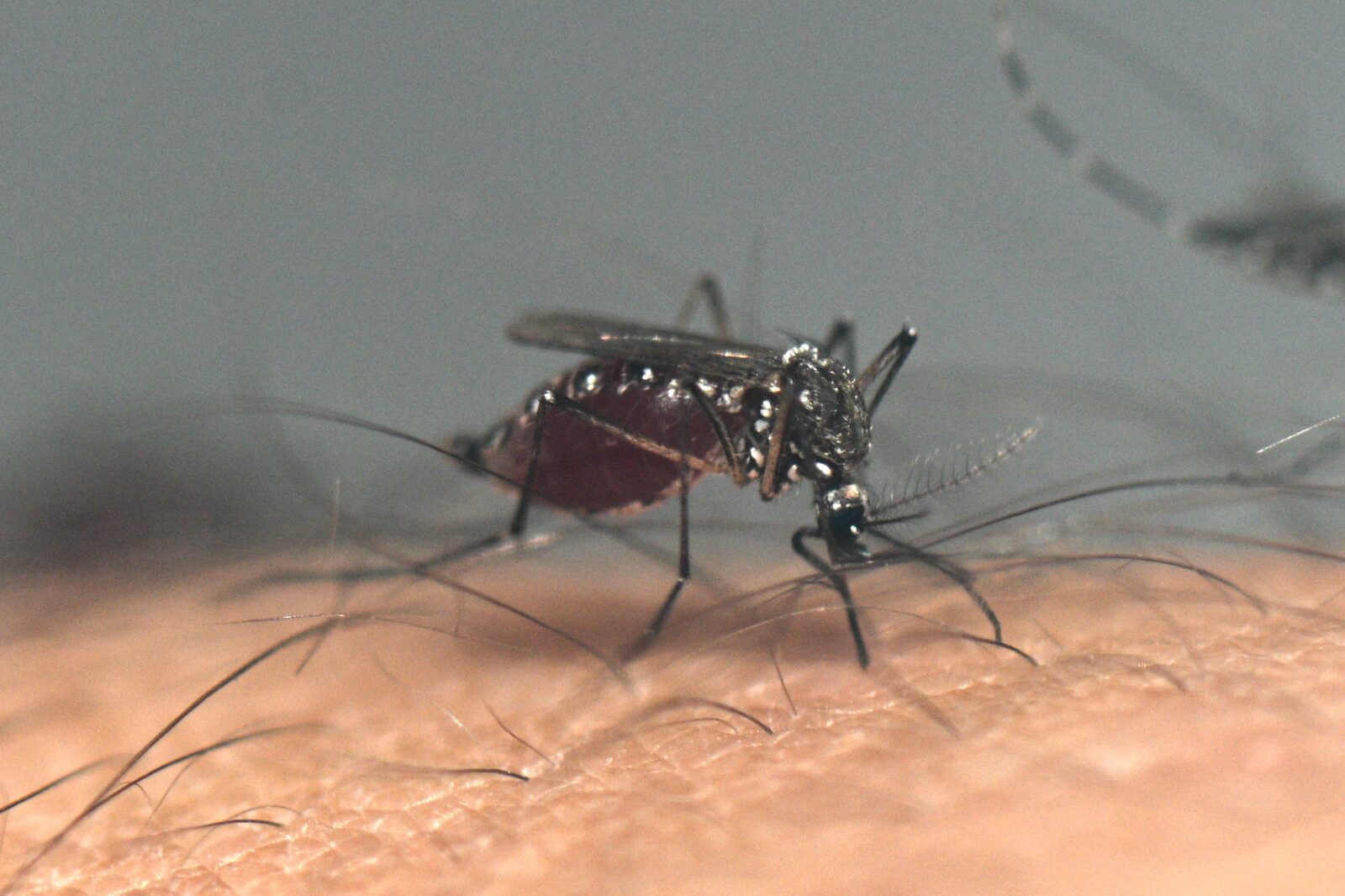
    The situation has created a perfect storm of health risks, with one employee confirming he contracted dengue fever on the compound in early 2025. ‘We control mosquitoes at home, but here we’re bitten from morning to afternoon,’ he described. ‘You leave itchy, lumpy, and in discomfort.’

    Beyond health concerns, workers highlighted critical operational deficiencies. The yard faces severe vehicle maintenance issues, with many government vehicles operating without proper inspection, logbooks, or safety certifications. Employees reported being penalized for refusing to operate faulty equipment, while simultaneously having their allowances withheld and hours cut for not remaining on the hazardous premises.

    Workers identified these problems as symptomatic of broader institutional failure, criticizing both management and successive administrations for neglecting what they call ‘the backbone of every corporation.’ The transport yard handles essential services including emergency response, garbage collection, and construction material delivery across some of the region’s most challenging terrain.

    Despite previous complaints to management, union representatives, and councilors, no corrective action had been taken. When contacted by Newsday, Corporation Chairman Richard Walcott and the CEO both claimed unawareness of the issues, promising immediate resolution while acknowledging the corporation’s cesspool truck was currently non-operational.