分类: infrastructure

  • $4.4M Bridge Project Targets Failing Section of Sarteneja Road

    $4.4M Bridge Project Targets Failing Section of Sarteneja Road

    For years, a 200-meter stretch of Belize’s critical Corozal–Sarteneja Highway has stood as an unsolvable engineering headache, derailing plans to formally open the entire 42-kilometer route and frustrating countless drivers. Now, a $4.4 million grant from Taiwan has cleared the way for a long-awaited permanent solution, with construction already underway on a purpose-built bridge to stabilize the terrain that has defeated every previous repair attempt.

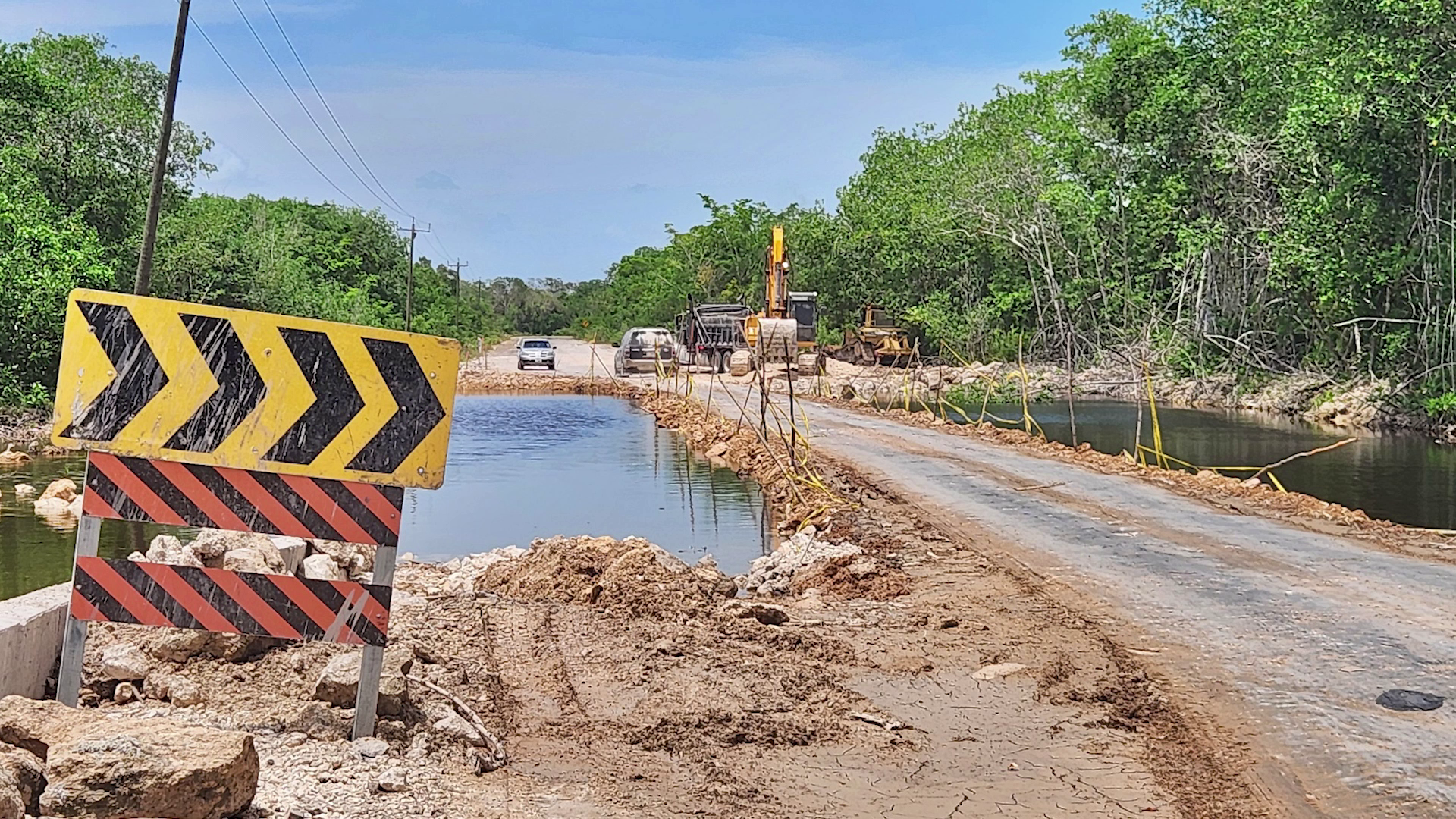
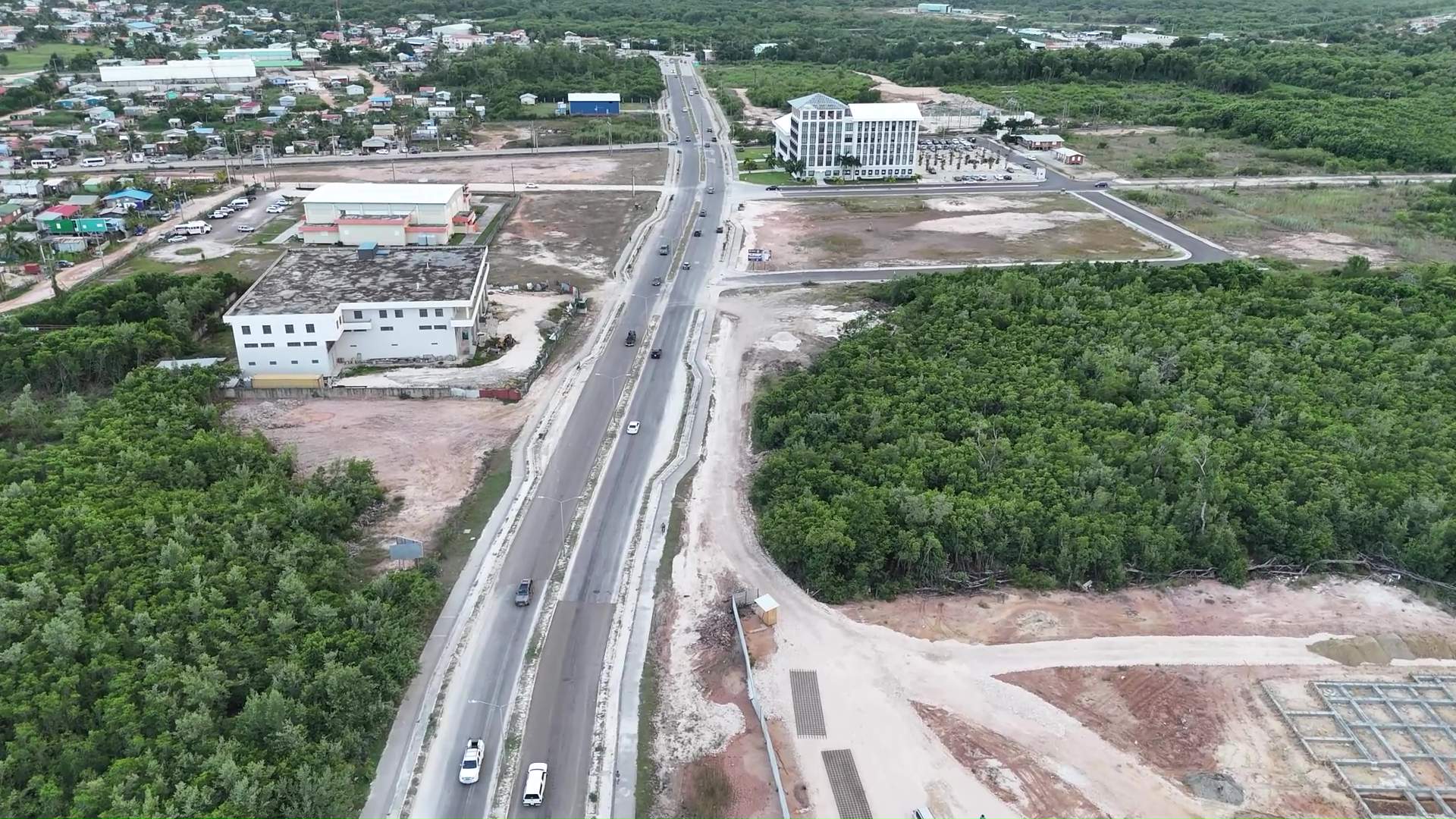
    The problematic stretch at mile three of the highway is no ordinary road defect: Chief Engineer Evondale Moody, from Belize’s Ministry of Infrastructure Development and Housing, described it as the worst case of land settlement in the entire country, outpacing even problematic sections of the nation’s busiest Philip Goldson Highway and George Price Highway. Decades of patchwork fixes have all failed spectacularly: crews have filled the low-lying area with more than three meters of fill material, only to watch the ground swallow the entire addition. A previous attempt to install a reinforced concrete retaining wall and paved surface also collapsed and sank into the unstable ground, leaving officials to pursue their last available option.

    The new approach, modeled after a successful stabilization project at the settling Benny’s roundabout in Belize, calls for driving a grid of concrete pilings 85 feet deep through the deep peat and soft mud to reach bedrock—what engineers refer to as “refusal,” where piles can no longer penetrate and gain a solid anchor. Once the entire 200-meter section is anchored with these piles, a reinforced concrete bridge deck will be laid on top, creating a stable structure that will not sink or shift over time.

    Construction of the 200-meter bridge is being handled by the Overseas Engineering and Construction Company, with full oversight from the Ministry of Infrastructure Development and Housing. Moody confirmed work first launched in May 2026, and the project remains on schedule to be fully completed by the end of the calendar year. Once finished, the fix will clear the final barrier to the official opening of the entire 42-kilometer Corozal–Sarteneja Road, unlocking safer and more reliable access to the coastal community of Sarteneja for residents, businesses, and visitors.

    For the duration of piling installation, local transportation officials have implemented a traffic diversion plan, routing all through traffic onto the nearby San Estevan Road in Orange Walk District. Commuters are advised to plan for extra travel time and follow posted detour signs to avoid delays.
  • Land Deal Linked to Swing Bridge Plan, Smart Strategy or Risk?

    Land Deal Linked to Swing Bridge Plan, Smart Strategy or Risk?

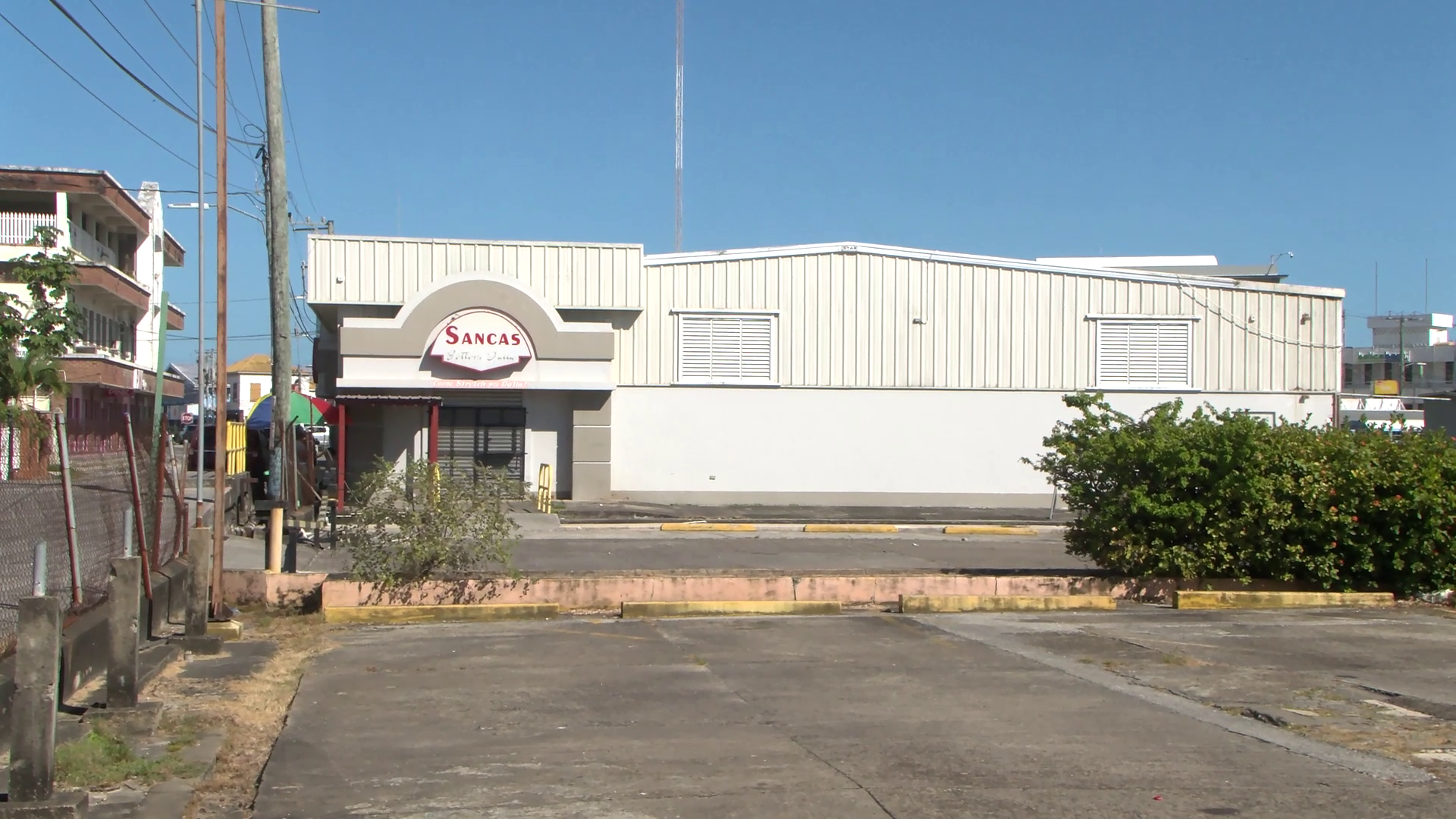
    Dated May 13, 2026, a series of major infrastructure projects across Belize are moving forward, led by the Ministry of Infrastructure Development & Housing (MIDH), with a high-value downtown land acquisition drawing both support and public scrutiny. The Belizean government has closed a deal to purchase the San Cas Bottom Dollar property, a coveted plot on Belize City’s North Front Street, for $5 million Belize dollars – a full $3 million below the original asking price of $8 million. MIDH Chief Engineer Evondale Moody frames the purchase not as a standalone real estate transaction, but as a core component of a long-term infrastructure strategy centered on the upcoming Swing Bridge replacement project.

    According to Moody, project planners discovered that critical Belize Water Services (BWS) water and sewer mains run directly through the easement between Prosser and the Bottom Dollar parking lot, which falls exactly along the planned alignment for the new bridge structure spanning Haulover Creek to connect to Regent Street West. Moving these major utilities, which run beneath the creek bed, would have cost taxpayers an estimated $3 million alone. After a month of negotiations with the property’s owners, MIDH recommended the government acquire the three-parcel site instead of covering the relocation costs.

    The proposal was further bolstered by existing allocated funding: the project’s grant agreement already sets aside $1 million to provide office space for the Japanese contractor hired to lead the bridge work. Once construction wraps, Moody explains, the property will first serve as on-site storage for the contractor during the bridge build, and the government will retain full control of the land for future public use after project completion. While the $5 million price tag has drawn surprise from some observers, MIDH officials argue the purchase eliminates massive utility relocation costs, streamlines project timelines, and leaves the government with a valuable public asset in the long run, making the investment a net gain for public funds.

    The land purchase is just one component of a broader wave of infrastructure modernization across Belize City, which is also displacing local businesses and vendors near the adjacent BelCan Bridge upgrade project. As pre-construction preparations accelerate, MIDH has partnered with the Belize City Council to clear the project alignment, issuing formal relocation notices to nearby vendors and car dealerships. Many auto businesses have already relocated, and the council has committed to moving remaining vendors – including the well-known local spot Tony’s Barbeque – within a 30-day timeline laid out by MIDH.

    Moody confirmed he has corresponded with Belize City’s mayor regarding two key vendor clusters: one near the taxi stand behind Save U, and another at a shed located on the southside of the bridge near BWS facilities. The mayor has responded in good faith, confirming relocation efforts are underway to meet the deadline. The new BelCan Bridge will be wider than the existing structure, requiring the city to reclaim the current riverfront stretch for expanded approaches and fully repave the connecting roads to integrate with the new crossing. Project designers have also confirmed the Save U entrance along Central American Boulevard will be retained in the final design to preserve public access to the corridor.

    Beyond the two bridge projects, MIDH has also issued a formal deadline for clearing unapproved structures along another key artery: the George Price Highway between Belize City and Hattieville. As part of the first lot upgrade of the highway, being carried out by contractor Cisco Construction, the ministry has ordered all private business signs and personal roadside memorials removed by June 12. Moody acknowledged the emotional significance of many roadside memorials, but noted the project requires a fully cleared right-of-way to accommodate the planned upgrades.

    Cisco Construction is currently working across three active segments of the highway: between Western Avenue and Faber’s Road, between mile four and five in the Old Belize area, and between mile eight and 10 near the local airboat operations. Moody explained that any signs or memorials remaining on the road reserve after the June 12 deadline will be removed by the contractor to keep the project on schedule.

    The coordinated rollout of these three interconnected projects marks one of the largest infrastructure pushes in Belize in recent years, with MIDH framing the moves as necessary investments to modernize the country’s busiest transportation corridors while minimizing long-term costs to taxpayers.

  • Major Works Planned For Lake Independence Boulevard

    Major Works Planned For Lake Independence Boulevard

    Belize City is preparing for significant infrastructure disruptions as two of its busiest bridges approach simultaneous shutdowns for complete replacement. The impending closures are shifting attention to the critical condition of Lake Independence Boulevard, which will serve as the primary alternate route during construction. Concerns are mounting about the boulevard’s capacity to handle diverted traffic, particularly during inclement weather when the road surface deteriorates dramatically.

    Deputy Mayor Eluide Miller has confirmed that the city administration and Ministry of Infrastructure Development and Housing (MIDH) have reached agreement on a comprehensive rehabilitation plan for the vital thoroughfare. While temporary repairs are currently underway, Miller emphasized that MIDH has committed to executing a permanent reconstruction solution before the bridge replacement projects commence.

    “MIDH recognizes the strategic importance of Lake Independence Boulevard as the essential alternate route during the bridge replacements,” stated Miller. “We’ve received firm commitment that complete rehabilitation work will be prioritized ahead of the BelCan Bridge closure. The current patchwork improvements, while appreciated, are insufficient for the increased traffic volume expected.”

    The infrastructure enhancement plan comes in response to growing concerns about transportation accessibility during what officials anticipate will be an extended period of construction. Miller expressed confidence that the boulevard rehabilitation would provide residents with a reliable alternative route before the city faces the compounded challenge of simultaneous bridge closures.

    This coordinated approach between municipal and national infrastructure authorities represents a proactive measure to minimize disruption for Belize City commuters and commercial traffic. The timeline for both the boulevard rehabilitation and subsequent bridge replacements remains under development by MIDH engineers.

  • Pothole Plague Prompts Citywide Repairs

    Pothole Plague Prompts Citywide Repairs

    Belize City has initiated an extensive urban rehabilitation program to address severe roadway deterioration that has transformed many streets into obstacle courses for motorists. The municipal government is currently advancing repairs on multiple critical arteries while preparing residents for even more substantial infrastructure projects in the coming months.

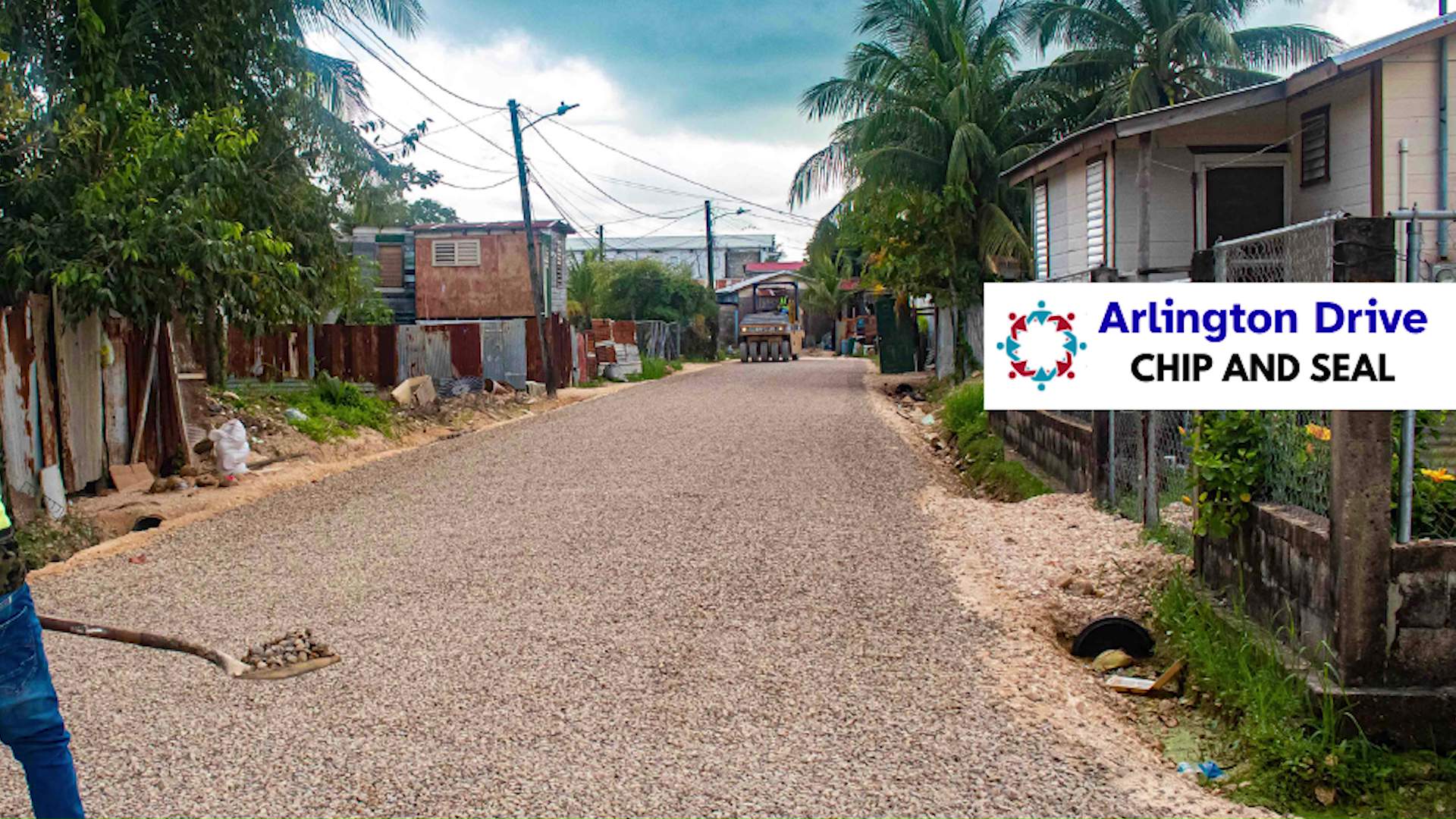
    Deputy Mayor Eluide Miller provided a comprehensive update on ongoing repairs, highlighting progress on Iguana Street in the Collett constituency, Arlington Drive in Port Loyola, and recently completed work on Lakeview and Seagull streets in the Queen Square Division. Most significantly, rehabilitation has commenced on Western Avenue, a crucial transportation corridor serving the Lake Independence Area. Crews are currently addressing drainage issues before commencing full-scale roadworks on this vital thoroughfare.

    The City Council has committed to an ambitious goal of rehabilitating 150 streets per administrative term, though officials urge patience as crews methodically address the city’s widespread pavement deficiencies. The pothole crisis has become so severe that some residents describe navigating crater-sized defects on daily commutes.

    Beyond immediate repairs, the municipality is preparing for transformative infrastructure projects including the George Price Highway upgrade and replacement of both the Swing Bridge and Belcan Bridge. The City Council has scheduled a town hall meeting to facilitate public consultation, allowing residents to understand potential traffic disruptions and rerouting scenarios during construction.

    Simultaneously, the Council is addressing a separate community concern regarding El Celaso Street in Belama, where residents petitioned to maintain the roadway as public infrastructure. This matter has been referred to the Ministry of Natural Resources, with municipal officials expressing support for the community’s position despite complications arising from pre-2020 election land title assignments.

    Deputy Mayor Miller emphasized that resident concerns remain at the forefront of municipal planning, acknowledging that while infrastructure projects may cause temporary navigation challenges, the long-term benefits will significantly enhance urban mobility and quality of life throughout Belize City.

  • No heavy trucks allowed on sinking High Street bridge

    No heavy trucks allowed on sinking High Street bridge

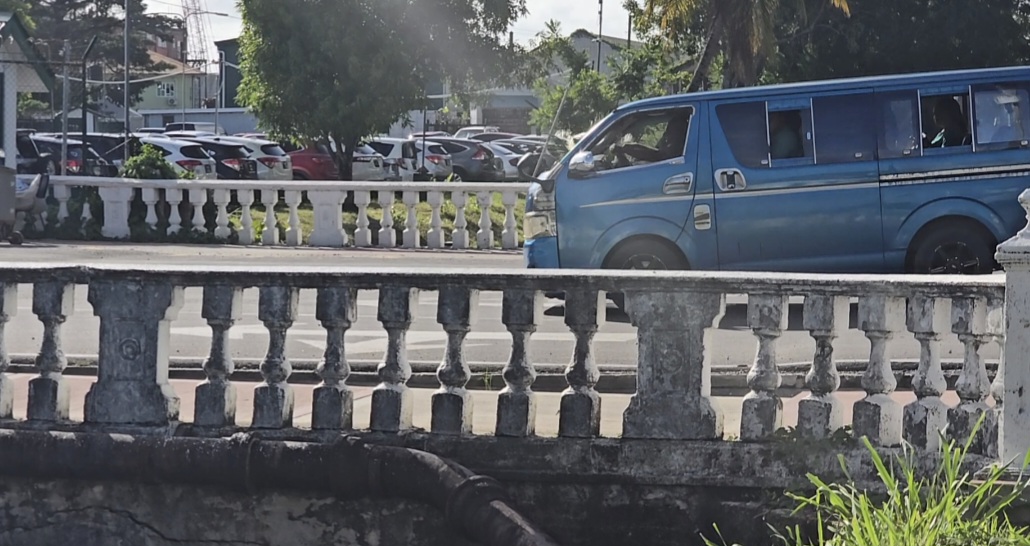
    The Guyanese Ministry of Public Works has declared an immediate weight restriction on the structurally compromised High Street bridge spanning the Cummings Canal in Kingston. Effective Tuesday, January 6, 2026, vehicles exceeding 10 tons are prohibited from using the critical infrastructure link between Lamaha and Cowan Streets.

    This emergency measure follows the discovery of both visible cracking and significant settlement—or sinking—of the bridge structure over recent months. Ministry officials attribute the deterioration to two primary factors: consistent stress from overloaded commercial vehicles and the advanced age of the structure itself.

    The bridge serves as a vital transportation artery for Guyana’s commercial and industrial sectors, facilitating round-the-clock movement of oil sector equipment, construction materials (including sand, cement, and stone), and agricultural products such as rice and paddy. The new regulation will necessitate substantial rerouting for heavy freight operators.

    While the immediate restriction aims to prevent catastrophic failure, the ministry has confirmed that the long-term solution requires complete reconstruction of the bridge. Officials acknowledge the project’s complexity due to the structure’s central location and have pledged to schedule rebuilding operations with minimal disruption to public mobility and commerce.

    The Public Works Ministry has issued formal advisories urging all truck operators to identify alternative routes and comply with the 10-ton weight limit to ensure public safety.

  • First flight lands on reconstructed Aishalton airstrip

    First flight lands on reconstructed Aishalton airstrip

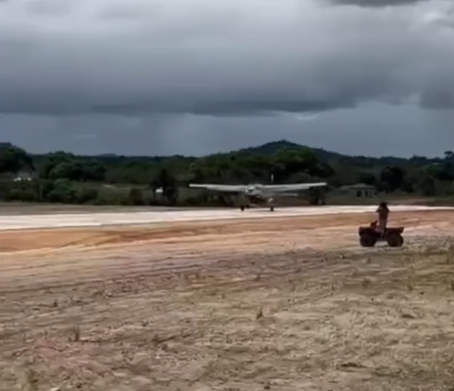
    A new era of aviation connectivity has dawned for Guyana’s hinterland communities as the first aircraft successfully touched down on the completely reconstructed Aishalton Airstrip on Thursday, December 18, 2025. The landmark event, announced by President Irfaan Ali, represents the culmination of a community participation model project that transforms regional transportation infrastructure.

    According to Aviation Minister Deodat Indar, the comprehensive upgrade required an investment of just over GY$1 billion. The newly operational facility boasts a substantial 2,500-foot rigid concrete runway capable of handling regular air traffic. The modernization includes a dedicated parking apron with capacity for two aircraft simultaneously, alongside state-of-the-art safety enhancements comprising precision runway lighting, professional markings, and comprehensive signage systems.

    This achievement forms part of a broader governmental initiative to revolutionize transportation access in remote regions. The administration has allocated GY$2.5 billion specifically for the rehabilitation and completion of multiple hinterland airstrips, including strategic locations at Apoteri, Chenapou, Jawalla, and Sand Creek. The Aishalton project serves as a flagship demonstration of this infrastructure development program.

    The enhanced airstrip is projected to significantly improve emergency response capabilities, economic opportunities, and social connectivity for the Aishalton community. By reducing isolation and facilitating reliable transport links, the infrastructure upgrade promises to transform healthcare access, educational resources, and commercial exchange for residents who previously faced substantial travel challenges.

  • New Demerara River Bridge remains safe; contractor to fix waviness of road

    New Demerara River Bridge remains safe; contractor to fix waviness of road

    Guyana’s Ministry of Public Works has issued firm assurances regarding the structural integrity of the recently inaugurated Bharrat Jagdeo Demerara River Bridge (BJDRB), following public concerns about visible surface irregularities. Technical investigations confirm that the observed pavement undulations pose no threat to the bridge’s fundamental stability or load-bearing capacity.

    Public Works Minister Juan Edghill personally inspected the structure on Monday, accompanied by technical experts. During a Facebook Live broadcast from the site, Minister Edghill clarified that the problematic section featuring cracked asphalt is not part of the bridge itself but constitutes the approach road. “Where I am standing here, where you’re seeing this defect in the asphaltic work, it is not even the bridge. This is the road to the bridge,” he emphasized.

    Engineering assessments attribute the road surface waviness near the east approach to natural settlement behavior occurring at the transition zone where the road embankment fill meets the concrete abutment structure. The ministry’s statement explained that “differences in material properties between the sand fill and the concrete structure have resulted in varying settlement behavior, leading to a temporary elevation difference.”

    Regarding undulations observed on the main bridge’s side spans, investigations confirmed these are merely superficial irregularities limited to the asphalt pavement layer, arising during the construction process. The ministry stressed that these conditions “do not compromise the structural integrity or load-bearing capacity of the bridge.”

    The contractor responsible for the $260 million infrastructure project, which was officially opened on October 5, 2025, has been instructed to perform remedial works to restore a smooth driving surface. Minister Edghill characterized such surface issues as not unusual in major construction projects, noting that the observed defects would be promptly corrected.

    The ministry’s reassurance comes in response to concerns raised over the weekend by Dorwain Bess, Chairman of the Vigilant Political Action Committee (VPAC), regarding the structural integrity of the vital transportation link. Officials maintain that continuous monitoring data indicates the bridge “remains safe, stable, and fully reliable for public use,” with the government committed to ensuring the highest standards of safety and travel comfort.