分类: education

  • Inside Belize’s Agriculture High School Where Students Grow Futures

    Inside Belize’s Agriculture High School Where Students Grow Futures

    Nestled within the serene landscape of Trinidad Village, the Belize High School of Agriculture (BHSA) represents an educational revolution where classroom instruction seamlessly integrates with practical agricultural training. This unique institution provides completely free secondary education, including daily nutritious meals, transportation, and comprehensive hands-on learning experiences that equip students with real-world skills.

    Principal Abel Celiz emphasizes the school’s distinctive agricultural focus: “We maintain a diverse array of agricultural programs that provide students with practical experiences and genuine life skills, ultimately shaping them into productive citizens.” The curriculum extends far beyond traditional academics, immersing students in daily agricultural operations from crop cultivation and animal husbandry to tilapia farming, poultry management, and apiculture.

    The transformative impact on students is profound. Delsi Deodanes, a student from San Carlos, describes the environment as familial: “Being here feels like I’m in my village home where I’ve grown. We practice agriculture, harvest our own food, and sell in the market.” For many attendees, the elimination of financial barriers through free tuition creates unprecedented educational opportunities.

    Student Zaire Gonzalez highlights the practical benefits: “This institution represents a tremendous benefit for me. I work part-time to support my mother and two brothers, while simultaneously pursuing my education and anticipating graduation.”

    The school’s holistic approach extends to extracurricular activities including sports, cultural clubs, cadet programs, music, and student government—all designed to foster well-rounded development rooted in Belizean cultural values.

    BHSA’s legacy of excellence is demonstrated through its distinguished alumni. Agriculture Director Ernesto Pech, a 29-year veteran of the institution, notes that graduates include Dr. Pasqual (current Chief Agricultural Officer), Dr. Luciano Chi (SIRDI researcher), and multiple directors within the Ministry of Agriculture.

    Second Form student Tracy Mojica from San Felipe Village embodies the school’s evolving demographic: “My village primarily focuses on cattle, and I want to demonstrate that women can excel in farming alongside men.”

    The institution’s practical impact extends to local commerce, with BHSA products now available in northern Belizean shops—demonstrating how educational institutions can directly address community needs while cultivating tomorrow’s agricultural leaders.

  • Education Minister addresses AI use in CXC SBA’s

    Education Minister addresses AI use in CXC SBA’s

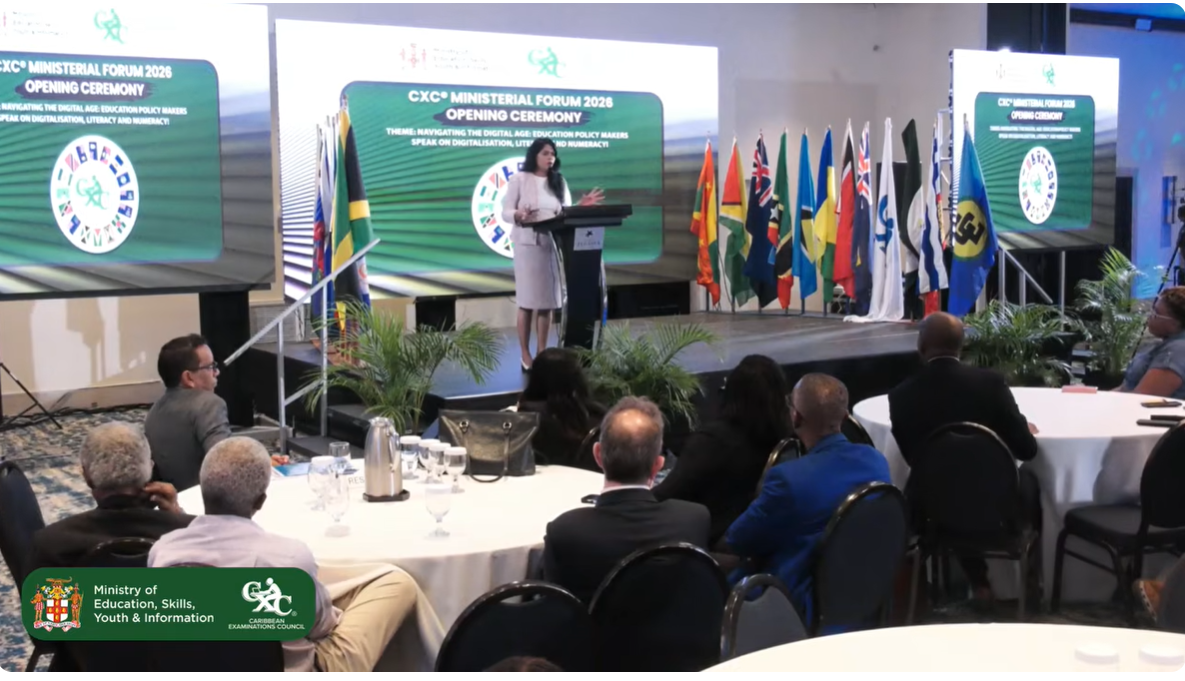
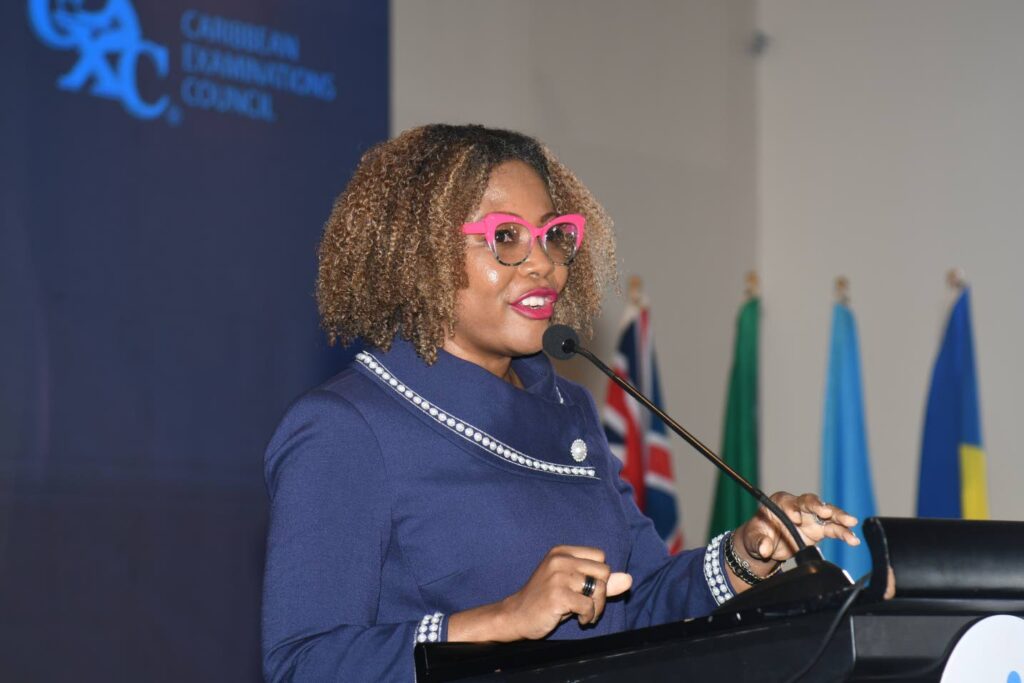
    Caribbean education systems are confronting new challenges to academic integrity as they implement digital transformation initiatives. Kenson Casimir, Minister for Education and Digital Transformation, has recognized escalating concerns regarding artificial intelligence (AI) utilization in Caribbean Examinations Council (CXC) School-Based Assessments (SBAs). This development follows CXC’s announcement integrating both written and digital components into examinations, a modernization effort designed to equip students for a technology-centric future.

    The ministerial address highlighted the urgent necessity for policy frameworks and legislative measures to govern AI’s responsible application within educational environments. Minister Casimir emphasized that while AI presents remarkable opportunities for enhancing learning and development, its potential for misuse demands immediate protective measures. He specifically warned against permitting scenarios where students complete SBAs entirely through AI tools without facing appropriate accountability.

    Casimir characterized AI as an unavoidable transformative power that must be incorporated into human development strategies. He advocated for its responsible deployment to contribute to societal advancement while simultaneously cautioning that comprehensive legislation is essential to prevent unethical practices. Although policy discussions remain ongoing, the minister confirmed the issue would ultimately require deliberation at the Cabinet level. Rejecting fear-based decision-making, Casimir affirmed AI’s existential reality and its capacity to revolutionize education when properly harnessed, provided clear consequences for misuse are established and communicated throughout academic institutions.

  • New Scholarship Opens Door for Girls in Tech

    New Scholarship Opens Door for Girls in Tech

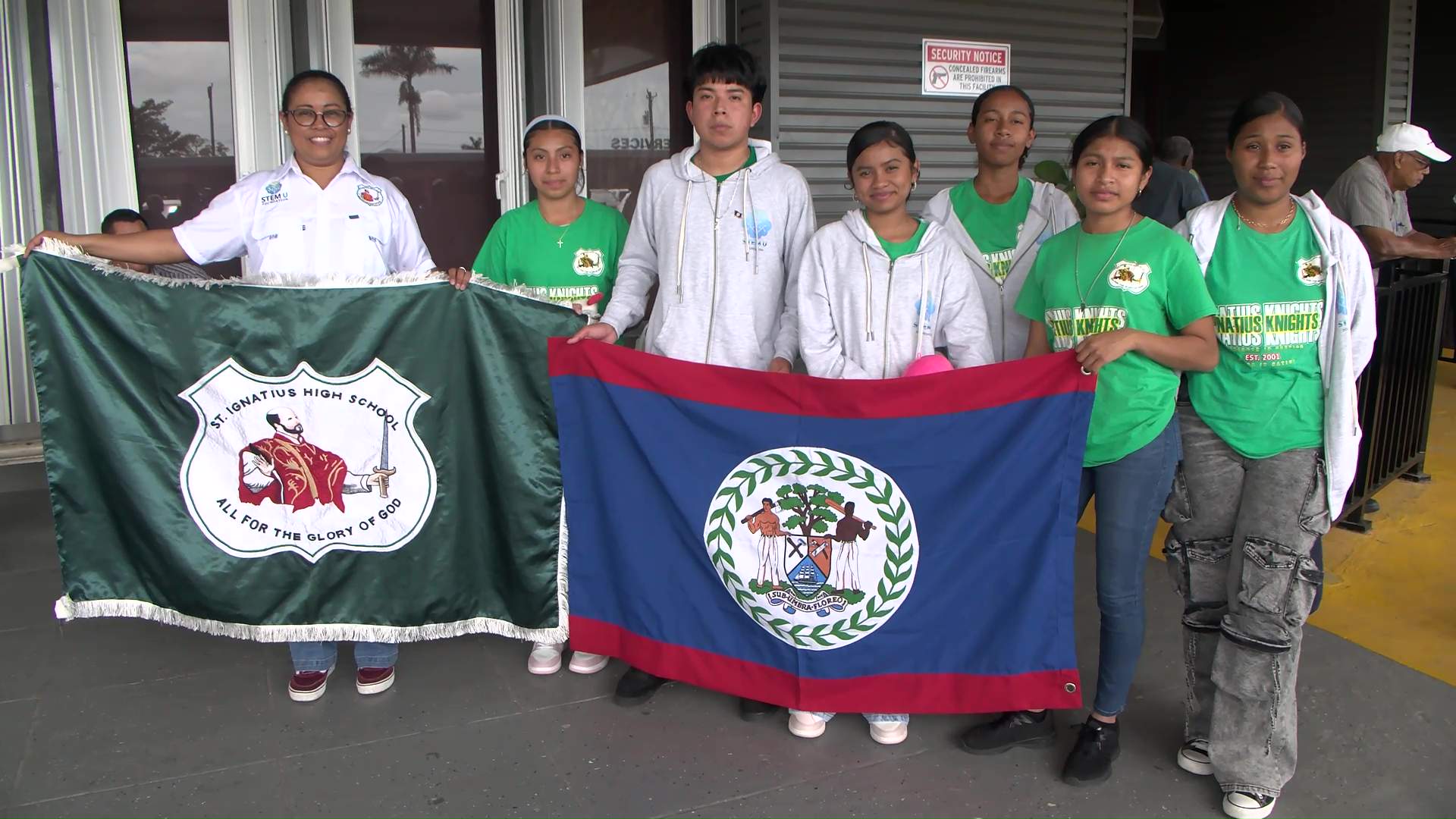
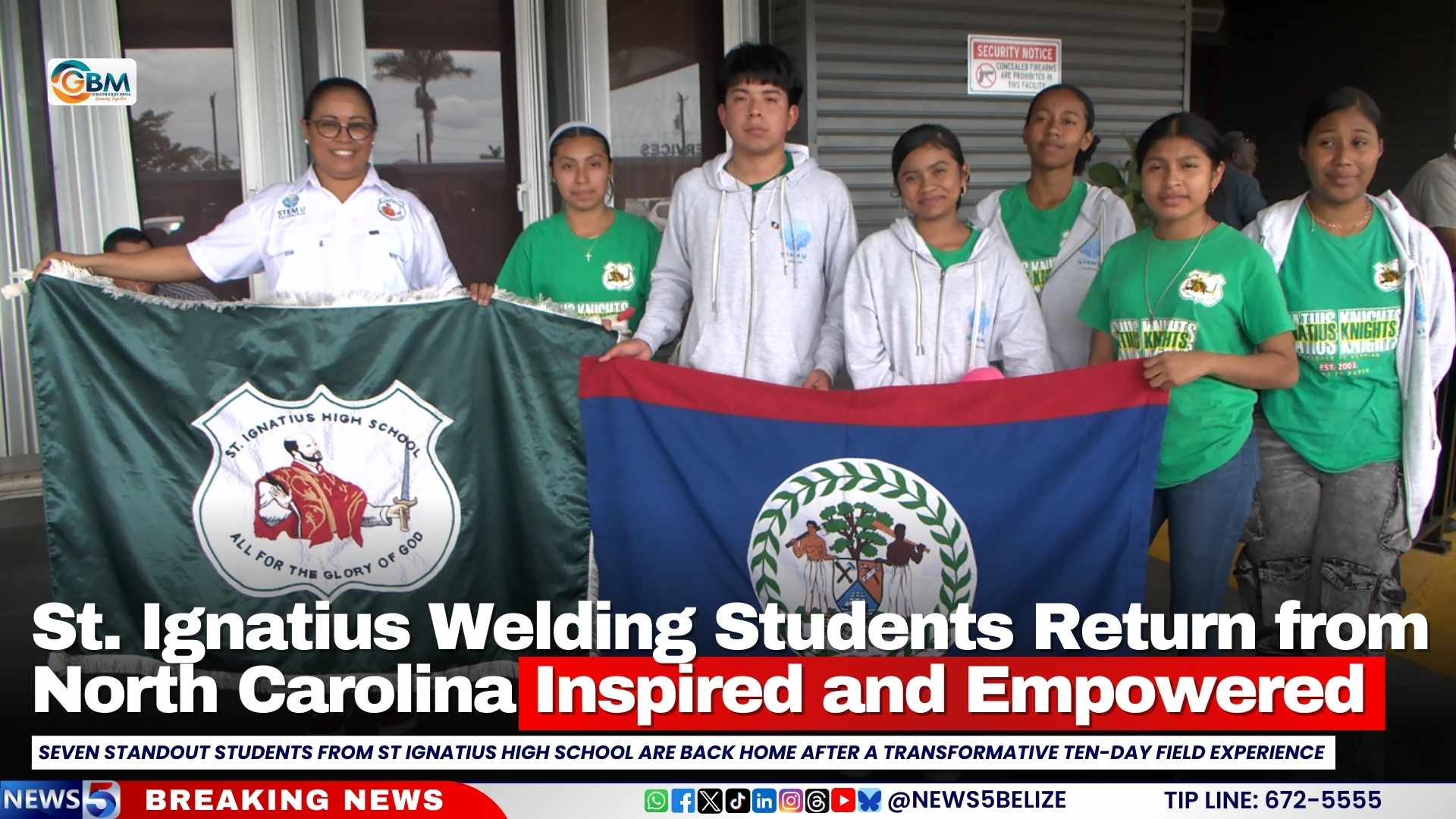
    A groundbreaking educational partnership between Saint Ignatius High School in Belize and Mexico’s Universidad Politécnica de Bacalar (UPB) has established an annual scholarship program specifically designed to empower young women pursuing careers in technology. The five-year agreement, formally announced during a January 22nd signing ceremony in Santa Elena, will provide full tuition support for one female student annually to study software engineering through UPB’s information technology and digital innovation program.

    The initiative, extending through 2029, represents a strategic effort to address gender disparities in Belize’s technology sector by creating structured pathways for female participation. Principal Jeaneane Neal of Saint Ignatius High School projected that the partnership will produce at least five professionally trained software engineers for Belize by 2030, significantly boosting the nation’s technical workforce.

    Selection for the prestigious scholarship involves a rigorous assessment process combined with comprehensive mentorship preparation. Students currently receive guidance from Byron Cera, identified as Belize’s sole licensed network engineer, ensuring candidates are thoroughly prepared for their international educational experience. The program seeks academically exceptional students with demonstrated strength in STEM subjects, while simultaneously encouraging broader female participation in technology fields.

    Beyond financial support, the scholarship provides successful candidates access to an international network of women working in technology, creating valuable professional connections and mentorship opportunities that extend far beyond the classroom. Principal Neal emphasized the program’s broader mission: “We want to ensure that our young girls know that anything is possible,” highlighting the initiative’s role in challenging gender stereotypes and expanding career aspirations for Belizean women.

  • Charlemont High students improve performance in mathematics

    Charlemont High students improve performance in mathematics

    KINGSTON, Jamaica — Charlemont High School in St. Catherine has demonstrated remarkable academic progress, particularly in mathematics, following the recent Caribbean Secondary Education Certificate (CSEC) examinations. The institution’s mathematics pass rate surged dramatically from 16% to 36%, while maintaining an exceptional 81% success rate in English Language.

    Principal Garth Gayle attributed this significant improvement to strategic interventions implemented through the Ministry of Education’s National School Learning and Intervention Plan (NSLIP). The program provided the school with a mathematics coordinator who established comprehensive mentorship programs for teachers and initiated a student ambassador initiative. “These initiatives have been instrumental in assisting our students through mathematics marathons and equipping teachers with specialized techniques to enhance student outcomes,” Gayle explained in an interview with JIS News.

    The NSLIP was specifically designed to address learning deficiencies exacerbated by the COVID-19 pandemic, employing a targeted approach focusing on core subjects through supplemental lessons, summer programs, digital resources, and psychosocial support.

    Mathematics teacher Sharlene Mills revealed that the department completely transformed its pedagogical approach. “Despite limited resources, we incorporated tangible objects and multimedia content into our lessons. Particularly for male students who respond well to visual stimuli, we integrated mathematics concepts into cartoon formats, which significantly increased engagement and comprehension,” Mills stated.

    Through her role as president of the Quality Education Circle—a collaborative network of educational institutions within geographical areas—Mills identified innovative techniques including hands-on activities where students created visual representations of mathematical operations through coloring and diagramming.

    Student testimonials underscore the program’s effectiveness. Kayda Lee McLean, who achieved a Grade 2 in mathematics despite initial difficulties, credited Mills’ persistent encouragement: “She guided me through problems I couldn’t solve and motivated me when I felt like giving up.”

    Ernest Johnson, another mathematics department member, emphasized the conscious institutional decision to enhance mathematical instruction through Saturday classes, past paper marathons, and practical application workshops. “We deliberately made mathematics more relatable to real-life situations, which fundamentally changed student perception and performance,” Johnson noted.

    School leadership, including Deputy Head Girl Briana Smith and Head Boy Jehvean Chambers, highlighted the supportive community environment and recognition systems that celebrate academic achievement. Discipline Dean Colin McDonnell further connected the academic success to maintained order and proper student decorum, with administrative leadership personally ensuring uniform standards each morning.

    The collective efforts demonstrate how targeted educational strategies, teacher innovation, and institutional commitment can produce substantial academic improvements even in challenging circumstances.

  • OP-ED: Supporting boys and young men in Caribbean education

    OP-ED: Supporting boys and young men in Caribbean education

    On International Day of Education 2026, UNESCO’s Caribbean Directorate reveals a concerning educational gender gap where young males increasingly disengage from academic systems across the region. While Caribbean youth demonstrate remarkable potential as innovators and social change agents, systemic failures threaten to leave boys behind with profound societal consequences.

    Statistical evidence indicates male students constitute the majority of out-of-school youth in numerous Caribbean nations, particularly at upper secondary levels. This educational disengagement creates cascading effects—reduced employment prospects, limited life opportunities, and heightened vulnerability to violence and high-risk behaviors. UNESCO’s research demonstrates that incomplete secondary education correlates strongly with unemployment, social marginalization, and increased violence involvement among young men.

    The organization emphasizes that traditional educational approaches frequently overlook boys’ specific needs. Meaningful youth engagement through policy development, curriculum design, and program implementation has proven effective in reversing this trend. Initiatives like Youth Forums, SDG 4 Youth and Student Networks, and community consultations demonstrate that when boys participate in educational co-creation, their academic engagement and success rates improve significantly.

    Successful interventions combine academic curricula with community-based activities, mentorship programs, and digital skills training. These approaches help students connect education to practical applications, maintaining motivation through relevant learning experiences. UNESCO highlights the critical importance of family involvement and school-based guidance systems in supporting male educational persistence.

    Structural barriers including poverty, restrictive gender norms, limited access to quality institutions, and unclear career pathways contribute substantially to dropout rates. UNESCO advocates for equitable funding, enhanced social support systems, and targeted programs for at-risk youth alongside policy reforms.

    Education serves as a powerful protective factor—engaged male students not only achieve higher graduation rates but demonstrate reduced vulnerability to violence and social risks. Academic success provides young men with skills, confidence, and opportunities that strengthen both family structures and broader community development.

    UNESCO Caribbean Director Eric Falt concludes that inclusive, responsive educational systems can transform disengagement into participation and potential into achievement. On this International Day of Education, the call emphasizes ensuring no young person—especially the most vulnerable boys—gets left behind in the Caribbean’s educational evolution.

  • UWI rises in global ranking

    UWI rises in global ranking

    The University of the West Indies (UWI) has achieved a remarkable milestone in global higher education, securing a position within the top 3.6% of universities worldwide according to the prestigious Times Higher Education (THE) World University Rankings 2026. This accomplishment places UWI among 2,191 elite institutions selected from over 33,000 degree-granting universities across 115 countries.

    The THE rankings, recognized as the gold standard in academic excellence evaluation, assess institutions based on comprehensive performance indicators including teaching quality, research environment, knowledge transfer capabilities, and international outlook. UWI’s consistent upward trajectory in these rankings demonstrates its growing global influence and academic prowess.

    Vice-Chancellor Professor Sir Hilary Beckles attributed this success to the university’s strategic focus on enhancing intellectual productivity and expanding global partnerships. “Our steadfast adherence to our strategic plan has proven instrumental in building our scholastic brand and international profile,” Beckles stated. “These results reflect the substantial collective input of our academic community.”

    The university has shown significant improvements across multiple metrics, particularly in research quality and international engagement. Scholars have demonstrated enhanced research output, resulting in increased recognition and impact of publications and academic presentations. The institution’s global outlook has similarly expanded, evidenced by growing scholarly impact, international collaborations, and participation in elite intellectual networks.

    Despite operating within considerable fiscal constraints, UWI continues to make substantial contributions across diverse fields including climate change research, public health initiatives, arts and culture narratives, economic development studies, and social justice paradigms. This achievement gains additional significance as the university approaches its centenary in 2048.

    Established in 1948 as a college of the University of London with merely 33 medical students, UWI has evolved into an internationally respected institution with nearly 50,000 students across five Caribbean campuses and global centers spanning North America, Latin America, Asia, Africa, and Europe. The university offers over 800 academic programs spanning culture, creative arts, agriculture, engineering, humanities, law, medical sciences, and technology.

    Beyond its THE ranking success, UWI maintains its position as the Caribbean’s leading university and ranks among the top 25 institutions in Latin America and the Caribbean. It consistently receives recognition in THE’s Impact Rankings for addressing global challenges aligned with the United Nations Sustainable Development Goals, particularly in areas of Good Health and Wellbeing, Gender Equality, and Climate Action.

  • UWI Rises in Global Rankings

    UWI Rises in Global Rankings

    The University of the West Indies (UWI) has commenced 2026 with a remarkable achievement in global academic standing. According to the recently released Times Higher Education World University Rankings 2026, the institution has significantly advanced its position among the world’s premier higher education establishments.

    The prestigious ranking system, which evaluates universities across multiple performance indicators including teaching excellence, research output, knowledge dissemination, and international engagement, assessed over 33,000 institutions worldwide. Only 2,191 universities from 115 countries met the rigorous qualification standards for ranking. UWI’s latest placement positions it within the top 3.6% of global higher education institutions, demonstrating consistent improvement despite increasing global competition.

    Vice-Chancellor Professor Sir Hilary Beckles attributed this success to the university’s strategic adherence to its development plan. “Our unwavering commitment to the strategic framework has proven instrumental in enhancing our intellectual productivity, academic reputation, and global partnership network,” Beckles stated. “These ranking results reflect the tangible outcomes of our substantial collective efforts.”

    The improved ranking follows documented enhancements in research quality across UWI’s academic departments. Faculty members have achieved greater recognition for their publications and scholarly presentations, contributing to elevated citation metrics and academic influence. The university has also strengthened its international perspective through expanded global collaborations, participation in elite intellectual networks, and increased impact on regional and global research environments.

    UWI’s growing prestige spans multiple disciplines including climate change research, public health initiatives, cultural studies, economic development analysis, and social justice advocacy. The institution continues to demonstrate exceptional academic performance despite operating within considerable financial constraints.

    Looking toward the future, Professor Beckles expressed pride in what he described as an “inter-generational achievement” as the university approaches its centennial anniversary in 2048.

  • MinOWC werkt aan vijfjarenplan voor modern technisch en beroepsonderwijs

    MinOWC werkt aan vijfjarenplan voor modern technisch en beroepsonderwijs

    The Ministry of Education, Science and Culture has initiated the development of a comprehensive national strategy and action plan for Technical and Vocational Education and Training (TVET) spanning 2025–2030. This ambitious initiative aims to bridge the gap between educational offerings and labor market demands while enhancing employment prospects for both youth and adults across Suriname.

    Funded through the Caribbean Development Bank’s Enhancement of Technical and Vocational Education and Training (ETVET) Project with a substantial investment of $21.9 million USD, this program seeks to significantly improve the quality, relevance, and accessibility of vocational education throughout the nation.

    The forthcoming National TVET Strategy will serve as a guiding framework for policy reforms and strategic investments over the next five years. Particular emphasis will be placed on aligning educational outcomes with market needs, addressing existing skills gaps, and supporting the country’s economic priorities according to ministry officials.

    International consulting firm Dunn, Pierre, Barnett & Company has been contracted to lead the strategy development in collaboration with the TVET Council Barbados. The implementation process involves close coordination with the Directorate of Vocational Education, the Suriname National Training Authority, and representatives from both public and private sectors.

    The project officially commenced on January 12, 2026, followed by a strategic planning workshop from January 13-15. During these intensive sessions, stakeholders established a shared vision and mission for the TVET system while outlining the preliminary framework for the national strategy and five-year action plan.

    The next phase will involve sector-specific interviews and educational conferences to ensure broad stakeholder engagement in the policy refinement and validation process. The finalized National TVET Strategy and 2025–2030 Action Plan are expected to contribute significantly to creating a sustainable, forward-looking vocational education system while structurally strengthening Suriname’s human capital development.

  • UWI Ranked Among World’s Top 3.6% of Universities

    UWI Ranked Among World’s Top 3.6% of Universities

    The University of the West Indies (UWI) has commenced 2026 with a remarkable academic achievement, securing a position within the top 3.6% of global higher education institutions according to the prestigious Times Higher Education (THE) World University Rankings 2026. This placement distinguishes UWI among more than 33,000 universities and degree-granting institutions worldwide.

    In the recently released October 2025 rankings, which comprehensively evaluate institutional performance across teaching excellence, research environment, knowledge transfer, and international engagement, only 2,191 universities from 115 countries met the rigorous qualification standards. UWI’s consistent upward trajectory demonstrates its growing academic stature even as global competition intensifies.

    Vice-Chancellor Professor Sir Hilary Beckles attributed this success to the institution’s strategic dedication to intellectual productivity and global partnerships. “Our steadfast adherence to the strategic plan has proven instrumental in enhancing our scholastic brand and international profile,” Beckles stated. “These rankings reflect the tangible outcomes of our substantial collective efforts.”

    Performance metrics reveal significant improvements across multiple dimensions. Research quality has notably advanced, resulting in increased recognition and impact of academic publications. The university’s international outlook—measured through scholarly impact, global collaborations, and participation in elite intellectual networks—has also shown substantial growth. Furthermore, UWI’s influence on regional and global research environments through innovative projects and publications has contributed to its elevated ranking position.

    These accomplishments demonstrate how UWI transcends its financial limitations to make substantial contributions across diverse fields including climate change research, public health initiatives, arts and culture narratives, economic development studies, and social justice paradigms.

    Established in 1948 as a college of the University of London with merely 33 medical students, UWI has evolved into an internationally respected institution with approximately 50,000 students across five Caribbean campuses and numerous global partnership centers. The university offers over 800 academic programs spanning disciplines from Creative Arts to Medical Sciences, establishing itself as the Caribbean’s premier knowledge hub addressing critical regional and global challenges.

    Beyond its top 3.6% global standing, UWI maintains additional prestigious positions: top 25 in Latin America and the Caribbean, top 100 among Golden Age universities (50-80 years old), and notable placement in THE Impact Rankings for addressing United Nations Sustainable Development Goals. As the institution approaches its centenary in 2048, this achievement marks another milestone in its 75-year legacy of Caribbean development and global academic excellence.

  • Dominican students shine as high achievers at Western Illinois University

    Dominican students shine as high achievers at Western Illinois University

    Western Illinois University has celebrated exceptional academic achievements by its Dominican student cohort, with five graduates participating in December 2025 commencement ceremonies and seven students securing Dean’s List recognition for the Fall 2025 semester. The graduating class included one master’s degree recipient and four bachelor’s degree completers, all representing the Caribbean region within WIU’s diverse international community.

    The Dean’s List honorees demonstrated remarkable scholarly dedication, each maintaining grade point averages exceeding 3.6, with several achieving perfect 4.0 GPAs for the semester. This accomplishment highlights the consistent academic excellence Caribbean students bring to the institution.

    University President Kristi Mindrup emphasized the significant role Caribbean students play in WIU’s academic ecosystem, stating: “Students who hail from the Caribbean islands represent some of Western Illinois University’s high academic achievers. WIU serves as a home away from home for international students who substantially contribute to the university’s mission, cultural diversity, and global impact.”

    The December graduating class featured Marissa Norris of Loubiere, who earned a Master of Science in Computer Science while serving as a graduate assistant in Global Studies; Berni Servil from Loubiere and Michelle M. Daniel from Roseau, both graduating cum laude with Bachelor of Science degrees in Biology; Keithan Vidal from Salisbury, receiving a Bachelor of Science in Quantitative Economics; and Chelsea Dailey from Roseau, completing a Bachelor of Business in Human Resource Management.

    Dean’s List recognition was awarded to seven senior students: Jeanelle R E Kerr, Berni Hamael Servil, Naomi C P Scotland, Keithan Danton Vidal, Sanchez Jno Baptiste, Joshua Douglas, and Akysha Laronde.