A landmark four-year regional initiative focused on upgrading sweet potato cultivation and safeguarding critical crop genetic diversity across the Caribbean is accelerating progress, bringing together agricultural stakeholders from five nations through a dedicated practitioner network led by technical experts. The Next Generation Sweet Potato Production in the Caribbean Project, led by the Inter-American Institute for Cooperation on Agriculture (IICA), operates in partnership with national agriculture ministries in Antigua and Barbuda, Jamaica, and Saint Lucia, alongside the Caribbean Agricultural Research and Development Institute (CARDI), to address longstanding gaps in regional food security and climate adaptation.
As part of the project’s capacity-building roadmap, recent collaborative training with the International Potato Center (CIP) brought 73 agricultural experts from academic institutions, government technical agencies, and both public and private agricultural sectors together for a hybrid program of theoretical instruction and hands-on field work. The training centered on building core skills for identifying unique sweet potato varieties, documenting their morphological traits, and cataloguing these genetic resources for future preservation and use.
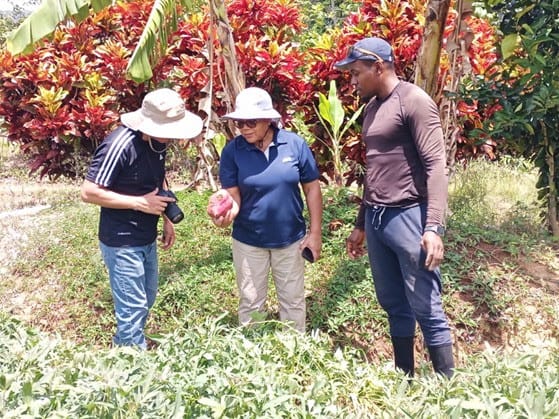
Participants began their learning journey with five interactive virtual modules, where they mastered the 30 globally standardized descriptors used to catalog key sweet potato characteristics, ranging from leaf morphology and vine growth patterns to root structure and other genetic traits. After completing the theoretical portion, practitioners applied their new skills in on-the-ground field exercises across four participating member countries, working alongside lead specialists like Dr. Robles to validate identification and characterization practices in Jamaican growing sites.
For small island nations across the region, the project is already delivering measurable expansion of local genetic resources. In Antigua and Barbuda, for example, agricultural officials currently have 73 distinct sweet potato accessions formally documented. Through the project’s partnership with CIP, an additional 19 unique varieties will be added to the national collection, significantly broadening the country’s sweet potato genetic base to support more resilient breeding programs.
Beyond expanding collections, the initiative prioritizes equipping local agricultural professionals with the specialized skills needed to maintain, utilize, and protect these irreplaceable genetic resources long-term. It also works directly with smallholder and commercial farmers to support adoption of high-yield, climate-resilient sweet potato varieties that can withstand rising temperatures, erratic rainfall, and other climate impacts increasingly affecting Caribbean agriculture. Ultimately, these coordinated efforts are targeted at strengthening both food and nutrition security across all participating nations, where sweet potatoes serve as a staple carbohydrate and key source of dietary nutrients.
The project receives core funding from the Benefit-sharing Fund of the International Treaty on Plant Genetic Resources for Food and Agriculture, administered through the Food and Agriculture Organization of the United Nations (FAO), with additional co-financing support from the European Union. Moving forward, the four-year initiative will continue to deepen regional collaboration, facilitate cross-border knowledge sharing, and strengthen the growing Community of Practice dedicated to advancing sustainable, resilient sweet potato production across the Caribbean.