作者: admin

  • PM, TTPS celebrate success ‘restoring peace’: Murders fall to 10-year low

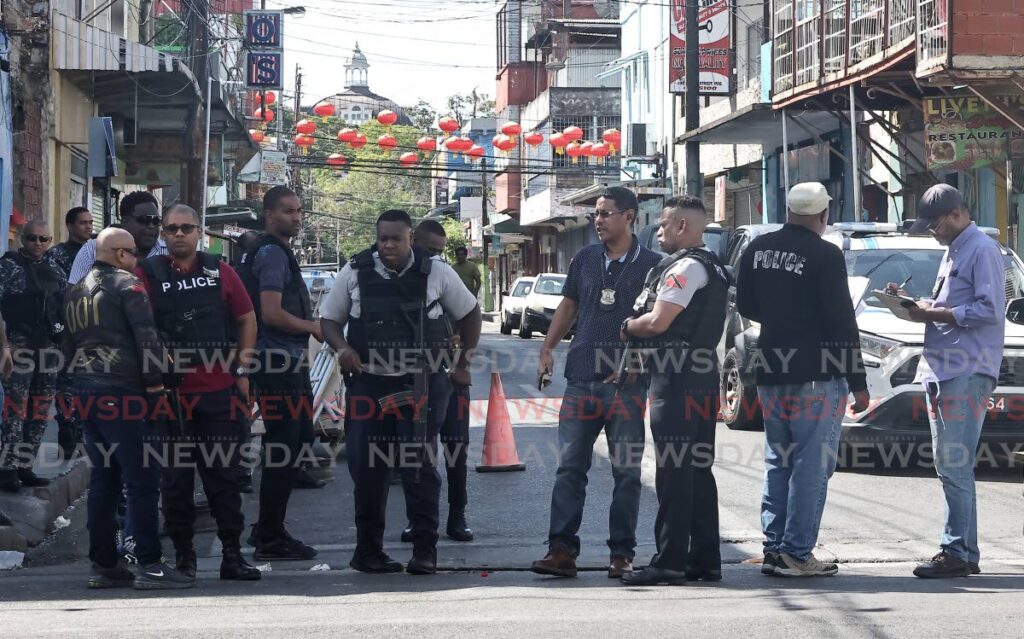
    PM, TTPS celebrate success ‘restoring peace’: Murders fall to 10-year low

    Trinidad and Tobago has achieved a remarkable breakthrough in public safety, recording a 42% reduction in homicides for 2025 with 369 murders compared to 626 the previous year. This represents the nation’s lowest murder rate since 2014 and one of the most significant crime reductions globally this year.

    The Trinidad and Tobago Police Service (TTPS) implemented comprehensive strategies including evidence-based policing, intelligence-led operations, and technology-driven solutions. Under the state of emergency declared on July 18, officers conducted 12,574 operations, targeted 3,723 priority offenders, and performed over 82,000 searches while seizing 673 illegal firearms and more than three tonnes of marijuana.

    Prime Minister Kamla Persad-Bissessar publicly commended Commissioner of Police Allister Guevarro and the TTPS, stating: “I promised that my government would act decisively to reduce crime, and we have delivered on that commitment. Their relentless work, discipline, and determination have been critical in lowering both the murder rate and serious crime across Trinidad and Tobago.”

    The crime reduction extended beyond homicides, with serious reported crimes dropping by 8%, violent crimes decreasing by 15%, larceny of motor vehicles falling by 21%, and fatal road traffic accidents declining by 22%. Police also improved detection rates significantly, with murder investigations increasing from 15% to 20% solved cases and serious crimes moving from 29% to 36% detection rates.

    Deputy Commissioner of Police Junior Benjamin attributed success to strategic leadership and enhanced community partnerships: “The results were not something that came by accident but through strategic direction. We recognized that we’ve done a lot in terms of community partnership where officers are bonding more with the public and creating greater atmosphere of trust.”

    As the state of emergency approaches its conclusion in January, authorities are implementing new legislation and training programs to maintain security gains. These include leveraging the Administration of Justice Act to streamline judicial processes and training officers to utilize expanded warrant authorities for faster response to criminal activity.

  • Reflections on hope

    Reflections on hope

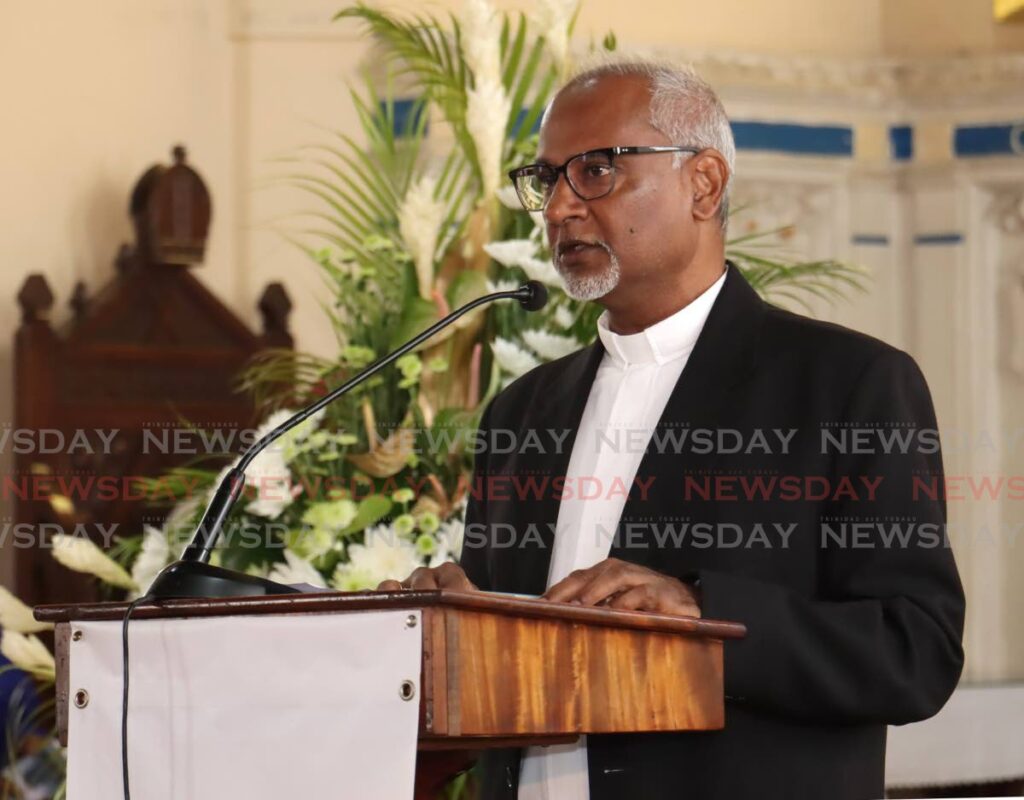
    In a profound philosophical and theological examination, religious scholar Fr Martin Sirju has undertaken an extensive exploration of hope’s fundamental nature, prompted by the recent conclusion of the Catholic Church’s Jubilee Year in December 2024. This significant religious observance, occurring every quarter-century, carried the thematic banner “Hope does not disappoint” from Romans 5:5—a declaration that Sirju finds critically inadequate when confronted with life’s complex realities where hopes frequently shatter.

    The analysis draws substantially from Western philosophical traditions, particularly engaging with French existentialist writer Gabriel Marcel’s distinction between diluted hope—mere wishes for pleasant occurrences—and genuine hope that transcends superficial optimism. Marcel characterizes optimism as either a “firm conviction” or “vague feeling” predicated on external evidence and rational calculation, what philosopher Charles Taylor subsequently termed “the immanent frame.”

    This framework of modern secular hope operates within a self-contained system where meaning derives exclusively from human reason, nature, or psychological depths. While achieving commendable advancements in humanistic values like equality and democratic principles, this perspective creates what Taylor describes as a “buffered self”—individuals experiencing spiritual disconnection and community alienation.

    The examination identifies parallels between exclusive humanism and “created hope”—the deliberate generation of optimism through actionable strategies including goal establishment, cognitive reframing techniques, and therapeutic support systems. Sirju observes that this represents the predominant stance among contemporary Western Christians, particularly those identifying as “spiritual but not religious” who prioritize social improvement projects over traditional religious observance.

    However, the analysis argues that these conceptualizations prove ultimately unsatisfactory when measured against humanity’s most traumatic historical experiences. References to post-Hiroshima Japan, Transatlantic slavery’s devastating legacy, contemporary crises in Gaza and El Fasher, persistent structural racism affecting African Americans, and local murder victims demonstrate how religious hope—rather than secular endurance—enabled survival and cultural expression through spiritual songs.

    The scholarly work concludes that human courage and persistence against evil provide insufficient consolation without tangible manifestations of ultimate victory. Sirju finds resolution exclusively within Christian narrative traditions featuring an incarnate deity who lived impoverished under Roman tyranny, maintained non-violent yet prophetic resistance, and demonstrated acute awareness of systemic exploitation through labor and wage parables.

    The resurrection event emerges as the critical differentiator—transforming disappointed hopes into communal renewal and extraordinary courage. Despite attempts by atheists, agnostics, and academic researchers to deconstruct this phenomenon, the analysis maintains that the resurrection represents hope with transcendental reference points encompassing cosmic renewal rather than merely human-centered optimism. This hope extends beyond individual concerns to embrace regional geopolitical challenges, environmental anxieties, and collective suffering—a hope that ultimately will not disappoint.

  • Na jaren weer proefzending fruit en gewassen naar Frans-Guyana

    Na jaren weer proefzending fruit en gewassen naar Frans-Guyana

    In a significant development for Suriname’s agricultural sector, the first trial shipment of fruits and crops to French Guiana has been successfully conducted after years of inactivity. This milestone achievement stems directly from Agriculture, Livestock, and Fisheries Minister Mike Noersalim’s policy agenda focused on reducing imports while expanding export capabilities.

    Throughout the past year, the ministry has demonstrated exceptional commitment to this strategic shift. Minister Noersalim has outlined ambitious plans for 2026 to accelerate export growth, emphasizing that certain fundamental conditions must be established first. Critical institutions and departments require strengthening—a priority the ministry is currently addressing with urgency. Effective communication with exporters remains essential, as they need clear guidance on compliance requirements and standards.

    The ministry acknowledges its vital role in encouraging farmers to increase production, particularly of climate-resilient crops. “These are matters we intend to address expediently, in collaboration with entrepreneurs. The current challenge lies in moving forward collectively,” stated the minister. He stressed that success depends entirely on establishing mutual trust. To facilitate this, Noersalim advocates for increased funding to the NOVA fund, enabling more farmers to access low-interest loans and ramp up production.

    In a notable operational shift, the ministry has significantly reduced outsourcing of repair and maintenance work. Noersalim revealed that the Surinamese government had previously acquired equipment through loans specifically for agricultural purposes, yet these resources were seldom utilized as intended. Many machines were diverted for third-party use—a matter currently under investigation. Emergency tasks such as dam breach repairs or urgent drainage canal cleaning were consistently contracted out.

    “Over the past five months, we’ve managed all emergencies internally,” Noersalim announced. “The state incurred enormous costs from continuous outsourcing. We’ve completed these tasks at expenses substantially below contractor prices, often covering only labor costs, diesel, and machine maintenance. This policy will continue alongside ongoing support for cooperatives.”

    The minister champions fundamental solutions and establishing minimum baseline conditions for optimal operational processes. This approach extends to the rice sector, where significant improvements have been made. “When I assumed leadership, we essentially had half a pumping station operational. Today, three stations are functional with adequate water supplies and guaranteed fuel availability. We maintain ongoing dialogue with various organizations and sectors. These are all initiatives we’ll accelerate starting January, having established a solid foundation for progress.”

    During today’s year-end gathering, Minister Noersalim encouraged LVV staff to maintain courage and determination. Recent months have exposed several institutional issues that required addressing. The minister described this organizational overhaul as necessary for creating a robust foundation that will support accelerated agricultural development. He assured integrity-driven employees they have nothing to fear while promising continued efforts toward staff revaluation in the new year.

  • Pringle Says UPP Would Move Quickly to Repair U.S. Relations

    Pringle Says UPP Would Move Quickly to Repair U.S. Relations

    Antigua and Barbuda’s political landscape is bracing for potential diplomatic shifts as Opposition Leader Jamale Pringle announced ambitious plans to repair strained relations with the United States should his United Progressive Party (UPP) gain power. The declaration comes amid escalating concerns over recently imposed visa restrictions that threaten both citizen mobility and economic stability.

    In his comprehensive New Year’s address, Pinter highlighted the immediate ramifications of the visa constraints, noting that effective January 1st, numerous visa categories have become inaccessible to Antiguan and Barbudan nationals. “Prospective applicants find themselves confronting closed doors at the dawn of this new year,” Pinter emphasized, adding that those without existing valid visas face indefinite limitations on US entry permissions.

    The opposition leader challenged the current administration’s approach, asserting that Prime Minister Gaston Browne’s assurances of diplomatic resolution have yielded no tangible progress. “Despite repeated governmental promises that negotiated solutions would emerge, the situation remains fundamentally unchanged,” Pinter stated, positioning his party as the alternative capable of genuine diplomatic breakthrough.

    Pinter outlined a strategic framework for engagement, promising that a future UPP government would leverage all available diplomatic channels and historical goodwill to rapidly normalize relations with Washington. Central to this initiative would be preventing additional economic sanctions that could further destabilize the nation’s fragile economy and compromise citizen welfare. The proposed diplomatic offensive aims to safeguard national interests while restoring critical access to American markets and mobility options.

  • Fire Service responds to 13 000 emergency calls in 2025

    Fire Service responds to 13 000 emergency calls in 2025

    The Saint Lucia Fire Service (SLFS) experienced a significant escalation in operational demand throughout 2025, responding to a total of 13,480 emergency and assistance calls according to its year-end operational report. This volume represents a notable five percent increase compared to the 12,839 incidents handled in the previous year, underscoring growing public reliance on the agency’s services.

    An in-depth breakdown of response data reveals a fundamental shift in the nature of emergencies confronting the fire service. Medical emergencies constituted the predominant category, accounting for 6,723 responses. These interventions addressed critical health crises including cardiac arrests, acute respiratory distress, and various life-threatening medical situations requiring immediate pre-hospital care.

    Trauma-related incidents formed the second largest category with 2,194 responses, encompassing accidents, falls, and injuries resulting from violent encounters. Meanwhile, traditional fire emergencies accounted for 679 responses, involving structural fires across residential, commercial, and industrial settings, alongside vegetation fires, vehicle blazes, electrical fires, and smoke-related incidents.

    The service also dedicated substantial resources to 3,884 non-emergency calls, providing essential public assistance, conducting minor investigations, and performing safety inspections throughout communities across the island.

    This operational data illustrates the SLFS’s evolution beyond conventional firefighting into a comprehensive emergency response organization. The statistics highlight the service’s critical function as a primary first responder for medical and trauma emergencies, in addition to its traditional fire suppression role.

    SLFS Press Officer Sherise John reaffirmed the organization’s commitment, stating: ‘The Saint Lucia Fire Service remains dedicated to serving our community and ensuring safety for all residents,’ emphasizing the agency’s preparedness to meet diverse public safety needs.

  • School term to begin on January 6

    School term to begin on January 6

    The Ministry of Education, Youth Development, Sports and Digital Transformation has officially confirmed the academic calendar for the upcoming school term in a December 31 announcement. According to the ministerial release, educational institutions across the nation will resume operations with students returning to classrooms on Tuesday, January 6, 2026, marking the commencement of the second academic term.

    The ministry has outlined specific reporting protocols for educational staff to ensure a seamless transition into the new term. School administrators, teaching faculty, and support personnel are required to resume their duties on Monday, January 5, 2026 – one day prior to student arrival. This strategic scheduling allows educational professionals to complete essential preparatory work, including classroom organization, administrative planning, and curricular alignment before welcoming students back to academic institutions.

    The coordinated approach emphasizes the government’s commitment to maintaining educational continuity and operational efficiency within the national school system. By establishing clear timelines for both staff and students, the ministry aims to facilitate an organized restart of academic activities following the term break, ensuring minimal disruption to the educational calendar while maximizing instructional effectiveness from the first day of term.

  • NUPW reflects on gains, eyes stronger advocacy in 2026

    NUPW reflects on gains, eyes stronger advocacy in 2026

    The National Union of Public Workers (NUPW) of Barbados has declared its unwavering commitment to aggressively champion improved wages, enhanced job security, and better working conditions for public servants throughout 2026. President Kimberley Agard delivered this firm pledge in her New Year’s address, highlighting the critical timing of upcoming salary negotiations amid escalating living expenses and economic pressures facing workers.

    Reflecting on the achievements of 2025, Agard acknowledged significant progress in regularizing positions for officers who had been acting in various roles for over three years, ending prolonged periods of professional uncertainty. This development marked a substantial victory for job security within the public sector.

    The union leader emphasized that the NUPW would maintain vigilant oversight of national priorities affecting public workers, particularly the ongoing Job Evaluation Exercise, which serves as a crucial mechanism for ensuring equitable and transparent compensation structures. Agard also addressed the transition of government departments into State-Owned Enterprises, asserting that such organizational changes must not compromise workers’ rights or conditions.

    With salary negotiations imminent, the NUPW’s approach will extend beyond mere monetary increases to encompass comprehensive improvements in employment terms and conditions. The union intends to ensure that compensation packages accurately reflect the substantial contribution of public servants to national development while addressing the realities of current economic challenges.

    Additionally, the organization plans to strengthen industrial relations frameworks, enhance the capabilities of shop stewards, and guarantee that workers’ perspectives are integral to all decision-making processes affecting their livelihoods. Agard concluded by expressing gratitude for members’ resilience and reaffirming the union’s dedication to professionalism, progress, and people-centered development throughout Barbados’s public sector.

  • Forestry Department condemns killing of 5 Saint Lucia boas

    Forestry Department condemns killing of 5 Saint Lucia boas

    Authorities in Saint Lucia have launched a formal investigation and pledged to pursue maximum legal penalties following the brutal killing of multiple protected snakes, an incident captured in a viral social media video that has sparked official outrage.

    The Forestry Department issued a forceful condemnation on December 31st after being alerted to a deeply disturbing video circulating online. The footage graphically depicted five Saint Lucia boas (locally known as ‘Tete Chien’) being bludgeoned to death. This endemic species holds protected status under the nation’s Wildlife Protection Act.

    In an official statement, the Department characterized the act as ‘extreme cruelty’ and ‘unacceptable,’ confirming it constitutes a major criminal offense under Chapter 6.03 of the Wildlife Protection Act, last revised in 2001. The legislation explicitly prohibits hunting, capturing, or killing protected wildlife without specific authorization, with additional provisions banning cruel methods of execution.

    The Department emphasized its zero-tolerance stance toward such ‘irresponsible and indiscriminate killing,’ asserting it will exhaust all legal avenues to ensure perpetrators face full prosecution. Officials are collaborating closely with national police forces to advance the investigation.

    Under the Act, penalties for such wildlife crimes can reach up to EC $5,000 per animal killed, potential imprisonment, or both. The Department has confirmed it will be seeking the most severe sanctions available.

  • Pringle Warns Citizenship Programme May Be Doing More Harm Than Good, UPP Reviewing CIP

    Pringle Warns Citizenship Programme May Be Doing More Harm Than Good, UPP Reviewing CIP

    In a significant political development, United Progressive Party (UPP) Leader Jamale Pringle has announced a comprehensive internal review of Antigua and Barbuda’s Citizenship by Investment Programme (CIP). This decisive action comes amid mounting international scrutiny and newly implemented restrictions affecting visa access to the United States for Antiguan and Barbudan nationals.

    During his 2026 New Year’s address, Pringle revealed that his opposition party is critically examining whether the controversial program continues to serve the nation’s best interests. He emphasized that the current administration has created excessive dependency on CIP revenues, with even essential government obligations like monthly Social Security Scheme payments now relying on the program’s proceeds.

    “Our caucus is actively evaluating the viability of our Citizenship by Investment Programme,” Pringle stated. “Due to the Browne Administration’s inadequate management, numerous critical governmental functions have become disproportionately dependent on CIP revenues.”

    The opposition leader outlined plans to engage financial experts, policy analysts, and key stakeholders to conduct a thorough risk-benefit analysis. This consultation aims to determine whether the program’s advantages still justify the associated challenges and international concerns.

    Pringle directly connected the CIP review to recent visa access issues, noting that since January 1st, many citizens have found themselves unable to obtain certain categories of U.S. visas. He criticized the government’s diplomatic approach, stating that despite Prime Minister Gaston Browne’s assurances of resolution through diplomatic channels, the restrictions remain firmly in place.

    The UPP leader pledged that a future administration under his leadership would prioritize restoring positive relations with the United States and preventing additional restrictions that could destabilize the nation’s economy. Pringle framed the CIP evaluation as part of a broader initiative to reestablish governance credibility and protect Antigua and Barbuda’s international reputation throughout 2026 and beyond.

  • PM Browne Urges Young People to Pursue Skills or Degrees in 2026

    PM Browne Urges Young People to Pursue Skills or Degrees in 2026

    In a comprehensive New Year’s address to the nation, Prime Minister Gaston Browne of Antigua and Barbuda articulated a transformative vision for national development centered on educational advancement, continuous skill acquisition, and community harmony. The leader positioned 2026 as a pivotal year for the twin-island nation, emphasizing that sustainable progress hinges on cultivating a knowledgeable, adaptable citizenry dedicated to perpetual self-improvement.

    Browne’s address specifically targeted the nation’s youth, urging them to aggressively pursue both academic qualifications and technical proficiencies. He characterized education as the fundamental catalyst for enabling meaningful participation in the workforce and driving comprehensive national development. The Prime Minister’s message, however, extended beyond young citizens, challenging adults to embrace learning as an ongoing civic responsibility rather than a concluded chapter of early life.

    The Prime Minister framed productivity and national competitiveness as direct outcomes of this collective commitment to growth, asserting that progress must transcend traditional barriers of political affiliation, age, and socioeconomic status. In a significant connection, Browne explicitly linked educational attainment and personal discipline to social stability, calling for a unified rejection of crime and violence. He posited that destructive behaviors fundamentally erode community foundations and cripple the collaborative effort required to build a resilient society.

    Browne concluded by asserting that true national development transcends economic policy alone, identifying shared values, disciplined cooperation, and social cohesion as the indispensable drivers of lasting advancement. He called upon all citizens to approach the coming year with renewed purpose and responsibility, framing education, lifelong learning, and peaceful coexistence as the cornerstones of Antigua and Barbuda’s future prosperity.