作者: admin

  • Cheesy Parmesan Dinner Rolls

    Cheesy Parmesan Dinner Rolls

    Renowned pastry chef Naomi Anderson, founder of Trinidad & Tobago’s esteemed Unicakery baking studio, has unveiled her professional recipe for Cheesy Parmesan Dinner Rolls—a culinary masterpiece that transforms ordinary meals into gourmet experiences. With over twelve years of professional pastry expertise, Anderson has crafted a recipe that balances sophisticated flavor profiles with accessible techniques, making artisanal bread-making achievable for home cooks of all skill levels.

    The recipe begins with a foundation of warm milk activated with instant yeast and sweetened with white sugar, creating the essential environment for optimal fermentation. The magic unfolds as the mixture becomes foamy, signaling yeast activation, before incorporating key ingredients including a large egg, softened unsalted butter, and precise measurements of salt and flour. The dough develops through careful mixing and kneading, achieving that perfect balance between softness and structural integrity.

    What distinguishes these rolls is the incorporation of finely grated Parmesan cheese, meticulously kneaded into the dough until uniformly distributed. This technique ensures every bite delivers consistent cheesy flavor without compromising the rolls’ famously soft texture. The secondary rise allows for proper development of airy crumb structure, while the final Parmesan topping creates an irresistible golden crust when baked at 350°F (177°C).

    Anderson emphasizes the importance of using fresh yeast for optimal results and shares professional tips for enhancement, including brushing freshly baked rolls with melted butter and adding an extra sprinkle of Parmesan or chopped herbs. While these rolls excel when served fresh from the oven, they maintain their quality when reheated, making them practical for various dining occasions from weeknight family dinners to holiday celebrations.

    This recipe represents more than just technical instruction—it embodies Anderson’s philosophy of making professional baking techniques accessible through her Port of Spain workshop space. Through Unicakery’s educational initiatives and social media presence (@unicakery), Anderson continues to mentor aspiring bakers while maintaining her reputation for exceptional specialty cakes and desserts.

  • No alternative but to ban fireworks, PM

    No alternative but to ban fireworks, PM

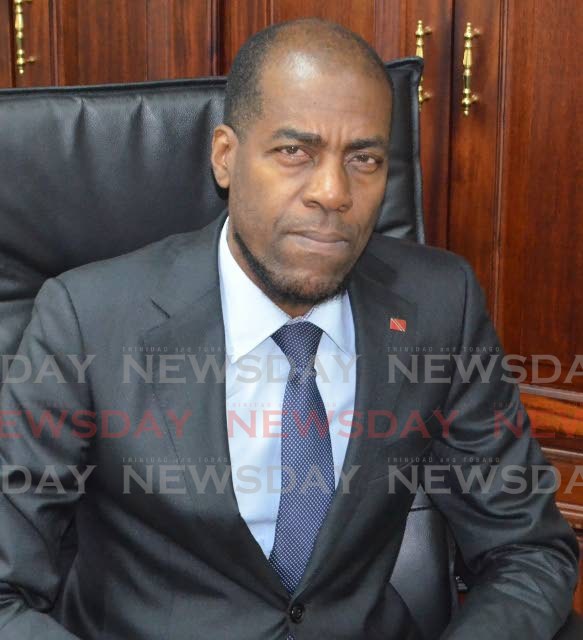
    Prime Minister’s emphasis on public safety as a cornerstone of her 2026 agenda has encountered significant challenges regarding fireworks regulation. Despite implementing new fireworks regulations, the government has witnessed widespread public disregard for these measures, prompting calls for more drastic action.

    The enforcement mechanism has proven fundamentally inadequate during recent celebrations. Despite explicit commitments from both the Homeland Security Minister and Police Commissioner regarding rigorous implementation, law enforcement agencies remained unable to address illegal fireworks usage effectively. The inherent nature of fireworks – their transient projection and instantaneous combustion – creates near-insurmountable obstacles for identifying perpetrators and collecting evidence, rendering current legislation practically unenforceable.

    This enforcement paralysis has created a scenario where non-compliant citizens effectively override law-abiding ones, undermining governmental authority and public safety initiatives. Particularly concerning are official suggestions regarding protective measures, including a proposed half-mile radius of protection for vulnerable populations and recommendations for silent fireworks. These proposals demonstrate a fundamental misunderstanding of both the practical realities and the comprehensive nature of the problem.

    The accumulating evidence points toward a single logical conclusion: only a complete prohibition on public fireworks possession can address the core issues of enforcement impossibility and public safety compromise. The government now faces increasing pressure to implement decisive action that matches the severity of the situation.

  • Trinidad and Tobago: Heritage, harmony and hope of 2026

    Trinidad and Tobago: Heritage, harmony and hope of 2026

    In a world increasingly fragmented by political polarization and contested elections, Trinidad and Tobago stands as a remarkable example of democratic resilience and cultural cohesion. Heritage consultant Vel A Lewis presents a compelling examination of how the nation’s diverse social fabric has become its greatest strength.

    The Caribbean nation’s stability is rooted in its deeply ingrained democratic traditions, where peaceful power transitions and respect for electoral outcomes have become normalized despite global trends toward election disputes. This political maturity, Lewis argues, is intrinsically linked to TT’s multicultural identity—a rich tapestry woven from Indigenous, African, Indian, European, Chinese, and Syrian influences.

    This diversity manifests through vibrant cultural expressions that serve as social coping mechanisms. Carnival transforms tension into masquerade, while artistic traditions like calypso, steelpan, tassa, and chutney provide spaces for resistance and collective meaning-making. The nation’s religious pluralism—encompassing Christian, Hindu, Muslim, Orisha, and Spiritual Baptist traditions—further reinforces shared values of compassion and tolerance.

    Despite facing contemporary challenges including crime concerns and geopolitical tensions with neighboring Venezuela, TT’s historical pattern demonstrates a society that “bends without breaking.” The author identifies the distinctive national temperament—both playful and prayerful—as key to this resilience, encapsulated in the popular local saying that “God is a Trini” reflecting collective confidence in overcoming adversity.

    Looking toward 2026, Lewis advocates for strategic investment in cultural preservation as essential to sustaining democratic foundations. Priority recommendations include completing the National Museum and Art Gallery restoration, enhancing protection for heritage sites, and strengthening support for visual and performing arts. These investments, the consultant contends, represent not merely cultural preservation but active reinforcement of the resilience that has carried the nation through previous challenges.

    The conclusion emphasizes that Trinidad and Tobago’s story of beauty, diversity, faith, and perseverance provides a template for maintaining national confidence amid global uncertainties through purposeful cultural stewardship.

  • Spain rejects Israel’s intention to expel NGOs

    Spain rejects Israel’s intention to expel NGOs

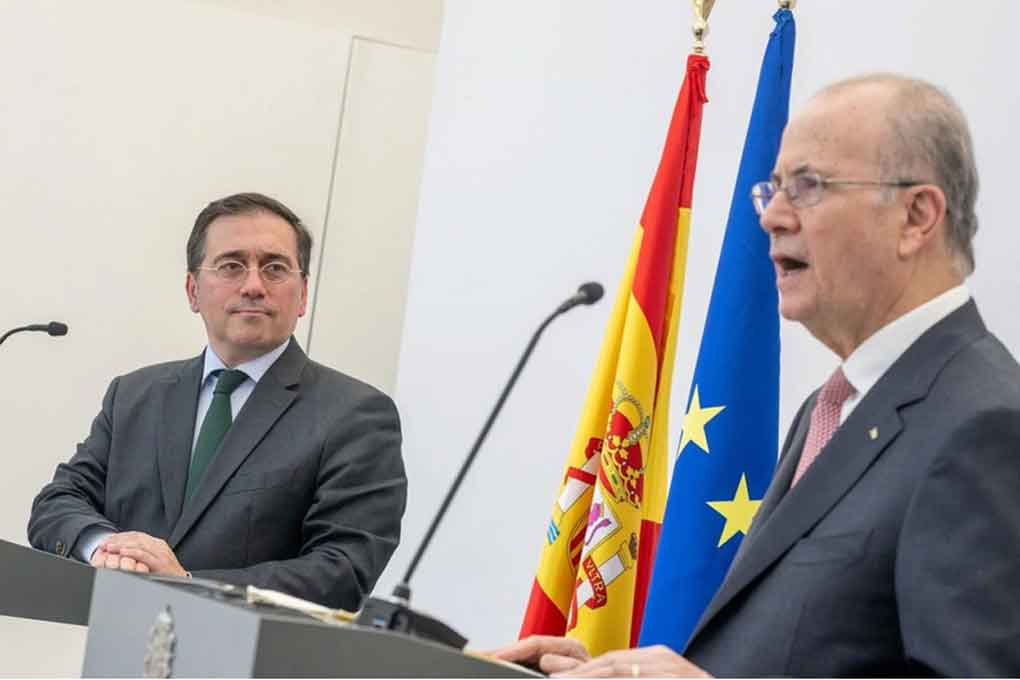
    The Spanish government has issued a formal diplomatic condemnation against Israel’s systematic targeting of humanitarian organizations operating in Palestinian territories. Through an official statement released by its Foreign Ministry, Madrid denounced Israel’s controversial practice of requiring NGOs to register, only to subsequently revoke their operational licenses and expel them from the region.

    This regulatory crackdown has significantly impacted both Spanish and international aid groups, effectively crippling their capacity to address what Spain describes as a ‘humanitarian catastrophe’ in Gaza. The measures directly hinder the delivery of essential supplies and services to Palestinian civilians facing extreme deprivation.

    The Spanish statement further contextualized these actions within Israel’s broader legislative offensive against humanitarian operations. Reference was made to the recent Knesset-approved law authorizing the termination of electricity and water supplies to UNRWA facilities while simultaneously stripping the agency of its diplomatic immunities and operational privileges.

    Madrid expressed profound alarm regarding the compounded severity these decisions impose on Gaza’s already dire humanitarian landscape. The government emphasized that these policies will have devastating consequences for civilian populations throughout the Occupied Palestinian Territories.

    Concluding with a firm diplomatic demand, Spain urged Israeli authorities to immediately reverse these ‘unacceptable decisions’ that obstruct life-saving humanitarian operations. The appeal specifically highlighted the need to protect vulnerable refugee populations across Gaza, the West Bank, and the broader Middle East region who rely on international aid for survival.

  • More than 3,000 Brazilians repatriated or deported in 2025

    More than 3,000 Brazilians repatriated or deported in 2025

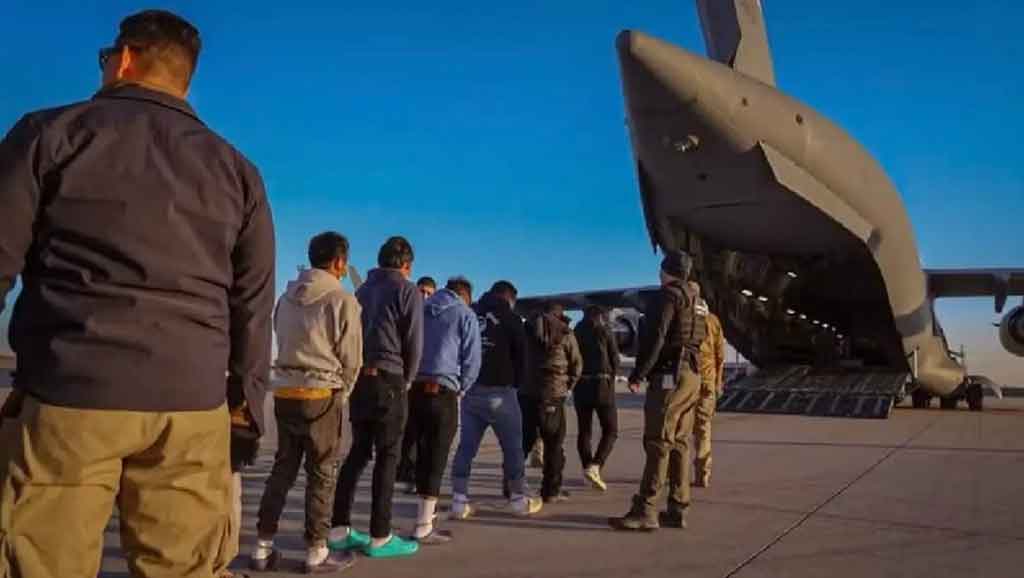
    Brazil has significantly escalated its national repatriation efforts in response to intensified deportation measures from the United States, with its “Here is Brazil” program facilitating 37 separate operations since January 2025. The initiative has successfully returned numerous vulnerable Brazilian citizens, primarily from US territories, marking a substantial increase in governmental intervention.

    The current repatriation volume demonstrates a dramatic surge, nearly doubling the total 1,600 repatriations recorded throughout the entire previous year of 2024. This sharp increase aligns with the implementation of stricter immigration enforcement policies under US President Donald Trump, who had prominently featured mass deportations as a cornerstone of his presidential campaign agenda. The policy shift has notably affected Brazilian nationals residing in the United States.

    Following their arrival at Belo Horizonte International Airport—the primary gateway in Minas Gerais state’s southeastern region—repatriated individuals receive comprehensive support. A segment of the most recent group was transferred to specially equipped hotel accommodations providing essential services including meals, hygiene products, and specialized medical and psychological care. The Brazilian Ministry of Human Rights and Citizenship (MDCH) has established robust psychosocial support systems alongside logistical guidance and transportation assistance to facilitate returnees’ journeys to their home cities.

    The ministry further noted that individuals with established local connections or those opting for immediate onward travel received full assistance directly within the airport terminal, ensuring all returning citizens access necessary support regardless of their final destination arrangements.

  • DRC begins two-year term on UN Security Council

    DRC begins two-year term on UN Security Council

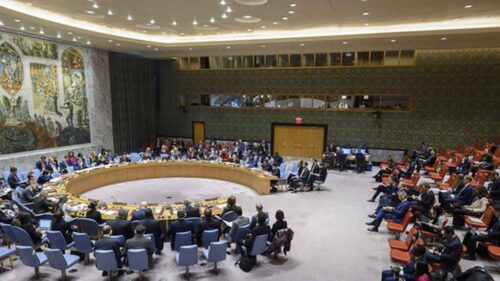
    The Democratic Republic of Congo has officially commenced its term as a non-permanent member of the United Nations Security Council, marking its first return to the powerful diplomatic body in over three decades. Foreign Minister Therese Kayikwamba Wagner characterized this development as a profound responsibility rather than an accolade, emphasizing the nation’s dedication to international peace and security during a video address.

    This ascension to the Security Council occurs amid significant domestic security challenges within the DRC, including ongoing instability and external aggression. Minister Wagner expressed gratitude to all UN member states for their confidence in the Central African nation’s capabilities, acknowledging the timing as particularly symbolic given the country’s current circumstances.

    The diplomatic mission will prioritize conflict prevention and resolution, with particular focus on African continent security issues. The minister articulated the nation’s approach would be grounded in principles of multilateral cooperation, respectful dialogue, and strict adherence to international legal obligations.

    Minister Wagner explicitly framed the Security Council position as “a mission, not a reward,” underscoring the DRC’s commitment to defending fundamental international principles including state sovereignty, territorial integrity, and the established framework of international law. The country previously held Security Council membership during the 1982-1983 and 1990-1991 periods, bringing historical perspective to its current term.

  • Maldives expresses interest in strengthening ties with Cuba

    Maldives expresses interest in strengthening ties with Cuba

    Marking the 67th anniversary of the triumph of the Cuban Revolution, Maldivian Foreign Minister Moosa Zameer has articulated a clear vision for enhanced cooperation between the Maldives and Cuba. In a formal diplomatic communiqué addressed to his Cuban counterpart, Bruno Rodríguez Parrilla, Minister Zameer extended warm congratulations on behalf of both the Maldivian government and its citizens, recognizing the occasion as Cuba’s ‘Liberation Day.’

    The correspondence served as a platform to reaffirm the enduring diplomatic partnership between the two nations. Minister Zameer explicitly expressed his intent to fortify the existing bilateral and multilateral collaboration in the years ahead, underscoring a mutual commitment to international solidarity. The message concluded with formal assurances of the Minister’s highest regard and esteem for his Cuban colleague.

    The foundation for this modern partnership was established on January 29, 1977, when diplomatic relations were first formalized. For nearly five decades, the relationship has been defined by a consistent pattern of strong diplomatic alignment and reciprocal support across numerous international forums and development initiatives, fostering a relationship built on shared principles and mutual respect.

  • UNICEF reports worsening sexual violence against children in DRC

    UNICEF reports worsening sexual violence against children in DRC

    A recent United Nations report has revealed a devastating epidemic of sexual violence throughout the Democratic Republic of Congo (DRC), describing it as both systemic and deeply entrenched within the nation. Shockingly, over 35,000 cases were officially documented within just the first three quarters of 2025. Preliminary data from the previous year paints an even grimmer picture for conflict-affected regions, indicating that cases reported in the first half of 2024 may constitute over 80% of the total annual figure. UNICEF, the UN’s children’s agency, has issued a stark warning that these already staggering numbers likely represent a significant undercount of the true crisis. The organization emphasized that countless victims remain silenced due to pervasive fear, intense social stigmatization, ongoing security threats, and critically limited access to support services and safe reporting mechanisms. The eastern provinces of North Kivu, South Kivu, and Ituri bear the heaviest burden of this violence. In these regions, relentless armed conflict, mass population displacements, and the complete collapse of community protection systems have created a perfect storm of risk and vulnerability. While adolescent girls are identified as the demographic most severely impacted across the country, the report also highlights that boys are subjected to these horrific acts, though their cases are vastly underreported due to additional layers of stigma and shame.

  • Venezuela: Maduro houdt VS olijftak voor

    Venezuela: Maduro houdt VS olijftak voor

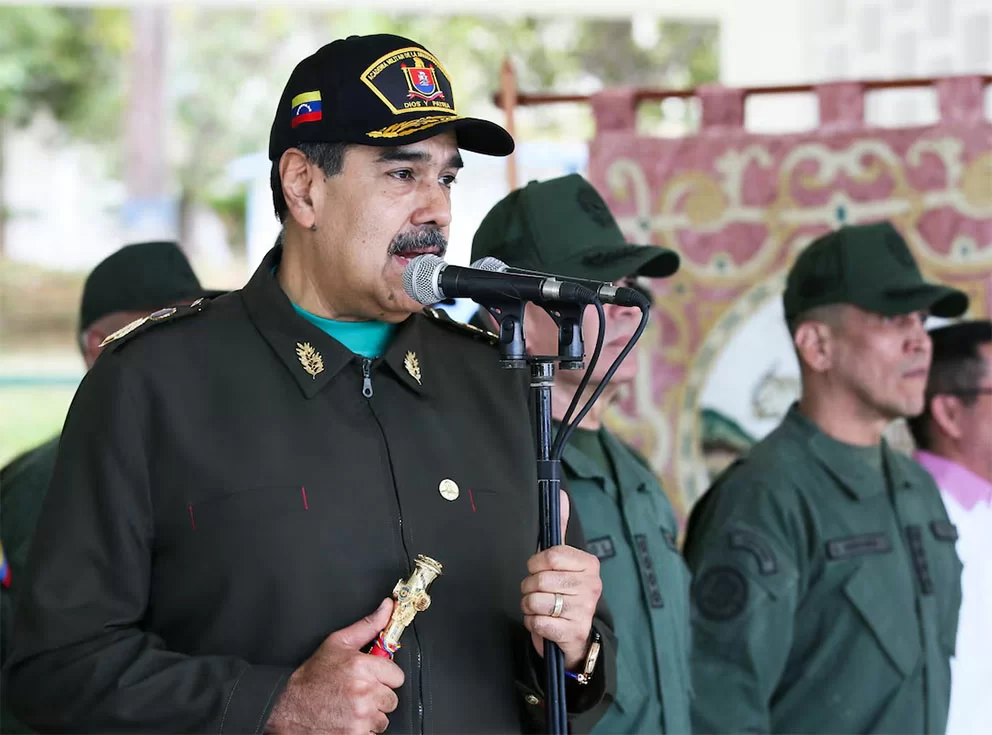
    In a striking diplomatic overture, Venezuelan President Nicolás Maduro has proposed comprehensive dialogue with the United States regarding narcotics enforcement while offering American energy corporations expanded access to Venezuela’s substantial petroleum reserves. The unexpected conciliatory message was delivered during a New Year’s Day broadcast on state television, filmed within a militarized zone of Caracas.

    Maduro characterized Venezuela as a “brother nation” to the United States and referenced his November exchange with President Donald Trump, noting the American leader had formally acknowledged his presidency during their communication. This represents a notable tonal shift from Venezuela’s previous stance toward Washington amid escalating bilateral tensions.

    The televised interview featured Maduro demonstratively driving a vehicle with his wife Cilia Flores seated in the rear—a gesture analysts interpreted as projecting confidence despite recent reductions in his public appearances following U.S. threats of military intervention.

    Washington has recently intensified its Caribbean military presence while accusing Maduro’s administration of presiding over a “narco-state” and threatening regime change. The Venezuelan leader has consistently denied these allegations, maintaining that U.S. hostility stems from desires to control Venezuela’s extensive oil reserves and rare earth mineral deposits.

    Maduro’s proposal specifically mentioned readiness to accommodate investments from American energy giants like Chevron, stating: “Venezuela is prepared to accept U.S. investments wherever and whenever they choose to proceed.” Regarding narcotics cooperation, he emphasized: “If they seriously wish to discuss agreements to combat drug trafficking, we are prepared for that conversation.”

    This development occurs against the backdrop of increased U.S. naval deployments in the Caribbean and follows Maduro’s Christmas-season admonition that Trump should focus primarily on domestic challenges rather than Venezuelan affairs.

  • Brazilian gold miners die in pit cave in

    Brazilian gold miners die in pit cave in

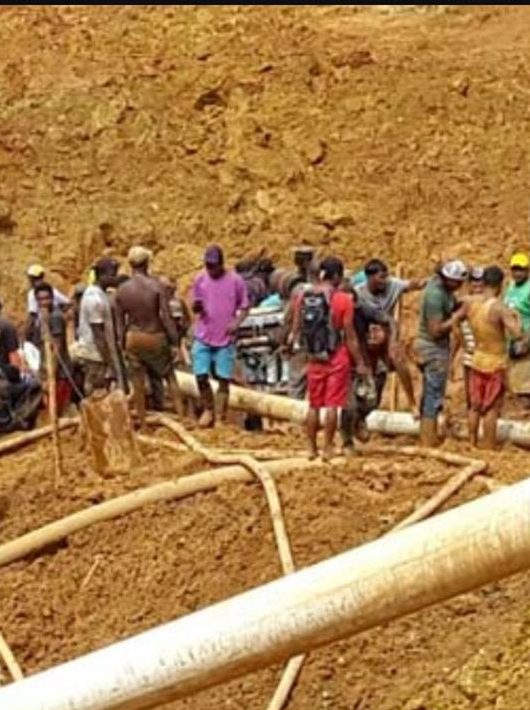
    A devastating mining accident in the remote North Pakaraimas region of Guyana has resulted in the tragic deaths of two Brazilian gold miners. The fatal incident occurred on the afternoon of December 30, 2025, when the mining pit where they were working suddenly collapsed.

    The victims have been identified as Cleumiton Da Silva Santos, aged 37, and Antonio Filho, aged 44. According to official statements from the Guyana Police Force, the catastrophe unfolded at approximately 4:00 PM at the ‘S’ Bend Backdam mining site in Chenapou.

    Preliminary investigation findings indicate that a substantial quantity of sand unexpectedly gave way and cascaded into the excavation pit. While several other workers managed to escape the collapsing structure, both Santos and Filho became trapped beneath the debris. Rescue teams subsequently retrieved both men, but they were declared motionless at the scene.

    Due to the extremely remote location of the mining operation, logistical challenges have complicated recovery efforts. The bodies currently remain at the ‘S’ Bend Backdam site while authorities coordinate transportation arrangements. The remains will be transferred to the Mahdia District Hospital for official post-mortem examinations to determine the exact causes of death.

    The Guyana Police Force has confirmed that a comprehensive investigation into the circumstances surrounding the fatal collapse is currently underway. Mining safety protocols and potential contributing factors are being examined as part of the ongoing procedural inquiry.