作者: admin

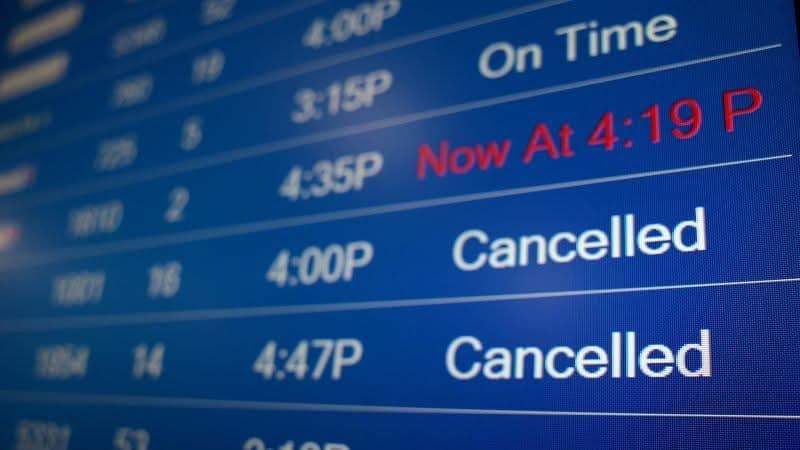
  • U.S carriers cancel flights to Antigua

    U.S carriers cancel flights to Antigua

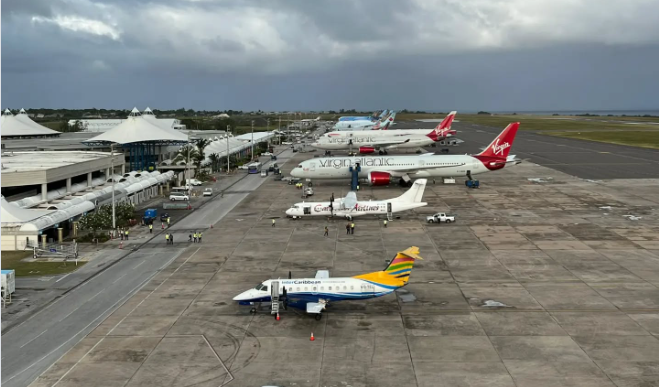
    Aviation authorities have reported significant disruptions to US-registered flight operations across critical Caribbean and South American air corridors. The affected airspace includes San Juan and Piarco, creating substantial travel interruptions for passengers and airlines alike.

    Leading US carriers have implemented widespread cancellations. Delta Airlines and JetBlue have suspended all operations in the region, while American Airlines has canceled multiple specific flights, including AA2467 and AA2596. The cancellations appear selective rather than comprehensive, suggesting targeted airspace restrictions rather than blanket closures.

    Notably, transatlantic services continue unaffected, with Virgin Atlantic (VS) and British Airways (BA) maintaining regular scheduled operations. Air Canada has also confirmed normal service without disruptions, indicating the limitations specifically affect US-registered aircraft rather than all international carriers.

    Aviation experts suggest the pattern of cancellations points to potential diplomatic or regulatory developments affecting US aviation access rather than meteorological or technical issues. The selective nature of the disruptions—affecting specific carriers and routes while sparing others—reinforces this assessment.

    Travelers are advised to monitor official airline communications channels for real-time updates regarding flight status and potential restoration of service. The aviation community awaits further clarification from relevant authorities regarding the duration and scope of these operational restrictions.

  • VS vangt Maduro: herinneringen aan Noriega en Saddam

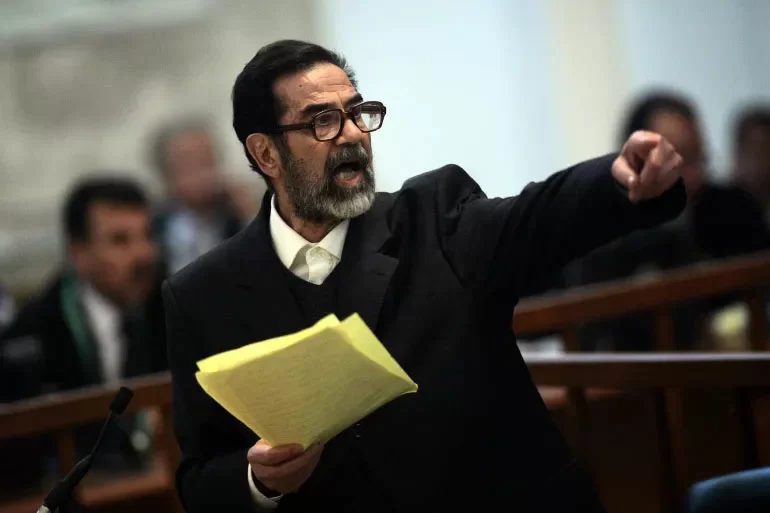
    VS vangt Maduro: herinneringen aan Noriega en Saddam

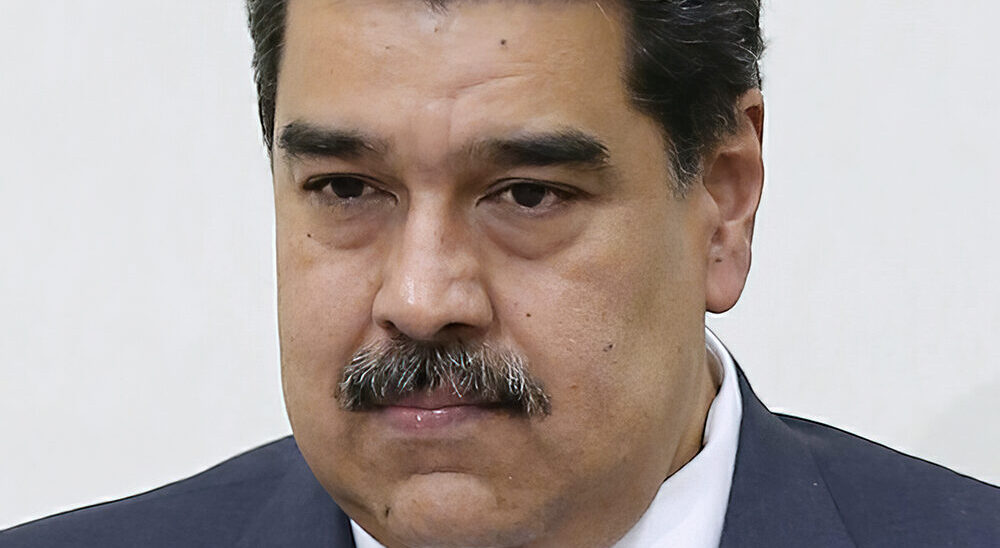
    In a stunning geopolitical development, President Donald Trump has announced the capture of Venezuelan leader Nicolás Maduro and his wife Cilia Flores amid what he described as “large-scale” offensive operations against Venezuela. The unprecedented move has sent shockwaves through international diplomatic circles and drawn immediate comparisons to previous US-led captures of foreign leaders.

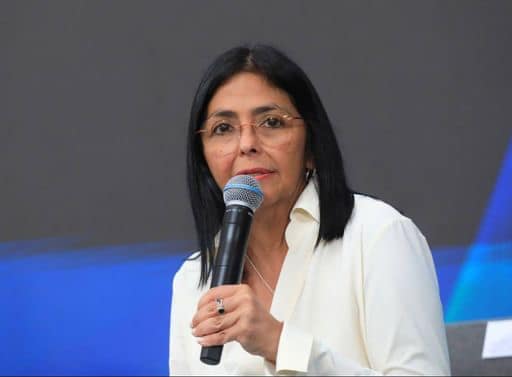
    The Venezuelan government, through Vice President Delcy Rodríguez, has expressed grave concerns about Maduro’s whereabouts. In an audio message broadcast on state television, Rodríguez demanded concrete evidence that both Maduro and Flores remain alive, indicating complete uncertainty within Caracas about their president’s status.

    This dramatic escalation follows sustained military operations by US forces in the Caribbean Sea and Eastern Pacific targeting vessels suspected of drug trafficking. Washington has long accused Maduro’s administration of involvement in narcotics smuggling, providing the stated justification for these recent actions.

    The capture evokes historical precedents including the 1989 US invasion of Panama that ousted Manuel Noriega. Like Maduro, Noriega faced US drug trafficking charges before being captured, tried in American courts, and imprisoned. The Panama operation represented the largest US combat mission since Vietnam at the time, justified variously as protecting American citizens, combating dictatorship, and stopping drug trafficking.

    Similarly, the 2003 capture of Iraqi leader Saddam Hussein by US forces following the invasion based on disputed weapons of mass destruction intelligence presents another parallel. Both Noriega and Hussein had previously been US allies before falling out of favor with Washington.

    Adding contemporary complexity, the recent case of former Honduran President Juan Orlando Hernández demonstrates the unpredictable nature of US foreign policy. Despite being convicted on drug and corruption charges and sentenced to 45 years in US prison, Hernández received a presidential pardon from Trump in December 2025, only to subsequently face an international arrest warrant from Honduran authorities.

    The capture of a sitting head of state represents an extraordinary escalation in US-Venezuela relations and raises profound questions about international law, sovereignty, and the future of regime change operations in the 21st century.

  • Venezuelan Vice President Flees to Russia

    Venezuelan Vice President Flees to Russia

    In a dramatic escalation of international tensions, Venezuelan Vice President Delcy Rodríguez has reportedly fled to Russia seeking political asylum. This development comes mere hours after a daring early morning operation conducted by United States forces resulted in the capture of Venezuelan President Nicolás Maduro.

    According to exclusive reporting from Reuters News Agency, four separate sources with direct knowledge of the situation have confirmed Rodríguez’s sudden departure to Russian territory. The vice president’s abrupt exit marks a significant turning point in Venezuela’s ongoing political crisis, which has seen increasing international involvement.

    Prior to her departure, Rodríguez had issued a formal demand for the United States government to provide verifiable proof of life for both President Maduro and his wife, Cilia Flores. This request underscores the heightened concerns regarding the treatment and status of the captured Venezuelan leader.

    The geopolitical implications of these events are substantial, potentially reshaping diplomatic relations between Venezuela, Russia, and the United States. Russia’s decision to grant refuge to Venezuela’s second-highest ranking official suggests strengthened alliances that could complicate international efforts to resolve the Venezuelan political standoff.

    This development represents one of the most significant confrontations between the U.S. and Venezuelan governments in recent history, with potential ramifications for regional stability throughout Latin America. The situation continues to evolve rapidly as international observers monitor both Maduro’s status and Rodríguez’s activities in Russia.

  • Firearm and ammunition charges laid against 18-year-old

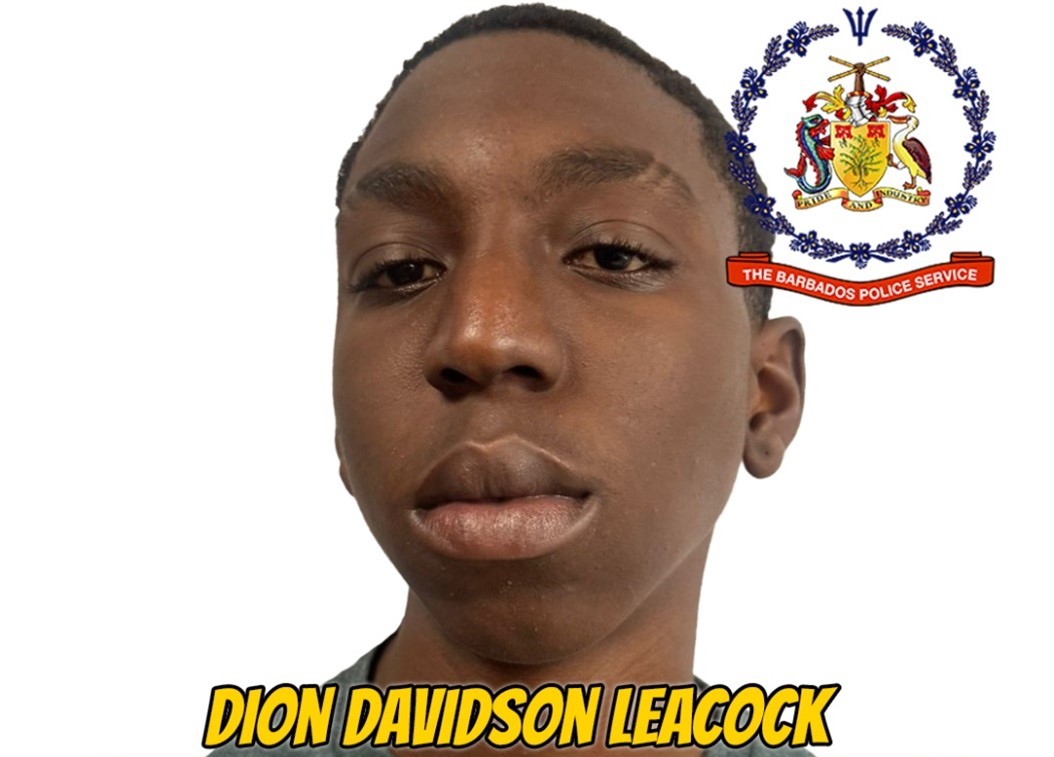
    Firearm and ammunition charges laid against 18-year-old

    An 18-year-old Barbadian national is set to face judicial proceedings this Saturday following his arrest on serious weapons-related charges. Dion Davidson Leacock, residing at No. 21 Dover Crescent in the Cave Hill area of St. Michael, was taken into custody by the Barbados Police Service’s Major Crime Unit after investigators uncovered evidence linking him to illegal firearm possession.

    The specific charges filed against Leacock include unlawful possession of a firearm and seven rounds of ammunition. According to police reports, these alleged violations occurred on December 27, 2025, though investigative details remain undisclosed as the case moves through the judicial system.

    Leacock’s case will be heard at the District ‘A’ Criminal Court, where prosecutors will present evidence gathered by the Major Crime Unit. The timing of the court appearance suggests authorities are treating the matter with urgency, reflecting the Barbados government’s ongoing campaign against illegal weapons circulation.

    The case emerges against the backdrop of Caribbean-wide efforts to combat gun violence, particularly involving young adults. Legal experts note that firearm-related charges typically carry severe penalties under Barbadian law, with minimum sentencing guidelines for certain weapon offenses.

    This prosecution represents the latest development in the Barbados Police Service’s targeted operations against illegal weapons trafficking, which has seen increased priority following regional security initiatives. The outcome of Saturday’s hearing could set important precedents for how similar cases are handled throughout the Eastern Caribbean jurisdiction.

  • Sir Lester Bird Medical Centre neurology team attends US epilepsy conference

    Sir Lester Bird Medical Centre neurology team attends US epilepsy conference

    The neurology division at Sir Lester Bird Medical Centre has marked a significant professional achievement through its active participation in the prestigious 2025 American Epilepsy Society (AES) Meeting. This premier global gathering, recognized as a leading forum for epilepsy specialists worldwide, facilitated crucial knowledge exchange among clinicians and researchers dedicated to advancing seizure disorder management.

    The medical institution deployed a distinguished three-member delegation to the conference: Dr. Gaden Osborne, serving as Neurologist and Chair of Subspecialty Services; Kesha Willock, a credentialed Registered Nurse and EEG Technician; and Dr. Ranisha Hazlewood, a Neurology Registrar. Their attendance provided exposure to cutting-edge developments in diagnostic methodologies, therapeutic interventions, and comprehensive long-term patient care strategies.

    Hospital administration emphasized that such international engagement is fundamental to maintaining alignment with evolving global standards and emerging scientific discoveries. The acquired expertise is slated for immediate implementation within Antigua and Barbuda’s healthcare framework, aiming to elevate local epilepsy management protocols and enhance support systems for affected individuals and their families.

    This initiative underscores the medical center’s commitment to continuous professional development, positioning it as a strategic investment in public health infrastructure. The translation of newly gained knowledge into clinical practice is expected to yield tangible improvements in patient outcomes, reinforcing the institution’s capacity to deliver specialized neurological services to the Caribbean community.

  • Venezuela’s attorney general accuses US of endangering President Maduro after Caracas strikes

    Venezuela’s attorney general accuses US of endangering President Maduro after Caracas strikes

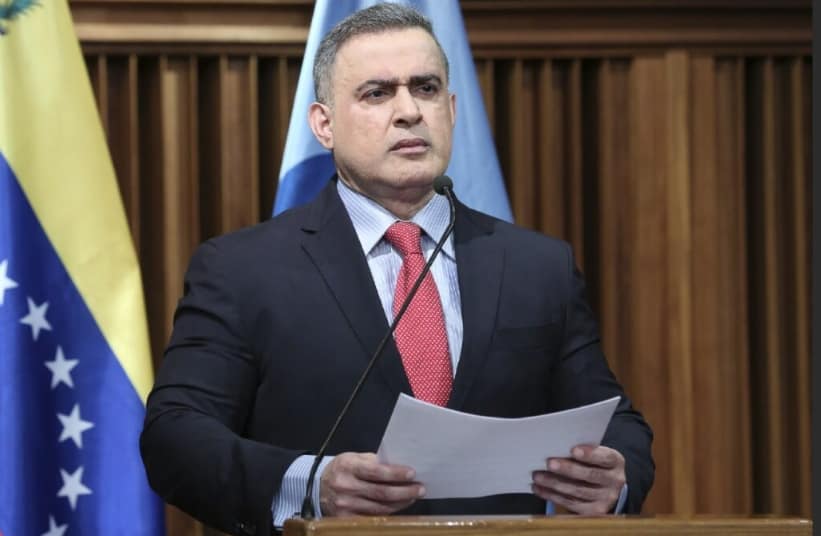
    Venezuela’s top prosecutor has launched a fierce diplomatic offensive against the United States, alleging Washington orchestrated military operations in Caracas that potentially endangered President Nicolás Maduro and First Lady Cilia Flores. Attorney General Tarek William Saab issued a dramatic televised statement in the early hours of Saturday, characterizing the situation as an effective ‘kidnapping’ of the nation’s leadership due to their uncertain whereabouts following reported aerial assaults.

    Drawing historical parallels to the 2002 coup that briefly ousted former president Hugo Chávez, Saab framed the current crisis as a defining moment in Venezuela’s political history. The prosecutor emphasized that the United States would bear full responsibility for the safety of Maduro and Flores, while simultaneously calling for intervention from United Nations bodies and international human rights organizations.

    The Venezuelan government reported multiple explosions across strategic locations in Caracas, accompanied by low-flying aircraft operations that targeted both civilian and military infrastructure. Officials branded the incident as an ‘imperialist attack’ originating from the United States, though American authorities have maintained complete silence regarding the allegations.

    Vice President Delcy Rodríguez compounded the uncertainty by stating that the president’s condition remains unverified. Meanwhile, Saab has directed prosecutors to comprehensively document what he termed human rights violations connected to the alleged American operation, simultaneously criticizing international organizations for their perceived inaction during the crisis.

  • CARICOM Heads Meet in Emergency Session Following Military Action in Venezuela

    CARICOM Heads Meet in Emergency Session Following Military Action in Venezuela

    CARICOM Heads of Government assembled for an urgent summit on January 3rd, responding to escalating military developments in Venezuela that have sent shockwaves throughout the Western Hemisphere. The emergency session was prompted by confirmed reports of direct U.S. military intervention targeting Venezuelan leadership.

    Following deliberations, the Caribbean Community issued an official communiqué expressing profound regional apprehension regarding the rapidly unfolding situation. The organization characterized the developments as presenting potentially severe consequences for neighboring nations and the broader Caribbean basin, emphasizing the critical need for stability in the region.

    The crisis erupted when United States forces executed a comprehensive military operation resulting in the capture of Venezuelan President Nicolás Maduro and First Lady Cilia Flores. American authorities have formally indicted Maduro on multiple charges including narcotics trafficking and illegal weapons distribution, with plans to prosecute him through the U.S. judicial system.

    Venezuela has confirmed widespread explosions throughout the capital city of Caracas, with government officials accusing the United States of launching attacks against both civilian infrastructure and military installations. The Venezuelan government has formally declared a nationwide emergency while demanding immediate verification regarding the status and whereabouts of their captured leadership. Current governmental authority within Venezuela remains uncertain following these extraordinary events.

  • Grantley Adams International Airport remains open

    Grantley Adams International Airport remains open

    The Grantley Adams International Airport (GAIA) in Barbados has officially confirmed its operational status remains unaffected despite significant disruptions currently impacting regional and international aviation networks. In a formal communiqué released on Saturday, airport authorities acknowledged that systemic challenges within the aviation sector have resulted in substantial flight cancellations affecting all US-bound and departing services.

    Specific flights experiencing complete cancellations in both directions include KLM’s scheduled service KL783 and Virgin Airways flight VO3702. The airport management has issued strong recommendations for affected travelers to initiate direct contact with their respective airlines and vigilantly monitor official carrier communication platforms for real-time updates regarding flight status and rebooking procedures.

    GAIA officials emphasized their ongoing vigilance in monitoring the evolving situation, pledging to disseminate further updates as circumstances develop. The statement concluded with expressions of gratitude for the public’s demonstrated patience and cooperative spirit during this period of operational uncertainty within the aviation industry.

  • Trump says US strike captures Venezuelan president Maduro; global reactions follow

    Trump says US strike captures Venezuelan president Maduro; global reactions follow

    In an unprecedented military intervention, Venezuelan President Nicolás Maduro has been apprehended and transported out of Venezuela following targeted strikes by US forces on Caracas. US President Donald Trump announced the operation via social media, scheduling a detailed press conference for 11 a.m. ET to address the developments.

    US Attorney General Pam Bondi disclosed that Maduro faces formal indictment in New York federal court on multiple charges related to narcotics trafficking and weapons offenses. Secretary of State Marco Rubio informed Republican legislators that Maduro would undergo judicial proceedings in the United States, indicating that no additional military engagements were anticipated.

    Venezuelan Vice President Delcy Rodríguez reported that both Maduro and First Lady Cilia Flores remain missing following the attacks. Rodríguez vehemently denounced the US operation, claiming it resulted in numerous casualties among government officials, military personnel, and civilians nationwide.

    The international community has responded with heightened security measures. China’s Foreign Ministry and Embassy in Venezuela issued urgent travel advisories, instructing citizens to avoid non-essential movement and prepare emergency contingency plans. Similarly, the United Kingdom’s Foreign Office implemented comprehensive shelter-in-place protocols for British nationals while Prime Minister Keir Starmer explicitly denied UK involvement in the operation. Starmer emphasized adherence to international legal standards and announced intentions to directly consult with President Trump regarding the factual basis for the military action.

  • Wij vermoeden dat het geld wegvloeit, maar hoe gebeurt dat eigenlijk?

    Wij vermoeden dat het geld wegvloeit, maar hoe gebeurt dat eigenlijk?

    Suriname stands at a pivotal economic juncture as major hydrocarbon developments threaten to expose significant structural vulnerabilities in the nation’s tax framework. With TotalEnergies advancing the GranMorgu oil project in Block 58 and PETRONAS developing gas resources in Block 52, the country must urgently address fundamental gaps in its international taxation and transfer pricing regulations to prevent substantial revenue leakage.

    These multibillion-dollar projects represent transformative economic opportunities yet simultaneously create systemic fiscal risks. Without contemporary legislation and explicit transfer pricing rules, a considerable portion of generated value could bypass Suriname’s economy entirely, moving beyond reach of both government revenues and citizens.

    The core challenge lies in Suriname’s current inability to verify whether taxed profits genuinely reflect the economic reality of local operations. Multinational corporations like TotalEnergies and PETRONAS operate within extensive, highly integrated global networks—not through isolated Surinamese entities. These complex structures encompass group companies providing financing, technical services, intellectual property management, contract administration, and commodity marketing.

    Several mechanisms directly impact taxable profits in Suriname:

    Intragroup services represent a primary concern, with technical, commercial, and support functions often centralized within corporate groups. Surinamese entities routinely utilize engineering, drilling support, project management, procurement, financial, logistical, and managerial services. Determining whether these services provide independent economic benefit requires transparent documentation and cost allocation practices currently lacking.

    Licensing and royalty arrangements present additional challenges. Both TotalEnergies and PETRONAS maintain extensive portfolios of specialized intellectual property including geological models, seismic software, drilling technology, project management systems, and safety protocols. When this intellectual property is held outside Suriname, local entities may be required to pay license fees—even at relatively low percentages, these payments can substantially reduce taxable profits.

    Intragroup financing arrangements significantly influence fiscal outcomes. Projects requiring billions in investments employ complex capital structures featuring high debt financing, interest charges, and guarantee fees that can suppress Surinamese profits for years, particularly during early development phases if not properly aligned with commercial benchmarks.

    Procurement structures further affect profit allocation, with major contracts often routed through group-related hubs outside Suriname that embed margins into cost allocations. Additionally, permanent establishment considerations require attention during intensive preliminary phases when significant activities already occur within the country.

    These mechanisms collectively produce higher reported costs within Suriname, resulting in lower profits and diminished tax bases. This reality demands specialized expertise and analytical frameworks that look beyond reported figures—capabilities Suriname currently lacks.

    The existing situation extends beyond hydrocarbon development. Multinational operations in capital-intensive sectors like gold mining (including Zijin Rosebel Gold Mines and Newmont operations) already demonstrate similar tax base erosion risks. The expanding oil and gas sector will amplify these effects by attracting broader value chains.

    Addressing these challenges requires urgent policy action. Suriname must establish comprehensive transfer pricing regulations, implement targeted documentation requirements, and critically reassess existing tax treaties. Crucially, the nation should avoid mechanically adopting OECD frameworks designed for developed economies, instead crafting fiscal policies aligned with its unique economic reality and development objectives.

    This modernization effort concerns not only the tax authority but all stakeholders—government regulators and particularly Staatsolie must incorporate these fiscal considerations into contract formation and project structures immediately to secure Suriname’s economic interests for decades to come.